Press Release

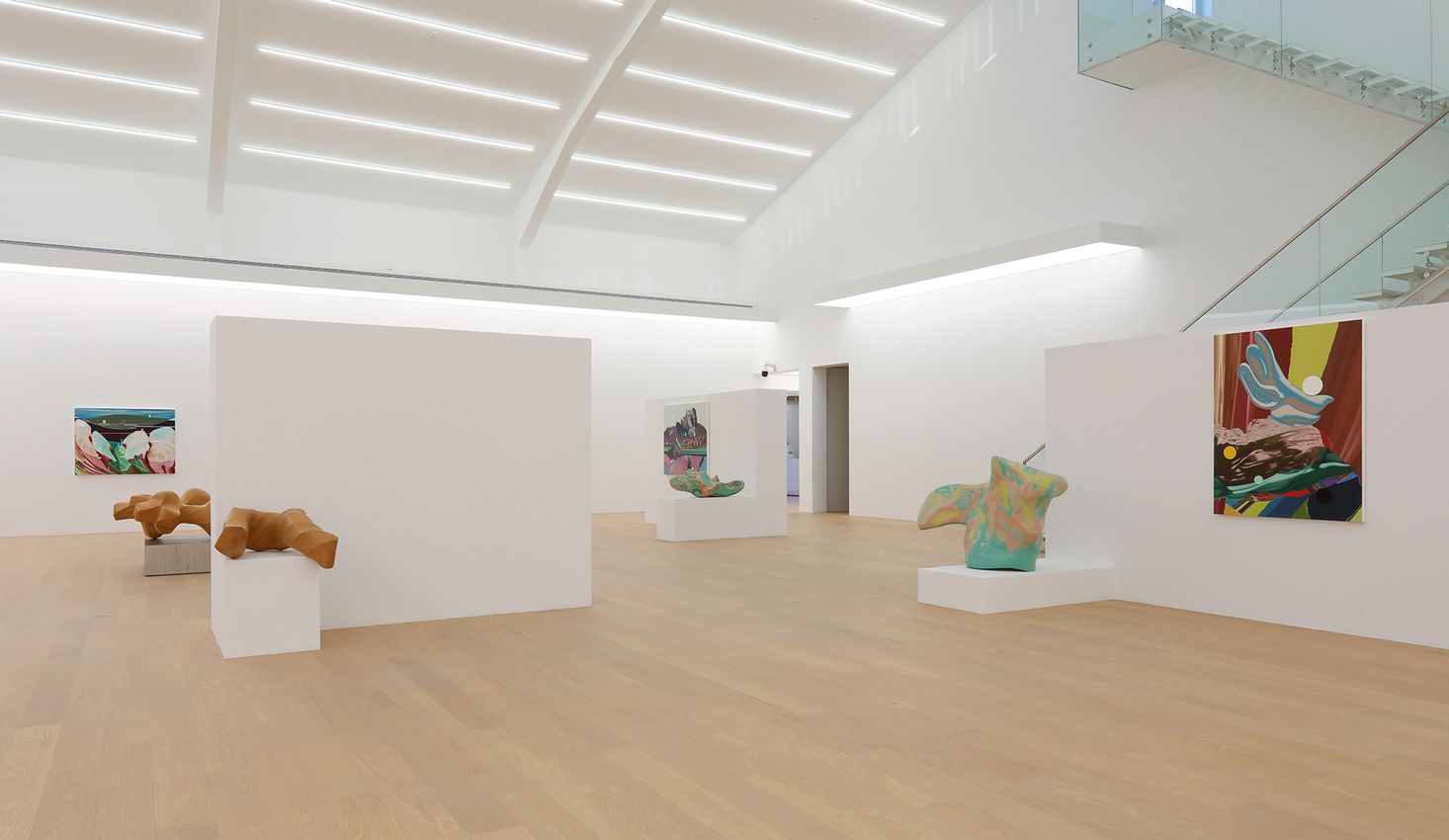
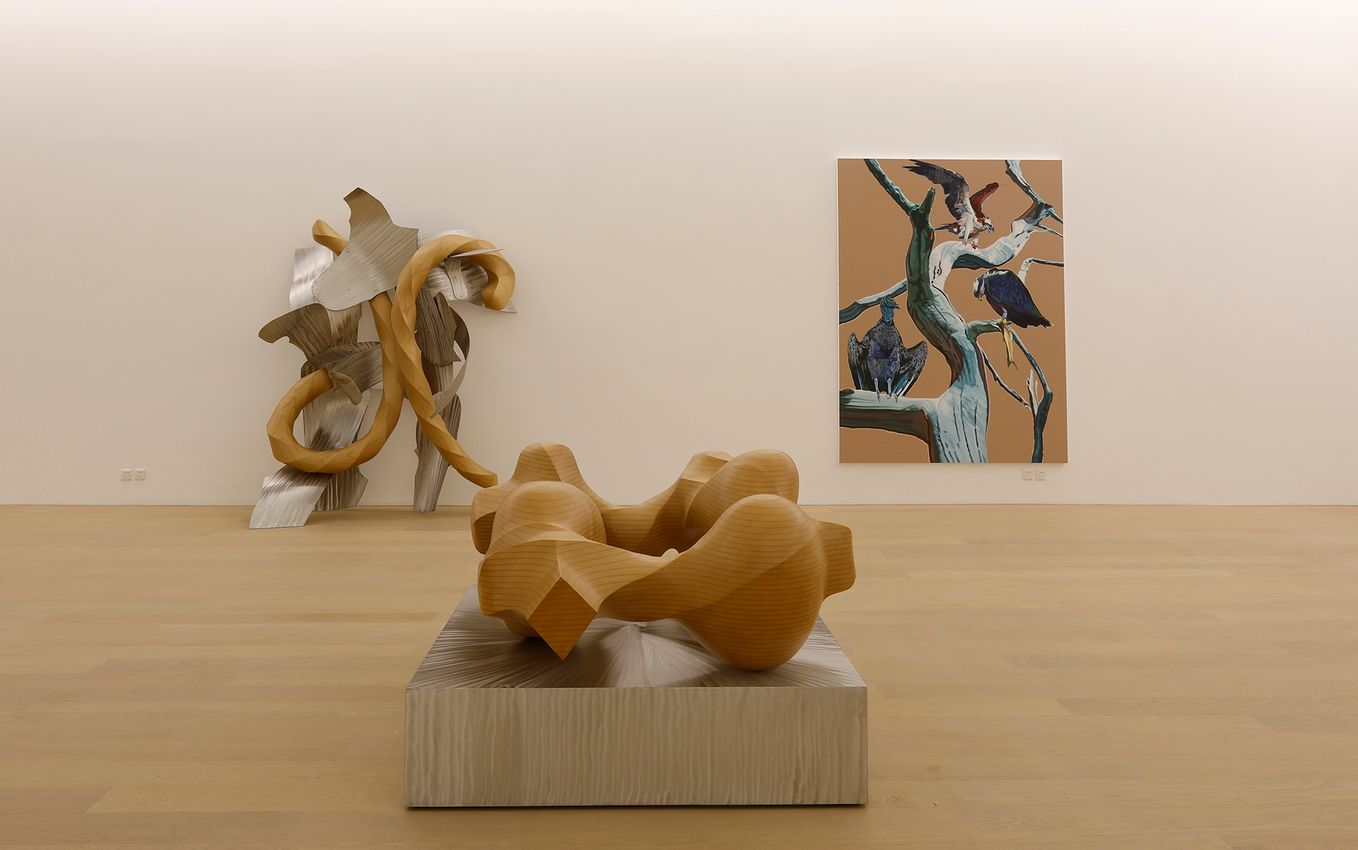
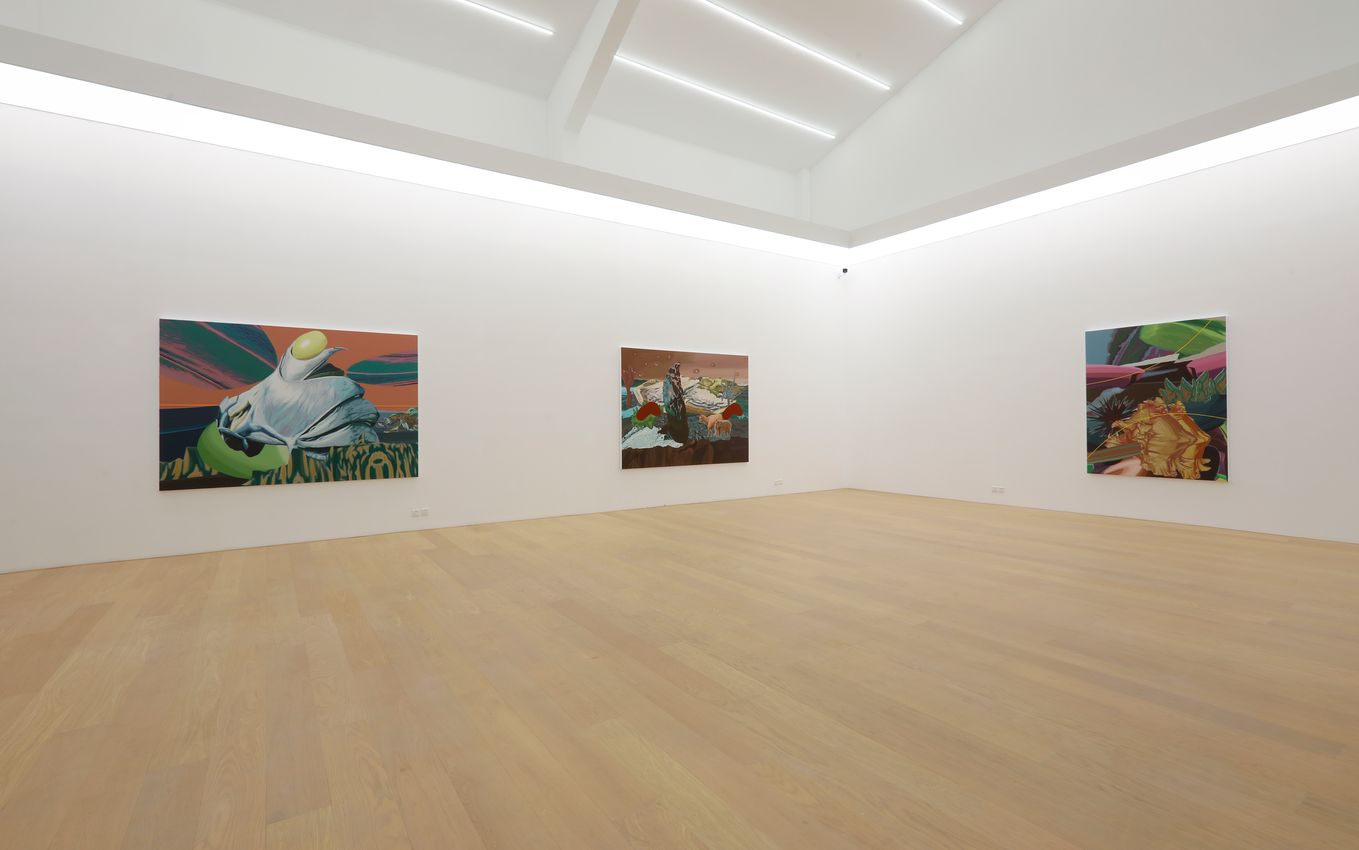
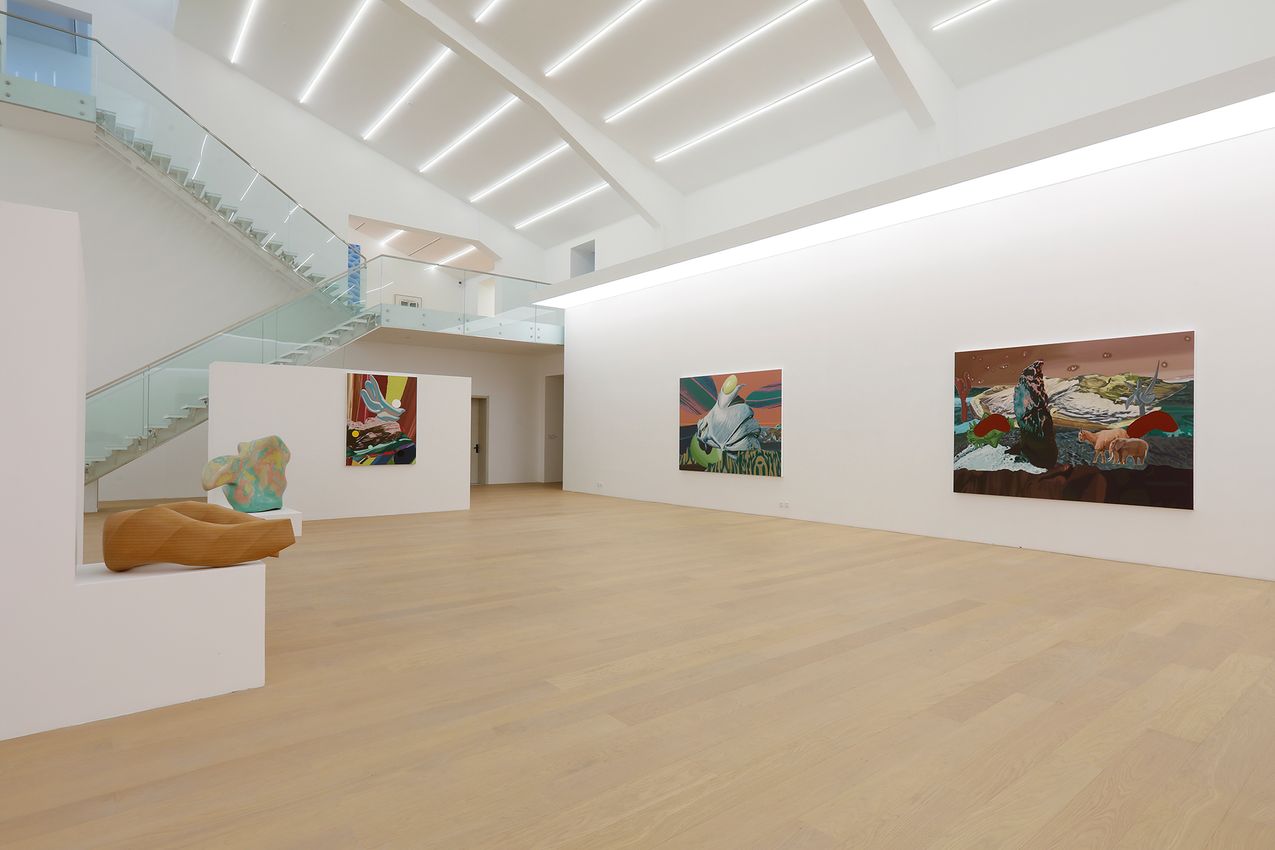
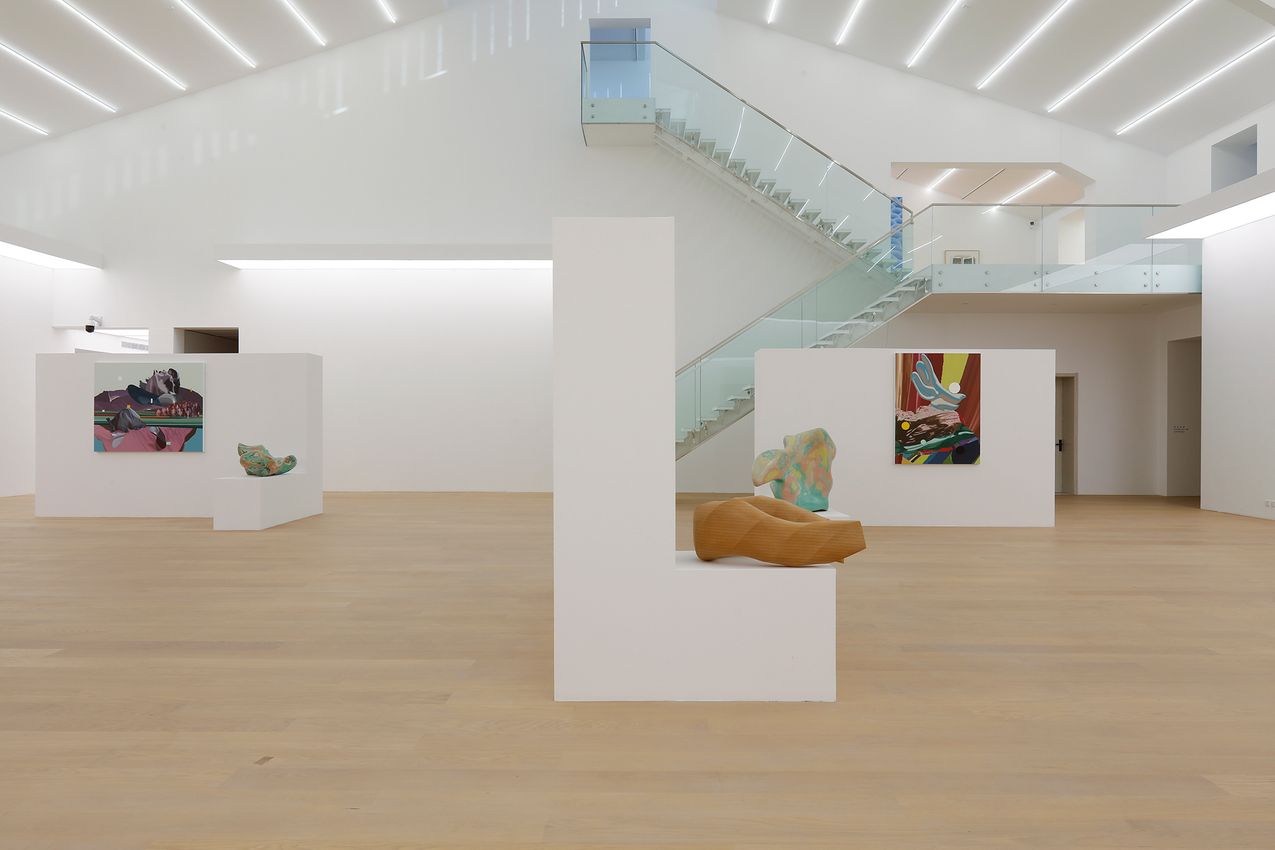
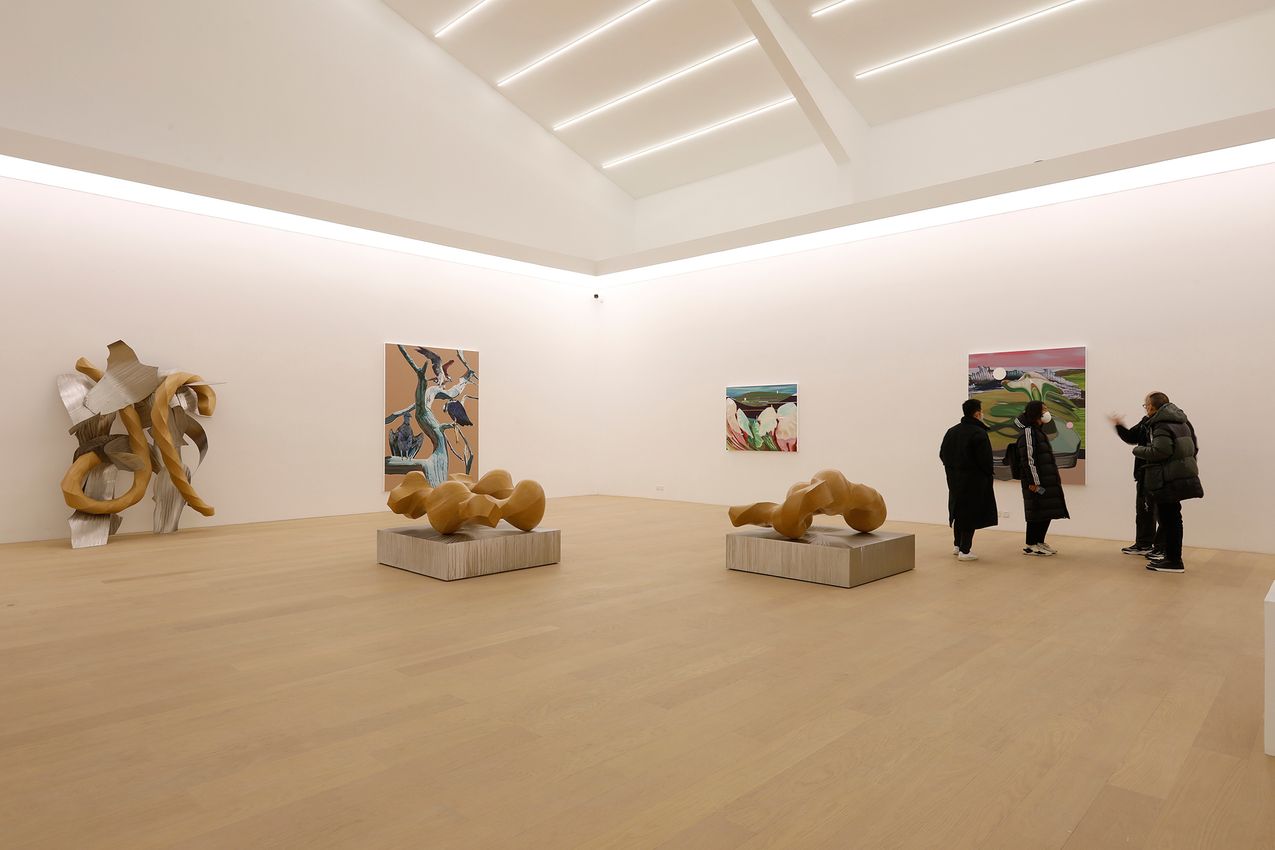
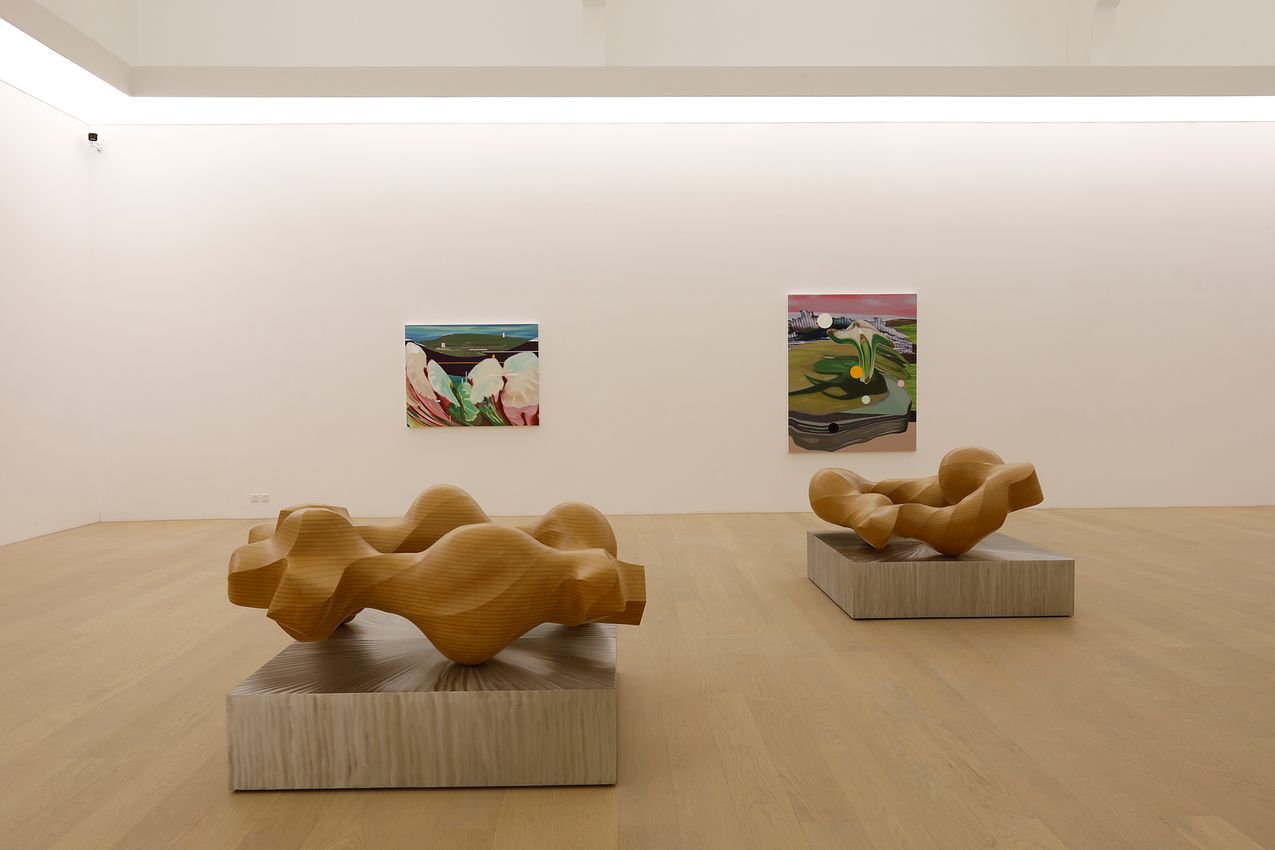
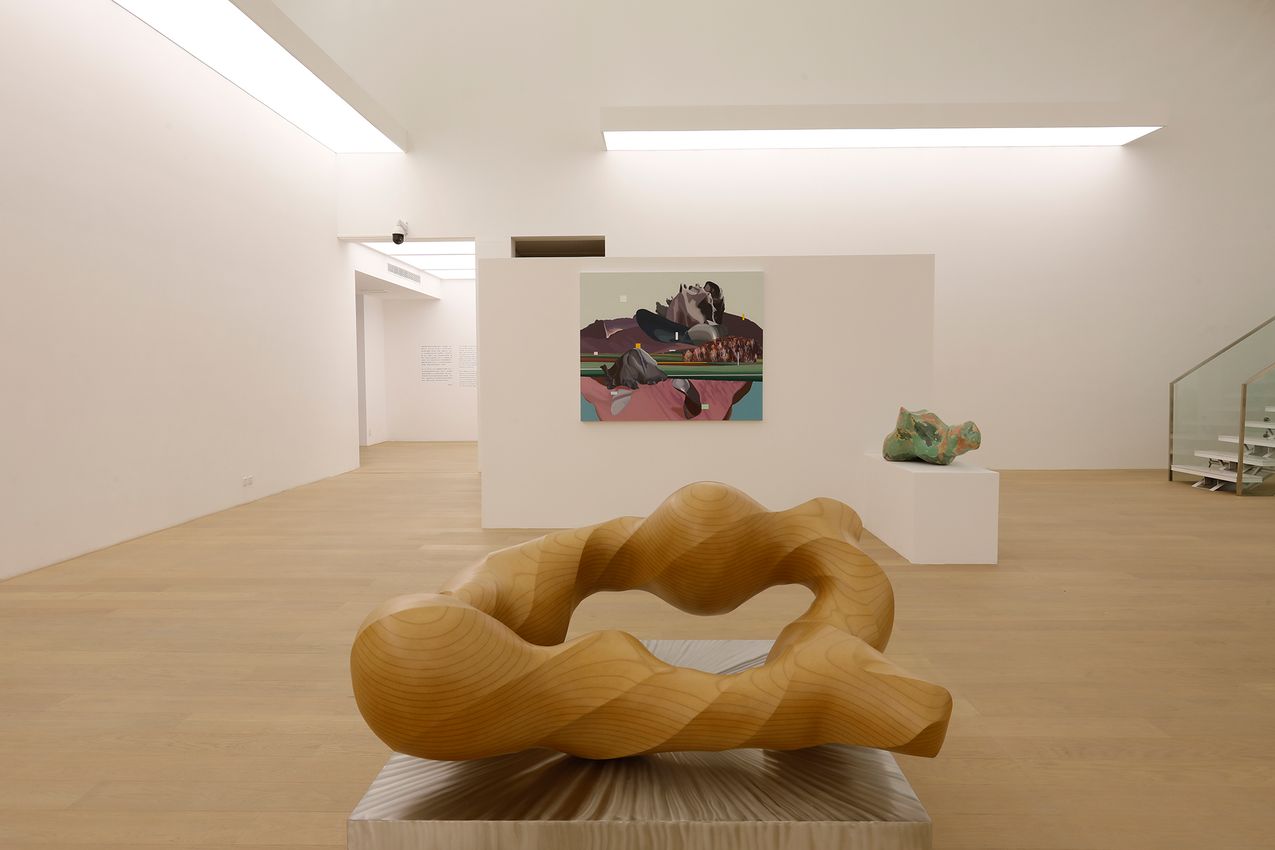
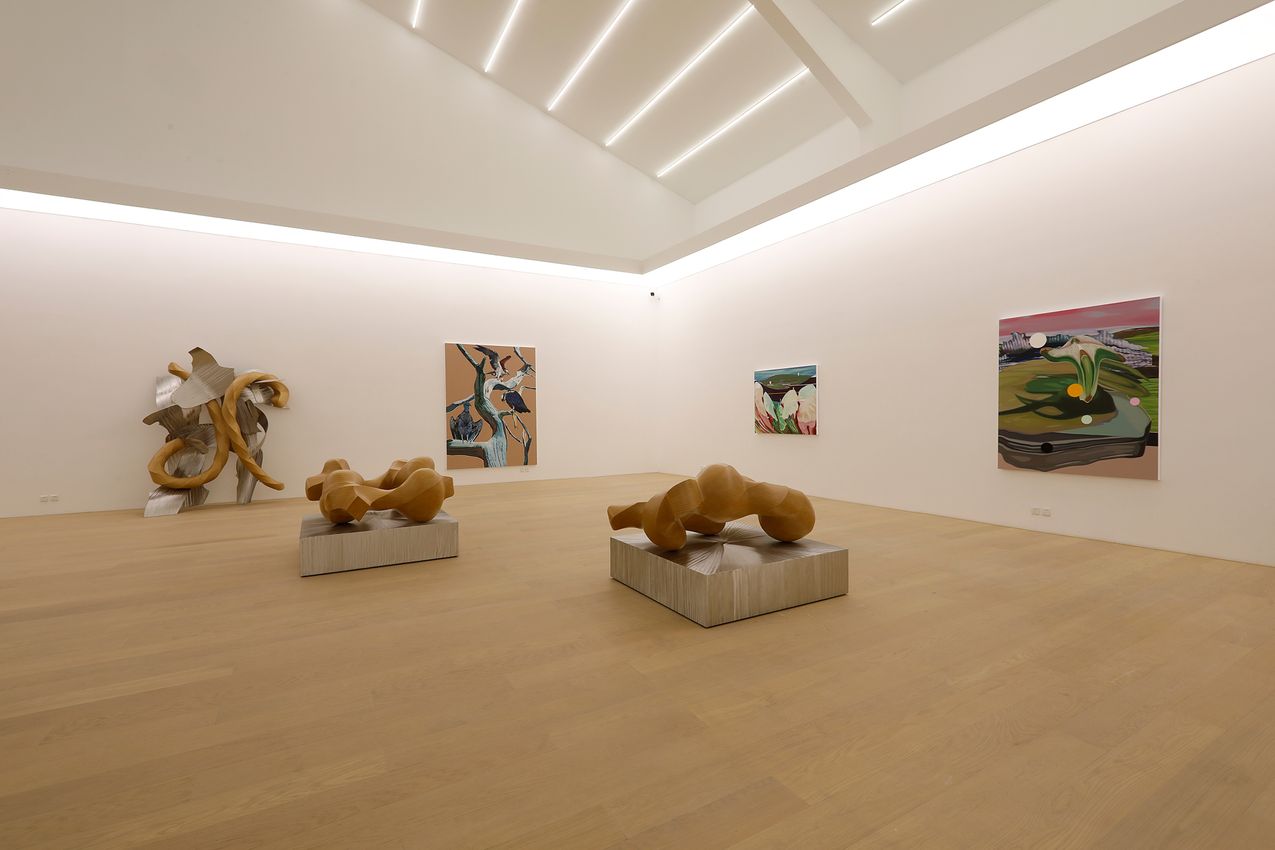
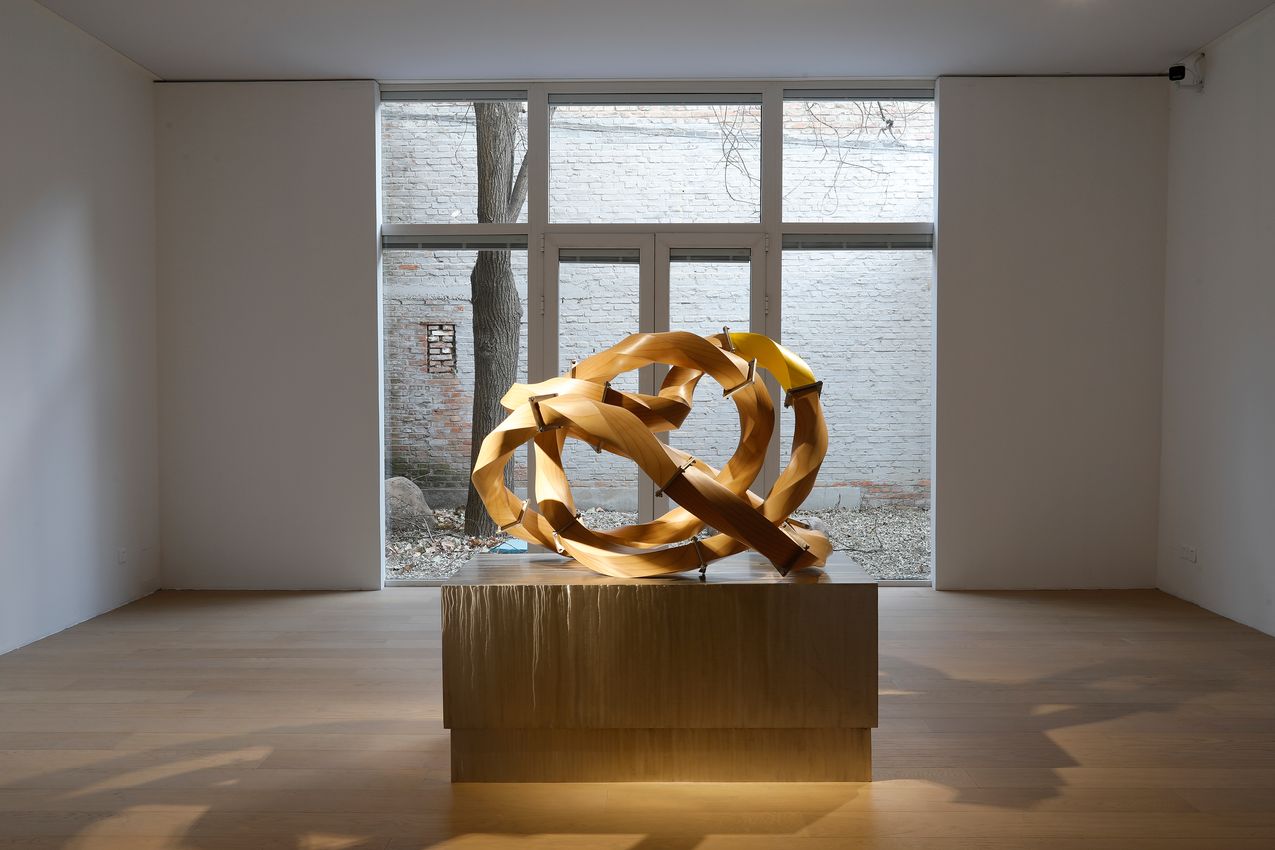
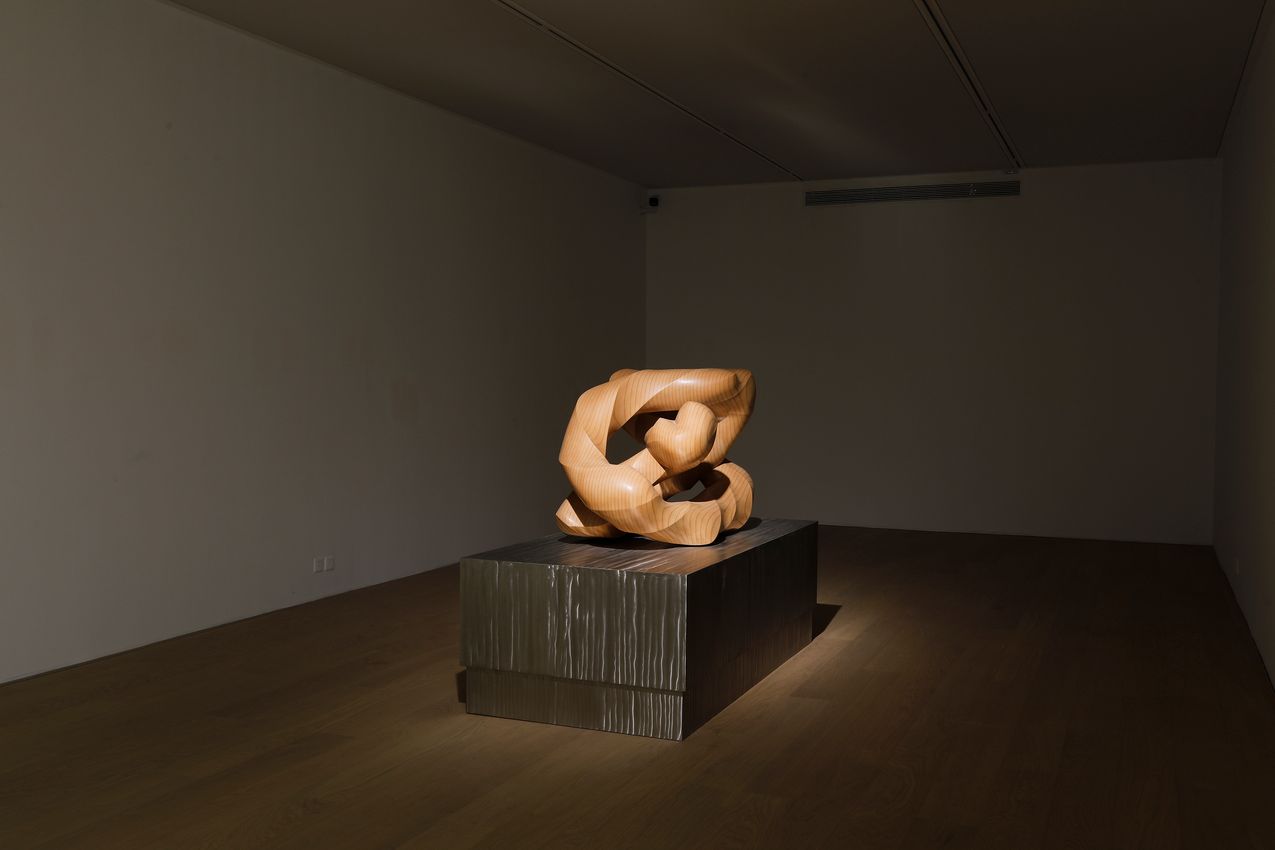
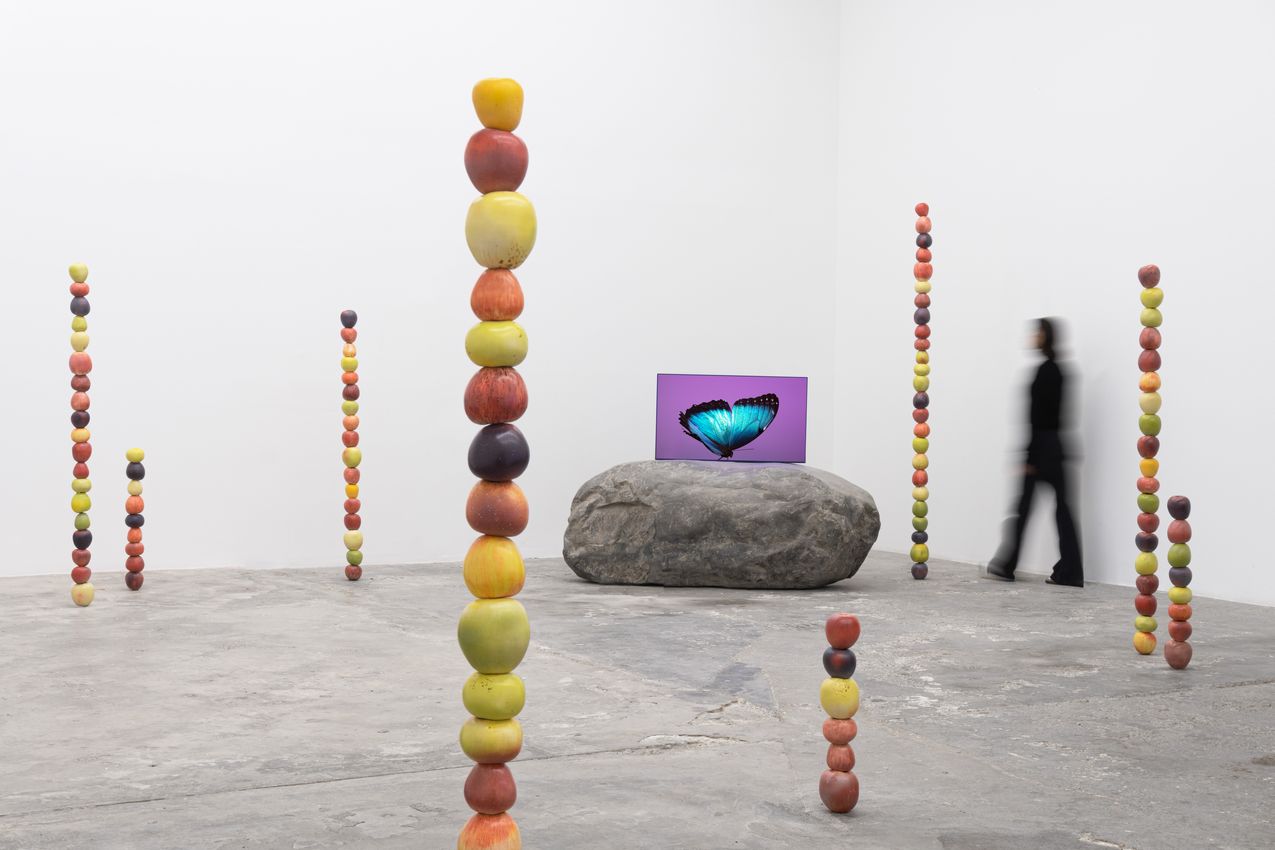
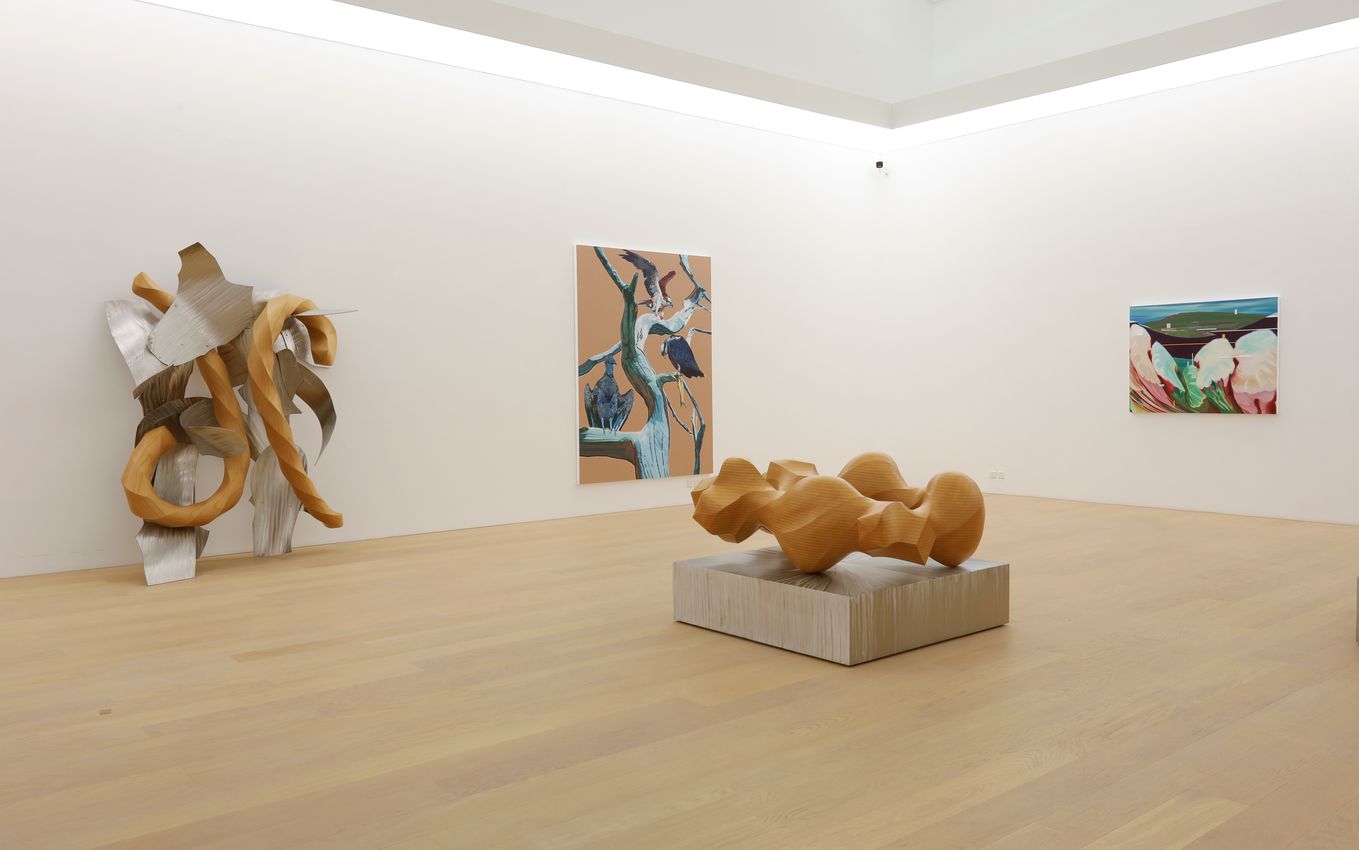
Tang Contemporary Art is pleased to announce Emergent, a solo exhibition by artist Wang Jianwei, starting on 17 December 2022, at Beijing 1st Space. Curated by Lu Xinghua, Emergent focus on the theme of climatic variation.
Wang Jianwei, Emergent — A ‘Flat’ Artistic Response to Climate Change

By Lu Xinghua (Philosopher, Curator)

What do artists do to deal with climate change? How are their reactions represented in their everyday creations? Should they express concern within them? Certainly. What about methodology? Should it be aimed at encouraging public discourse on global impacts? Without question. What comes after that, though?

How will artists find themselves their intrinsic midpoints in the universe (hosts of their own universal spaces) in order to provide their contemporaries and themselves with shelter in the ups and downs of Anthropocene during the throes of climate change? How can they inspire other people to produce new sensibilities and aesthetics of Anthropocene and cloud platforms in order to comfort and heal their humanity? How will they finish their commitment by means of contemporary art?

Wang Jianwei has taken the initiative to put his 40 years of painting practice into the giant symbolic uncertainty of climate change, letting his technique accept the challenge outside the frame to the greatest degree possible and seeking adventure deep down within the expanses of time and earth history. He is like a gambler, rushing into the engineering project of contemporary art under climate change along with all his wealth of methodology. He has been pushed into being a scientist, a philosopher, and an artist at the same time in order to shoulder the weight of the Anthropocene. Paleontology, atmospheric science, geology, landscapes, discursive positivism, painting methodology, image-making procedures, time, space, concepts, toolboxes, in-park firefighting, artwork rhythms, the pandemic, rumours of forced relocation, etc. He flattens all of the above onto the same plane.

Such flatness implies that the whole cannot configure all its parts. In a flat state, the identity of totality does not transcend the parts but is embedded within each. For example, individual parts of the city can also be level with the city, with the city being an identity of each of its parts. Humans at every point are level with their innumerable inner organisms. The mitochondria in each cell is also equal to the person; the ontological plane of a cell is similarly equal to the ontological plane of a human.

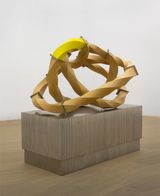
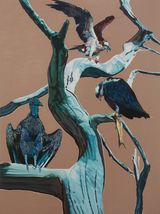
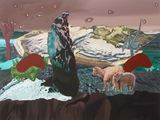
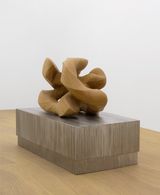
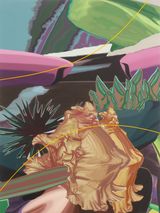
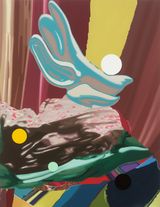
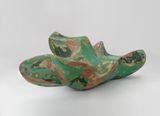
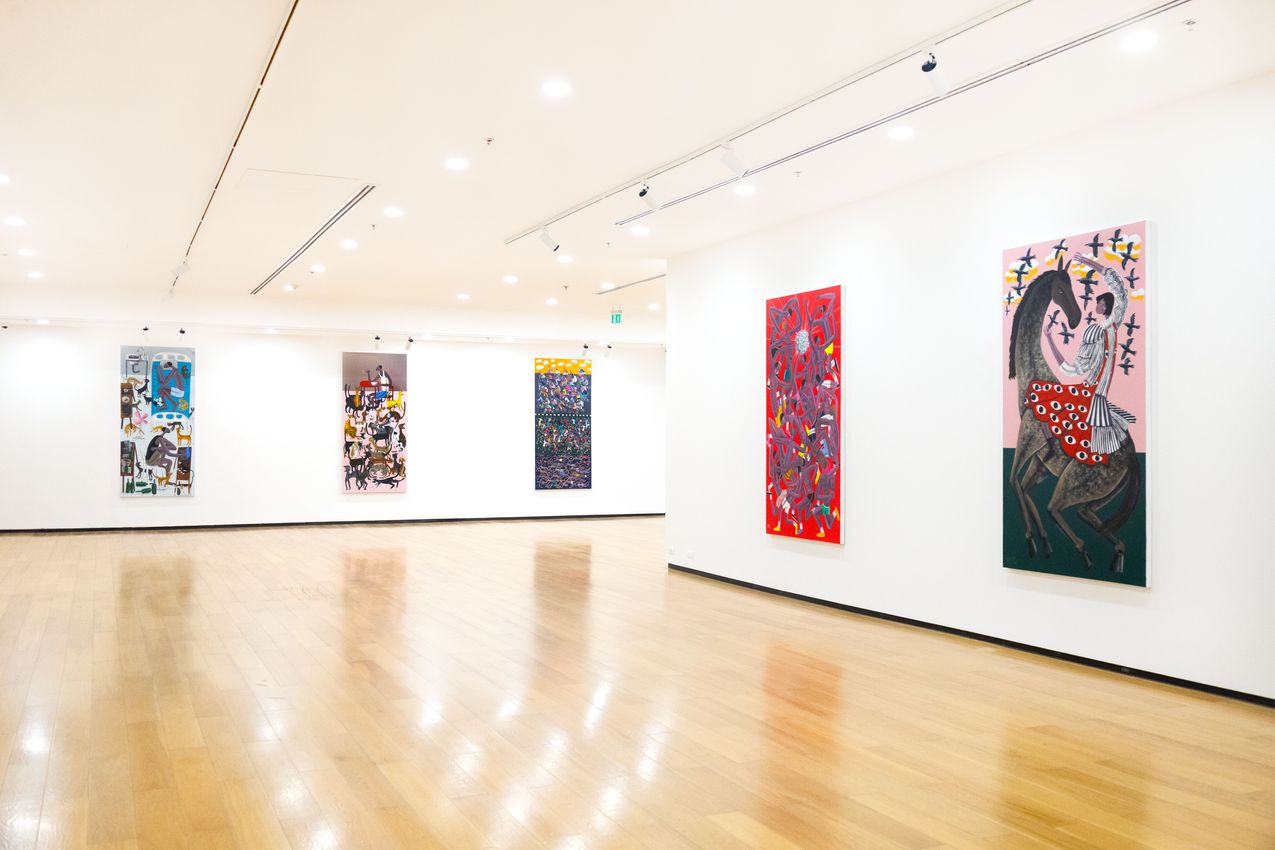
As the theme of the group of flat paintings and sculptures that are about to be presented for the first time at Tang Contemporary Art Beijing, ‘Emergent’ refers to brand-new things being produced when the whole is squashed into the same position as its parts and then interacts with every facet. The content of his work is also considered to ‘emerge’ in this way. Wang Jianwei treats his art objects discursively, using a flat strategy to force viewers to imagine how they will encounter other species and objects in the biosphere. Training the human species to be ethically resilient allows people to face the difficulties of the Anthropocene and its inherent humiliation in terms of status degradation with enough dignified composure. This flat methodology of ethical resilience will become a life preserver for human beings under climate change.

With the artist having studied the American philosopher Graham Harman for the past decade, this series of works presents the influence of his speculative realism and object-oriented ontology on Wang Jianwei’s art. The flat ontology that rules Wang!s works has also been considered the basic logical practice in the Actor-Network Theory of the Anthropocene by another philosopher, Bruno Latour, who believed that human beings and all non-human objects, even signs, tools, and virtual characters, could be equal action pieces and that their importance would depend on the real-time weight of a new member joining this network. Humans’ position within climate change can be understood with the help of flat ontology, and in Wang!s recent solo exhibition Treading in Sludge at Madein Gallery, it has been explained that through the data packet of painting and sculpture methodologies, humans could understand their own fates in the depths of history and geological time and then play an open-world game with a new set of speculative eyes. As expected in this case, his exhibition will be a laboratory, a classroom, and also a theatre.

Flat painting or sculpture are art forms that have nothing to do with humans, hearts, feelings, or personal spirits. From the perspective of flat ontology, it is our heart that makes nature, nations, armies, art institutions, and economy possible. It is the curiosity of the heart that creates our society and fills in the blanks of our lives. However, the heart can be so gullible that easily misunderstand its ‘objects’. For instance, our heart may begin to configure and express emotions with all its effort when facing the seas while it has not known anything about what seas are, what their structures or components are, or what they have experienced. Painting out of personal spirit is thus a production of nonsense, yet painting and sculpture are supposed to calibrate the inevitable misunderstandings of our hearts. Wang Jianwei’s flat methodology shuts down such lyricism and also his spiritual history to prevent turning art or natural history into pure fantasy. This methodology in turn strictly regulates his new creation and the audience’s behaviour, making viewers understand their fates in the wheels of climate change and become encouraged to dance with destiny by observing these flat works.

The ultimate goal of flat methodology is to make flat interaction between the objects emerge in the works. Likewise, under the Anthropocene, our great endeavour on this artificial planet is expected to encounter the emergence of a new nature and new humanities.

In the end, let us celebrate together, for Wang Jianwei has presented us a pleasant surprise once again in this long journey that is his art career. We warmly welcome all in the art world to come view and appreciate this stunning exhibition at the Beijing 1st Space of Tang Contemporary Art.

Read More

Installation Views

About the Artist

Born 1958 in Sichuan Province, China, Wang Jianwei has been a pioneer in the Chinese contemporary art scene since the 70s. Academically trained as a painter, he dedicated much of his school years at China Academy of Art, Hangzhou, reading about existen¬tialist philosophy and Chinese history. This led him to years of experimentation in con¬veying complex ideas with painting before shifting his focus to multimedia installation. ‘Connection’ and ‘relationship’ have been the key phrases in Wang’s vocabulary. His work could be interpreted as an attempt to discover and expose the connection between beings, matters and concepts that may seem random on the surface. What he aspires to achieve is a kind of integration of knowledge in many fields that gives rise to his distinc¬tive approach as an artist. Although he is known for his video work, in order to convey these complex networks of ideas, he is widely experimental with his mediums, and the ways in which the work exists.

View Artist Profile

Also Exhibiting at Tang Contemporary Art

About the Gallery

Tang Contemporary Art was established in 1997 in Bangkok, later establishing galleries in Beijing and most recently Hong Kong. Tang Contemporary Art is fully committed to producing critical projects and exhibitions to promote Contemporary Chinese art regionally and worldwide and encourage a dynamic exchange between Chinese artists and those abroad.
View Gallery Profile
Address
D06, 798 Art District
No.2 Jiuxianqiao Road
Chaoyang District
Beijing
China
Opening Hours
November – April
Tuesday – Sunday
11am – 5:30pm

May – October
Tuesday – Sunday
11am – 6:30pm
(1)
Beijing D06, 798 Art District, No.2 Jiuxianqiao Road
Tang Contemporary Art
D06, 798 Art District, No.2 Jiuxianqiao Road, Chaoyang District, Beijing, China

Opening hours
November – April
Tuesday – Sunday
11am – 5:30pm

May – October
Tuesday – Sunday
11am – 6:30pm
The art world in focus