Over the past five decades, Mumbai has been part of a rapid urbanisation, with a significant influx ofimmigrants, urban zoning, towering skyscrapers, and frequent trade activities. The city is growing, expanding,bustling with energy. A fast-growing modern city striving for success usually pursues efficiency, and gravitatestoward homogenisation. Such a process often leads to the silent marginalisation of certain groups, which canbe understood as marginalised spaces, populations, or lifestyles within the city. It may also raise issuesconcerning the management and allocation of public resources. From a broader perspective, it involves theimplications of urban sprawl, as well as the relationship between the city and natural environment. Theseinvisible margins with fluid borders evolve in an organic way, serving different purposes, morphing in differentpatterns, at different speeds, leaving behind myriad intangible lines across the city. It seems these linesfunction both as partitions and as bedrocks, shaping the face of the city and the lifestyles of its inhabitants.
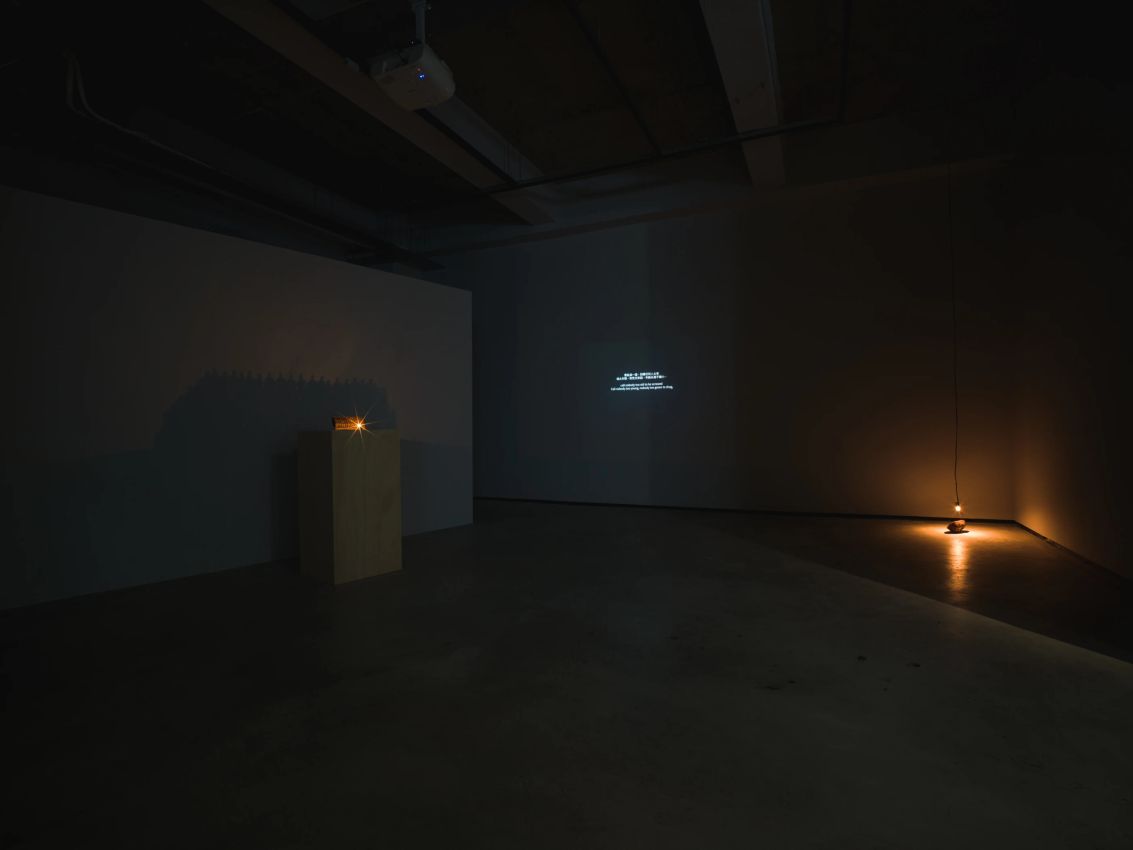
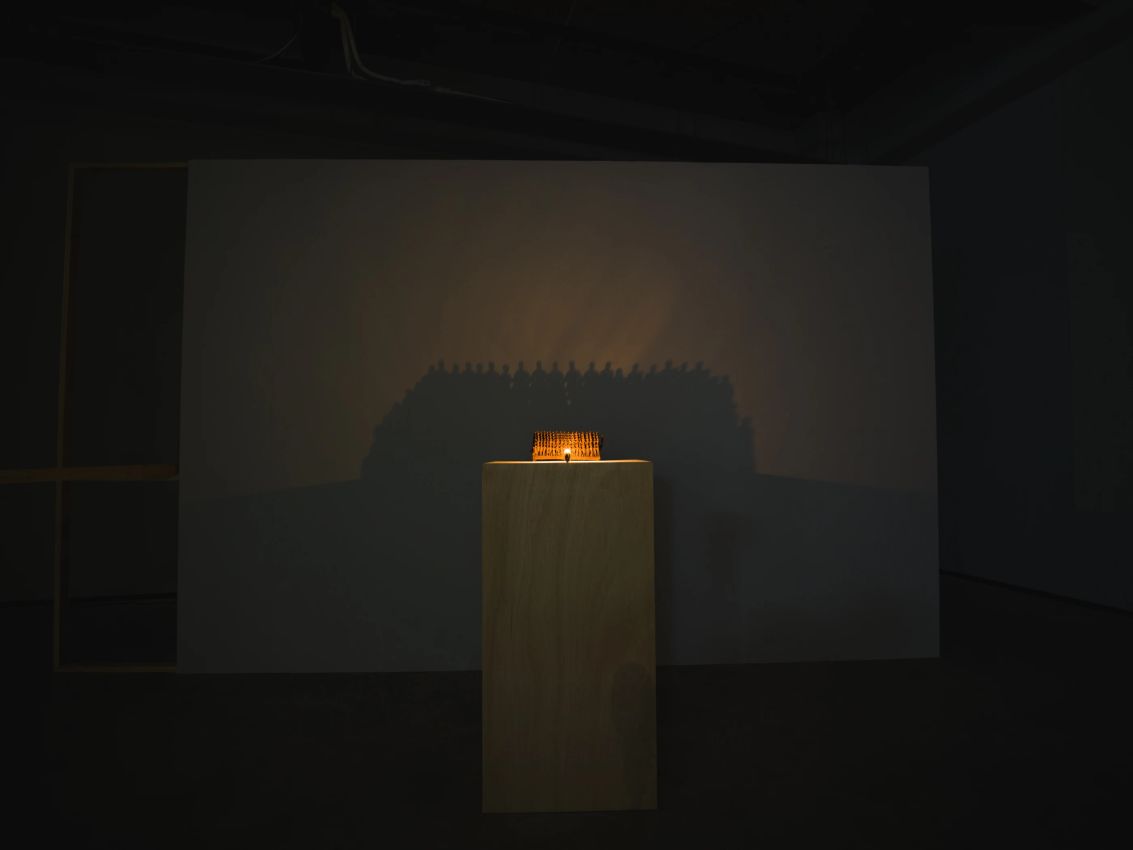
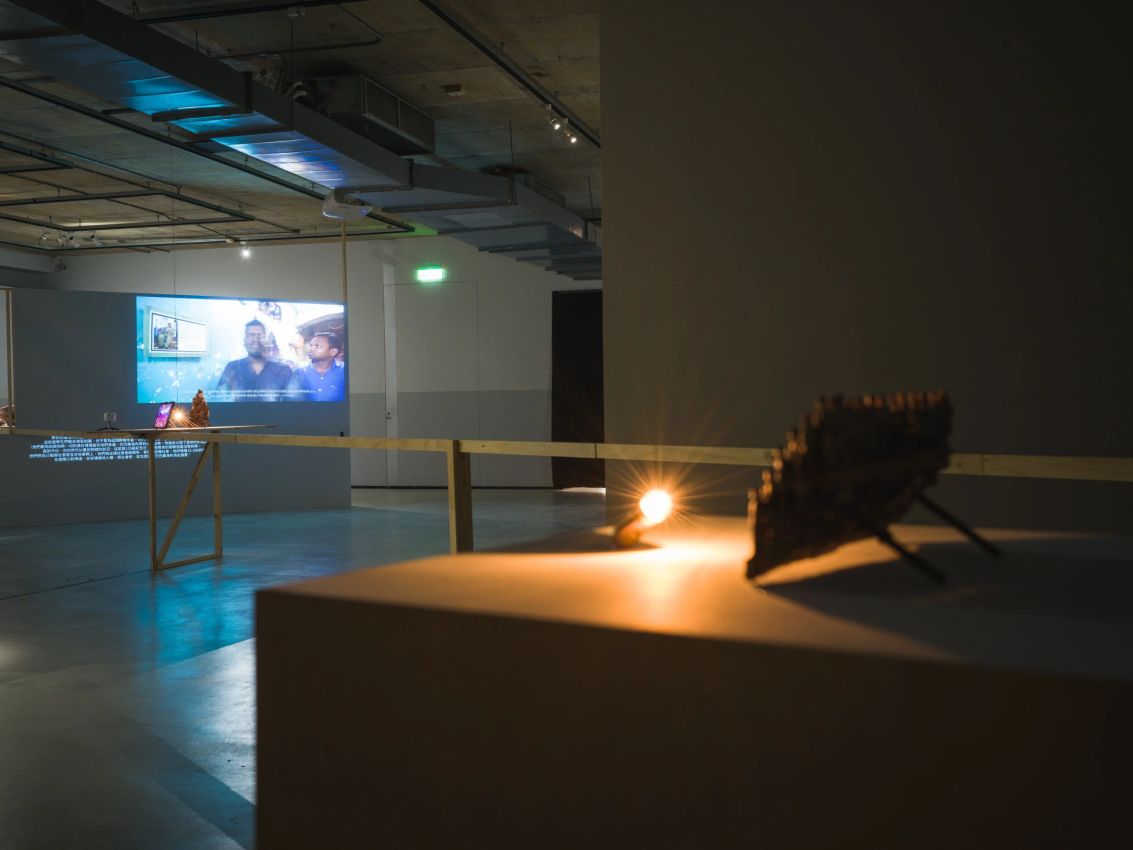
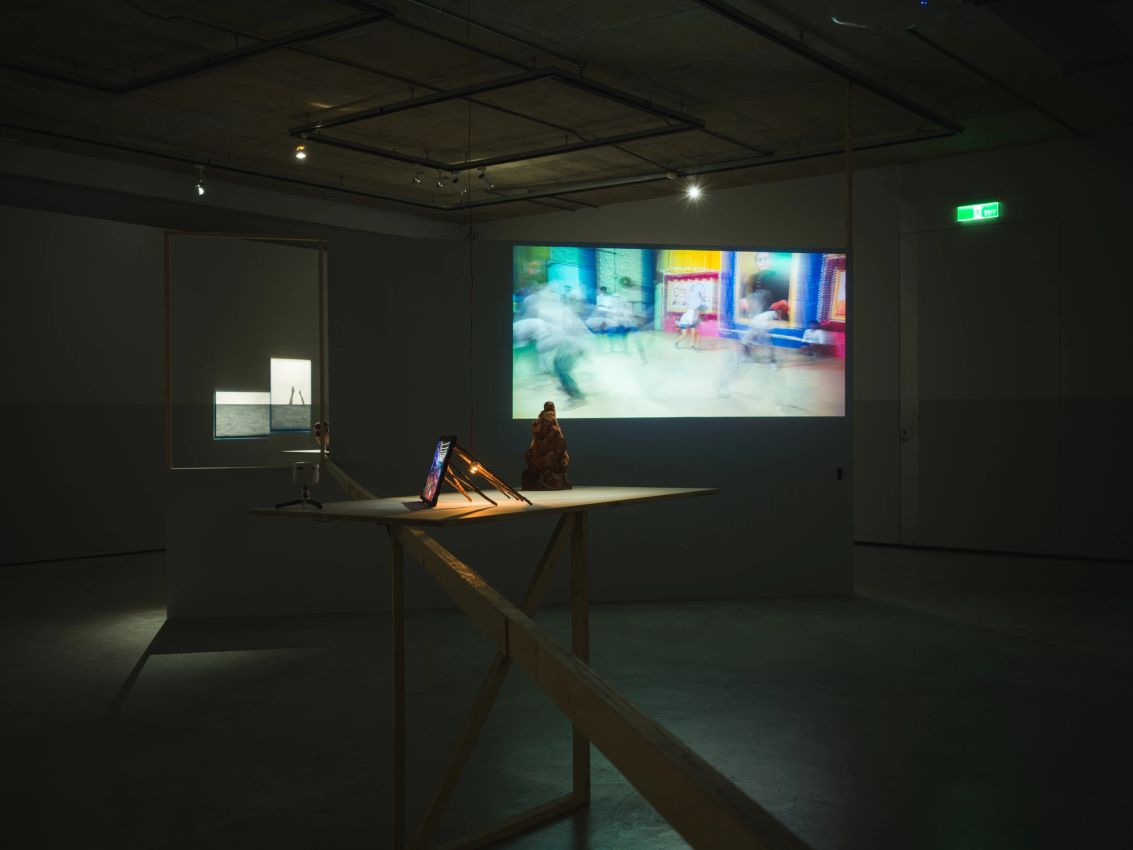
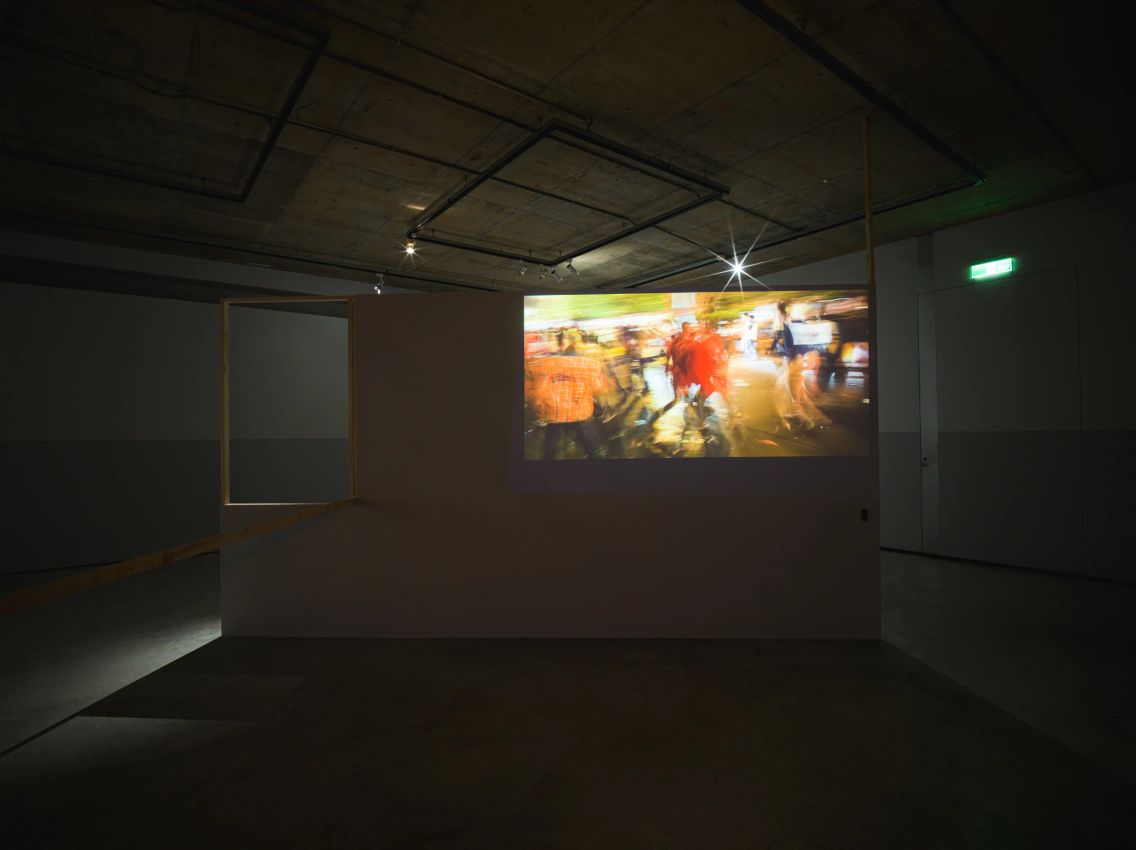
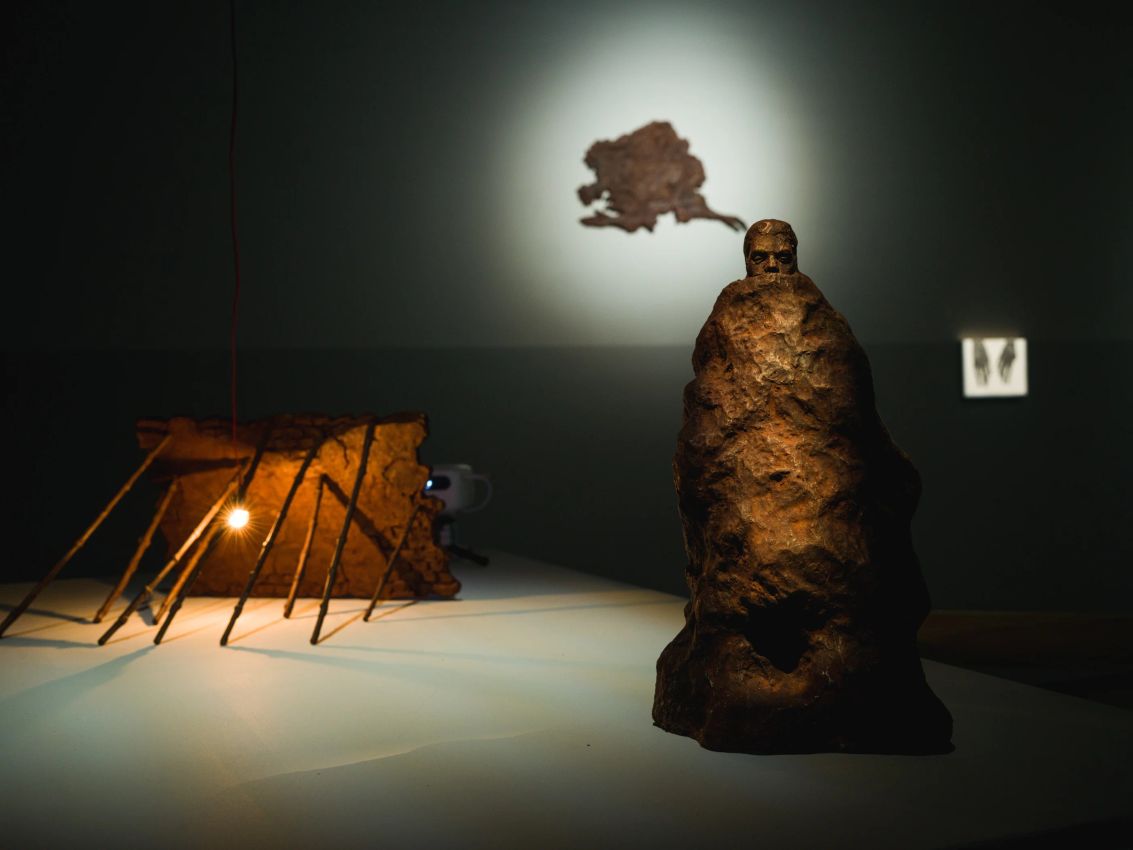
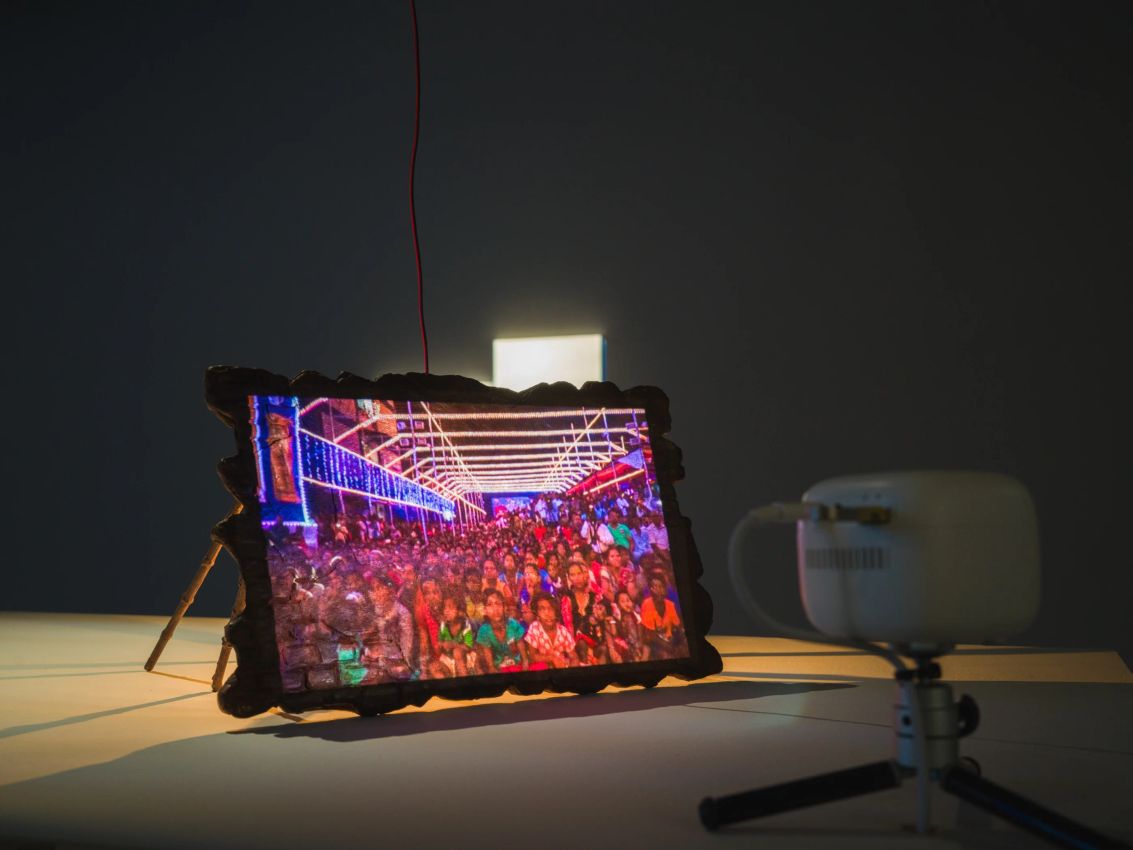
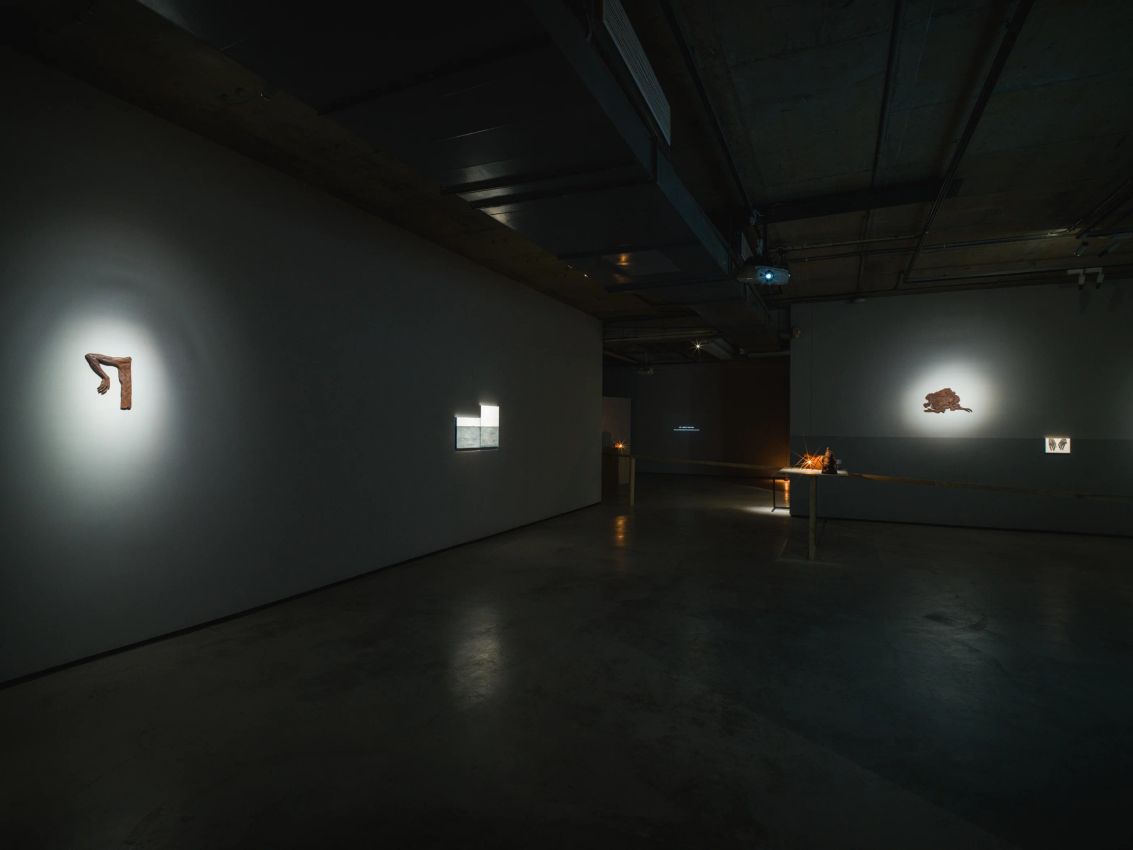
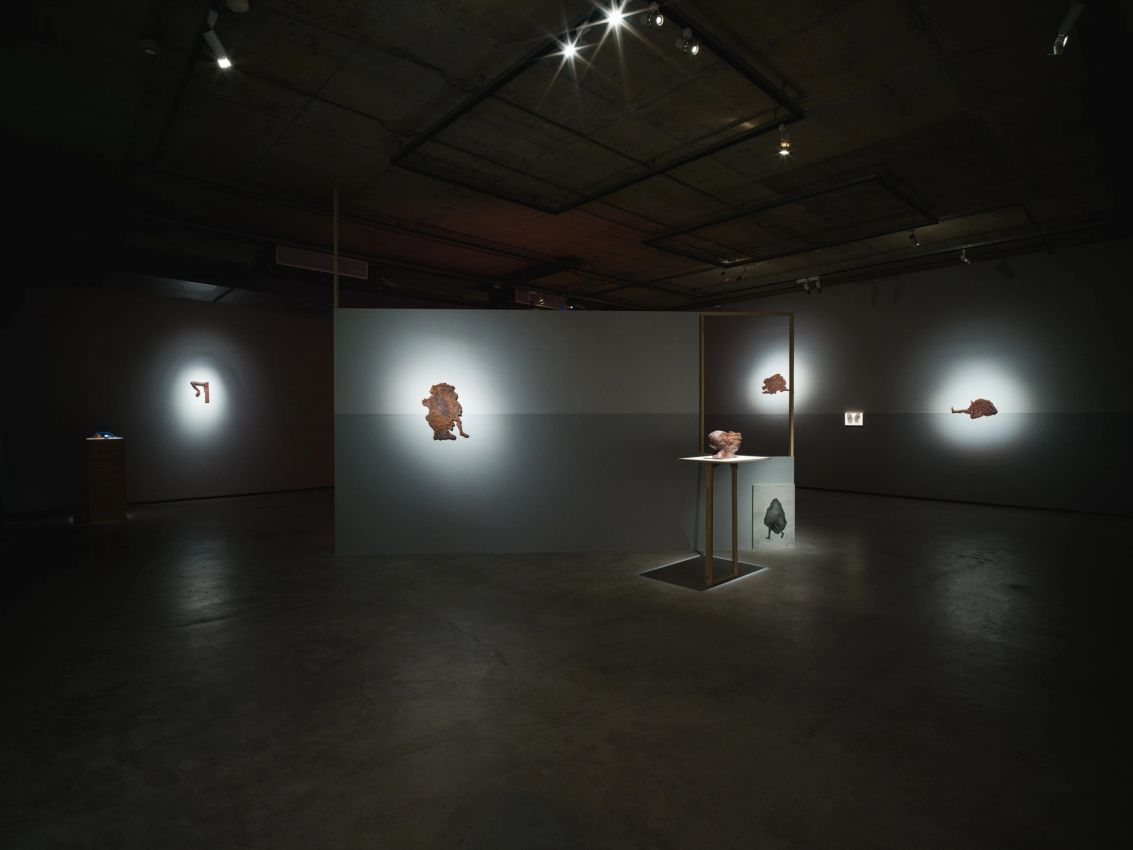
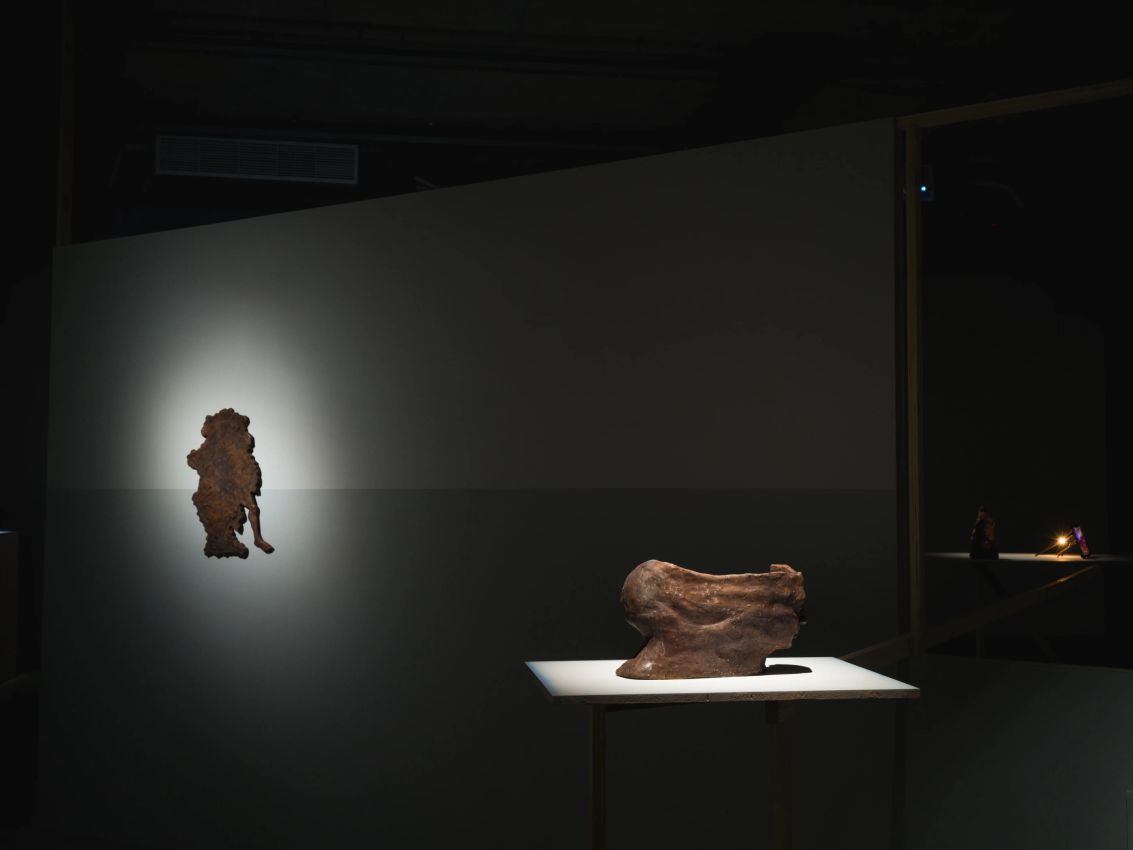
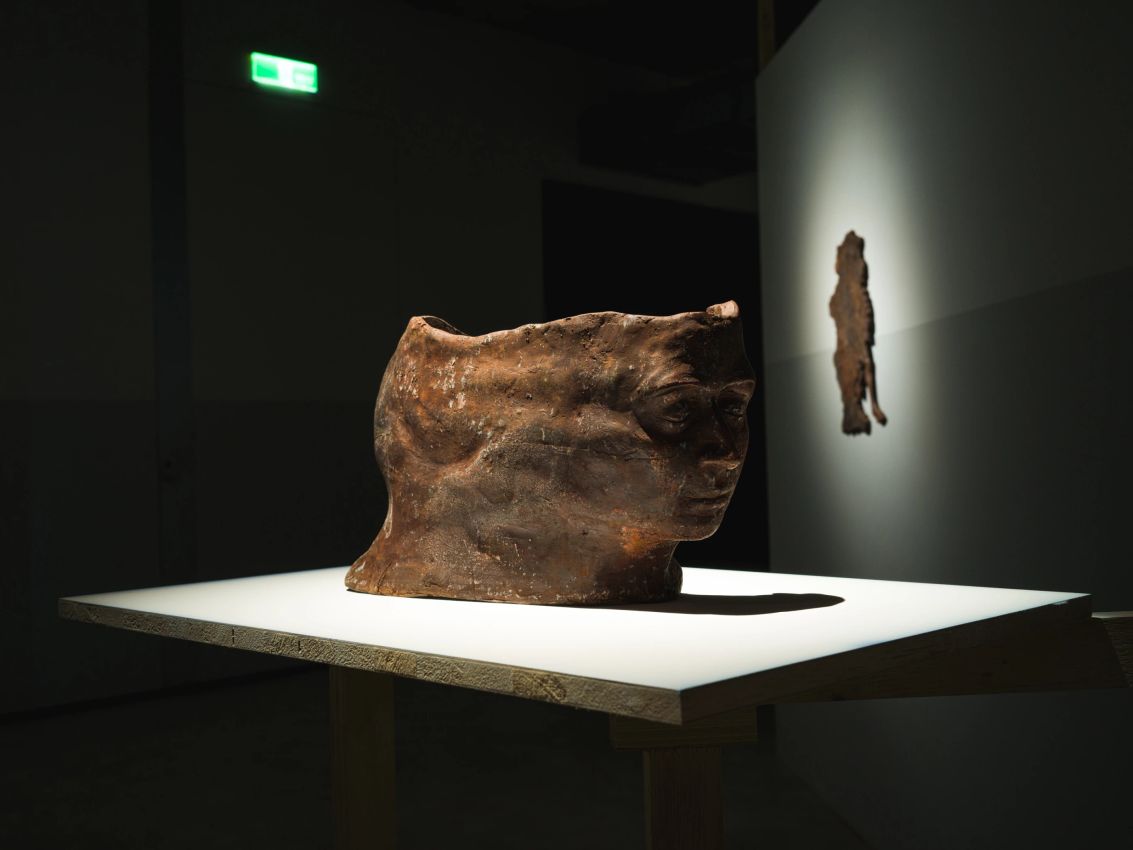
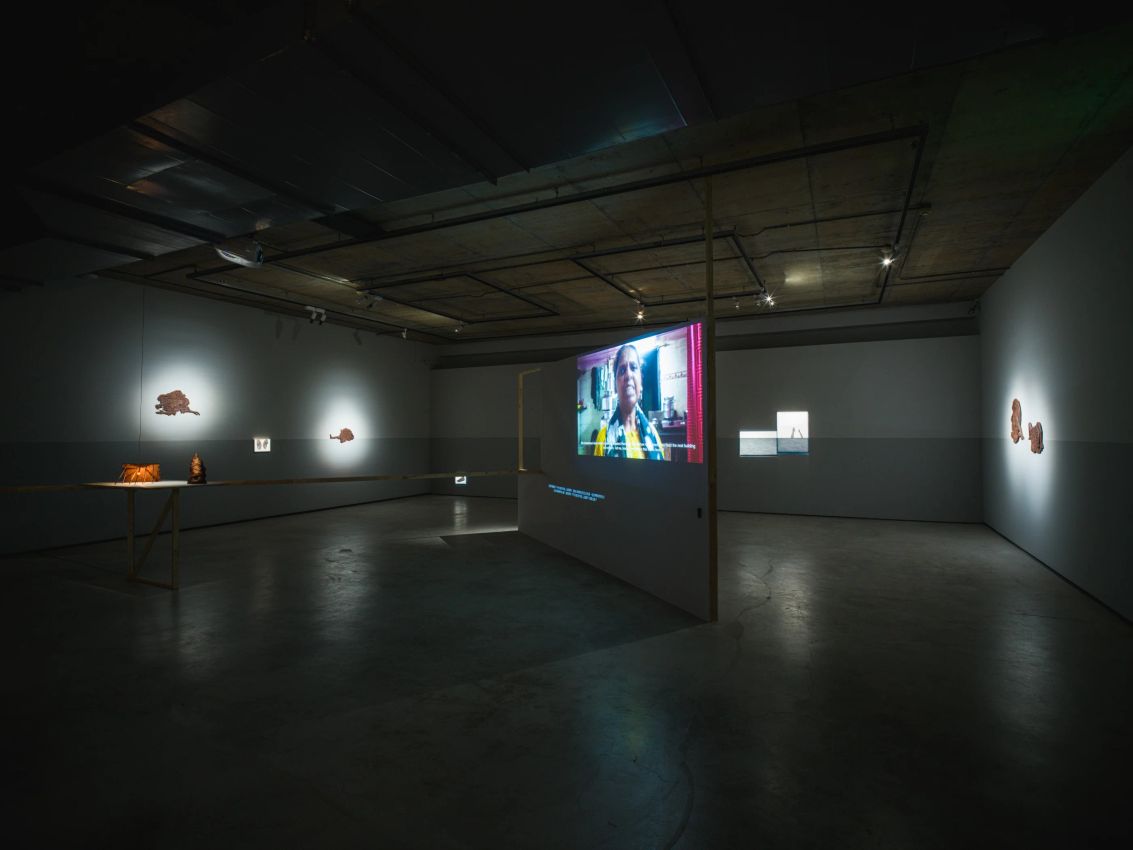
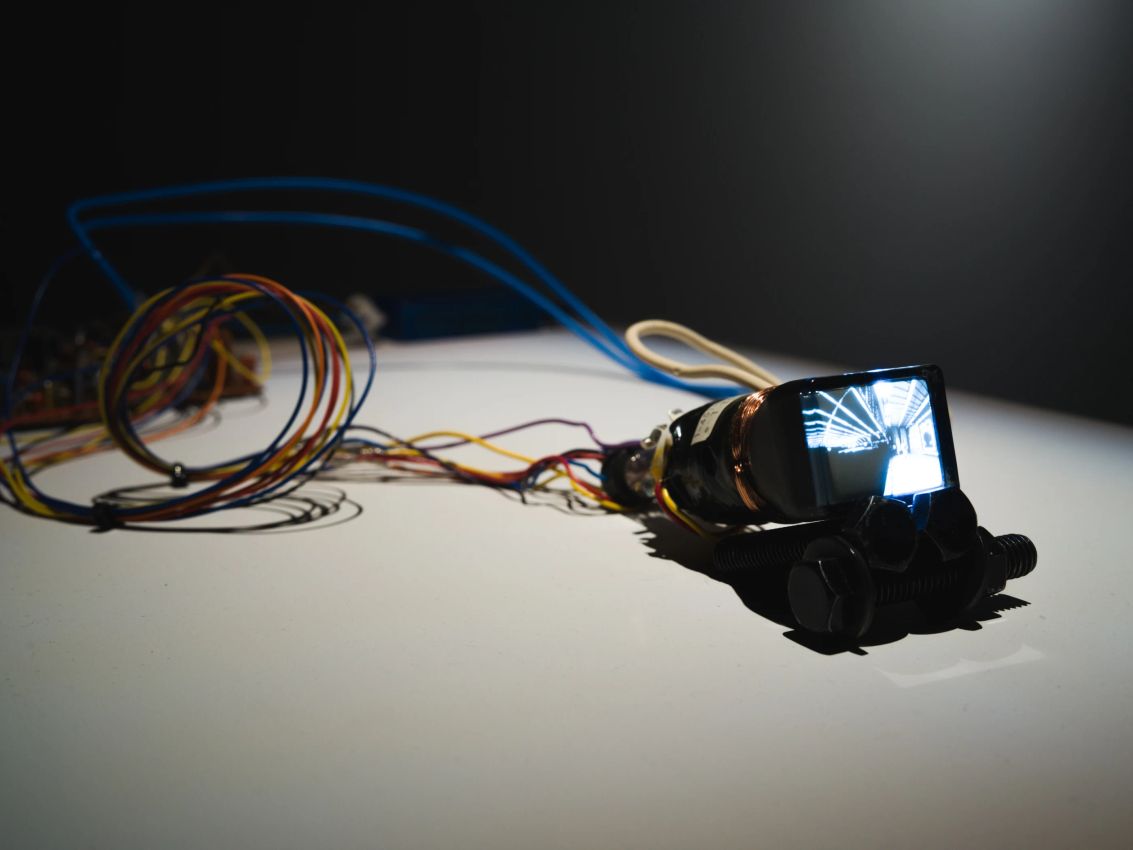
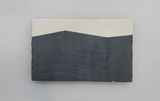
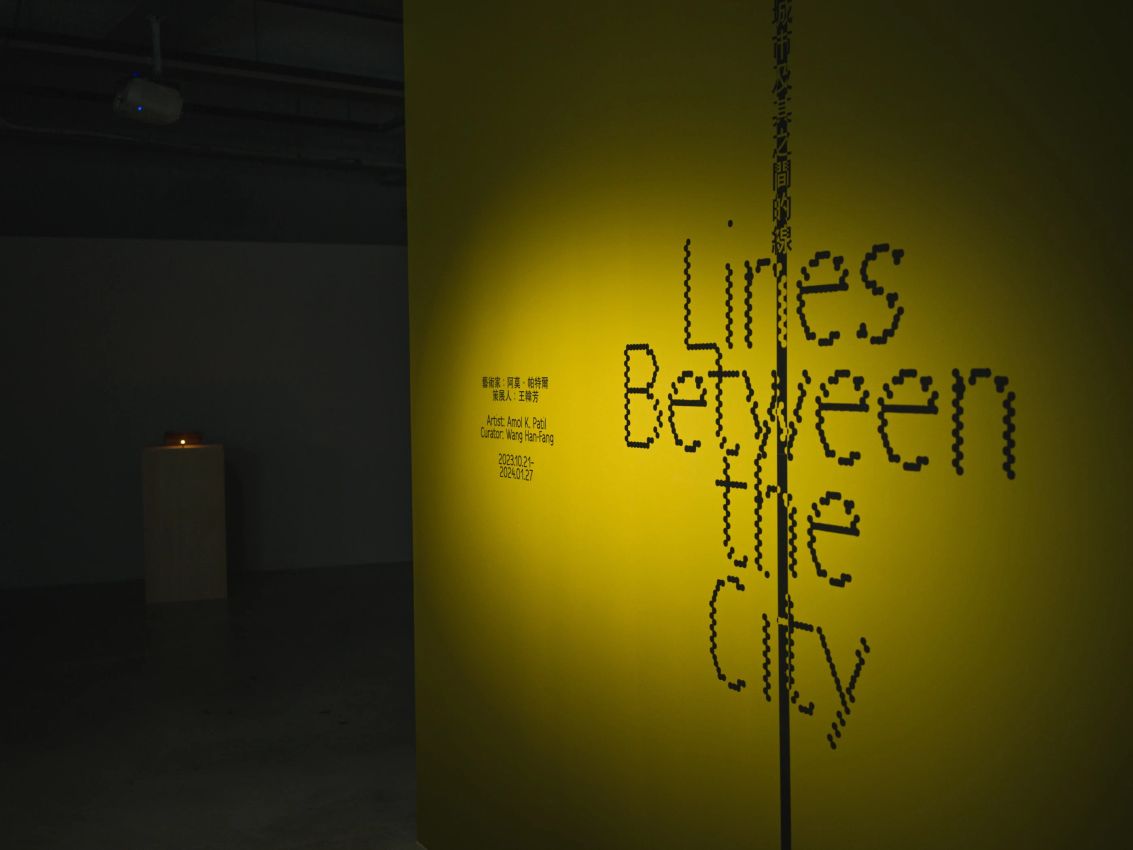
Lines Between the City, Amol K. Patil’s debut at TKG+ Projects, revolves around the everyday life of thesefringe communities. Using a demolished wall from a gentrified chawl, the exhibition charts a daily route whichthe dwellers travel to navigate the city, where issues of caste, class, and labor conditions lurking along unseenbarriers confront the marginalised, voiceless groups.
Why do we turn our gaze toward the everyday in this particular exhibition? To quote French sociologist HenriLefebvre, who wrote in The Critique of Everyday Life (1961), ‘The human world is not defined simply by thehistorical, by culture, by totality or society as a whole, or by ideological and political superstructures. It isdefined by this intermediate and mediating level: everyday life.’ Human social activities are based on everydaylife, driven by corporeal needs and desires, influenced at the same time by tradition, politics, family, religion,traffic, environment, and self-actualisation. People experience happiness, contentment, or frustration in theirdaily lives. They also develop local, repetitive, but culturally significant everyday practices, or engage increative and change-driven forms of counter-production. These work or non-work behaviours create a cycle thatconstitutes the everyday, expanding into a microcosm of the overall social production system.
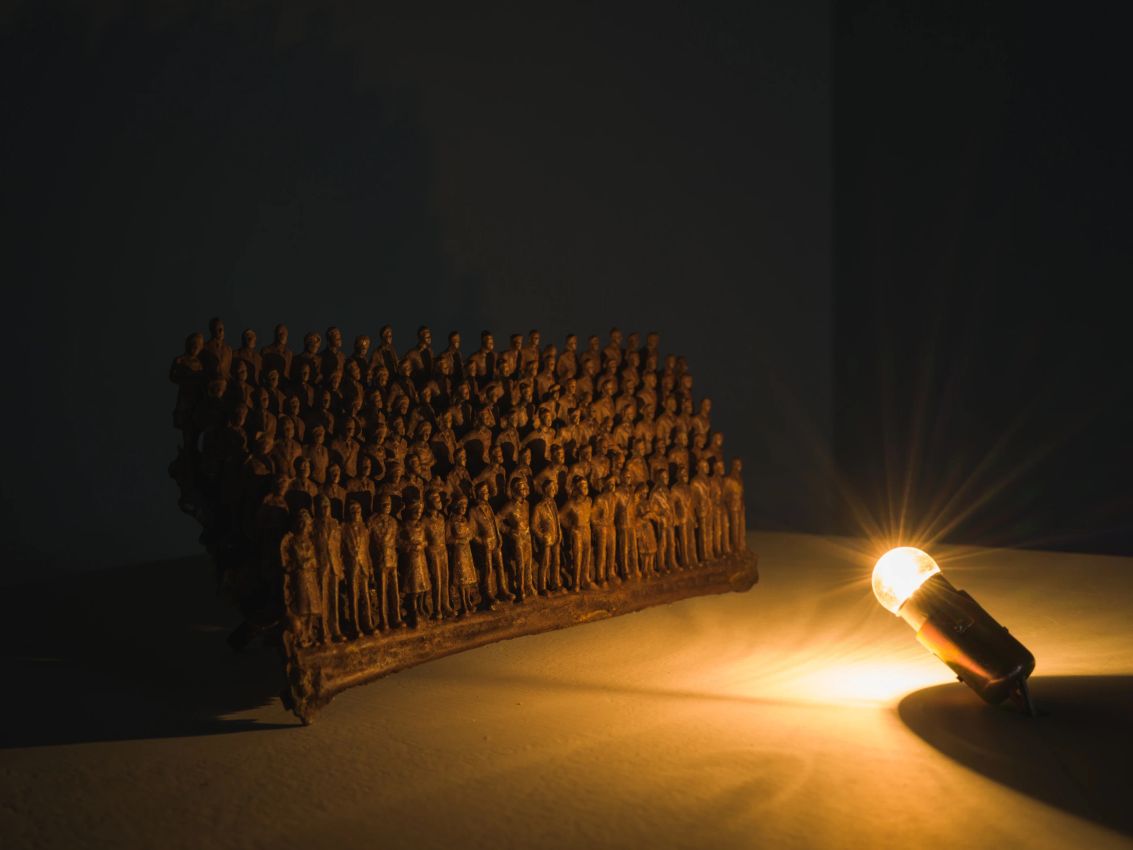
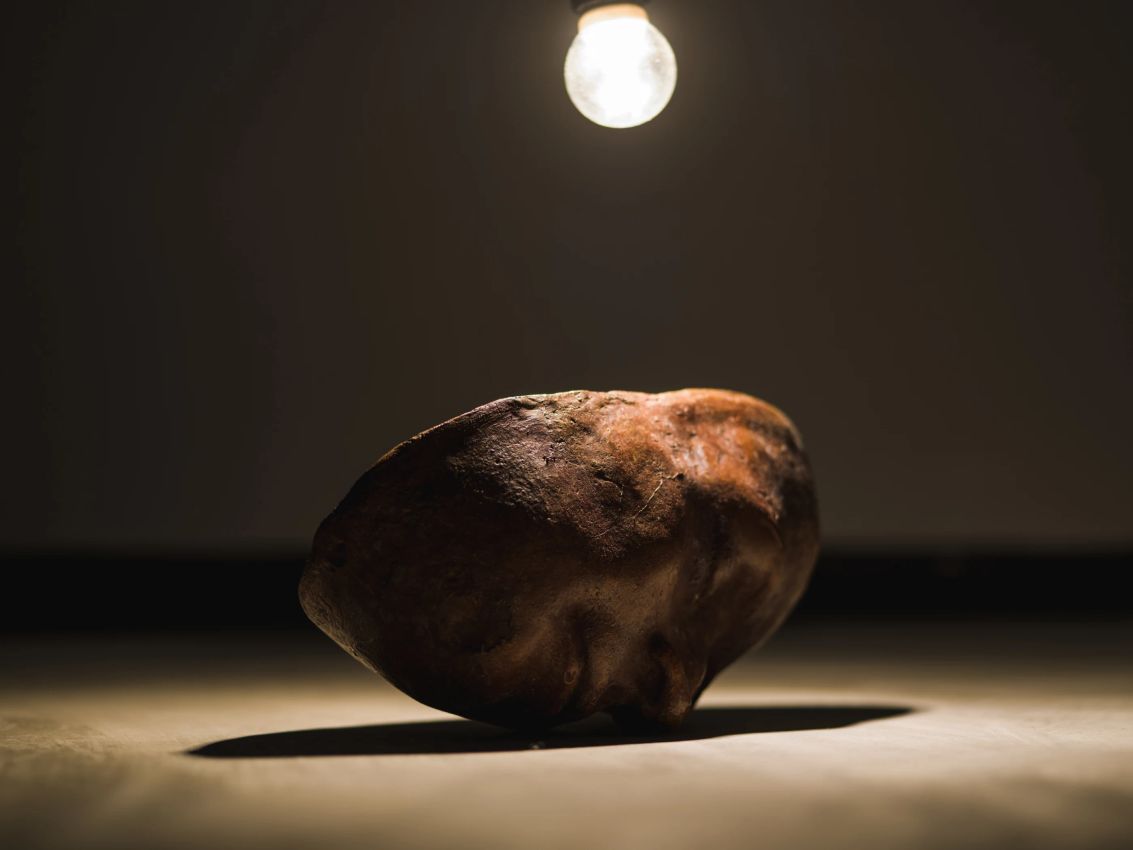
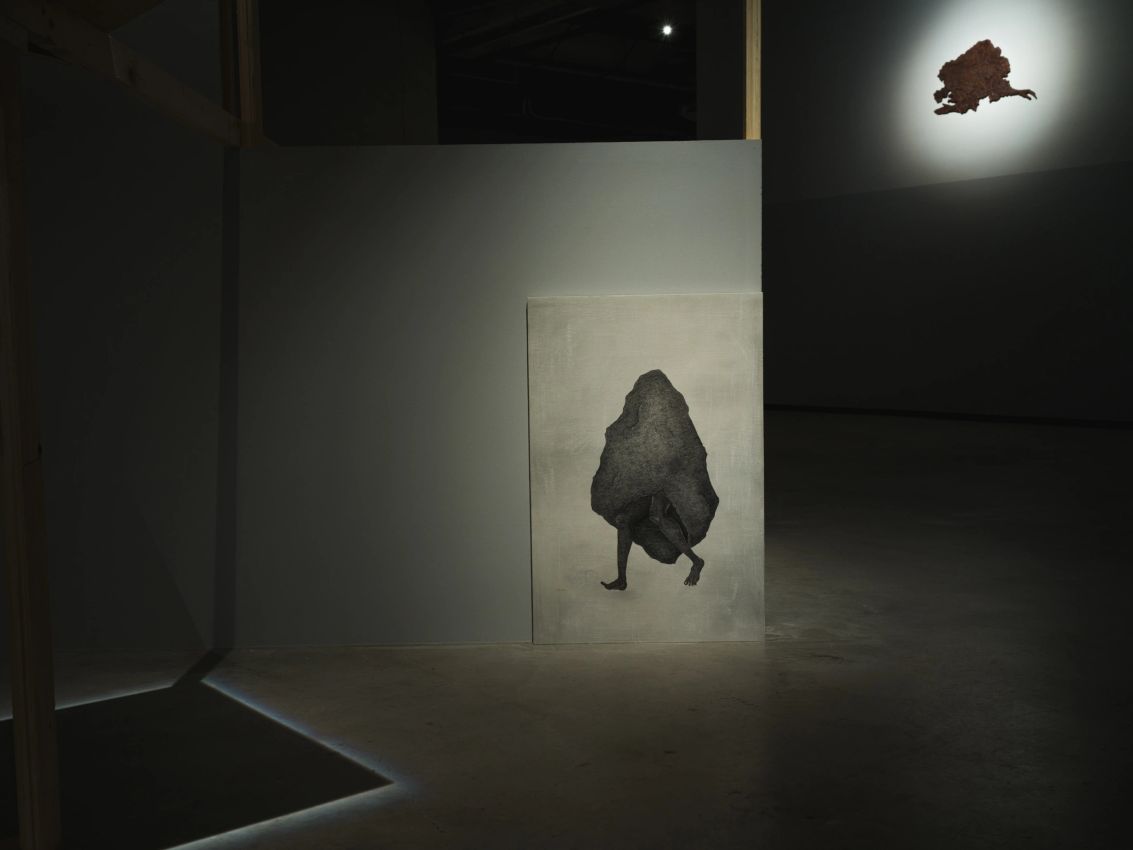
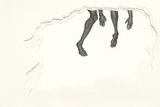
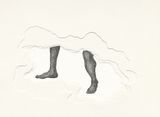
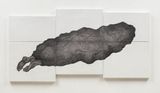
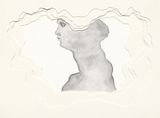
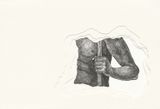
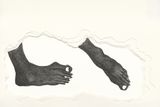
The works on view in Patil’s solo exhibition delve not into a grand subject but into an entirely ordinary body. Hisportrayal of the body creates a dialogue between the corporeal form, living space, and the walls. As therelationship between the body and space shifts, as the body is transformed and reconstructed, this dialogueunfolds sometimes as a pas de deux, at times as a dizzying straight punch. Other times, the body becomespart of the space: still other times, the walls fuse with the skin of the body in a synchronised breath. Theseabstract, continuous interactions portray the intricate relationship between reality and the human condition.Patil is concerned with humanity’s space in the social environment, as well as the opposition and symbiosisbetween the body and the surroundings. For him, the marginalised live in a state of oppression, where life ismerely a product of the state. Attempts must be made to restore equality and abundance of everyday life: toreclaim autonomy over one’s labor and time; to defy the commodification, commercialisation, and pigeonholingof one’s existence: to produce a form of everyday life that belongs ultimately to humanity.
A mercurial city of tens of millions serves as a hub where the citizens, interlinked with each other,spontaneously congregate and disperse. Lines Between the City examines the depths of the everyday, as wellas the body as a conduit for connection, along with its impalpable borders. Even the smallest community cancreate a space of fluidity, allowing for constant change.


A respected voice in contemporary art discourse.
Focusing on ambitious storytelling and insightful art-world commentary. Ocula Magazine publishes in-depth interviews, critical essays and timely analysis on the artists, exhibitions and ideas driving the global art world.
Learn more about Ocula Magazine
Showcasing the best of the art world.
Ocula partners with galleries from around the world to highlight their artists, artworks and exhibitions. Gallery membership is by application and invitation, with each member vetted by an independent panel.
Learn more about Ocula Membership

Specialises in the sale of major artworks.
Led by a team with deep ties to the world’s leading auction houses, galleries and collectors. Ocula’s advisory team offers bespoke services to high-net-worth clients from around the world who are looking to acquire the best of contemporary and modern art.
Learn more about our team and services