Press Release

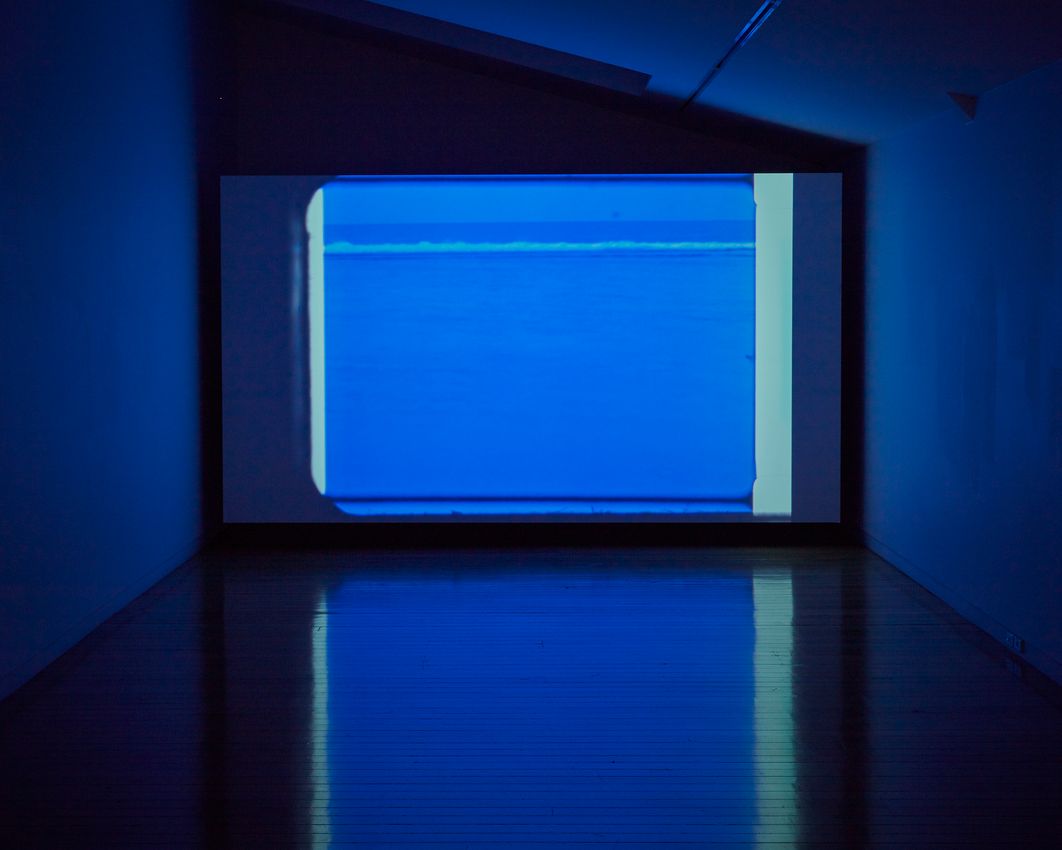
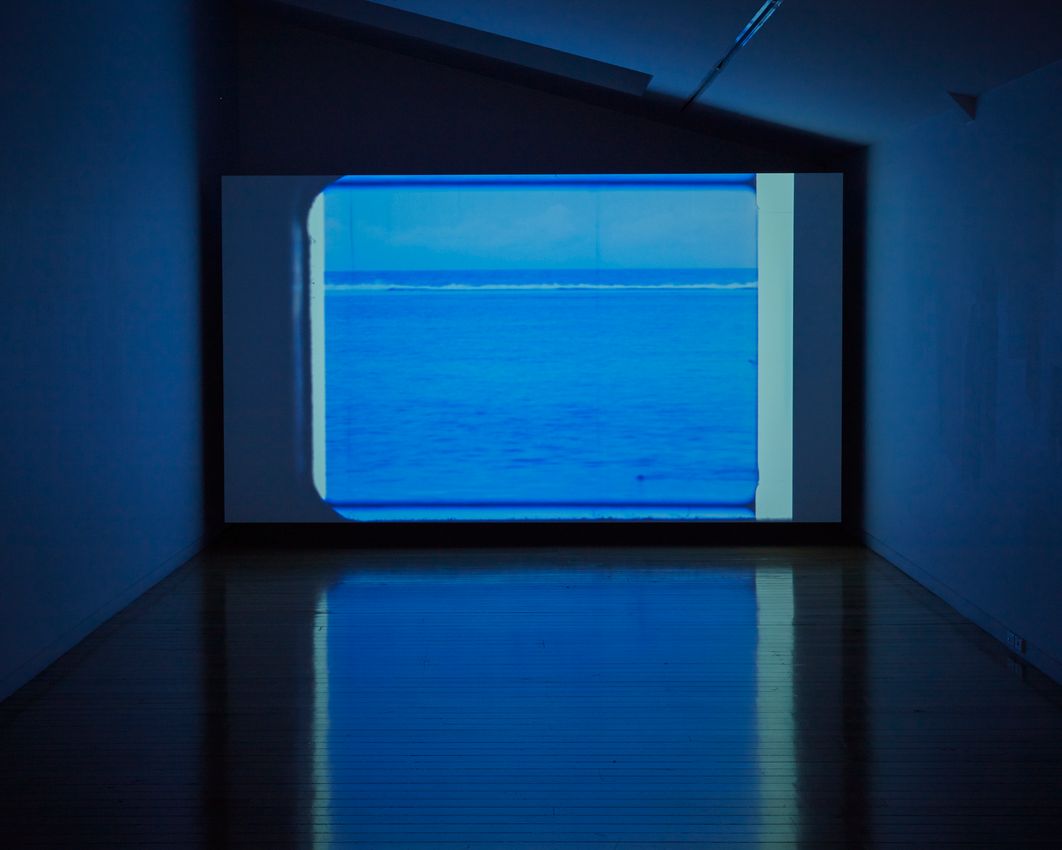
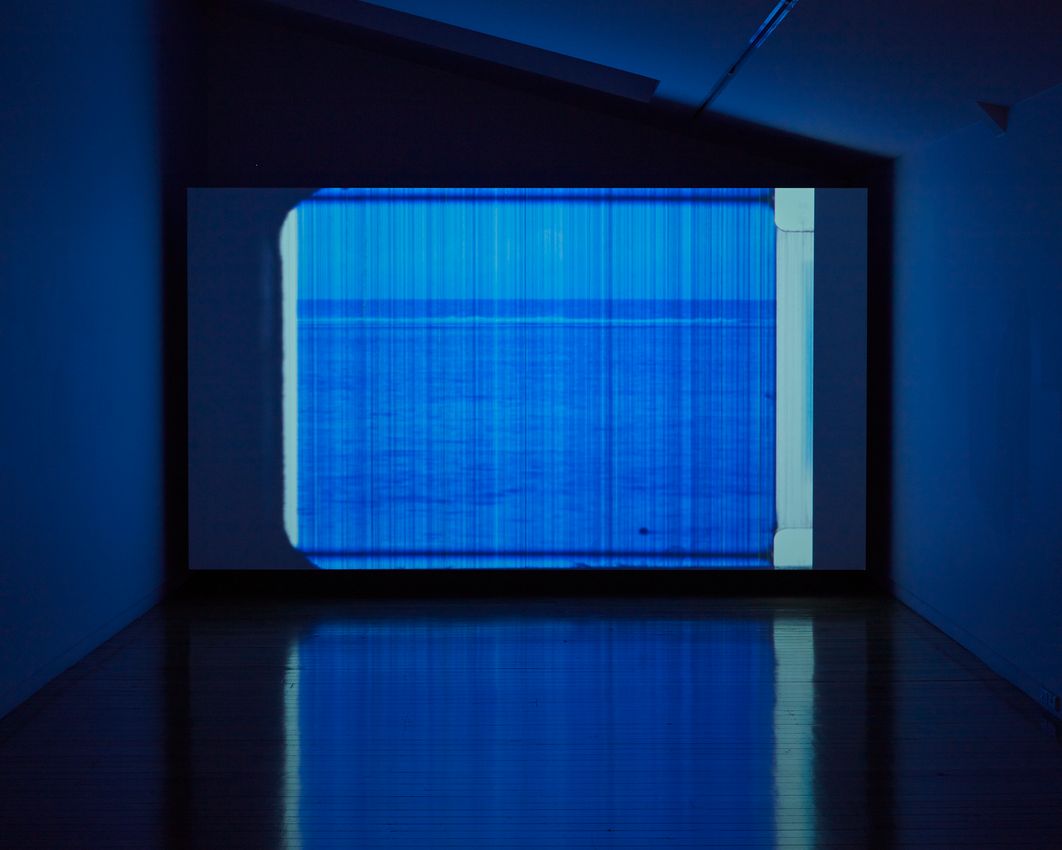
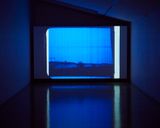
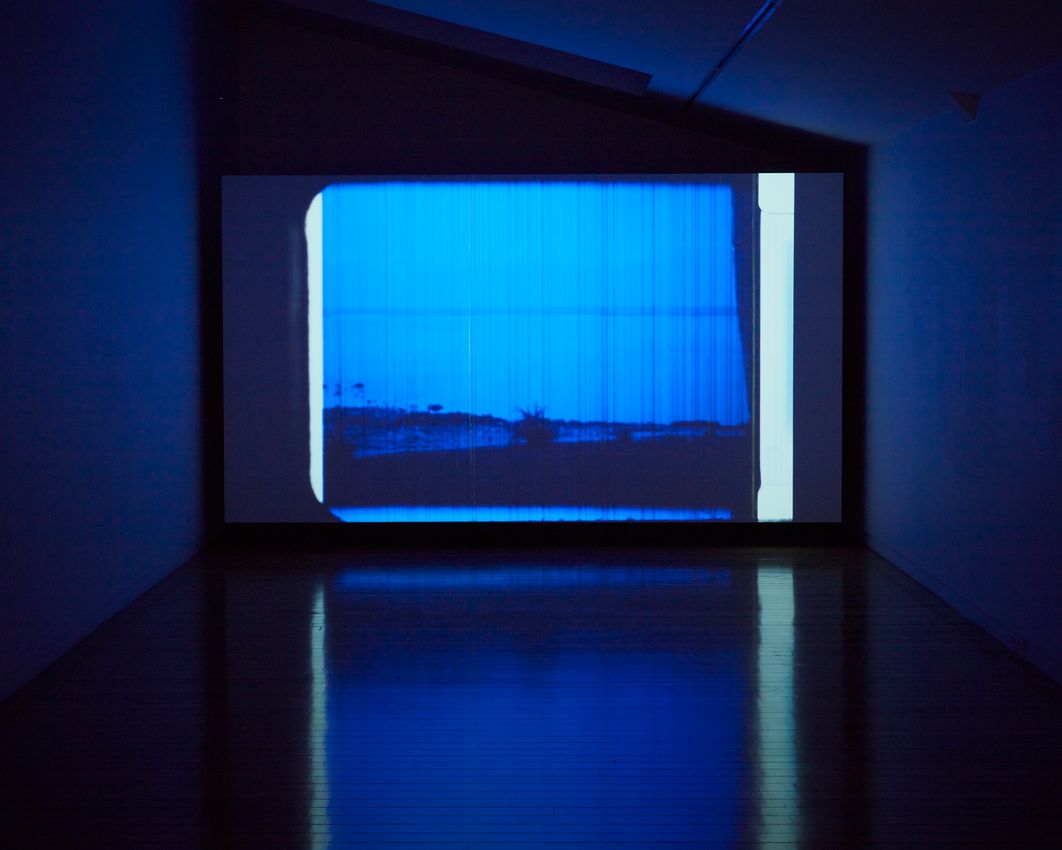
Joyce Campbell’s latest cinematic project, The Reef, explores an analogy between two dying forms: the redundancy of analogue film and the threatened status of climate stressed environments. The exhibition’s name derives from a moving image work shot at dusk that reframes 16mm film footage of waves breaking on an endangered coral reef in Fiji. Campbell has repurposed an optical printer to scratch the surface of the film with grit and sand as it is scanned to high-resolution digital video file. As the image is captured over time the film deteriorates to the point where it breaks down. The Reef is a kind of eulogy of film on film, as well as a call to protect the natural environment.

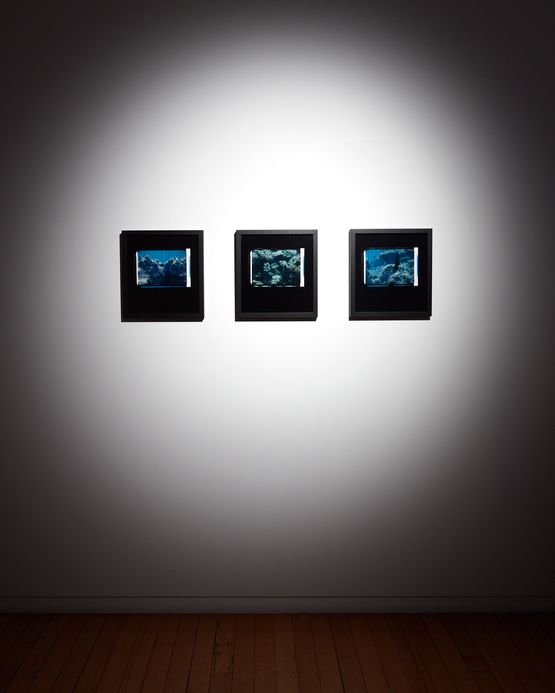
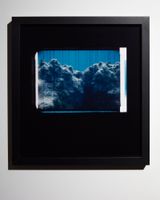
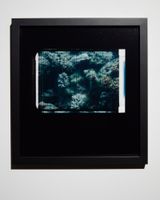
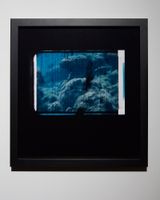
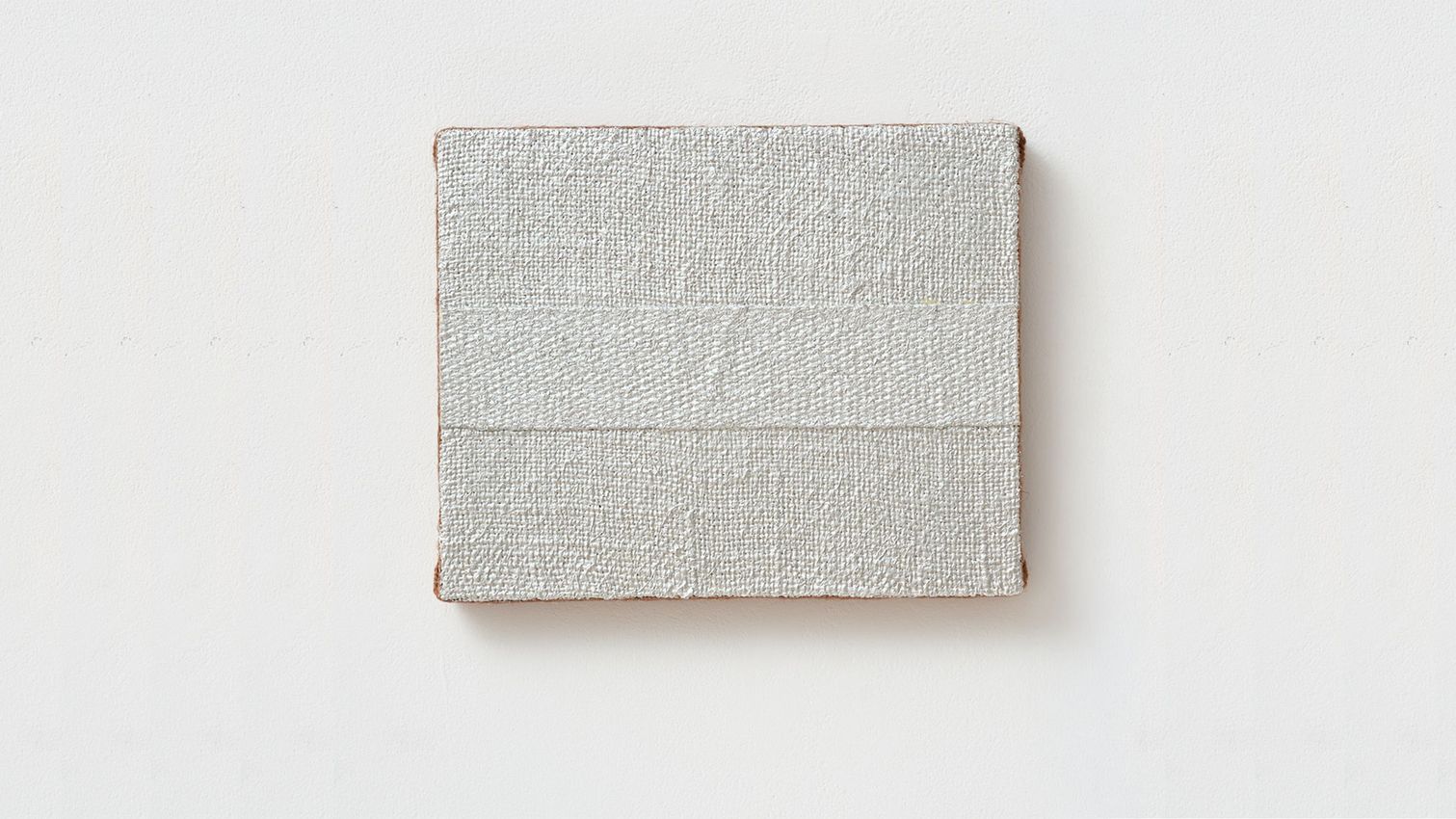
The Fijian reef the artist documents may be beautiful, but it is far from pristine. Devastated by a cyclone several years ago, its fragile, declining state is being further impacted by climate change, pollution and ocean acidification. This exhibition also features three accompanying photographs that have been extracted as stills from a second film the artist shot underwater while snorkelling the same reef. These stills are reminiscent of the idealisations of postcards common to representations of this region. Yet the reef is also visibly covered in algae, echoed in the layers of dirt, detritus and scratches embedded in the film’s surface.

The Reef‘s representation of disrupted ecologies is shared with a recent 16mm film Campbell produced for EAST 2018. Campbell’s film, Ghost Scrub, traces a path through a kanuka forest near Wairoa where she grew up, recently poisoned and burned for farmland: everything which appears alive is in fact dead. Shot in black and white using a hand held Bolex camera, the film’s first person perspective is imbued with an eerie presence as the artist wanders through a desolate landscape, complemented by a haunting soundtrack of birdsong. In his discussion of the work in the accompanying exhibition text, Philips cites theorist Donna J. Haraway:

The edge of extinction is not just a metaphor; system collapse is not a thriller...we are living in times of The Dithering...a state of indecisive agitation...The Dithering will be written into earth’s rocky strata, indeed already is written into earth’s mineralised layers.

Reflecting on Haraway’s ideas, in the face of human-made climate change Philips describes our age as one of baffling inaction: that instead of taking the urgent action required we are instead hastening these very forces. Philips discusses the ways in which Campbell’s work reflects:

...Haraway’s argument while at the same time consider[s] the complications that hinder our ability to make decisive changes or to propose ways that we might proactively rebuild our relationship to the earth.

The soundtrack to The Reef could be perceived as an attempt to reconnect the viewer to an awareness of their relationship to the wider ecologies they inhabit. The sound of vocal “hushing” is intermingled with a field recording of waves breaking on a reef. The overlapping sounds and their shifting volume push and pull the listener’s attention around the exhibition space, adding a degree of both intimacy and indeterminacy to what might otherwise appear as a kind of contemporary structural film. In its quieter moments Campbell can be seen to create calm in the realm of the unsettled: that in the context of the overwhelming implications of climate change she evokes a quiet space within.

Joyce Campbell is an interdisciplinary artist who has been working in photography, film and video for over 20 years. Her recent work utilises anachronistic photographic techniques to examine the collision of natural and cultural systems. Campbell is an Associate Professor at the University of Auckland Elam School of Fine Arts. She has an MFA from Elam, undertook postgraduate studies at the University of California, San Diego, and is currently completing a PhD in Creative Practice at the University of Auckland.

In 2006, Campbell was selected as one of the Antarctica New Zealand/Creative New Zealand Artists to Antarctica Programme recipients. She has been invited to participate in several international biennials including the Incheon International Women Artist’s Biennale, Korea (2007), The Asia Pacific Triennial, Brisbane (1999) and the 11th Biennale of Sydney (1998). Her public projects include In the Ether, Union Station Photographic Lightbox Project, Los Angeles (2015).

Campbell has been included in numerous group exhibitions in New Zealand, Australia, Europe and North America, including Emanations: The Art of the Cameraless Photograph, curated by Geoffrey Batchen, Govett-Brewster Art Gallery (2016); and The Alchemists, curated by Suzanne Buljan et. al, Australian Centre for Photography, Sydney (2015).

In 2016, she participated in the 20th Biennale of Sydney and was a finalist in the Walters Award for her 2015 work Flightdream, which premiered at Two Rooms. She has also shown subiltis (2016), To the Wash (2014), The Thread (2013), Marianas (2011), Te Taniwha (2010) and Crown Coach Botanicals (2008), at the gallery. This is Campbell’s 8th solo exhibition with Two Rooms.

Read More

Installation Views

About the Artist

Joyce Campbell is based in Los Angeles, California and Auckland, New Zealand and is a lecturer at the University of Auckland Elam School of Fine Arts. Her work has been exhibited extensively throughout New Zealand and Internationally, including the Incheon international Women’s Biennalle, Incheon, Korea. In 2006 she was awarded the Antarctic Fellowship with this work being included in an exhibition Antarctica, with Anne Noble and Connie Samaras at Pitzer College, Claremont CA, USA.

View Artist Profile

Also Exhibiting at Two Rooms

About the Gallery

Two Rooms is a contemporary art exhibition venue located in a converted warehouse in Central Auckland, New Zealand. Opened in August 2006, Two Rooms presents a program of residencies and projects by leading International and New Zealand contemporary artists. The building houses two exhibition spaces, the Project Room and the Long Room.

View Gallery Profile
Address
16 Putiki Street
Newton
Auckland
New Zealand
Opening Hours
Tue - Fri, 11am - 6pm
Sat, 11am - 3pm
(1)
Auckland 16 Putiki Street, Newton
Two Rooms
16 Putiki Street, Newton, Auckland, New Zealand
+64 9 360 5900
http://www.tworooms.co.nz

Opening hours
Tue - Fri, 11am - 6pm
Sat, 11am - 3pm
The art world in focus