





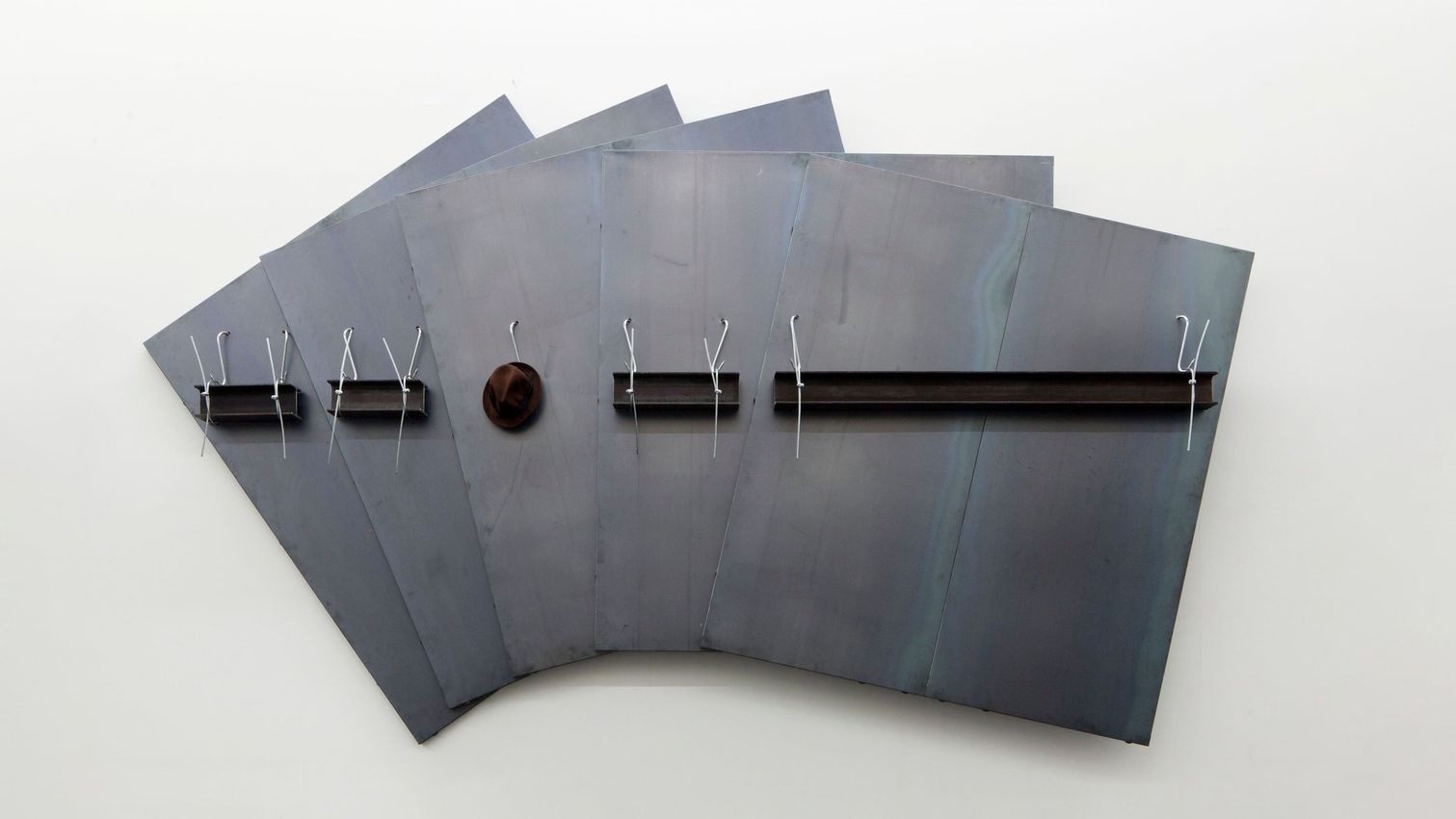
JANNIS KOUNELLIS
1936-2017, GreeceJannis Kounellis (1936–2017) was a pioneering Greek‑Italian artist and a leading figure associated with the Arte Povera movement. Best known for installations that use “poor” materials such as live animals, coal, sacks, steel, and fire, Kounellis transformed the possibilities of painting, sculpture, and performance and became one of the most influential European artists of the postwar period.
Early life and Education
Kounellis was born in Piraeus, Greece, in 1936, and grew up during the upheavals of the Second World War and the Greek Civil War, experiences that later shaped his themes of displacement, history, and survival. In 1956, he moved to Rome to study at the Accademia di Belle Arti, immersing himself in the city’s postwar avant‑garde and developing the visual language that would make him a leading Arte Povera artist. Rome remained his lifelong home and the primary base for his artistic practice, and he often described himself as “a Greek person but an Italian artist.”
Jannis Kounellis Artworks and Style
Kounellis’ work is defined by a constant drive to expand the language of contemporary art, moving from painting to immersive installations that incorporate found objects, raw materials, and living elements. His practice is celebrated for its poetic and political resonance, exploring memory, transformation, and the relationship between nature, the body, and industrial society.
Early works and ‘Alfabeti’ (1960–1963)
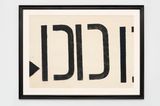
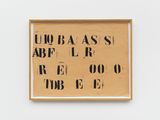
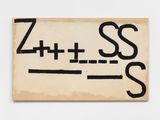
Kounellis’s first solo exhibition, L’alfabeto di Kounellis (1960) at Galleria la Tartaruga, Rome, featured canvases stencilled with letters and numbers, referencing urban signage and the codes of daily life. In his interview with Anna Dickie, Kounellis described these works as a deliberate move away from painterliness, ‘demonstrating little painterliness’ but opening new conceptual territory.
Transition to Arte Povera (1967–1969)
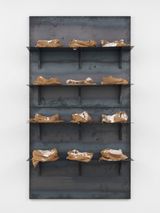
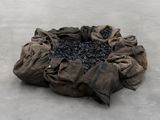
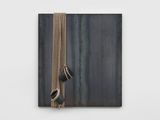
By the mid-1960s, Kounellis began incorporating found and “poor” materials—such as street signs, sacks, coal, iron, and even live animals—into his art, aligning with the Arte Povera movement. His iconic work Untitled (12 Horses) (1969), in which 12 live horses were tethered in Rome’s Galleria L’Attico, became a landmark in both Arte Povera and conceptual art, and is frequently cited as a pivotal moment in the movement’s history.
Materiality, Monumentality and Key Installations
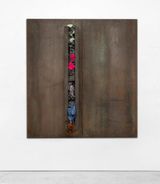
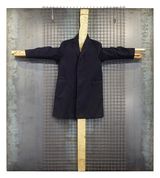
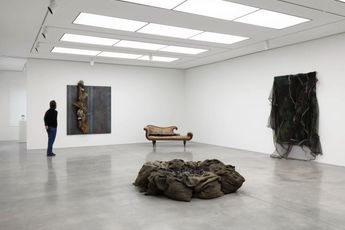
Throughout the following decades, Kounellis continued to push boundaries with installations using fire, soot, gold, steel, and organic materials, often engaging directly with the architecture of the gallery space. These works explored transformation, ritual, and the passage of time, and invited viewers to become active participants.
Late Career, Public works and Legacy
From the 1990s onwards, Kounellis created monumental public sculptures and site-specific installations, remaining committed to making art that was accessible and socially resonant.
Select Public Commissions, Awards and Other Accolades
Kounellis received significant public commissions and honours that cemented his status as a major postwar European artist.
- Tragedia Civile (1975), Kolumba Museum, Cologne
- Offertorio (1995), Piazza del Plebiscito, Naples
- Permanent installations in public and institutional spaces across Europe and the Americas
- Professor at the Kunstakademie Düsseldorf (1993–2001)
- Participant in the Venice Biennale from 1972
- Major retrospectives at institutions including Tate Modern, Fondazione Prada, Museo Jumex, and MAXXI
Exhibitions
Jannis Kounellis has been the subject of both solo exhibitions and group exhibitions at important institutions. Below is a selection of important exhibitions.
Solo Exhibitions
- Jannis Kounellis: To the Sound of Pictures, Luxembourg + Co., London, 2 March–30 April 2026
- Jannis Kounellis: Labyrinth without Walls, Es Baluard Museu d’Art Contemporani de Palma, Palma de Mallorca, 4 December 2025–30 August 2026
- Jannis Kounellis – Alfabeto, Early Works on Paper, Sprovieri, London, 17 January–28 March 2025 (with a related presentation 27 March–7 June 2026)
- Jannis Kounellis – Alfabeto, Early Works on Paper, Sprovieri, 2025
- Jannis Kounellis, Museo Novecento, Florence, 2024
- Jannis Kounellis in Six Acts, Walker Art Center, Minneapolis, and Museo Jumex, Mexico City, 2022–2023
- Jannis Kounellis, Fondazione Prada, Venice, 2019
- Jannis Kounellis, Monnaie de Paris, 2016
- Jannis Kounellis, Museum of Cycladic Art, Athens, 2012
- Jannis Kounellis, Tate Modern, London, 2009
- Jannis Kounellis, Neue Nationalgalerie, Berlin, 2007
Group Exhibitions
- Burri, Kounellis, Nunzio. Ethic of the Artwork, Mazzoleni, London, 2021
- Jannis Kounellis, Arnulf Rainer, Antoni Tàpies, Galerie Lelong & Co. Paris, 2019
- Homage to Korea, Wooson Gallery, Daegu, 2019
- Arte Povera, Albert Baronian, Brussels, 2013
- 3rd Thessaloniki Biennale of Contemporary Art, State Museum of Contemporary Art, Thessaloniki, 2011
- Italian Art 1950–1970: Masterpieces from the Farnesina Collection, National Gallery of Modern Art, New Delhi, 2005
- Arte Povera, Toyota Municipal Museum of Art, Toyota, 2005
- Arte povera e IM spazio, Galleria La Bertesca, Genoa, 1967
2026 Exhibitions
In 2026, Kounellis’ posthumous presence on the international exhibition circuit will be particularly strong, with several shows foregrounding his influence on contemporary installation and Arte Povera.
Jannis Kounellis: Labyrinth without Walls at Es Baluard Museu d’Art Contemporani de Palma in Palma de Mallorca (4 December 2025–30 August 2026) extends a major survey of his large‑scale installations and “poor” materials into the new year, while Jannis Kounellis: To the Sound of Pictures at Luxembourg + Co., London (2 March–30 April 2026), focuses on his dialogue with film, music, and theatrical staging. In parallel, his work will anchor the two‑person exhibition David Hammons and Jannis Kounellisat White Cube New York (30 April–13 June 2026), where Kounellis’ coal, sacks, iron, and architecturally responsive installations will provide a historical and conceptual counterpoint to Hammons’ own use of “poor” materials and the politics of display.
Jannis Kounellis FAQs
Where can I see Jannis Kounellis’ art?
You can see Jannis Kounellis’s artworks in major museum collections including Tate Modern (London), Centre Pompidou (Paris), the Museum of Modern Art and Guggenheim Museum (New York), Kolumba Museum (Cologne), and Museo Novecento (Florence). Permanent installations are also on view at Kolumba and in public spaces in Naples and other Italian cities.
Why is Jannis Kounellis important to Arte Povera?
Jannis Kounellis is regarded as a leading figure of Arte Povera, the Italian movement that used everyday “poor” materials to challenge traditional art and address contemporary social issues. From the late 1960s he replaced the canvas with coal, sacks, iron, and live animals, creating some of the movement’s most iconic installations.
What are Jannis Kounellis’s most famous artworks?
Kounellis’s most famous artworks include 12 Horses (1967), his letter‑and‑number Alfabeti paintings of the early 1960s, the installation Tragedia Civile (1975), and later works such as Untitled (1984/1987) that use coal, iron, fire, and found objects to transform the gallery into a theatrical environment.
Did Jannis Kounellis participate in the Venice Biennale?
Yes. Jannis Kounellis first took part in the Venice Biennale in 1972 and went on to appear in several subsequent editions, which helped consolidate his international reputation within Arte Povera and global contemporary art.
What is the upcoming exhibition featuring Jannis Kounellis and David Hammons?
The 2026 exhibition David Hammons and Jannis Kounellis at White Cube New York is a two‑person show that places Jannis Kounellis, a key figure of Arte Povera, in direct dialogue with the American conceptual artist David Hammons. Bringing together works from the 1950s onwards, it explores how both artists use “poor” materials, architecture, and theatrical staging to rethink what sculpture and installation can be.
How do you pronounce Jannis Kounellis’s name?
Jannis Kounellis is pronounced ‘YAH-nees koo-NELL-iss’.
Ocula | 2026
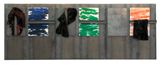
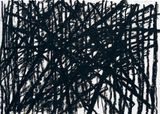
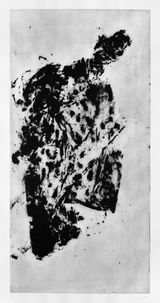
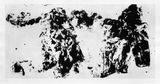
View Jannis Kounellis' Artworks




















Explore Jannis Kounellis' Exhibitions











Explore and Follow Artists Shaping Contemporary Art
A respected voice in contemporary art discourse.
Focusing on ambitious storytelling and insightful art-world commentary. Ocula Magazine publishes in-depth interviews, critical essays and timely analysis on the artists, exhibitions and ideas driving the global art world.
Learn more about Ocula Magazine
Showcasing the best of the art world.
Ocula partners with galleries from around the world to highlight their artists, artworks and exhibitions. Gallery membership is by application and invitation, with each member vetted by an independent panel.
Learn more about Ocula Membership
Specialises in the sale of major artworks.
Led by a team with deep ties to the world’s leading auction houses, galleries and collectors. Ocula’s advisory team offers bespoke services to high-net-worth clients from around the world who are looking to acquire the best of contemporary and modern art.
Learn more about our team and services