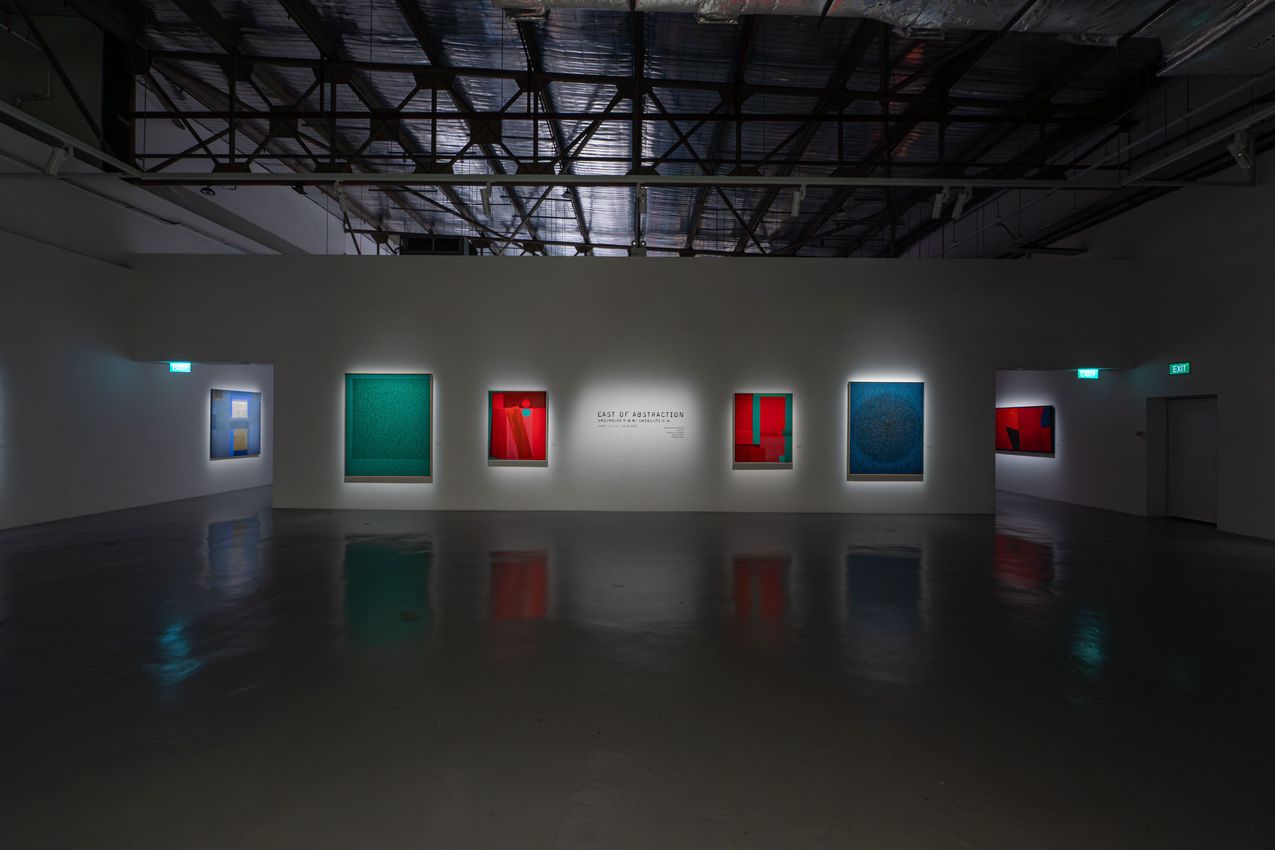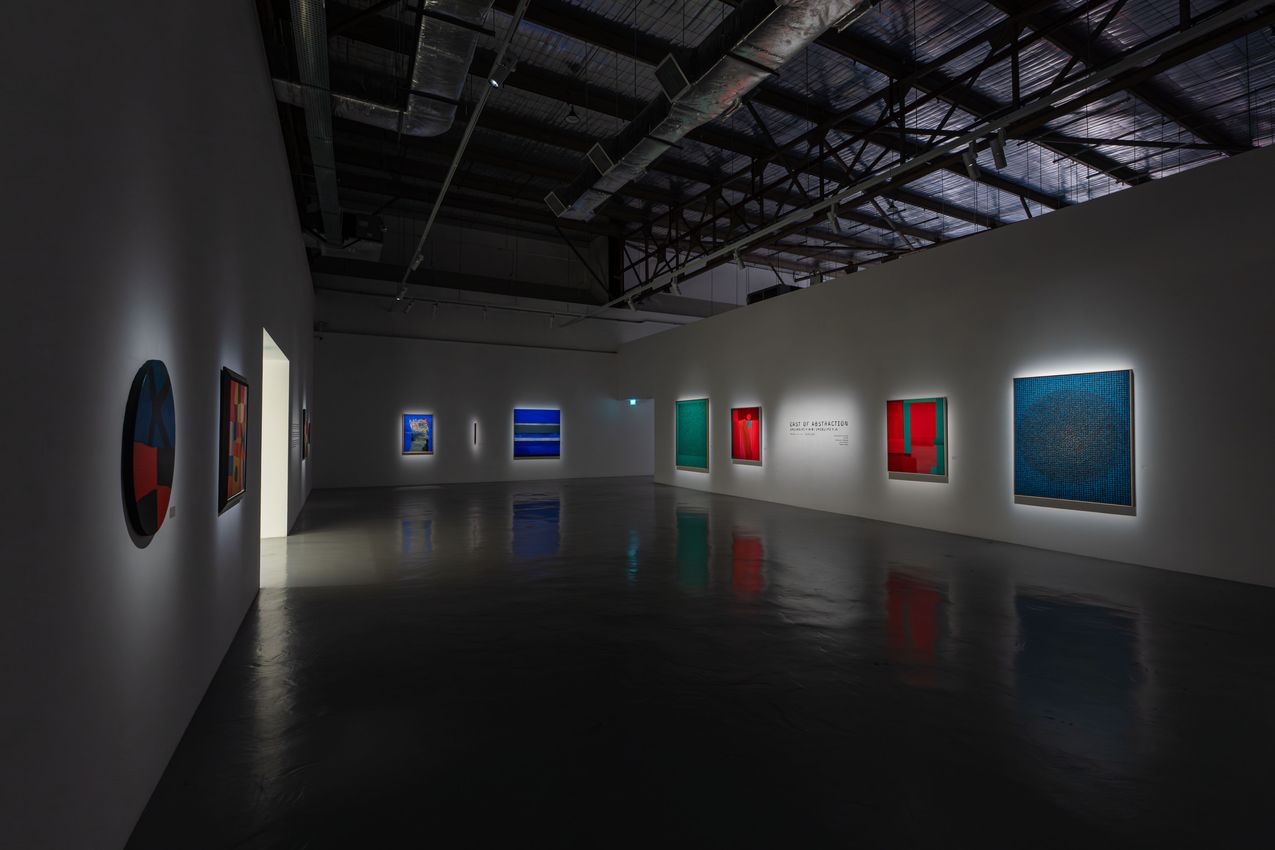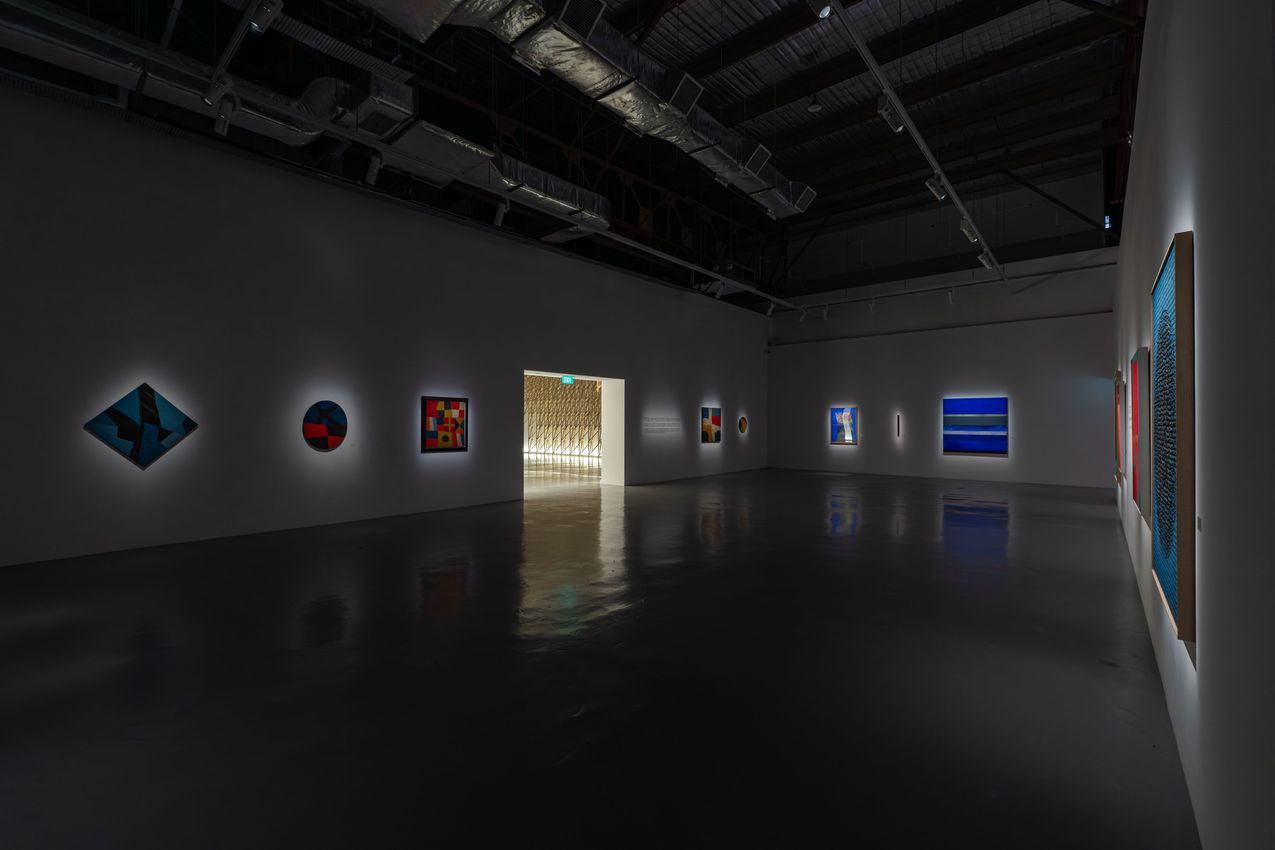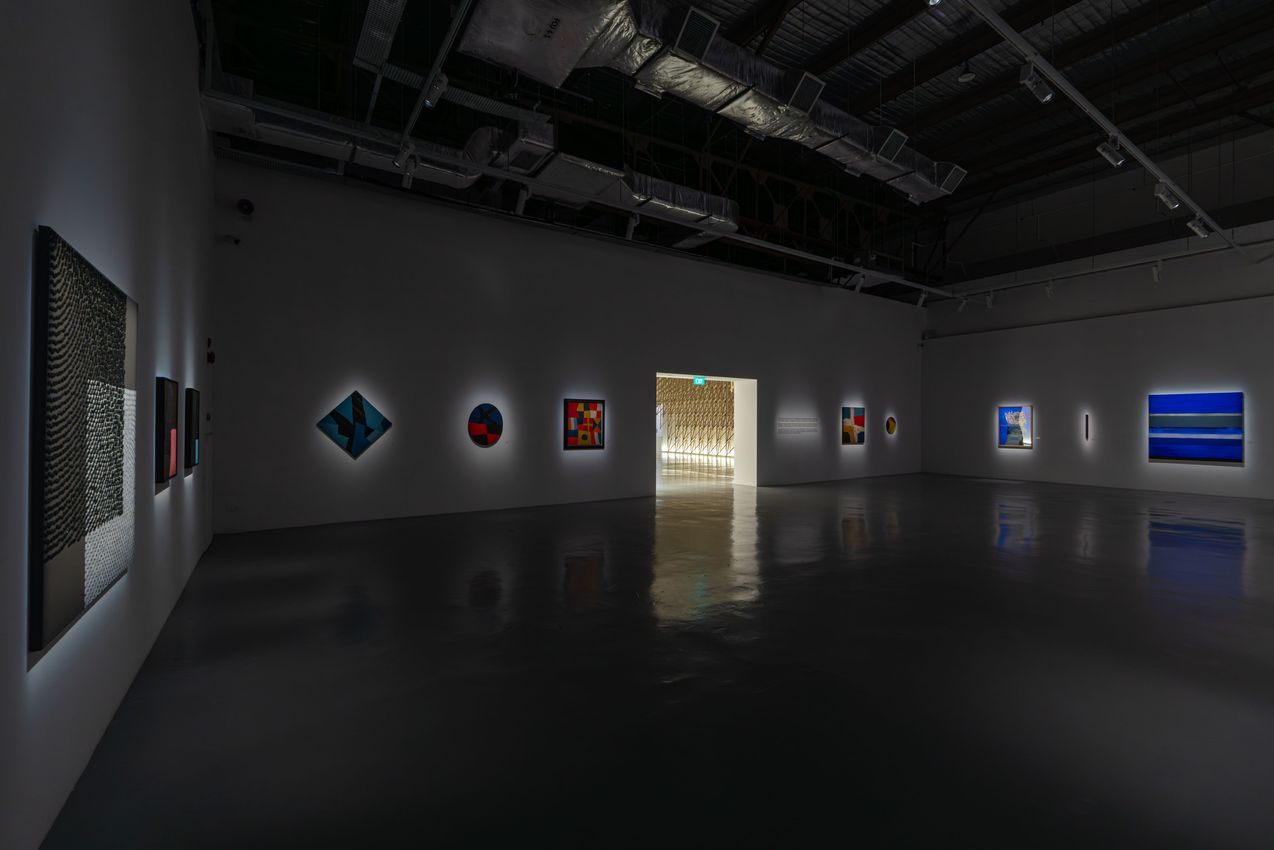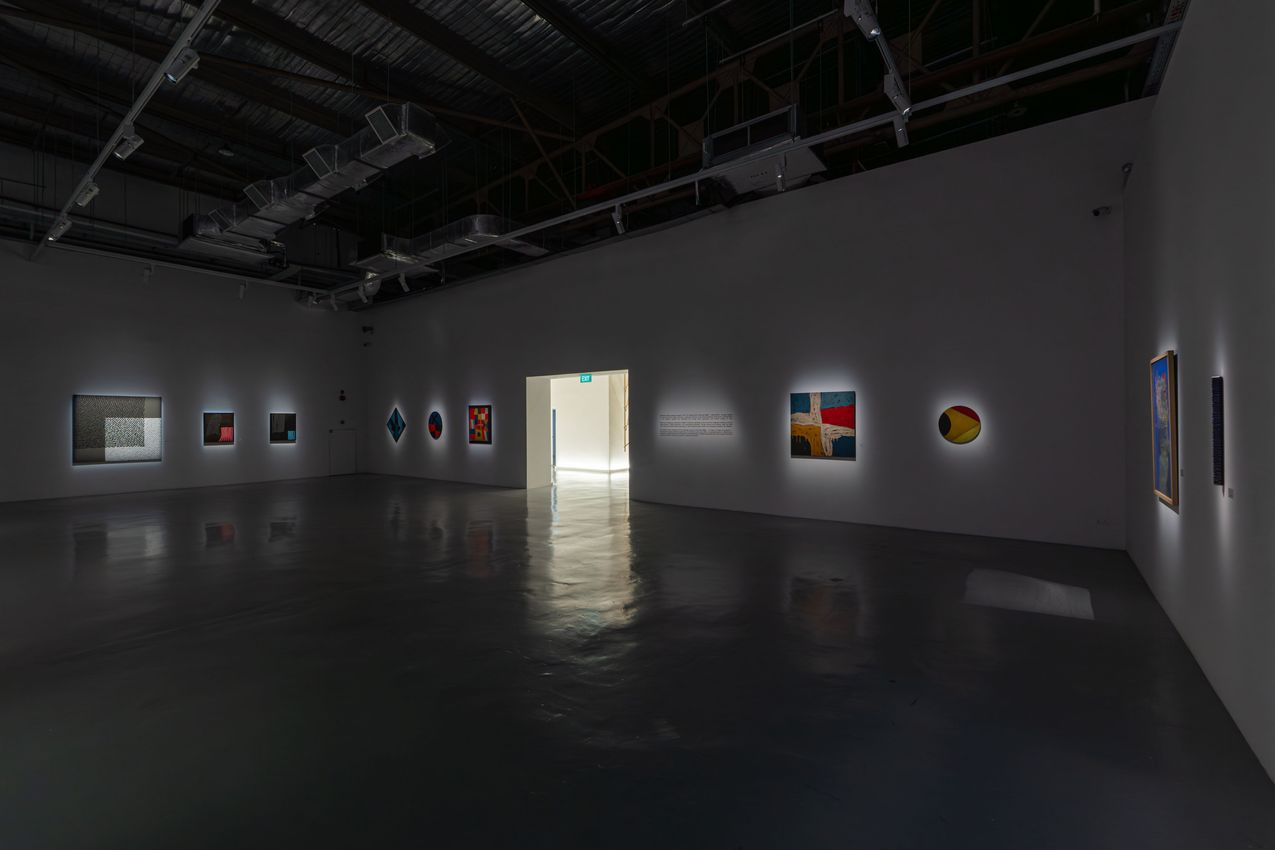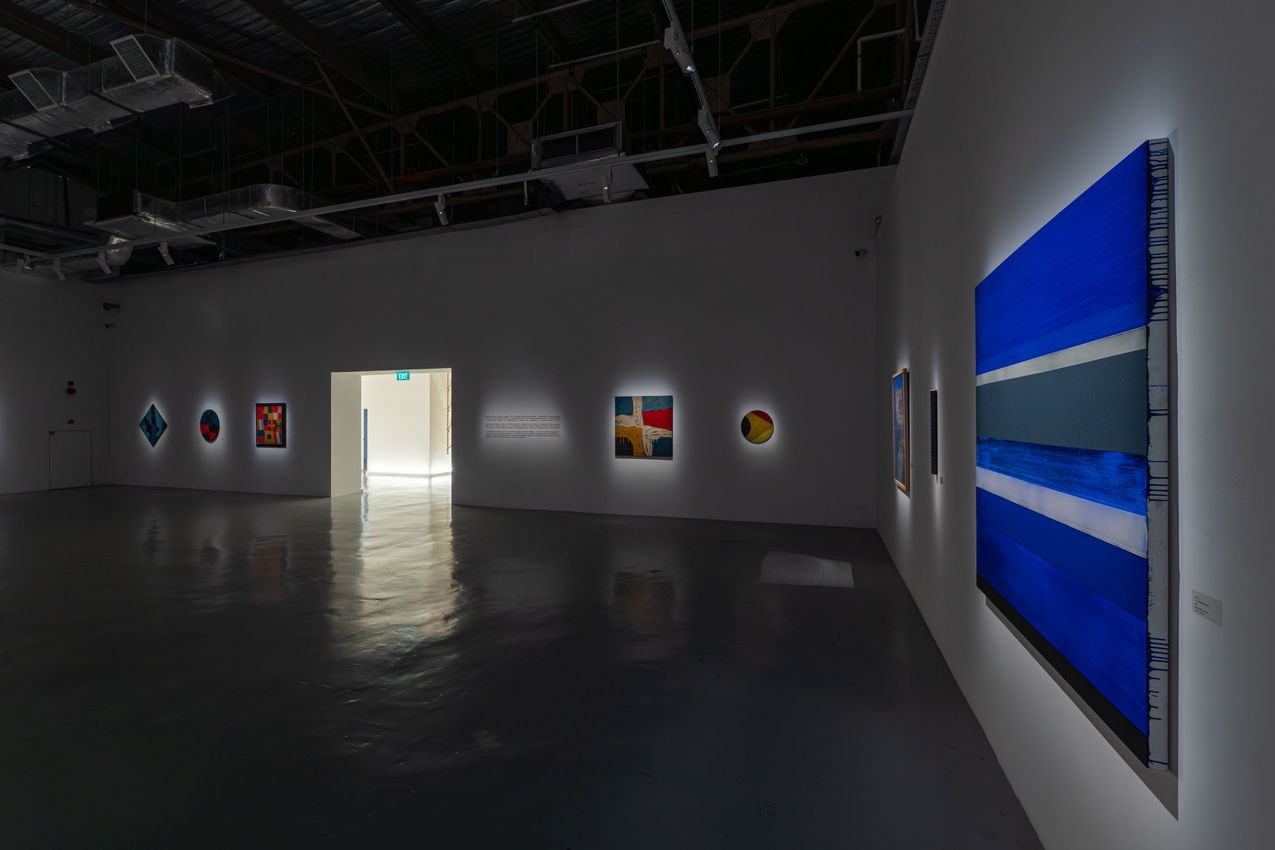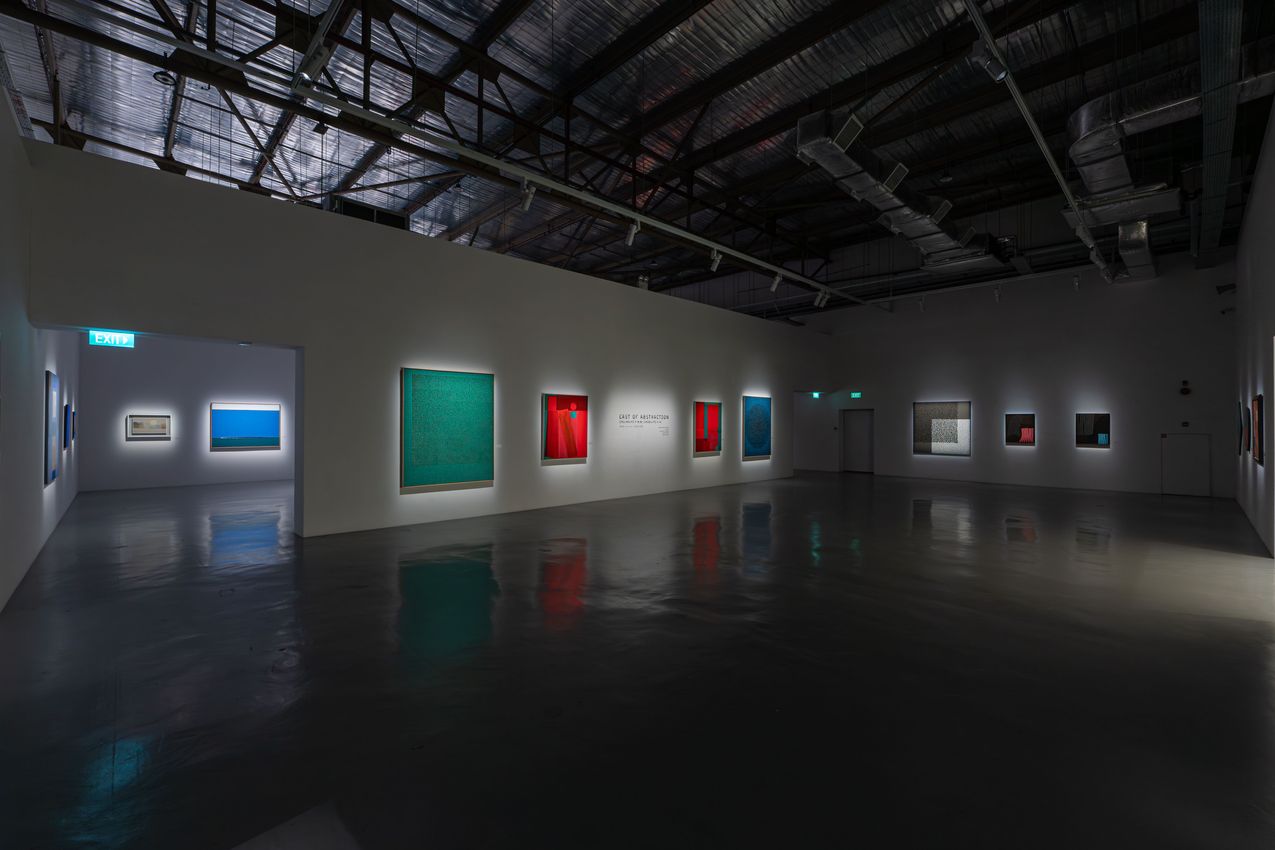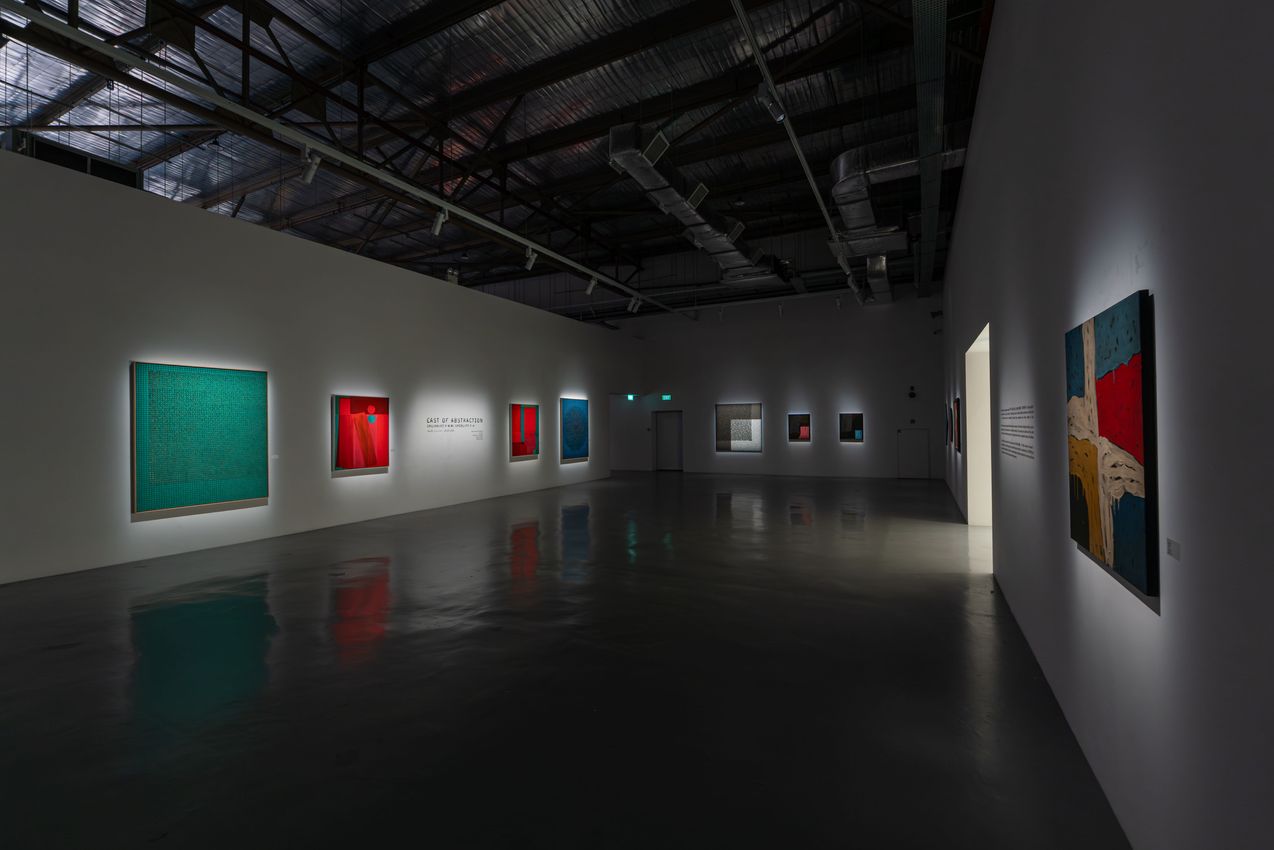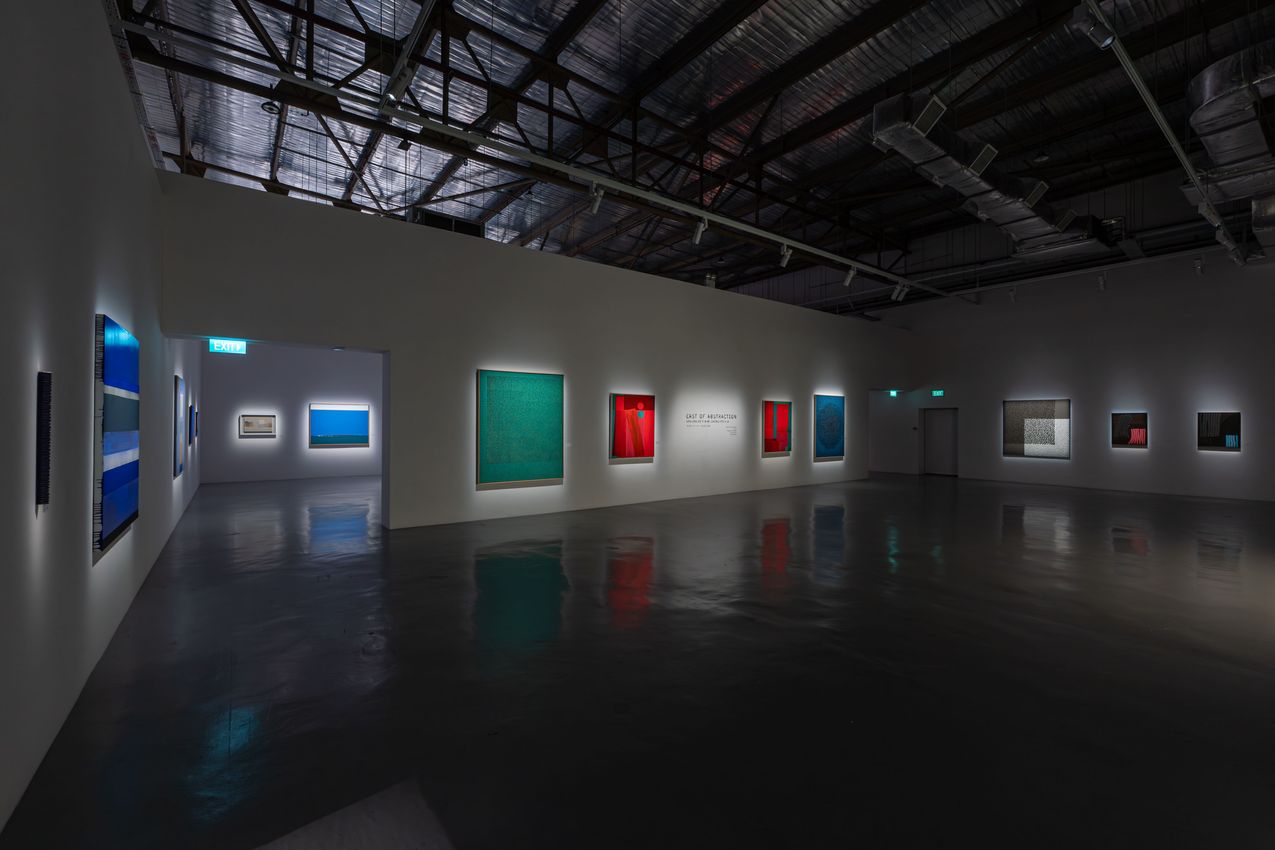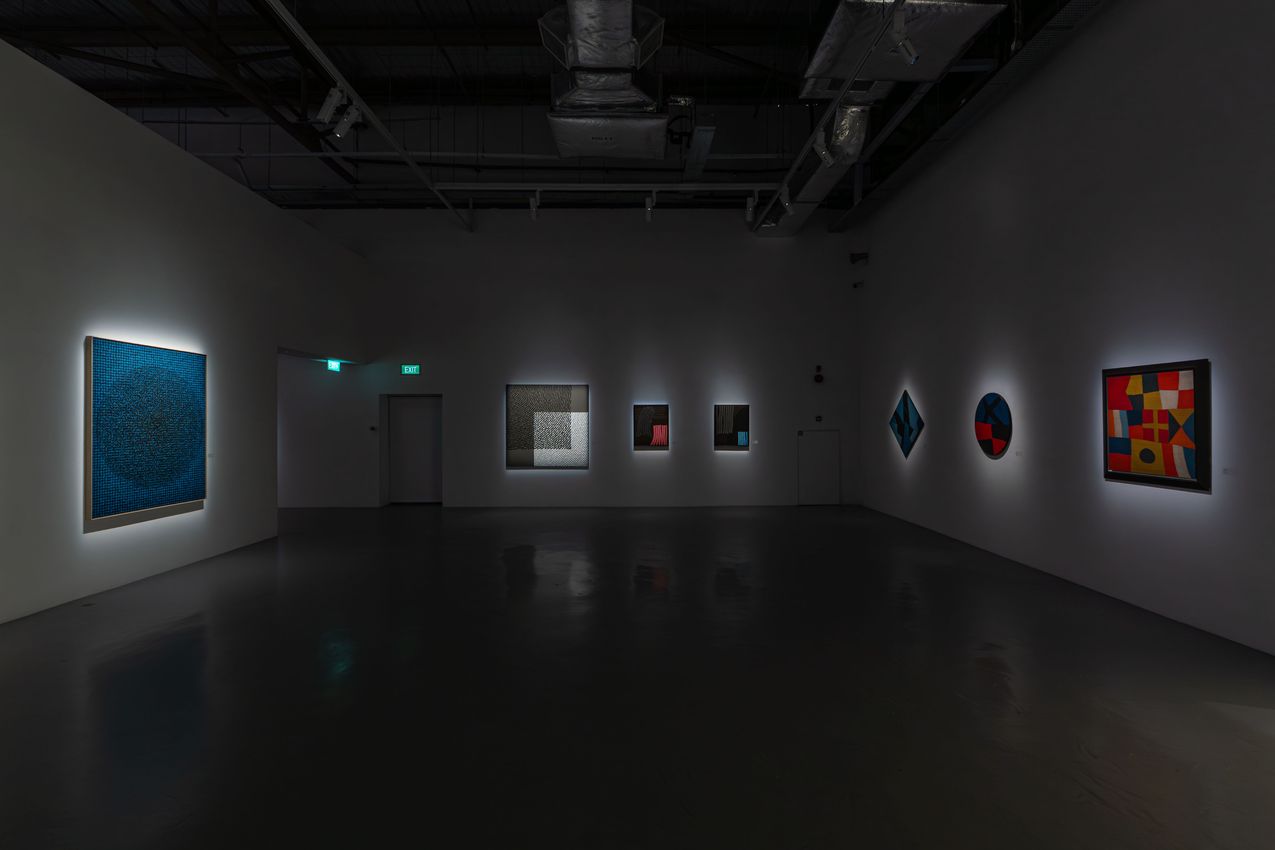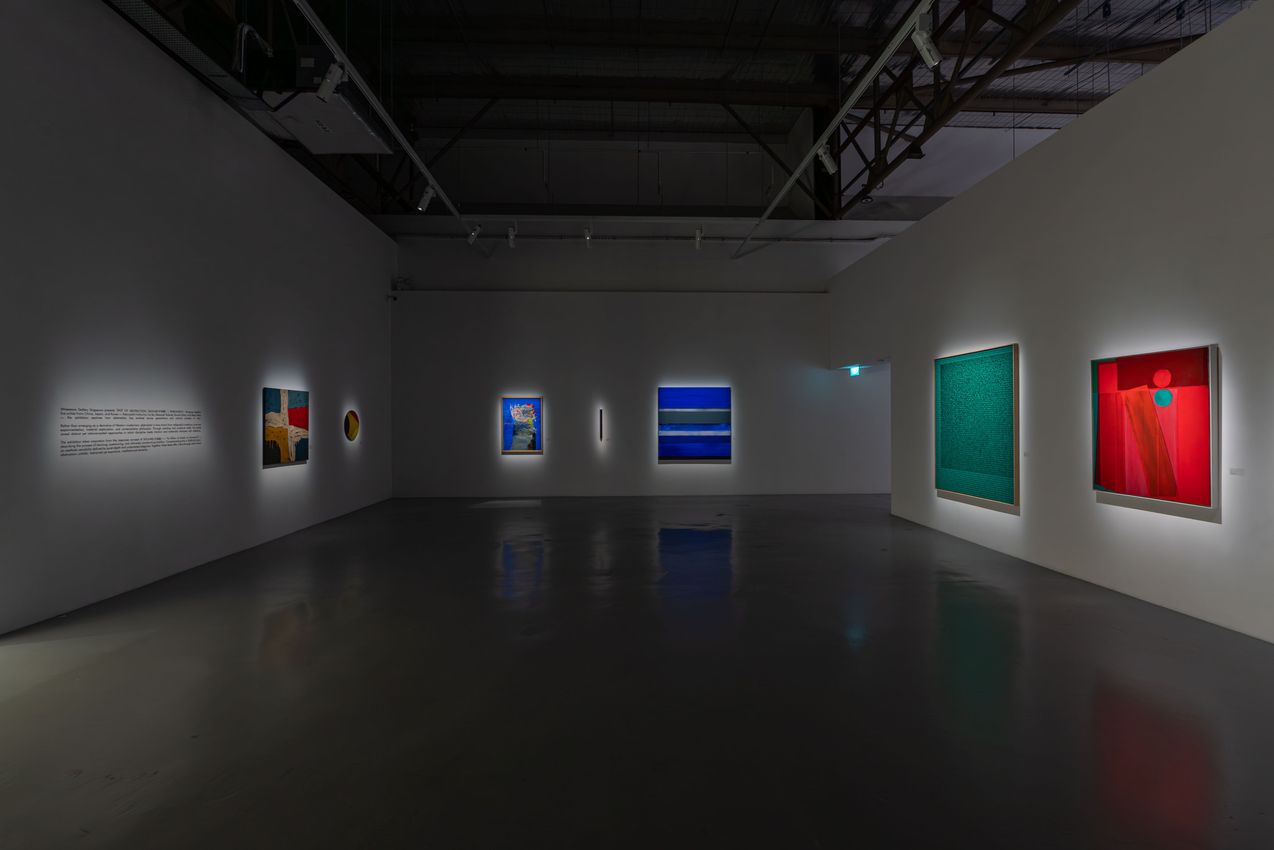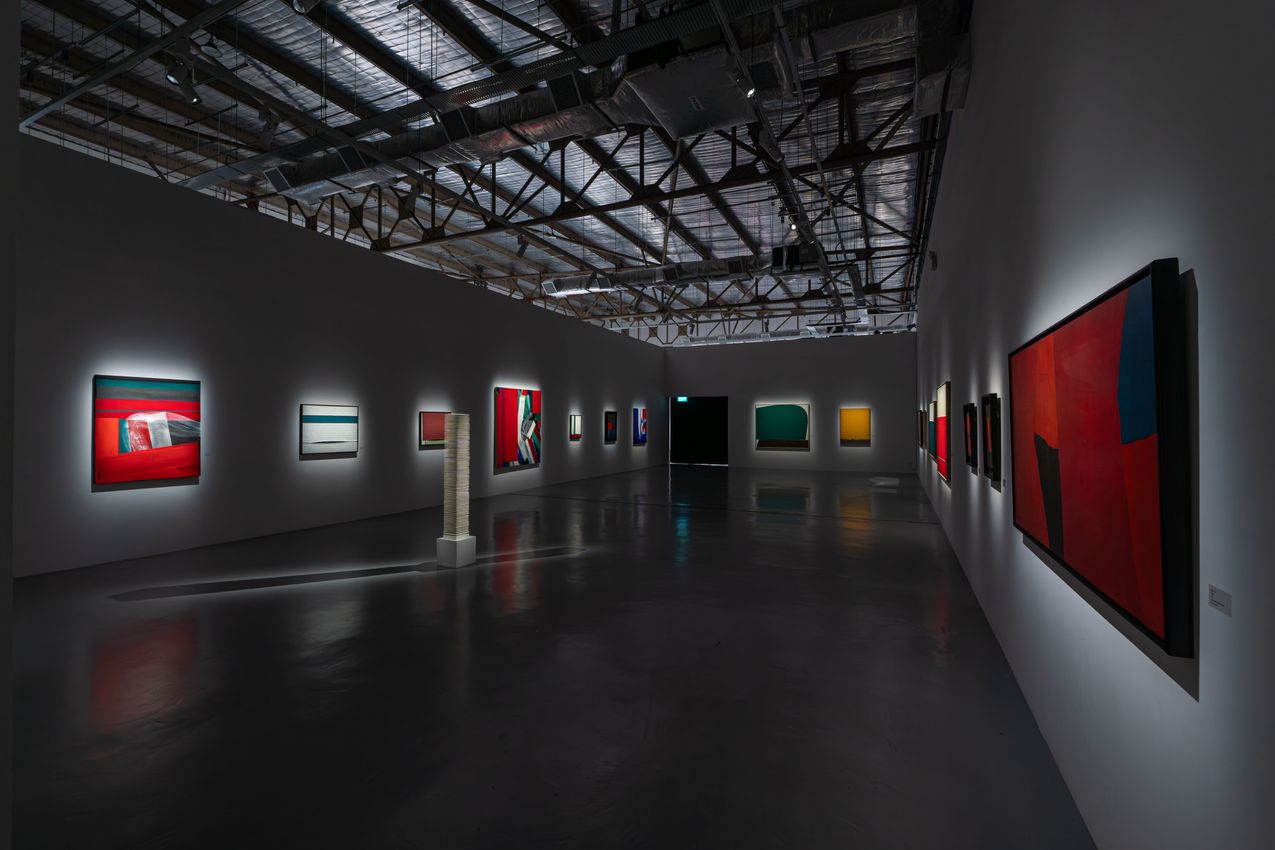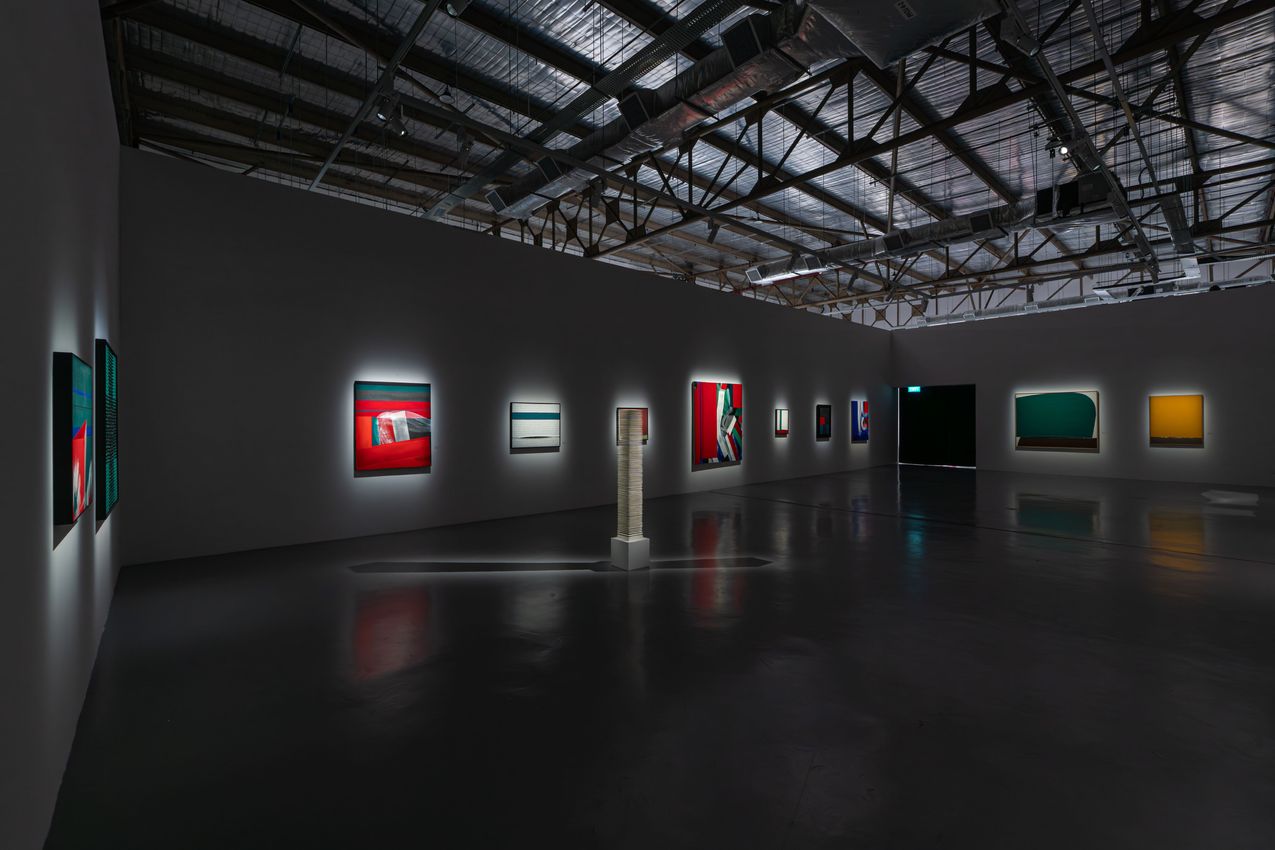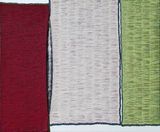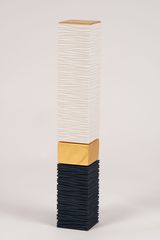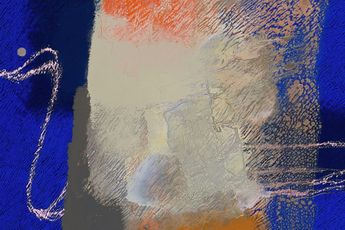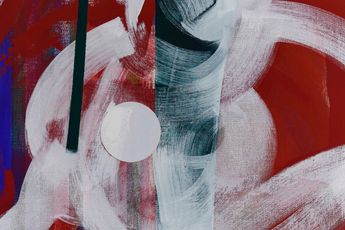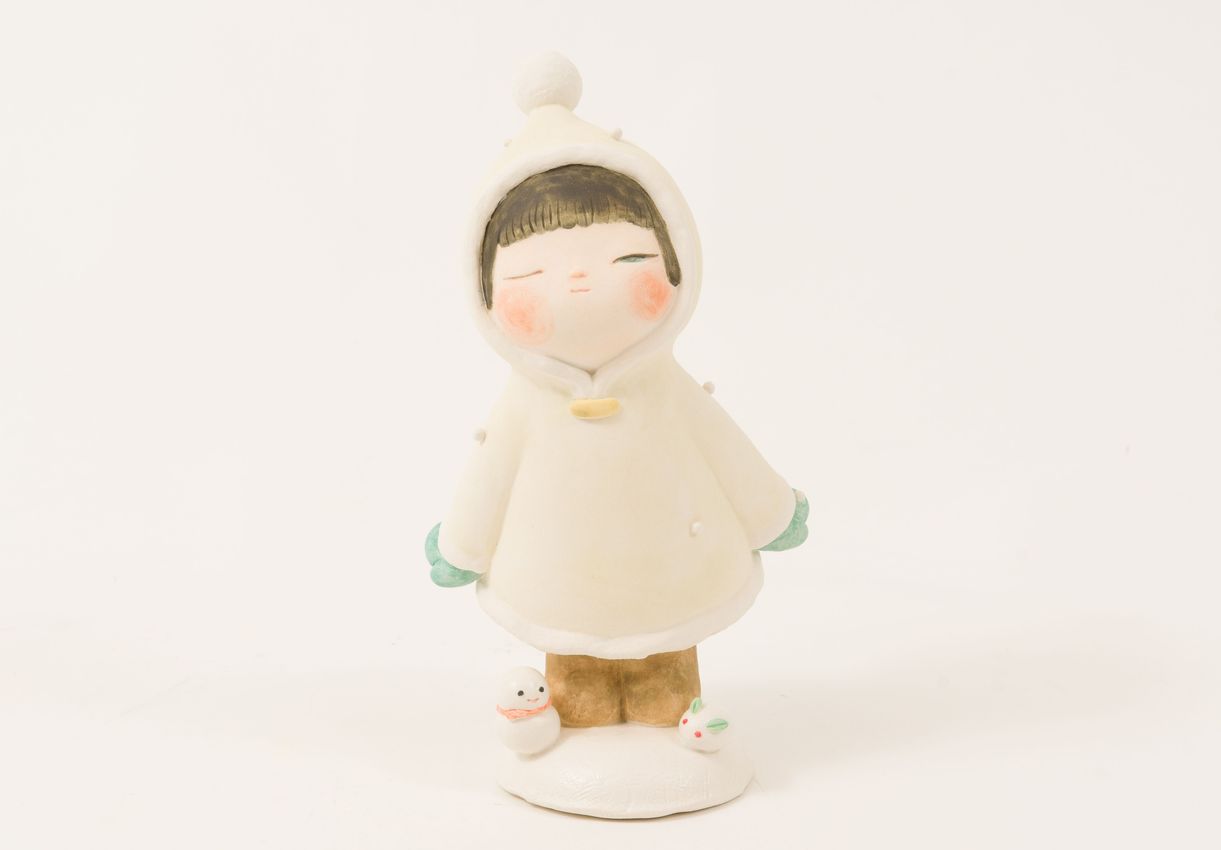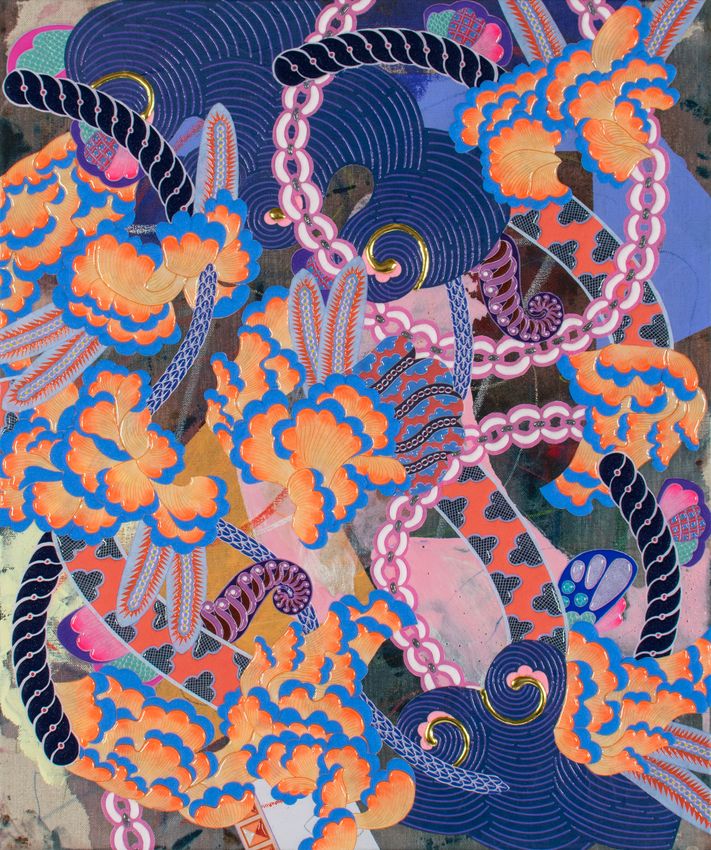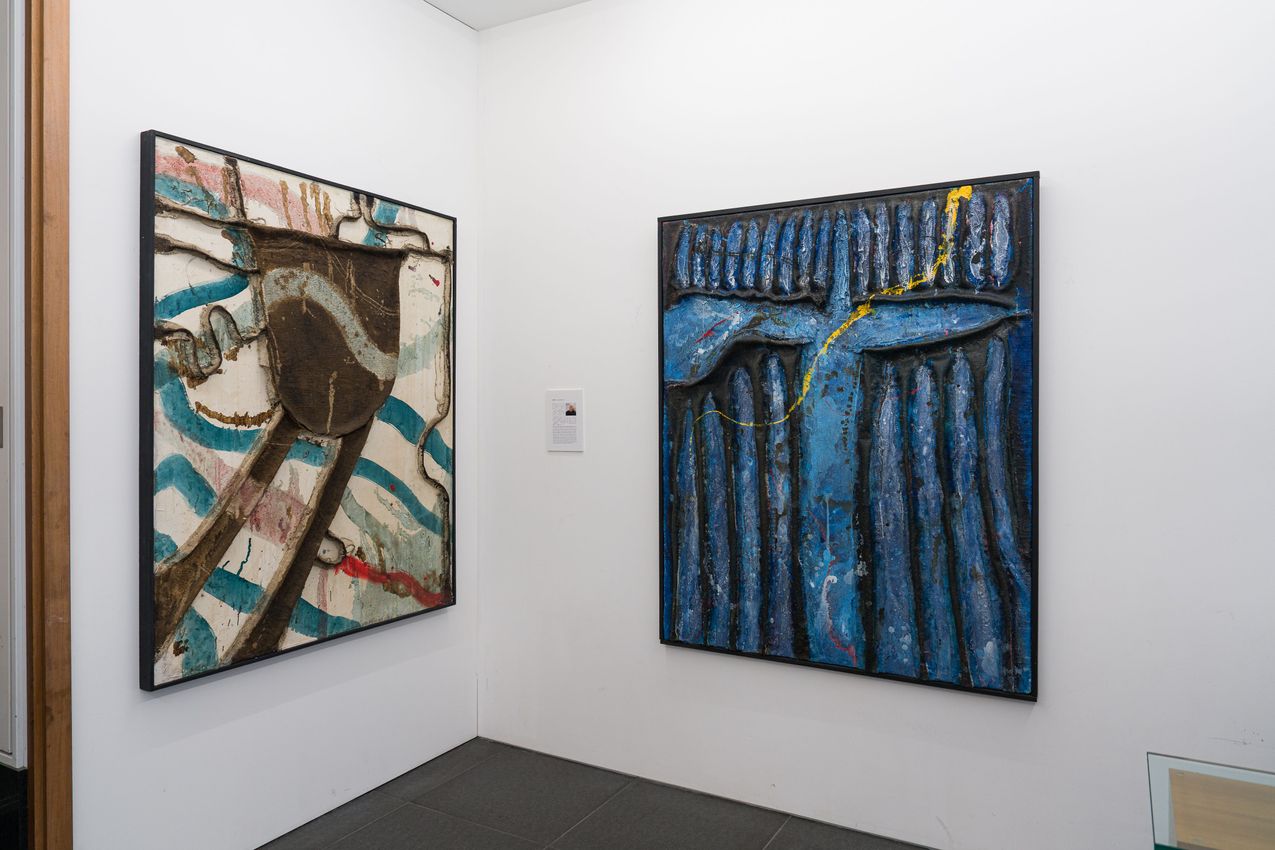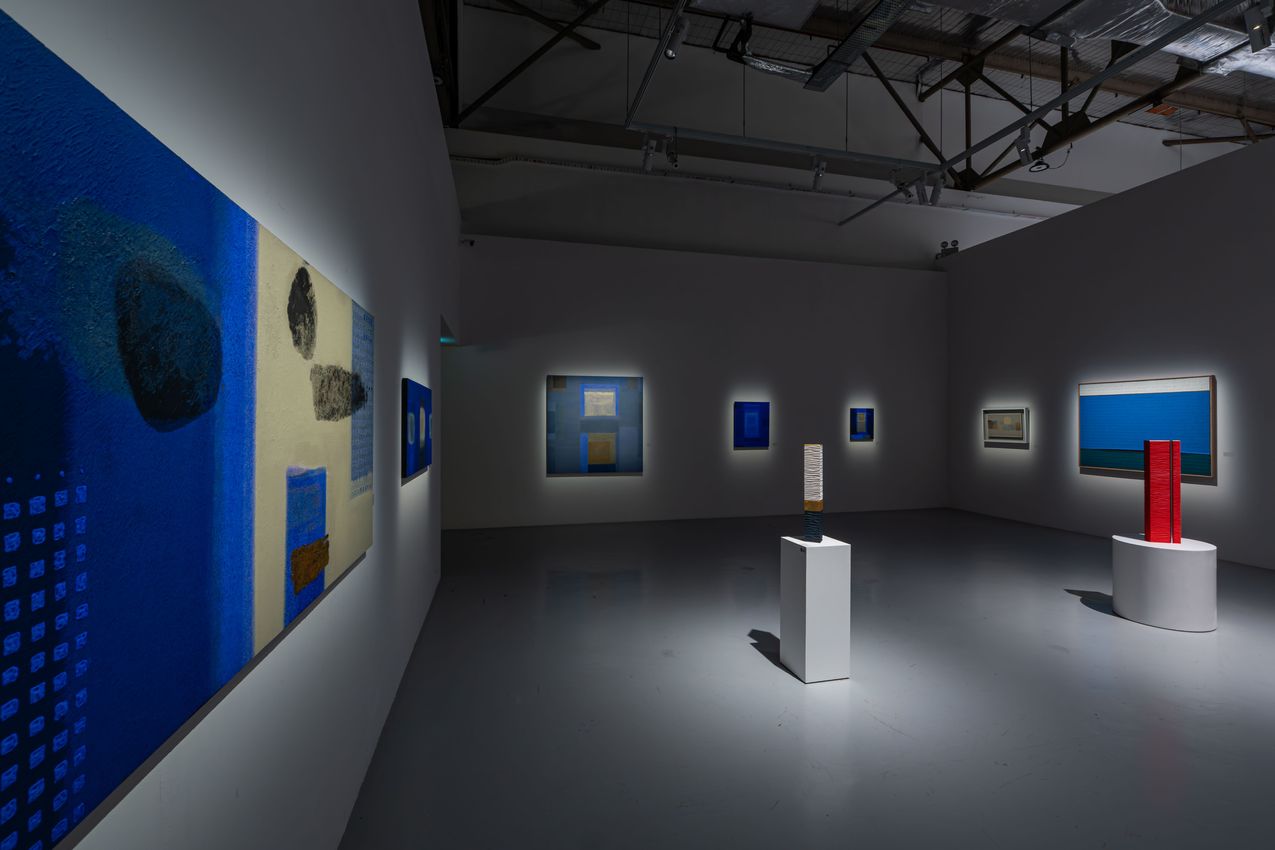
Whitestone Gallery Singapore is pleased to present EAST OF ABSTRACTION: SHUHARI | SHIBUMI, opening on 24 March 2026. Bringing together five artists from China, Japan, and Korea—Katsuyoshi Inokuma, Liu Ke, Masayuki Tsubota, Soonik Kwon, and Tetsuo Mizu—the exhibition examines the evolution of Asian abstraction across generations, geographies, and philosophical traditions.
This exhibition situates abstraction in Asia not as a derivative extension of Western Modernism, but as a parallel and deeply rooted discourse shaped by calligraphic traditions, post-war reconstruction, transnational travel, material experimentation, and contemplative philosophy. Through painting and sculptural relief, the artists in this presentation demonstrate how abstraction in China, Japan, and Korea has developed through distinct yet interconnected trajectories — where East meets West, method meets materiality, and spiritual contemplation intersects with social consciousness.
The exhibition’s conceptual framework draws upon the Japanese principle of SHUHARI(守破離), a structure of learning and mastery that translates as “to follow, to break, to transcend.” In its first stage (SHU 守), tradition is absorbed and internalised; in the second (HA 破), conventions are questioned and disrupted; in the third (RI 離), transcendence emerges as a personal and autonomous expression. Complementing this progression is SHIBUMI (渋み), an aesthetic sensibility rooted in restraint, quiet depth, and understated elegance. Together, these concepts offer a lens through which to understand the evolution of abstraction across Asia — disciplined yet exploratory, minimal yet expansive, meditative yet intellectually rigorous.
Katsuyoshi Inokuma’s practice, spanning decades, reflects the emotional and material intensity of post-war Japanese abstraction. His works move between chromatic force and meditative restraint, revealing abstraction as both expressive and contemplative. Through layered surfaces and expansive gestures, Inokuma negotiates structure and dissolution, anchoring the exhibition in historical depth while resonating with contemporary urgency.
Liu Ke engages abstraction through spatial ambiguity and architectural fragmentation. His compositions suggest landscape and constructed space without settling into representation. Drawing from contemporary Chinese discourse on abstraction, Liu’s works balance structural clarity with atmospheric openness, reflecting both inherited traditions and global contemporary influence.
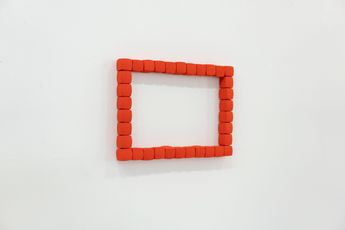
Masayuki Tsubota approaches abstraction through repetition and material presence. His relief-like surfaces accumulate through a disciplined process, embedding time into form. The physicality of his works invites slow viewing, where subtle shifts in texture and shadow become sites of reflection. In Tsubota’s practice, the method itself becomes meditation.
Soonik Kwon’s practice foregrounds repetition and tactile intervention. Through sustained engagement with the surface, he transforms the act of painting into a durational process. The resulting works evoke stillness and introspection, aligning with the contemplative ethos that underpins the exhibition.
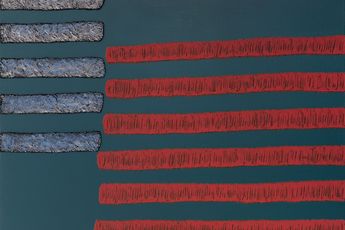
For Tetsuo Mizu, abstraction unfolds through geometry and coded visual language. Known for his engagement with maritime signal flags, Mizu transforms systems of communication into painterly compositions. Influenced by his travels in Europe, his work reflects a cross-cultural dialogue between post-war European abstraction and Japanese spatial sensibility. The flags, once functional markers across oceans, become metaphors for movement, exchange, and transnational identity.
Together, these five artists reveal abstraction not as a singular movement, but as an evolving field shaped by philosophy, geography, and material inquiry. From disciplined structure to rupture and transcendence, East of Abstraction traces how modern and contemporary Asian artists continue to expand the language of abstraction—grounding it in both historical consciousness and present-day experience.


A respected voice in contemporary art discourse.
Focusing on ambitious storytelling and insightful art-world commentary. Ocula Magazine publishes in-depth interviews, critical essays and timely analysis on the artists, exhibitions and ideas driving the global art world.
Learn more about Ocula Magazine
Showcasing the best of the art world.
Ocula partners with galleries from around the world to highlight their artists, artworks and exhibitions. Gallery membership is by application and invitation, with each member vetted by an independent panel.
Learn more about Ocula Membership
Specialises in the sale of major artworks.
Led by a team with deep ties to the world’s leading auction houses, galleries and collectors. Ocula’s advisory team offers bespoke services to high-net-worth clients from around the world who are looking to acquire the best of contemporary and modern art.
Learn more about our team and services