‘Machines are social before being technical.’ — Gilles Deleuze
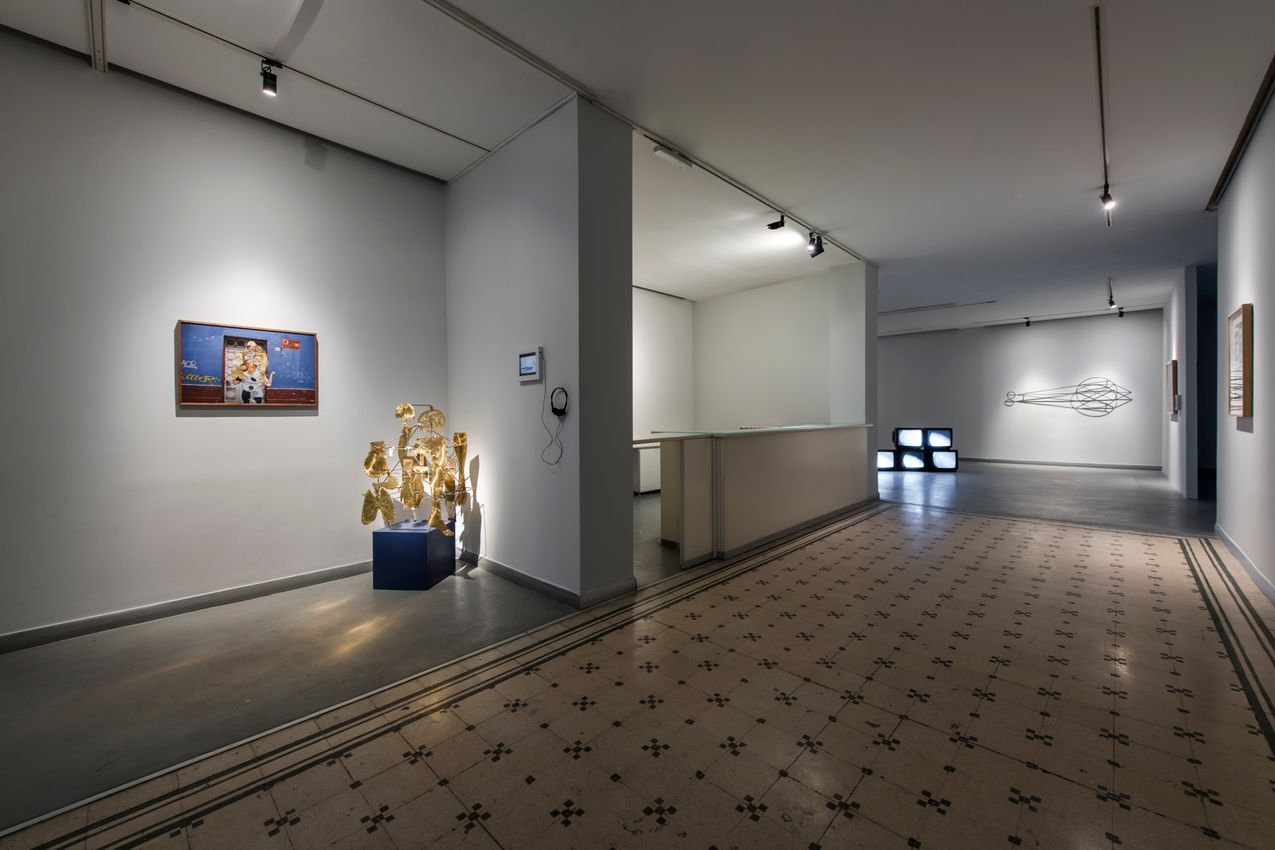
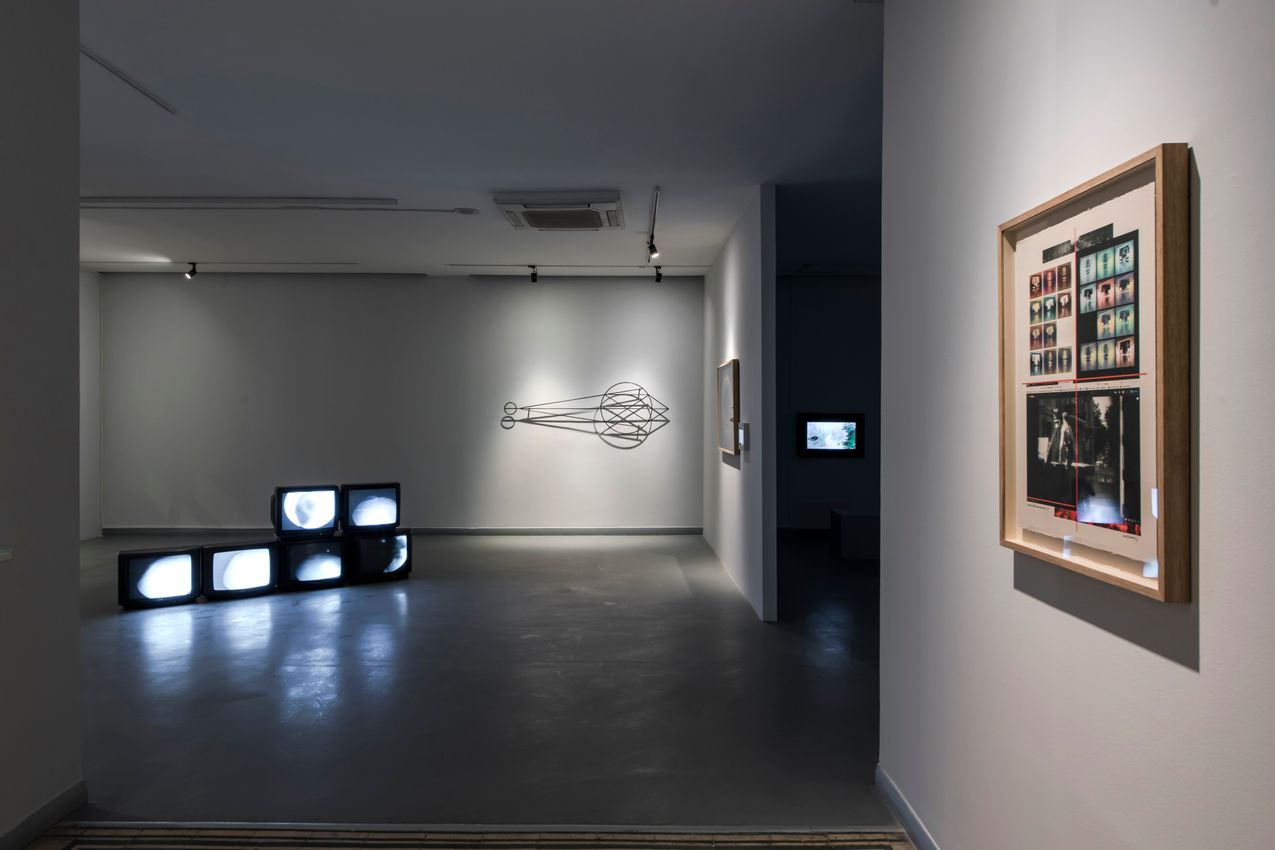
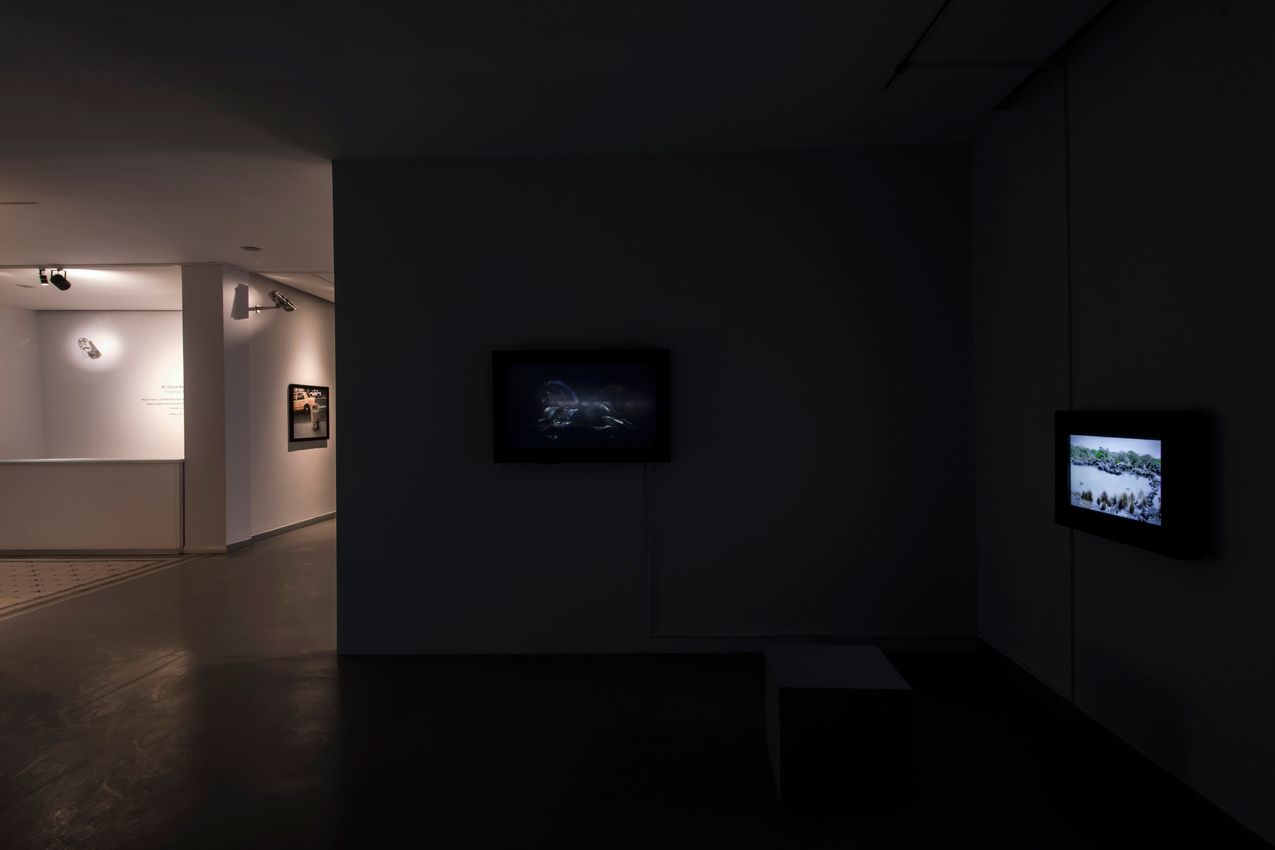
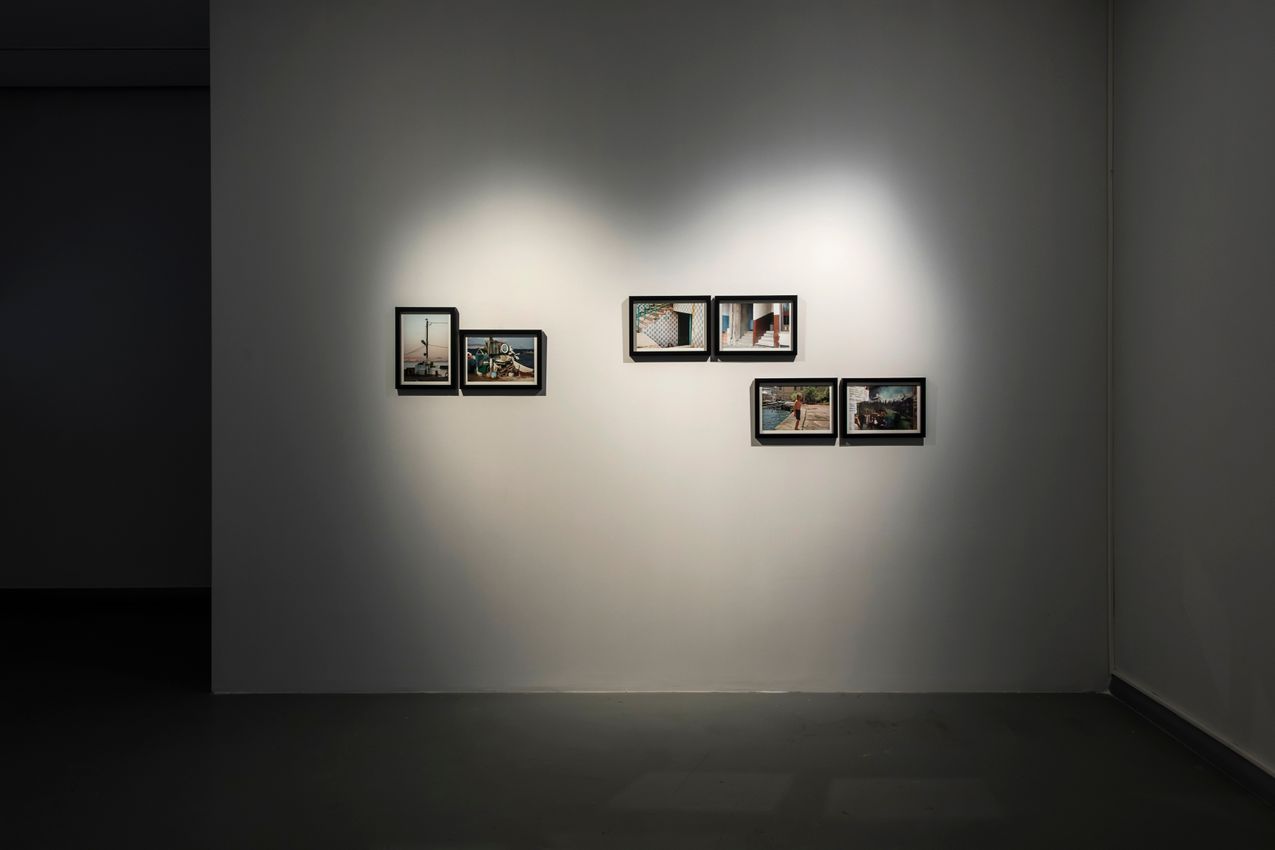
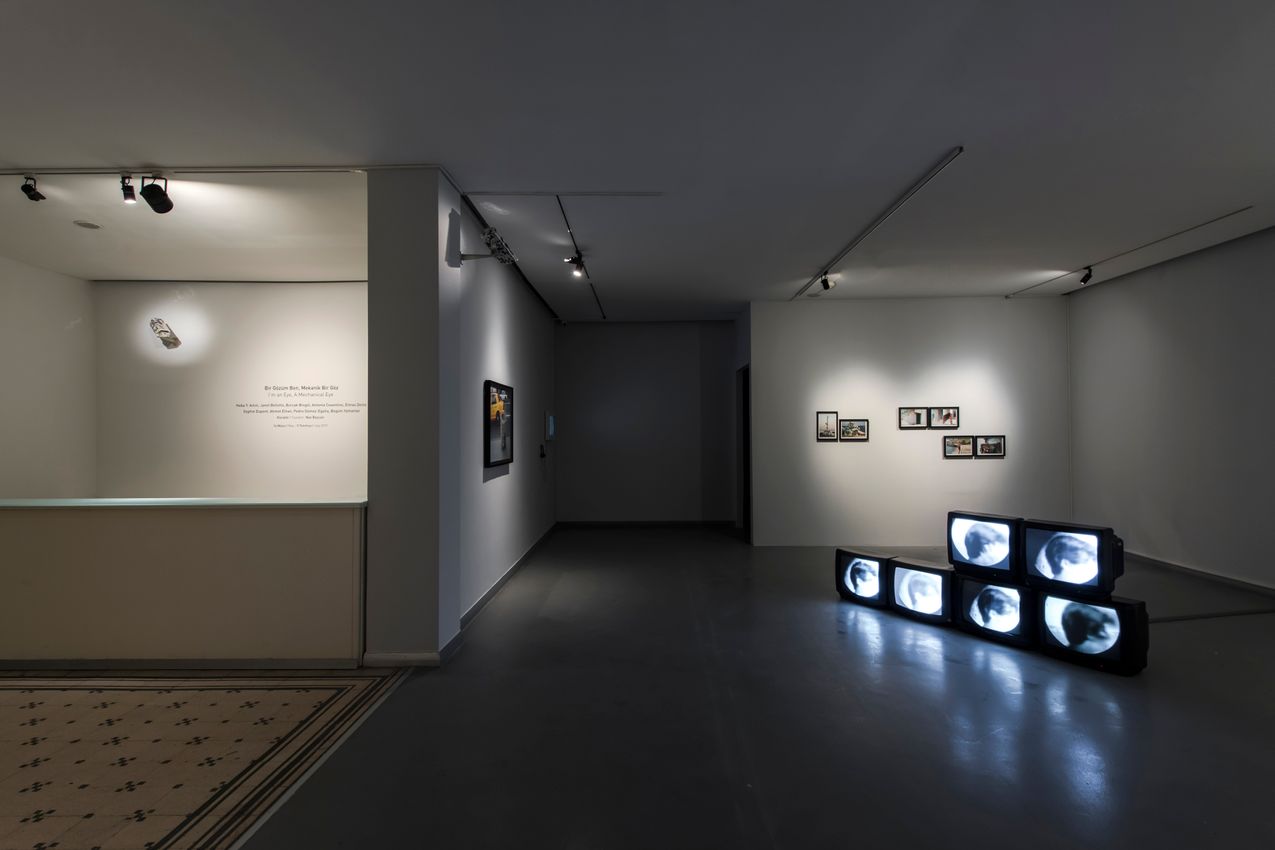
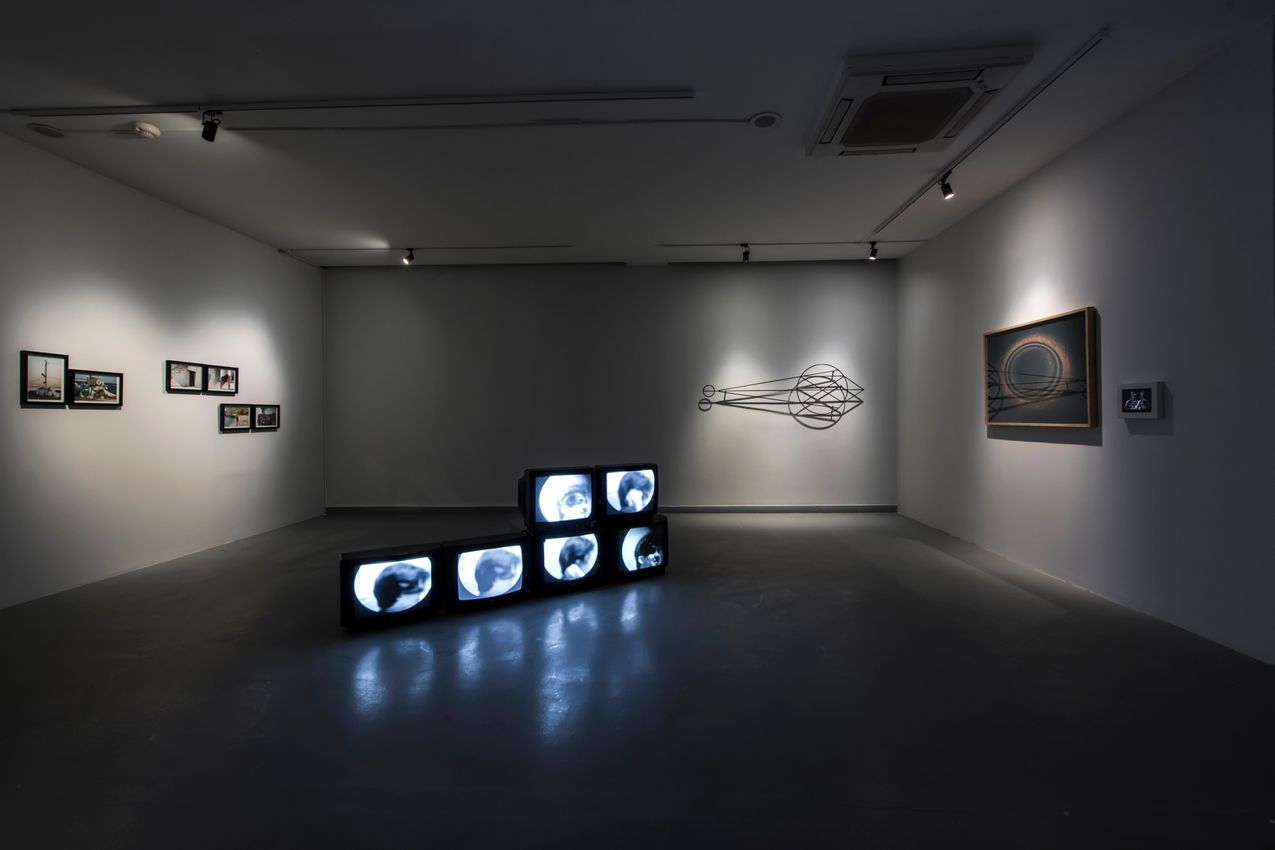
Zilberman Gallery-Istanbul is pleased to present the group show I’m an Eye, A Mechanical Eye curated by Naz Beşcan. Bringing together works by Heba Y. Amin, Janet Bellotto, Burçak Bingöl, Antonio Cosentino, Elmas Deniz, Sophie Dupont, Ahmet Elhan, Pedro Gómez-Egaña, and Begüm Yamanlar, I’m an Eye, A Mechanical Eye can be seen at Zilberman Gallery-Istanbul’s main gallery space in Mısır Apartment from May 14 to July 5, 2019.
I’m an Eye, A Mechanical Eye takes its title from the avant-garde filmmaker Dziga Vertov’s writings. For the director of Man with the Movie Camera (1929), the camera is an extension of the human eye yet at times excels it. One who holds the camera then becomes a cyborg, reminiscent of our contemporary relationship with the mobile phone cameras. Whatever the eye of the cameraman chooses to see, the machine documents. The selection and montage that the camera allows for helping create new narratives and even realities.
Through these lenses, the exhibition looks into various ways in which the artists use the camera, either as an apparatus both for photography and film or as the subject. Due to the embedded ocular-centrism in the hegemonic culture, the eye still remains integral in the production and the experience of contemporary art as well as of the everyday. I’m an Eye, A Mechanical Eye aims to highlight the unresolved questions related to vision and the politics of seeing through an investigation of the issues of gaze, surveillance, and documentation.
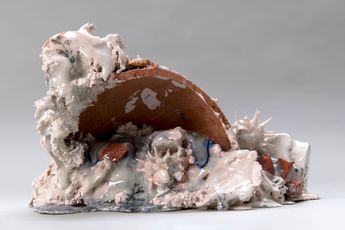
In her video installation The Pupil of The Mosquito’s Eye (2016), Heba Y. Amin’s portrait appears and disappears in front of the camera as if trapped inside its nostalgic technology. Part of her research project The Earth is an Imperfect Ellipsoid, this video taken at her 5-month journey on the African continent continues her critique of the colonial land surveillance and the exoticisation of the female body. Amin goes back into the history of seeing and optics with her iron sculpture A Refraction of Histories (2018), reclaims the theorems around seeing from antiquity and transforms them into theories of thinking.
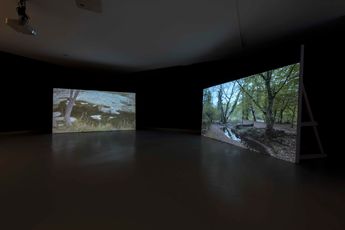
Janet Bellotto uses the camera to create fictional narratives inspired by her ongoing research around ‘water’, both in photography, Transcribing the Impermeable Wall (2013) and video, The Slow Decline (2013). The camera and thus the viewer are retained in flux, almost like mimesis of water.
In one of her earlier works, Broken City (2006), Burçak Bingöl snapshots a moment in which the artist documents a temporary guerilla installation she did in New York. The surveillance systems in the big city required the artist, who is in search of the city’s broken dreams, to find counter-mechanisms of survival for her practice, like installing at the break of dawn and taking the work down after documentation. Bingöl’s Follower (2017) works reverse the relationship between the watching eye and the watched subject by reimagining the threatening gaze of CCTV cameras which she decorates with flowers from Istanbul’s Beyoğlu neighbourhood.
Antonio Cosentino watches Istanbul as it changes, evolves, and morphs, as people come and leave. In Escape from Marmara (2013), Cosentino takes his tin ship Stelyanos Hrisopulos for a stroll in the city and to the sea, a prophecy of a plan for an escape and a homage to those who were forced to flee. His photography work from the series The Atlas of Istanbul, in an attempt to create a memory of today, Cosentino obsessively captures the interventions of the inhabitants of the city in resistance to the top-down changes in the urban landscape.
Elmas Deniz’s The Background (2014) is a slide-show consisting of photographs of people in front of natural landscapes that the artist has collected from acquaintances and a short poem. Taken with the intention of posting on social media, these photographs use nature just as a backdrop. Through an examination of our touristic tendencies and view on nature, Deniz points at our obsession with and the easy access to photographing memories.
Sophie Dupont uses the camera to document her performance We Always Carry Our Body (2018) in Mexico City. Questioning the intertwined relationship between the body, the mind and the psyche and whether it’s even possible to think of them as separates, we watch Dupont carry a brass body on top of her head while watching the voyeuristic gaze, not only of the inhabitants of the city but also ourselves in the position of the viewer.
Ahmet Elhan photographs a screening of Vertov’s Man with the Movie Camera in a museum setting for his series ‘A Man with a Still Camera’ (2019). Through the scenes of extraordinary editing and shooting for the film’s day, Elhan cherishes the avant-garde stance of Vertov for its times and creative strategies used by the latter under the Soviet control on art-almost like an optimistic reminder of how art survives the times of repression.
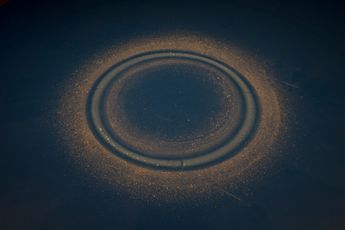
Pedro Gómez-Egaña’s works in the exhibition play with the intrinsic link between photography and film. Documenting the remnants of the movement of The Chariot of Greenwich (2013) during its display in Zilberman Gallery-Berlin, 3 Months of Greenwich (2018) turns the photograph into a poetic ghost video through its durational nature. The Sallie Gardner Illusion (2018) points out a pivotal moment in the history of film, the photographic experiments of Eadweard Muybridge with a sequence of 24 photographs resulting in one of the first moving images, Sallie Gardner at a Gallop (1878). By replacing this well-known image with a metallic horse on a spinning motor, Gómez-Egaña furthers the questions affiliated to the viewer’s perception and the capacities of technology.
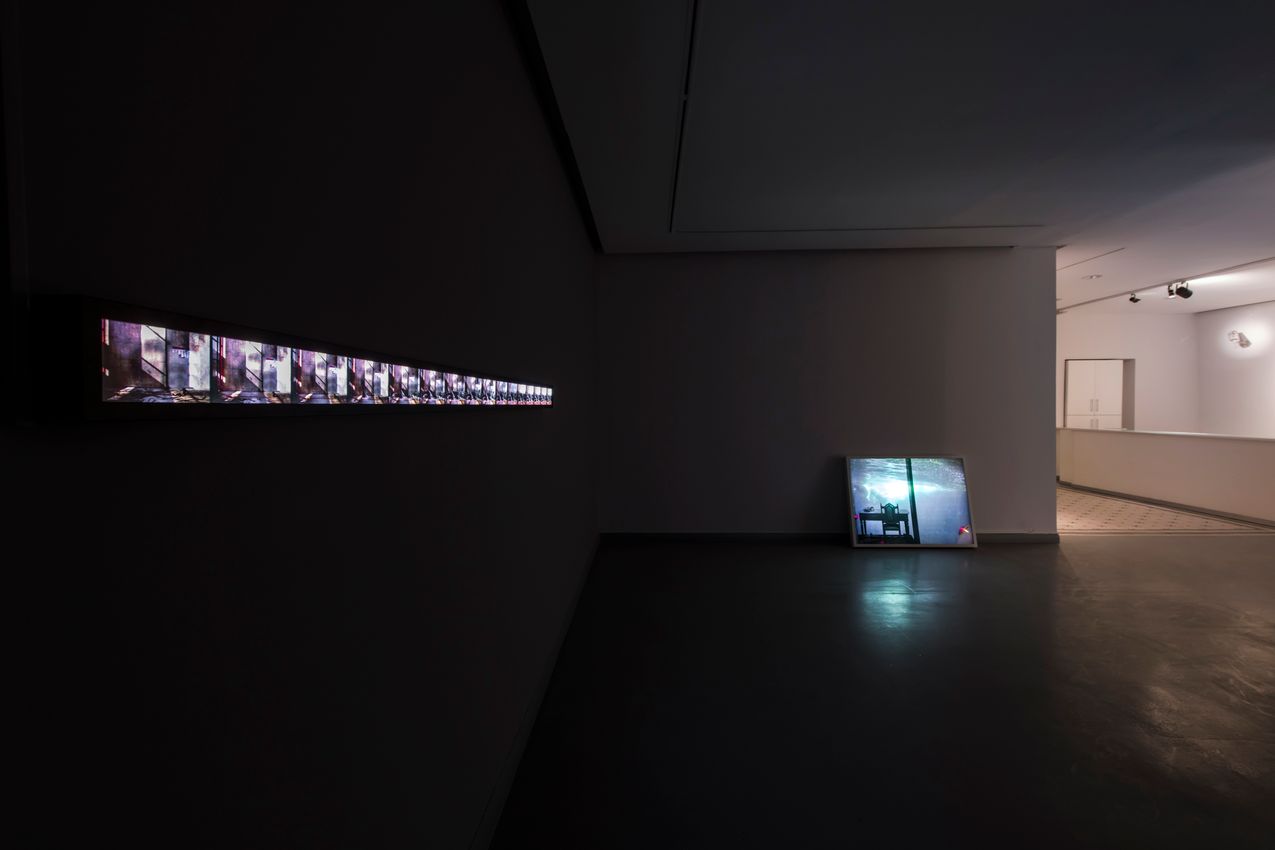
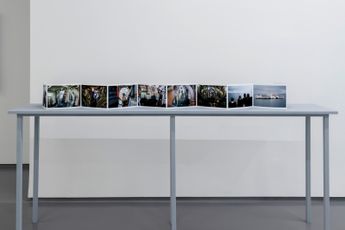
In The Scene (2019) Begüm Yamanlar, makes us watch the subtle and organic transformation of a fictive urban landscape. A new version of The Scene, which is originally a video made out of photographs, takes the fickle relationship between the mediums another step forward by displaying the frames from the former video in a format that allows us to walk through the video, allowing ruptures into the linear narrative of film.


Zilberman, founded in Istanbul in 2008, stages 10–12 exhibitions every year in its gallery spaces in Istanbul and Berlin. The gallery occupies two separate floors of Mısır Apartment, one of the most famous examples of art nouveau architecture in Istanbul.
A respected voice in contemporary art discourse.
Focusing on ambitious storytelling and insightful art-world commentary. Ocula Magazine publishes in-depth interviews, critical essays and timely analysis on the artists, exhibitions and ideas driving the global art world.
Learn more about Ocula Magazine
Showcasing the best of the art world.
Ocula partners with galleries from around the world to highlight their artists, artworks and exhibitions. Gallery membership is by application and invitation, with each member vetted by an independent panel.
Learn more about Ocula Membership

Specialises in the sale of major artworks.
Led by a team with deep ties to the world’s leading auction houses, galleries and collectors. Ocula’s advisory team offers bespoke services to high-net-worth clients from around the world who are looking to acquire the best of contemporary and modern art.
Learn more about our team and services