





EMMI WHITEHORSE
b. 1957, United StatesEmmi Whitehorse is a Navajo painter celebrated for atmospheric abstractions that translate the land, light, and rhythms of the American Southwest into luminous fields of colour and line. Her works draw on Diné philosophy and a feminist, land-centred worldview, positioning her as a key figure in contemporary abstraction and international Indigenous art.
Early life and Art Education in New Mexico
Born in 1957 in Crownpoint, New Mexico, Emmi Whitehorse is an enrolled member of the Navajo Nation and grew up on the Navajo reservation. She studied at the University of New Mexico in Albuquerque, earning a BFA in Painting in 1980 and an MA in Printmaking, with a minor in Art History, in 1982.
In the late 1970s and early 1980s, Whitehorse became associated with the Grey Canyon Group, a collective of Native American artists that included Jaune Quick-to-See Smith. The group challenged expectations that Indigenous art should be figurative or overtly “traditional”, and affirmed abstraction to articulate Indigenous experience on its own terms. This context helped to anchor Whitehorse’s commitment to abstraction early in her career.
Abstract landscape practice and Navajo worldview
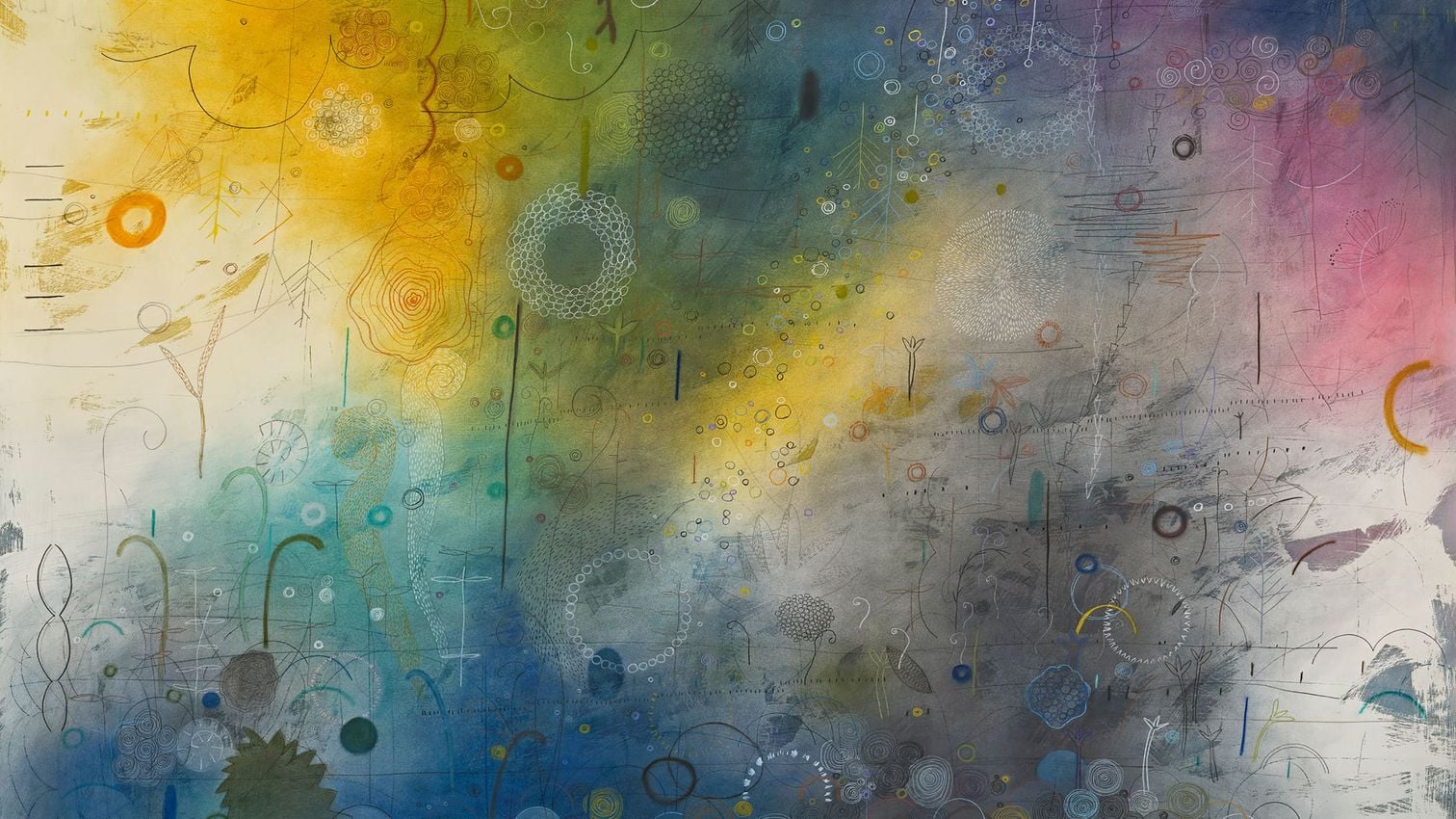
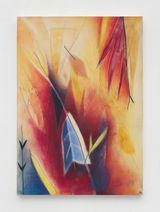
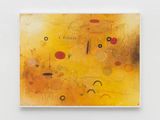
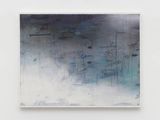
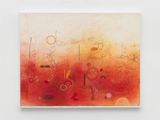
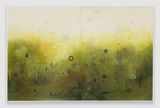
Whitehorse’s abstract paintings and works on paper layer delicate drawing, glyph-like marks, and soft, atmospheric colour to evoke remembered experiences of land rather than depict specific sites. She has described her art as “the story of knowing land over time”, registering subtle shifts in light, weather, and season through finely modulated palettes and textures.
Her visual language draws on Navajo weaving and sandpainting, where structure and pattern embody relations between earth and sky. All-over compositions can feel woven from marks and atmospheres, with signs that suggest birds, sheep, dried plants, constellations, or currents of air while remaining open and non-figurative. Underpinning this approach is the Navajo philosophy of hózhó—often translated as “walking in beauty”—which emphasises harmony, balance, and reciprocal relations with the natural world.
An ethics of reciprocity is central to Whitehorse’s work. Paintings such as Outset, Launching, Progression (2015) respond to fracking and resource extraction on Navajo lands, while refusing didactic imagery. Instead, they hold environmental and political concerns within quiet, resonant fields of colour and mark, echoing the artist’s belief that “what we do to the land comes back to us.”
Materials, Technique, and Key works
Whitehorse works primarily with oil, pastel, graphite, and chalk on paper mounted to canvas, building translucent grounds over which she inscribes clusters of organic, often enigmatic motifs. Earlier in her career she developed spare, minimalist drawings; over time her paintings have become increasingly expansive in scale, surface, and depth, while retaining a sense of stillness.
Her abstract landscapes often unfold horizontally, echoing the open vistas of the Southwest. Repeated marks and motifs accumulate like memories or traces of movement, inviting slow looking and close reading. Although certain forms may recall plants, animals, or topographical features, Whitehorse avoids explicit narrative, allowing viewers to experience the works as spaces of contemplation and attunement.
Major exhibitions: Venice Biennale, White Cube, Garth Greenan
Since the late 1970s, Whitehorse has exhibited widely in the United States and internationally. Institutional presentations have included exhibitions at the Wheelwright Museum of the American Indian in Santa Fe (1991; 2026), the Tucson Museum of Art, Arizona (1997), the Joslyn Art Museum in Omaha, Nebraska (2001), and the Boulder Museum of Contemporary Art, Colorado (2006), among others. More recently, a 2026 museum exhibition at the Wheelwright Museum has traced her practice over several decades, highlighting the evolution of her landscape-based abstraction.
Whitehorse’s international profile expanded through major group exhibitions such as Hearts of Our People: Native Women Artists (touring from 2019), and The Land Carries Our Ancestors: Contemporary Art by Native Americans at the National Gallery of Art, Washington, DC (2023–2024), as well as her inclusion in Stranieri Ovunque – Foreigners Everywhere, the central exhibition of the 60th Venice Biennale in 2024.
In the commercial sphere, Whitehorse has had solo shows at Garth Greenan Gallery in New York, including the 2024 exhibition Emmi Whitehorse: Abloom (6 September–19 October 2024), which followed her presentation at the Venice Biennale and The Armory Show. In March 2026, White Cube announced that it would co-represent the artist alongside Garth Greenan Gallery, further consolidating her presence on the international stage.
Emmi Whitehorse FAQs
Who is Emmi Whitehorse?
Emmi Whitehorse (b. 1957, Crownpoint, New Mexico) is a Navajo artist known for abstract landscape paintings that translate the land, light, and seasonal rhythms of the American Southwest into layered, meditative fields of colour and line. Her work brings contemporary abstraction into dialogue with Diné philosophy and a feminist, land-centred worldview.
What is Emmi Whitehorse known for in contemporary art?
Emmi Whitehorse is recognised for her atmospheric abstract paintings and works on paper, which use delicate drawing, glyph-like marks, and translucent colour to evoke remembered experiences of land rather than depict specific sites. She is a key figure in contemporary Indigenous abstraction, articulating Navajo concepts of balance, reciprocity, and “walking in beauty” through non-figurative visual language.
How does Emmi Whitehorse’s Navajo heritage influence her art?
Emmi Whitehorse’s practice is grounded in Diné philosophy, especially the concept of hózhó, which emphasises harmony and right relations between people, land, and cosmos. References to Navajo weaving, sandpainting, and the ecologies of the reservation appear in her all-over compositions, where repeated marks and motifs act like woven threads or traces of movement through the landscape.
Where has Emmi Whitehorse exhibited her work?
Since the late 1970s, Whitehorse has exhibited widely in the United States and internationally, with institutional shows at the Wheelwright Museum of the American Indian, Tucson Museum of Art, Joslyn Art Museum, and Boulder Museum of Contemporary Art. More recently, she has been included in major group exhibitions such as Hearts of Our People: Native Women Artists, The Land Carries Our Ancestors, and Stranieri Ovunque – Foreigners Everywhere, the central exhibition of the 60th Venice Biennale (2024), as well as a solo exhibition at White Cube Paris (2025).
Who represents Emmi Whitehorse and where can I see her paintings?
Emmi Whitehorse is co-represented by Garth Greenan Gallery in New York and White Cube. Her paintings are held in public collections such as the Whitney Museum of American Art, and can also be seen in ongoing gallery exhibitions and art fairs featuring contemporary art.
Ocula | 2026













Explore and Follow Artists Shaping Contemporary Art
A respected voice in contemporary art discourse.
Focusing on ambitious storytelling and insightful art-world commentary. Ocula Magazine publishes in-depth interviews, critical essays and timely analysis on the artists, exhibitions and ideas driving the global art world.
Learn more about Ocula Magazine
Showcasing the best of the art world.
Ocula partners with galleries from around the world to highlight their artists, artworks and exhibitions. Gallery membership is by application and invitation, with each member vetted by an independent panel.
Learn more about Ocula Membership
Specialises in the sale of major artworks.
Led by a team with deep ties to the world’s leading auction houses, galleries and collectors. Ocula’s advisory team offers bespoke services to high-net-worth clients from around the world who are looking to acquire the best of contemporary and modern art.
Learn more about our team and services