The art world in focus
Subscribe to our newsletter for news and insights on artists, galleries and exhibitions.
When I was about eight, I made the mistake of going up to Damien Hirst’s Black Sun (2004), a huge, void-like black canvas covered in thousands of dead flies, and smelling it. The fetid, earthy-sweet scent emitted by the vast assemblage was so pungent that I projectile vomited on the gallery floor, leading to the early closure of the exhibition and much consternation from Tate Modern’s art handlers. I would later learn my reaction was likely a response to the smell of the charmingly named compounds “putrescine” and “cadaverine” which are emitted by decomposing insects but equally present in aged cheese and particular bacterial infections.
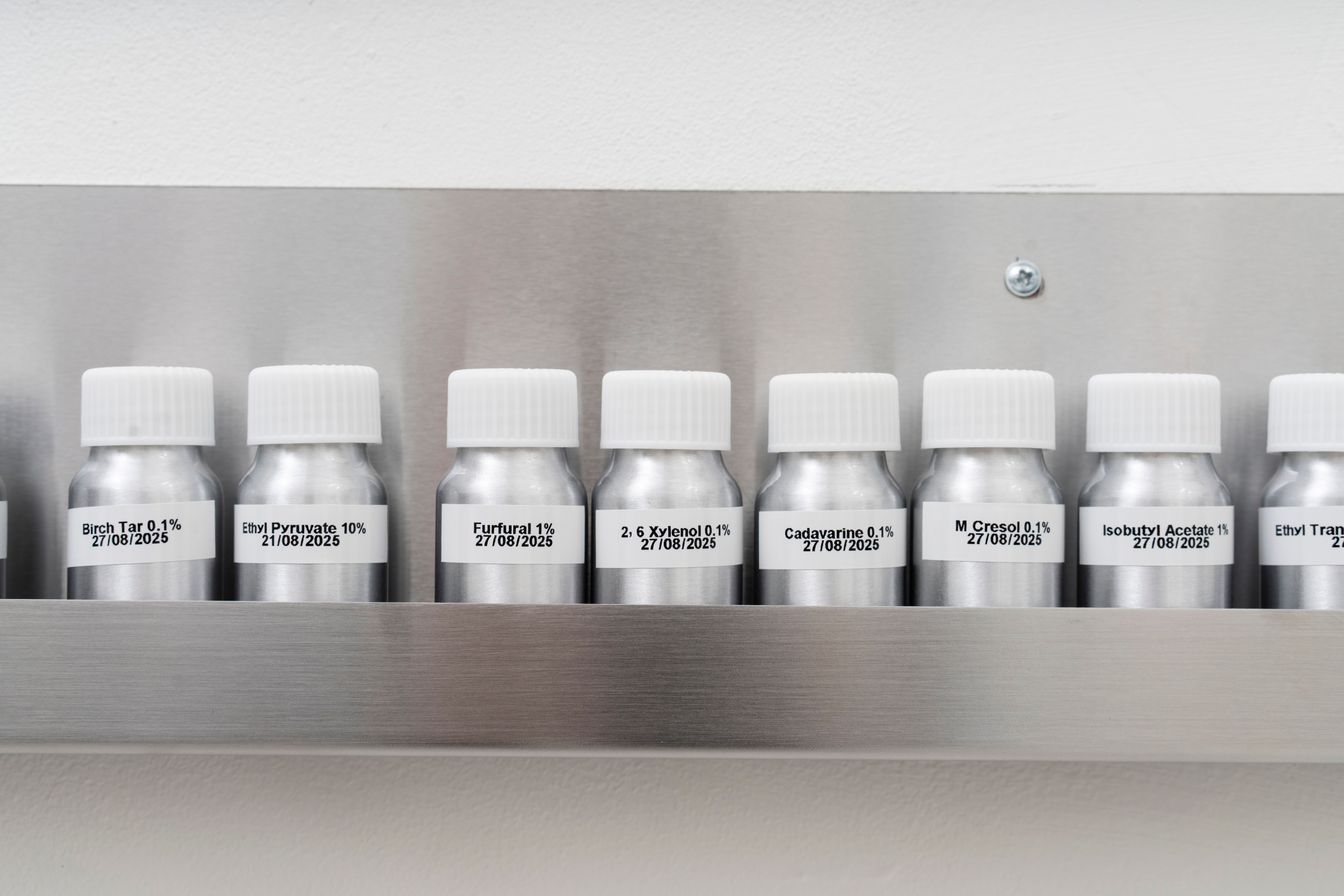
Irrespective of whether you think projectile vomiting is a proportional response to Hirst’s dead-animal fetishism, I have never forgotten the smell, to the extent that I can now tell whether a building has a cockroach infestation through scent alone. It is an unhappy talent that has nonetheless proven useful when frequenting London’s basement bars and cheap pizza shops.
Craft has long been associated with odour: the eye-watering ammonia hit of the leather tannery, the sour tang of fermented urine used in Chinese ceramic glazes. But the white cube has historically sought to eradicate smells, and to present itself as neutral, odourless.
As my experience of Hirst’s work shows us, though, smell can be a potent part of experiencing art; it does not allow the observer to hold a comfortable distance from the work. It reminds us, whether we like it or not, that we are porous bodies in an environment rather than sovereign consciousnesses standing apart from it. Smell has the power to bypass interpretation and lodge itself directly in one’s memory, and gives no credence to whether we are prepared to receive it.
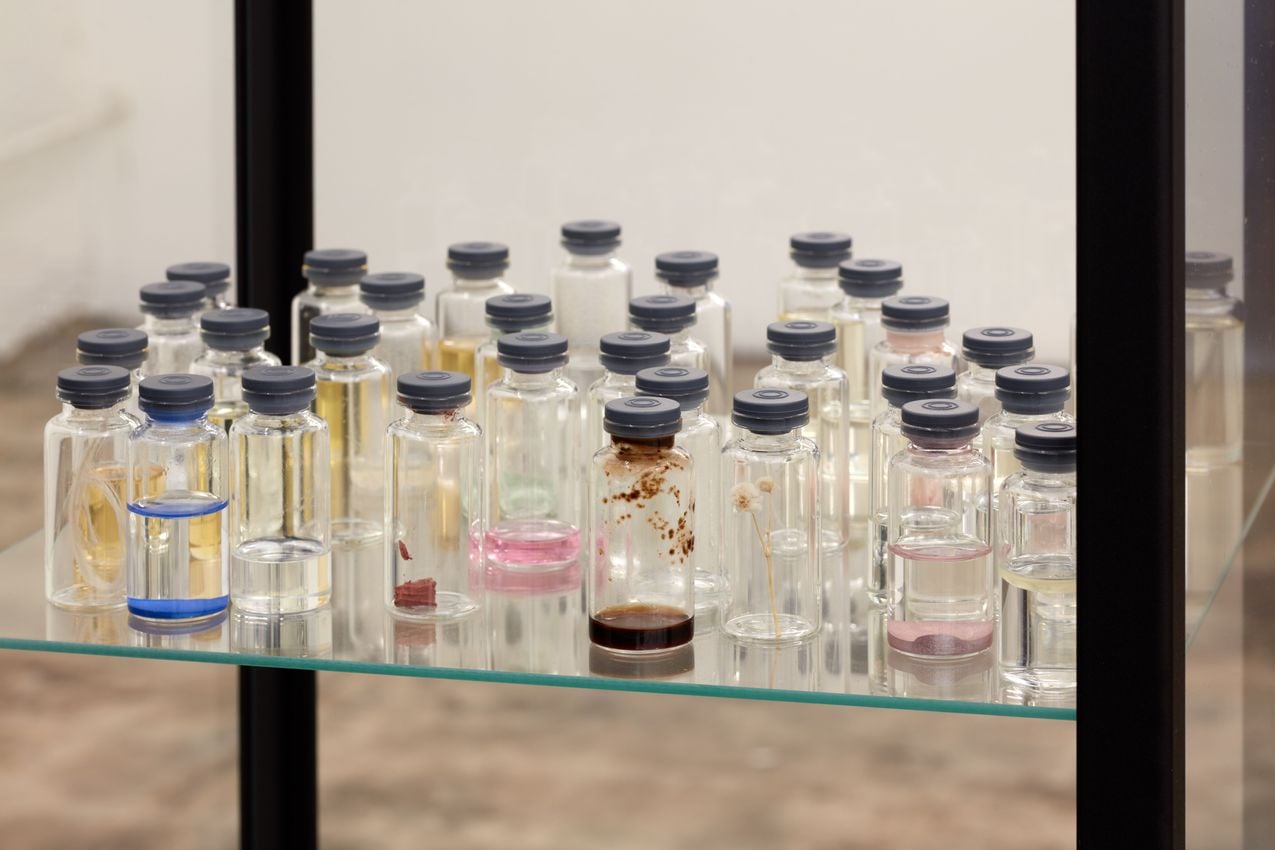
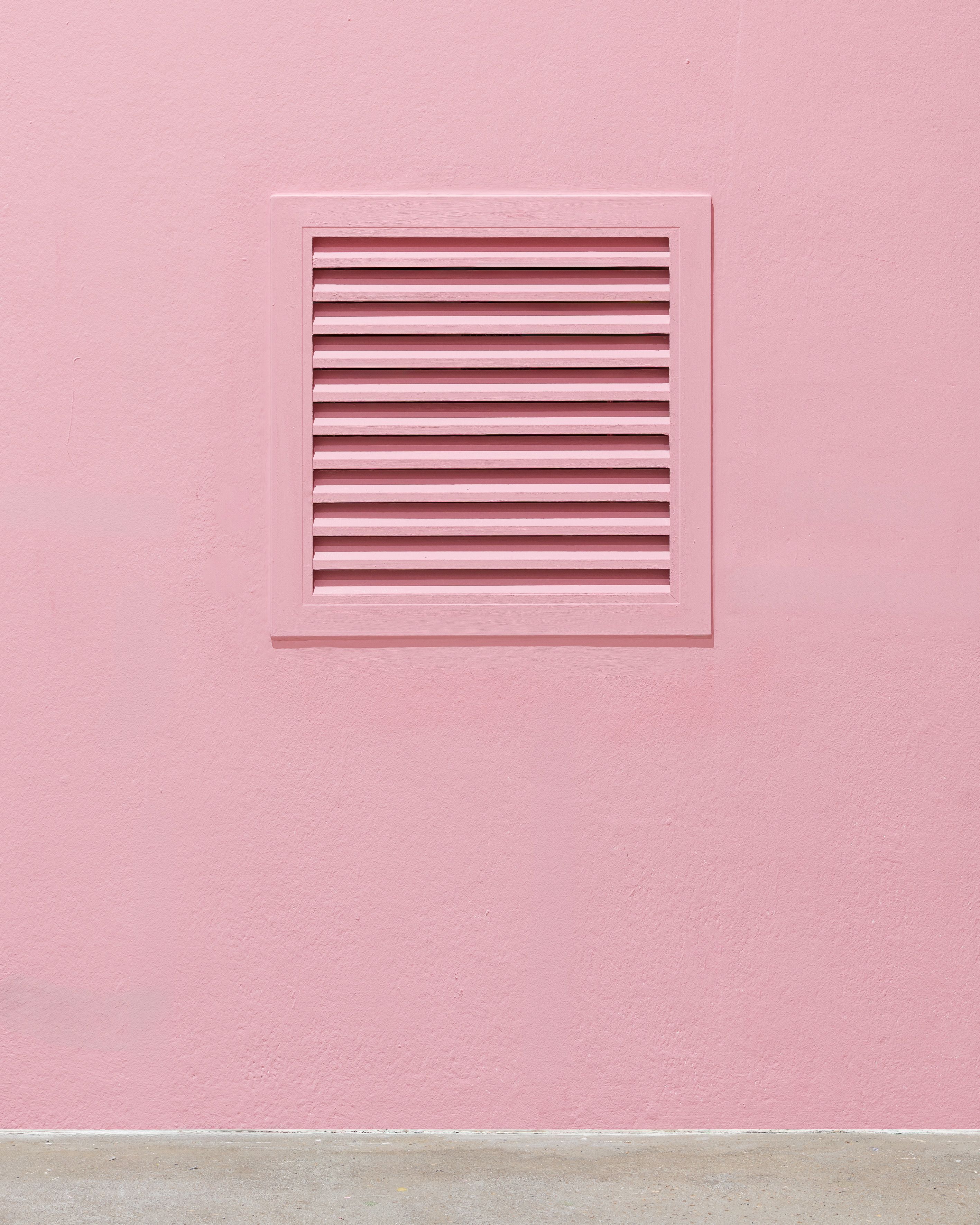
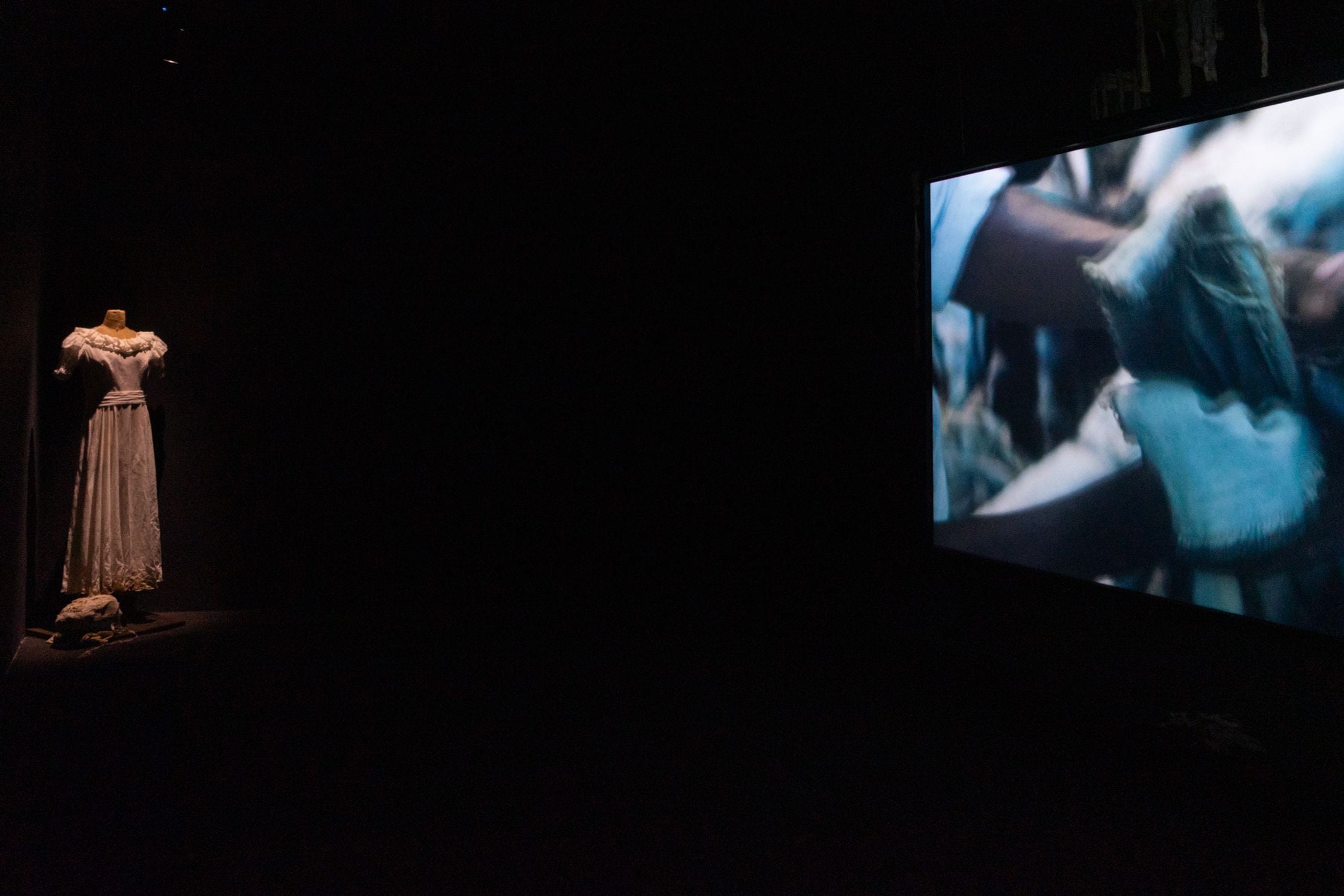
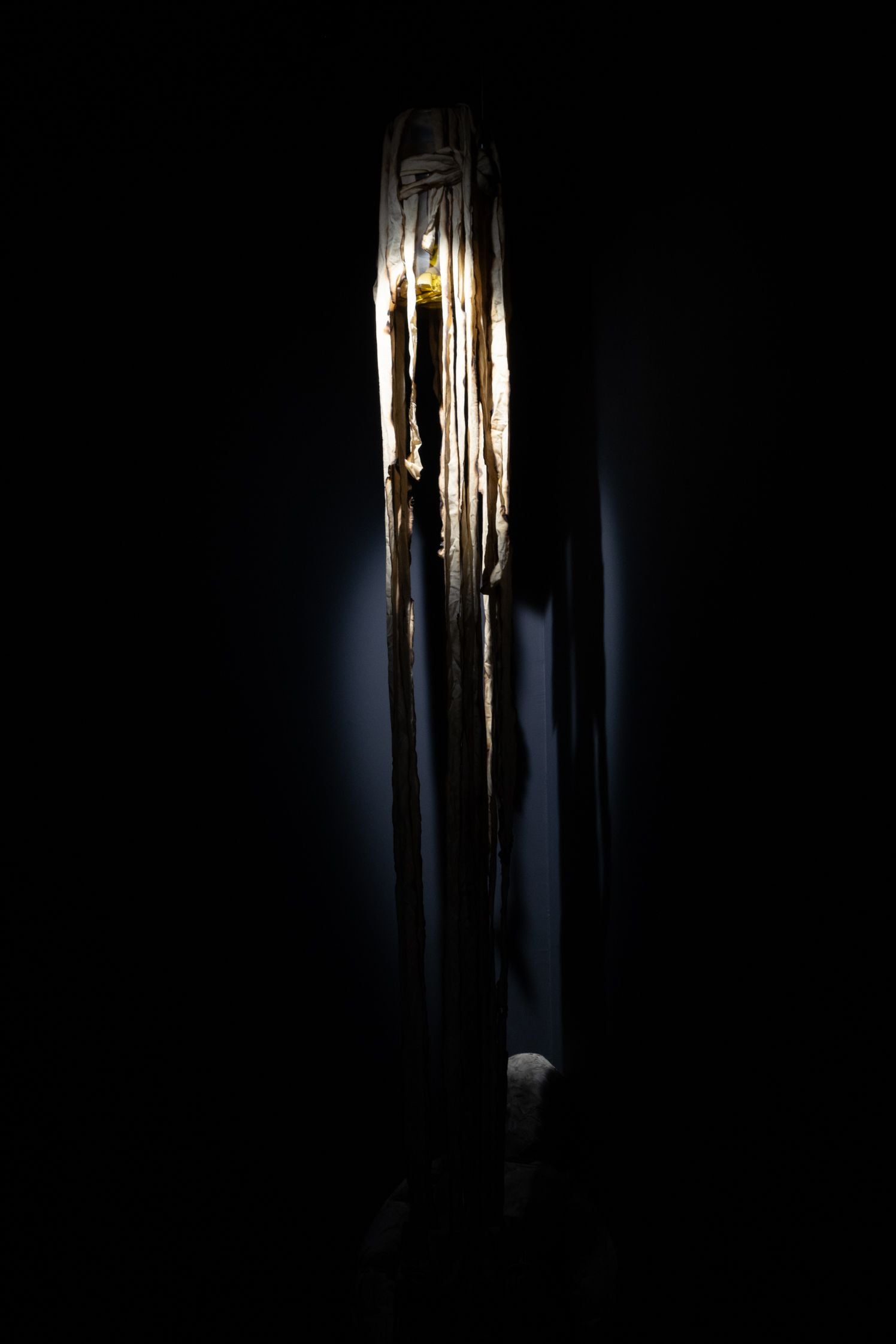
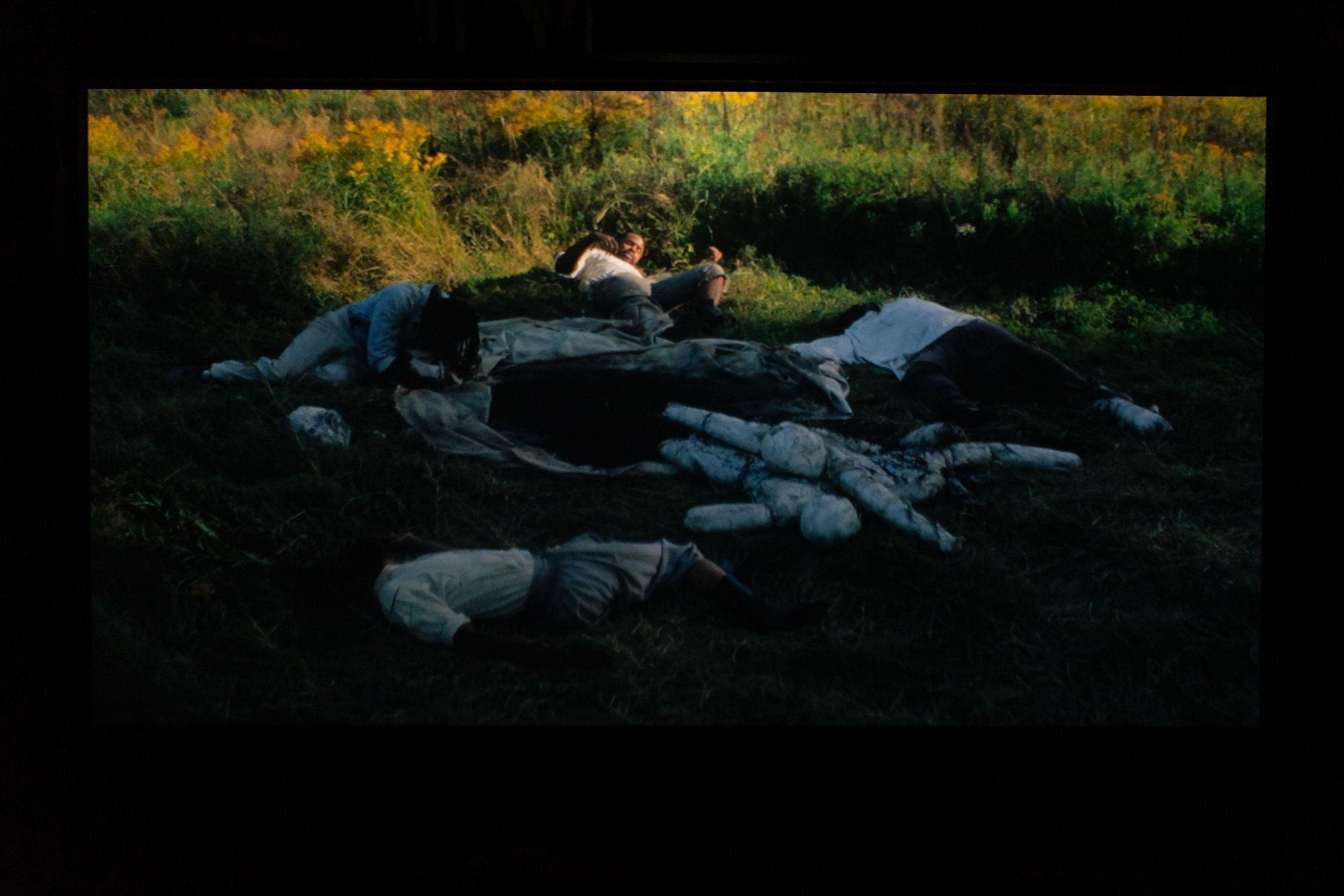
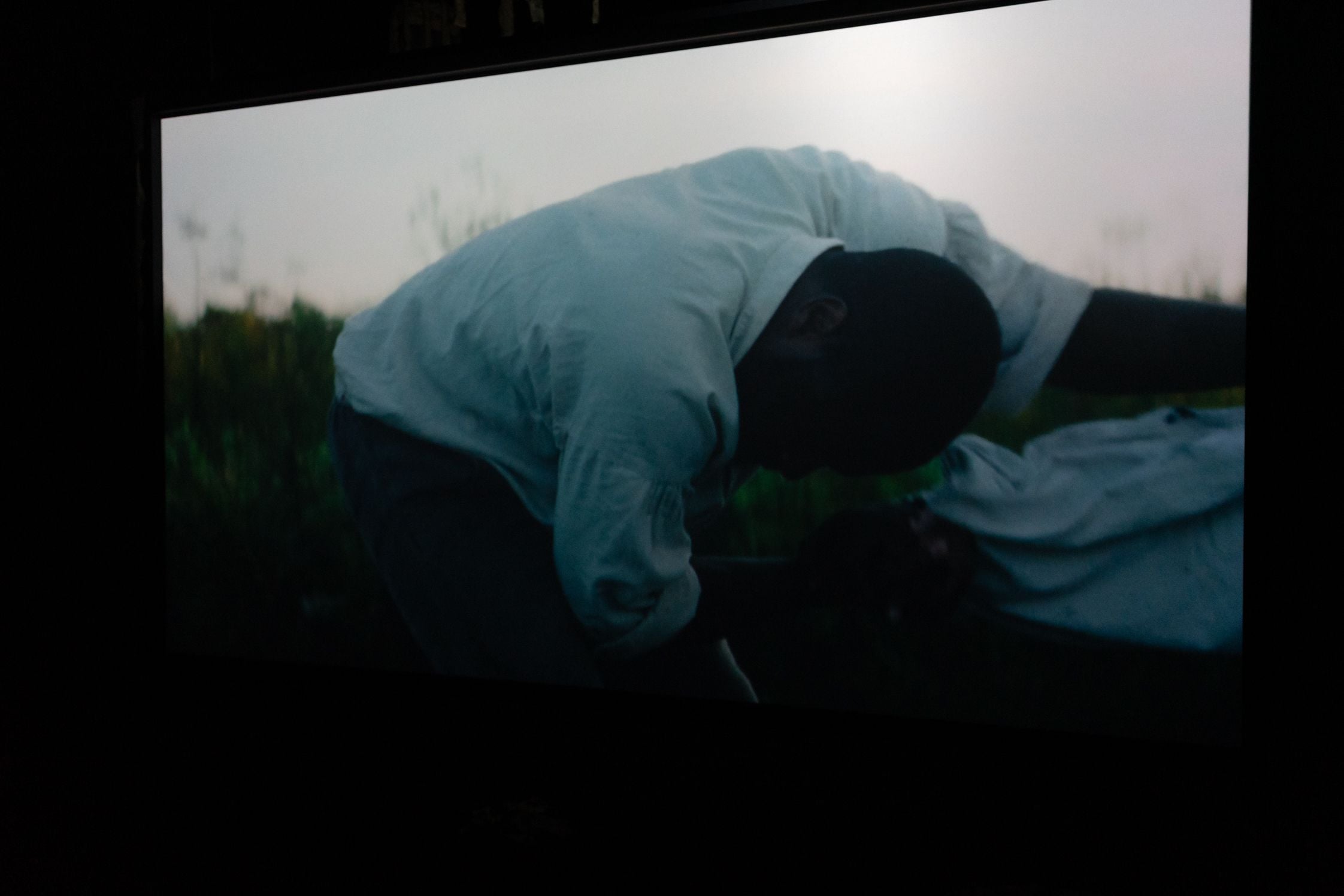
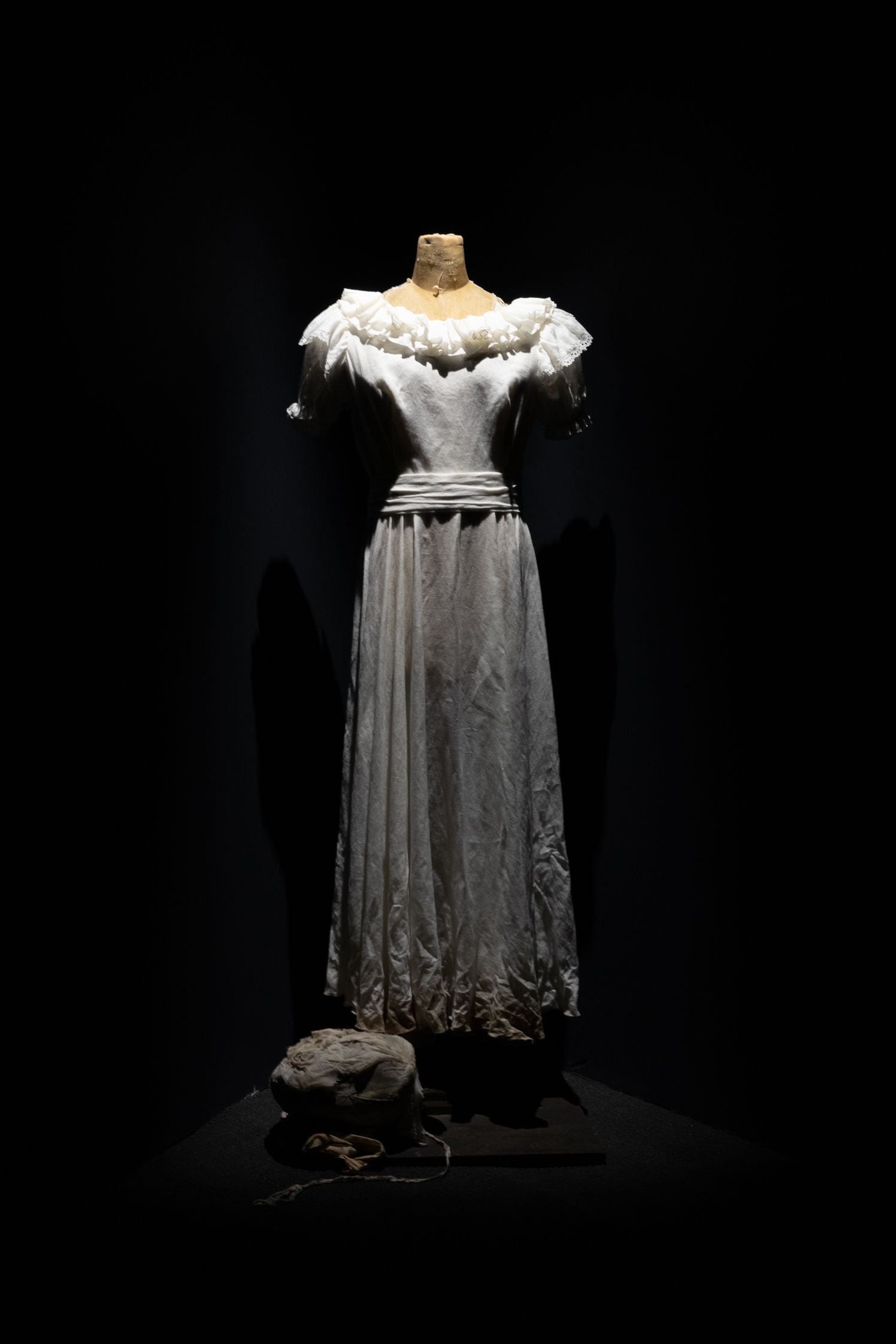
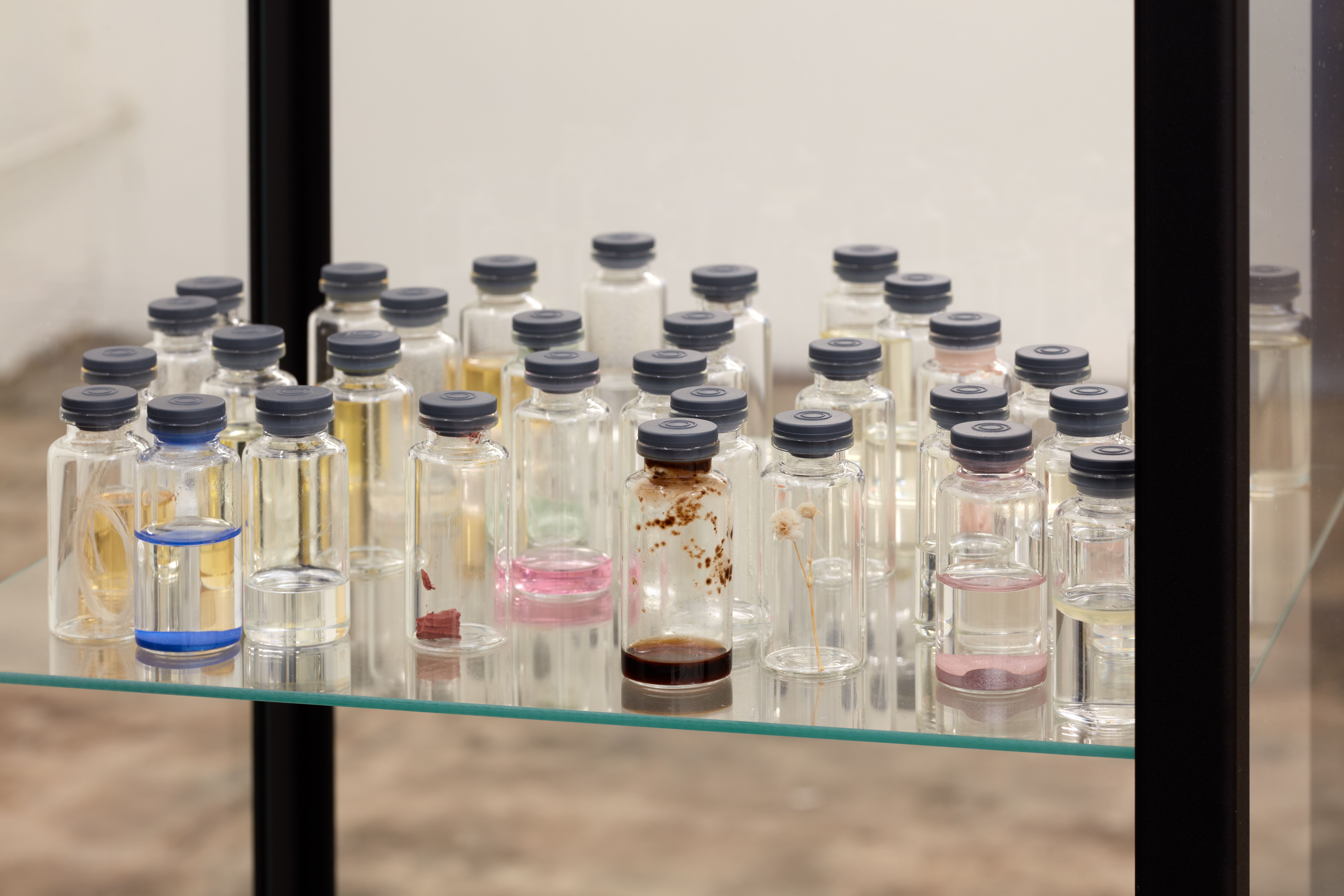
That intensity is increasingly attracting artists who are looking to arrest the attention of viewers. Racheal Crowther’s recent show Liquid Trust at Chisenhale Gallery deployed a cloying, milky scent laced with hexadecanal, a compound found in human skin which was recently linked to the chemical suppression of aggression in men and amplification in women. The scent was diffused into a room painted drunk-tank pink, opening up the idea that our actions can be manipulated before conscious thought has time to register what is happening. Mandy el-Sayegh created vitrines full of her studio detritus, including perfume bottles, for her recent show Jewel Tones at Thaddaeus Ropac, which explored the collision of luxury with catastrophic world events in newspapers and magazines. And at this year’s Venice Biennale, Haitian visual artist Manuel Mathieu, who also has his own perfume brand, paired his 2023 film Pendulum with diffusers emitting a camphorous scent reminiscent of Vicks VapoRub. The film tells the story of a woman passing on a spiritual legacy to a group of men, the scent heightening the film’s themes of intimacy and maternal strength.

“Smell has the power to bypass interpretation and lodge itself directly in one’s memory”

For Oswaldo Maciá, a pioneer in the field of olfactory art, the appeal of using scent is partly practical. “I don’t know how many biennales I have done, but you will have hundreds of people passing in front of your work. They won’t watch a half-hour video or listen to a three-minute piece. Smell is the only language that can instantly hit the brain.”
There is evidence for this claim: unlike sight or sound, smell bypasses the thalamus, which influences consciousness, and routes directly to the brain’s limbic system, the seat of memory and emotion. The relative paucity of language to describe scent is thought to stem from this immediacy: in English, adjectives are routinely borrowed from tactile, gustatory or emotional registers, so the smell of musk might be described as soft or sweet without reference to the sensory data that produced it. This is not universally the case: Mandarin attaches the suffix wèi to any noun cited as a source, allowing the minting of new smell-words without detouring through touch, taste, or sight. The result is a plethora of olfactory adjectives: yángshān wèi, the aroma of sheep and goat meat; yàowèi, for bitter herbal medicine.
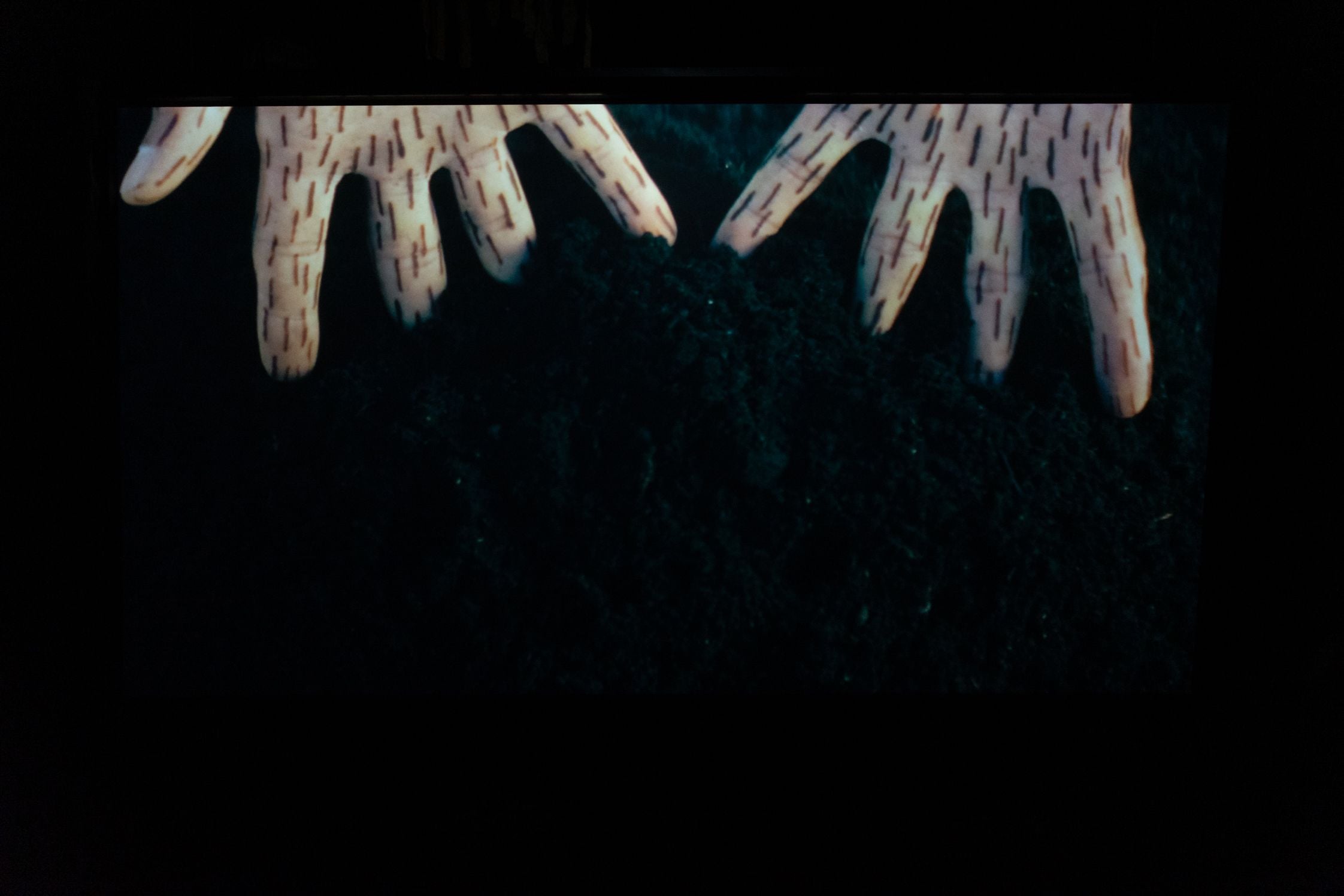
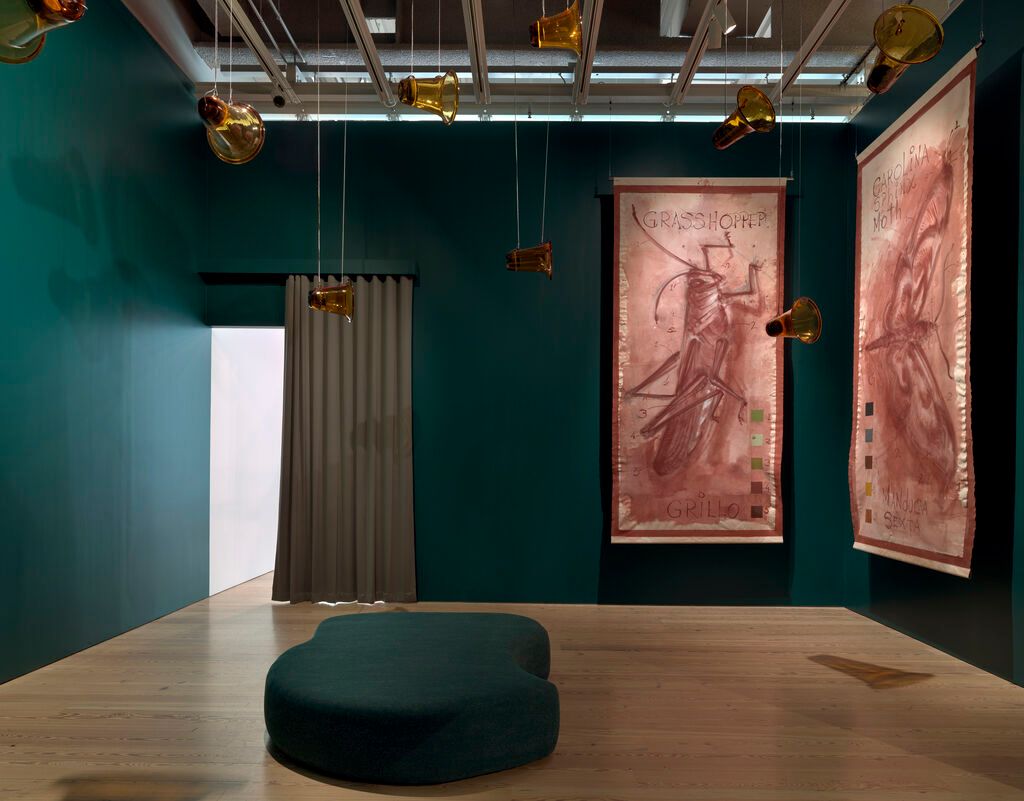
Maciá used this to his advantage in his work Requiem for the Insects (2026), on show at the Whitney Biennial, which featured large, field-sketch-style paintings of insects accompanied by amplified recordings of insect sounds and a honeyed aroma that drifted through the gallery space. Like all scent-based work, the work functions by way of memory: to smell honey as honey, and not merely as an undifferentiated sweetness, requires knowledge of the scent to be lodged in the brain already. One’s recognition of the smell then arrives as feeling before thought, so that the viewer registers both sweetness and loss in the body before they have consciously reasoned their way to the idea being evoked: the honey is a subliminal reminder of the insects maintaining the ecosystems upon which we all depend, and of the risk of ecological collapse.
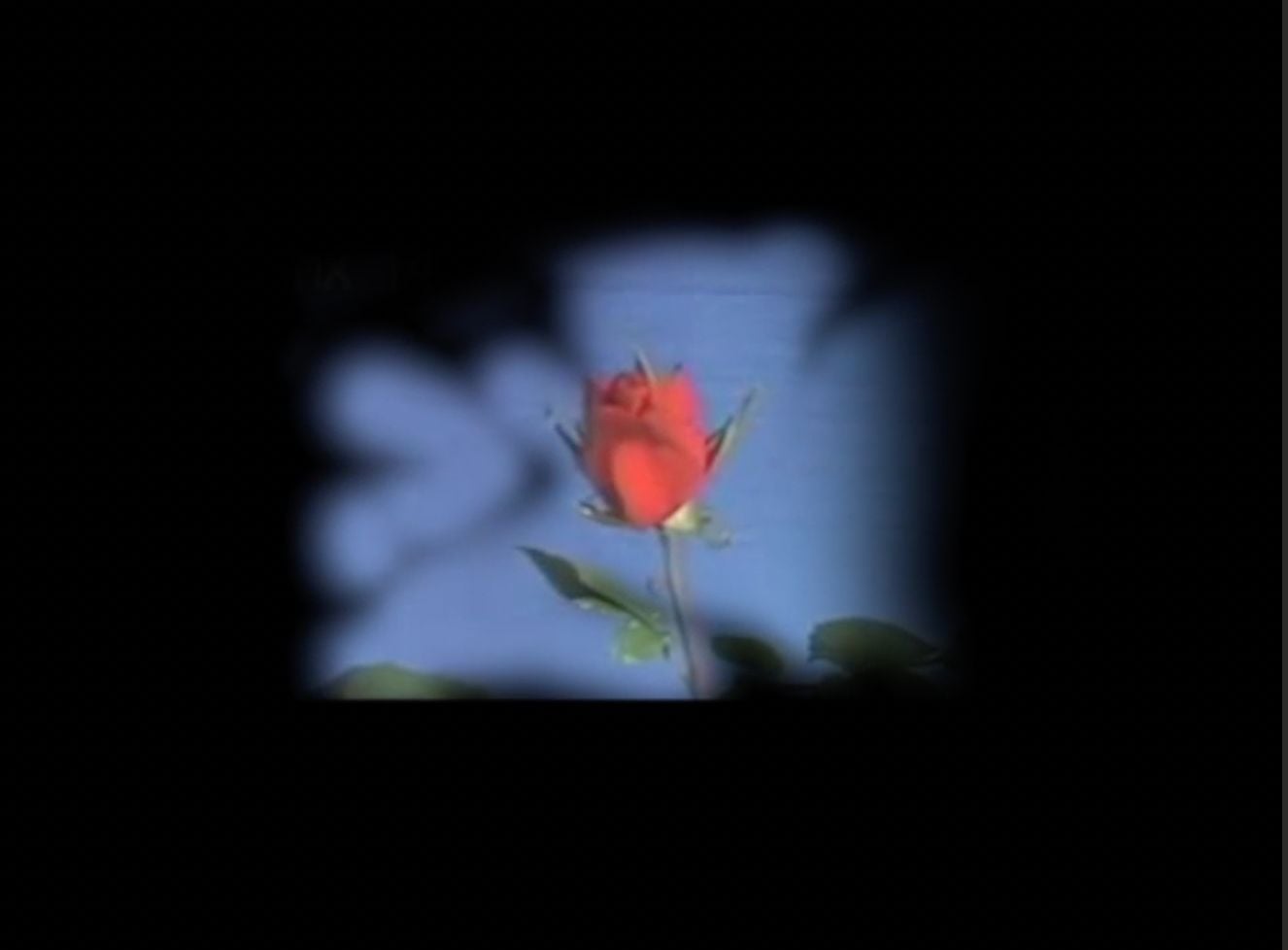
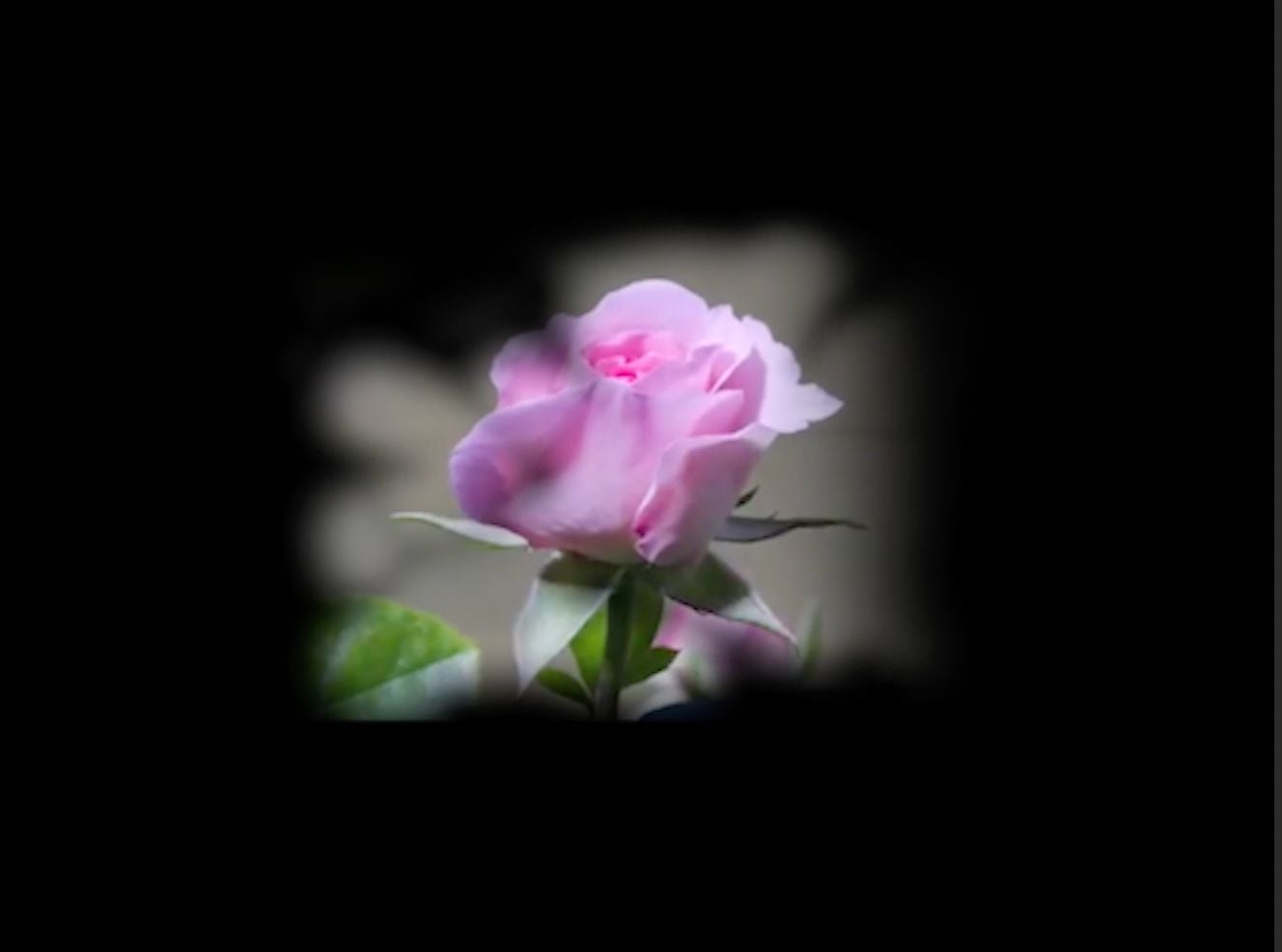
Ella Fleck’s installation training material (Aria), which will be shown at the Focus section at Frieze London with Ehrlich Steinberg later this year, uses scent as a way into the concept of neutrality in internet culture. It departs from an unlikely research site: six weeks of training at an agency employing people to chat on behalf of OnlyFans models. Fleck’s training cohort was entirely male, and led by a man, all hired to impersonate women. The installation will feature a sound piece derived from that training, and a liquid deodoriser called BC40 Bubblegum Odour Control, a disinfectant that will be used to clean the space and also sit in small containers in a recess in the floor.
Fleck says she was interested in “the idea of a neutraliser or mask: me masking myself as a woman pretending to be a man to enter the training programme, the men in my cohort masking themselves through language as one specific woman”. That we have come to associate BC40 Bubblegum Odour Control, a cloying, profoundly artificial scent you might recognise from primary schools or GP surgeries, with cleanliness is a paradox to which Fleck is drawn. “The scent, like the language, draws attention to itself as a mask, as something attempting to cover something up.” Both the script and the odour-killer are versions of the same thing: engineered neutrality that relies on a shared, pre-agreed fiction.


In Western reasoning, smell has long occupied the lowest rung of the sensorium. Miasma theory, which predominated for more than two millennia, conceived foul odours to be not just unpleasant but pathogenic, cementing smell’s association with irrationality, animality and danger, a connection which germ theory disrupted but never quite dissolved. Kant deemed it the “most ungrateful” sense, in its impossibility to be shared or reasoned with objectively, while Charles Darwin, writing in The Descent of Man, declared smell “of extremely slight service, if any, even to savages”.
Olfactory art emerged as we began treating scent as something to be eradicated. Colognes and perfumed waters have existed for centuries, but deodorant only emerged in the late 19th century, when advertising began pathologising body odour as a social failure. Once smell had been reclassified as a problem with a solution you could buy, it became something that could be withheld, engineered, or reintroduced deliberately.


The first olfactory artwork is widely thought to have debuted in 1938 at the International Surrealist Exhibition in Paris. Marcel Duchamp and the poet Benjamin roasted coffee behind screens, filling the gallery with “the scent of Brazil” as part of an immersive experience. Later olfactory works would be less hospitable: the bodily fluids used by the Viennese Actionist group used animal blood, entrails and excrement to attack the complacency of post-war Austria. Edward Kienholz’s 1965 assemblage The Beanery recreated a dive bar down to the smell of urine, beer and bacon fat, creating a kind of inhabitable vanitas that still stands, decaying, in Amsterdam’s Stedelijk Museum. Takako Saito’s Spice Chess, made the same year, was a chess set with all pieces replaced by plastic vials of spices, a disruption of the primacy of vision in game playing. Other artists took more of an archival approach: Sissel Tolaas, working since 1990, has built a vast collection of recorded smells, including a reconstruction of human fear extracted from the sweat of anxious men.
“The scent, like the language, draws attention to itself as a mask, as something attempting to cover something up”
Why are olfactory works having such a moment now? The boom has been interpreted, often with a faintly derisive note, as an offshoot of the experience economy, the next logical step after the immersive experience craze of the past decade.
But artists are also responding to the explosion in the global fragrance market, expected to reach a market value of more than $64 billion USD this year. The perfumer, historically treated as an artisan rather than an artist, is receiving some overdue recognition. Antoine Lie, who has made fragrances that smell like blood, latex and war zones, describes himself as an “abstract perfumer”, building scents that shape how a space feels the way an artist works with form. His fragrance Secretions Magnifiques for Etat Libre d’Orange, for instance, is supposed to smell like a combination of blood and saliva, among other bodily fluids, toeing the line between shock-jock provocation and a serious work of art.
“Smell is the only language that can instantly hit the brain”
Indeed, what is particular about scent is that, unlike an image, it resists circulation and reproduction. Scent molecules are extraordinarily complex (there are more than 800 in coffee alone) and their character is not fixed but relational, shaped by concentration, combination, and the circumstances of encounter. A painting or photograph can be copied and distributed indefinitely without loss of form, while smell cannot be separated from the conditions of its meeting with a body.
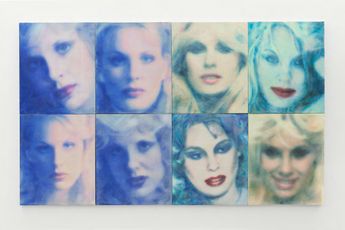

Cristine Brache’s Centerfolds, recently on show at Bernheim Gallery in London, draws this logic to its conclusion. Centring on Brache’s spectral paintings of former Playboy Playmate Dorothy Stratten, murdered at 20 by her estranged husband, the show examined how the men around her continued to control and circulate her image after her death. “This project was about image and circulation, and what happens to the subject when an image is circulated over and over again,” says Brache. “In the paintings, I was complicit in recirculating images of Dorothy Stratten, and I wanted to afford her something that didn’t feel like it was more taking.”
Brache collaborated with perfumer Marissa Zappas on a fragrance that could convey the texture of Stratten’s life. “We landed on a scent that was very funereal, with lily of the valley and frankincense, but also has a slight tropical quality, like a fruit just before it gets fully ripe.” The scent, which, to my nose, smells of nectarines, can only be encountered in the room, in the moment. In an economy where Stratten’s face and body have been endlessly copied and consumed, it offers something that Brache’s paintings alone cannot: an encounter that resists reproduction. —[O]


A respected voice in contemporary art discourse.
Focusing on ambitious storytelling and insightful art-world commentary. Ocula Magazine publishes in-depth interviews, critical essays and timely analysis on the artists, exhibitions and ideas driving the global art world.
Learn more about Ocula Magazine
Showcasing the best of the art world.
Ocula partners with galleries from around the world to highlight their artists, artworks and exhibitions. Gallery membership is by application and invitation, with each member vetted by an independent panel.
Learn more about Ocula Membership
Specialises in the sale of major artworks.
Led by a team with deep ties to the world’s leading auction houses, galleries and collectors. Ocula’s advisory team offers bespoke services to high-net-worth clients from around the world who are looking to acquire the best of contemporary and modern art.
Learn more about our team and services