The art world in focus
Subscribe to our newsletter for news and insights on artists, galleries and exhibitions.

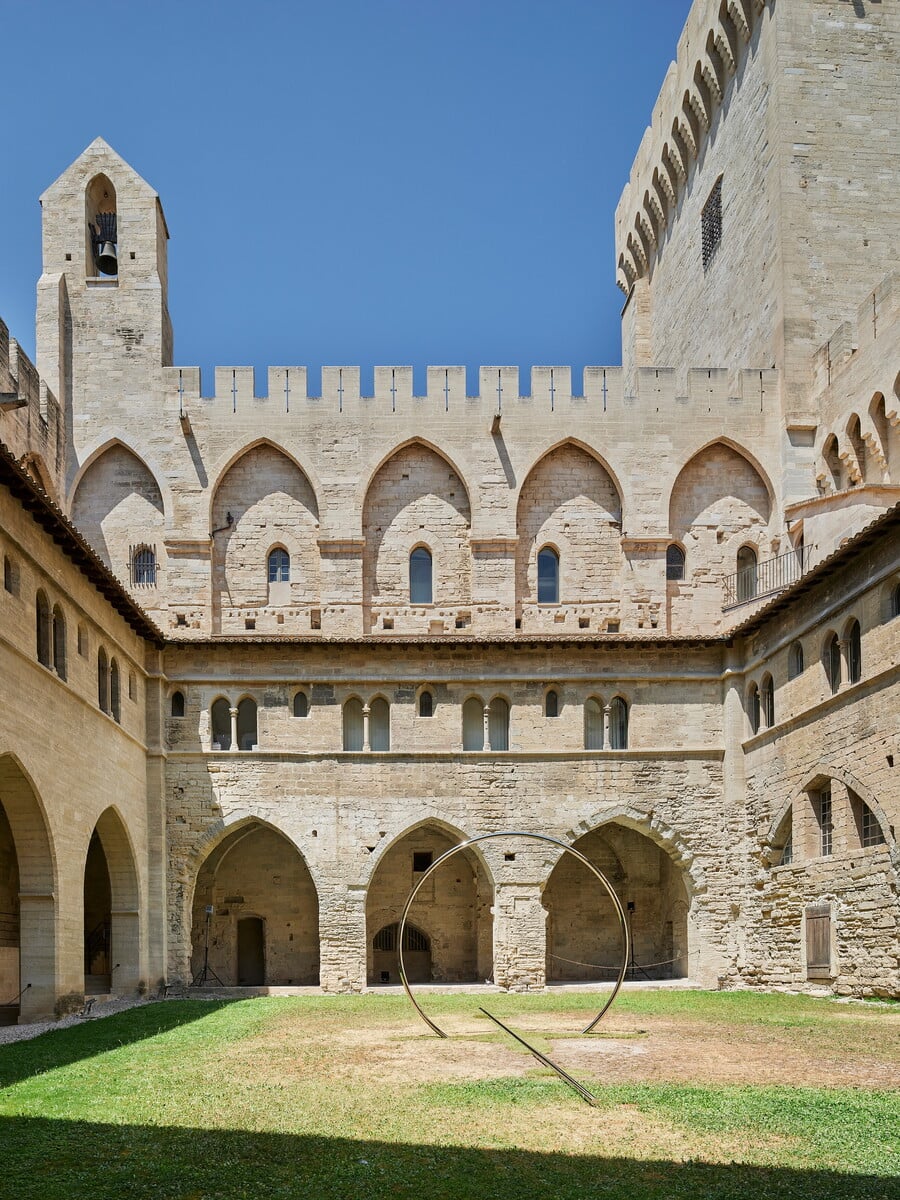
During the lull between the heatwaves that swept through Europe during early summer 2026, I met the artist Lee Ufan behind the medieval walls of the Palais des Papes, a fortress in Avignon in which the papacy lay in exile during the 14th century. Lee, too, is in a way in a kind of exile, not so much from any one place but from the modern world. He is interested, in his words, in the “origin of mankind’s habitat”. What he means by this is the most basic and simple ways of constructing forms, whether they are towers made of slate or thick lines drawn with a brush.
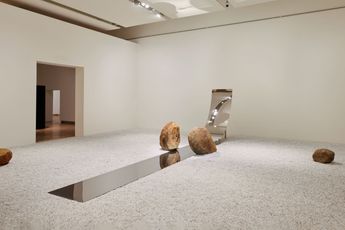
Inside the Palais, Lee, who turned 90 at the end of June, has placed a series of new sculptures, paintings and an installation comprising 60 tonnes of slate as part of an exhibition titled Relatum, which explores the relationship between the man-made and the natural.
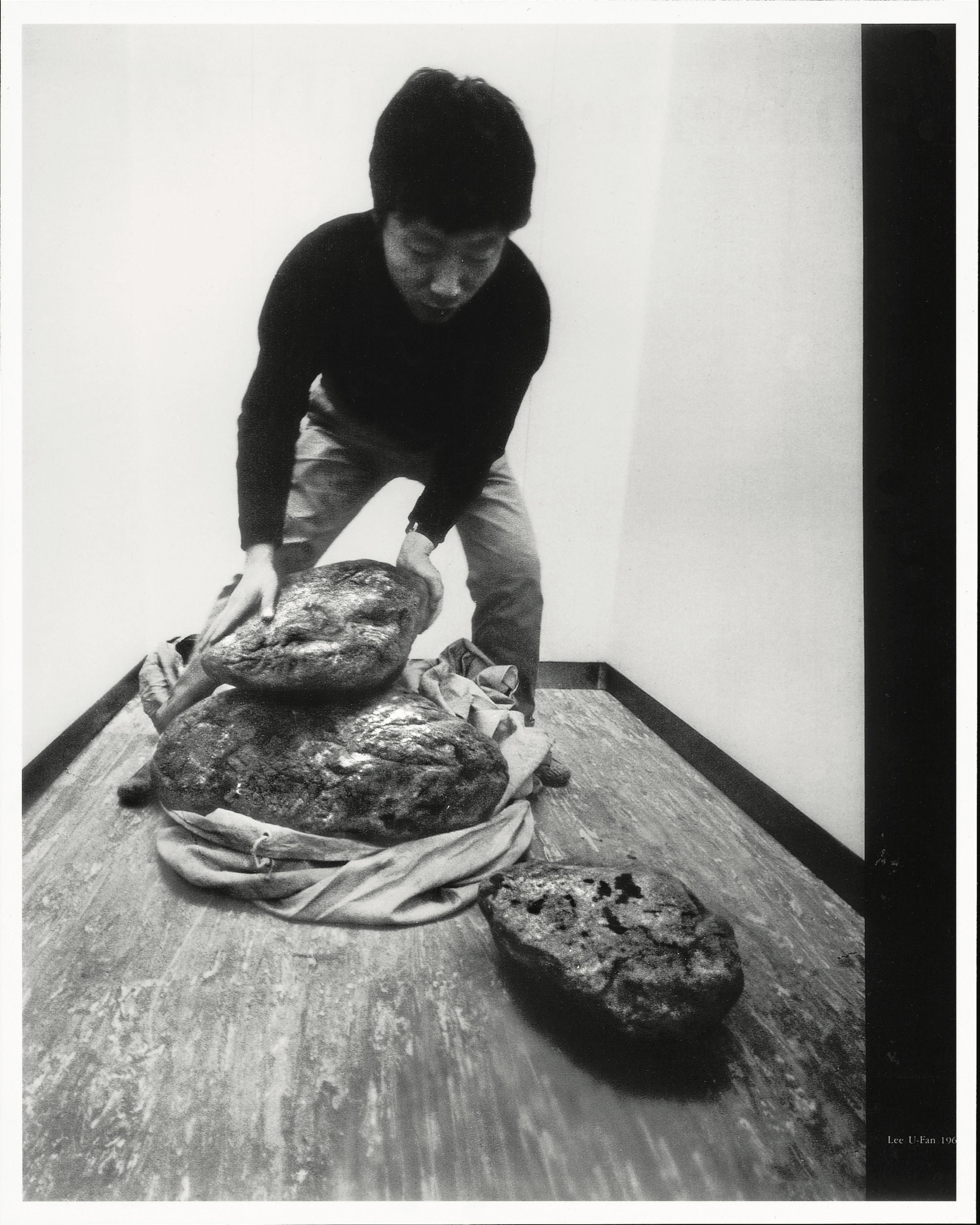
Much of his thinking around these subjects has emerged out of the Japanese School of Things, or Mono-ha, an avant-garde movement interested in the materiality of objects that have not been altered. But while Lee has been influenced by the minimalist American tradition of artists including Donald Judd, he is seemingly free of the anxiety that plagued many Western artists during the 1960s that embracing simplicity would make it impossible to distinguish between an artwork and an ordinary object you might encounter outside the gallery. What distinguishes Lee is his own embrace of simplicity: he is interested, primarily, in the understanding that comes from presenting the world “as it is”.
Walking into the large halls of the Grande Chapelle, the bare walls marked by stains and attempts at repair, Lee pointed to the landscape of black slate tiles with which he had covered the floor. “This is the primitive room,” he said through his translator. What he wanted to make clear was that his work was attempting to set up a confrontation between two different versions of the very old—one natural and one man-made—the barriers between them marked by the cable protecting the artwork from being trodden on.
But then Lee did something strange. He asked the audience to step over this barrier and walk on the art. The curator was caught off-guard but acquiesced. We could, with the artist’s permission, walk on the work; these were exceptional circumstances (visitors to the show will sadly not be so lucky). On the slates you could hear your own feet breaking the rock beneath you, see it shift under your weight and look at the child’s-height stack of slate that Lee had placed in the centre of the room.
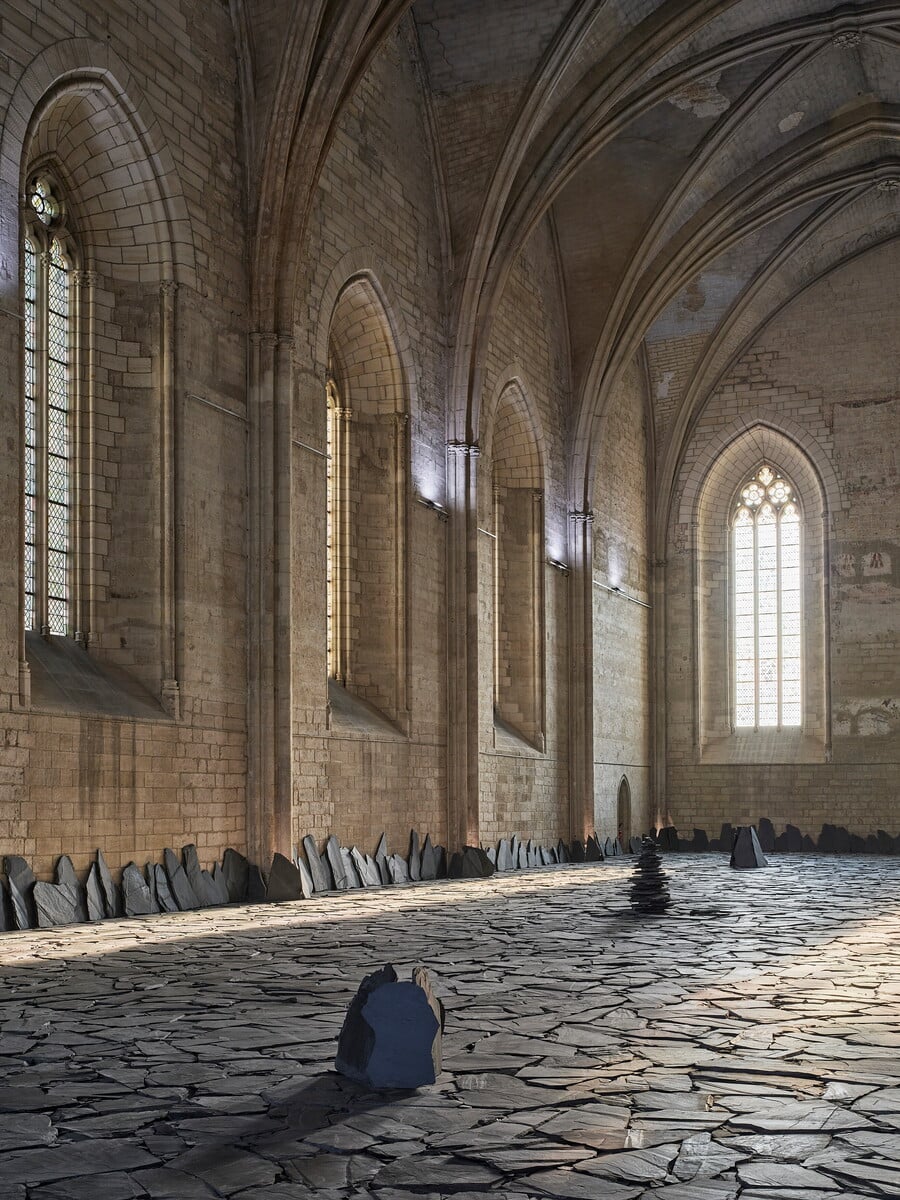
Next to the slate, its layers formed of compressed clay and volcanic ash, the Palais, which had seemed so grand and so ancient when I saw it from the outside, looked as if it could have been the inside of a Tesla car, or a rocket ship. Lee’s art works best when it prompts the viewer to perceive these contrasts: between our ordinary conception of the ancient past, and something far more primitive and basic. The effect of this confrontation is that the viewer is challenged in their veneration of the past and of tradition that has become an obsession in Europe. The work offers, as an alternative, something which is both more ancient and more modern.
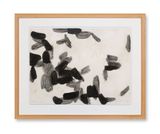
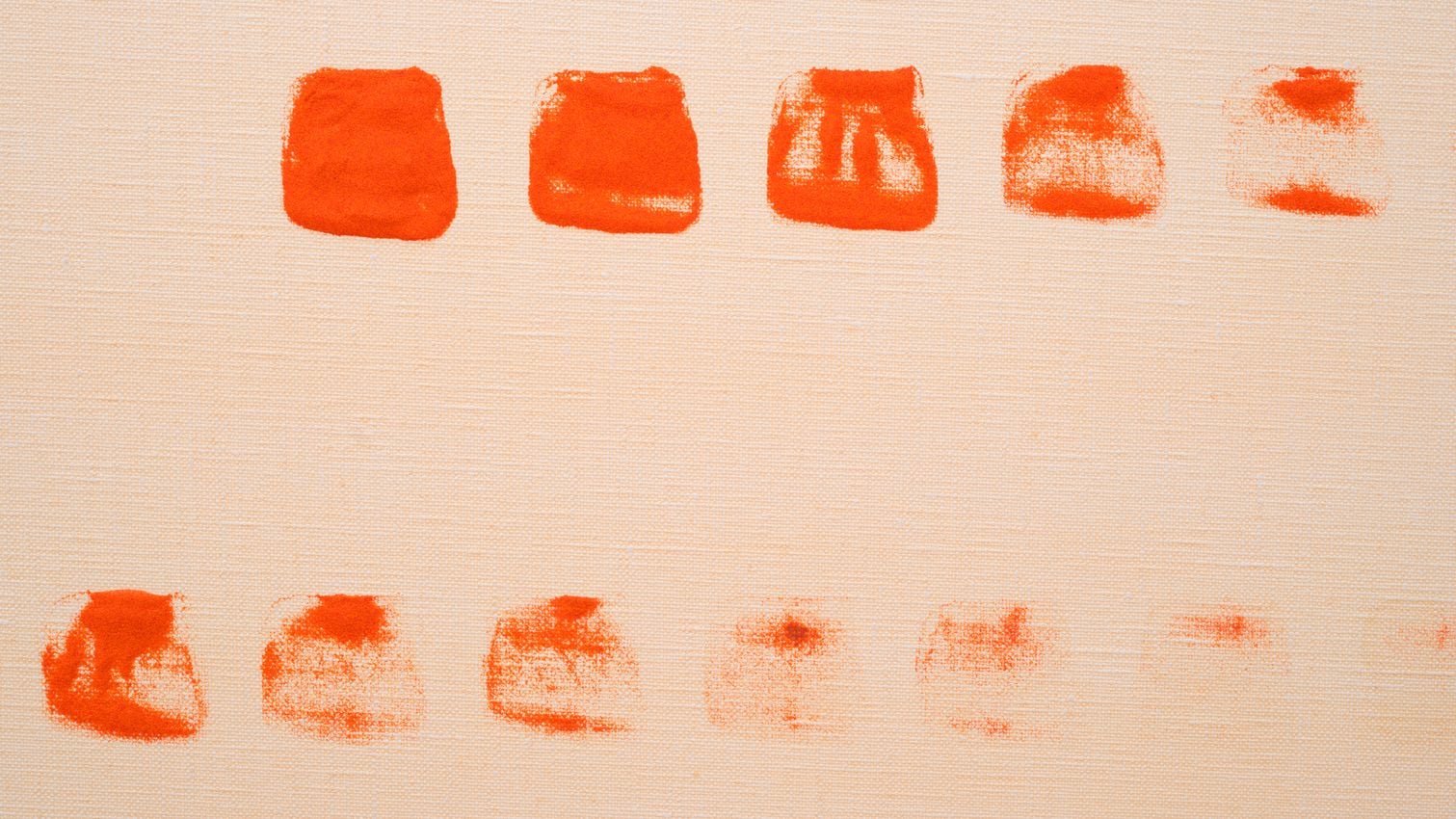
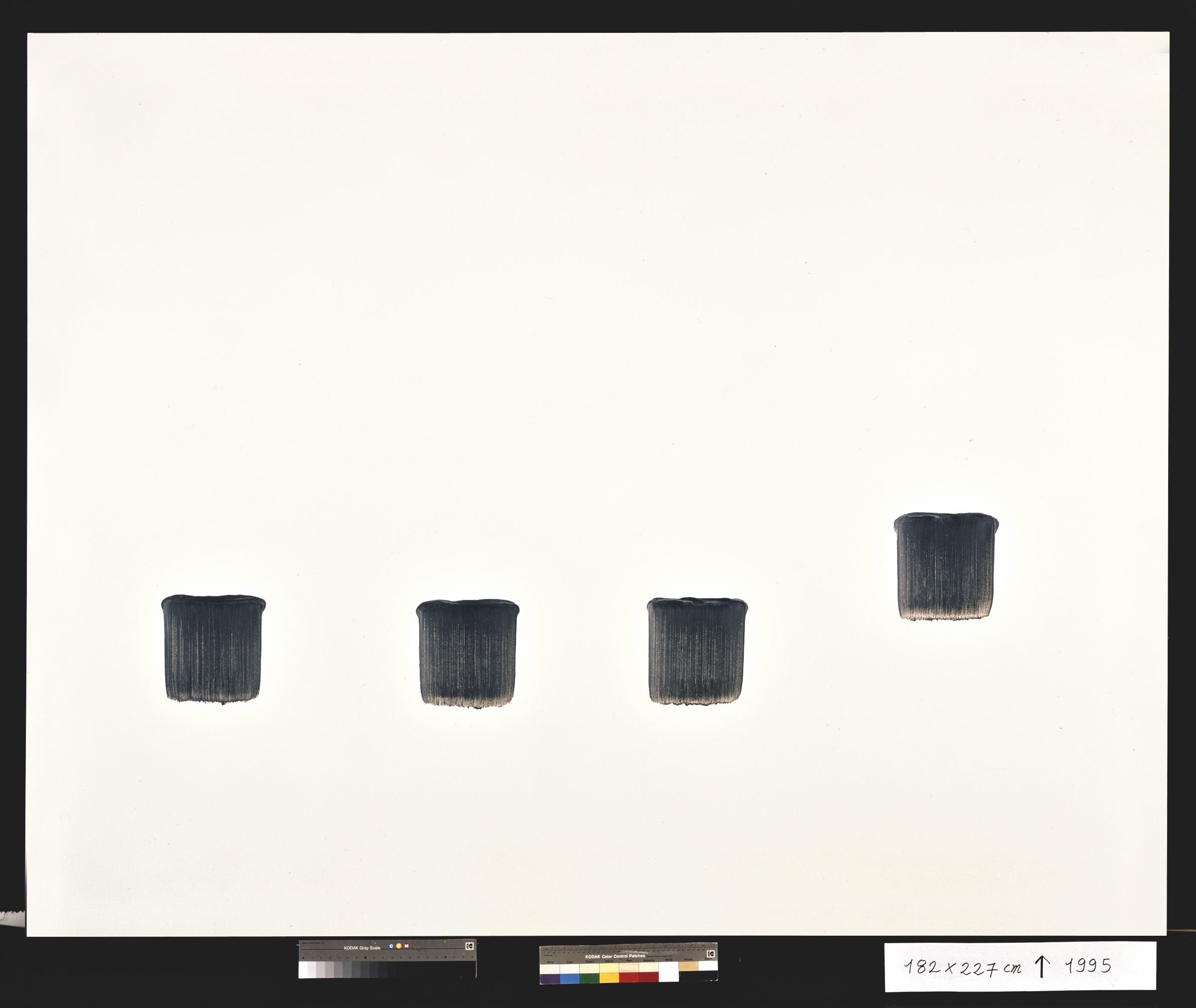
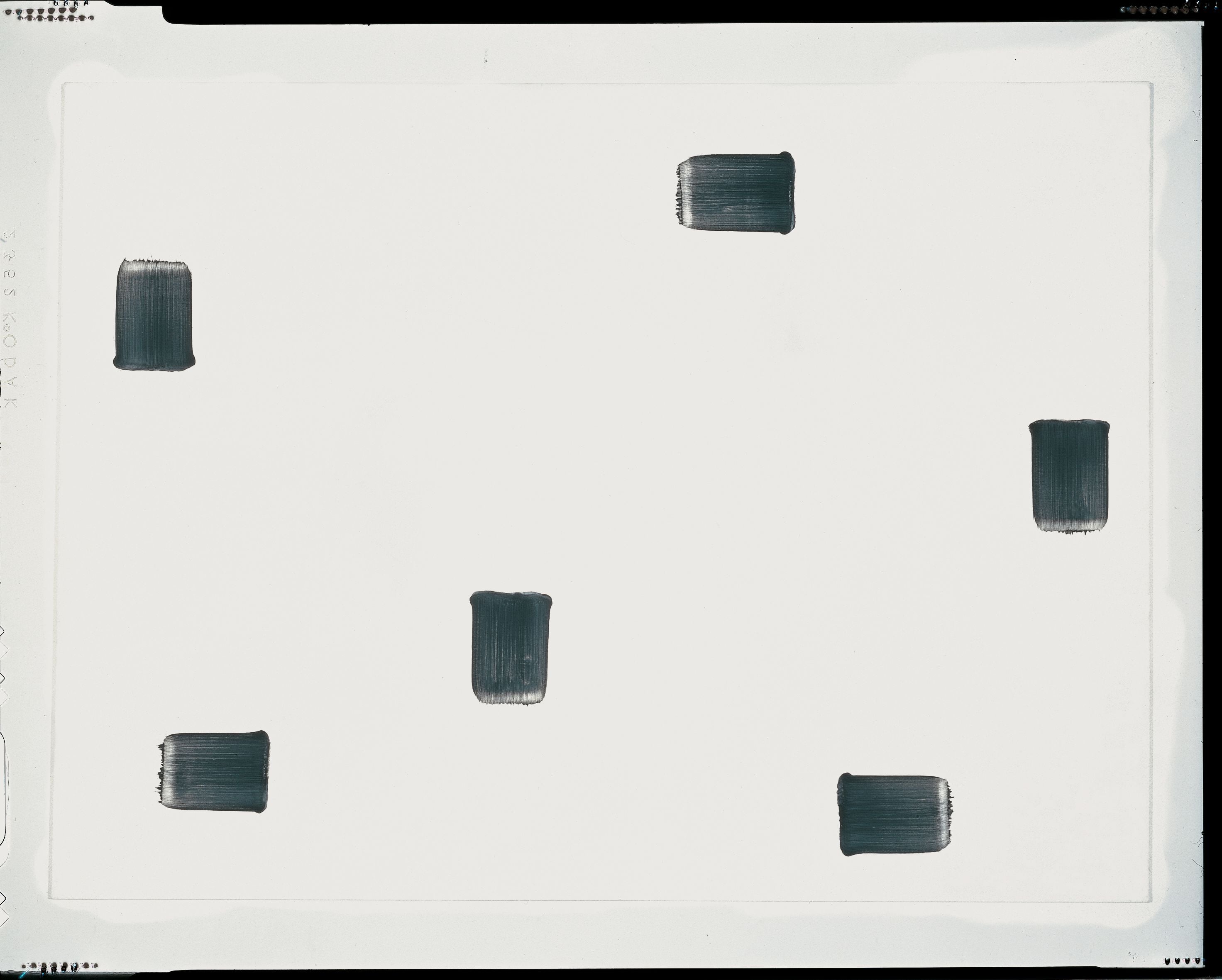
Lee spent much of his adult life in Japan and France, although he was born in 1936 in Haman-gun, a town in south-eastern Korea. There he learned first to work in inkbrush painting, a medium with origins in seventh-century Tang China, the influence of which is visible in his gestural 1970s–1980s series of paintings, From Point and From Line, comprising repeated dots or lines, each one ending only when no paint remained on the brush. Lee’s decision to abandon his fine art studies at the prestigious Seoul University for philosophy at Japan’s Nihon University, only a decade after Korea gained independence from Japanese rule, provoked suspicion, which he struggled to shake on both sides of the East Sea. The exclusionary nature of Japan’s art world, by which Lee was nevertheless influenced, was also a source of alienation. He notably wrote that: “I do not exist in Japan, and if I got to Korea I cannot confirm [for myself] a definite reality.”
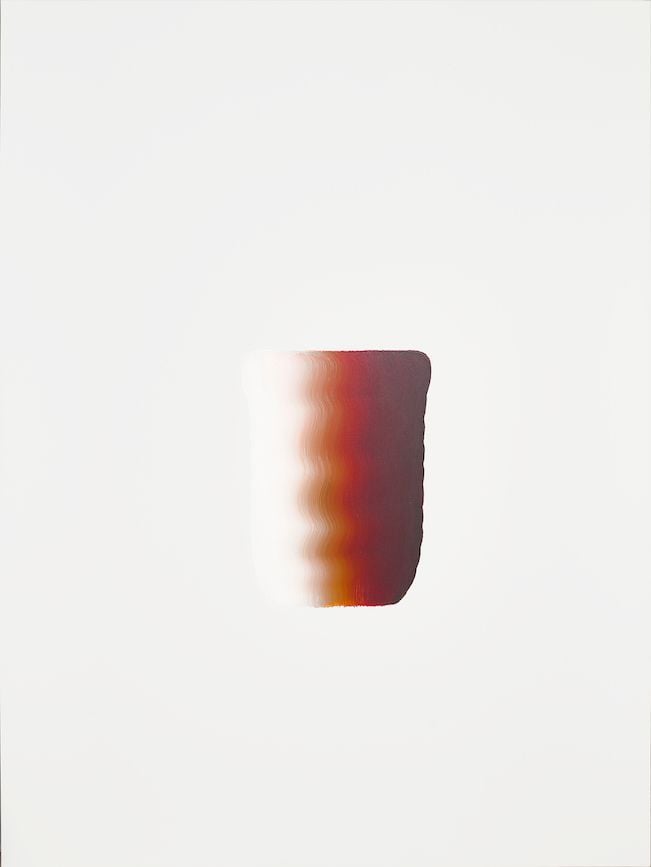
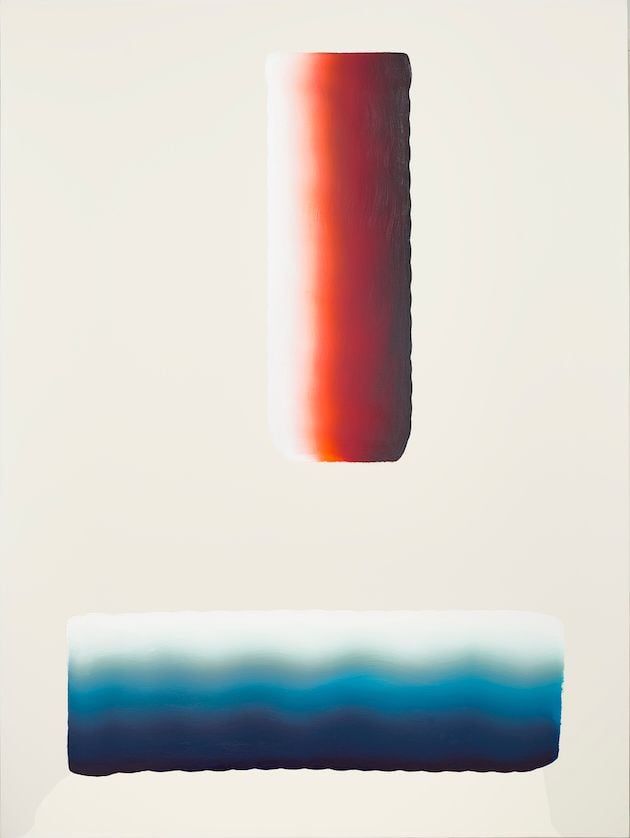
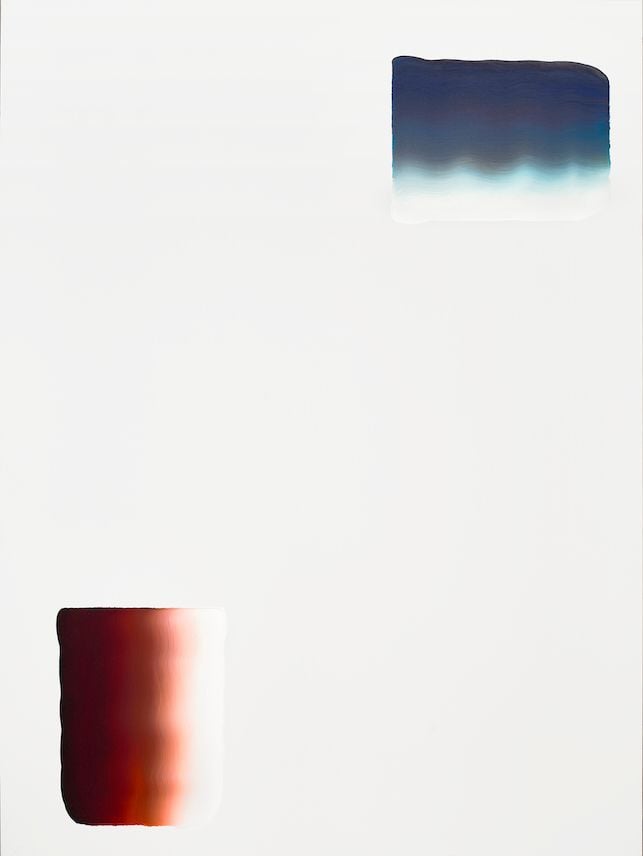
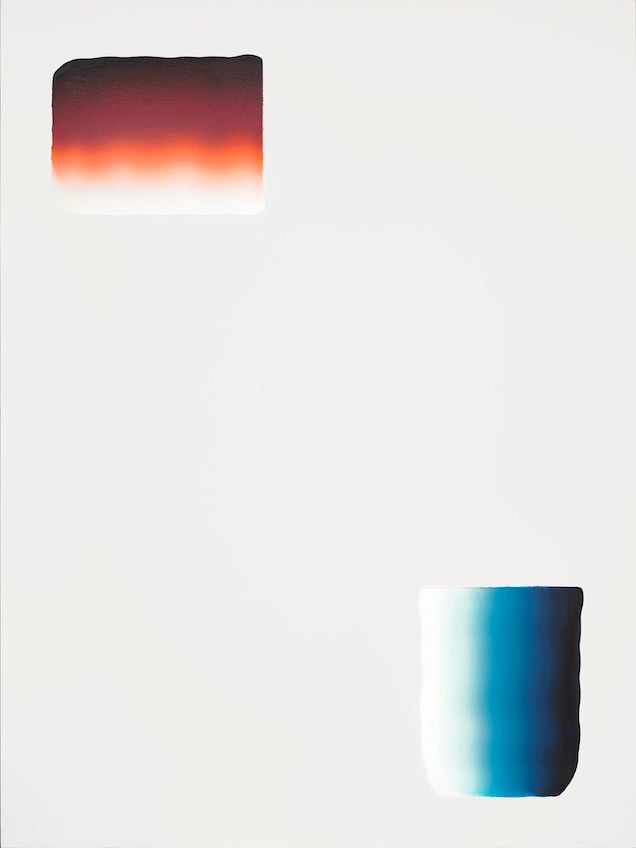
Though he was trained in Korea and Japan, Lee’s work has just as much been a result of dialogue with Western, and particularly French, philosophy. Michel Foucault’s ideas about the human tendency to catalogue social reality and Maurice Merleau-Ponty’s theories about the body as the primary mode through which we experience the world were crucial. The show in Avignon bears the signs of some of that thinking; it forces the viewer to see Lee’s work in relation to the Western traditions of architecture in which it is often shown, and to think about their own bodies within that space.
I spoke to Lee, who at first encounter was genteel and slightly aloof, about the source of this primitive creativity and whether, with the rise of artificial intelligence, it is under threat.
“I want to approach the primitivity of human history”
Lee Ufan: I first showed this work in Arles, in Alyscamps, which is a necropolis from the Roman period. The title of that exhibition was Requiem, and I made several pieces there. When I came here [to the Palais des Papes], it was clear that this is old and that it was made of stone. I felt the presence of so many people coming and going, so, appearance and disappearance. I wanted to soothe their spirit. That’s why I created a kind of requiem-type room in which the floor was covered with slate.
The second meaning is that this is stone made in a very historical place, and this really stimulated me to go further. I really want to approach the primitivity of human history. Sometimes this primitivity is savage and brutal.
LU: When I think about the human being, I think about the body. This is the basis of our life. And not only our physical body, but even with the words we use, or even with the feeling or the sound we hear, everything is related to the body. Perhaps you didn’t get a chance to do so, but I invite everybody to walk on those slates, which creates sounds. This is a kind of resonance between that material and our body. My painting is the same. It’s about the point of contact between the canvas and the body.
Today, with the constant talk of artificial intelligence or digitalisation, embodiment is almost forgotten. But I think this is wrong. Even in highly sophisticated societies, we shouldn’t forget the fact that human beings belong to the nature. So with this feeling of body fullness, we should think about our behaviour, or our thinking. So, this existence of body is the centre of our life and even the centre of my creation.
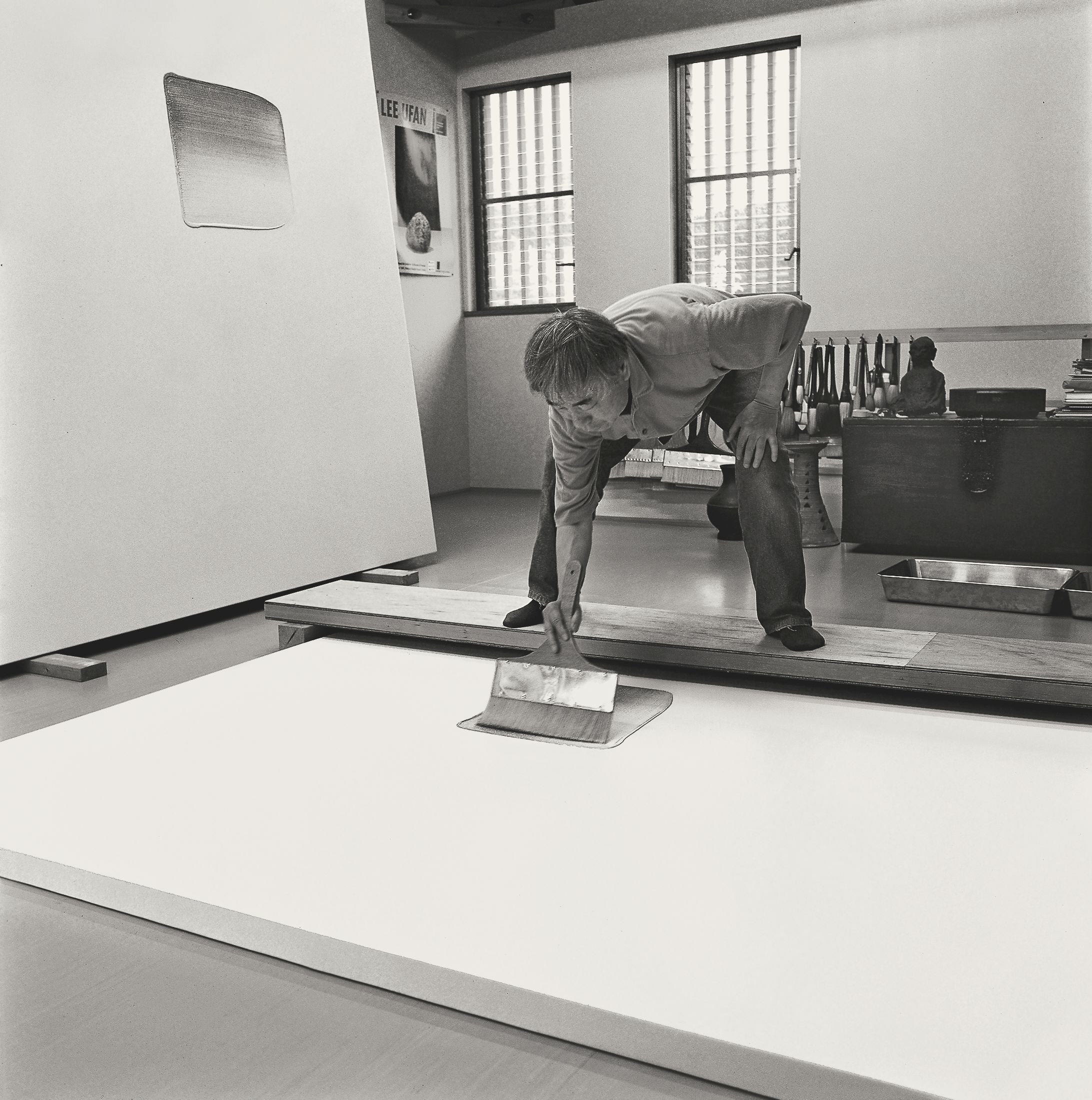
LU: The modernity is almost like the ego. By this, I mean it is the extension of oneself into the world. It’s a kind of colonialism, or imperialism, over the world by the ego. This project had broken down after the Second World War, although the peak of that pro-modernity movement did not come until the 1960s. But after the 1960s, modernism entered a period of decline.
The natural decline took place, but there was also an intention to make a break—that is, to create a starting point for a new period. So, at every stage of time, these two trends exist side by side. I witnessed and participated in that double movement.
This is what motivated me to want to start from something simple, and you mentioned From Point and From Line. That was a starting point of something simple, or something primitive. To go further than the period of modernity in which I was living, I thought about what human beings must have done during antiquity.
LU: This place, Palais des Papes, is a mediaeval building. During that period, people thought that everything was given by God. It was not the result of creativity, but it was given. But then, starting with the Renaissance, the way of thinking changed: it became something based on the ego of people. Today, technology refers to a methodology or a functionality of the society. In some senses, this is a positive development; it means that civilisation has developed, and our life is really rich and prosperous. But people have also changed along with this. In the past, people were passive but now are so active that they wanted to recreate, reconstruct the world from scratch, to make it a more convenient and easier place to live.
The development of the AI is, I dare say, the culmination of this process. With AI, there is no process, no time, no experience needed to produce anything. This means that for human beings, the capacity to think is no longer needed. The world we are producing is a totalitarian world which jeopardises the existence of human being itself. The root of the AI is a human being, but the root of a human being is nature—we shouldn’t forget this!—[O]


A respected voice in contemporary art discourse.
Focusing on ambitious storytelling and insightful art-world commentary. Ocula Magazine publishes in-depth interviews, critical essays and timely analysis on the artists, exhibitions and ideas driving the global art world.
Learn more about Ocula Magazine
Showcasing the best of the art world.
Ocula partners with galleries from around the world to highlight their artists, artworks and exhibitions. Gallery membership is by application and invitation, with each member vetted by an independent panel.
Learn more about Ocula Membership
Specialises in the sale of major artworks.
Led by a team with deep ties to the world’s leading auction houses, galleries and collectors. Ocula’s advisory team offers bespoke services to high-net-worth clients from around the world who are looking to acquire the best of contemporary and modern art.
Learn more about our team and services