





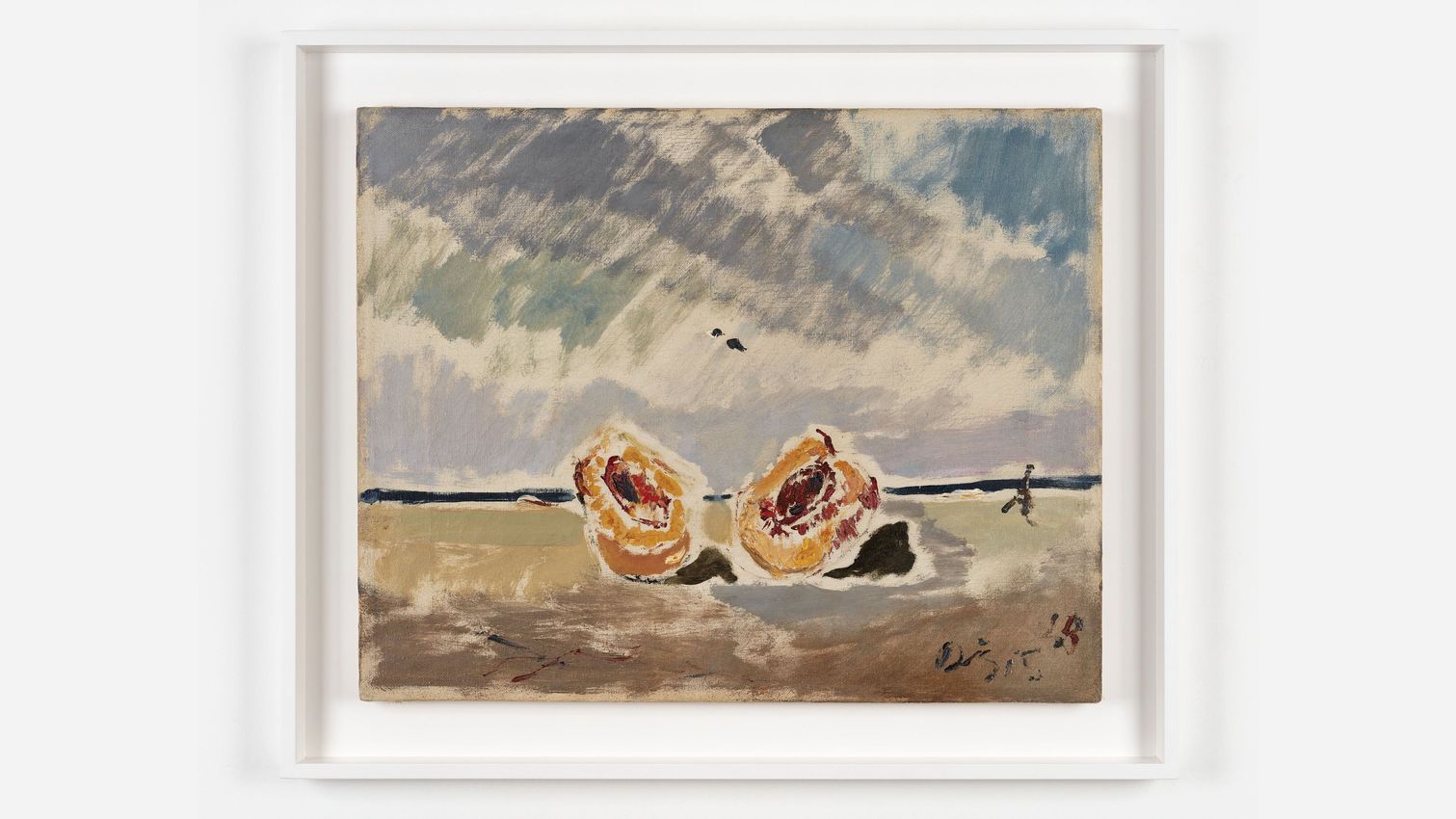
FILIPPO DE PISIS
b. 1896, ItalyLuigi Filippo Tibertelli was born in Ferrara on 11 May 1896, the third of seven siblings, who was very attached to his only sister and his mother. Like the family’s other children, he was educated at home by the tutor Odoardo Domenichini, and he secretly took lessons in painting with Angelo and Giovanni Longanesi, creating his first still lifes with the signature “L.F. Tibertelli de Pisis,” and then simply “Filippo de Pisis.”
The life of de Pisis was marked by continuous relocations and a lively social milieu in which he met personalities who were to influence his research and with whom he formed intense friendships, including Giorgio de Chirico, his brother Savinio, and Carlo Carrà. While the works of De Chirico in those years were constructed with architectural rigor, suggesting Renaissance spaces that brought with them precise references to the Italian tradition of painting, those of de Pisis were oriented towards a more “disorderly” and always disorienting depiction, in keeping with the metaphysical logic, of objects connected with his personal life experiences. He wrote poems, articles and essays for national and international periodicals, and illustrated books published by his dearest friends. In spite of an initial lack of success in the art world that would lead him to describe himself more as a poet than a painter, the doors of important exhibition spaces were soon opened to him in the leading Italian and foreign cities.
During his years in Paris – he moved to the French capital in 1925 – de Pisis spent time with avant-garde artists like Picasso and Matisse, as well as writers like Svevo and Joyce. But he constantly followed the guidelines of his artistic path, calling for simple subjects – still lifes, urban views, portraits – with very personal juxtapositions and essential compositions, corresponding to the feeling of the present moment rather than mental abstractions.
Towards the end of the 1920s and in the 1930s he traveled widely, taking part in international exhibitions like the Venice Biennale and at Jeu de Paume. He received many honours, but during the war symptoms began to appear of the neurological disorder that would lead to his hospitalisation in the years to come: starting in 1949, he was in treatment at the Villa Fiorita psychiatric clinic in Brugherio, where he remained until his death.
Courtesy P420

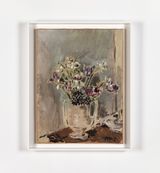
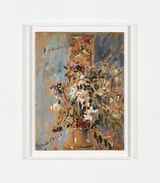
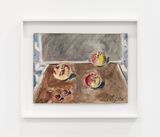
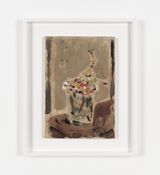
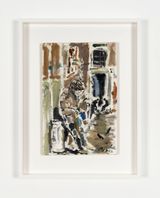
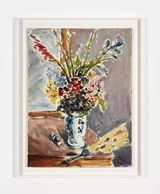
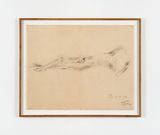
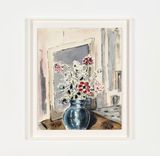
Works at P420










Explore and Follow Artists Shaping Contemporary Art
A respected voice in contemporary art discourse.
Focusing on ambitious storytelling and insightful art-world commentary. Ocula Magazine publishes in-depth interviews, critical essays and timely analysis on the artists, exhibitions and ideas driving the global art world.
Learn more about Ocula Magazine
Showcasing the best of the art world.
Ocula partners with galleries from around the world to highlight their artists, artworks and exhibitions. Gallery membership is by application and invitation, with each member vetted by an independent panel.
Learn more about Ocula Membership
Specialises in the sale of major artworks.
Led by a team with deep ties to the world’s leading auction houses, galleries and collectors. Ocula’s advisory team offers bespoke services to high-net-worth clients from around the world who are looking to acquire the best of contemporary and modern art.
Learn more about our team and services