





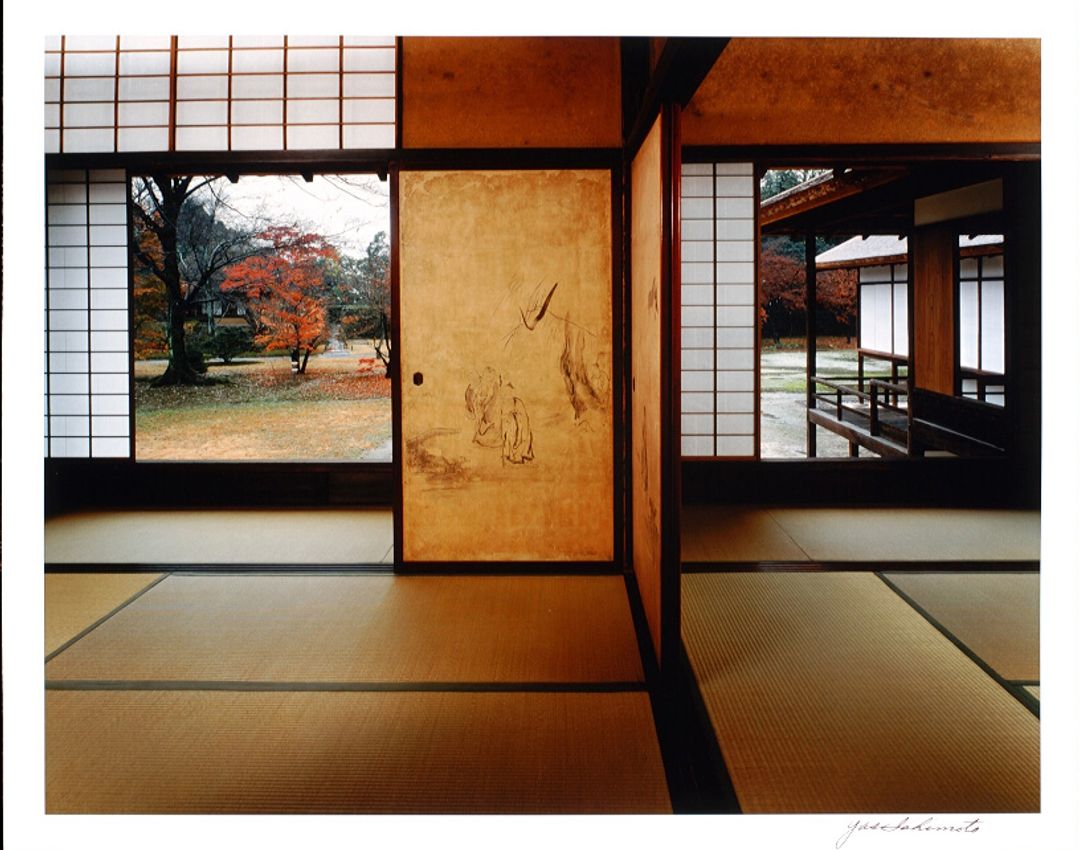
YASUHIRO ISHIMOTO
b. 1921, United StatesYasuhiro Ishimoto was born in 1921 in San Francisco. His parents were farmers and they returned in 1924 to Japan, raising their son in the Kōchi Prefecture. In 1939, the young Ishimoto returned to the U.S., where he studied agriculture at the University of California. Ishimoto’s education was interrupted by the Second World War, when, in 1941, he was sent to the Amachi Internment Camp in Colorado.
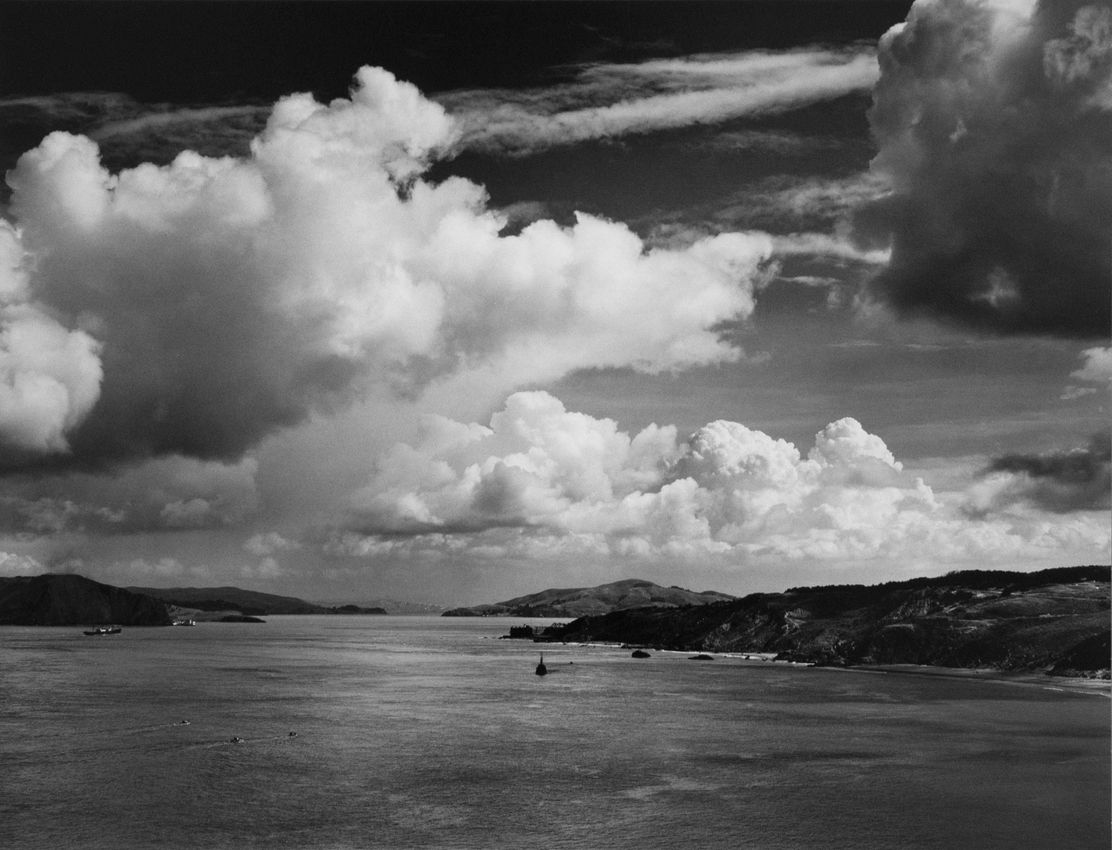
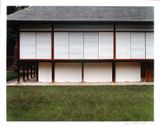
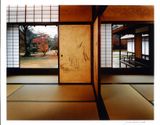
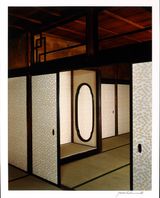
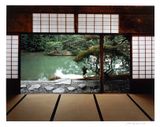
Released in 1945, he moved to Chicago to study architecture at Northwestern University but by 1946 he had met Harry Shigeta and turned his attention to photography. Two years later Ishimoto transferred to the Institute of Design where he studied with Harry Callahan, Aaron Siskind, and Gordon Coster (1948-52). While still a student (supporting himself as a silkscreen technician) he had work selected by Edward Steichen for the great 1955 Family of Man exhibition in New York. Having finished his degree in 1952, Ishimoto returned to Japan, establishing himself professionally by documenting Katsura Villa. From 1959 through 1961 Ishimoto was back in Chicago with his wife photographing on a fellowship from the Minolta Corporation. In 1960 Ishimoto had a one-man exhibition at the Art Institute of Chicago. The rest of the decade saw him engaged in several teaching positions in Japan, while also traveling widely.
Throughout the 1970s and 1980s Ishimoto, a highly skilled printer, did personal and commissioned work. In 1989 the artist was given a retrospective at the Seibu Museum of Art, Tokyo and in 1996, he had a solo exhibition at Tokyo’s National Museum of Modern Art. The following year, the nation of Japan declared Ishimoto to be a “Person of Cultural Merit” an honor which includes a fellowship for life. In 1999 another major exhibition was held at the Chicago Art Institute, with a catalogue authored by then Associate Curator of Photography, Colin Westerbeck.
Ishimoto considered both Chicago and Tokyo as his home and showed his devotion to his adopted city in Chicago, Chicago, (Bijutsu Shuppan-sha, 1969). This book was for many years regarded as Ishimoto’s most personal statement – in it his bold use of contrast, the design of the frame, and the influence of his studies in architecture define his Chicago. Among his many published books, however, another stands out. _Moment, _published in 2004 by Heibonsha Ltd., is an elegant reverie, a volume filled with metaphor for the fleeting nature of time and all that implies. Yasuhiro Ishimoto passed away in Tokyo in February of 2012.
Text courtesy Stephen Daiter Gallery







Explore and Follow Artists Shaping Contemporary Art
A respected voice in contemporary art discourse.
Focusing on ambitious storytelling and insightful art-world commentary. Ocula Magazine publishes in-depth interviews, critical essays and timely analysis on the artists, exhibitions and ideas driving the global art world.
Learn more about Ocula Magazine
Showcasing the best of the art world.
Ocula partners with galleries from around the world to highlight their artists, artworks and exhibitions. Gallery membership is by application and invitation, with each member vetted by an independent panel.
Learn more about Ocula Membership
Specialises in the sale of major artworks.
Led by a team with deep ties to the world’s leading auction houses, galleries and collectors. Ocula’s advisory team offers bespoke services to high-net-worth clients from around the world who are looking to acquire the best of contemporary and modern art.
Learn more about our team and services