





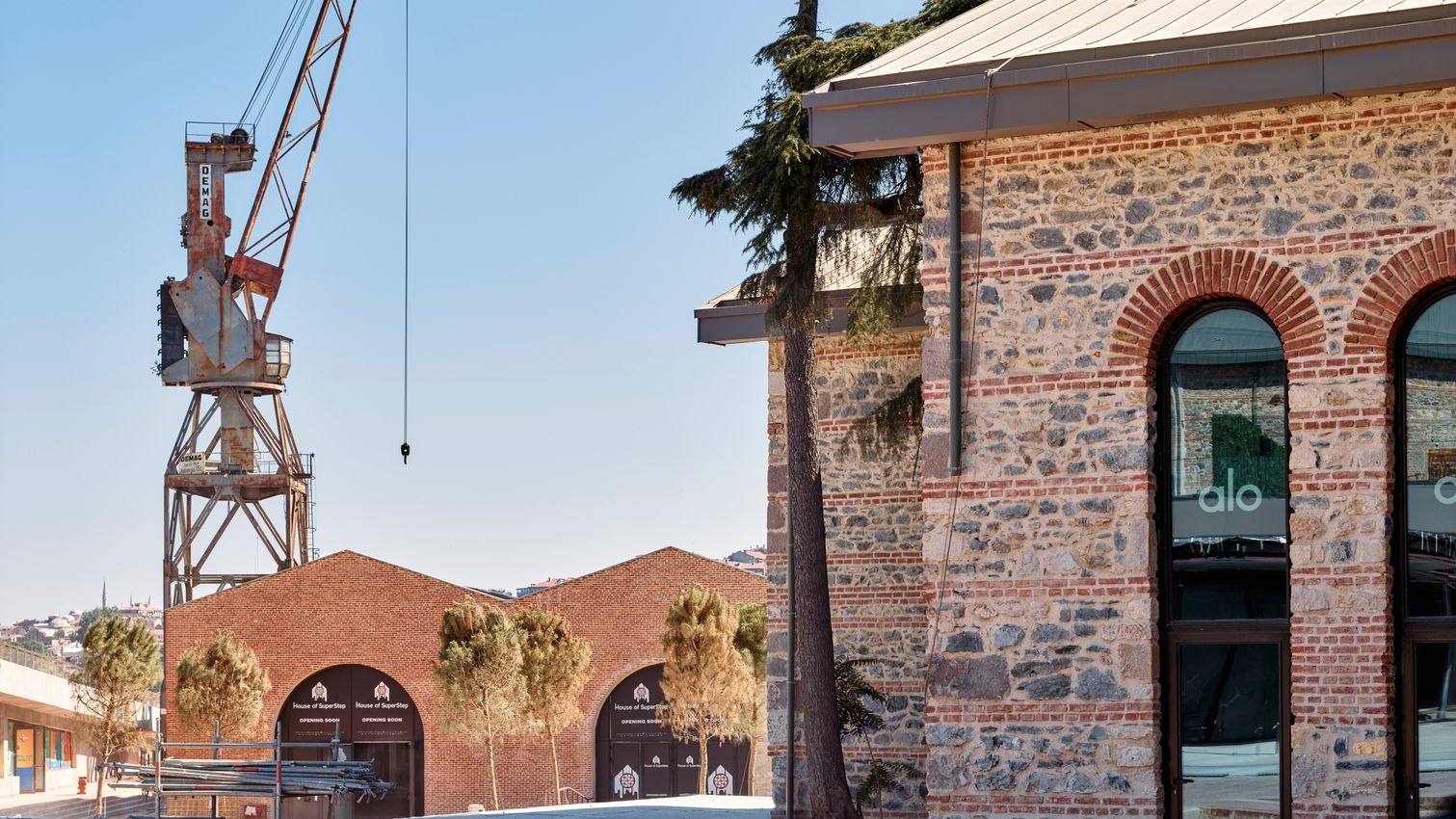
At Contemporary Istanbul, a Fair and City in Flux
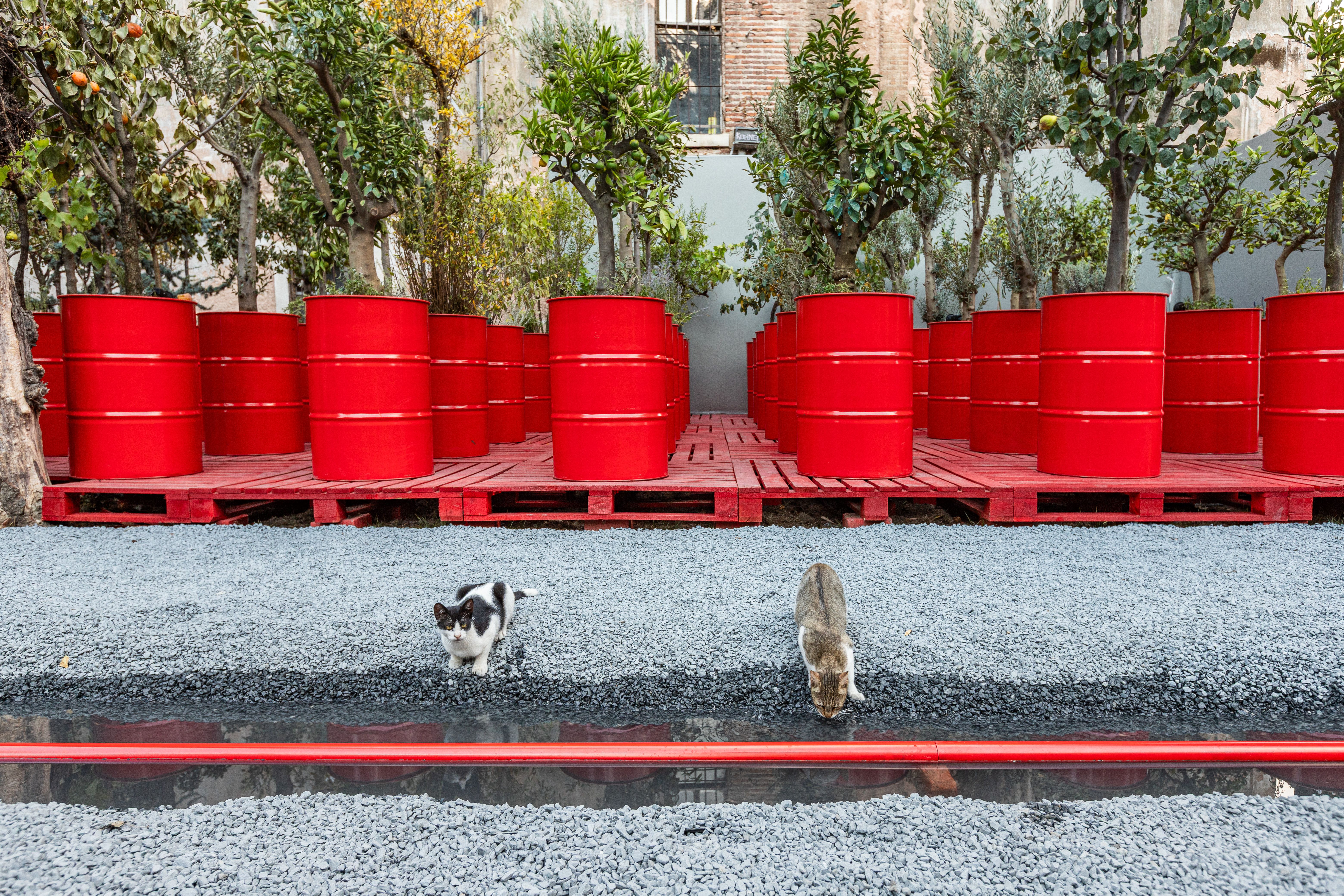
As Istanbul’s international art fair marks 20 years since its inception, the still‑nascent Turkish market remains resilient despite political and economic turbulence. Save to My OculaContemporary Istanbul’s twentieth edition takes place in perhaps the only spot in Istanbul where a stray cat is nowhere to be found.
In the luxury Tersane district, a recently redeveloped shipyard relatively disconnected from the bustle of the city but idyllically located on the Golden Horn with views directly out to the water, Istanbul’s sole international art fair opened on Tuesday. A mix of local and international collectors, artists, cultural figures and other invited guests descended on the sprawling venue, many of whom arrived by a complementary boat service.
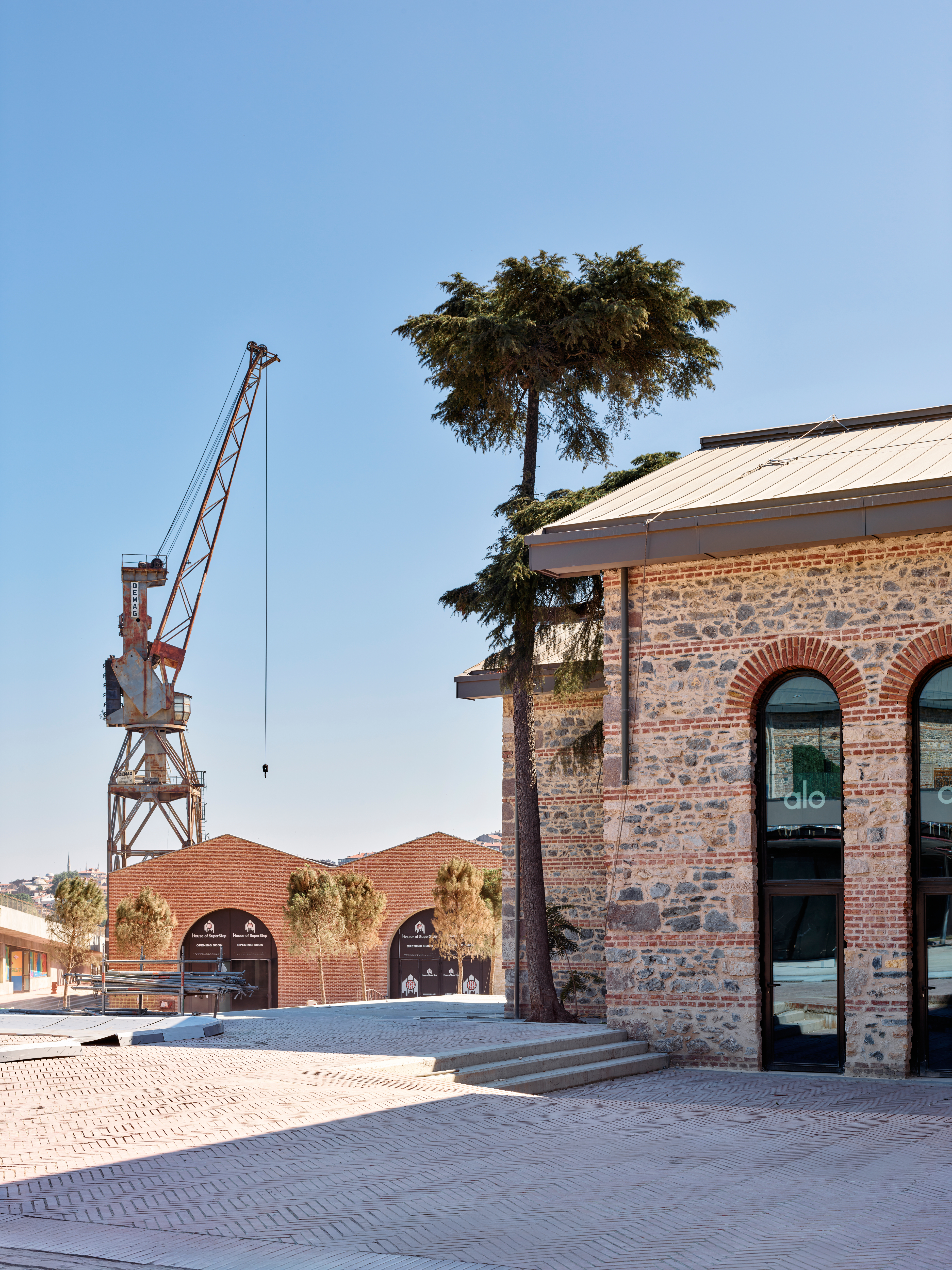
This year, the fair welcomes 51 galleries, approximately 30 of which are Turkish, with the remainder hailing from the Middle East, Europe, and the United States. The latter are here as part of this year’s ‘Focus America’ section, prompted by the changes enveloping America’s political landscape, ‘some of which are familiar to us in Turkey,’ quipped artistic director Sarp Kerem Yavuz at a pre-fair press conference.
Although the opening day of the fair was buzzy with sales and an uplifting atmosphere among gallerists, the political backdrop of rising authoritarianism, both in Turkey and increasingly abroad, was ever palpable. Recep Tayyip Erdoğan, infamous for his autocratic policies and intolerance for dissent, has tightened his grip since becoming president in 2014, arresting political rival and mayor of Istanbul Ekrem İmamoğlu earlier this year.
Contemporary Istanbul, meanwhile, was launched in 2006 while Erdoğan was still prime minister. A self-proclaimed ‘soft power’ instrument, it set out to improve the status of its city and country, and thereby of the fledgling Turkish art scene. Chairperson Ali Gürelli lauds the globalism of CI as he tries to attract more international galleries, offering a customs guarantee and air cargo support through the fair’s sponsors.
Nevertheless, veteran gallerist Haldan Dostoğlu remains sceptical. ‘Although the director wants to be more international, the art market in Turkey is still local,’ he explains. ‘It has increased in the last 20 years, but the whole amount of money circulating in the art market is still relatively small.’ Dostoğlu founded one of Istanbul’s oldest galleries, Galeri Nev, 38 years ago.
The work across the fair reflects his analysis, with most of the Istanbul gallerists showing a mix of Turkish artists. This isn’t necessarily a weakness, as visitors and collectors from abroad are bound to make new discoveries.
In fact, many gallerists embrace their local strengths. Bahar Kisgut, founder of Istanbul gallery Martch, regularly gives at least half of her booth at Contemporary Istanbul to Turkish artists, and more when she exhibits at fairs abroad. Kisgut observes a noticeable increase in the number of international visitors this year.
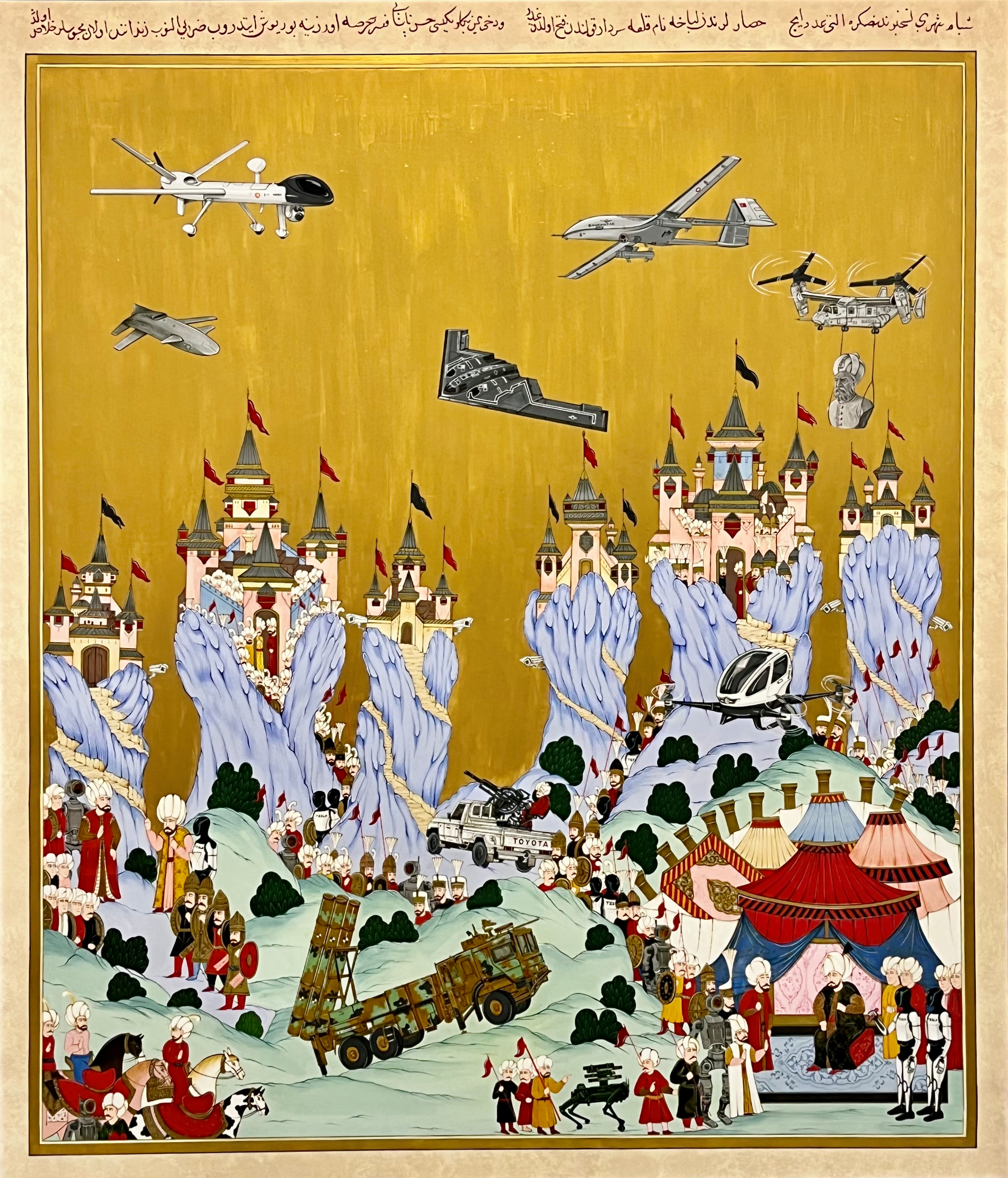
One Turkish artist who certainly did not go unnoticed was Halil Altındere at Pilot Galeri. His large-scale work Yemen Castles Conquered by UAVs (2025), created in collaboration with miniaturist painters, imagines military conflict in a world where the Ottomans still rule. The commanding golden canvas caused a veritable traffic jam on opening day, not unlike those that clog Istanbul’s congested roads. It was quickly snapped up by a Parisian collector for a six-figure sum.
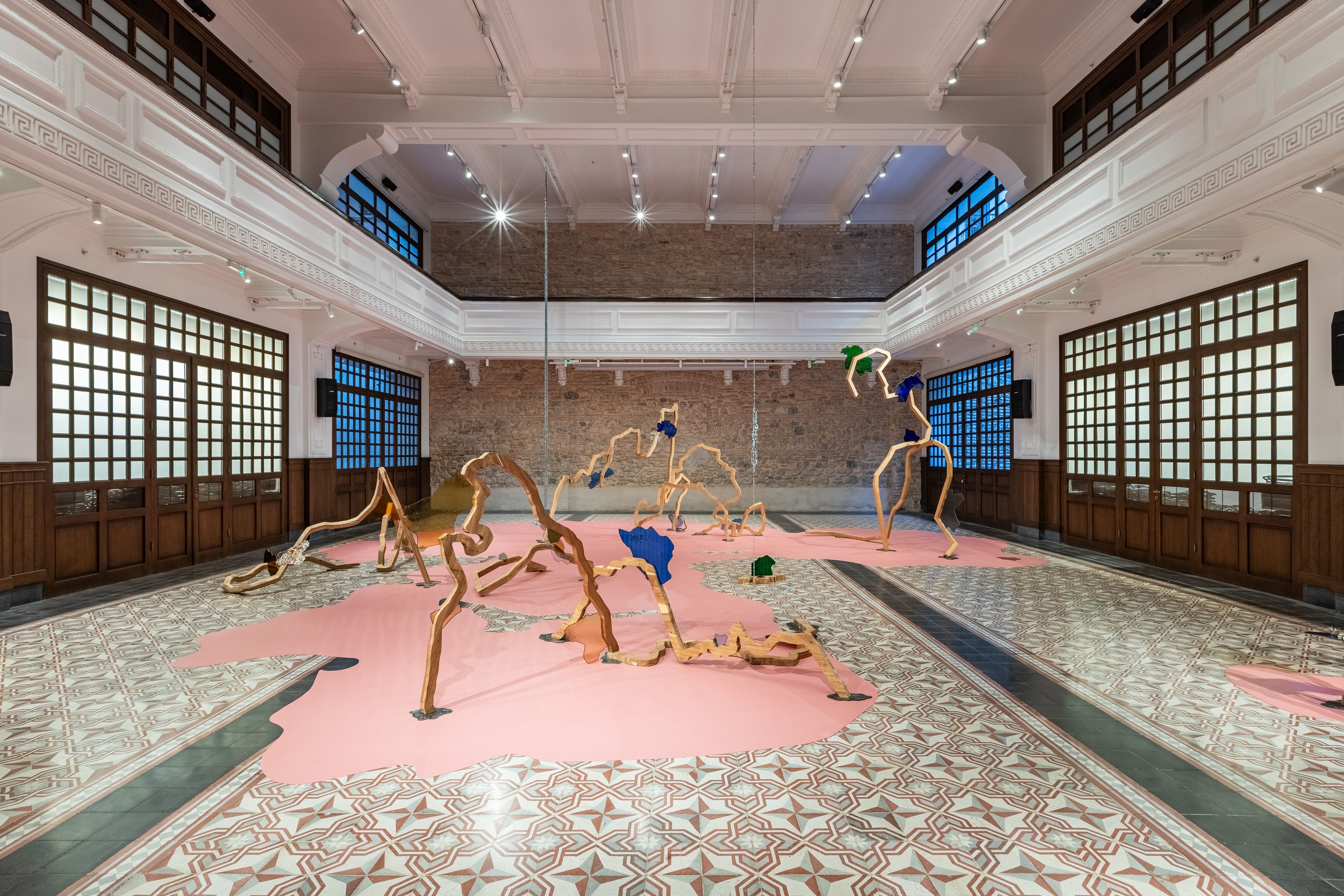
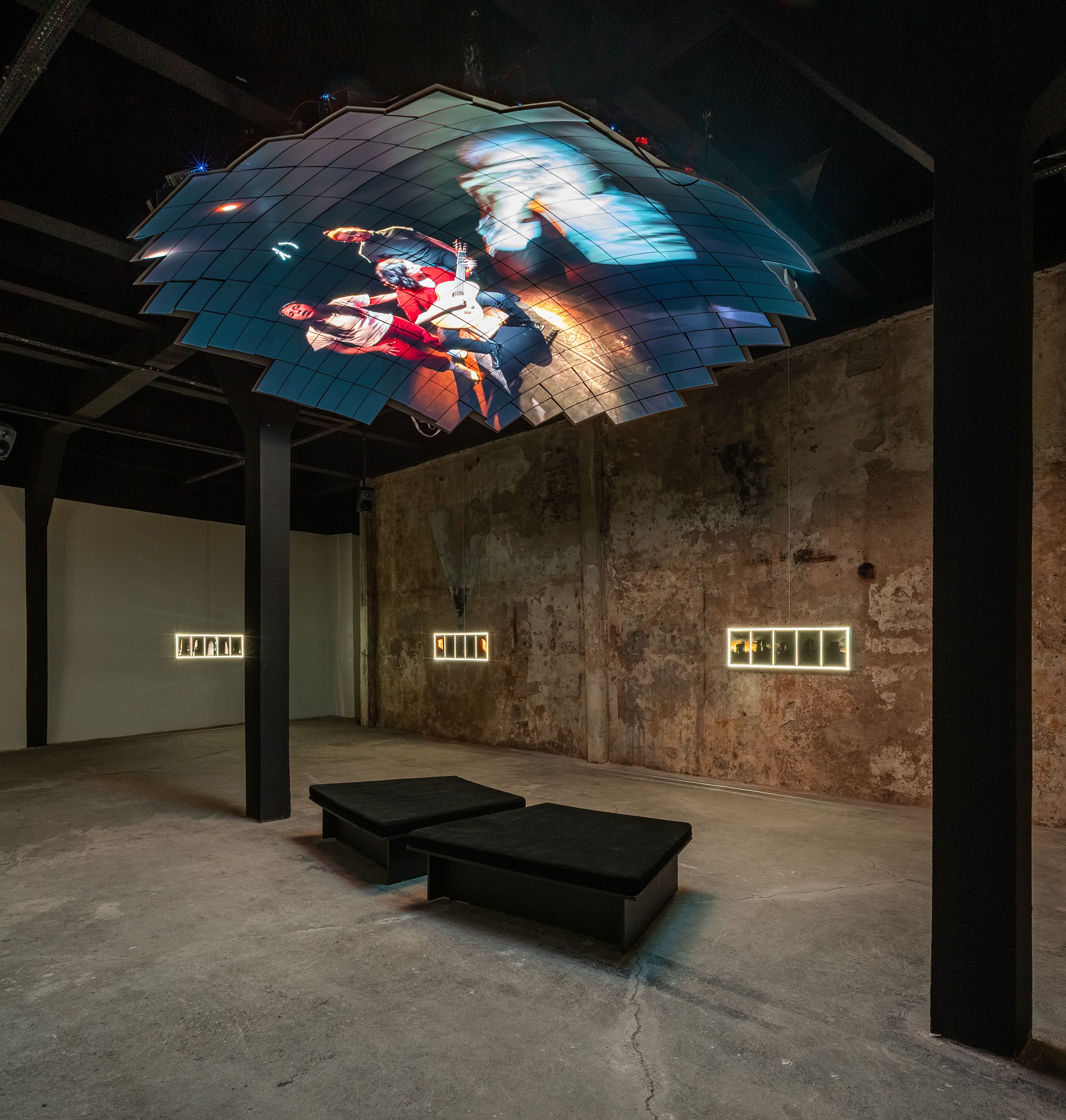
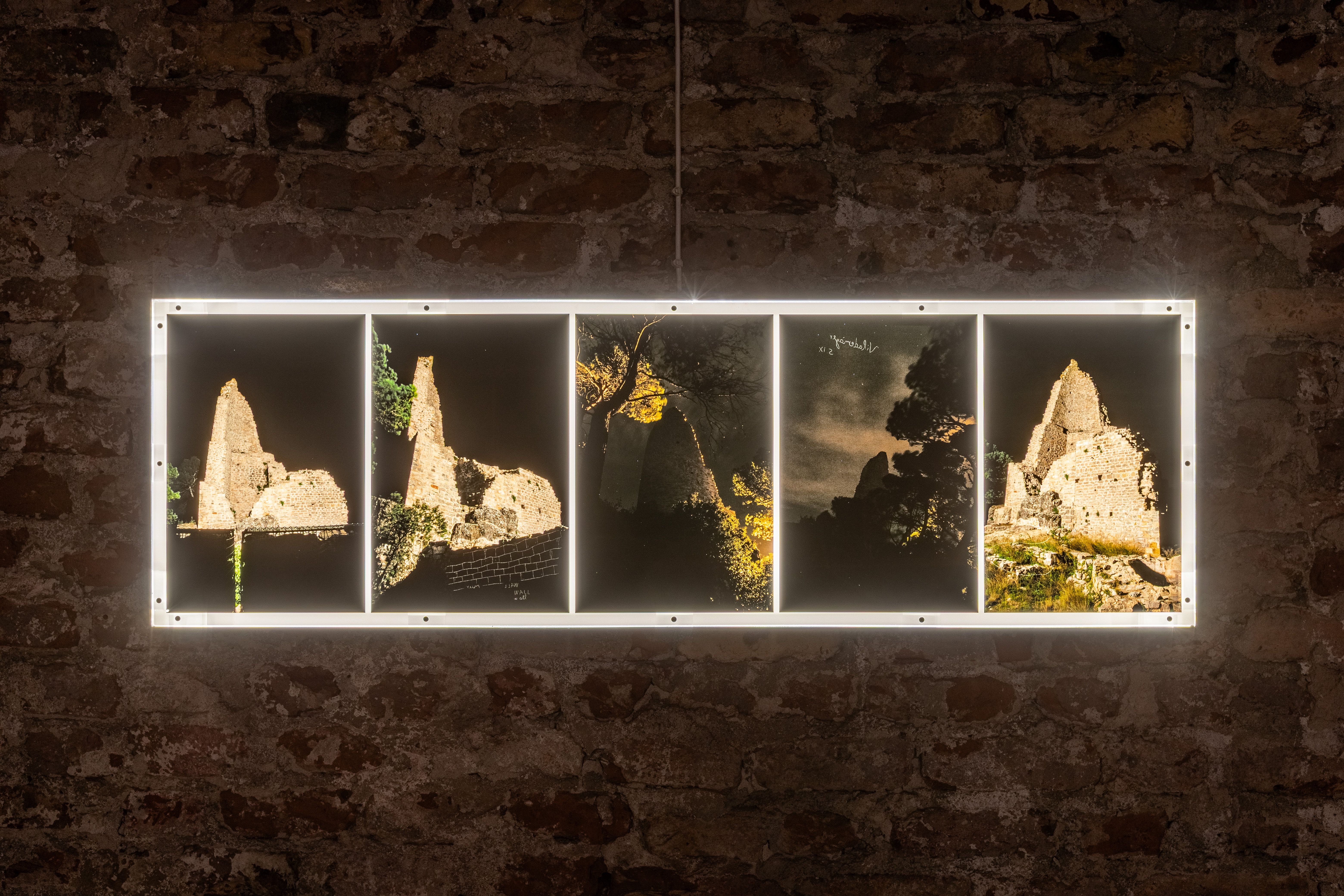
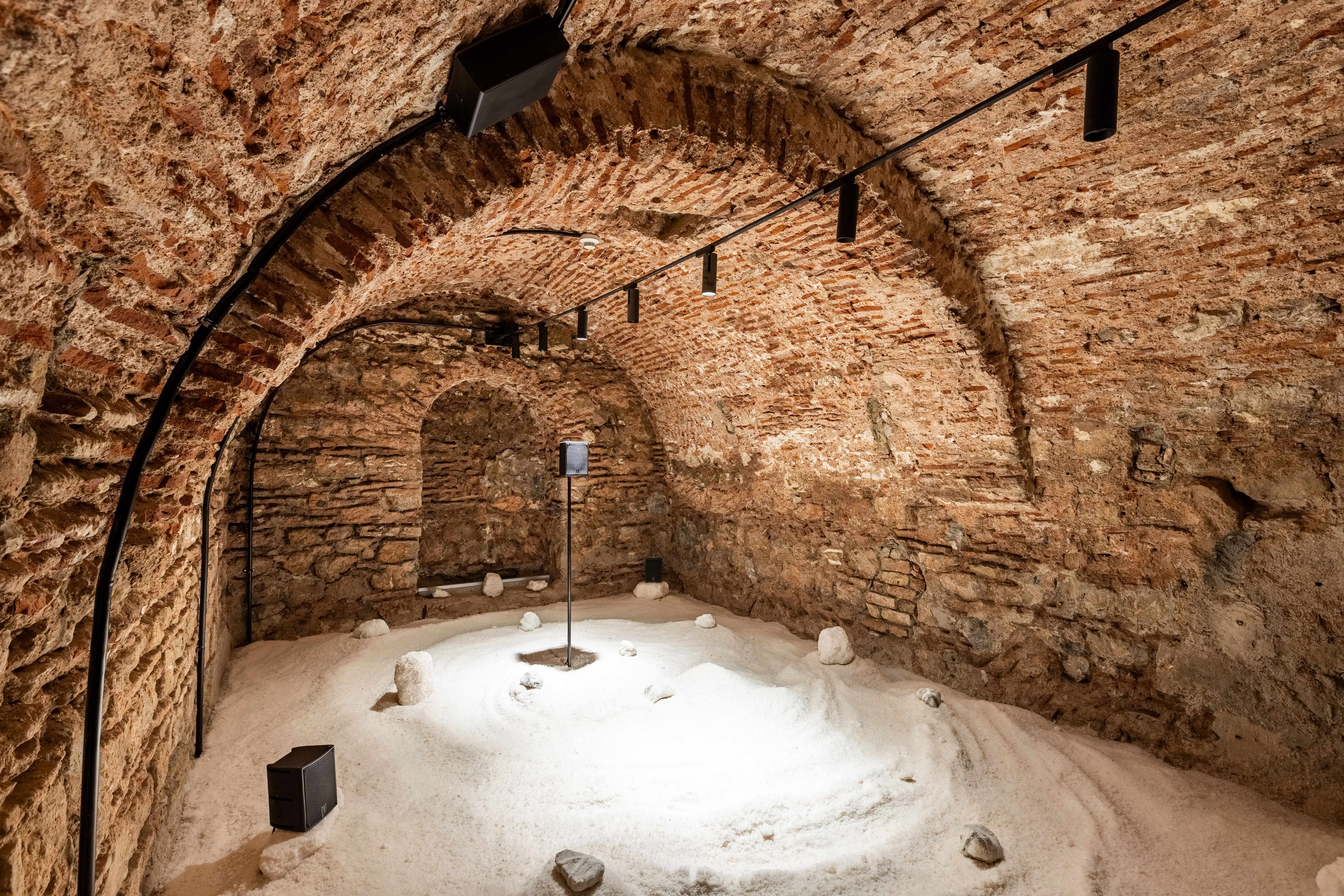
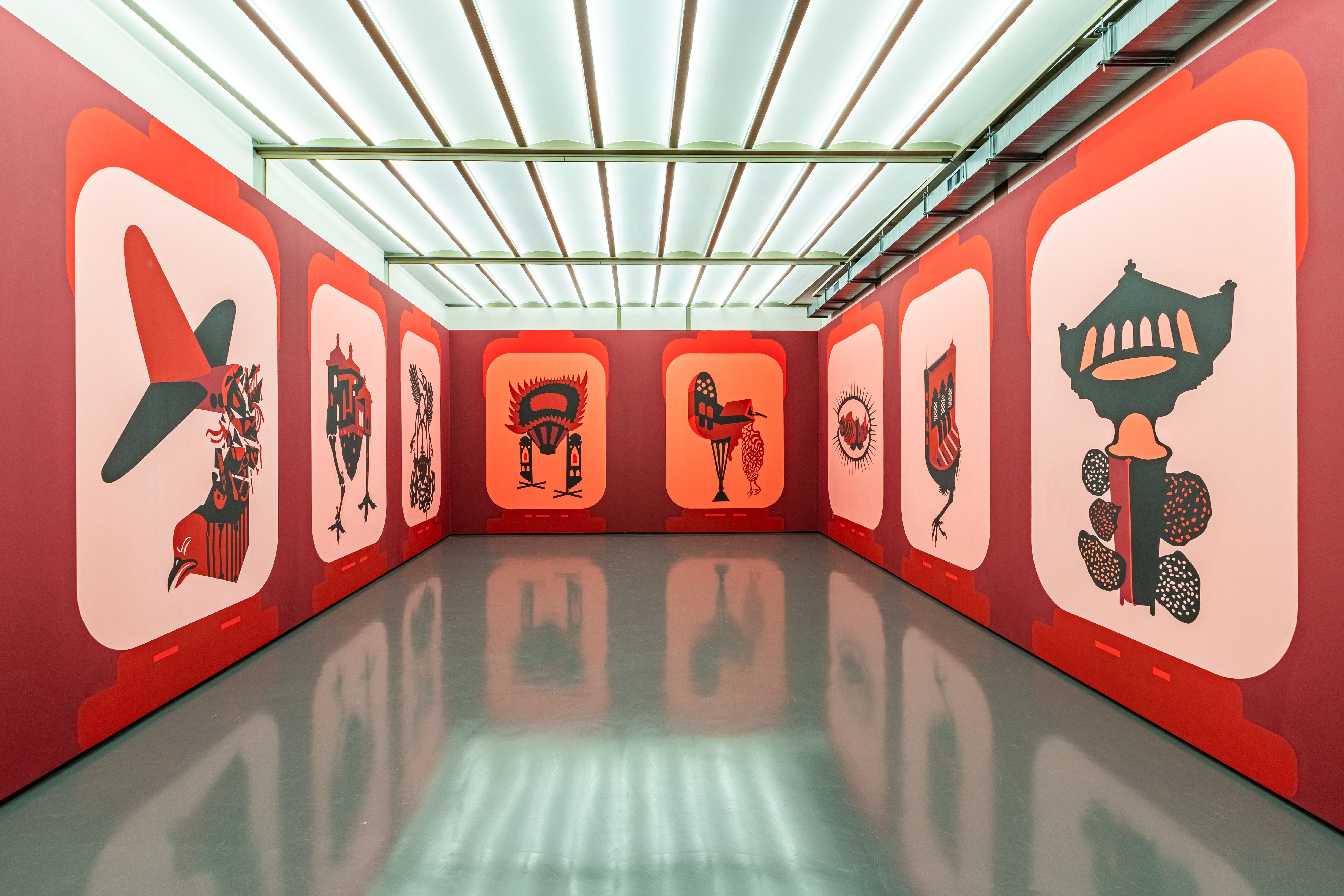
If Istanbul travellers want to see more international work, they only have to take a cab or, better yet, a boat, to the Istanbul Biennial venues dotted around the seafront neighbourhood Karaköy. This eighteenth edition, which opened a week ahead of the fair and closes on 23 November, features 47 artists from around the world, only six of whom are Turkish. Director of Pilot Galeri Azra Tüzünoğlu identifies the opening of the latest biennial as a significant factor in the renewed energy of the city this autumn. In reference to the city’s famous cat population, its title, The Three-Legged Cat, alludes to self-preservation, underscoring the resilience of Istanbulites both human and feline.
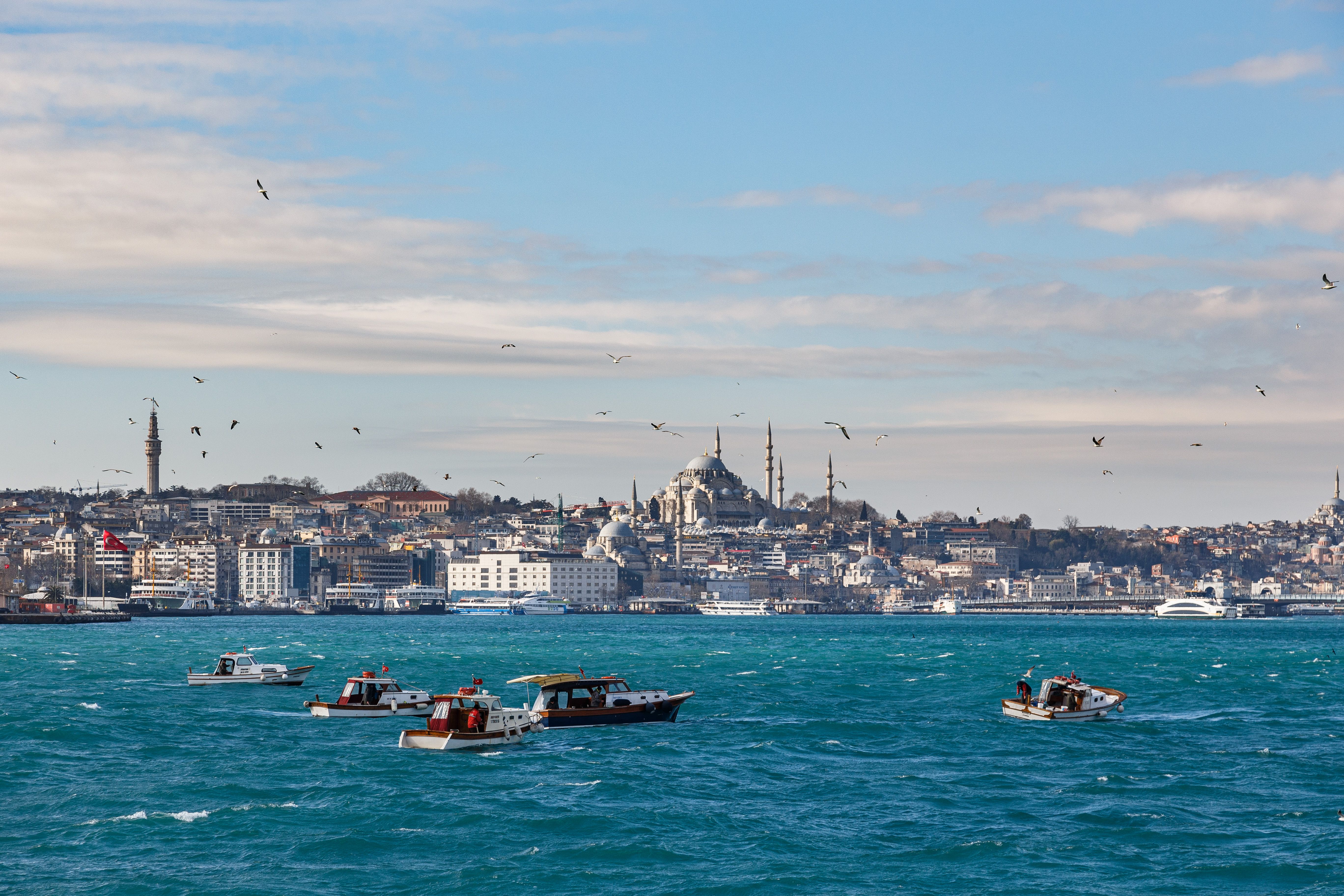
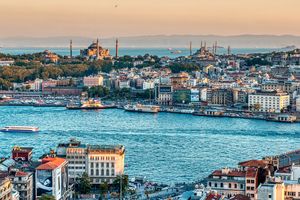
Resilience is an ongoing theme at both CI and the biennial, as it has always been for the ancient city, as evidenced by its most famous landmark. Visible from the fair site, the Hagia Sophia has survived periods of religious and secular rule, most recently being reconsecrated as a mosque by Erdoğan’s 2020 decree, after nearly a hundred years as a museum.
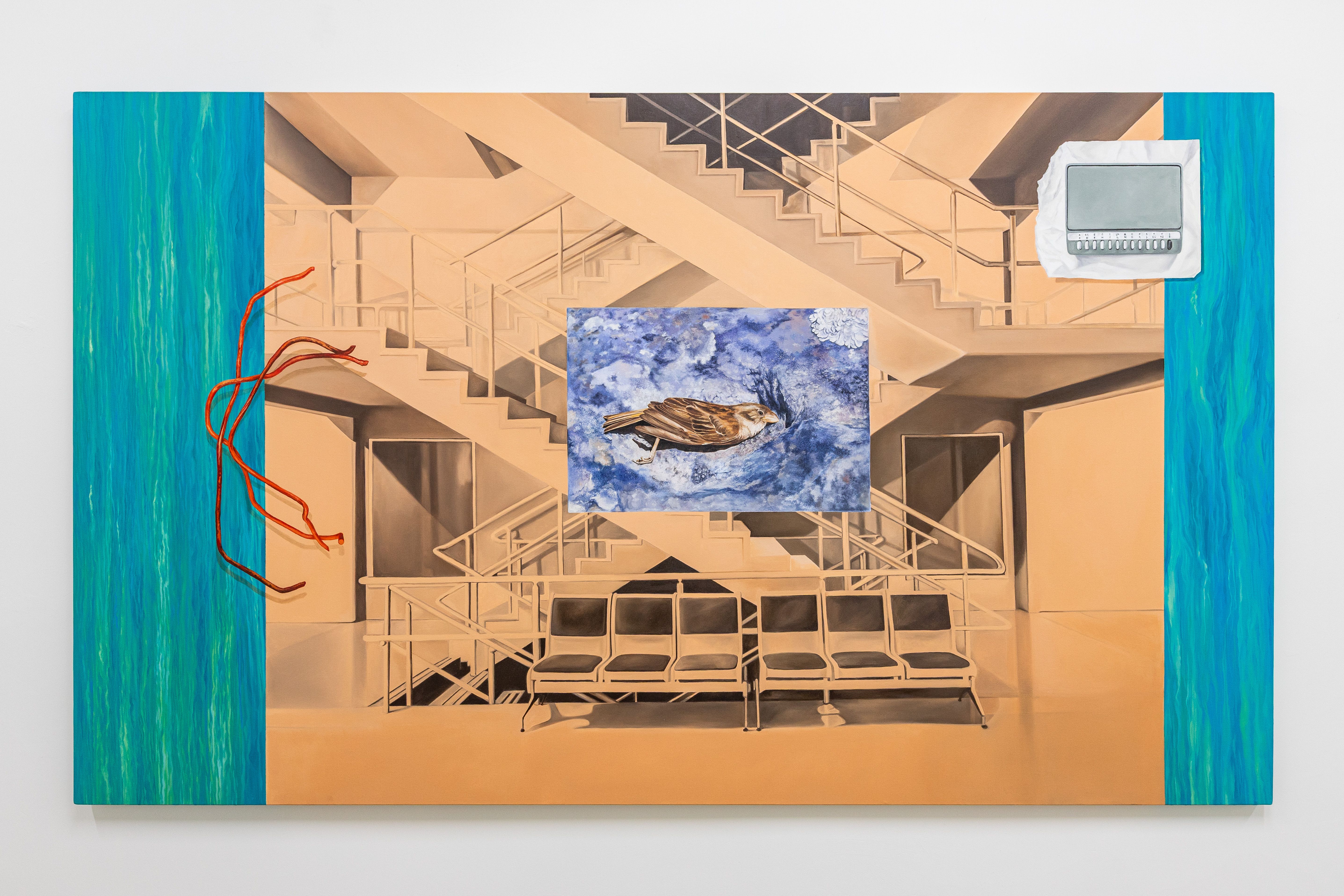
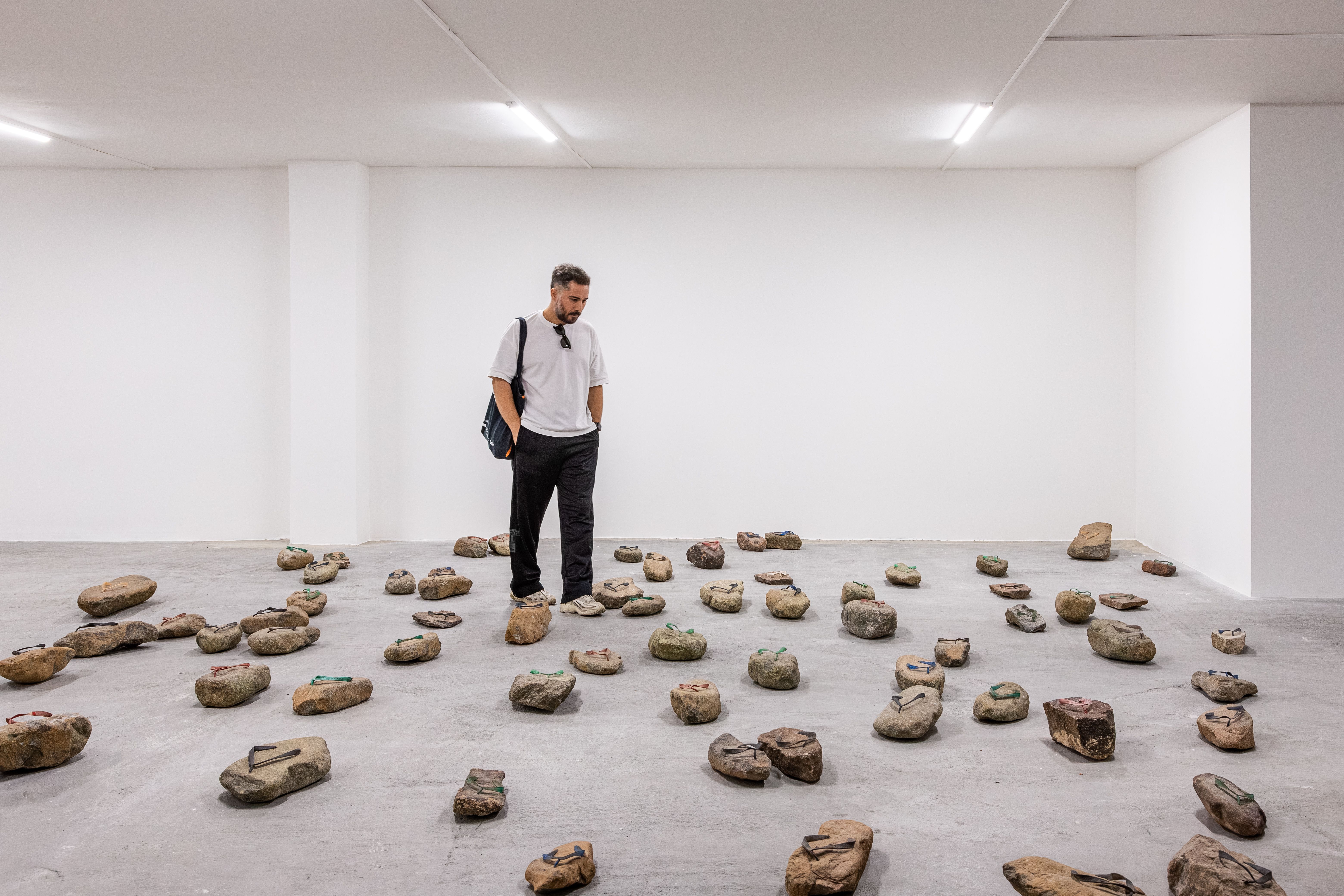
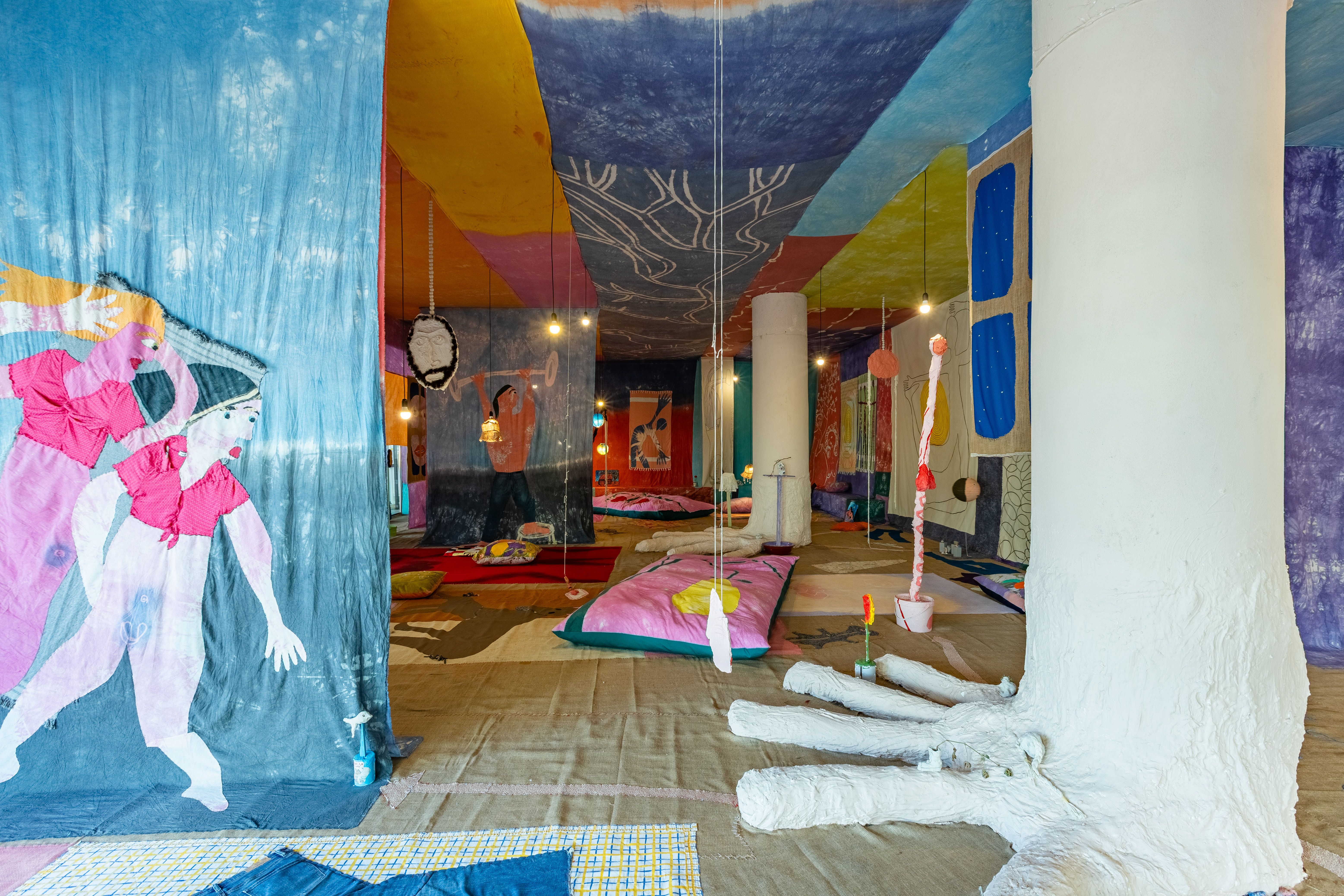
Museum consultant and CI director Emin Mahin Balcıoğlu describes an increasingly censorious environment for museums, with intense government oversight and the threat of arrests for museum directors. He deftly avoids going into too much detail—‘we move forward’ is the key message, an expression of hope for Turkey’s future.
These political difficulties are further inflamed economically as inflation of the lira continues to spiral. Buying power may therefore lie with the foreign collectors attracted to the fair. Curator Marcus Graf tells Ocula that Turkish galleries tend to make a third of their yearly income at the sale-heavy CI. Istanbul-based PİLEVNELİ, for example, made their first sale early on the opening day: a 20,000 USD trompe l’œil bronze plant by American sculptor Tony Matelli, appearing as a weed defiantly growing out of the white cube’s floor.
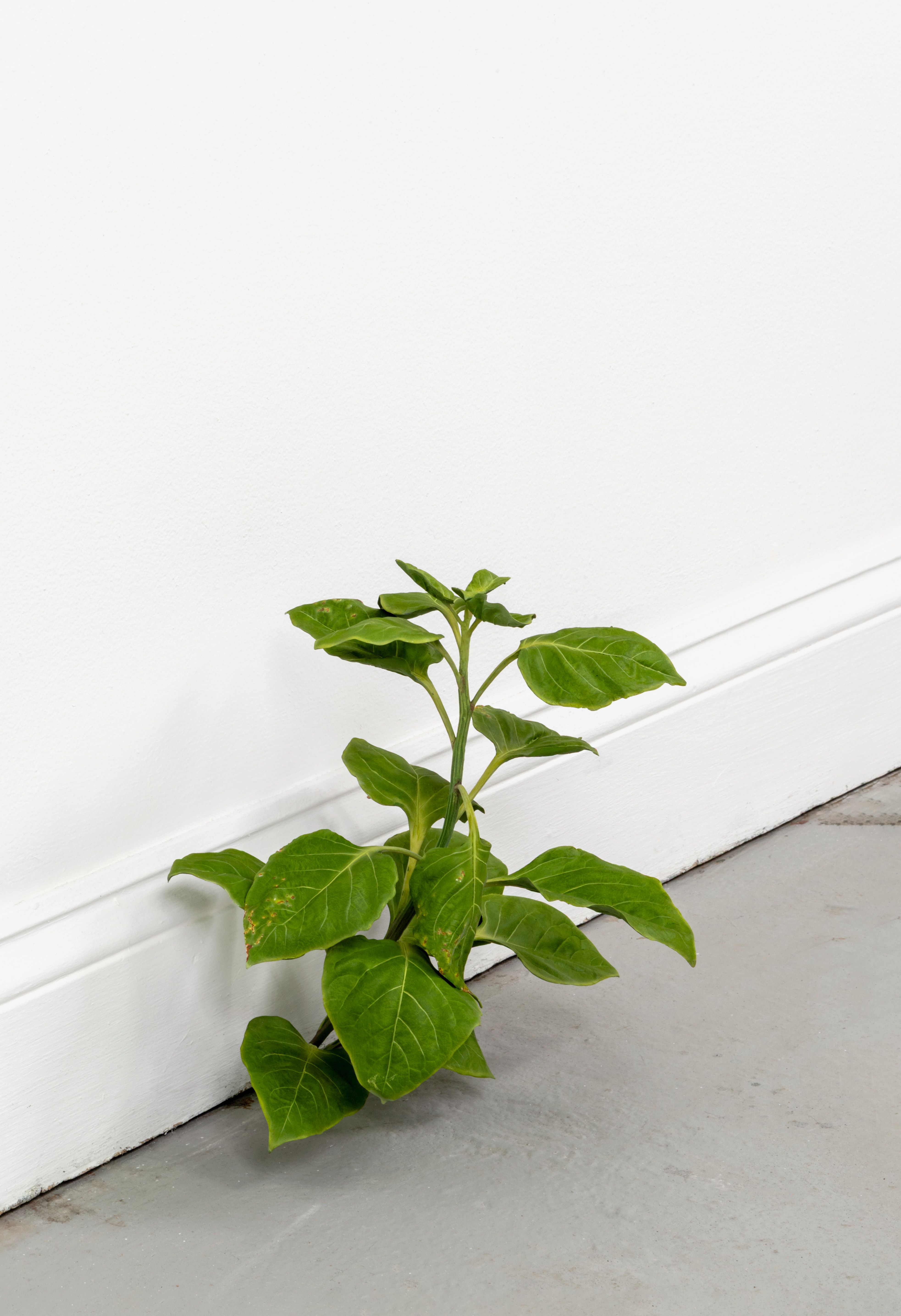
It is a fitting image of survival and even growth against the odds. Despite the challenges, Istanbul is ‘always evolving’, Dirimart director Levent Özmen tells Ocula. The gallery, with two Istanbul locations, opened its first overseas outpost in London this month.
‘Both the fair and our gallery have a high rate of adaptability when it comes to these difficulties and ambiguities,’ Özmen notes. ‘There has always been turbulence here in Istanbul, so it gives us a sense of resilience,’ he affirms, referring again to this inherent quality of what remains the largest city in Europe.
But even amid the turmoil, one can’t help but stop and listen to the singular sound of the call to prayer from Istanbul’s many mosques, reverberating across the vast Golden Horn thrice during fair hours. At least some things never change. —[O]
Contemporary Istanbul’s twentieth edition runs from 24 to 28 September 2025. The 18th Istanbul Biennial: The Three-Legged Cat is on view in various locations across Istanbul from 20 September to 23 November 2025.
Main image: Tersane, Istanbul. Courtesy Contemporary Istanbul.





A respected voice in contemporary art discourse.
Focusing on ambitious storytelling and insightful art-world commentary. Ocula Magazine publishes in-depth interviews, critical essays and timely analysis on the artists, exhibitions and ideas driving the global art world.
Learn more about Ocula Magazine
Showcasing the best of the art world.
Ocula partners with galleries from around the world to highlight their artists, artworks and exhibitions. Gallery membership is by application and invitation, with each member vetted by an independent panel.
Learn more about Ocula Membership
Specialises in the sale of major artworks.
Led by a team with deep ties to the world’s leading auction houses, galleries and collectors. Ocula’s advisory team offers bespoke services to high-net-worth clients from around the world who are looking to acquire the best of contemporary and modern art.
Learn more about our team and services