





Bogota International Art Fair ARTBO Shrinks to Grassroots Greatness
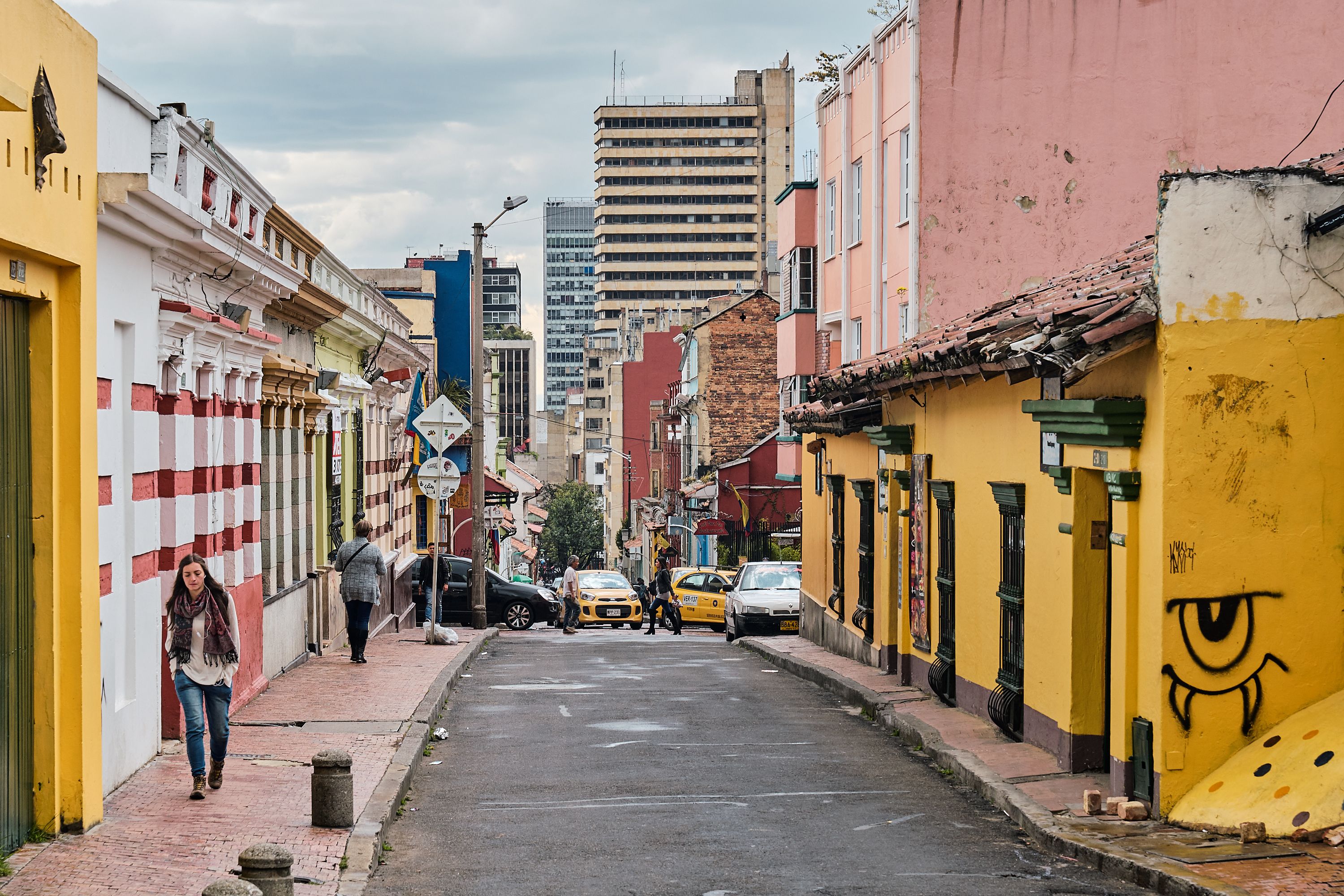
The Colombian capital’s art scene is turning inwards with a growing focus on homegrown artistic talent. This is not a weakness but a strength, as the latest editions of ARTBO and Bogota’s art biennial BOG25 reflect. Save to My OculaIn Bogota—a city peppered with Yaruma Blanco trees, peddlers selling feijoa fruits, and signature red-brick buildings—the art world is trying to find its footing. BOG25, or the International Biennial of Art and City, which opened last weekend and runs until 9 November, is hoping to introduce the wider public to art appreciation by making work more easily accessible in a country where little room is given to local artists, though there is no lack of them. The biennial is extending its reach where it can—even advertising on disposable placemats at Crepes and Waffles, a popular chain eatery.
Elsewhere, ARTBO International Art Fair of Bogotá (25–28 September 2025) began its twenty-first edition for a slightly more exclusive audience. (The entrance fee is about 6 USD, down from about 12 USD last year, and the fair is trying to eliminate an entrance fee altogether for the 2026 edition.) The fair was created in 2004 by Bogota’s Chamber of Commerce, which still underwrites it.
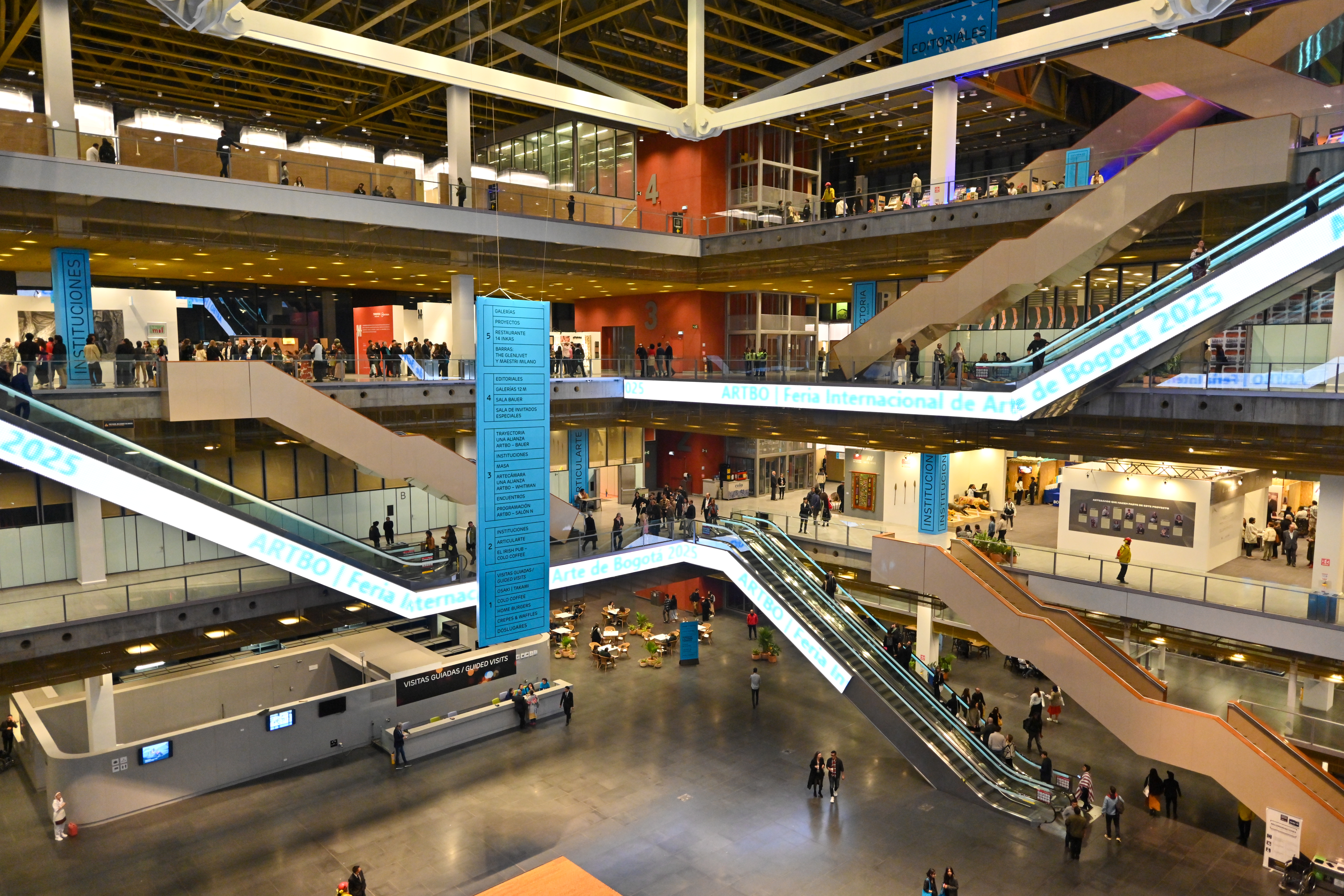
Today it is held in the convention centre Ágora Bogotá, where it began its opening day with more of a quiet purr than a teeming buzz. The sleek if impersonal building—each end offering impressive views onto the city, including cloud-topped mountains to the east—hosts 46 galleries on the fifth floor under high ceilings in the Galerías section, as well as an emerging gallery conglomeration on the fourth floor.
ARTBO is overseen by new programme director Jaime Martínez. Although the role is new, he’s been present at the fair for a decade, beginning as a gallery assistant attending the fair in 2015, and continuing to attend while working in galleries until 2019, when he opened his own, which he then shuttered in 2023.
Martínez’s approach towards the fair as programme director is not to disrupt: ‘It’s always building on what was built, not starting from scratch. It’s just trying to improve or do things better.’
He explains that he wants to ‘challenge the idea of an international art fair in the idea of bringing more international galleries . . . International is not only about foreign galleries from abroad. International is also about bringing curators that can come to ARTBO to see local artists and to see local galleries.’
On the ground, he situates the Colombian art scene in grassroots creativity: ‘We may be growing in terms of collectors, institutions, private institutions, the things that create a market. But we are not lacking in terms of quality of artists.’
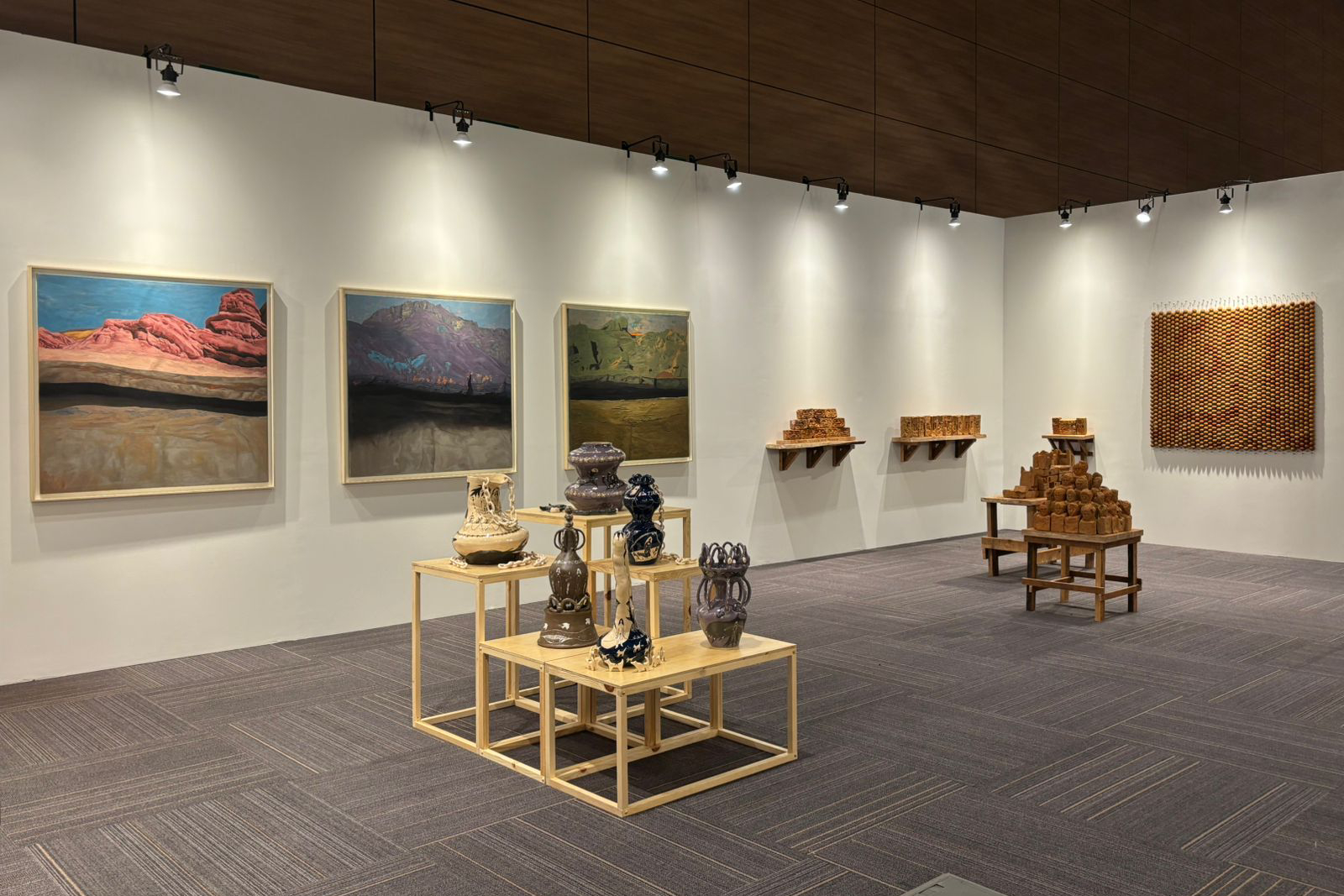
In the Galerías section, SGR Galería—a Colombian gallery founded in 2014—has participated in every edition of ARTBO since 2018. Before 2020, the fair was held in an even bigger convention centre across the street, and was more international; thereafter, according to SGR director Steven Guberek, the fair became ‘much more local, much more focused on Latin America . . . It became more like a boutique fair, and it got much more sophisticated in terms of the art that’s being shown and the galleries coming.’
At this year’s edition, SGR is exhibiting solely Colombian artists, with one Argentinian exception (Luciano Denver), spanning from emerging to mid-career, and with an emphasis on storytelling over conceptual art.
One of the youngest and most recent additions to the gallery is Laura Serna, whose glazed vases adorned with ceramic chains (ranging from 1000 to 3000 USD) are a highlight, emphasising a vision of womanhood underpinned by an unbridled wildness. Two artists on the stand, Johan Samboni and Javier Morales Casas, also have work at BOG25, while Colectivo Mangle not only features on the stand but also in the foyer at the entrance to ARTBO, with Estamos acá (2025), an installation of some 40,000 adobe-style orbs.
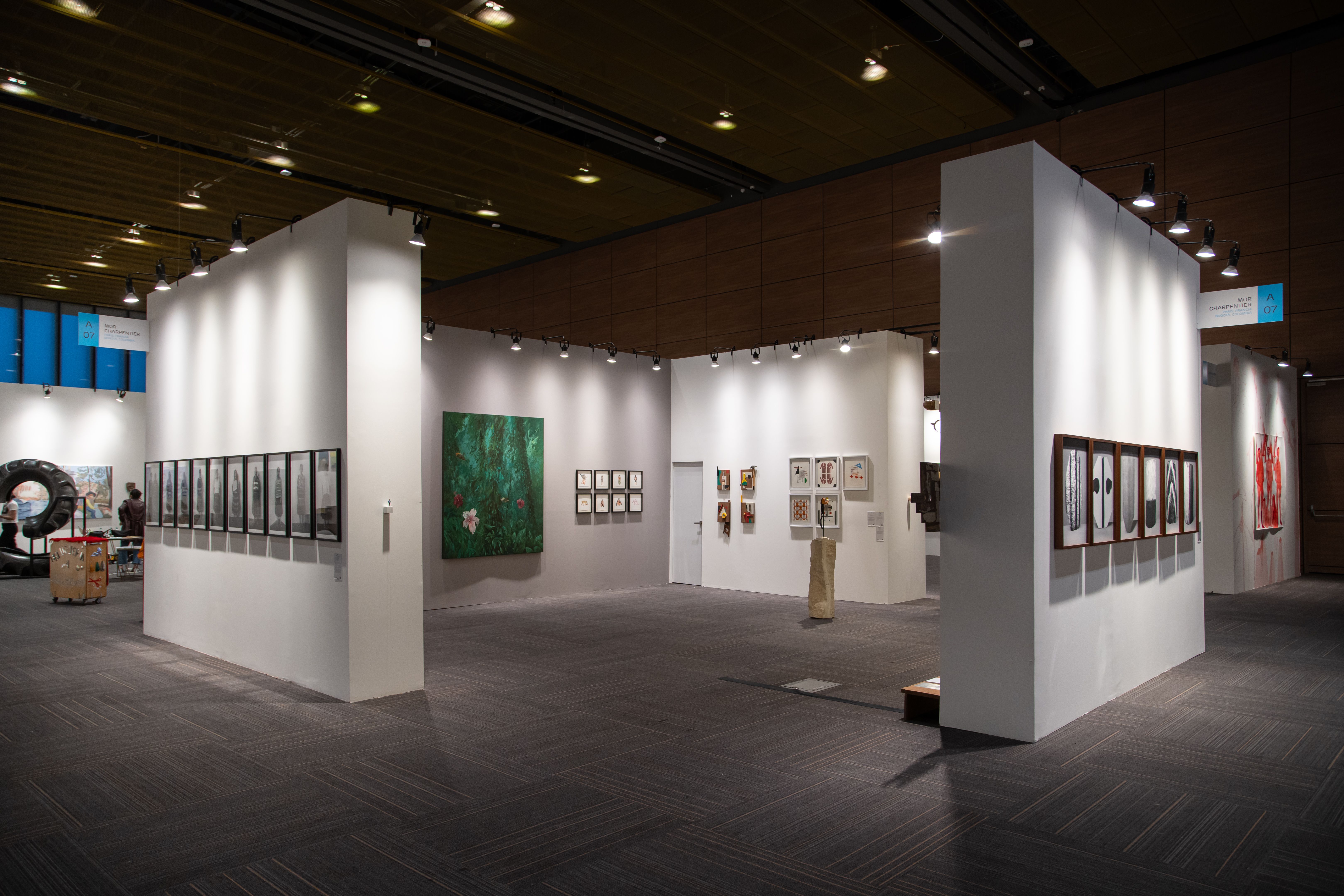
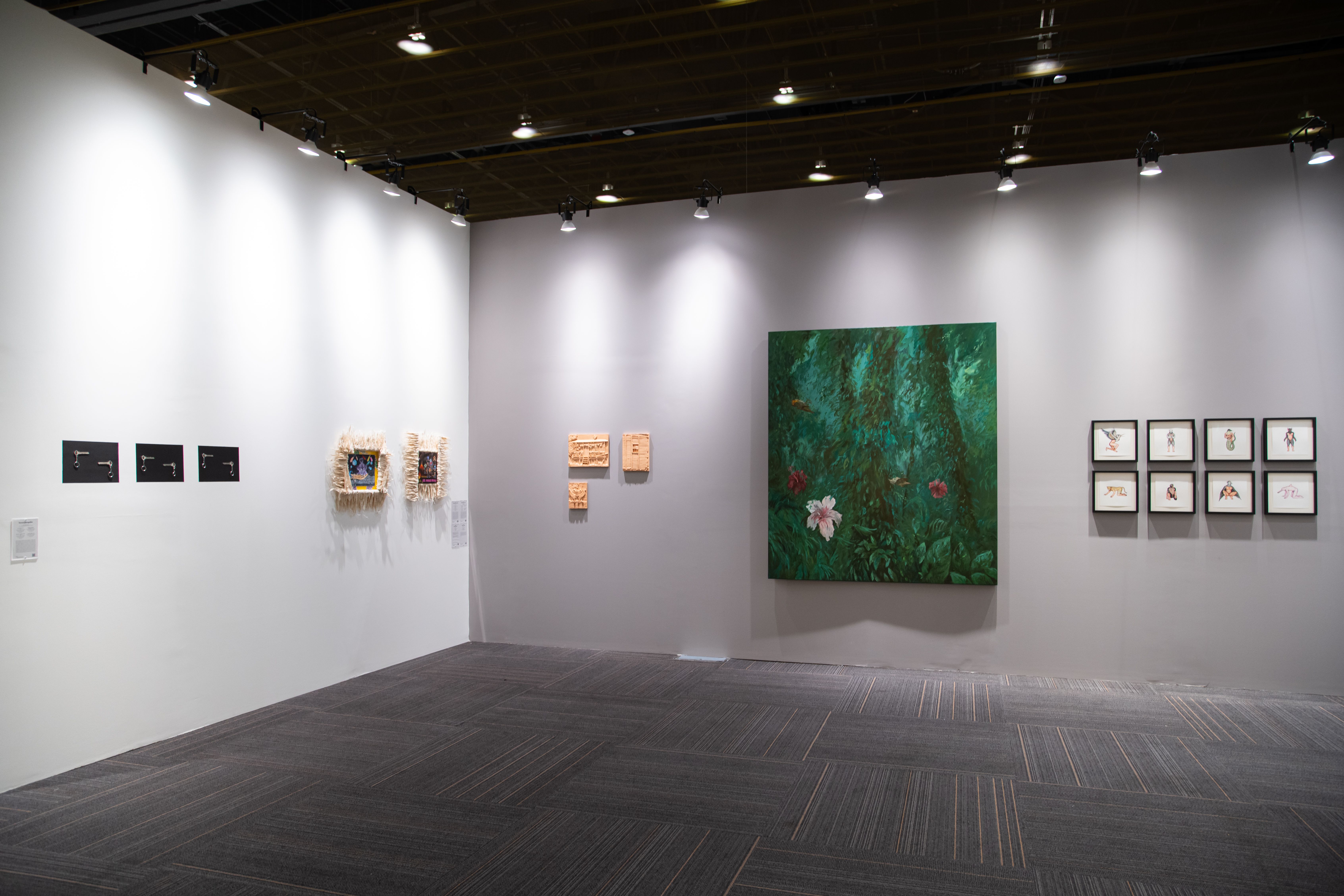
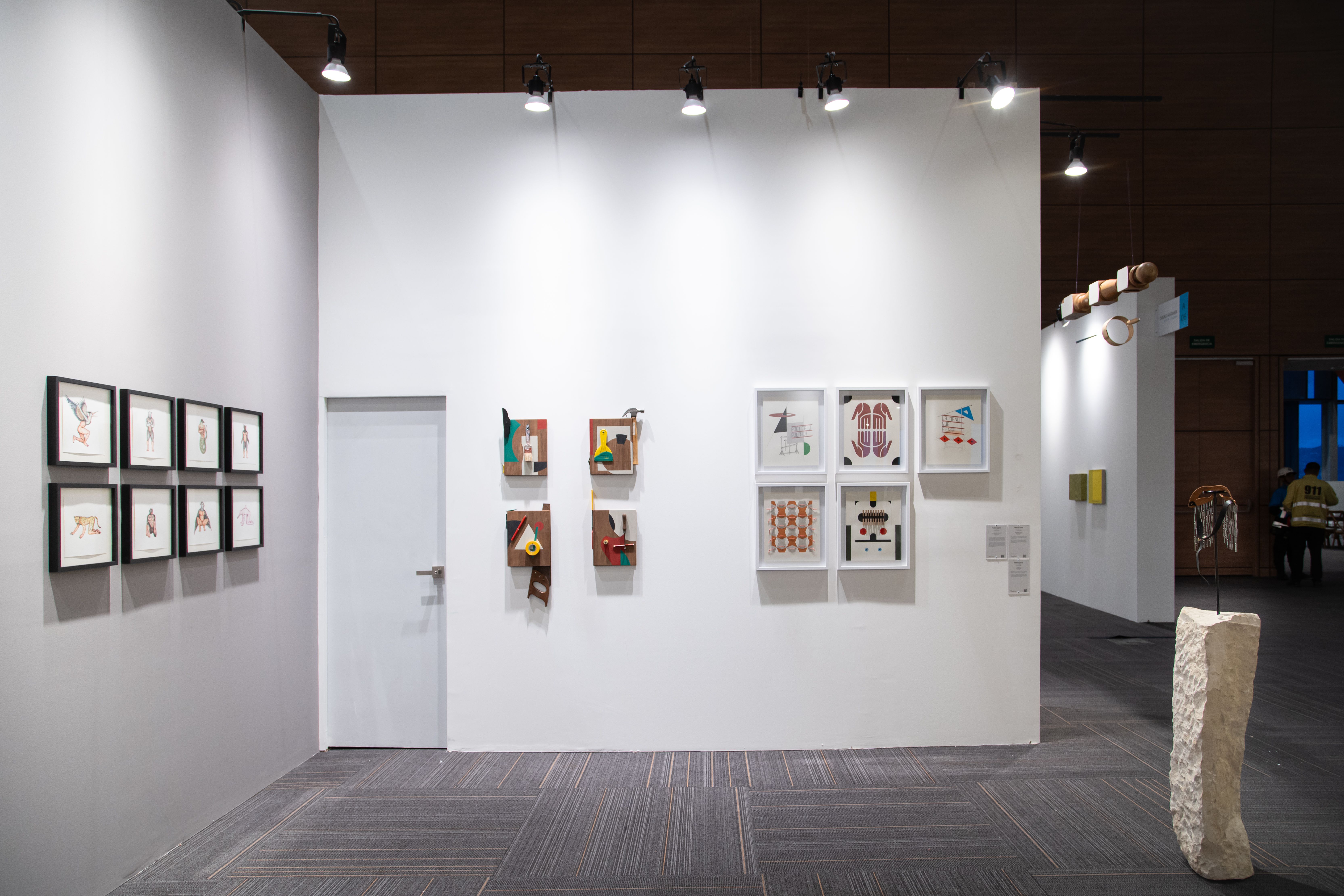
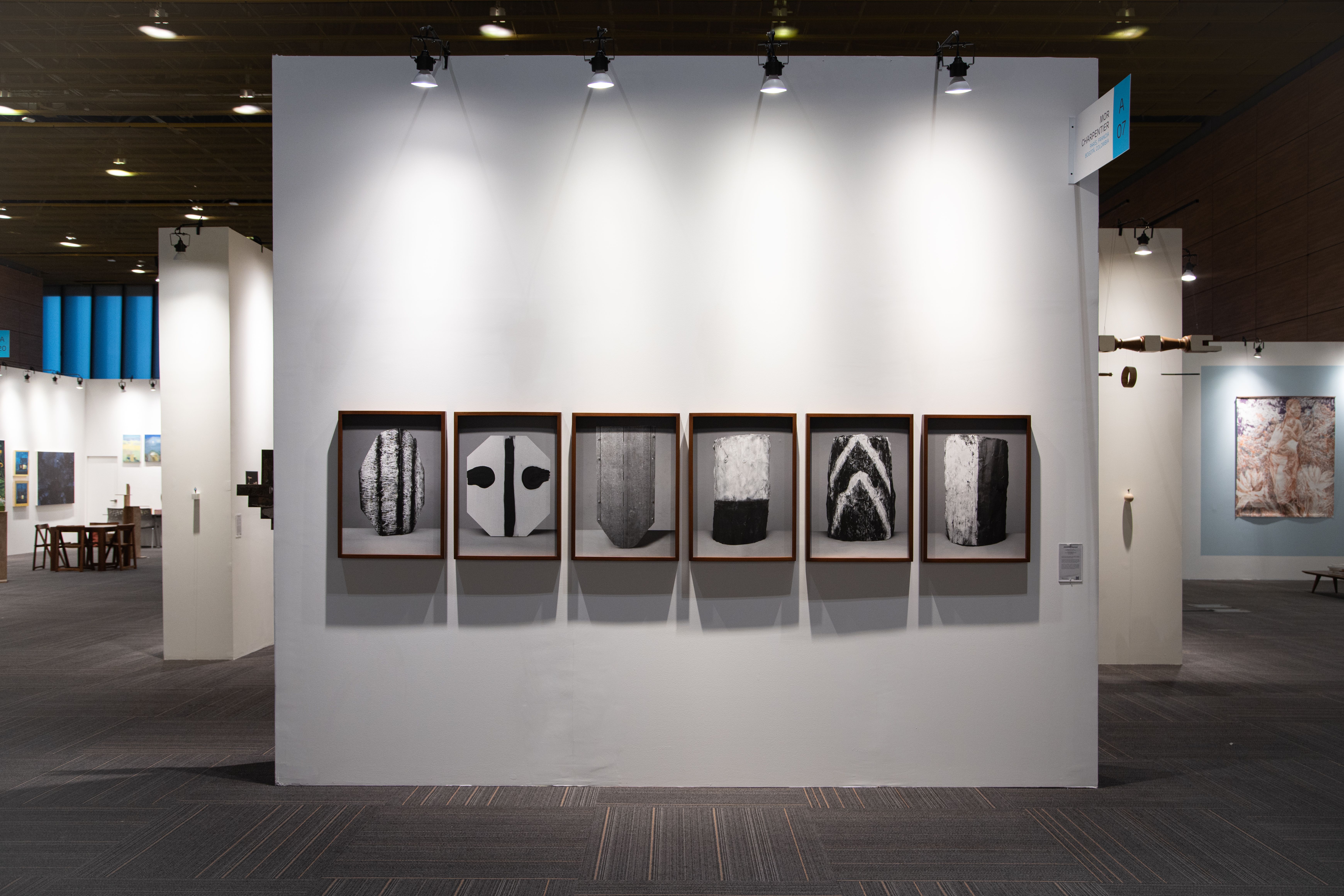
Mor Charpentier participates for the twelfth time this year. Founding director Alex Mor echoes Guberek in noting that the fair has become more regional relative to its previous international reach. He feels that a new generation of collectors is cultivating an interest in the art world and that ‘they’re more curious’, adding that, in Colombia, ‘You have a different perception of what art means here because it’s for a younger audience.’
From the gallery’s Paris headquarters, they import artists who have never been shown in Latin America. However, the booth is a Latin American artist showcase. ‘You have Teresa Margolles and Guadalupe Maravilla, who have major shows internationally,’ Mor points out, ‘but very little presence in Latin America.’ The prices go from 5000 USD (emerging Colombian artist Nicolás Paris) to 65,000 USD (the more seasoned Oscar Muñoz, who has a show at Museo de Arte Moderno de Bogotá, or MAMBO, ending on 5 October).
There is also a Special Projects (Proyectos) subsection, The Weave of the Future: Contemporary Practices in Textile Art, hosted in two corners outside the Galerías. Instituto de Visión has a solo Special Project booth (in addition to one in Galerías) dedicated to Maria Guzmán Cabron, an artist who has worked with textiles for 20 years, repurposing scraps of mass-produced fabrics that she then hand-dyes and sews. Her interest here is in exploring non-binary identity: ‘more than femme, more than male, maybe not even of this world . . . they act as flags as a possibility of what’s out there,’ Cabron says of her figures (priced between 12,500 and 19,500 USD).
As for whether the fair has become more local than international, Instituto de Visión’s Ana Balaguera remarks: ‘It’s become a little bit like that, but I also think it’s a trend around the world, not just in Colombia. Because the gallery is also in New York and we have noticed this at Armory and other fairs—that the public is becoming less diverse. It has to do with political currents.’ —[O]
ARTBO International Art Fair of Bogotá is on view at Ágora Bogotá: Centro de Convenciones from 25 to 28 September 2025. BOG25, or the International Biennial of Art and City, runs from 20 September to 9 November 2025.
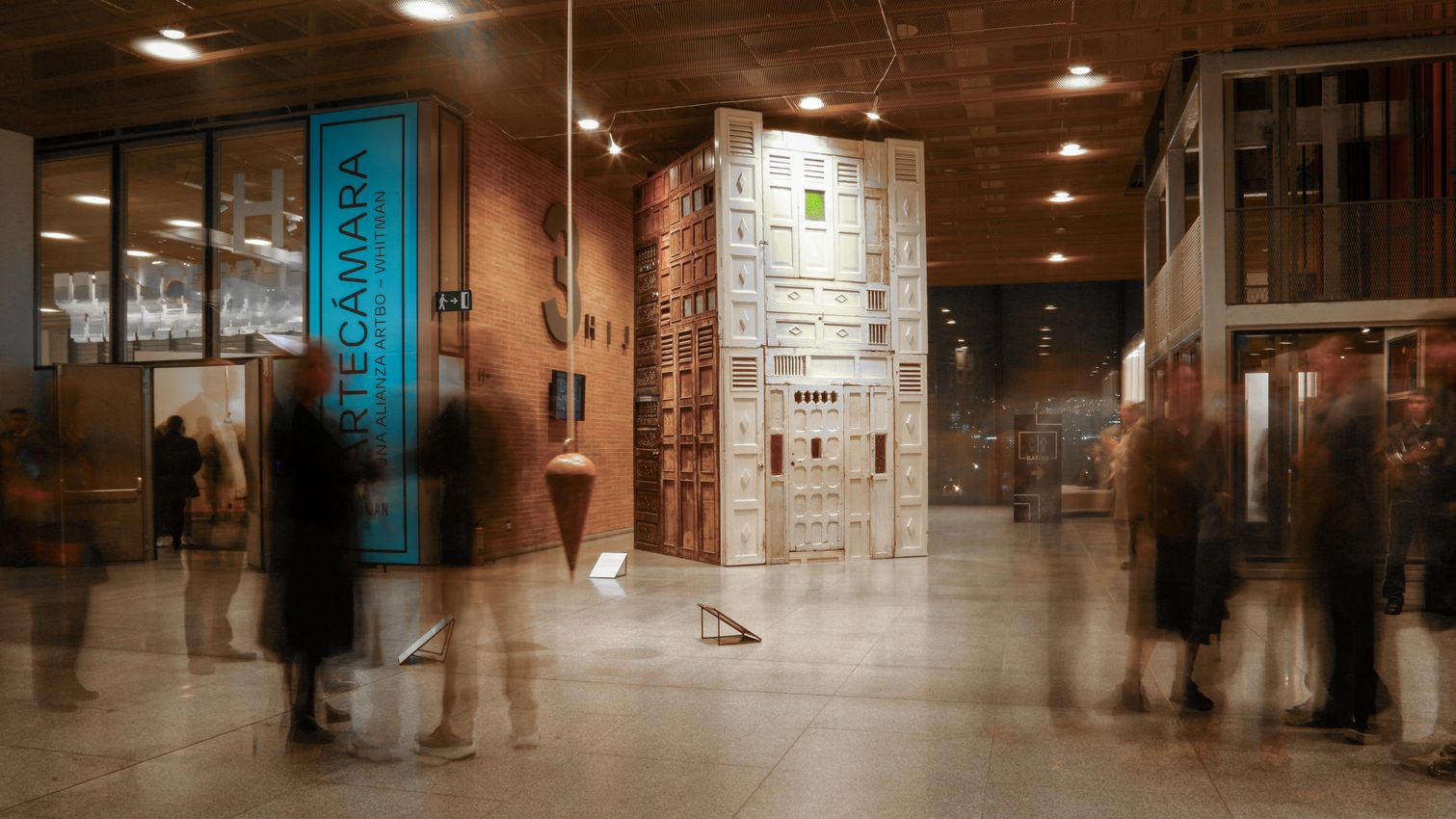
Main image: ARTBO International Art Fair of Bogotá (25–28 September 2025). Courtesy ARTBO.
A respected voice in contemporary art discourse.
Focusing on ambitious storytelling and insightful art-world commentary. Ocula Magazine publishes in-depth interviews, critical essays and timely analysis on the artists, exhibitions and ideas driving the global art world.
Learn more about Ocula Magazine
Showcasing the best of the art world.
Ocula partners with galleries from around the world to highlight their artists, artworks and exhibitions. Gallery membership is by application and invitation, with each member vetted by an independent panel.
Learn more about Ocula Membership
Specialises in the sale of major artworks.
Led by a team with deep ties to the world’s leading auction houses, galleries and collectors. Ocula’s advisory team offers bespoke services to high-net-worth clients from around the world who are looking to acquire the best of contemporary and modern art.
Learn more about our team and services