





David Hockney, British Painter Whose Work Transformed 20th-Century Art, Dies at 88

David Hockney, 1969. © David Hockney.

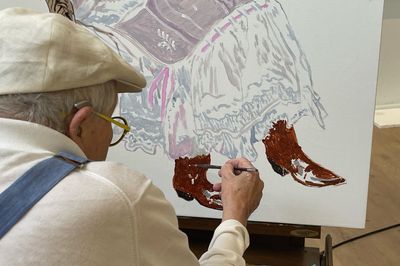
David Hockney, the renowned British painter whose work transformed 20th-century art, died peacefully at home yesterday at the age of 88, one month short of his 89th birthday, his publicist confirmed.
A statement said: “David Hockney’s enduring legacy reflects his underlying enthusiasm for life, his outstanding sense of humour, his immense generosity, and his investigative curiosity encapsulated by his signature phrase: love life.”
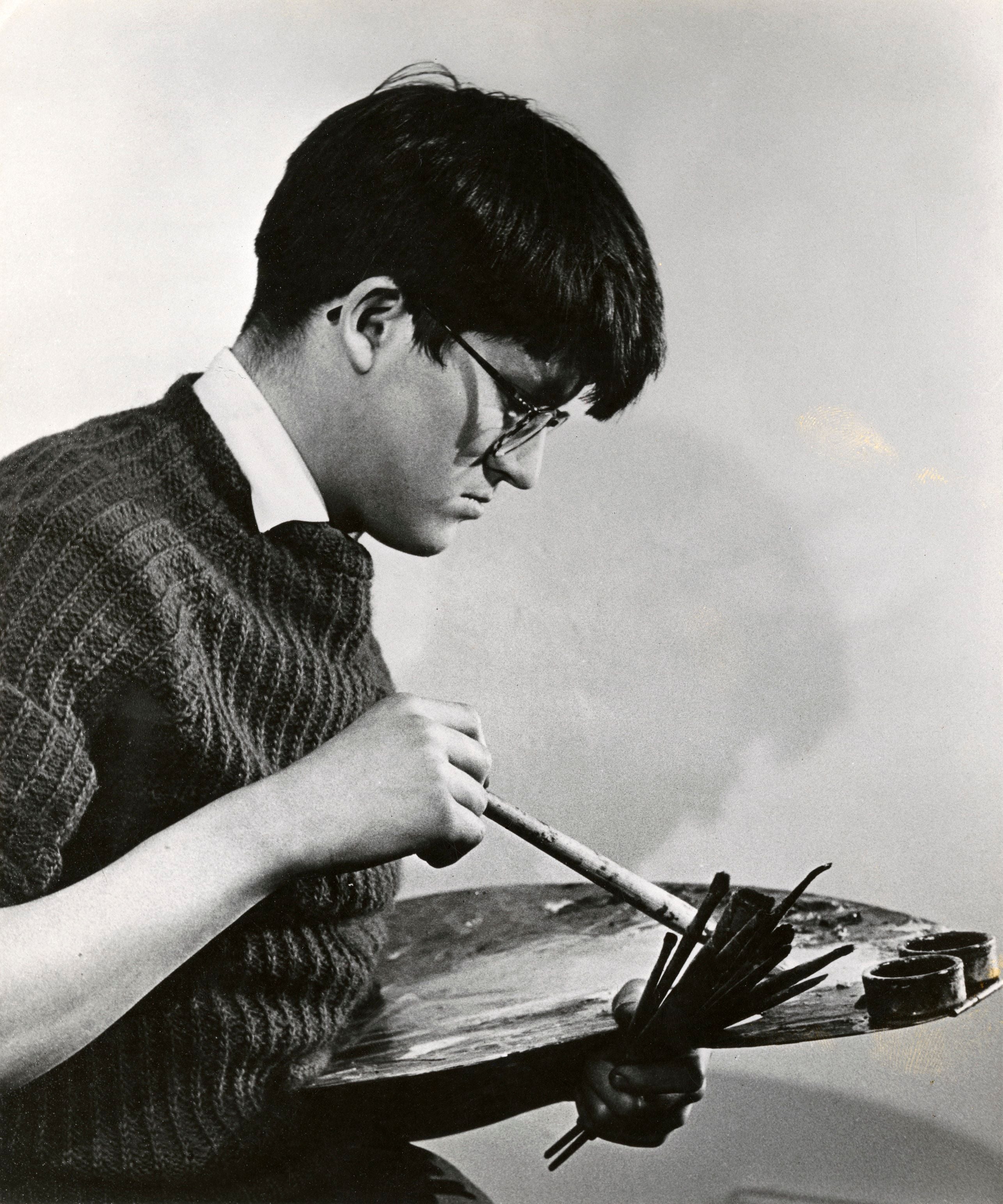
Hockney was born in Bradford, West Yorkshire, in July 1937, and began his formal training at the city’s school of art in 1953. Between 1959 and 1962 he studied at London’s Royal College of Art (RCA), graduating with Gold Medal distinction.
However, even before leaving the RCA, the young artist had already begun to display both the talent and defiant attitude that would come to define his work. He rejected several of the college’s academic structures and, at a time when homosexuality remained illegal in the UK, began creating works that explored gay life.
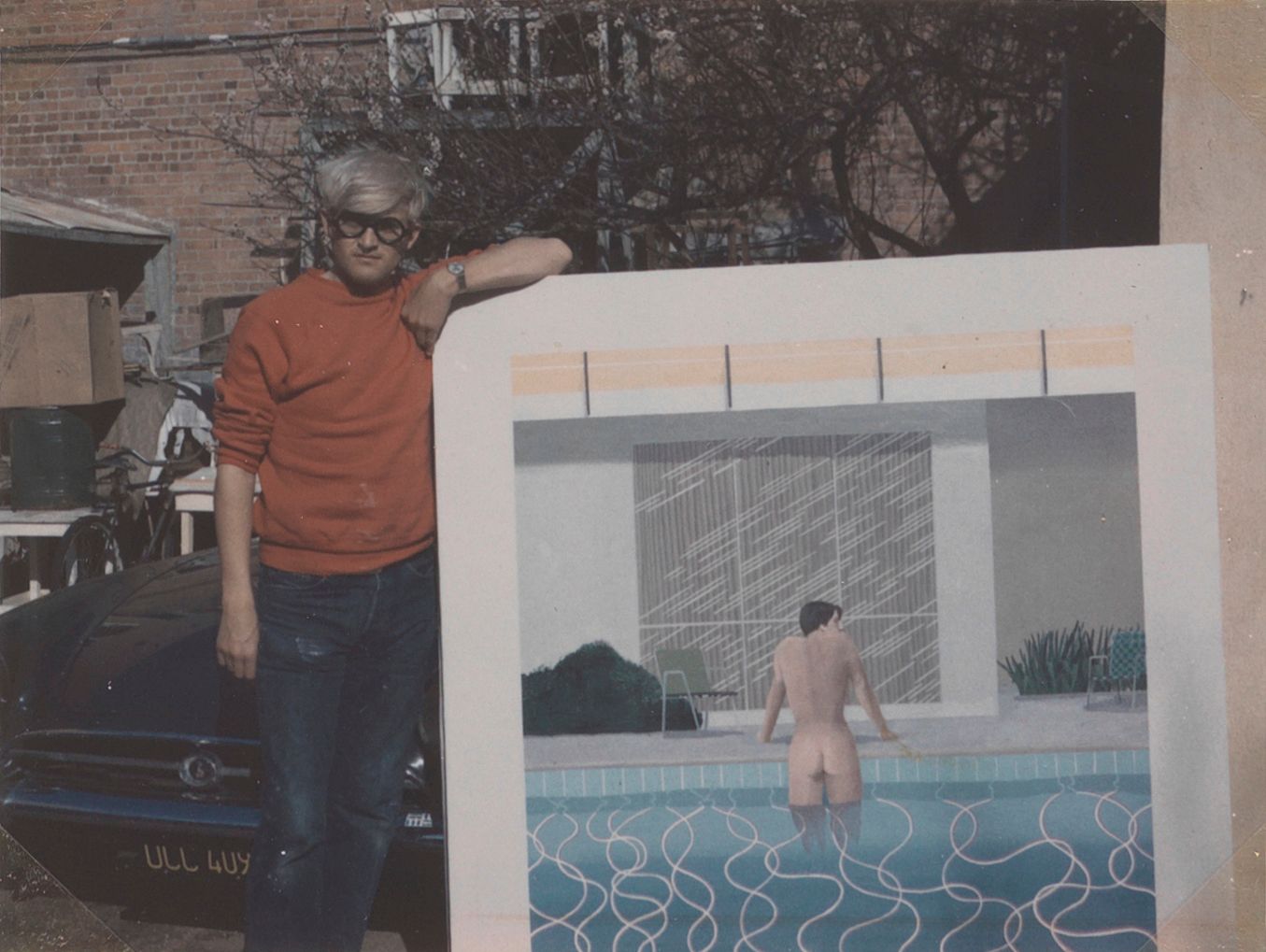
Two years after completing his studies, Hockney moved from London to Los Angeles, where he pivoted from early experiments with abstract expressionism to figuration and linear mark making, approaches that were unfashionable at the time. It was during this period that a key motif entered his work: the swimming pool. In 1966 he painted the canonical The Splash and, the following year, he finished A Bigger Splash.
In his 1976 book, Hockney by Hockney, the artist wrote of the works: “I love the idea, first of all, of painting like Leonardo, all his studies of water, swirling things. And I loved the idea of painting this thing that lasts for two seconds; it takes me two weeks to paint this event that lasts for two seconds.
“Everyone knows a splash can’t be frozen in time, so when you see it like that in a painting it’s even more striking than in a photograph.”
Representing themes of intimacy and the wealth and luxury of southern California, the swimming pool continued to appear throughout the late 1960s and early 1970s, most notably in 1972’s Portrait of an Artist (Pool with Two Figures). The work sold at Sotheby’s in New York City in 2018 for $90.3 million USD with fees, making him the highest-priced living artist at the time.
In Portrait of an Artist (Pool with Two Figures), Hockney embraced photography as an important preparatory tool, although later came to feel that this approach was too reliant on photorealism. However, during the 1980s he began experimenting with photography in other ways, including his photographic collages, which employed a Cubist language to create two-dimensional images.
From the late 1990s until the early 2000s, Hockney devoted a significant part of his practice to investigating the techniques and working methods of Western artists from the 15th century onwards, with particular attention to their use of optical devices. And, in the years that followed, he continued to embrace both new techniques and devices of his own.
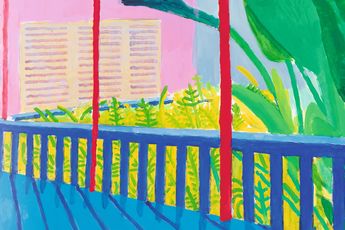
In the early 2000s, the artist’s return to Yorkshire prompted a renewed engagement with the landscapes of his native country, and the introduction of watercolours and multi-canvas oil-paintings to his oeuvre. Then, from 2007, the iPhone and the iPad become central to his practice, eventually leading to the Bayeux Tapestry-inspired iPad-created panoramic frieze A Year In Normandie (2020–2021), which is currently on display at London’s Serpentine Galleries.
In announcing this exhibition, A Year in Normandie and Some Other Thoughts about Painting, Hockney said: “I have always believed that art should be a deep pleasure... There is always, everywhere, an enormous amount of suffering, but I believe that my duty as an artist is to overcome and alleviate the sterility of despair.
“…New ways of seeing mean new ways of feeling... I do believe that painting can change the world.”
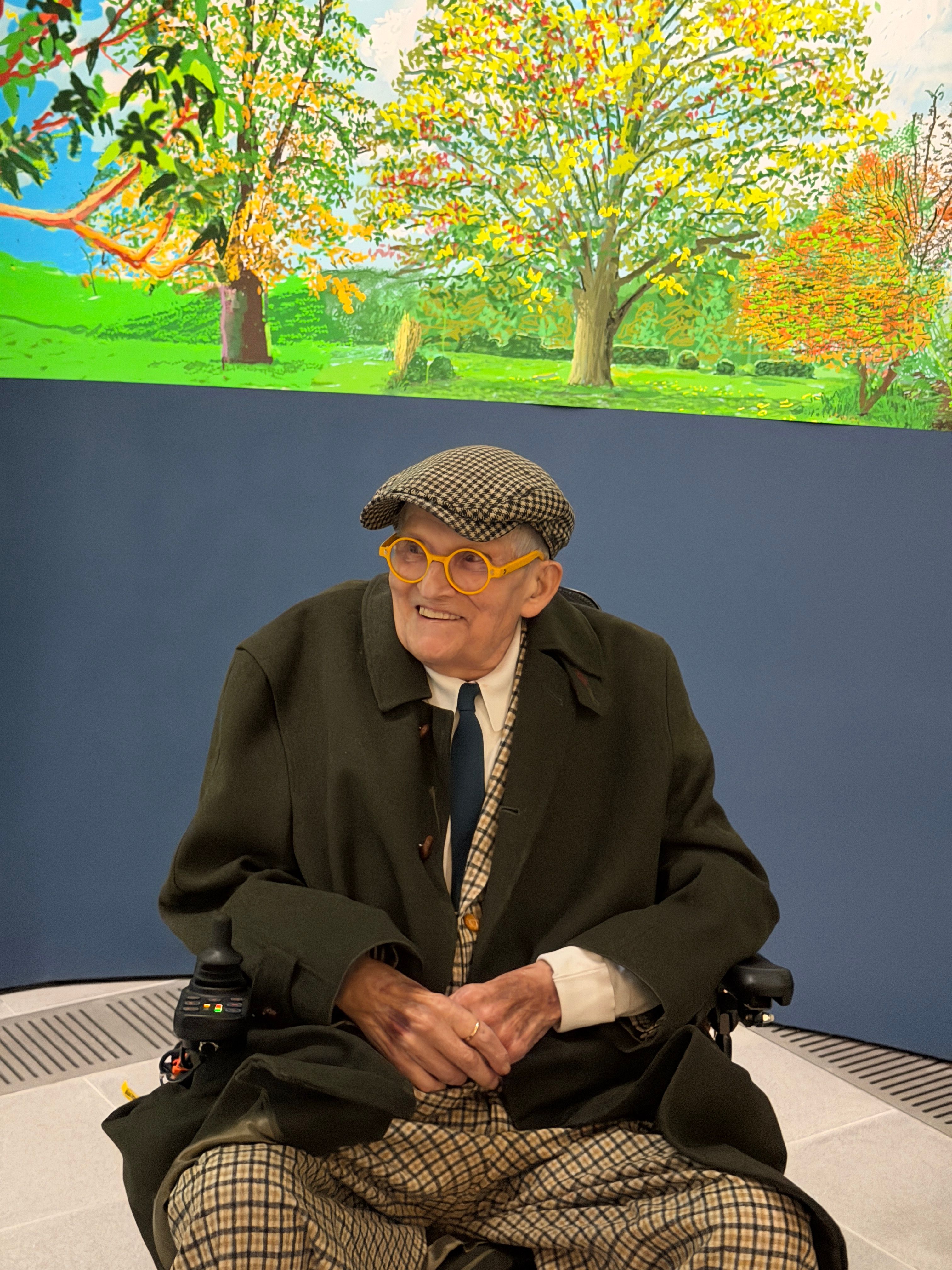
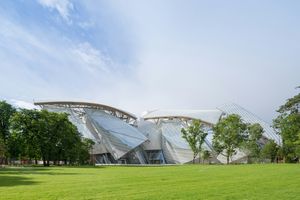
After stints in both Los Angeles and Normandy, Hockney returned to London in 2023, where his legacy was celebrated by major international shows, including the 360-degree immersive projection film Bigger & Closer (not smaller & further away) at London’s Lightroom (2023), which continues to travel worldwide. This was followed last year by the monumental David Hockney 25 at the Fondation Louis Vuitton in Paris. Future exhibitions at Tate, London and the Munch Museum, Oslo, among others, are in development.
Alongside his art, Hockney often made headlines for his outspoken views. In a 2015 interview with the Guardian, he lamented the death of Bohemia. He said: “Bohemia was against the suburbs, and now the suburbs have taken over. I mean, the anti-smoking thing is all anti-Bohemia. Bohemia is gone now.”
The artist was well-known for his commitment to smoking and dislike of what he termed health “bossiness”. With characteristic defiance, a statement announcing his death confirmed he “smoked up to the end”.
He is survived by his long-time partner and companion Jean-Pierre Gonçalves de Lima, his great-nephew Richard, who acted as his studio assistant in recent years, his brothers Philip and John, and “numerous nieces, nephews, great-nieces and great-nephews”.









A respected voice in contemporary art discourse.
Focusing on ambitious storytelling and insightful art-world commentary. Ocula Magazine publishes in-depth interviews, critical essays and timely analysis on the artists, exhibitions and ideas driving the global art world.
Learn more about Ocula Magazine
Showcasing the best of the art world.
Ocula partners with galleries from around the world to highlight their artists, artworks and exhibitions. Gallery membership is by application and invitation, with each member vetted by an independent panel.
Learn more about Ocula Membership
Specialises in the sale of major artworks.
Led by a team with deep ties to the world’s leading auction houses, galleries and collectors. Ocula’s advisory team offers bespoke services to high-net-worth clients from around the world who are looking to acquire the best of contemporary and modern art.
Learn more about our team and services