The art world in focus
Subscribe to our newsletter for news and insights on artists, galleries and exhibitions.

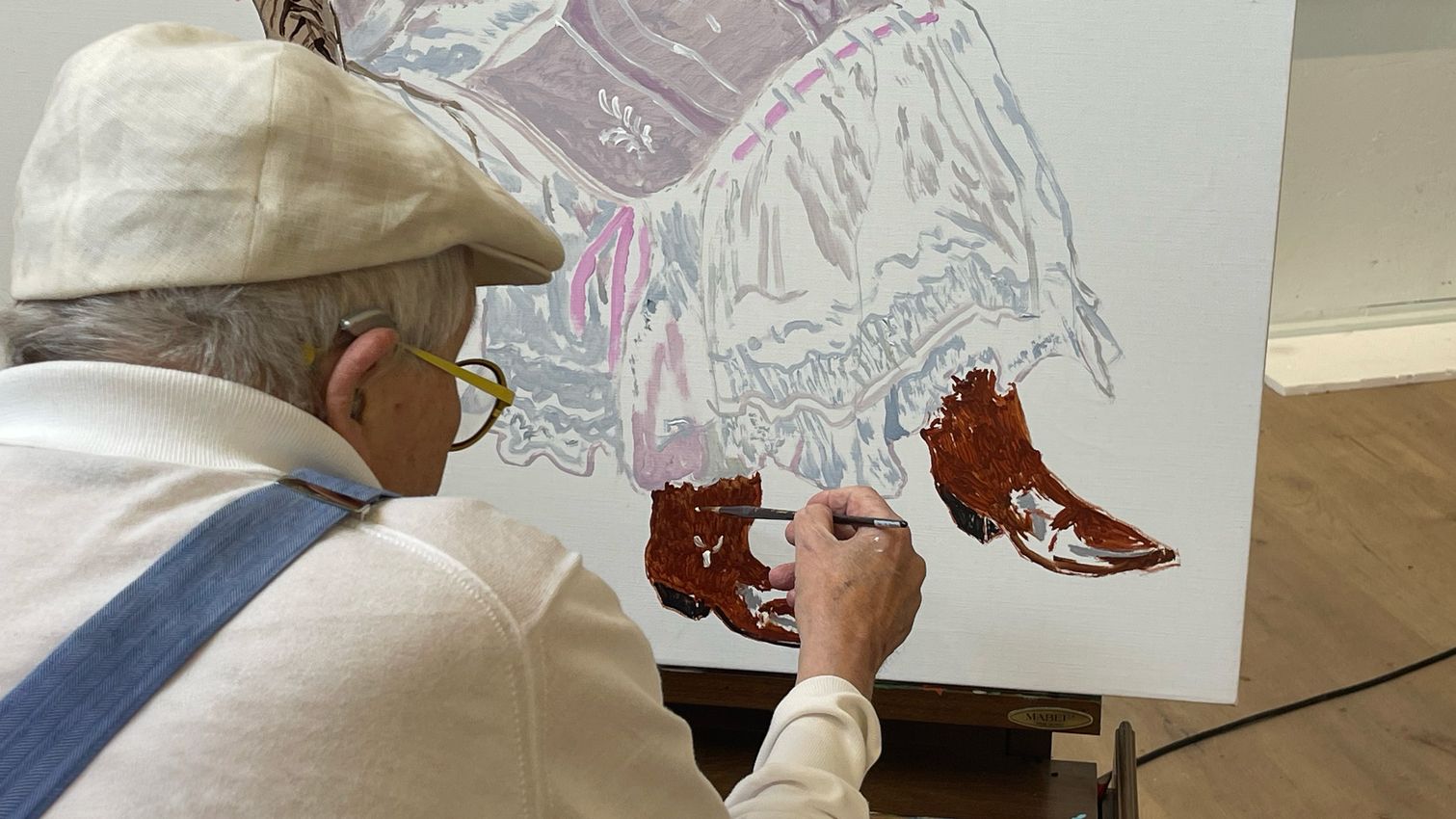
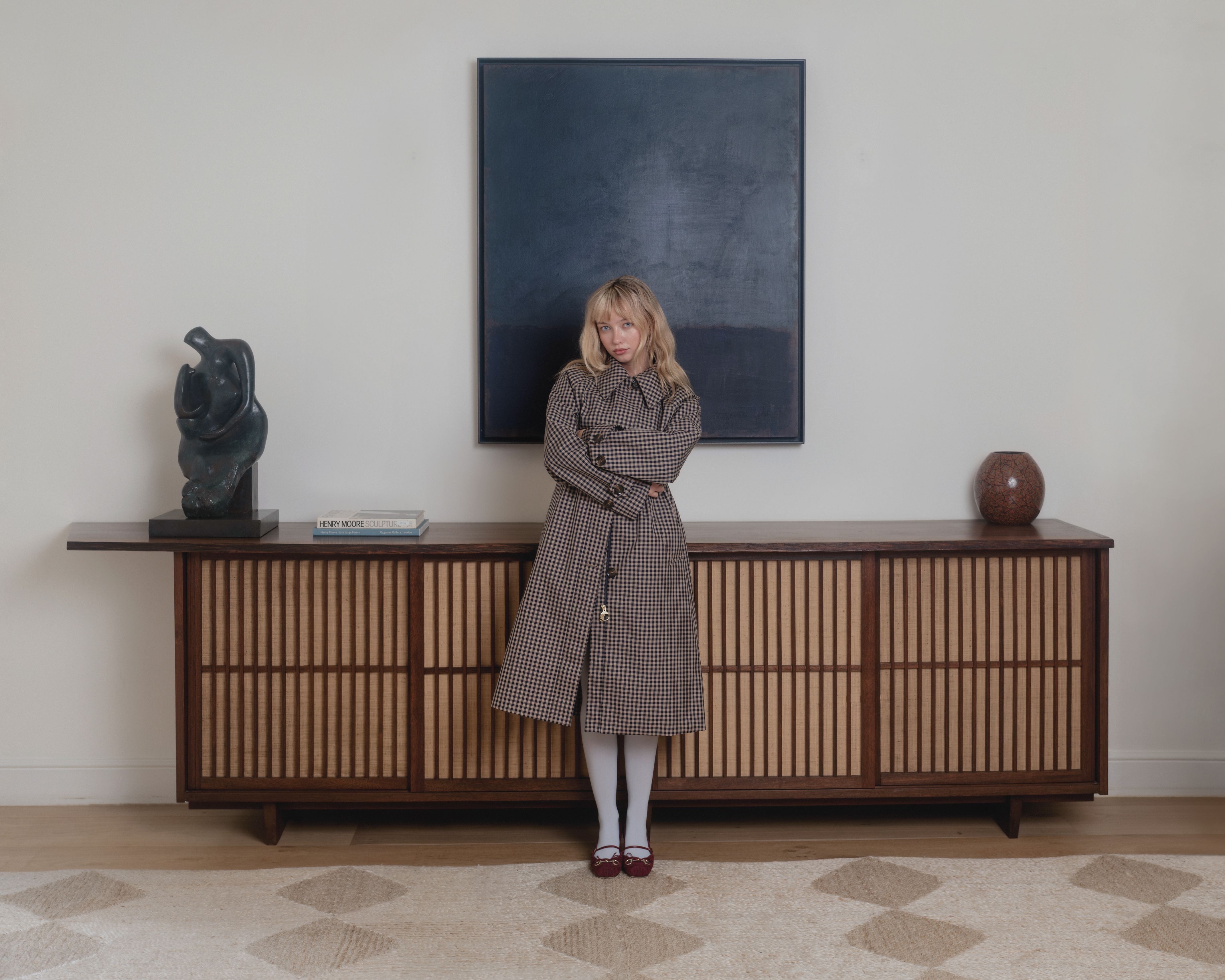
In person, Lola Clark is a far cry from the demure depictions in her portraits by David Hockney. Blonde hair, sharp blue eyes, bold lip liner, the 20-year-old British creative exudes girlish confidence and charm—built up, undoubtedly, with years of practice behind the lens, having gone viral on TikTok, amassing hundreds of thousands of followers at the age of just 15.
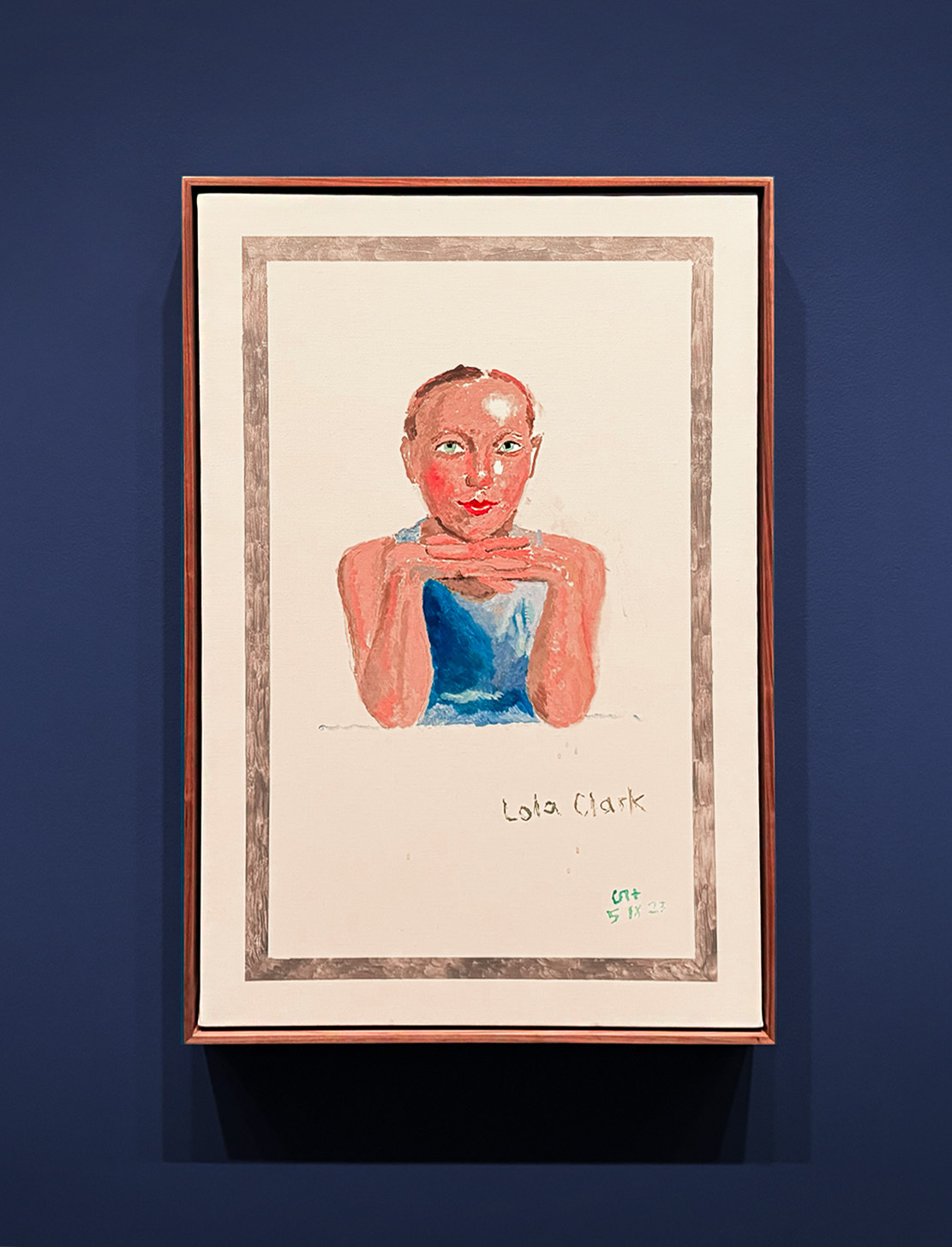
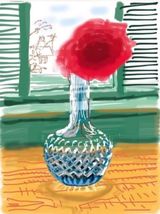
Clark, granddaughter of textile and fashion designers Celia Birtwell and Ossie Clark, was introduced to an outward gaze of a different kind in 2021 when Hockney, a longtime family friend, asked to paint her portrait (he would again, for the second time, two years later). The then-teenager wasn’t new to art. ‘I grew up with lots of portraits around me,’ Clark says. ‘I’d go into my grandma’s studio and she’d let us play with her paints.’ She also recalls being taught about Hockney while at school: ‘My teachers would be like, here’s [David Hockney’s 1967 painting] A Bigger Splash: recreate it.
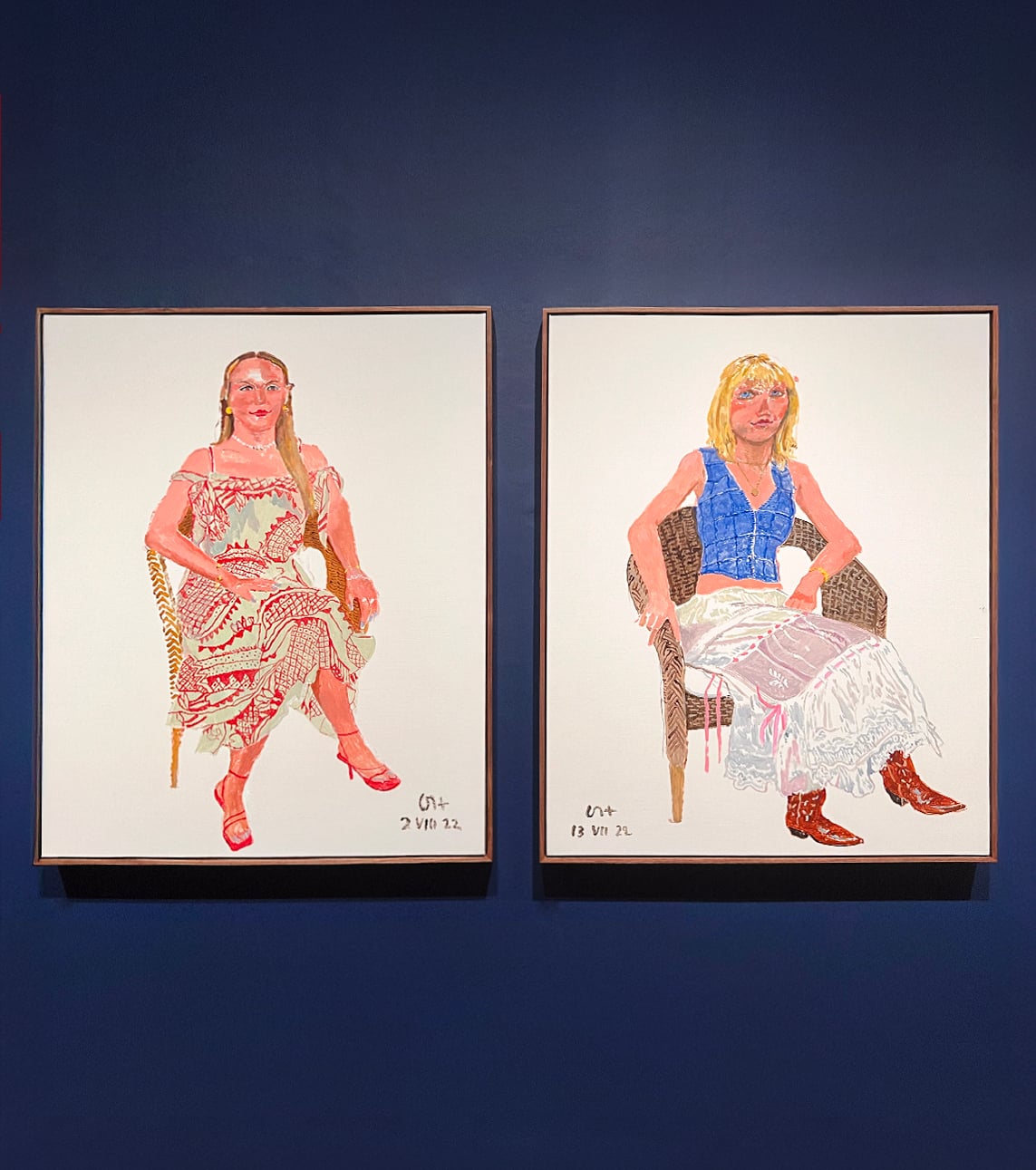
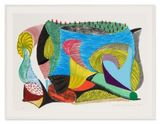
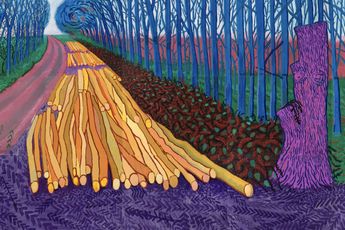
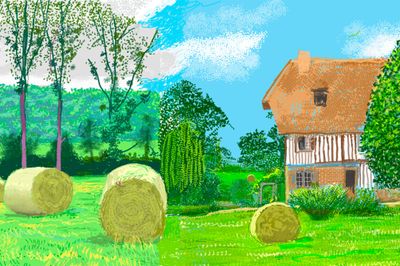
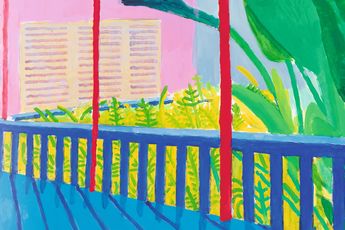
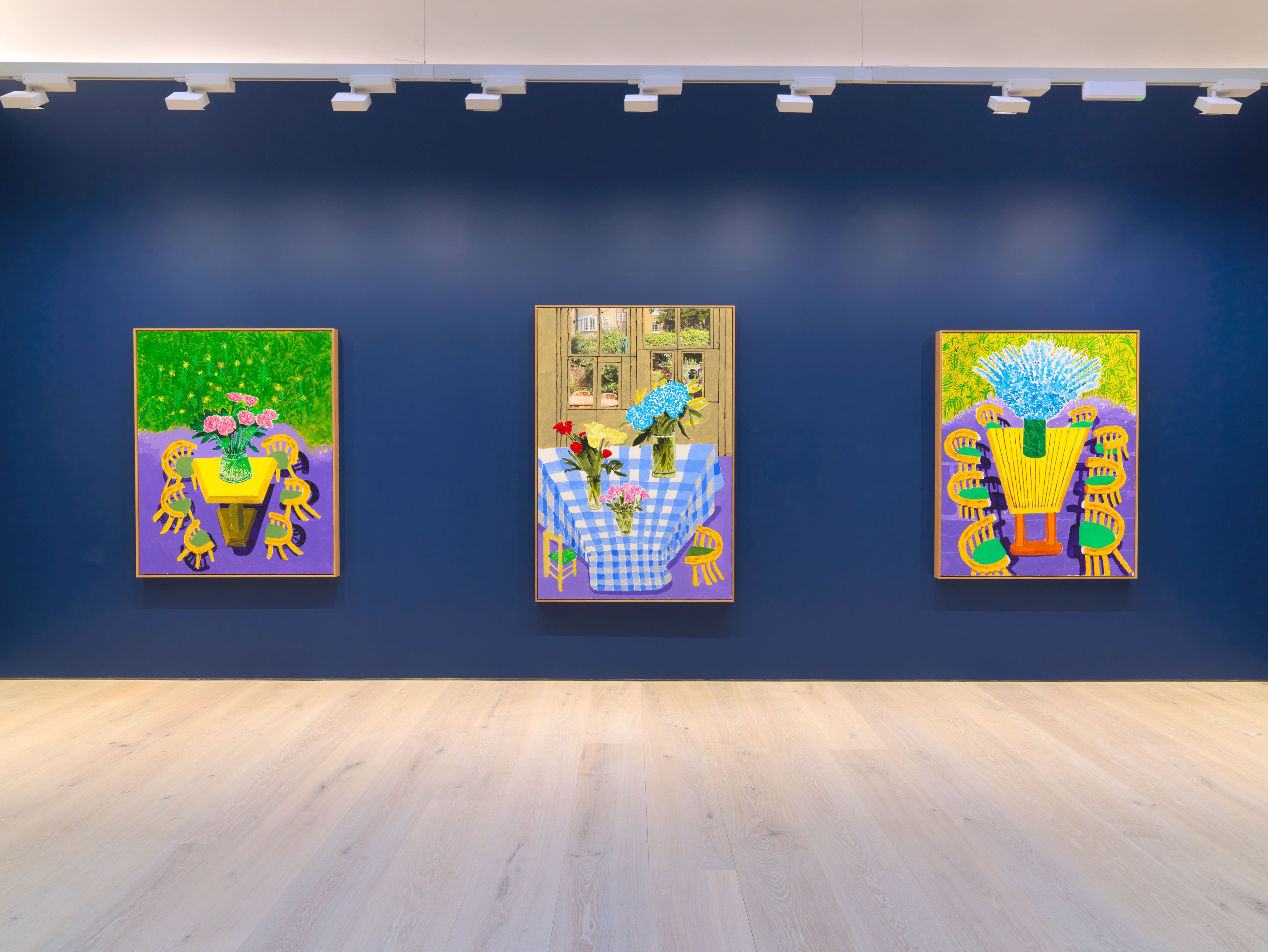
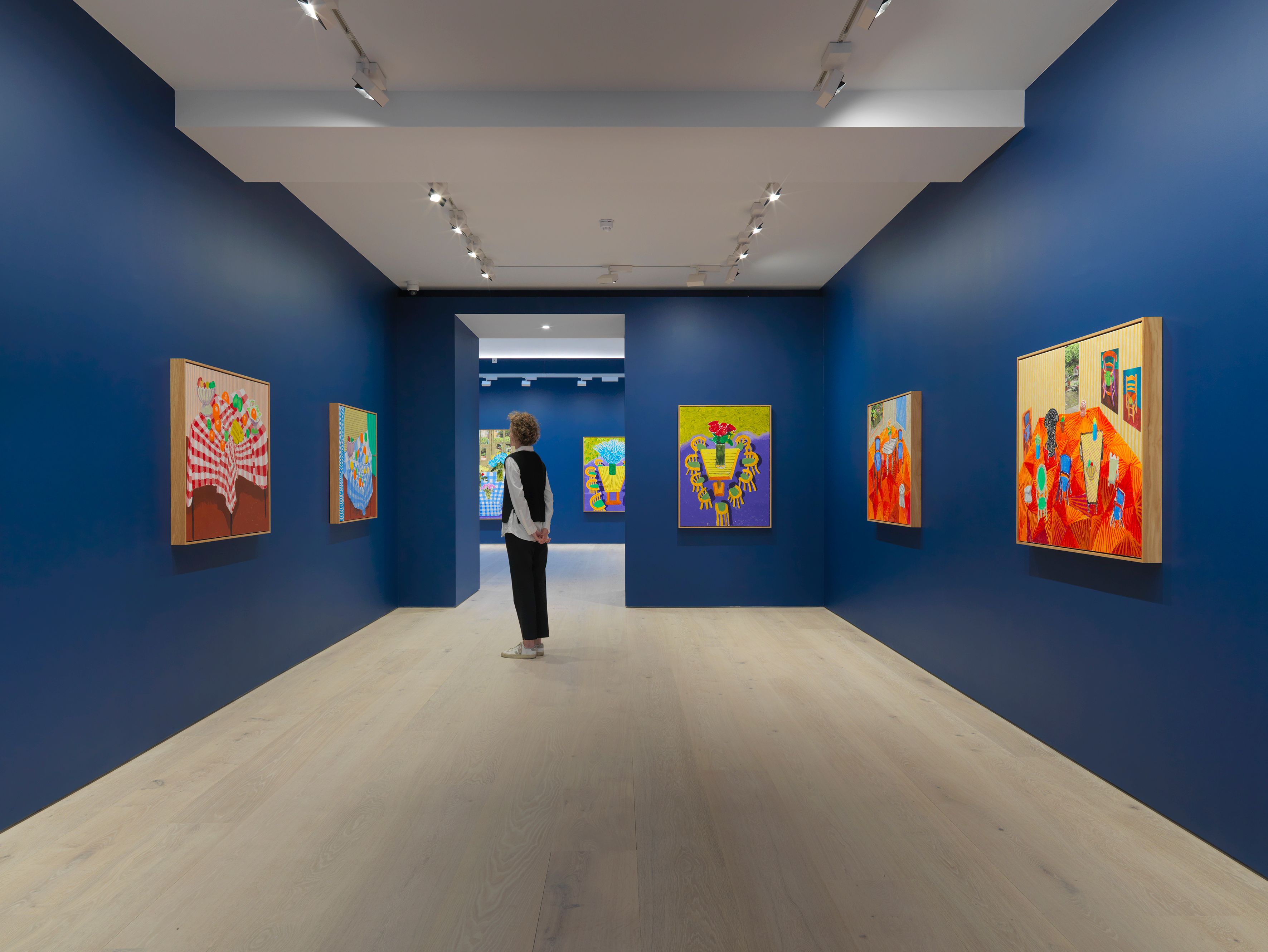
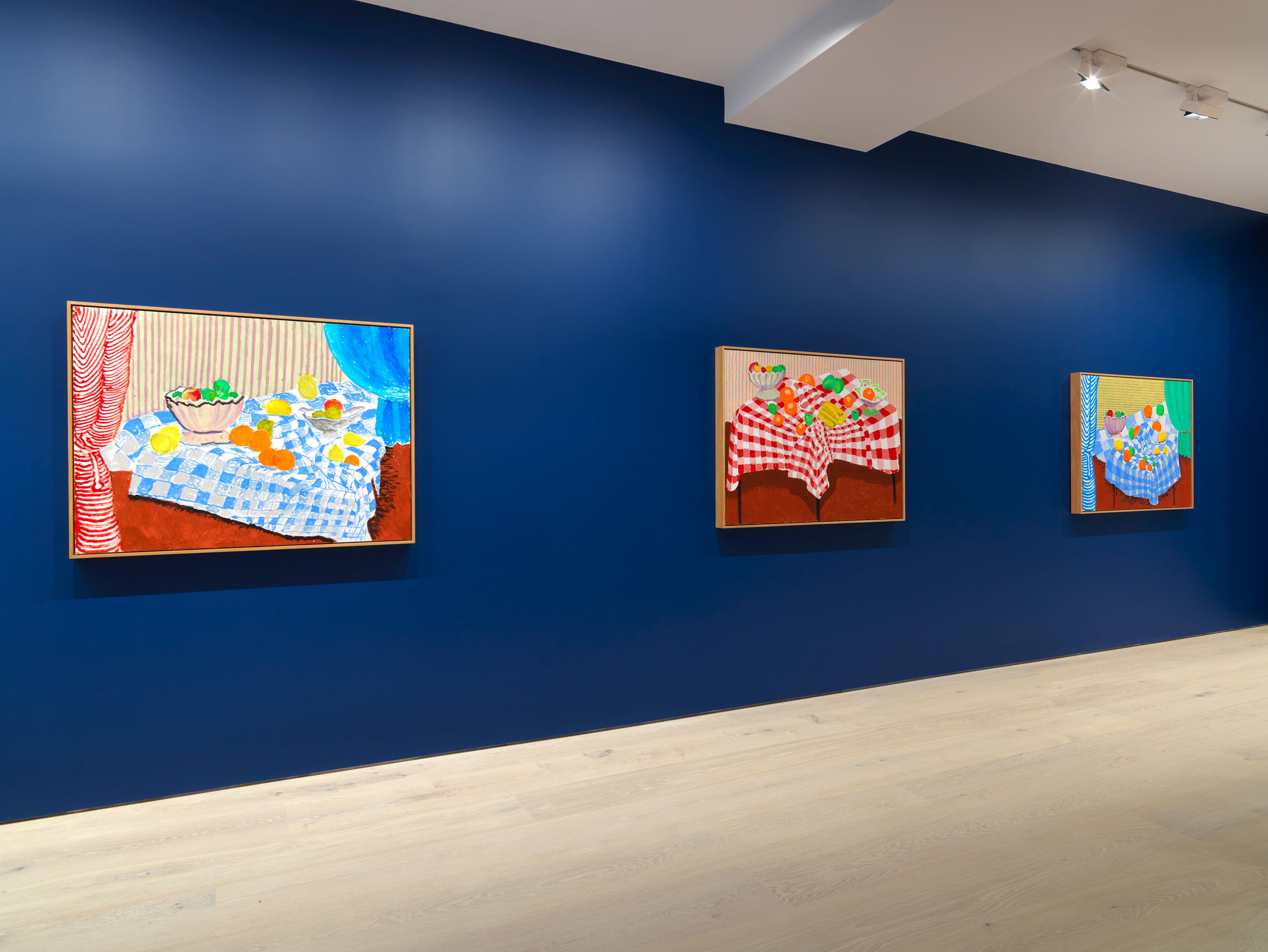
Hockney’s 2023 portrait of Clark featured in his recent major survey at Fondation Louis Vuitton in Paris, while in his latest exhibition at London’s Annely Juda Fine Art gallery—comically titled Some Very, Very, Very New Paintings Not Yet Shown in Paris—the contrasting absence of sitters becomes the focus, with paintings of vacant chairs, making reference to Vincent van Gogh, Paul Gauguin, and other historical figures from the art world.
Clark shares her thoughts with Ocula on portraiture, what it’s like to be painted by Hockney, and what it means to see a person for who they are.
LC: At 16, I was very anxious and really trying to perform for the painting, like [be conscious of] what I look like and sit there really specifically. But at 18, I realised he wanted to paint me how I actually look, not how I’m trying to look, and he’s trying to paint my personality. And so I just sat there, not worrying about what my face was doing. I was observing him more than I was observing myself. Both times I was very, very anxious, but it was an incredible experience.
LC: Seeing paintings of my dad and my grandma growing up, I could see their character in times that I wasn’t even alive for—I could see how David portrayed them. That’s something you can’t really capture in a picture. He paints people he knows and their personality. He’s immortalising someone’s character, capturing them as he knows them, not just how they look on the day. He paints people’s characteristics into their face—like a little smirk because you’re cheeky, or if you’re a little bit angry, he does a little narrow eyebrow. He captures people so well.
LC: I was quite flustered. I had my hair all slicked back and we’d just baked banana bread and we were taking it round. We walked through the door and he looked up and he goes, ‘You need to come around.’ I’ve always felt really self-conscious about my forehead. He made me realise that it’s quite special, people’s differences. My family always told me that it’s regal to have a big forehead. But to hear it from someone so wise, realising what you’ve been self-conscious about is something that makes you really beautiful, it’s quite special. He sees something beyond what anyone else can see.
LC: I hadn’t seen him because it was Covid for a while and I went to stay with him in Normandy. For the first day, he didn’t start painting. He wanted me to sit opposite him every time we were eating a meal, or went out anywhere. I’d have to sit opposite him—he wanted to analyse my every move and every habit I had, when I was eating. I’d catch him looking at me, and he wants to study everything, every expression you have. It’s all about perception, and it’s not just about ‘I’m gonna paint a picture of you’, it’s actually getting to know you.
The silence is what I remember. Everyone thinks there’s chatter and things, but he’s so focused. It’s like he’s looking into your soul. It’s quite intimidating, so you kind of stare back at him, because you don’t really know where to look. So I’m staring at him and he’s staring right back… so focused, like he’s really looking into your soul, and I can’t help but smirk. So occasionally he smirks, has a little giggle. Also a lot of cigarettes—he’s always chain-smoking away, which is very classic. It’s intimidating. He’s sat there, he’s really looking at you. He’s very funny—you can giggle with him, but he’s very focused on what he’s seeing.
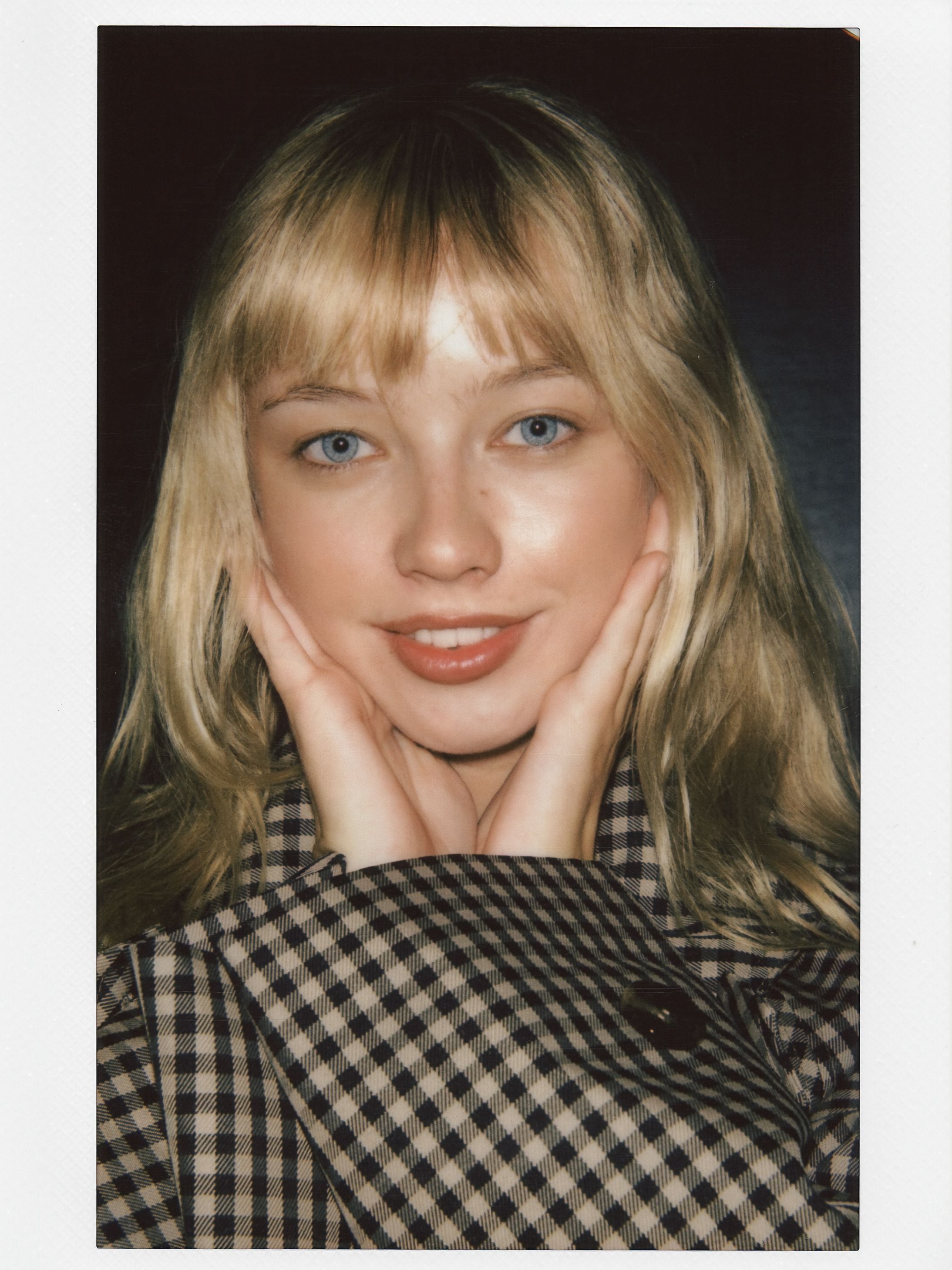
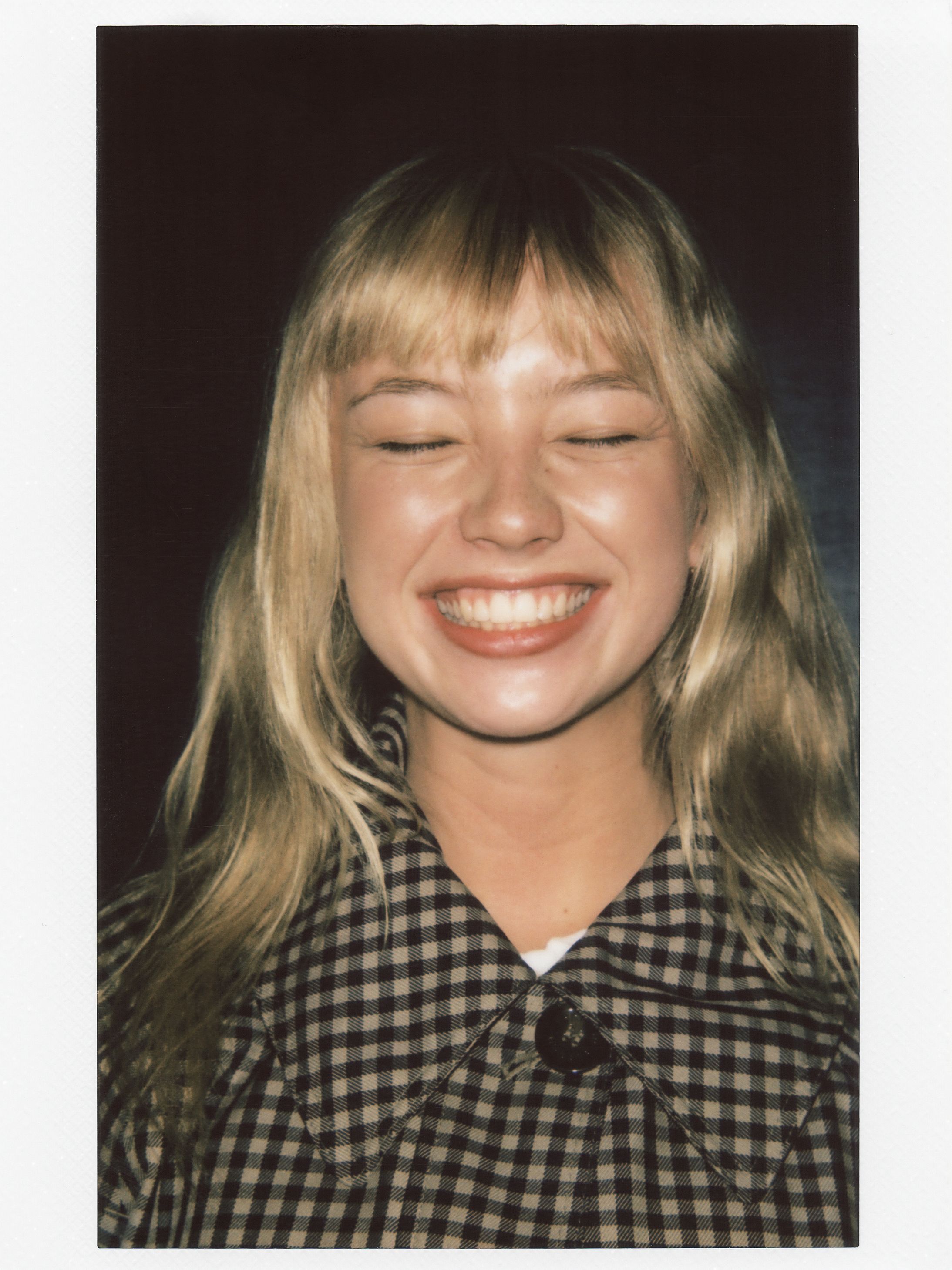
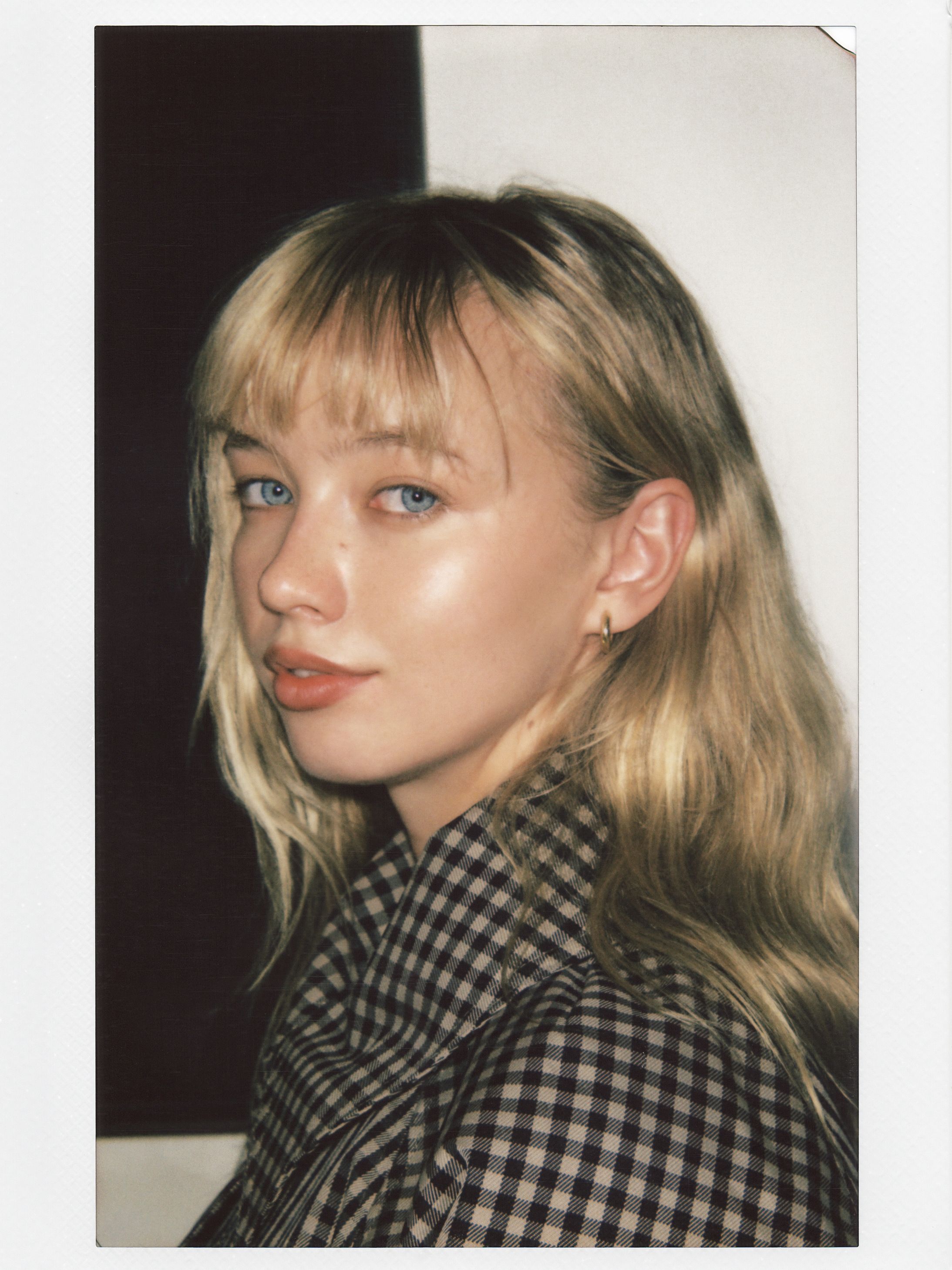
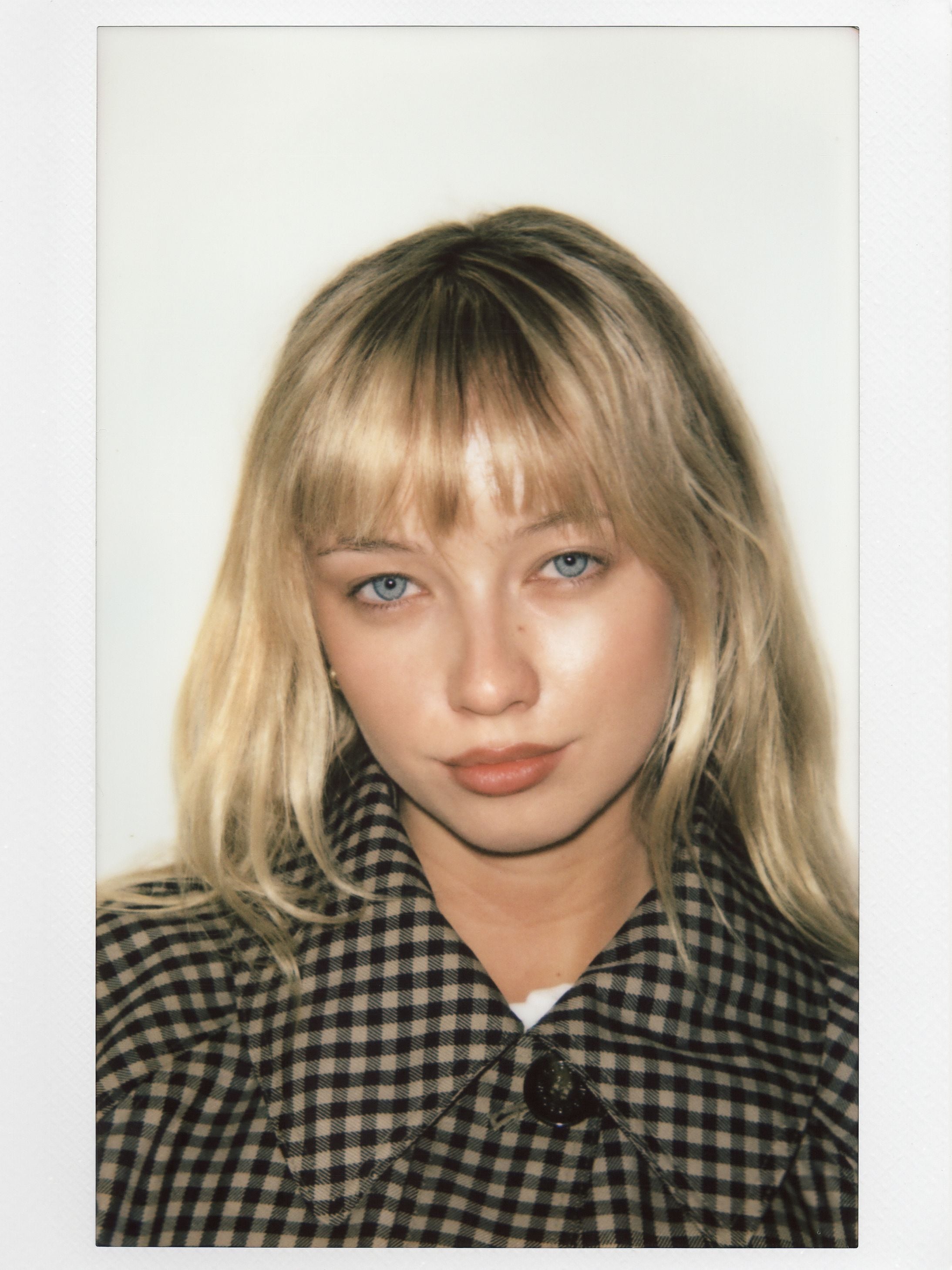
LC: I think both. I see what I’ve always perceived about myself, and also what he sees of me, which is an interesting combination. I still see an anxious little kid that was like, ‘This is so fun’ and he paints my characteristics. He always got to know me where he could paint that into the portrait, not just what I look like, which is quite interesting: to see how other people perceive you, and then for it to be painted.
David taught me that looking is care. It’s not just expression. It’s care. And it’s woven into everyday life. It’s noticing someone’s habits. It’s noticing how people move, how fluid people are.
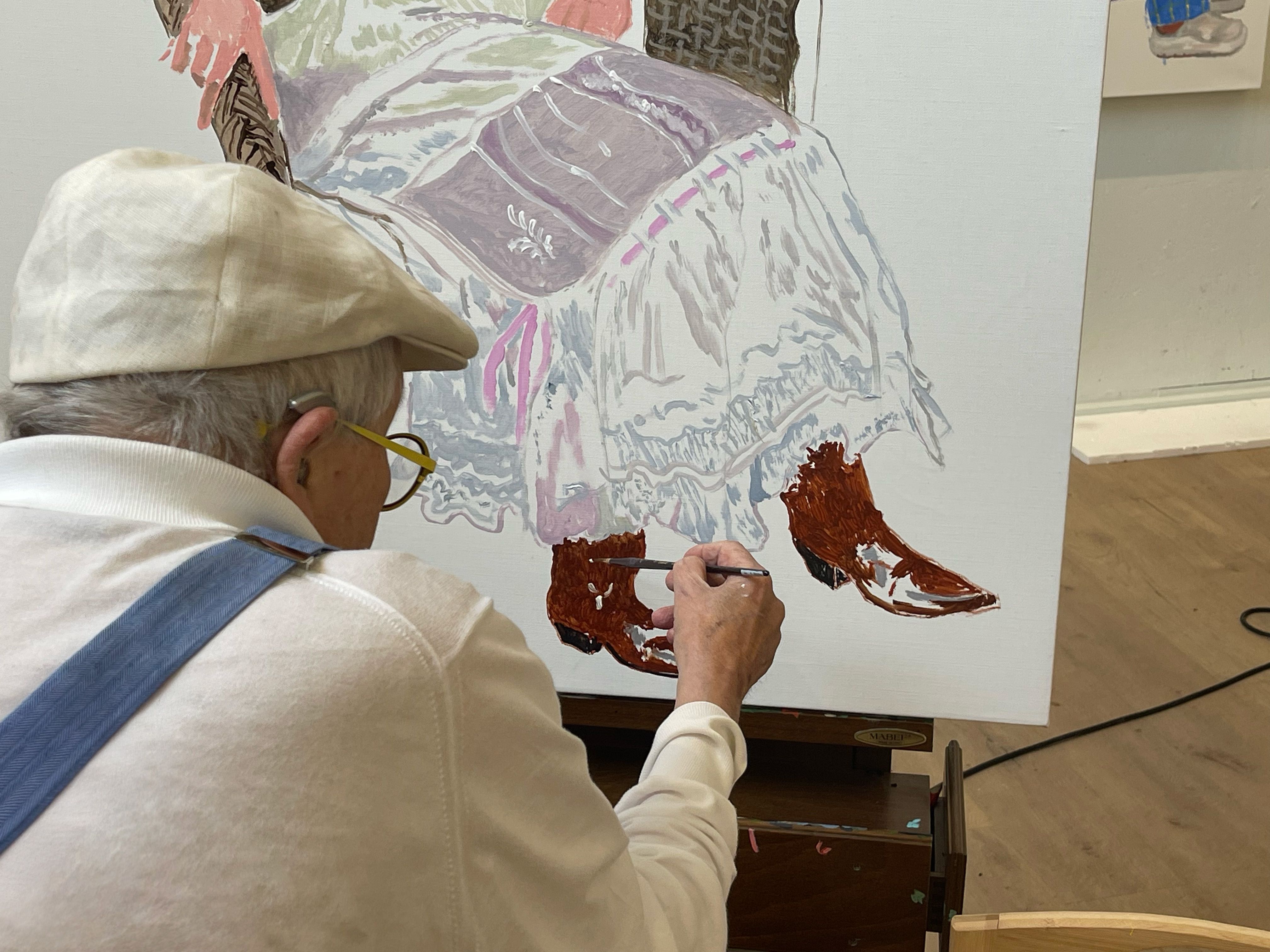
LC: A portrait lingers a lot longer. It’s something you can stare at, at a gallery, for hours and hours, and wonder what that person was thinking. It captures so much more. There’ll be a museum in 100 years’ time about social media and they’ll be playing Reels and TikToks on screen. But it’s cool that you can look at an old painting, like an Egon Schiele, and they’ll be staring at you and you have to wonder who that was. And, the artist, most of the time, knew the person they were painting, so it’s interesting how they captured them. They’re always going to choose the pose. Portraiture lingers so much more than anything else. —[O]




A respected voice in contemporary art discourse.
Focusing on ambitious storytelling and insightful art-world commentary. Ocula Magazine publishes in-depth interviews, critical essays and timely analysis on the artists, exhibitions and ideas driving the global art world.
Learn more about Ocula Magazine
Showcasing the best of the art world.
Ocula partners with galleries from around the world to highlight their artists, artworks and exhibitions. Gallery membership is by application and invitation, with each member vetted by an independent panel.
Learn more about Ocula Membership
Specialises in the sale of major artworks.
Led by a team with deep ties to the world’s leading auction houses, galleries and collectors. Ocula’s advisory team offers bespoke services to high-net-worth clients from around the world who are looking to acquire the best of contemporary and modern art.
Learn more about our team and services