





Days After His Death, Georg Baselitz’s Last Paintings Go on Show in Venice
Celestia Studio

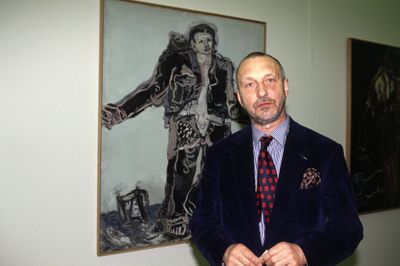
Tomorrow, six days after the death of German painter Georg Baselitz, an exhibition of his final paintings will open in Venice.
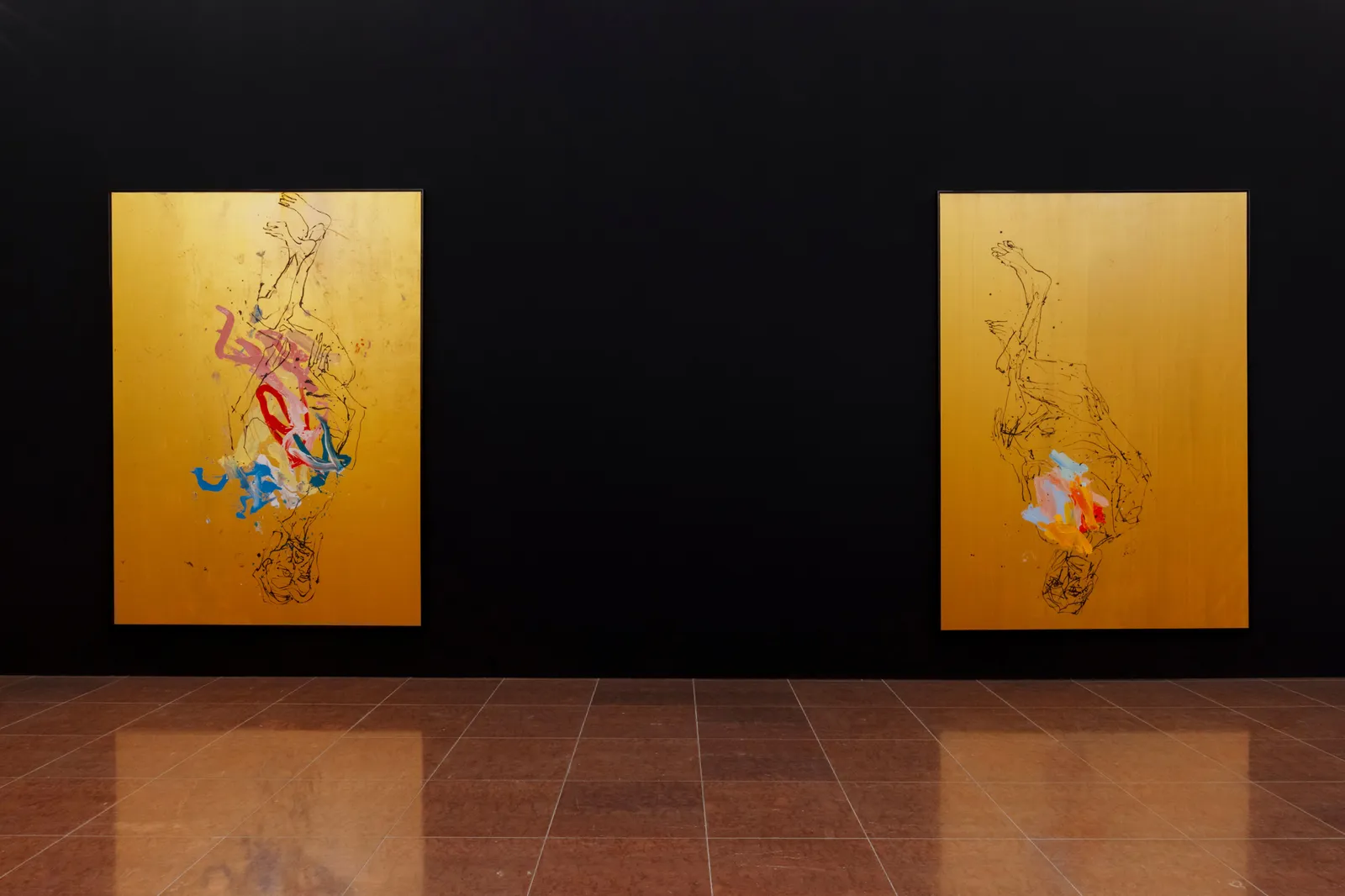
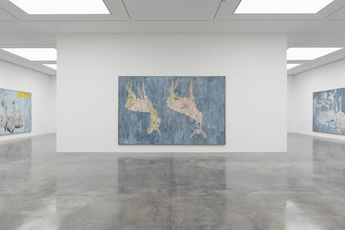
Titled Golden Heroes, the show’s huge canvases are covered entirely in gold, over which Baselitz painted fine, inky drawings in scrawling lines, showing either him or his wife, nude and lying down, as if viewed from above. They will go on view at the Fondazione Giorgio Cini on the island of San Giorgio, a short boat ride from Venice, until 27 September.
Baselitz, who died peacefully last Thursday at the age of 88, knew it would be his last exhibition. In a video of him recorded for the opening, which he would have been too elderly to attend in person, he describes the works as “my last paintings”.
The painter, printmaker and sculptor goes on to say that, in making these works, he sought to create something that “would serve as a summary” and “be definitive”.
Opening the exhibition, curator Luca Massimo Barbero said it was the culmination of “60 years of thinking and painting”. “I’m very honoured to open, today, the show of a master,” he said, describing Baselitz as having given “rebirth to art history”.
These paintings are the first in which Baselitz used gold ground. The technique, employed by the early Renaissance painters Duccio di Buonensegna and Simone Martini in Sienna and Tuscany respectively, sees gold leaf used as a background to paintings.
“It’s the background which is supposed to show the nowhere, the celestial sphere,” Baselitz explains in the video.
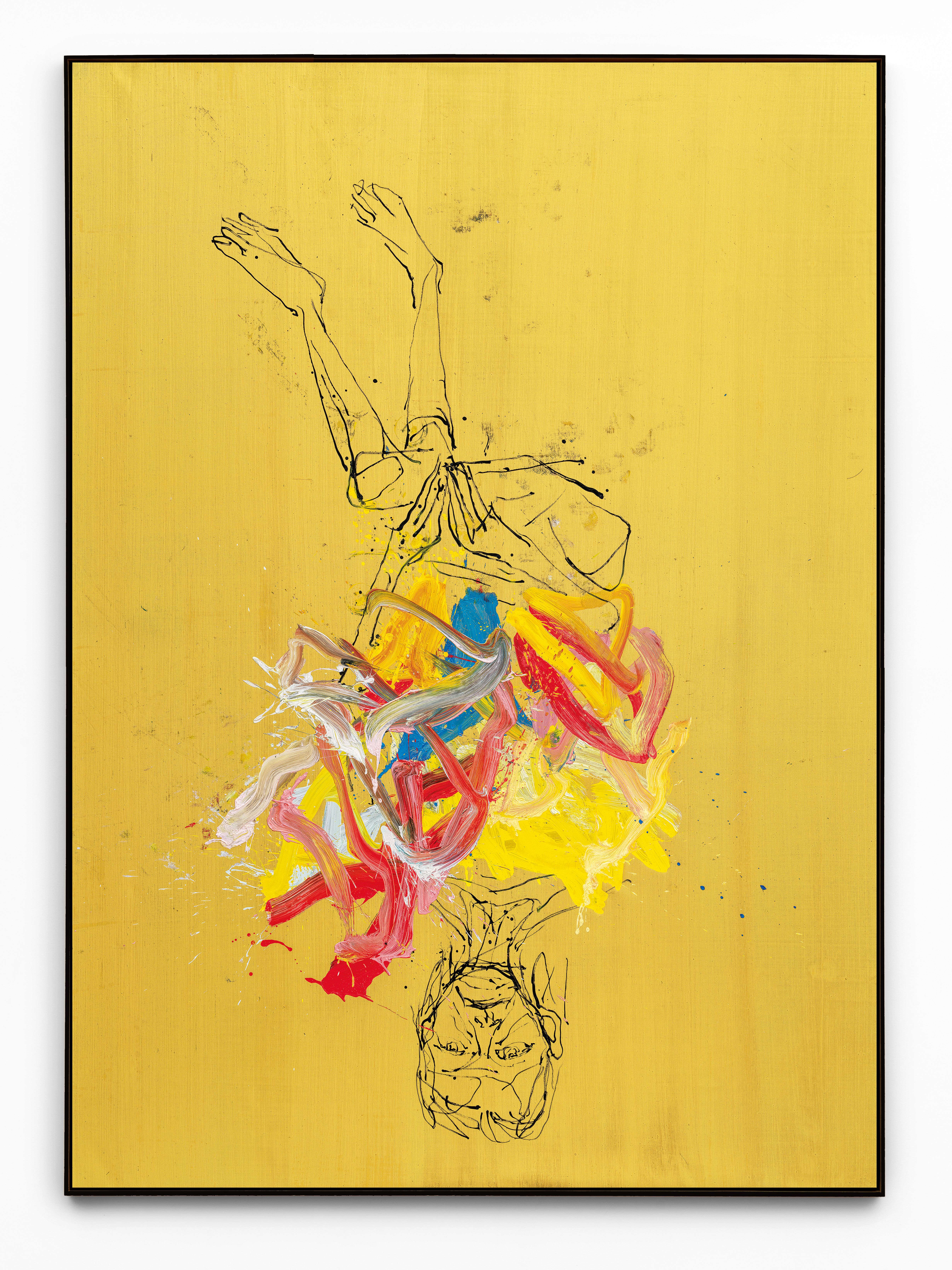
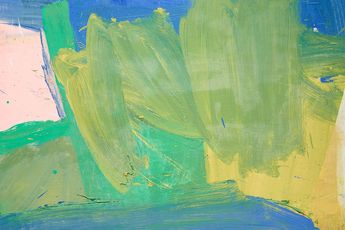
While some of the show’s works feature simple black line paintings over the gold ground, others employ broad scribbles and swipes of bright coloured paint.
In making these, Baselitz says, he was thinking of one the painters he most admired: the abstract expressionist Willem de Kooning. The late painter, who was 34 years de Kooning’s junior, came across his work while still a young student in West Berlin in the 1950s.
“When I was nearly at the end of this routine, in a delineation of loneliness, de Kooning came to mind, as he so often does,” he says in the short film.
“And on some of the paintings, entirely independent of the figuration drawn beneath, I made wilful, colourful flourishes, as a borrowing, as a devotion, as a goodbye, as a farewell.”




A respected voice in contemporary art discourse.
Focusing on ambitious storytelling and insightful art-world commentary. Ocula Magazine publishes in-depth interviews, critical essays and timely analysis on the artists, exhibitions and ideas driving the global art world.
Learn more about Ocula Magazine
Showcasing the best of the art world.
Ocula partners with galleries from around the world to highlight their artists, artworks and exhibitions. Gallery membership is by application and invitation, with each member vetted by an independent panel.
Learn more about Ocula Membership
Specialises in the sale of major artworks.
Led by a team with deep ties to the world’s leading auction houses, galleries and collectors. Ocula’s advisory team offers bespoke services to high-net-worth clients from around the world who are looking to acquire the best of contemporary and modern art.
Learn more about our team and services