





Met Museum to Acquire $135m Klimt in Neue Galerie Merger

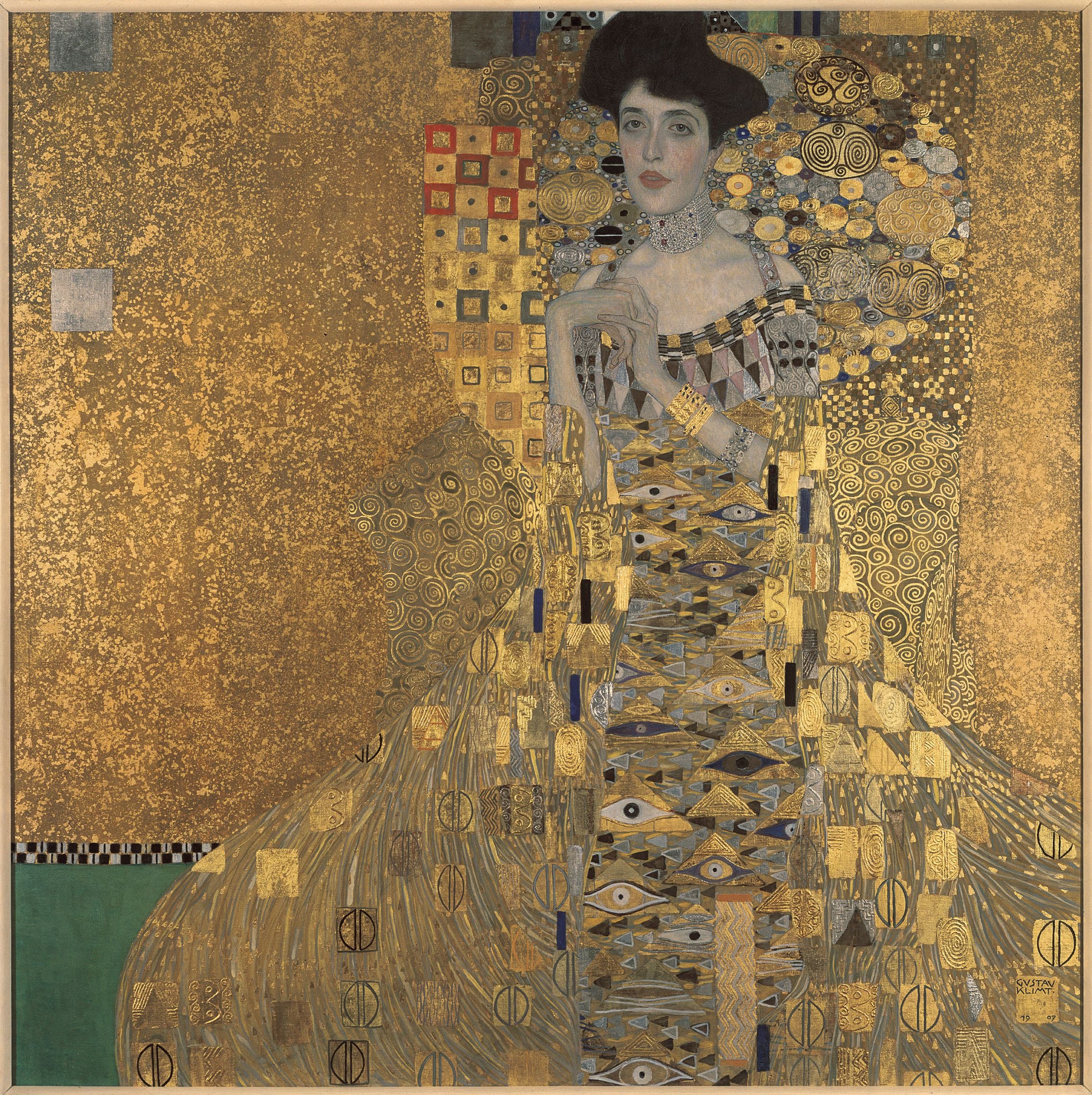
Installation view of “Austrian Master worksfrom the Neue Galerie.” Photo: Annie Schlechter


New York’s Metropolitan Museum of Art and its neighbouring institution, the Neue Galerie, have announced plans for a historic merger, with the Met set to receive a $135 million USD (£101 million) Gustav Klimt from the collection of Ronald Lauder as part of the expansion.
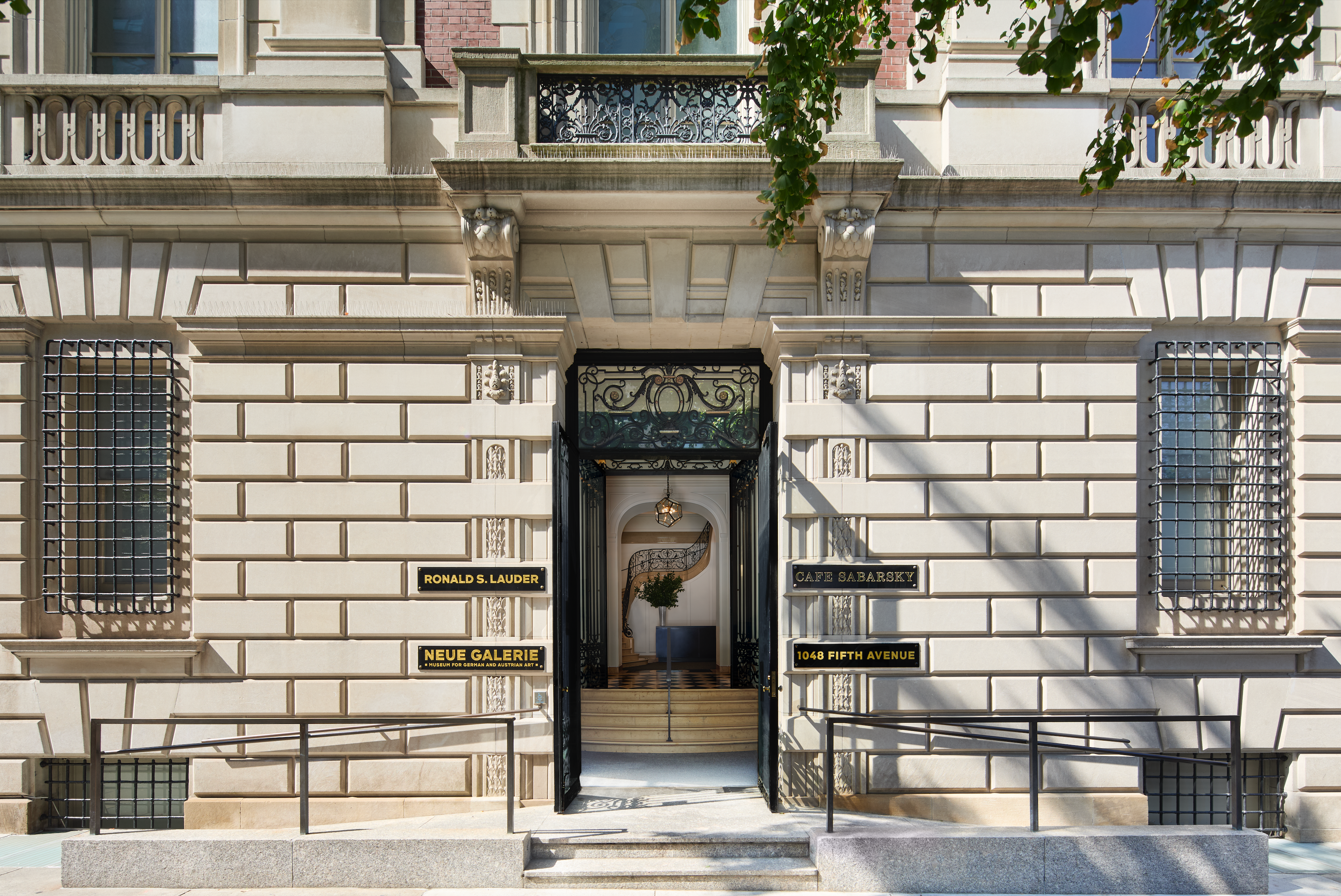
Expected to be completed in 2028, the agreement will fold the Neue Galerie—which hosts a significant collection of 20th-century Austrian and German art—into the Met while preserving its programme, identity and historic Fifth Avenue home. Upon completion, the space will be renamed the name The Met Ronald S Lauder Neue Galerie.
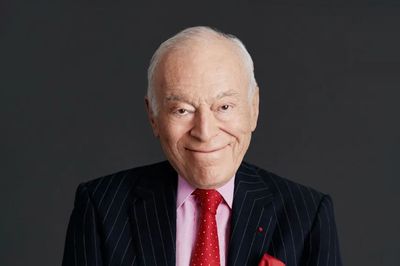
Max Hollein, the Met’s director and chief executive, who for 20 years has served on the Neue’s board, told the Financial Times that the deal is “one of the greatest and biggest gifts ever given to a museum”.
Speaking to The New York Times, he said: “It allows us to be the custodian, not only of an enormous amount of very important works of art, but also of a place with profound integrity and beauty and vision.”
The merger marks both an institutional consolidation and the culmination of a decades-long collecting vision shaped by businessman, diplomat and philanthropist Ronald S Lauder, who co-founded the Neue Galerie in 2001 with the late dealer Serge Sabarsky.
Lauder, the billionaire heir to the Estée Lauder cosmetics fortune and former US ambassador to Austria under President Ronald Reagan, spent decades assembling one of the foremost private collections of Austrian and German modernism outside Europe.
As part of the newly announced plans, Lauder and his daughter Aerin Lauder Zinterhofer have pledged a group of works from their collection to the combined institution, led by Gustav Klimt’s Die Tänzerin (The Dancer) (c 1916–18), alongside paintings by Ernst Ludwig Kirchner, Max Beckmann, Otto Dix, George Grosz and Franz Marc.
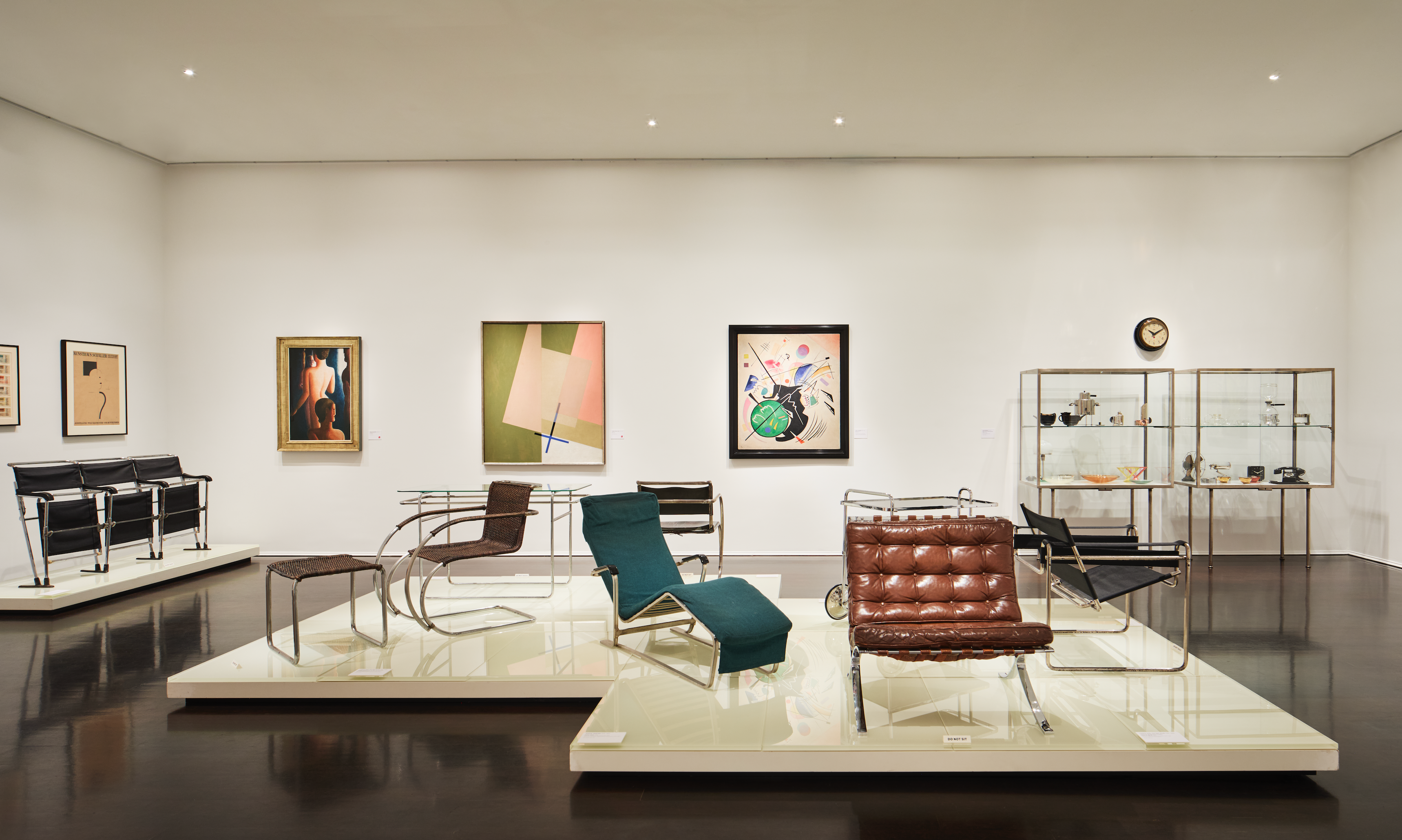
The institution gained international prominence in 2006 when Lauder acquired Klimt’s Portrait of Adele Bloch-Bauer I (1907), widely known as Woman in Gold, for a reported $135 million USD (£101 million). At the time, it was among the most expensive paintings ever sold.
Restituted to the heirs of Jewish collector Maria Altmann after a lengthy legal battle with Austria, the painting became emblematic not only of Klimt’s renewed global popularity, but also of the broader histories of displacement and recovery embedded within the Neue Galerie’s programme.
Lauder and his daughter have also announced plans to make a substantial gift to support an endowment funding the long-term care and preservation of the Neue Galerie, alongside a further, significant donation to support costs associated with the integration of the collection and building operations.
In a statement accompanying the announcement, Lauder reflected on the museum’s origins with Sabarsky and the cultural atmosphere that shaped his collecting ambitions. Recalling the Neue Galerie’s exhibitions, permanent collection, and Café Sabarsky, he said the institution sought to “create an experience that transports visitors to another time—early 20th-century Vienna and Weimar Germany”.
The merger arrives amid increasing questions around the long-term sustainability of smaller museums and private institutions. While the Neue Galerie has cultivated a devoted audience over the past 25 years, integration into the Met offers expanded conservation resources, institutional stability, and broader international reach. For the Met, the acquisition fills a notable gap in its holdings of German and Austrian modernism.
Lauder described the merger as an act of stewardship rather than expansion, framing it as a way to secure the Neue Galerie’s legacy “in perpetuity”. The museum’s distinct atmosphere—including Café Sabarsky, its design shop, and its carefully staged interiors—will remain intact after the transition, suggesting that America’s largest art museum intends to preserve not only the collection itself, but also the cultural world the Neue Galerie built around it.



A respected voice in contemporary art discourse.
Focusing on ambitious storytelling and insightful art-world commentary. Ocula Magazine publishes in-depth interviews, critical essays and timely analysis on the artists, exhibitions and ideas driving the global art world.
Learn more about Ocula Magazine
Showcasing the best of the art world.
Ocula partners with galleries from around the world to highlight their artists, artworks and exhibitions. Gallery membership is by application and invitation, with each member vetted by an independent panel.
Learn more about Ocula Membership
Specialises in the sale of major artworks.
Led by a team with deep ties to the world’s leading auction houses, galleries and collectors. Ocula’s advisory team offers bespoke services to high-net-worth clients from around the world who are looking to acquire the best of contemporary and modern art.
Learn more about our team and services