





Seoul Rising: Can Frieze Build a Global Hub in South Korea?
With the fourth edition of Frieze Seoul open this week, Ocula considers how the city can convert its early‑cycle buzz into the resilience of a bona fide art capital. Save to My Ocula
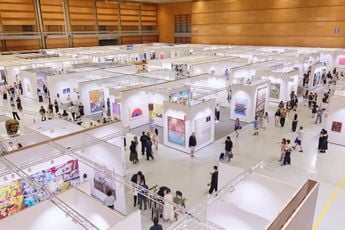
In its fourth year, Frieze Seoul hopes to confirm the city’s role as a cultural cornerstone within Asia and the global art world.
Fair director Patrick Lee said this year’s edition reflects deeper roots in the region, with a majority of participants operating across Asia while maintaining the fair’s international spirit. ‘It’s a moment to celebrate Korea’s creative community and the cross-regional dialogue flourishing here.’
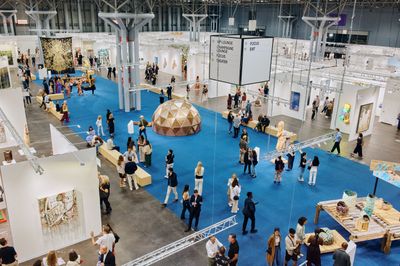
Frieze Seoul brings together just over 120 galleries to COEX in the Gangnam district in the heart of Seoul, divided between established, well-known artists and younger, more experimental practices. The Frieze Masters section situates post-war and modern art from Asia, while Focus Asia highlights ten solo projects from emerging contemporary artists across the region.
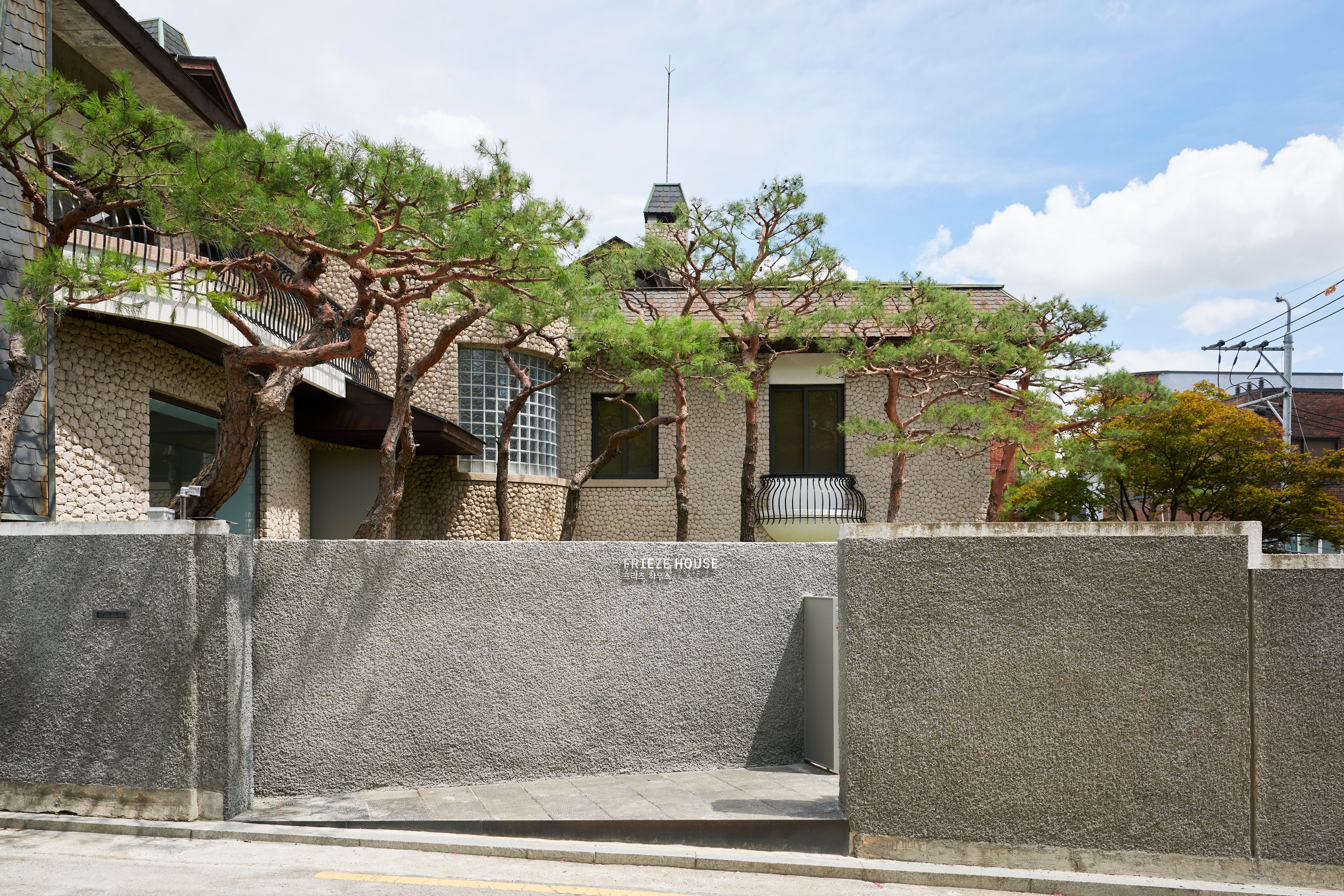
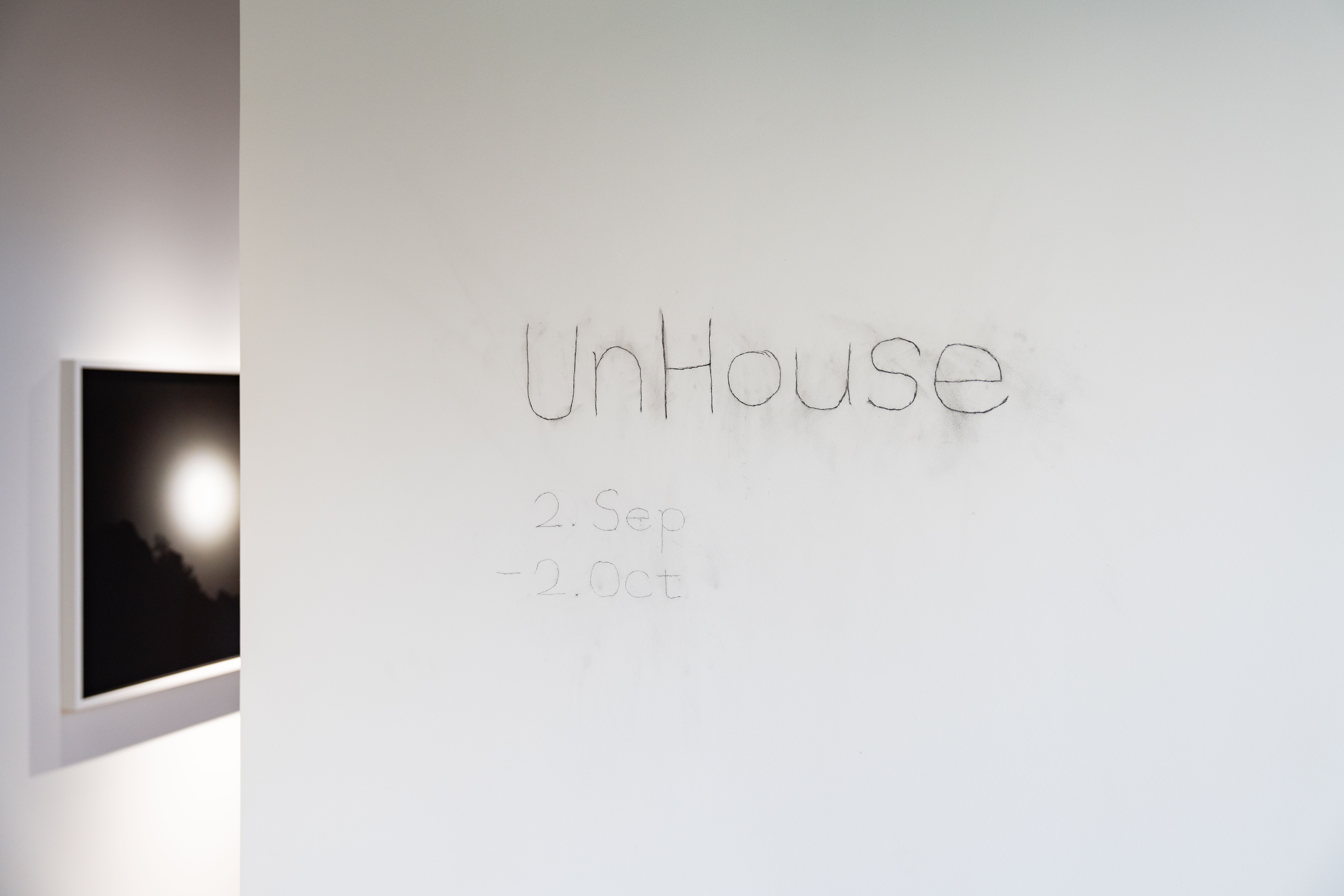
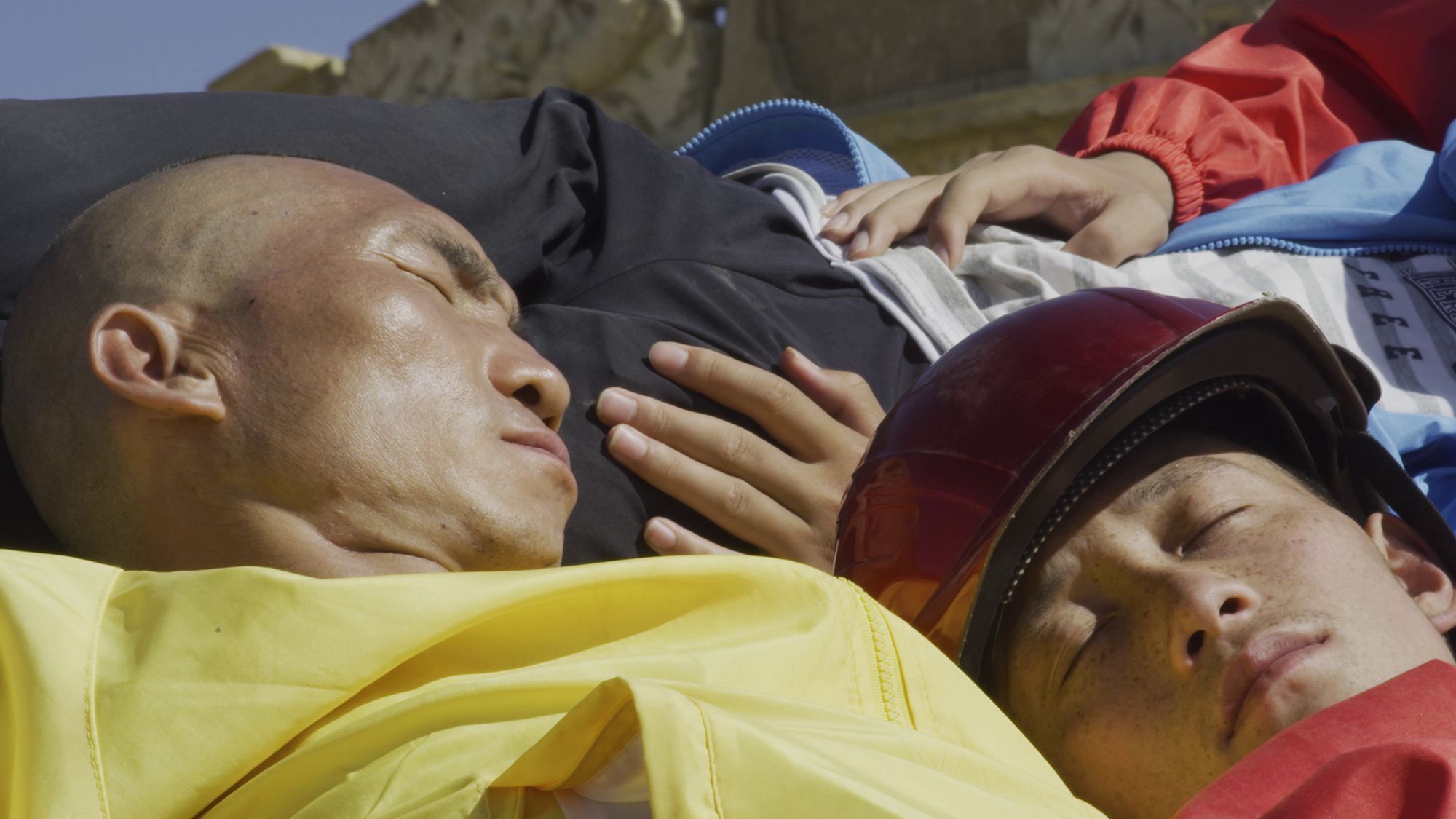
New this year is Frieze House Seoul, a permanent space for exhibitions and debate that opened with UnHouse, curated by Jae Seok Kim, which explores queer perspectives in a Korean context.
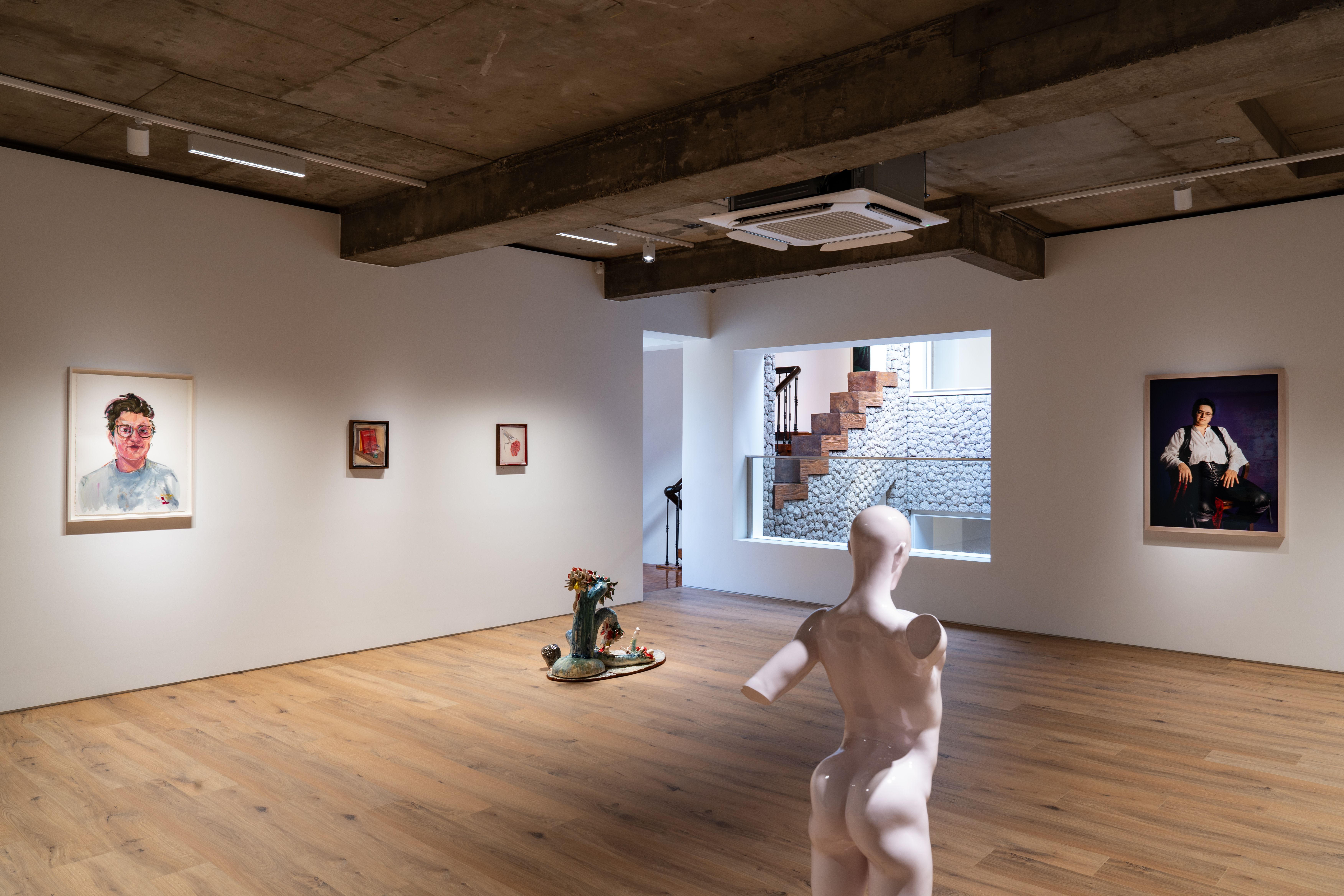
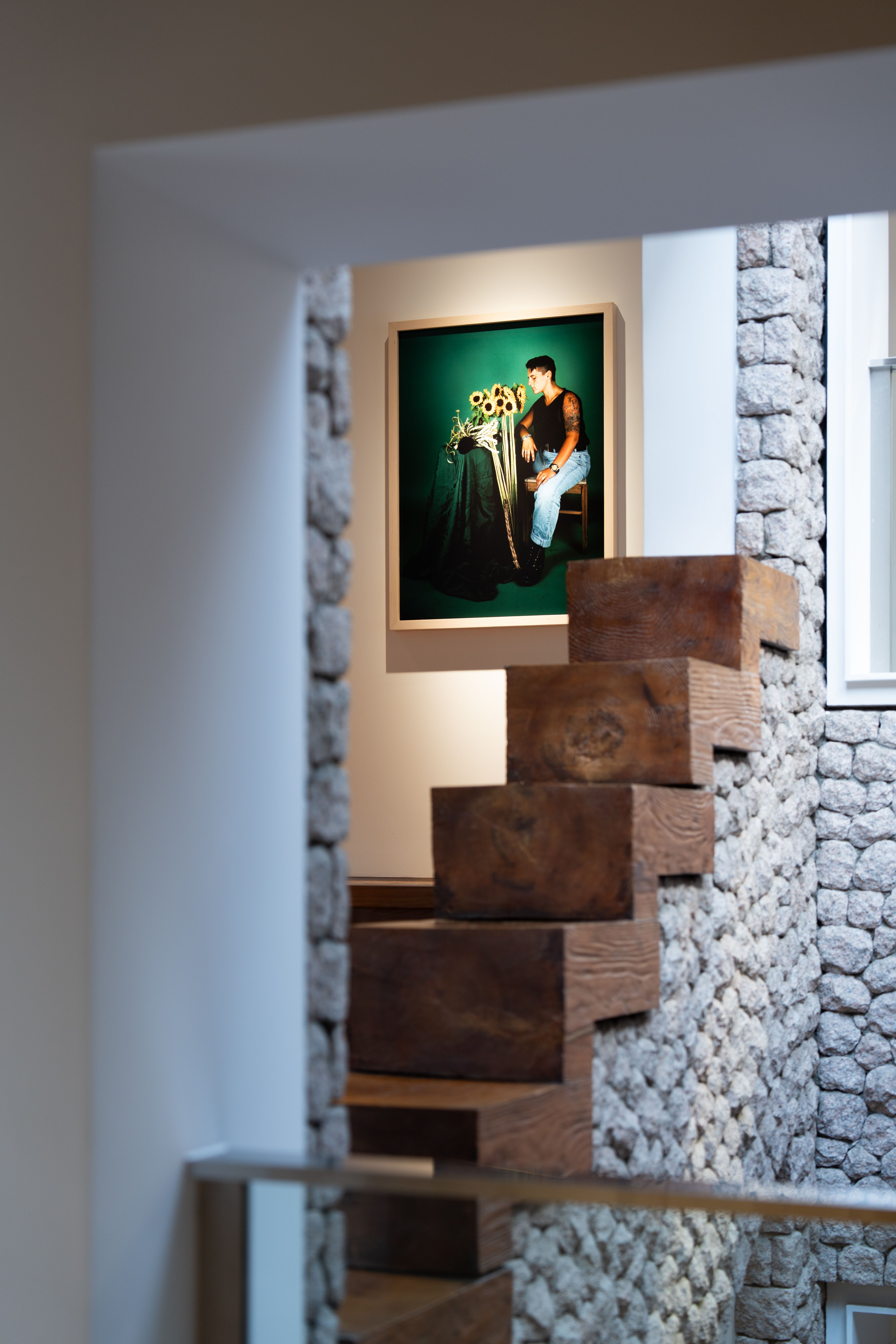
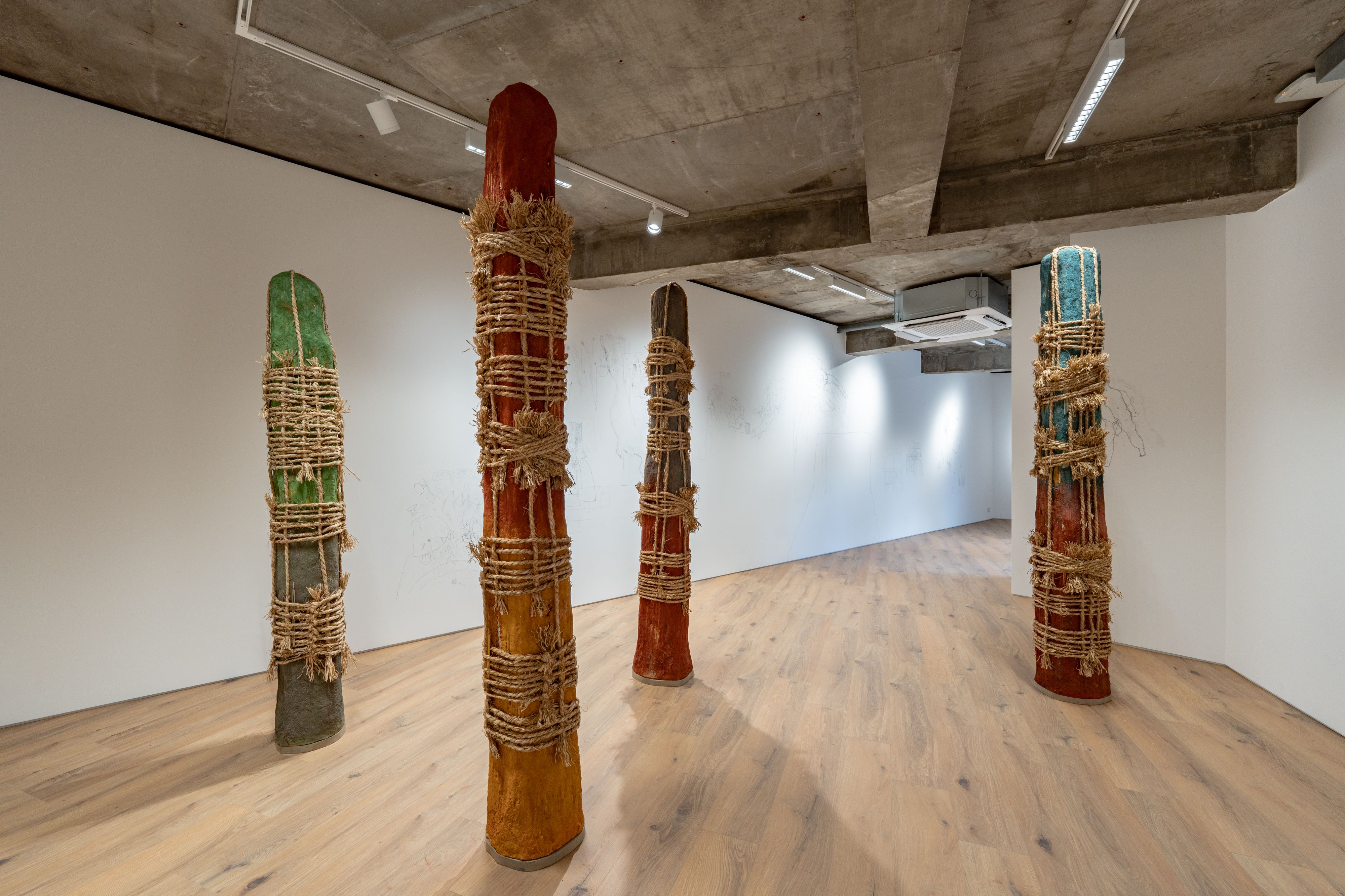
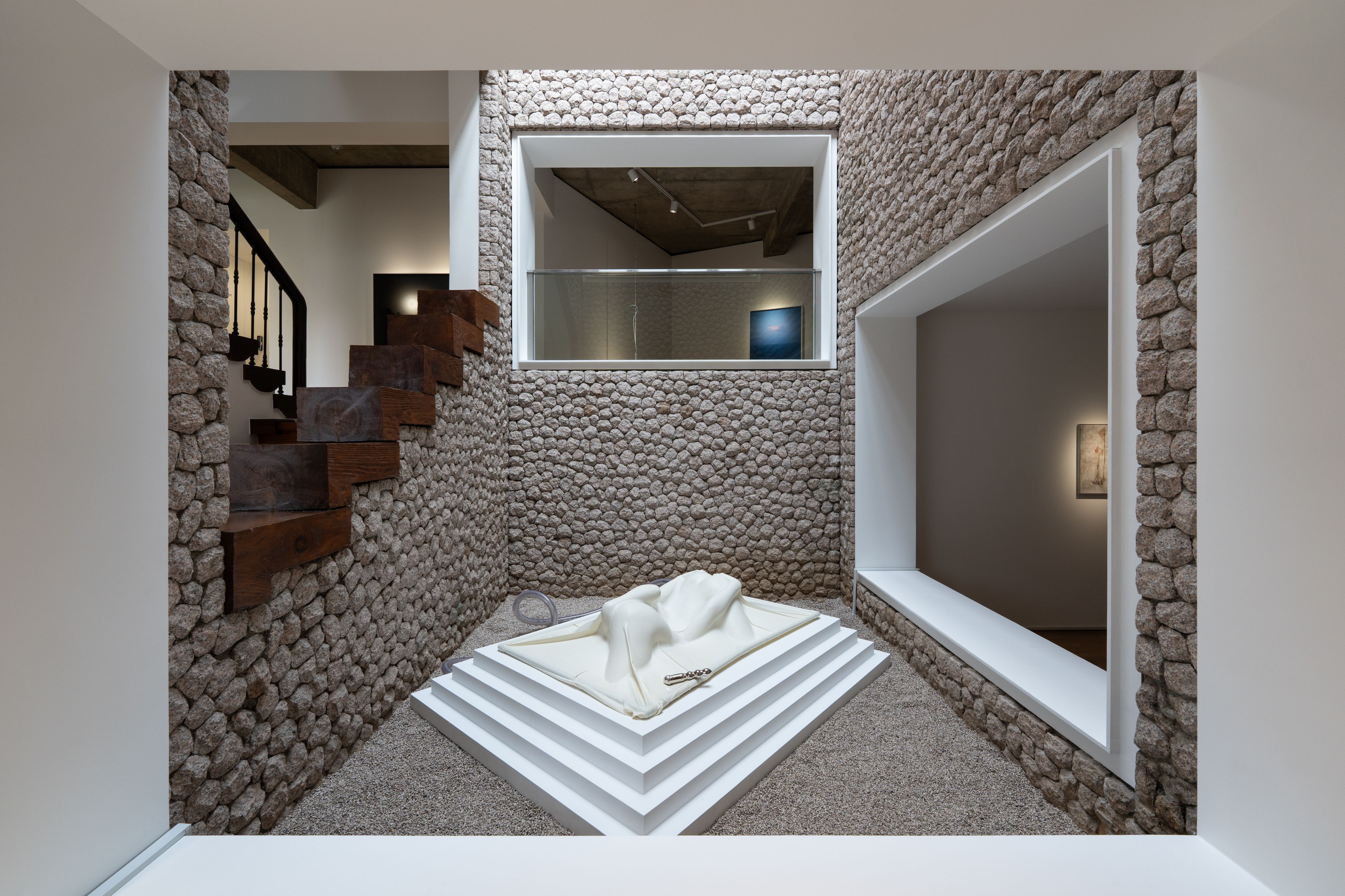
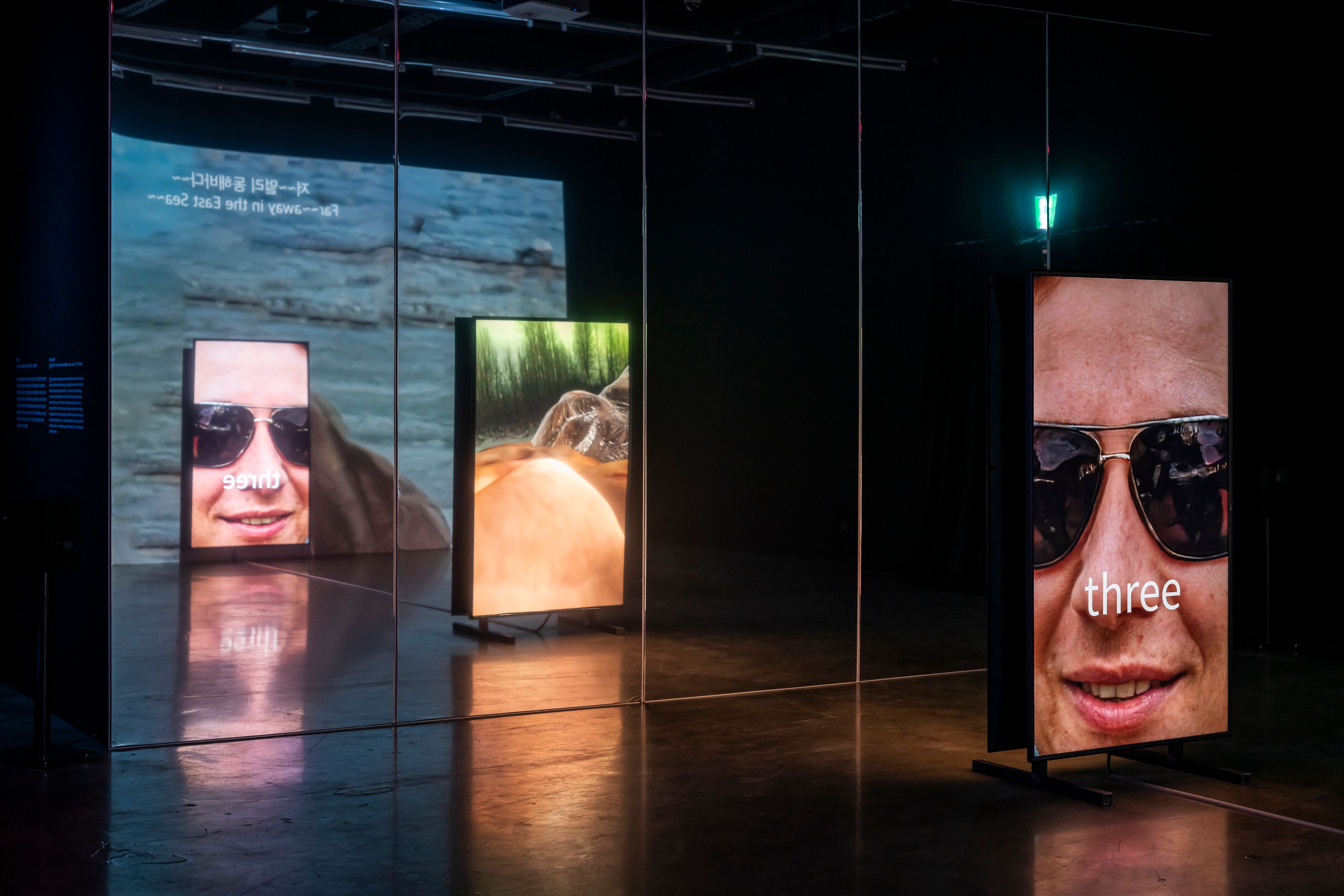
Beyond the fair, the week extends across the city with collaborations ranging from LG OLED’s tribute to Park Seo-Bo to gigs, fashion tie-ins and branded pop-ups—all intended to ensure the week feels distinctly Seoul, rather than a franchise overlay.
Lee says what makes the city distinct lies in its unique ecosystem.
‘Frieze Seoul is not about recreating London or New York,’ he says. ‘It’s about what makes Seoul unique—the strength of its collectors, the energy of its institutions, and the way the city sits inside a broader cultural wave spanning K-pop, cinema, fashion, and technology.’
It’s a view shared by Sojung Kang, executive director of Seoul-based Arario Gallery, who points to structural advantages like a tax-free art market and a new generation of internationally engaged collectors.
‘Frieze Seoul was a really big thing for us,’ she says. ‘I think Seoul was chosen because Korea functions as an Asian hub—geographically, culturally and economically. We have a tax-free system that’s easy to work with, a strong base of collectors, and a new generation of buyers who are internationally engaged. That combination made Seoul attractive.’ And that cultural wave driving Seoul’s ascent extends beyond art: film and fashion have all made Korea culturally trendy in recent years. ‘That momentum carried into the art world, and after Frieze opened, institutions and industries across the city started moving together in support of art.’

However, there are voices of concern around how this energy can be sustained.
‘At first, many international collectors flew in,’ Kang reflects. ‘By the fourth year, it’s starting to feel more localised. If we can’t keep strong international attention, Seoul won’t survive as a global hub. That’s the biggest issue right now.’
Dooyong Ro, director of Cylinder Gallery, is more pointed in his criticism: ‘In the first two editions I saw friends from London and China; last year, far fewer. The ecosystem needs that international mix—otherwise it’s just a strong local festival.’
The challenges are not just about collector geography. For Seoul to become a genuine hub, the fundamentals matter. Kang describes how visitors sometimes struggle with taxis, payments, and language barriers—details that can colour an entire trip.
Ro agrees: ‘We’re not as smooth as London or New York on customs or logistics. If we want to be a true global hub, the basics can’t be an afterthought.’
At the same time, the influx of mega-galleries has lifted the overall ecosystem. Kang admits local galleries were wary, but ultimately the effect has been expansive: international galleries attract collectors who then move through the wider gallery network.
‘Of course we were scared at first,’ she says, ‘but having international galleries here made the whole ecosystem bigger. They bring collectors, and that pushes us to find stronger artists. In the end, it makes Korea stronger.’

Ro stresses the educational impact, as even art students and young collectors have learned how galleries function, how pricing works, and what representation means.
The speculative frenzy of 2021–22—when what he terms ‘revenge buying’ made some believe prices would only rise—has cooled, and a more informed, sustainable market is taking shape. One of the most pressing issues, however, is what Ro calls the ‘missing middle’. ‘We don’t yet have enough stable young galleries to power ambitious curated sections year after year,’ he says. ‘If we want Seoul to keep innovating, that layer needs support.’
Without a resilient generation of small to mid-sized galleries, he warns, Seoul risks over-reliance on mega-galleries and established players, leaving fewer avenues for experimentation and growth.
The 2025 programme goes some way to address this tension by simultaneously connecting Seoul to global art histories and offering a platform for its youngest voices. Frieze Masters positions Korean pioneers such as Nam June Paik and Ha Chong-Hyun within international narratives, while Focus Asia carves out space for artists like Chu Mirim and Eugene Jung, whose practices reflect the urgency of contemporary life across the region. The launch of Frieze House Seoul, meanwhile, promises continuity beyond September, embedding new curatorial voices into the city’s year-round rhythm.
On the floor, presentations by the likes of Kukje Gallery, David Zwirner, Pace, White Cube, and Lehmann Maupin underline the balance of local anchors and international heavyweights.
‘Behind every great artist is an equally strong support system,’ says Lee. ‘In Korea, the infrastructure is exceptional: from government policy to museums, biennales, galleries, nonprofits and patrons. What we’re seeing in the dialogue between the domestic scene and international participation is a reflection of that quality. Korean artists, curators, academics, and collectors have been building this ecosystem organically for decades.’
Sustainability, not spectacle, will determine Seoul’s fate as an art capital. For Lee, the goal is permanence. For Kang, the priority is keeping the city outward-facing. For Ro, it is investing in the fundamentals and supporting the younger galleries that will generate future innovation. Weave those three perspectives together and the outline of a capital begins to harden. If Frieze’s fourth edition manages to land the balance it seeks—international depth, local confidence, and better basics—Seoul will not just host the circuit. It may begin to shape it. —[O]
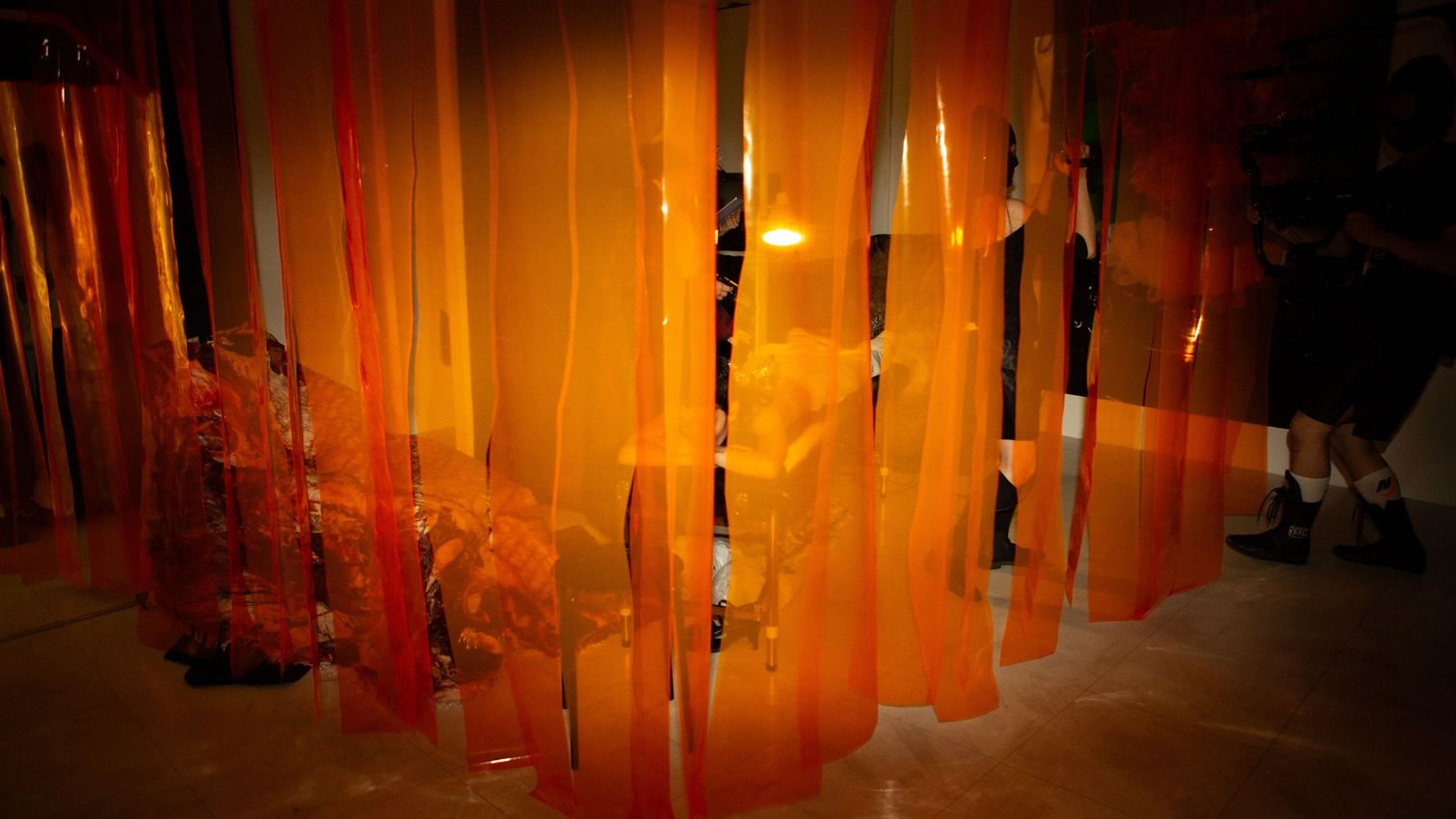
Main image: Ru Kim, a fist is a fist is a fist–Ignition (2024). Performance. © Ru Kim. Courtesy the artist and Frieze LIVE.





A respected voice in contemporary art discourse.
Focusing on ambitious storytelling and insightful art-world commentary. Ocula Magazine publishes in-depth interviews, critical essays and timely analysis on the artists, exhibitions and ideas driving the global art world.
Learn more about Ocula Magazine
Showcasing the best of the art world.
Ocula partners with galleries from around the world to highlight their artists, artworks and exhibitions. Gallery membership is by application and invitation, with each member vetted by an independent panel.
Learn more about Ocula Membership
Specialises in the sale of major artworks.
Led by a team with deep ties to the world’s leading auction houses, galleries and collectors. Ocula’s advisory team offers bespoke services to high-net-worth clients from around the world who are looking to acquire the best of contemporary and modern art.
Learn more about our team and services