





New York State of Mind
At MoMA PS1, the city’s upcoming artists tell the truth about the reality of their worlds, highlighting sexual violence, police surveillance, and the gig economy with dizzying expansiveness. Save to My Ocula
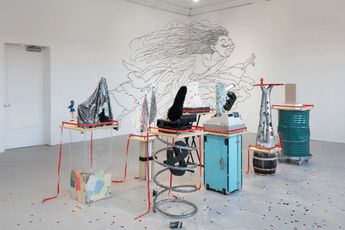
A purple electric bicycle, propped carefully on a circular bike rack and adorned with stickers and a mish-mash of accoutrements, sits in front of a large, colourful hand-painted mural announcing Greater New York, complete with playfully cartoonish pots of paint and a mouse nibbling a block of cheese. This is the first sight one encounters at the latest iteration of MoMA PS1’s recurring survey of artists living in the New York City area, staged every five years since 2000.
The bike has been placed there by Brooklyn-based artist fields harrington (who styles his name in lowercase). Titled Unfree Free Time (Bike Rental) (2026), it offers a route to reflect on the precarious working conditions of delivery gig workers, presenting this political readymade as a metonymy for the city. This bicycle, with its hefty, bolted-on battery and chunky tyres, gestures towards its exhilarating speed and the underpaid labourers who chase away at whatever remains of the American Dream, all encapsulated with disarming stillness. The piece confronts the reality of the unequal work that keeps the city running in the service of the convenience that many of us have come to expect in the age of on-the-spot delivery apps and home courier services. And the gesture is not merely symbolic: for the duration of the exhibition, harrington is paying the bike’s owner the prevailing minimum wage for drivers ($21.44 USD/£15.82) for every hour the bike spends at MoMA PS1. This opener sets the tone for a show whose 53 artists and collectives aren’t hesitant to address the simmering issues—both personal and political—that surround them in the most densely populated city in the United States.

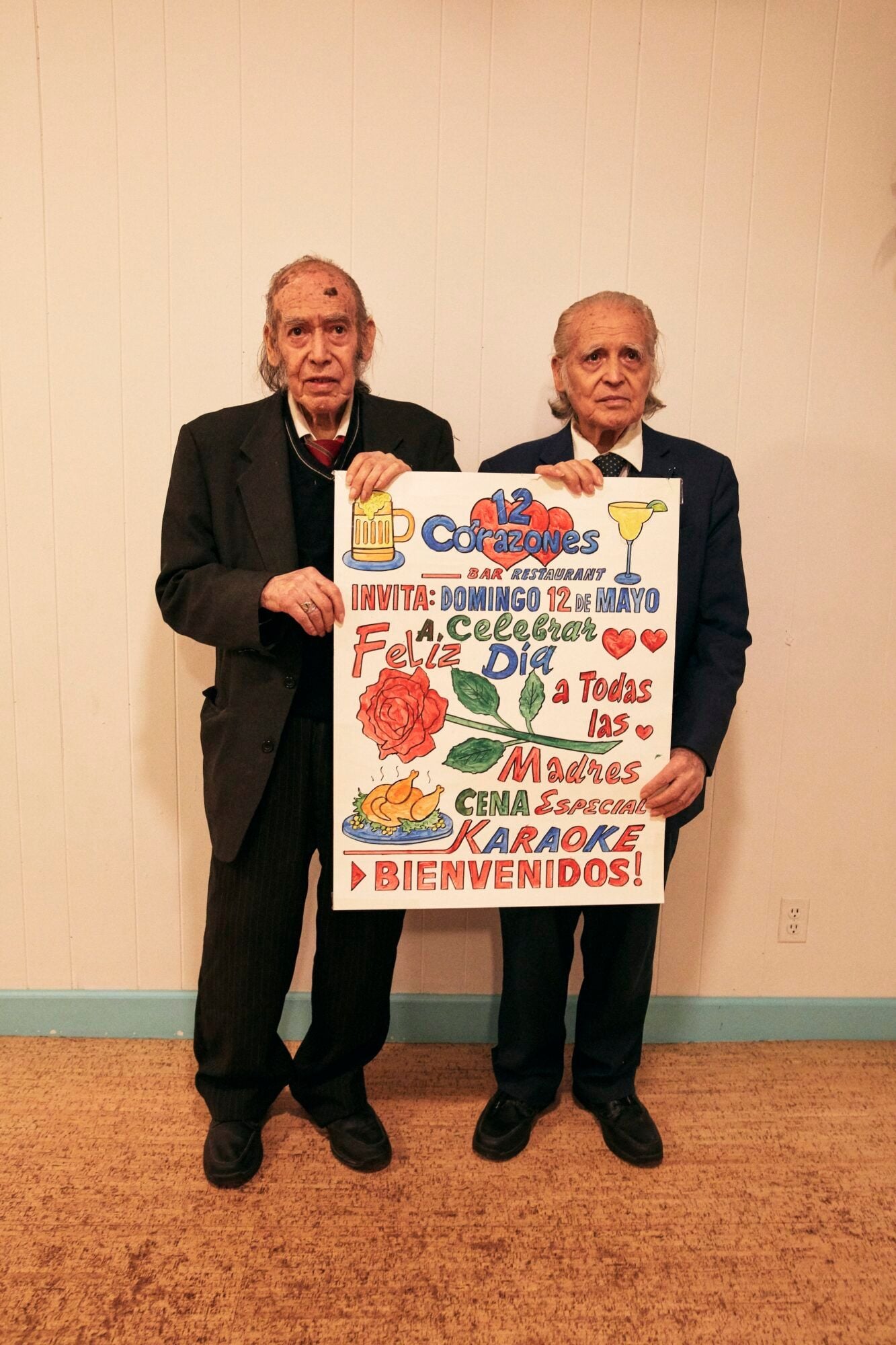
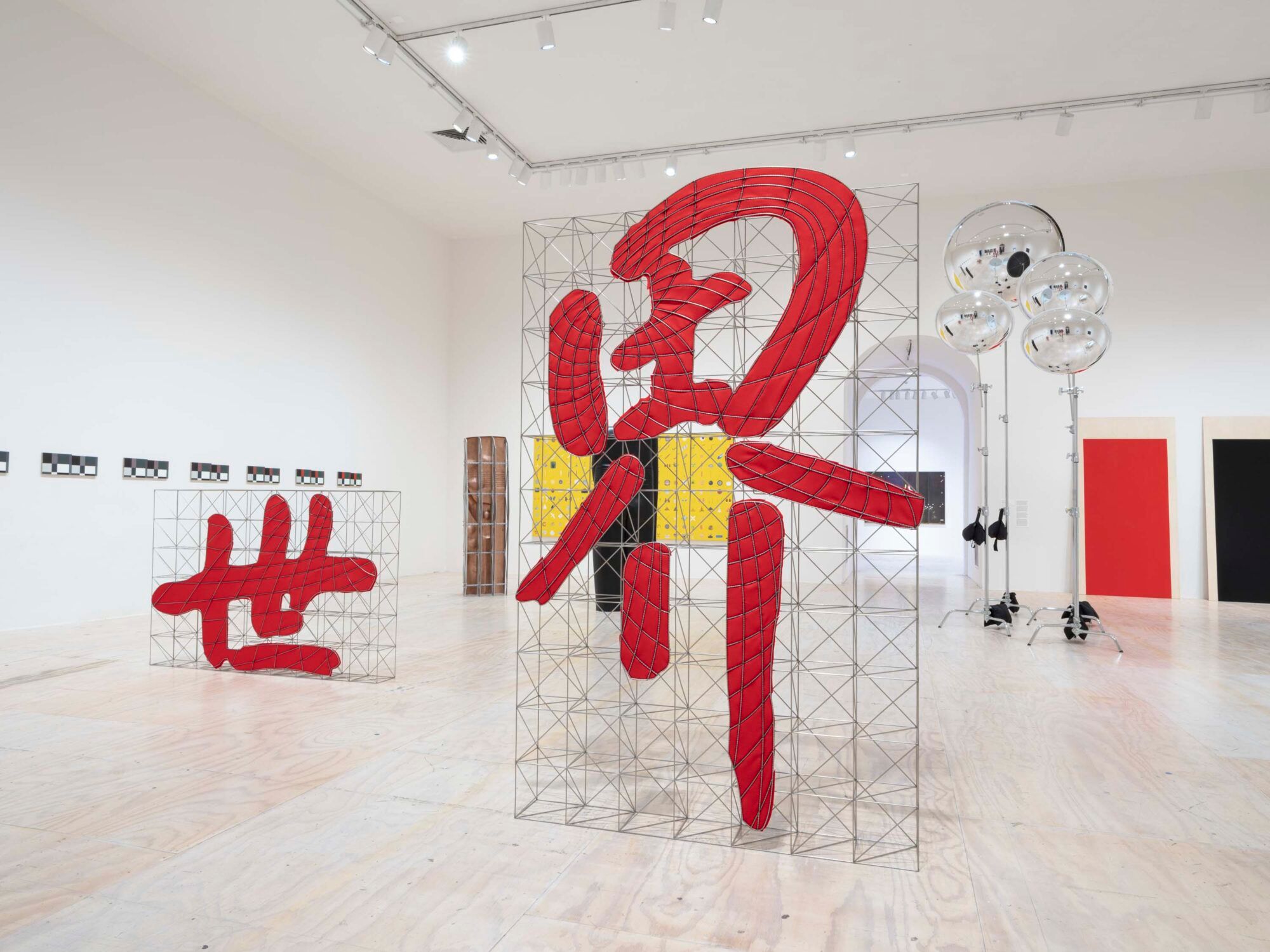
The titular acrylic mural, Greater New York (2026), was itself painted by the Cevallos Brothers, two octogenarian Ecuadorian siblings who have been making hand-painted posters since the mid-1970s for businesses in Jackson Heights and Corona, Queens. It was a longstanding dream of MoMA’s curatorial team to collaborate with this quintessentially New York duo, as they revealed to an assembled crowd at the gallery during an opening address. This is where Greater New York truly succeeds: in its ability to juxtapose concept, history and politics cohesively under its expansive-yet-local theme. The mural is bright and colourful, anchored by a jovial yellow brick wall, in the duo’s usual style. The brothers have aimed for a meta approach, presenting a piece that is itself about painting and perception (a camera is depicted on the left side of the mural) that feels entirely, knowingly fitting for the contemporary museum setting. The viewer is met at eye-level with a simplified skyline and buildings emanating a sky-coloured aura.
“Greater New York juxtaposes concept, history and politics cohesively under its expansive-yet-local theme”
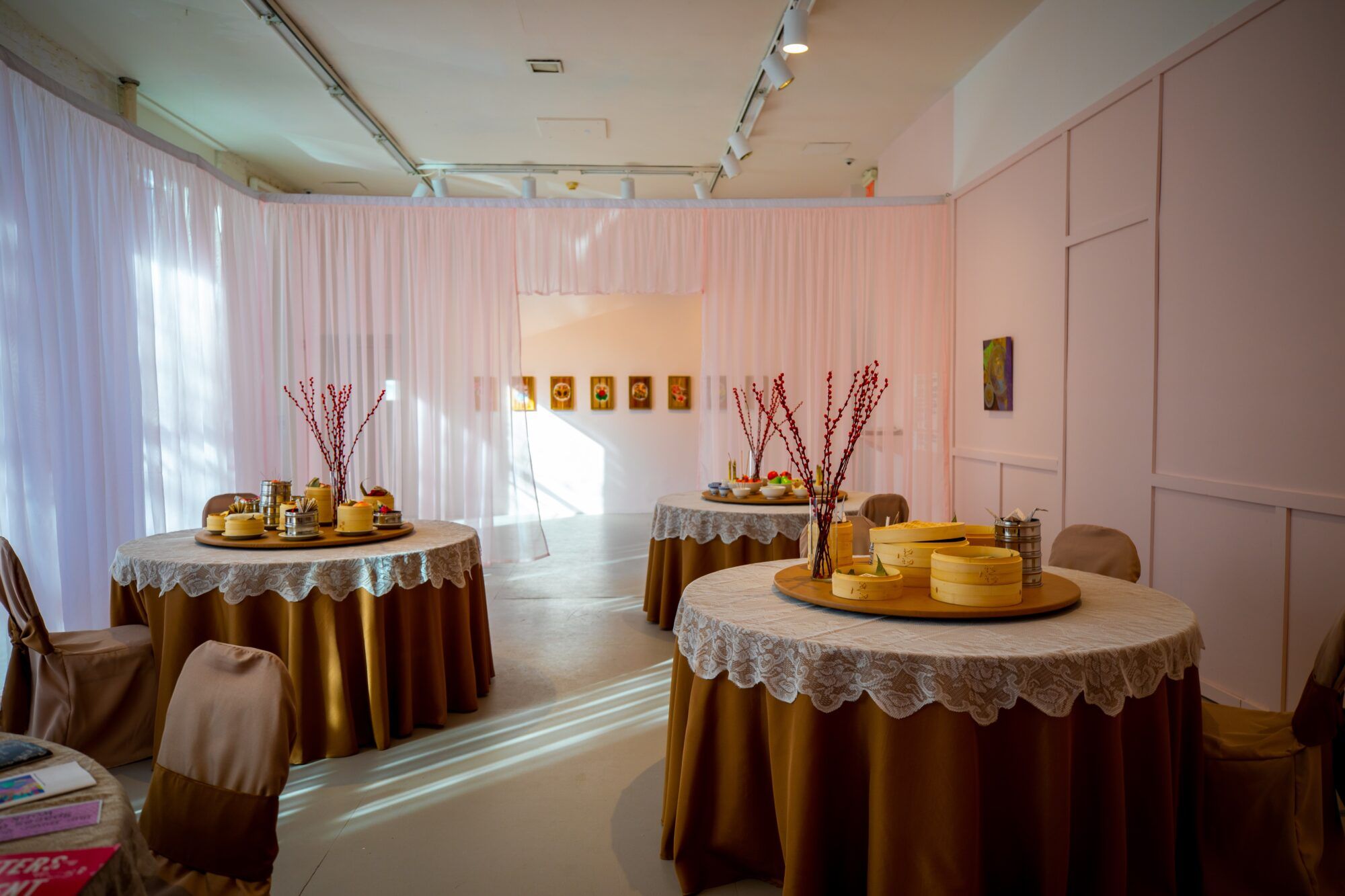
In the museum’s “Homeroom” gallery on the first floor, artists Yin Q and Chong Gu from the Red Canary Song, described on the exhibition website as a “grassroots collective led by migrant massage and sex workers across the Asian diaspora”, stage Dim Sum Constellations (2026) as part of the collective’s Touch The Heart installation. Red Canary Song was formed after the 2017 killing of Yang Song, a Chinese massage worker, during a police raid in Queens, New York. In Dim Sum Constellations, four tables are laid for lunch, with bowls and chopsticks but no food, framed by flowing, translucent pink curtains that recreate a dim sum restaurant. The piece is intimate and emotional, telling of the ongoing violence experienced by sex workers in the Asian community, with each table recounting a different story, like a quietly loquacious altar. One table is arranged with educational pamphlets on the policing of sex work and women’s rights. The soft pink and the murmurations of light as the afternoon sun descends in the gallery contrast starkly with the subject matter, drawing attention to the unresolved effects of racial discrimination on the community.
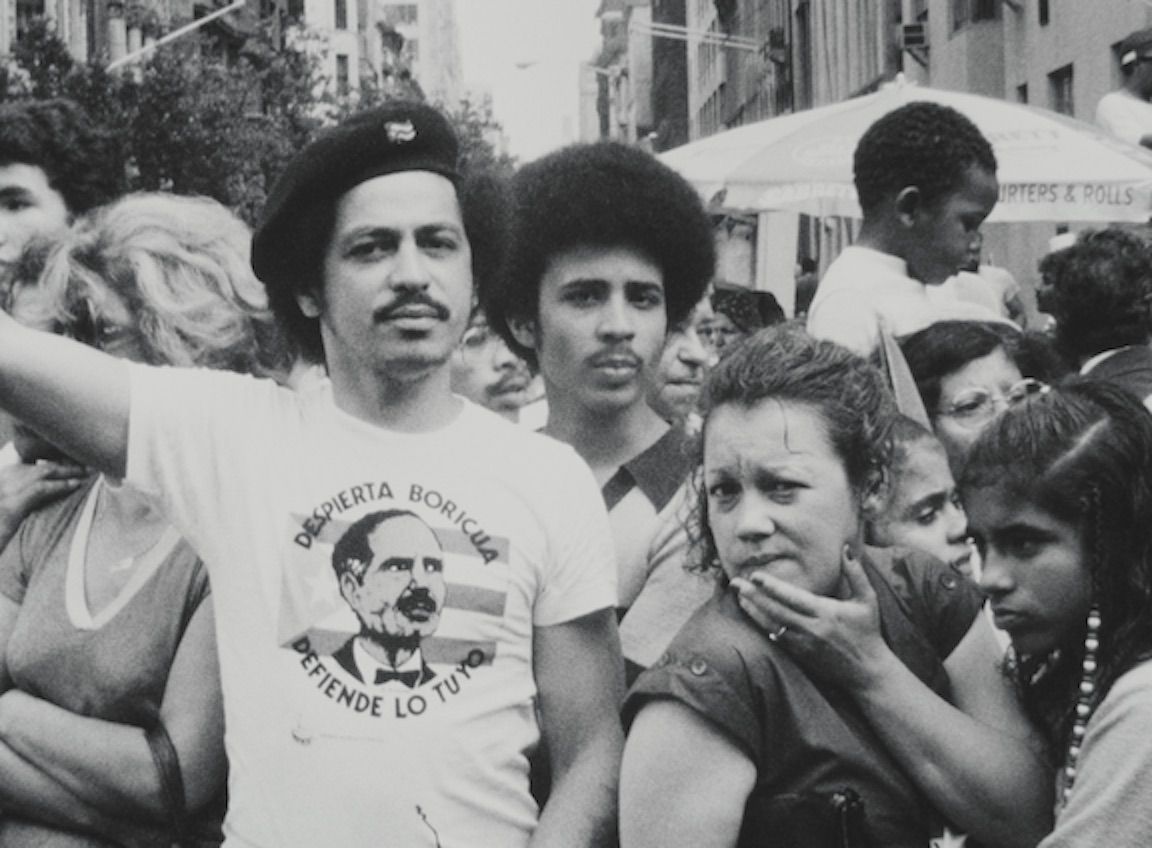
Greater New York is not afraid of politics. Down the Barrel (of a Lens) (2023) by Brooklyn-based artist and designer Kameron Neal confronts even the most casual of viewers. While in residence with the Department of Records and Information Services as part of NYC’s Public Artists in Residence (PAIR), Neal found a trove of footage drawn from the NYPD’s declassified surveillance film collections from 1960– 1980. Focusing on the moments where passers-by realise they are being filmed, Neal’s 25-minute two-channel video installation is staged with two large screens facing the other in the darkened space. The result is dizzying: as the viewer, you stand between the screens, assuming the position of the camera, the lens, the watcher, the authority. But, as the surveilled stare back into the lens, you suddenly become the watched. The city’s history of policing flows through like an unruly ghost as the staring contest persists. In moments like these, the show is at its best: highly evocative, sending shivers down the spine, and transfixing.
“The city’s history of policing flows through like an unruly ghost as the staring contest persists”
In a tucked-away room, Coco Klockner puts viewers in a similar trance, albeit sonically. For Glottoplasty (2026), the Brooklyn-based artist pulls from a sonic archive of oral histories recorded by New York’s trans community, constructing an interactive six-speaker installation (housed in plastic storage drawers) which takes in the sounds in the room and modulates, pitches and feminises them. The effect is gradually enveloping, like swimming in a polyphonic sea of one’s own noise, the physicality of the performance of gender transmuted into the reverberations of the transparent speakers. If Neal’s installation foregrounds the politics of being seen, Klockner’s attends to the politics of being heard—of who is allowed to speak, and in what register.
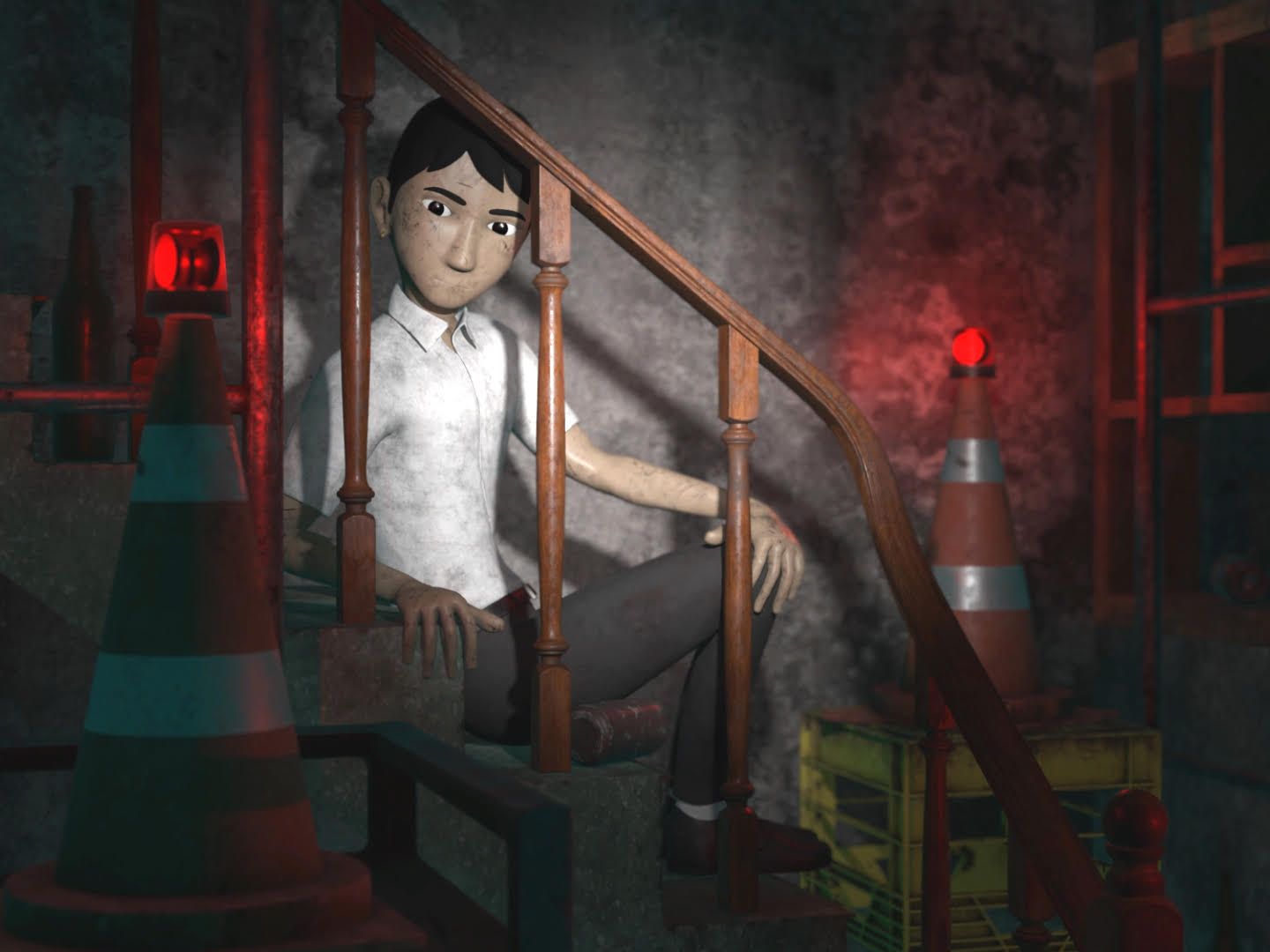
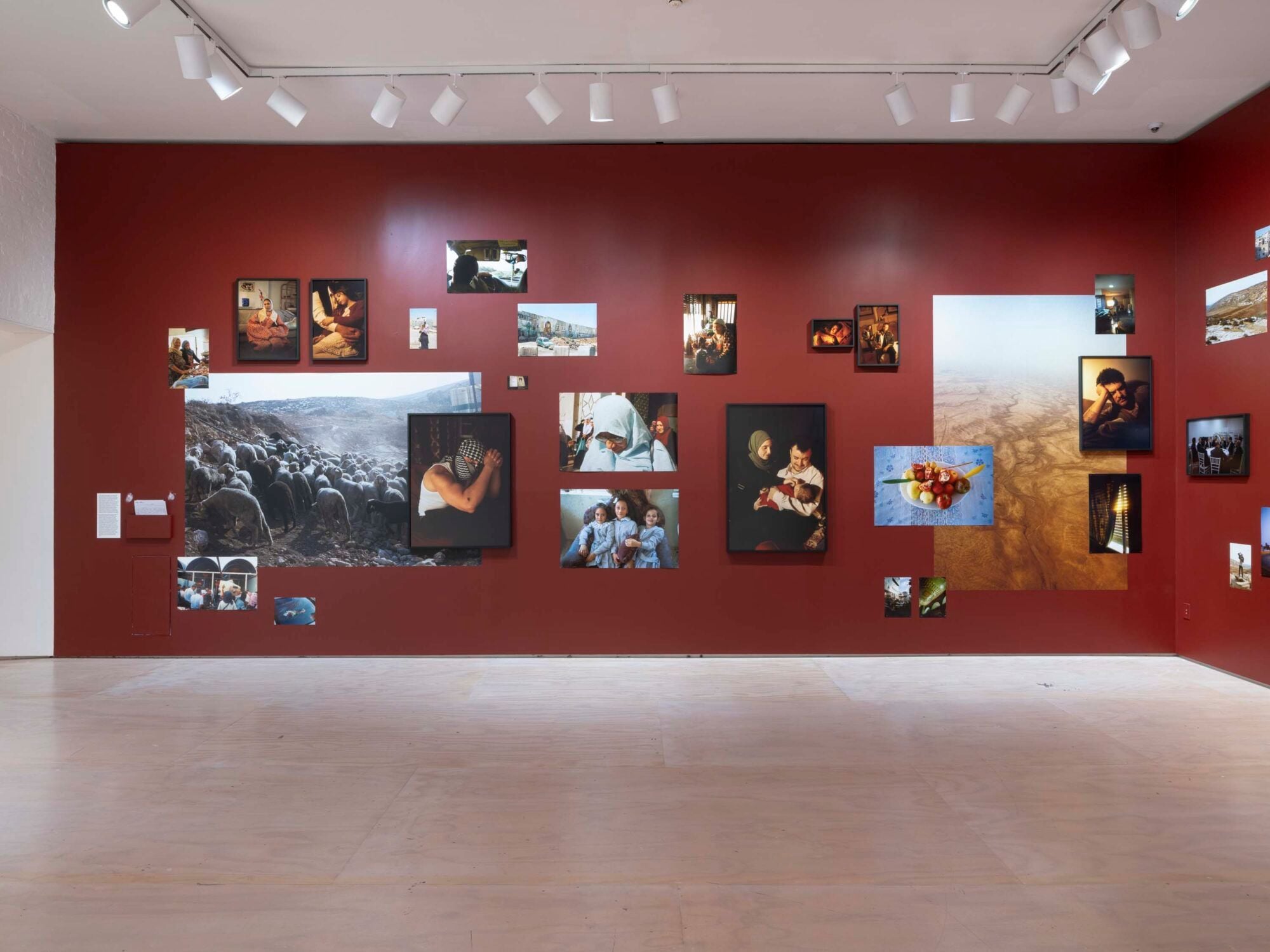
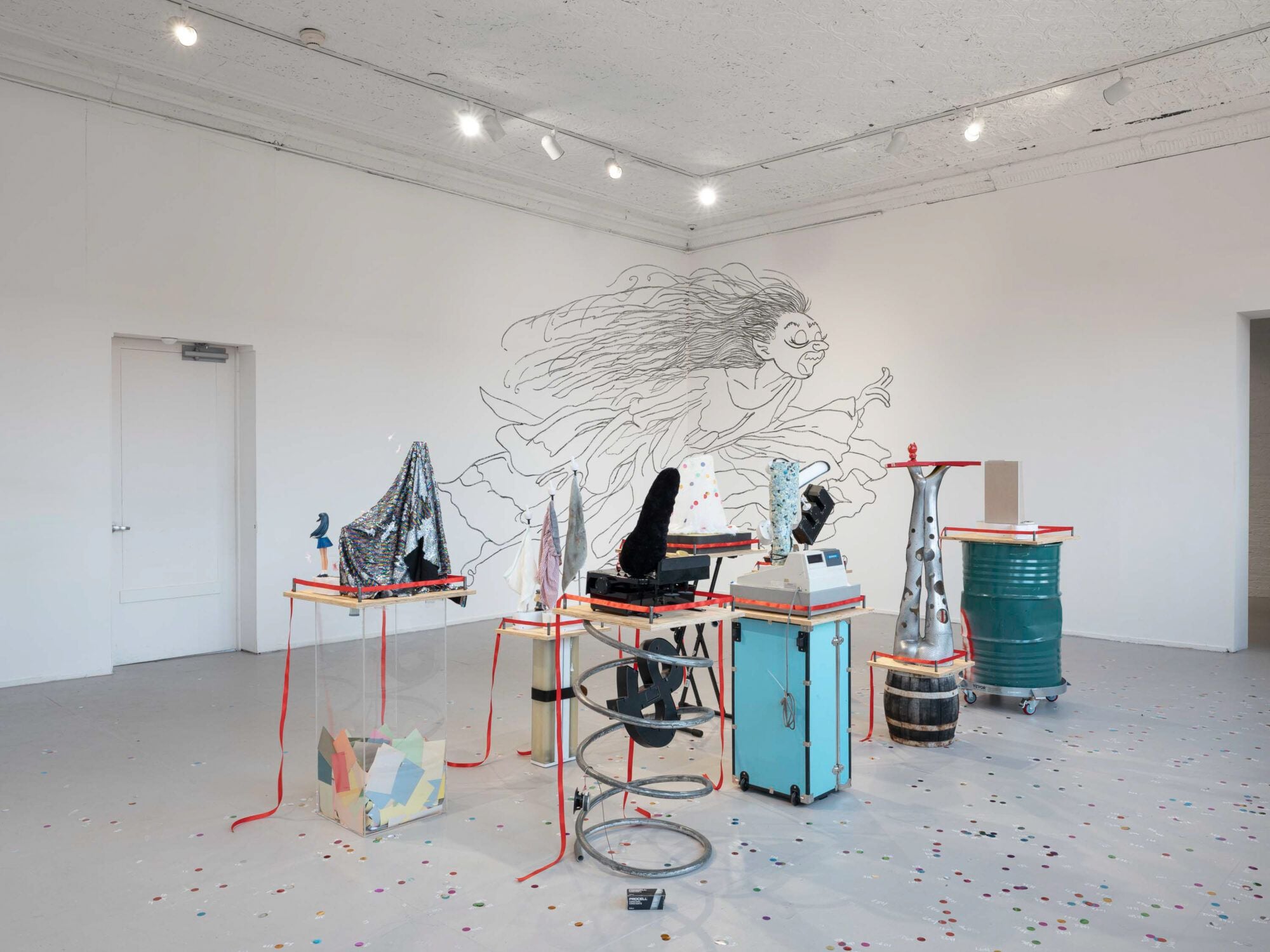
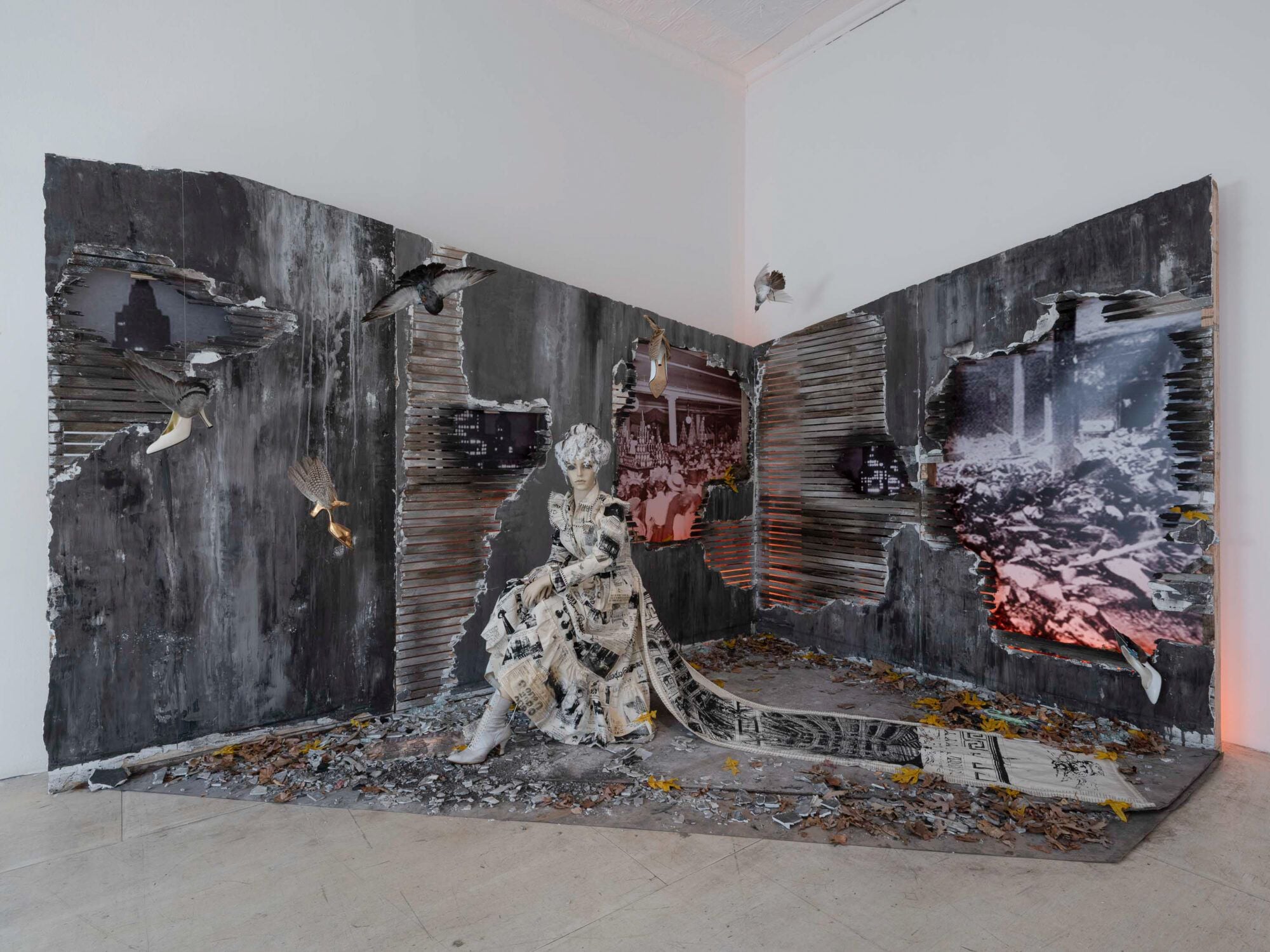
“There is something terrifyingly juvenile in the use of puppets on-screen”
In the basement, past the historic Boiler Room, is video installation Night Stroll (2024–2025)—another emotionally stirring work, this time by Taiwanese artist Poyen Wang. A lone, puppet-like figure sits midway on a narrow staircase, suspended in a space that feels both domestic and provisional, as if mid-renovation or quietly abandoned. The scene is punctuated by blinking red safety lights and scattered traffic cones, casting an uneasy industrial glow that interrupts any sense of intimacy. The character’s expression—downcast, ambiguous, neither fully melancholic nor alert—introduces a psychological tension: he appears to be waiting, or perhaps listening. In the subterranean setting, this lone work flashes through animated scenes of bathroom sinks, panning timidly, across the dilapidated room. There is something terrifyingly juvenile in the use of puppets on-screen; it adds to the uncanny feeling, enhanced by the darkness of the room where the two screens play the video.
Each of the artists in Greater New York demonstrates the dizzying expansiveness of the experience of living in New York. This is not because the works are literally about the city, but rather because they represent the creative energy of the every-dreaming metropolis, teeming at every block from Flushing to the Bronx. Spanning a wild range of media, the show offers a glimpse of what comes next for the city’s upcoming artistic crop: an unrelenting willingness to speak truthfully not only about their own experience of the world but how this intersects with the perspective of others. At a time of deepening division, it is desperately needed. —[O]
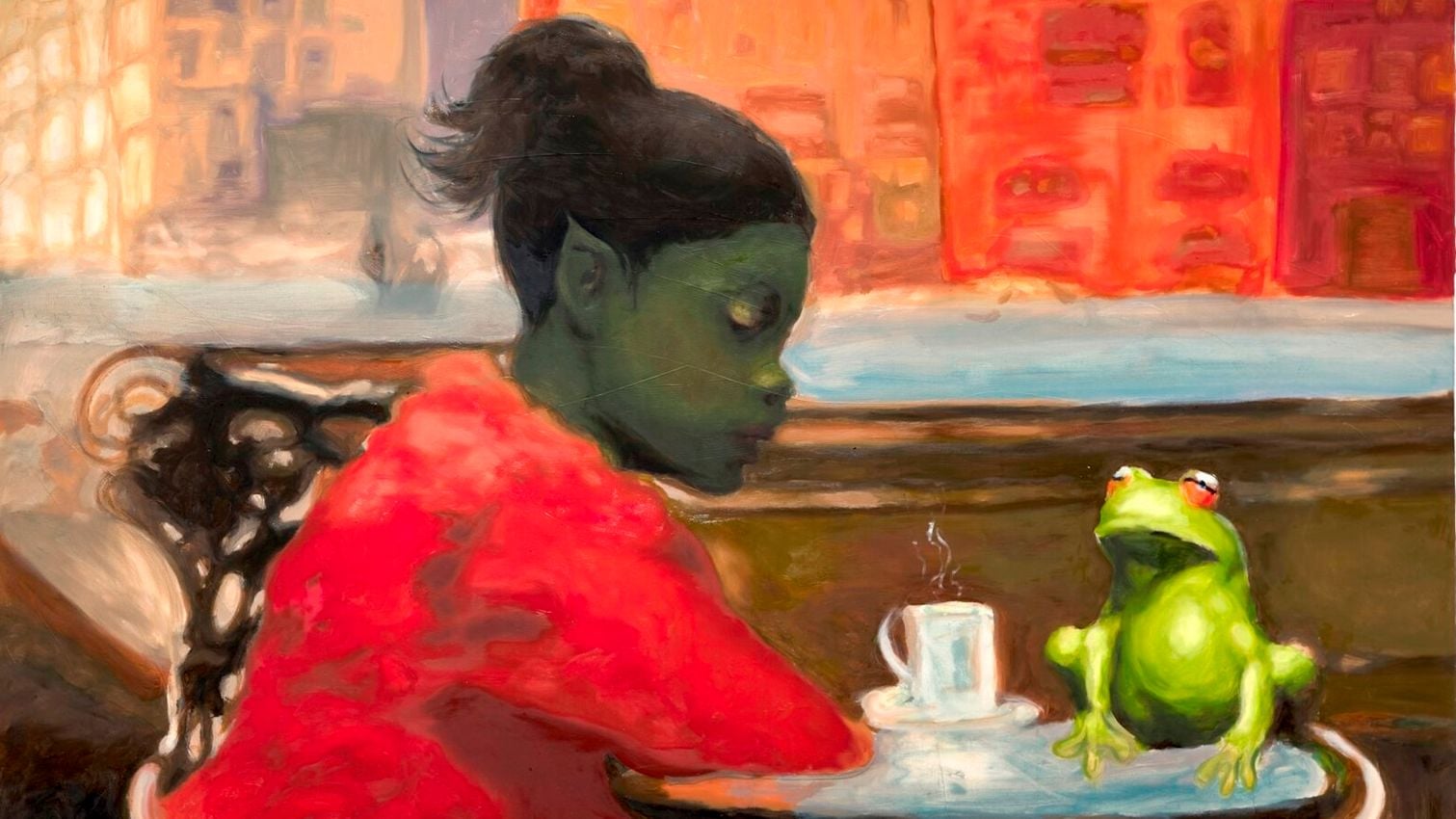
Main image: Taína Cruz, Charm Written in Steam and Light (2025. Courtesy the artist and Embajada, San Juan. Photo: Luis Corzo.




A respected voice in contemporary art discourse.
Focusing on ambitious storytelling and insightful art-world commentary. Ocula Magazine publishes in-depth interviews, critical essays and timely analysis on the artists, exhibitions and ideas driving the global art world.
Learn more about Ocula Magazine
Showcasing the best of the art world.
Ocula partners with galleries from around the world to highlight their artists, artworks and exhibitions. Gallery membership is by application and invitation, with each member vetted by an independent panel.
Learn more about Ocula Membership
Specialises in the sale of major artworks.
Led by a team with deep ties to the world’s leading auction houses, galleries and collectors. Ocula’s advisory team offers bespoke services to high-net-worth clients from around the world who are looking to acquire the best of contemporary and modern art.
Learn more about our team and services