





‘It’s a Painting That Slays Demons’: Cintra Wilson Picks One Work
Save to My Ocula
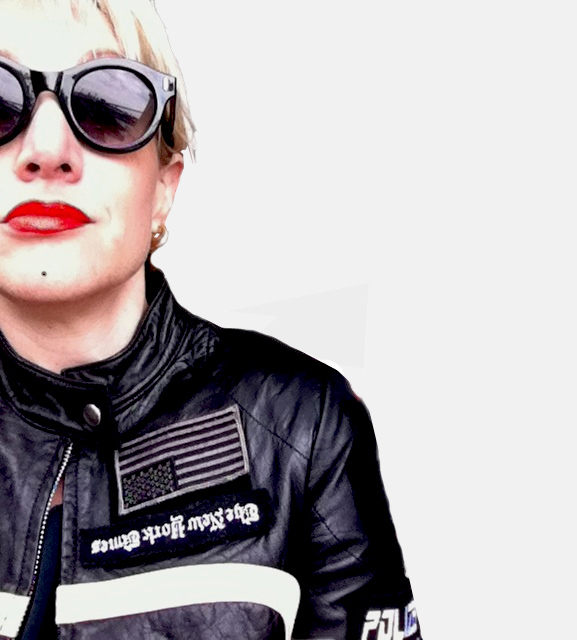
Cintra Wilson is an American playwright, novelist, journalist, and doting mischief-maker. Described at various times as ‘the most influential fashion journalist in the world’ and ‘the Dorothy Parker of the cyber age’, Wilson’s devotion to the cultural world has always come with passionate bite, with titles including A Massive Swelling: Celebrity Re-examined as a Grotesque, Crippling Disease and Other Cultural Revelations (2000) and Colors Insulting to Nature (2004). Who better to ask: What’s the one artwork that occupies your mind?
The only contemporary artist who made a painting that I stood in front of and burst into tears is a celebrity of pop-star proportions in her native Georgia, but not as well known in the West as she should be.
Eteri Chkadua was a child prodigy in art, who studied at the prestigious Academy of Arts in Tbilisi, where, when frustrated with the curriculum, she taught herself old master techniques. She is often compared to Frida Kahlo, because many of her paintings are magico-realistic self-portraits full of blazing feminine power; she is compared to Henri Rousseau, for her untamed, post-impressionistic foliage, and to the Flemish masters for her flawless brushwork when it comes to human likenesses.
There is a blend of feminism, humour, and savagery in her pieces. In several paintings—I’m thinking in particular of Dancer (2006), in which she is depicted crying while swinging rats around by their tails—she envisions herself as a character out of Georgian folklore.
In Salome (2005), which she painted after she broke up with her then-boyfriend, his severed head lies bloody in her lap. She’s wearing a delicate sundress and white mule heels with an ice-cold, killer look in her eyes and a gangster cheroot dangling from her mouth. This work makes me feel stronger when I look at it—it lets me access my inner guillotine, and the will to decapitate my tormentors. Chkadua seems to wring images directly out of her own spleen, they are so achingly personal and rudely triumphant—even when she is pictured sitting backwards on a zebra (Unfaithful Wife, 2004).
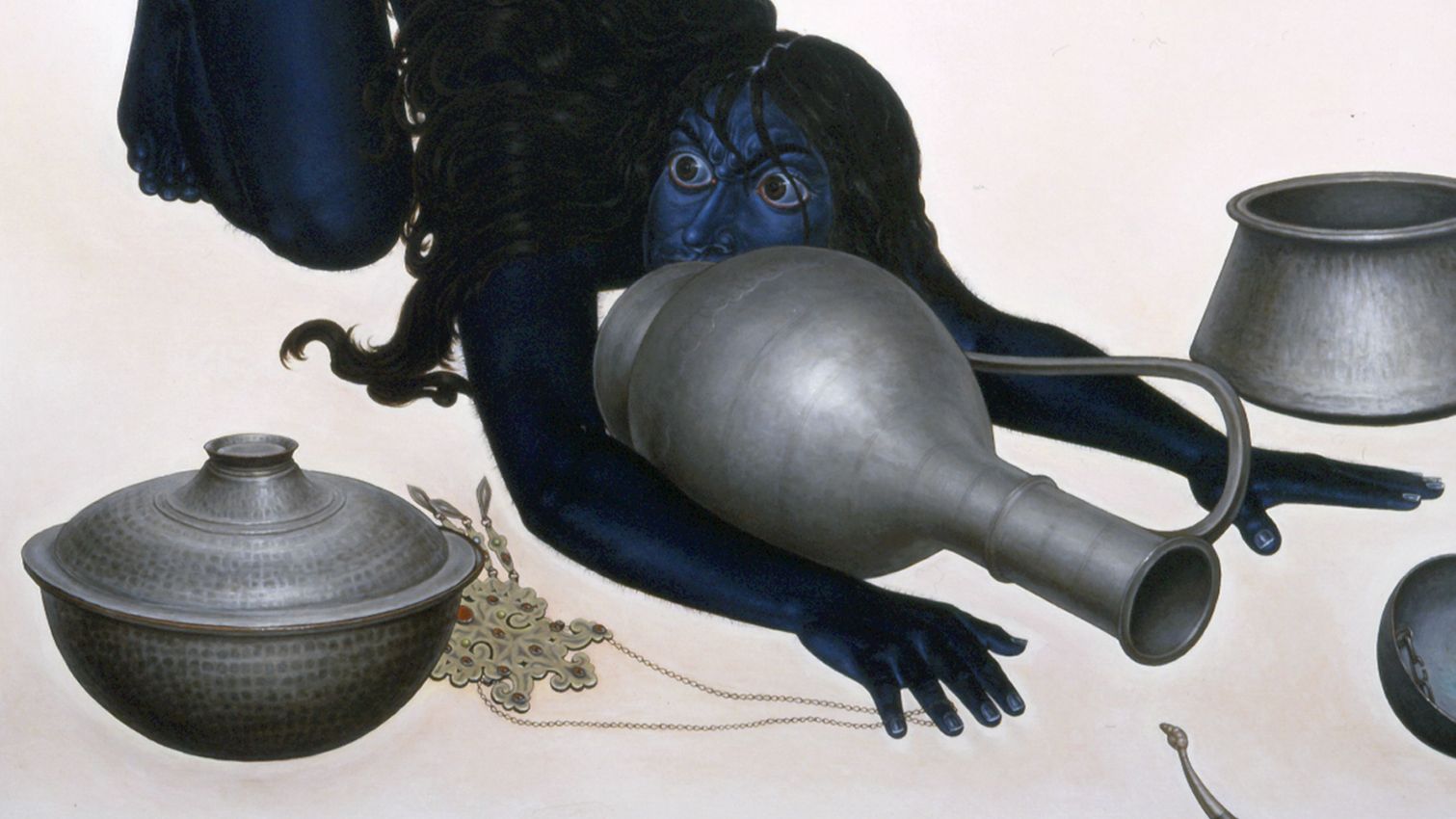
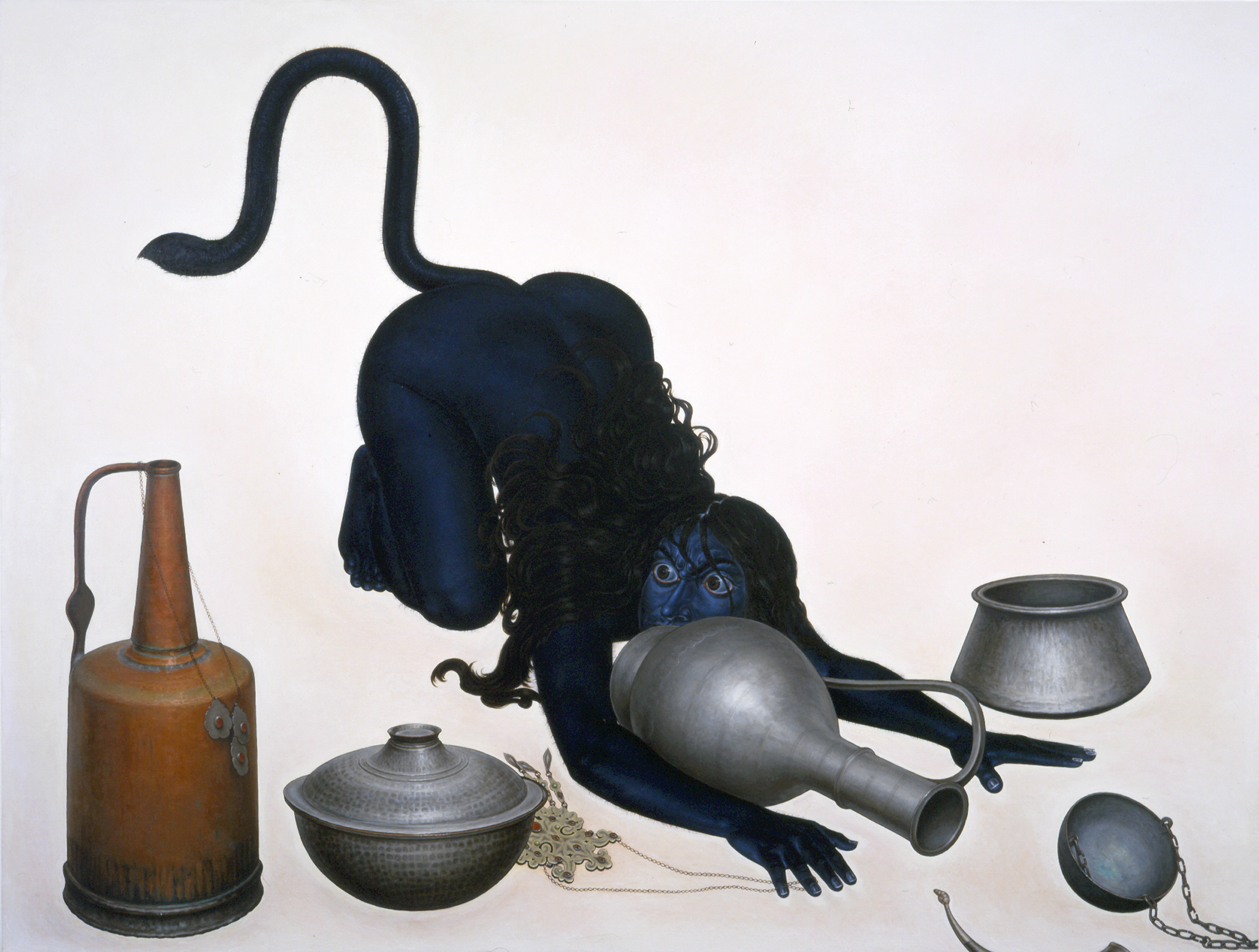
My heartfelt favourite of all Chkadua’s works is Demon (2003), wherein the artist is depicted as a hairy blue creature, busted in the act of desecrating vessels symbolic of her Georgian heritage. It’s the work that speaks most to my soul: what artist doesn’t feel violent, heretical, and destructive of all confines of the past? It’s a painting that slays demons, at least for me, by acknowledging the loneliness of this kind of seeking. —[O]


A respected voice in contemporary art discourse.
Focusing on ambitious storytelling and insightful art-world commentary. Ocula Magazine publishes in-depth interviews, critical essays and timely analysis on the artists, exhibitions and ideas driving the global art world.
Learn more about Ocula Magazine
Showcasing the best of the art world.
Ocula partners with galleries from around the world to highlight their artists, artworks and exhibitions. Gallery membership is by application and invitation, with each member vetted by an independent panel.
Learn more about Ocula Membership
Specialises in the sale of major artworks.
Led by a team with deep ties to the world’s leading auction houses, galleries and collectors. Ocula’s advisory team offers bespoke services to high-net-worth clients from around the world who are looking to acquire the best of contemporary and modern art.
Learn more about our team and services