





‘I Have No Interest in Fantasy’: Paula Siebra’s Paintings of Everyday Life in Brazil
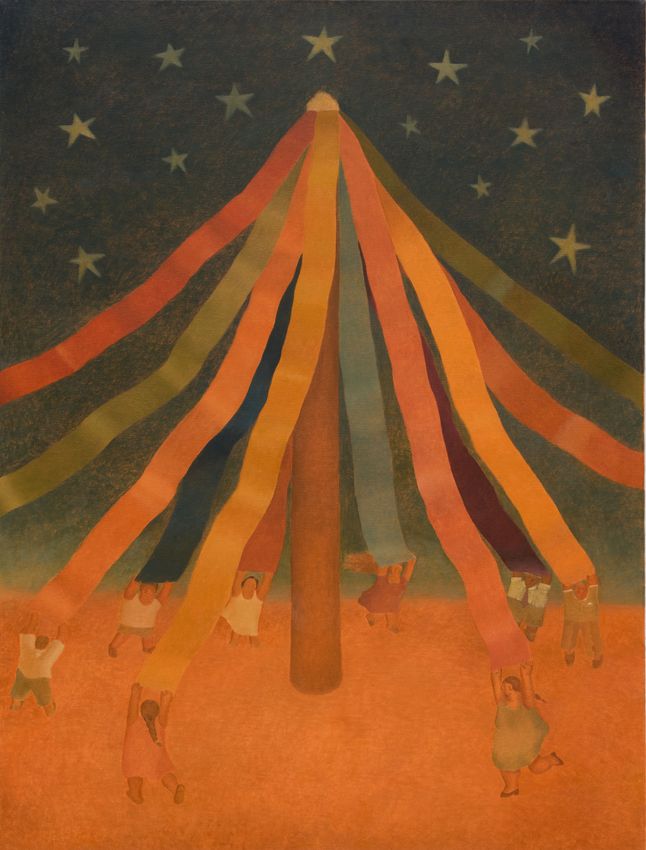
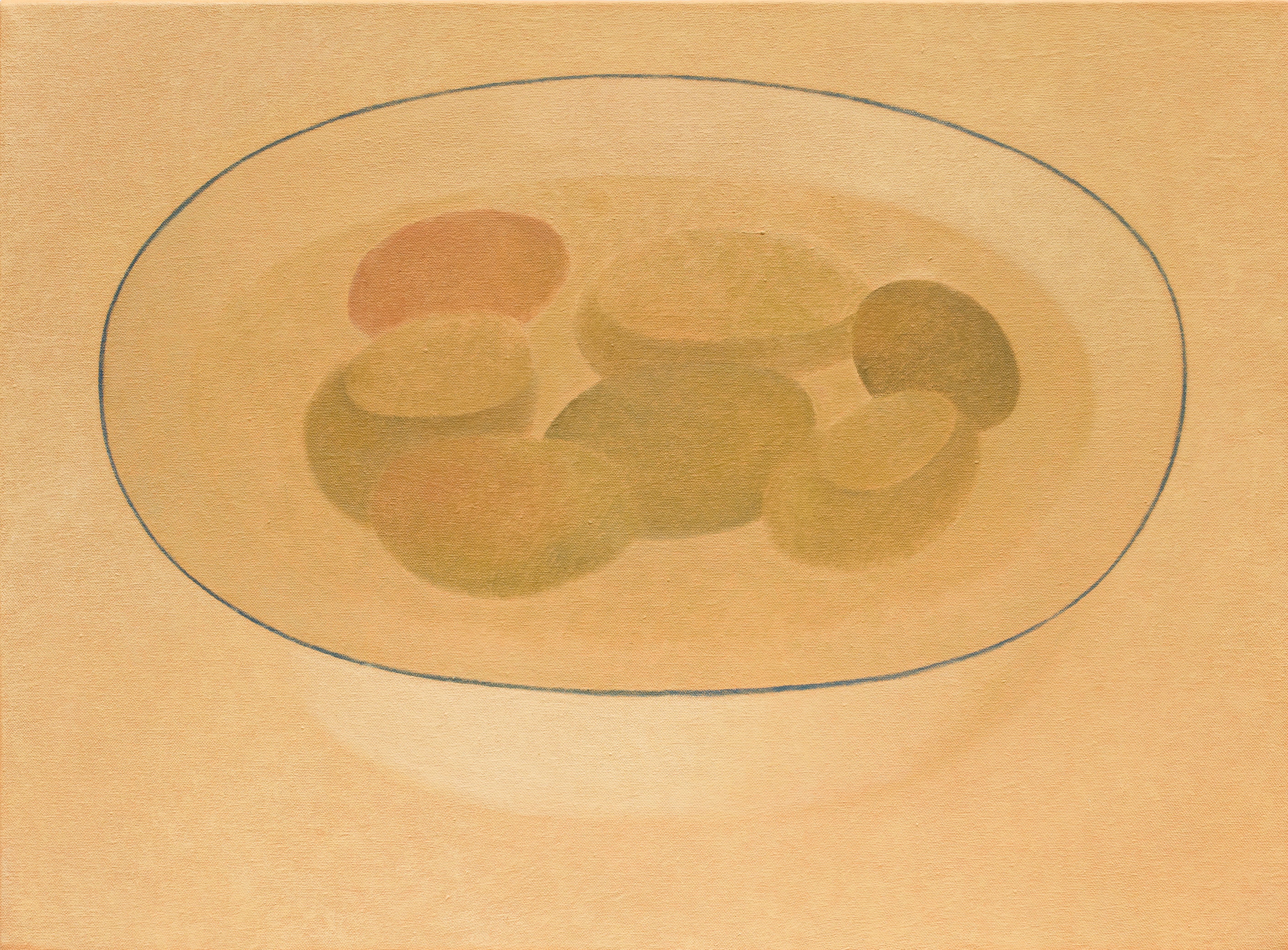
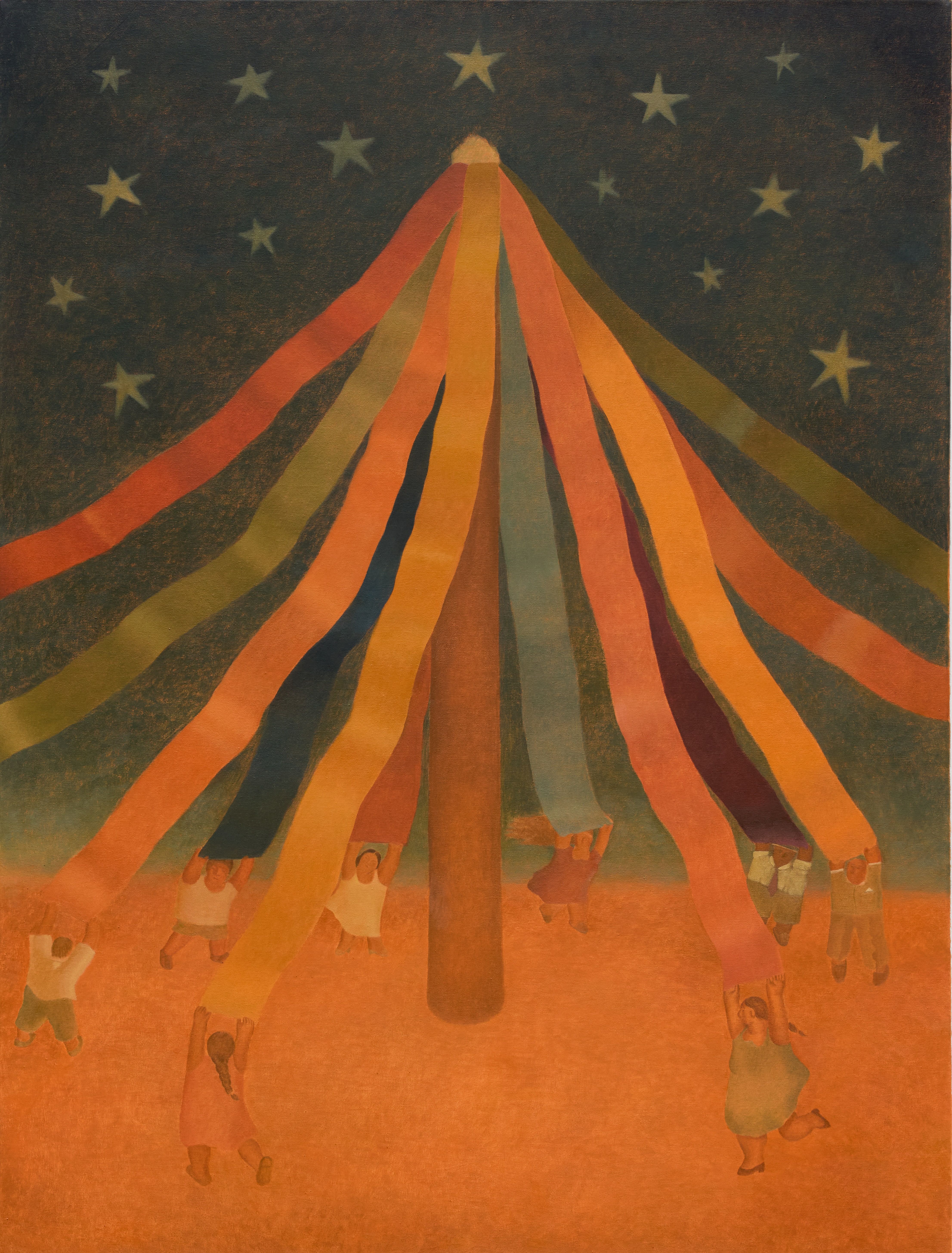
As she prepares for a new exhibition, Siebra talks to Nell Whittaker about finding inspiration in bossa nova, her collection of shells and the light, colours and culture of her homeland. Save to My OculaA comb, a shell, a basket of leaves, a pair of gloves, a gun, a rose, a glass of coffee, a bread bun, a house, a church, a tower: the subjects of Paula Siebra’s paintings are symbolically weighty. Her paintings are created from the gradual application of thin layers, so the objects float between foreground and background, making things appear as though they have been arranged according to an internal esoteric order. Meanwhile, her portraits often depict their subjects looking down, intent on something, or with their minds elsewhere. Whether portraits, landscapes or still lifes, the paintings express a sense of deliberateness.
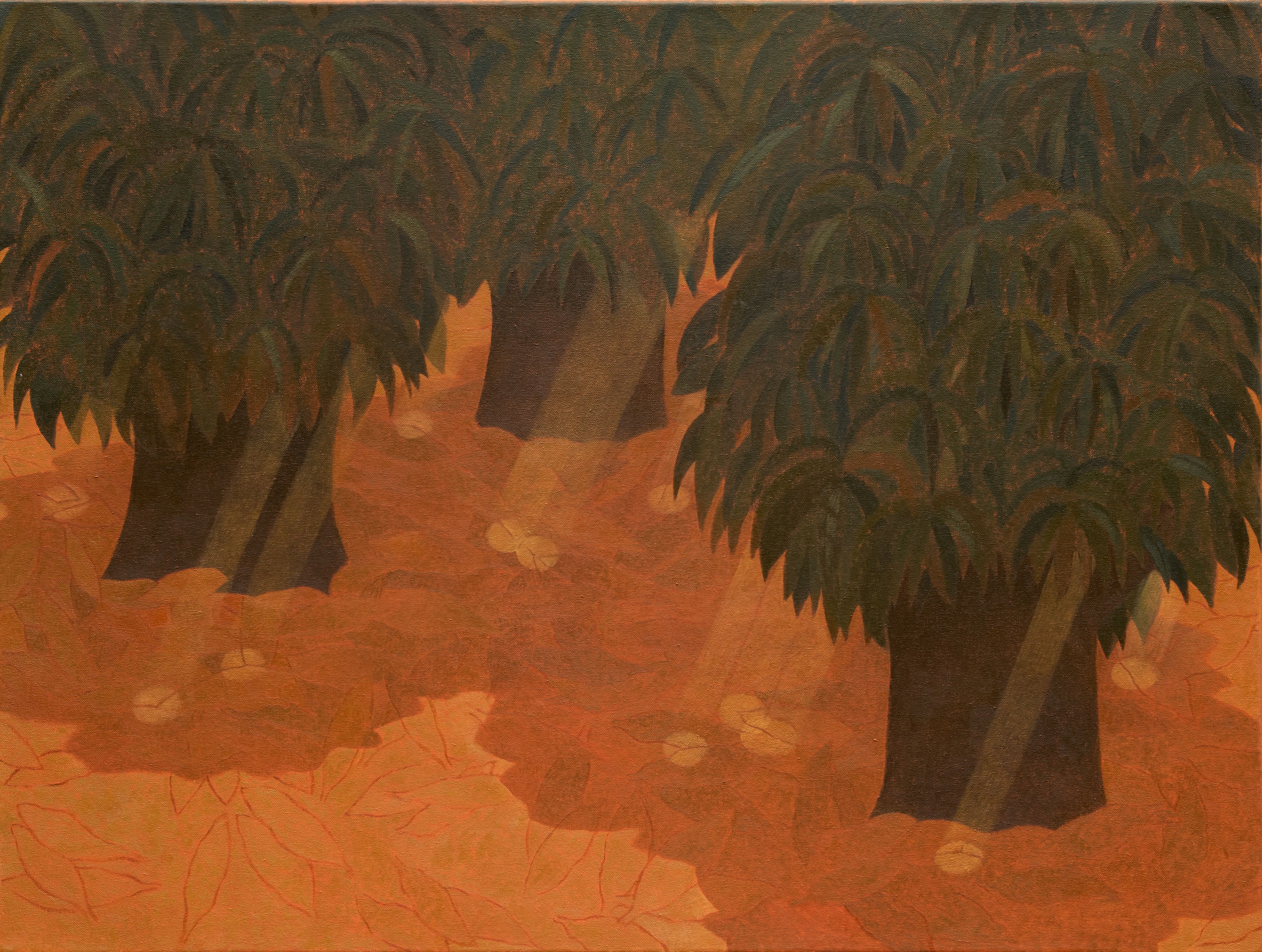
Siebra lives and works in Fortaleza, the north-eastern Brazilian city where she was born, and where she has recently bought a little house on the street where her father spent his childhood. Her work is in dialogue with many aspects of Fortaleza—its politics, history, light and architecture—as well as the wider state of Ceará, of which it is the capital.
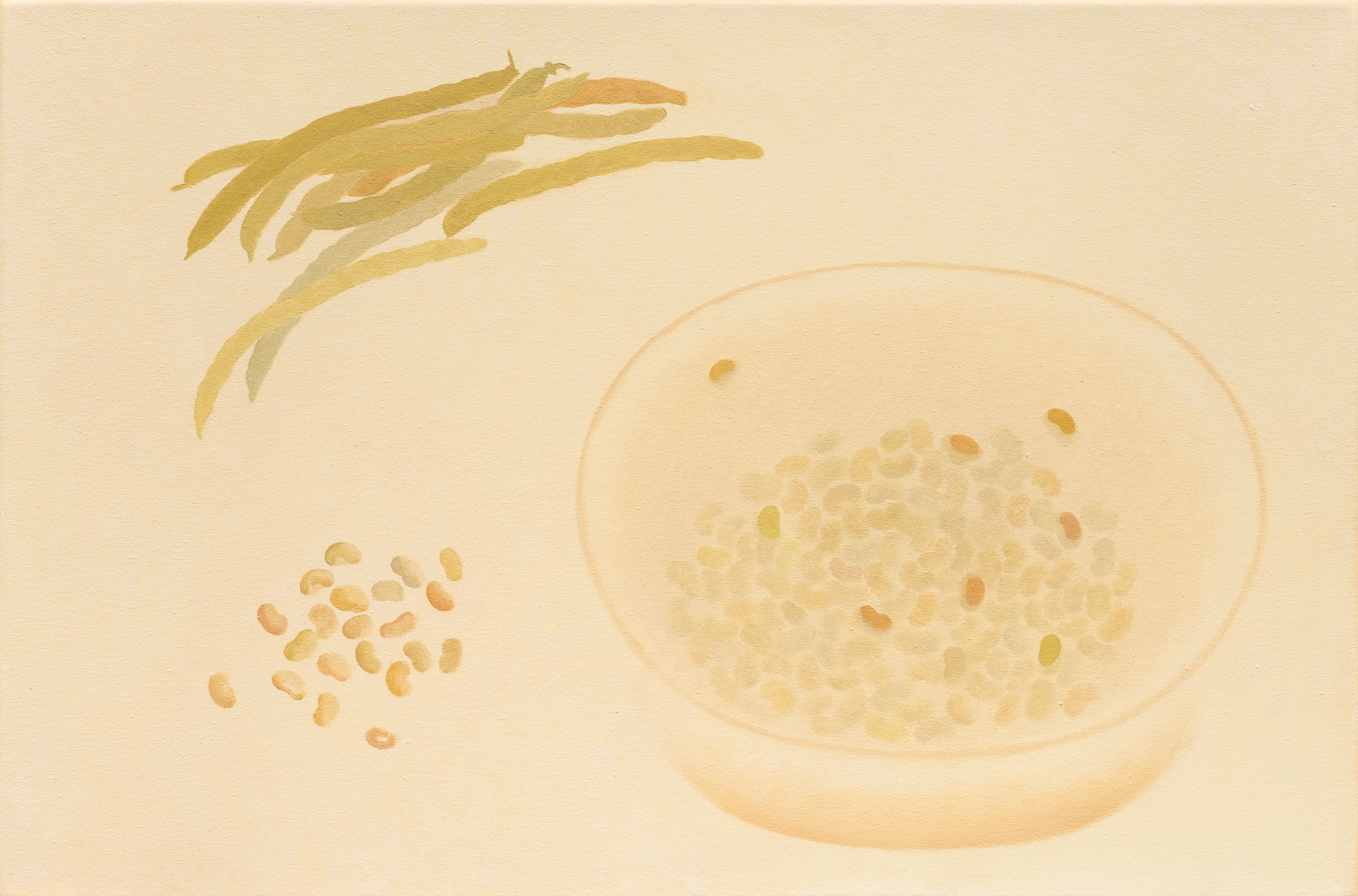
Later this month, Siebra will open an exhibition of new paintings at Mendes Wood DM São Paulo, which occupies Casa Iramaia, a modernist house designed by Brazilian architect Gregori Warchavchik around 1932. The paintings are inspired both by Ceará (one is titled Separando o feijão [Separating the beans], referring to the traditional sorting of the beans after the rainy season in the state) and a 2025 residency Siebra took in Kyoto, Japan.
Nell Whittaker: What’s the first colour you see in the morning?
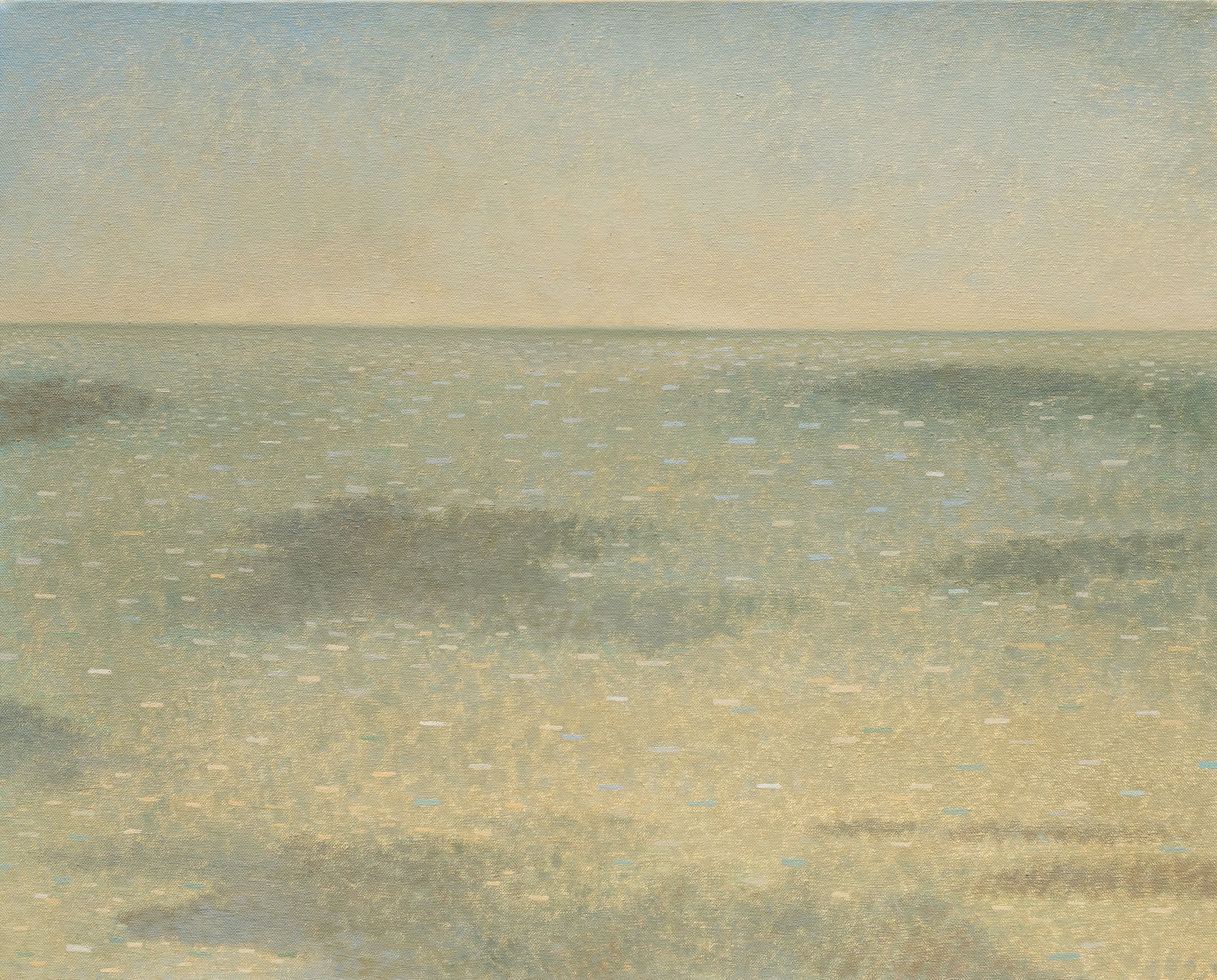
Paula Siebra: It’s the pale yellow of the sun hitting a wall in my building, and a coconut tree that I can see from the window in my bedroom. The pale yellow is very familiar, as it’s common here in my homeland. The light is very significant here. We are known as “The Land of Light”, not only because Ceará was the first state in Brazil to end slavery, but also because we receive very strong light.
NW: One of your first encounters with art was at a folk art museum in Fortaleza. Do you remember what you saw?
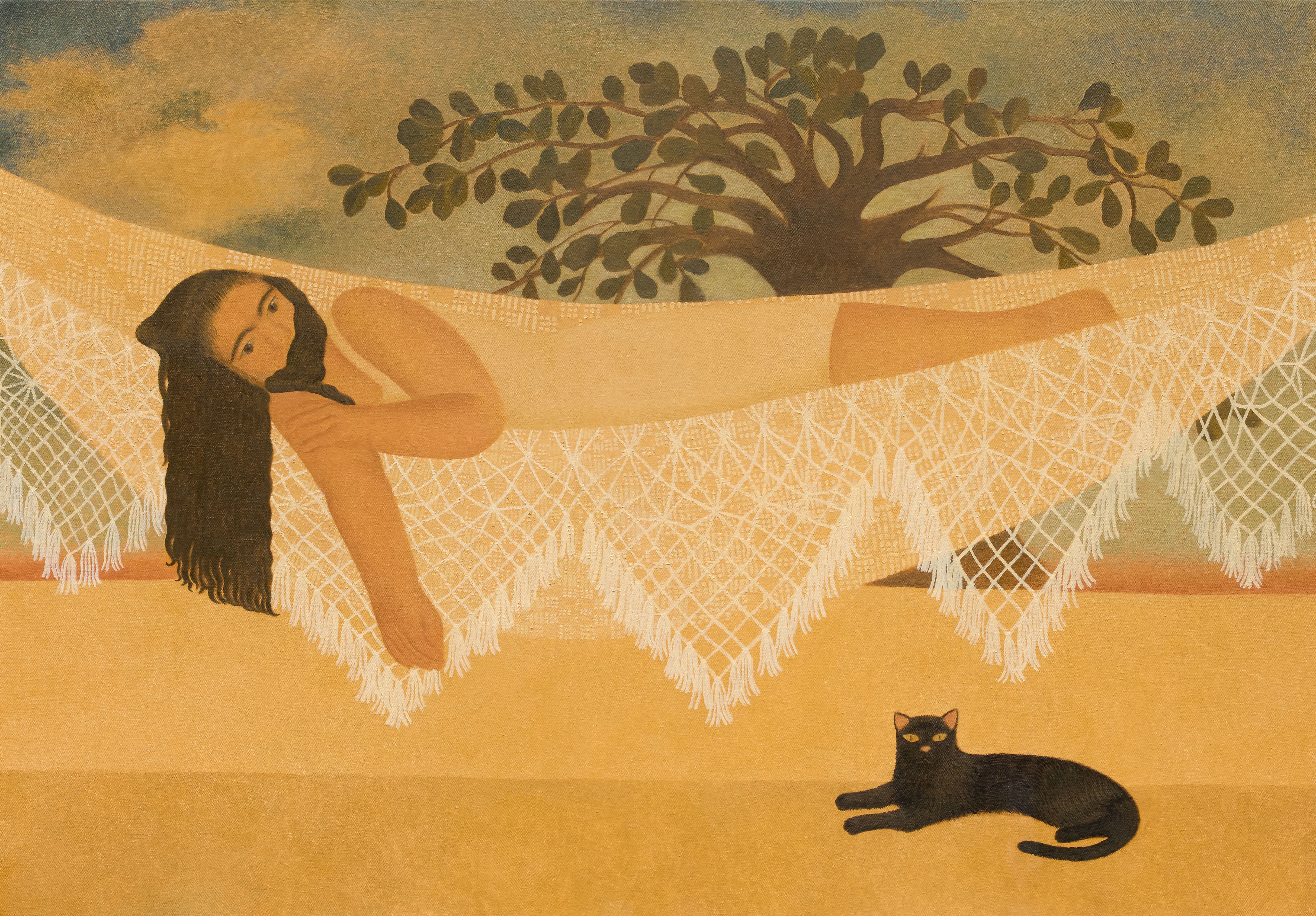
PS: I cannot recall exactly, but I think that the first painting I saw was of the bottom of a hammock. There’s a city in Ceará that produces the most beautiful hammocks in the world. They look a bit like the work of Agnes Martin, because they use geometrical repetition. The [folk art] museum is called Dragão do Mar, in homage to one of the leaders in the abolition of slavery. It hosts contemporary shows, but it also often exhibits folk art like ceramics and woodwork. I remember going down on Sundays to paint, because they would have unlimited paper and gouache paint for the kids to use. I would paint there the whole afternoon. I remember lying on the ground on top of a very big manta, which is kind of like clothing for a bed. My dad and I used to listen to music lying down on mantas, and they had these abstract geometrical patterns, and lots of colours. That’s a really strong memory.
NW: Do you think of yourself as a “dreamy” person?
PS: No, I don’t. My work is the opposite of dreamy. I have no interest in fantasy. I have no interest in surrealism. I feel I’m very grounded in reality. Yet people feel my paintings are dreamy because they’re so real, and if we pay enough attention to reality, it exceeds common sense. That’s exactly what I aim to do.
“If we pay enough attention to reality, it exceeds common sense”
NW: Your work is the product of careful layering and accumulating. Are you a collector, as well?
PS: This is a very dangerous part of my—let’s say—obsessive behaviour. I have a collection of shells, and I have a collection of rocks. I have a small collection of art from my homeland. But I am also very aware of this behaviour, and I Marie Kondo the house every year, so that my collections do not grow too big for me to take care of. So, I would say I am a collector of a very small number of things. My favourite collection is what I call my “few and beloved things”, which are things that I research and research and research, and then buy once. In one of my paintings, there appears a comb, and I used to have a collection of combs which I painted a lot. But now I only have one comb, in the shape of a fish. At the moment, I’m also looking for lace work and the hammocks I mentioned before. I try to collect very special folk pieces, and I’m making a big archive of the ornamental patterns of my homeland. These items are mostly made by women, and they are maintaining this heritage of hand work, but we are losing the variety of patterns. I did a DNA test last year, and in the DNA test they said, you are propense to hoarding.
NW: You have said that your practice is driven by the sheer joy of painting itself. What specific kind of joy does painting bring? And what else also brings you joy in life?
PS: As a painter, I have the immense privilege of spending a lot of time with objects and things that I think are beautiful. For example, recently I began to prepare a painting of the flower of the bean plant. When you’re painting, you’re behaving differently from anybody who might look at something and say: “Oh, that’s beautiful,” and move on. You spend a lot of time with the object, and this is an immense source of joy. I did a portrait of my mum when she was on vacation this year. The opportunity to sit in front of your mother, look her in the eye, and look at the immense variety in her face… This is very special. It’s something that I hope people could do more often, even if they’re not professional painters. Of course, the best part for me is when you start a painting, and you ground the layer with the colour you like, then you’re in the beginning of the painting. I don’t know how to describe this, other than that it’s very good. It’s very pleasant.
What else brings me joy? Let me think. Eating brings me a lot of joy. There’s something about the taste of the world that when you eat a tangerine you feel you could die. But music is probably my primary source of joy, as well as melancholy. I’m a collector of musical instruments: I have a piano, I have a flute, I have a koto I brought from Japan. I have fun not being monogamous with any one of them—I’m so devoted to painting that I feel I can fool around. Right now, I’m listening a lot to Moacir Santos. He was a great jazz musician from Brazil that I love, particularly his album Ouro Negro, which means “black gold”. I’m listening a lot to João Donato, a big guy in bossa nova and jazz. I listen all the time to choro, which is my favourite genre of music. My family used to play choro on Sundays, and I absolutely love it.—[O]
Main image: Paula Siebra, If we pay enough attention to reality, it exceeds common sense (2026). Courtesy of the artist and Mendes Wood DM, São Paulo, Brussels, Paris, New York.







A respected voice in contemporary art discourse.
Focusing on ambitious storytelling and insightful art-world commentary. Ocula Magazine publishes in-depth interviews, critical essays and timely analysis on the artists, exhibitions and ideas driving the global art world.
Learn more about Ocula Magazine
Showcasing the best of the art world.
Ocula partners with galleries from around the world to highlight their artists, artworks and exhibitions. Gallery membership is by application and invitation, with each member vetted by an independent panel.
Learn more about Ocula Membership
Specialises in the sale of major artworks.
Led by a team with deep ties to the world’s leading auction houses, galleries and collectors. Ocula’s advisory team offers bespoke services to high-net-worth clients from around the world who are looking to acquire the best of contemporary and modern art.
Learn more about our team and services