





Arturo Galansino on Florence’s Fondazione Palazzo Strozzi
The Italian curator sits down with Ocula Director Eva Fuchs to discuss Fondazione Palazzo Strozzi and his contributions to reshaping the accessibility of contemporary art in Italy. Save to My OculaWith stints at London‘s National Gallery, the Royal Academy of Art, and the Musée du Louvre in Paris, Arturo Galansino has made a lasting impact on the art world.
Since 2015, the Italian art historian, critic, and curator has been Director General of Fondazione Palazzo Strozzi in Florence, organising a diverse range of exhibitions, showcasing works from Old Masters to contemporary artists such as Anish Kapoor.
Galansino sits down with Ocula Director Eva Fuchs to discuss his role at Fondazione Palazzo Strozzi, his contributions to reshaping the accessibility of contemporary art in Italy, and where to enjoy an aperitivo in Florence.
Can you tell us a little bit about Fondazione Palazzo Strozzi?
The mission of Fondazione Palazzo Strozzi is to bring exceptional, internationally acclaimed events to Florence to foster a new, more sustainable way of living in the city and support the business of tourism.
The Foundation operates as a private and public organisation—a very new and unusual thing when it was established in 2006. As the first foundation of its kind in Italy, we remain among the few institutions with this kind of governance.
What sets Fondazione Palazzo Strozzi apart is its predominantly private financial foundation. Our budget is primarily supported by the private sector, and we rely on both private contributions and the success of our exhibitions for funding.
We first met when you were a curator at the Royal Academy (RA) in London, following roles at the Musée du Louvre in Paris and London’s National Gallery. When you took the job as Director General in 2015, I admired your decision but was also worried about the challenges you were about to face. How was the transition from those big cultural institutions?
Everything’s been going well, and I’m very happy after nearly nine years. However, as you may remember, many thought I was crazy to leave the RA, where I had started a successful exhibition programme, particularly focused on Old Masters, to return to Italy. Yet, Fondazione Palazzo Strozzi’s proposal intrigued me.
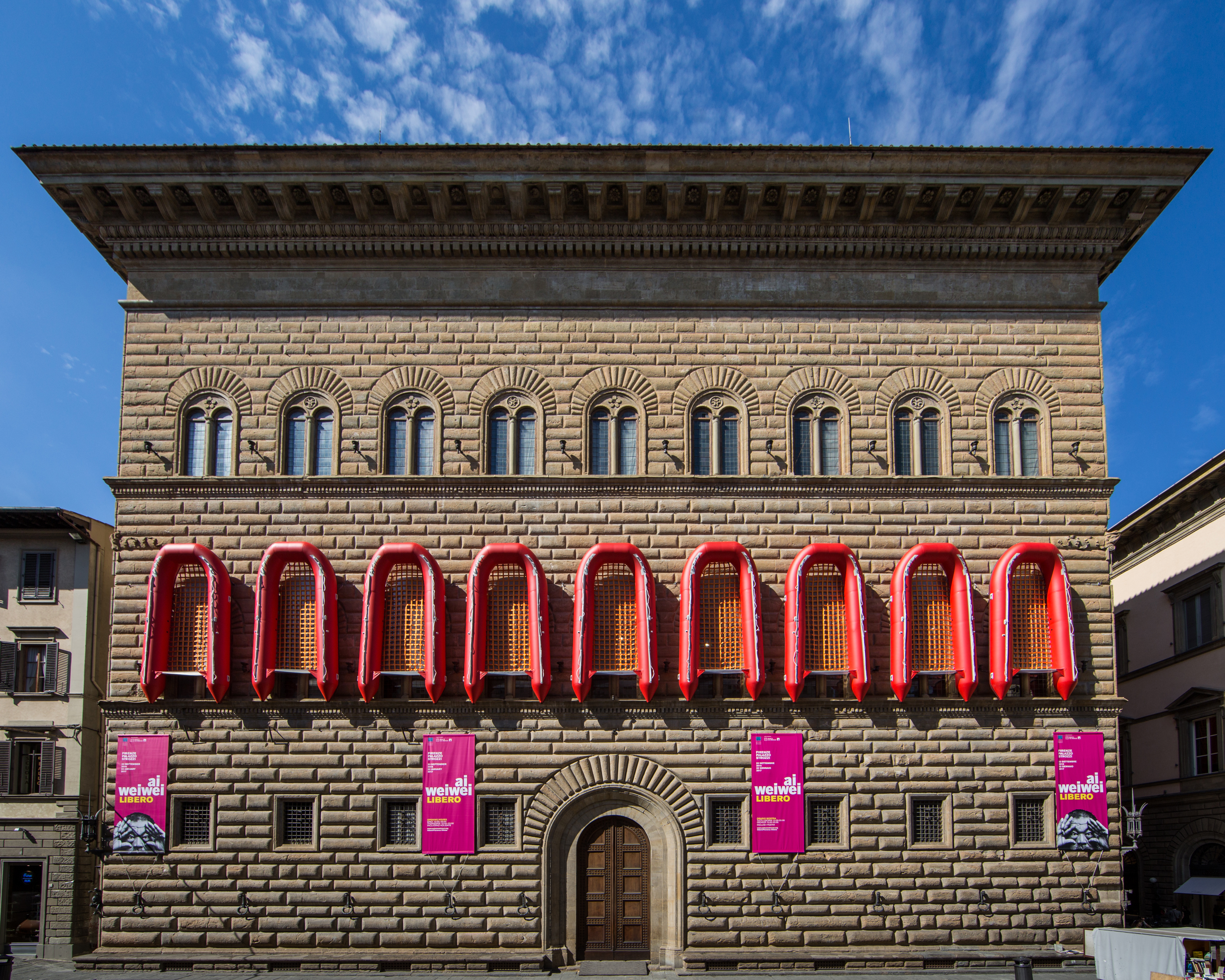
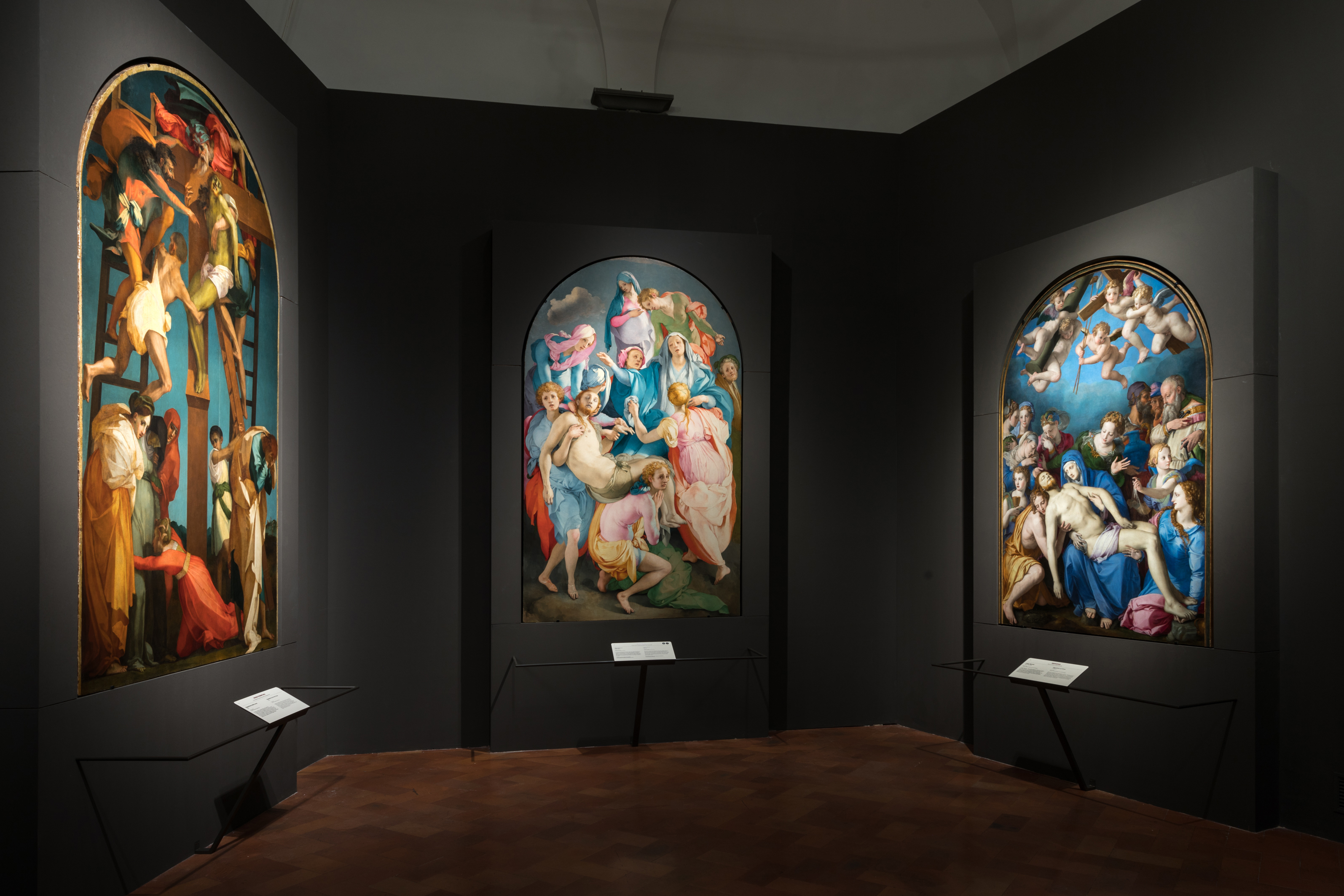
I was fascinated by the institution’s architecture—it’s the epitome of a Renaissance palazzo. Reflecting on past exhibitions like Pontormo and Rosso Fiorentino: Diverging Paths of Mannerism in 2014 also fuelled my interest. And I found the foundation’s unique structure, allowing for considerable independence, appealing.
This autonomy fuelled my exploration of projects and programmes that could be developed in Florence. Looking at the exhibition landscape in Italy, I saw a lot of potential to develop something new and successful. For once, my instincts proved right.
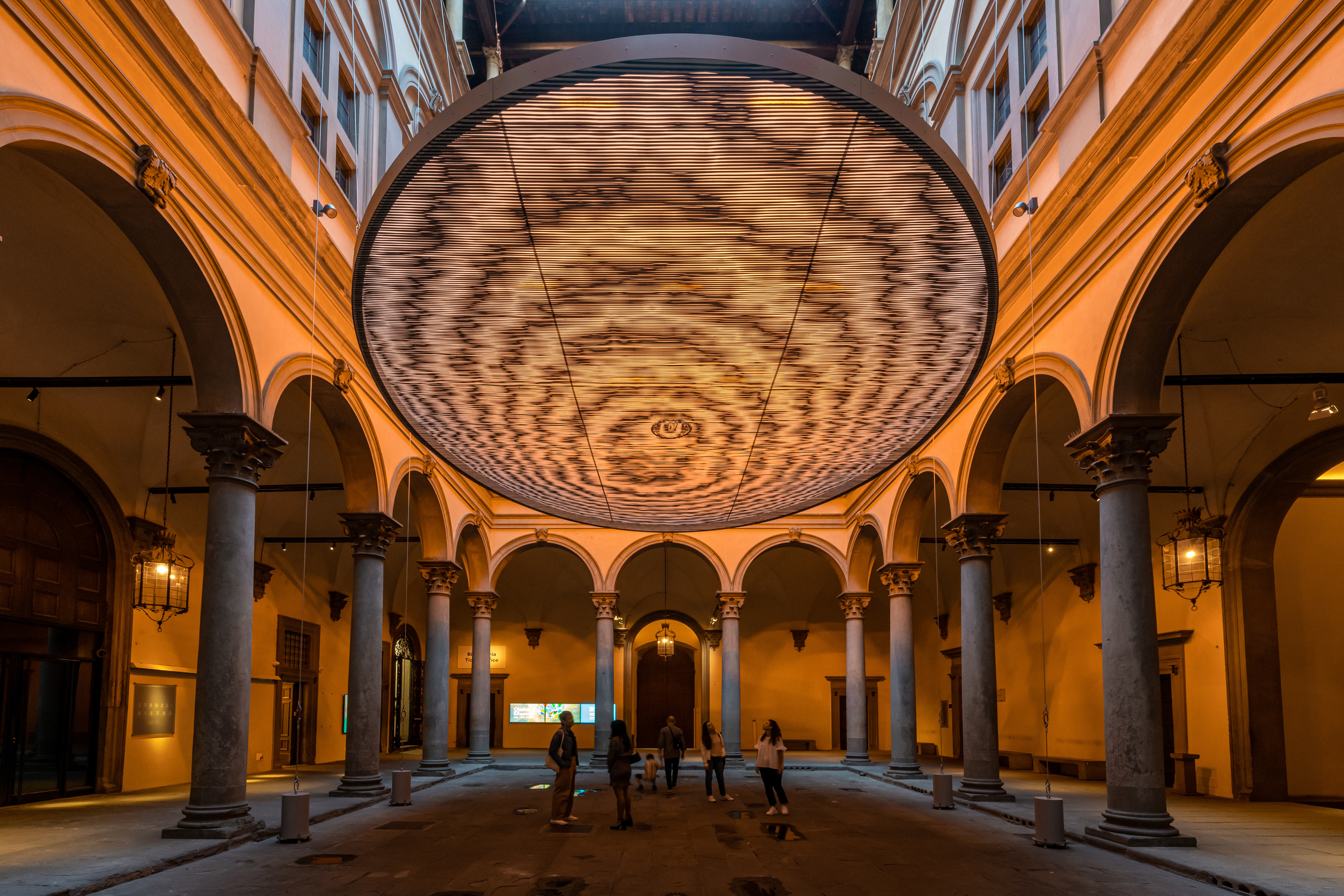
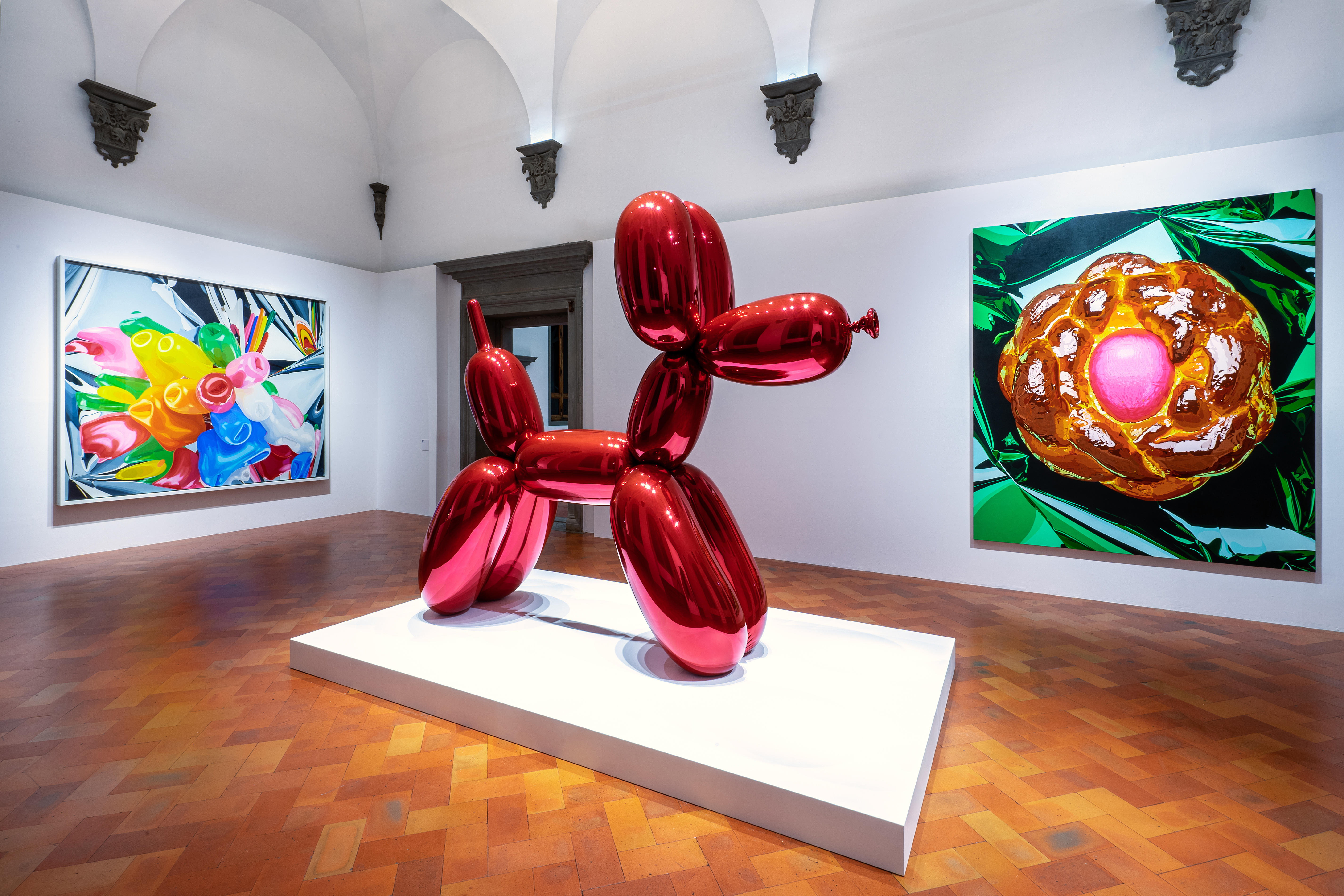
Exhibitions here evolve through a dialogue between the artist and the distinctive architecture of Fondazione Palazzo Strozzi. When introducing artists to this space, what aspects of the building—either architecturally or historically—consistently resonate with you?
No one else in the world can offer this kind of grandiose environment for such a variety of exhibitions supported by modern infrastructure. Fondazione Palazzo Strozzi’s dual identity, blending history, grandeur, and modernity, offers an unparalleled setting for artists.
This isn’t your typical white cube or traditional museum. It’s a place for genuine dialogue with our history and identity, aiming to connect the past and the present, making both relevant.
It’s becoming more common to place contemporary art somewhere spectacular, in a historical setting. We believe that inviting artists to create within the unique contexts of institutions like this one, specifically thinking about Florence, is one of the key elements of our success.
As you said, the palace is always the starting point of our discussions with the artist and I think this works very well because the artists we collaborate with have the sensibility, interest, and curiosity to create something different in this space.
Are you restricted in terms of the conservation of the building?
Certainly, here, everything is difficult—we can’t even put a nail in the wall. However, with the right team of engineers and conservators, we can overcome these challenges. Thanks to our team, we are always able to find innovative solutions to achieve ambitious things in the space.
Since you started the contemporary art programme in 2016, you’ve exhibited Tomás Saraceno, Ai Weiwei, Bill Viola, Marina Abramović, and Jeff Koons, among others—all major international artists, but with very different practices and messages. How do you decide which artist to invite to exhibit?
We intentionally avoid restricting our research to a particular direction because we don’t have a permanent collection. While this may seem limiting, it grants us the freedom to explore.
Despite the diversity, you can find some similar characteristics because we often have artists drawing inspiration from the past, from Renaissance imagery, or from science, climate change, and ecology—themes closely tied to humanism.
Sustainability, for example, is an idea that we often explore at Fondazione Palazzo Strozzi. We like artists who have something to say about our present. One of our missions is to bring culture and art to a broader audience, challenging the perception that contemporary art is inaccessible.
While Italy traditionally sees more success in exhibitions featuring Old Masters, we are working to shift this trend by encouraging interest in modern and contemporary art.
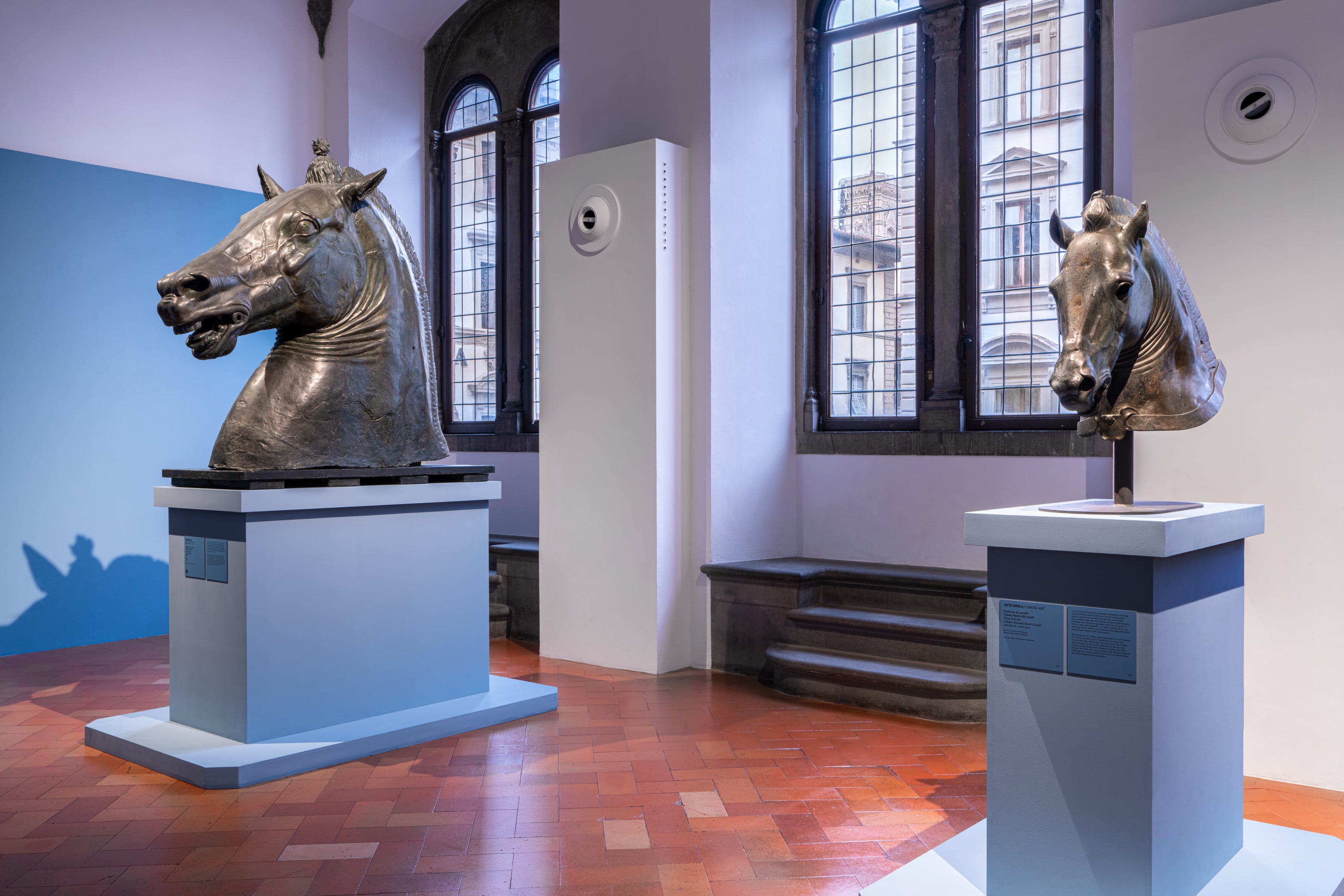
Occasionally, you organise Old Masters shows, the most recent being the Italian sculptor Donatello, and before that, Verrocchio. Why?
We don’t want to forget the significance of our past. Since I began working here, we have organised three unprecedented Old Masters shows: The Cinquecento in Florence, Verrocchio, and Donatello. These two monographic exhibitions marked the most comprehensive presentations of each artist’s work to date.
Organising an Old Masters show in a city like Florence, already rich with artistic treasures, only makes sense when it’s extraordinary. So, when it’s a historic first, putting on these shows aligns with our vision, enhancing the city’s cultural significance and becoming a necessary part of our programme.
Florence is a city overwhelmed by tourism. What role does Fondazione Palazzo Strozzi play in facilitating tourism and ameliorating its excesses?
You’re absolutely correct. Unfortunately, cities like Florence and Venice are becoming increasingly difficult to visit. The experience is far from easy—huge crowds, long museum queues, and once inside, navigating through uncomfortably packed groups of people. This situation, to some extent, is a consequence of the importance of these places.
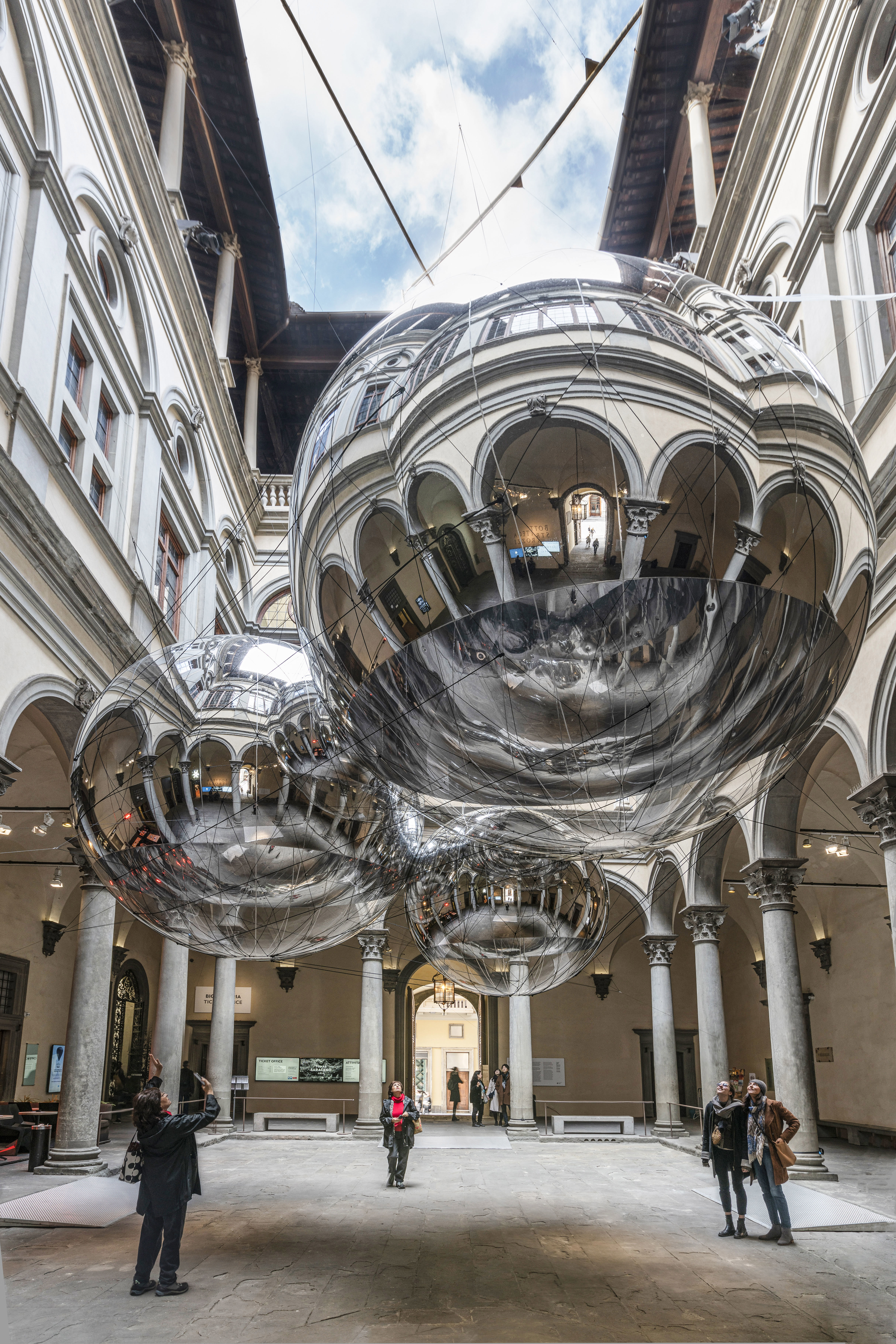
However, I don’t think we have to be snobbish or elitist—these places belong to the entire world. Everyone should have the chance to visit somewhere like Florence and embrace its beauty. Yet, we must understand that this is not sustainable anymore. Looking to the future, we need to take some measures to regulate visitor numbers. It’s not just about preserving our cultural experience but also about looking after our heritage.
Fondazione Palazzo Strozzi aspires to be an antidote to this kind of tourism. Our approach has nothing to do with mass tourism. Our audience primarily comprises nationals, mainly Italians, and non-Tuscans. More than half of our visitors are from various regions across Italy. Locals, too, are an important part of our audience. Then we have international visitors, which make up around 20 percent.
Despite several high-quality contemporary museums in Italy, it seems to me that the locals are not that interested in contemporary art. In my hometown, Bolzano, most of my friends go to the brilliant Museion for coffee, but never for exhibitions. Why do you think that is?
Absolutely. In Italy, we have plenty of institutions dedicated to modern and contemporary art across the north, central, and southern regions, but they are not so well attended. This is part of the reason why we always say contemporary art is considered a niche in Italy.
Likely rooted in our tradition, we don’t place enough emphasis on teaching modern and contemporary art in schools due to having so many cultural attractions to see in our country. As a result, the general public struggles to connect with contemporary art.
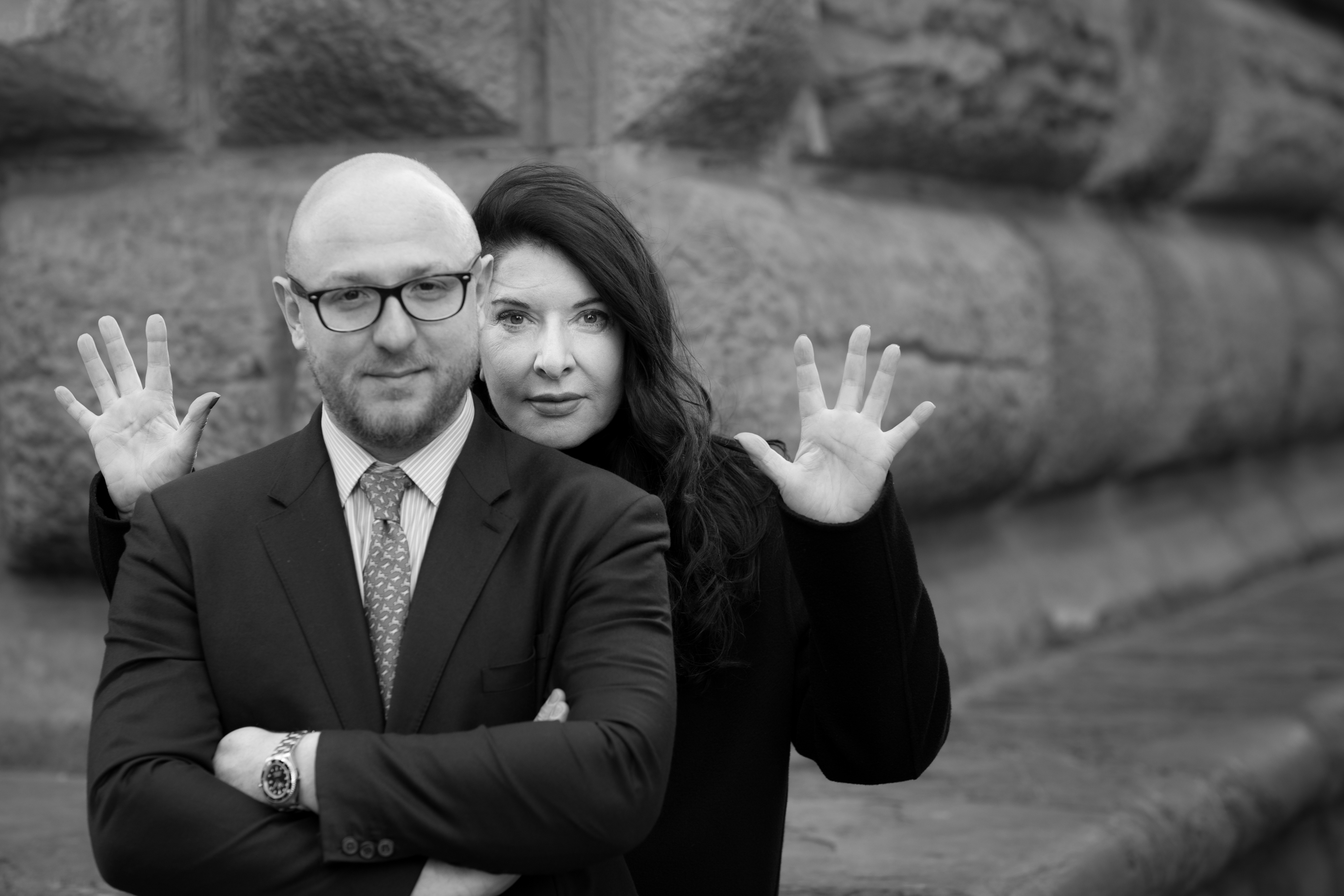
In contrast, the Fondazione Palazzo Strozzi gets 45 percent of its funding from ticket sales and is said to be the most successful exhibition centre in Italy. You are regularly featured in the Italian press and celebrities like Chiara Ferragni pose with you in front of artworks. How did you manage to make Fondazione Palazzo Strozzi so popular?
Our success can be attributed to our focus on accessibility, particularly within our education department. We prioritise making our voice easily understandable and ensure that the artists we feature address topics of importance.
As someone immersed in contemporary art, you’re likely aware that the field can sometimes employ an elitist language, making it challenging for a broader audience to engage. We strive to simplify this language, making art easier to understand and approach.
What do you say to critics who claim that your programme is too commercial?
As a mainly private institution heavily dependent on ticket sales, our exhibitions must be successful. Organising these kinds of shows is expensive and challenging, you have to put together many people and collaborate with numerous partners.
Although our emphasis is on accessibility and not commercialism, we need to attract diverse audiences and secure essential support. Success for us is not driven by a commercial agenda but by a commitment to high quality.
What’s the plan for 2024?
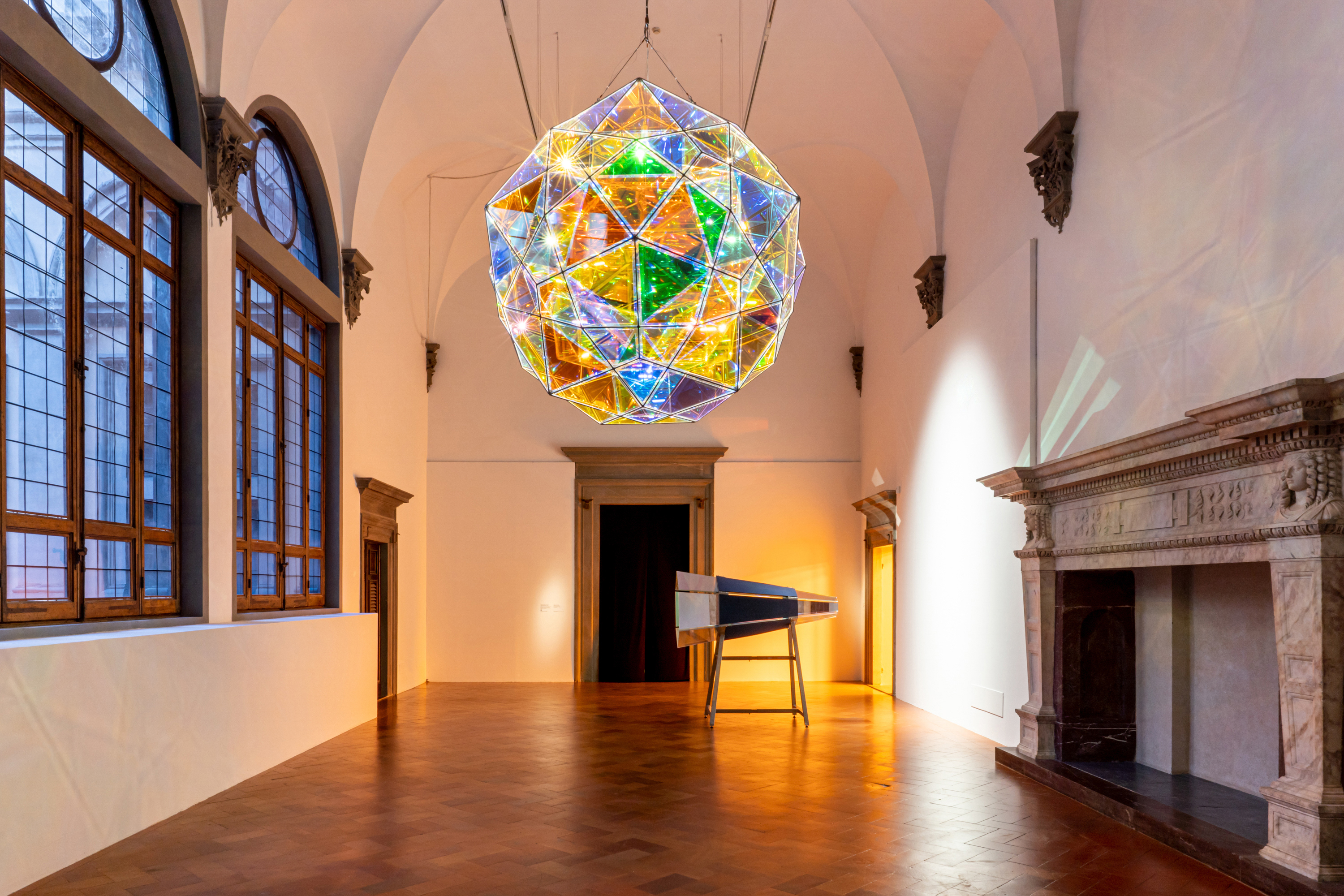
After the huge success of the Anish Kapoor show, we are going to host a major exhibition by Anselm Kiefer—primarily showcasing new, site-specific works.
Then we have a comprehensive survey of Helen Frankenthaler where her work will be shown alongside some of her contemporaries. The exhibition will highlight her groundbreaking influence, which preceded her better-known male counterparts.
Finally, where do you like to eat and have an aperitivo when in Florence?
This is probably the most difficult question to answer because there are so many great places. As Florence is a travellers’ city, I would suggest exploring the beautiful hotels. Go to Irene, an unbelievably good restaurant at the Hotel Savoy, or to Caffè dell’Oro, in the Portrait Hotel, which has one of the best views of the Arno, or enjoy the traditional recipes of the Cibrèo cafe in the Helvetia & Bristol Firenze Hotel. —[O]
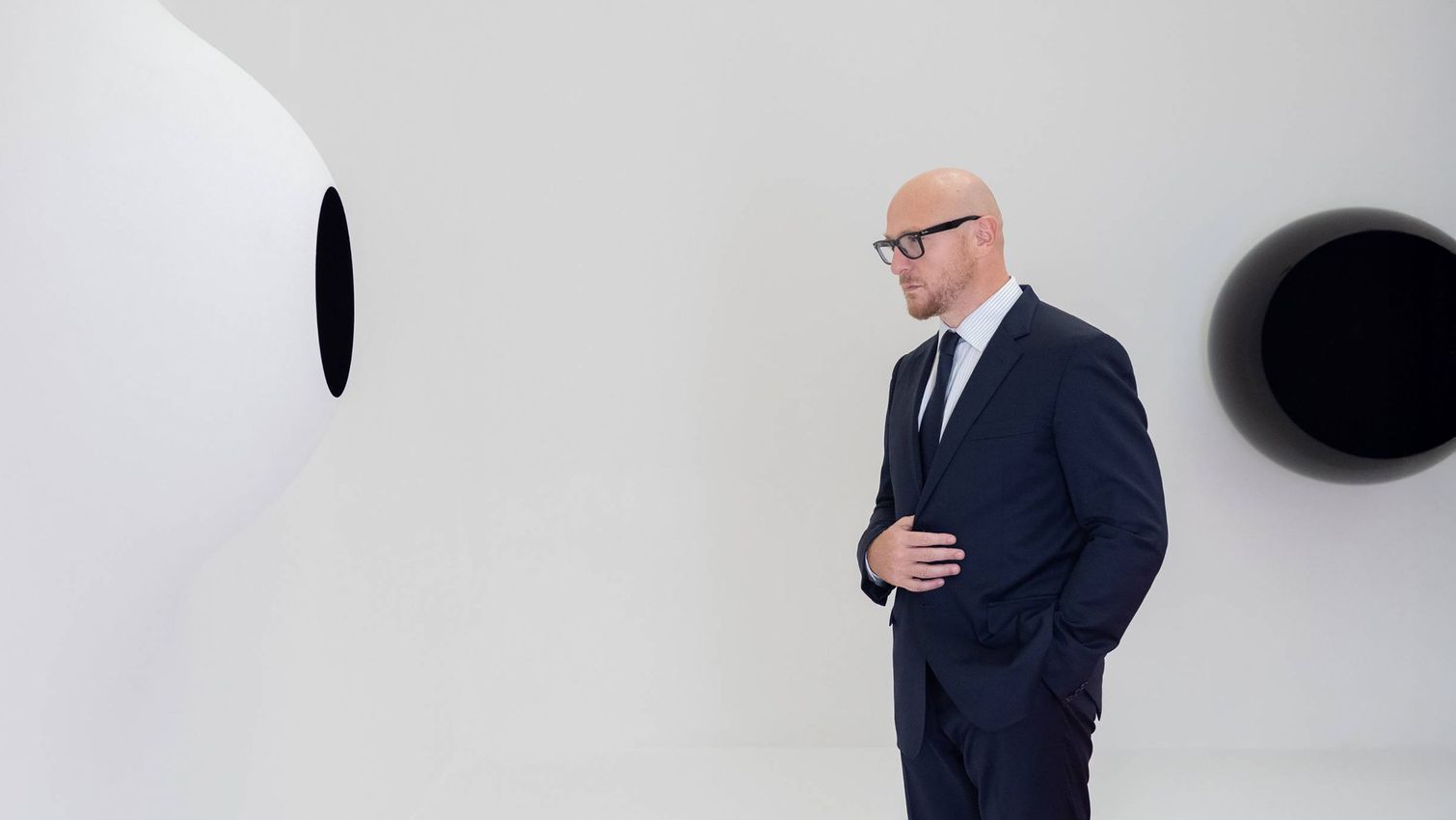
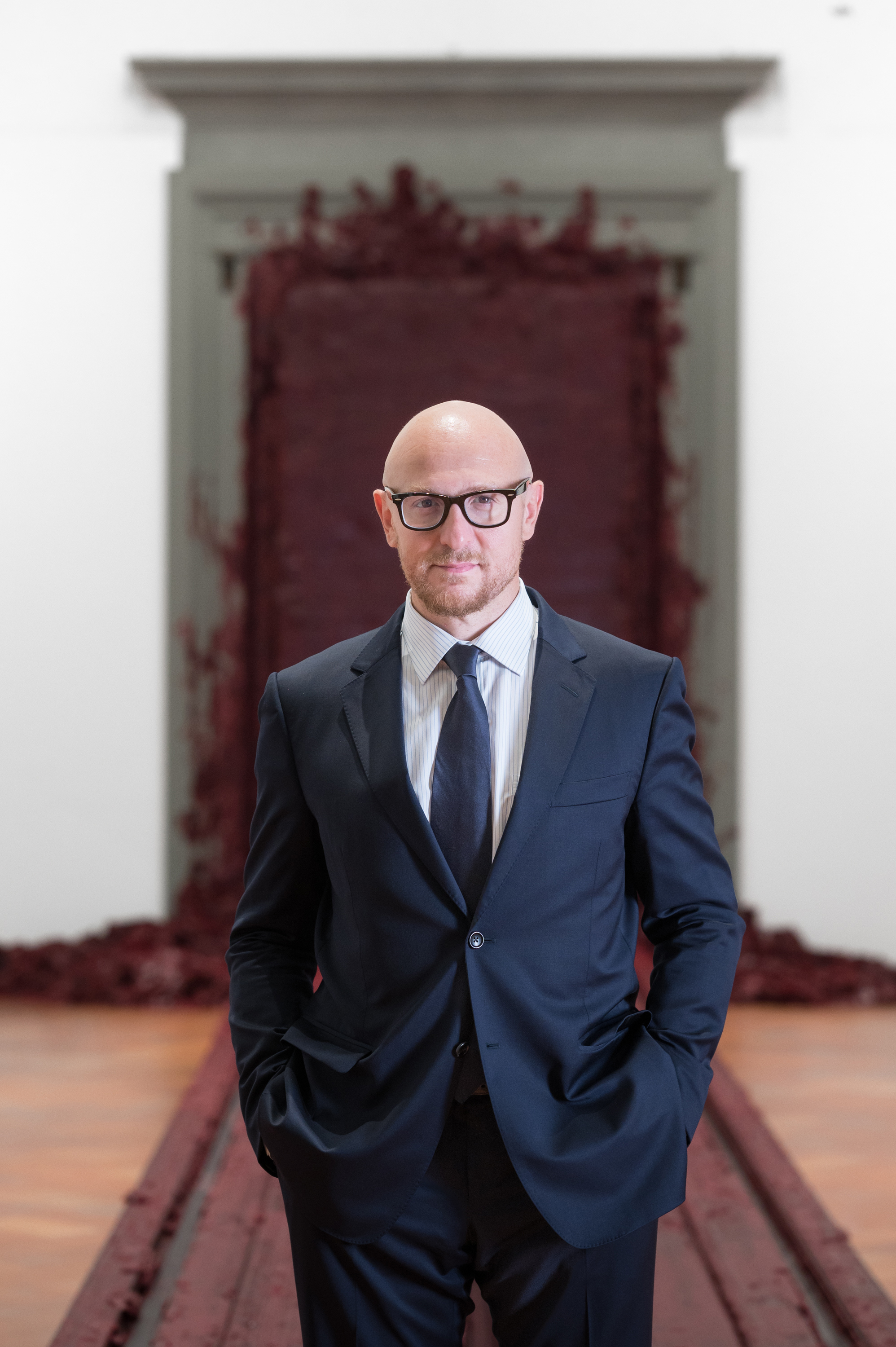
Main image: Arturo Galansino at Anish Kapoor, Untrue Unreal, Fondazione Palazzo Strozzi, Florence (7 October 2023–4 February 2024). Courtesy Fondazione Palazzo Strozzi, Florence. Photo: Gianmarco Rescigno.






A respected voice in contemporary art discourse.
Focusing on ambitious storytelling and insightful art-world commentary. Ocula Magazine publishes in-depth interviews, critical essays and timely analysis on the artists, exhibitions and ideas driving the global art world.
Learn more about Ocula Magazine
Showcasing the best of the art world.
Ocula partners with galleries from around the world to highlight their artists, artworks and exhibitions. Gallery membership is by application and invitation, with each member vetted by an independent panel.
Learn more about Ocula Membership
Specialises in the sale of major artworks.
Led by a team with deep ties to the world’s leading auction houses, galleries and collectors. Ocula’s advisory team offers bespoke services to high-net-worth clients from around the world who are looking to acquire the best of contemporary and modern art.
Learn more about our team and services