The art world in focus
Subscribe to our newsletter for news and insights on artists, galleries and exhibitions.

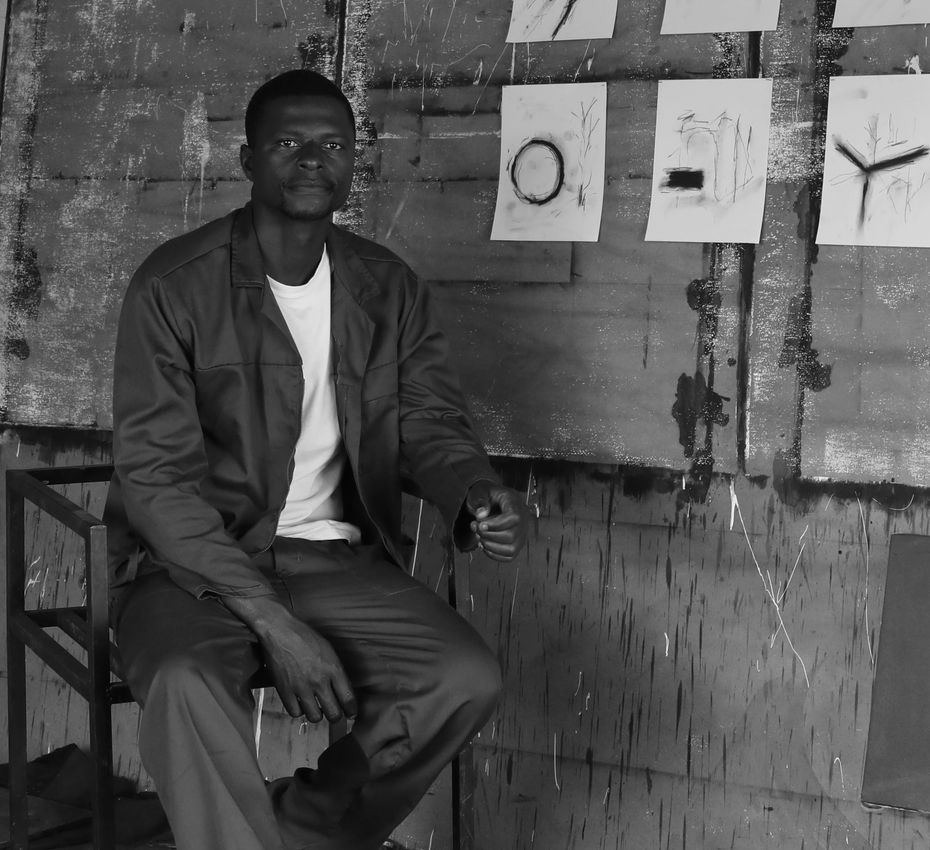
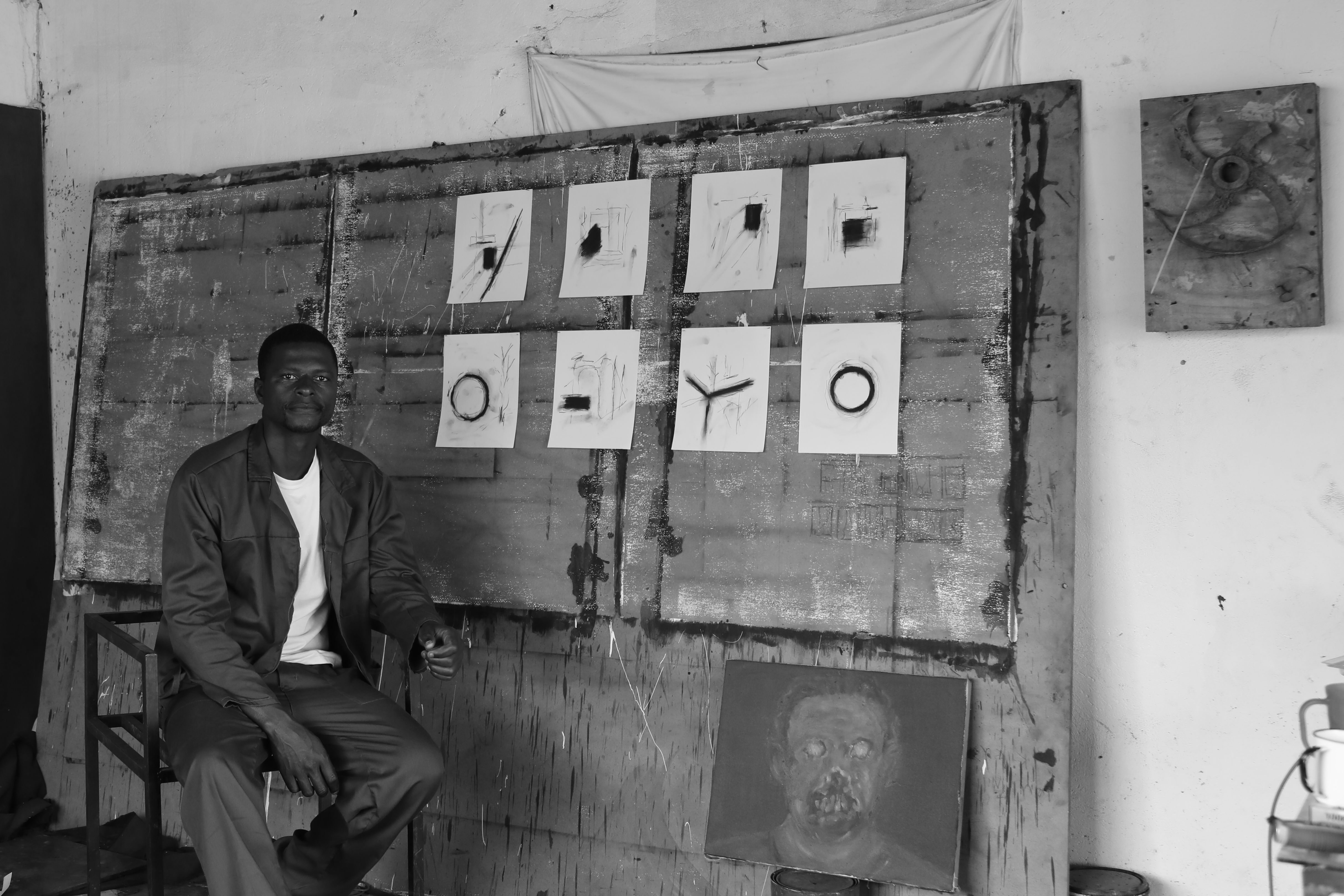
When Felix Shumba told me that he was leaving Cape Town to go back to his village in Masvingo, Zimbabwe, we were in the middle of the Covid pandemic. He was starting to make inroads into South Africa’s art scene, and yet here he was, withdrawing from the centre of a cultural capital and heading into what seemed like the wilderness. To me, his decision seemed impulsive and made no sense.
For a few years prior to moving to Cape Town, Shumba had also immersed himself in the art scene of Johannesburg, observing closely what established artists were doing, internalising what he could, and even noting the pitfalls to circumvent. Most of the artists he encountered took him in, sometimes as an understudy, treating him like a brother. Visits to artists’ studios, independent spaces, galleries and museums became his art school, equipping him with the skills and the knowledge to begin practising. He also read art history books, and was always present for talks, walkabouts, and online presentations when, amidst the pandemic, the art scene embraced what was then dubbed ‘the new normal’. With that knowledge he was able to make conceptual work that viewers and critics paid attention to, for it was at the same level of sophistication as the work of those who had studied critical art theory at university.
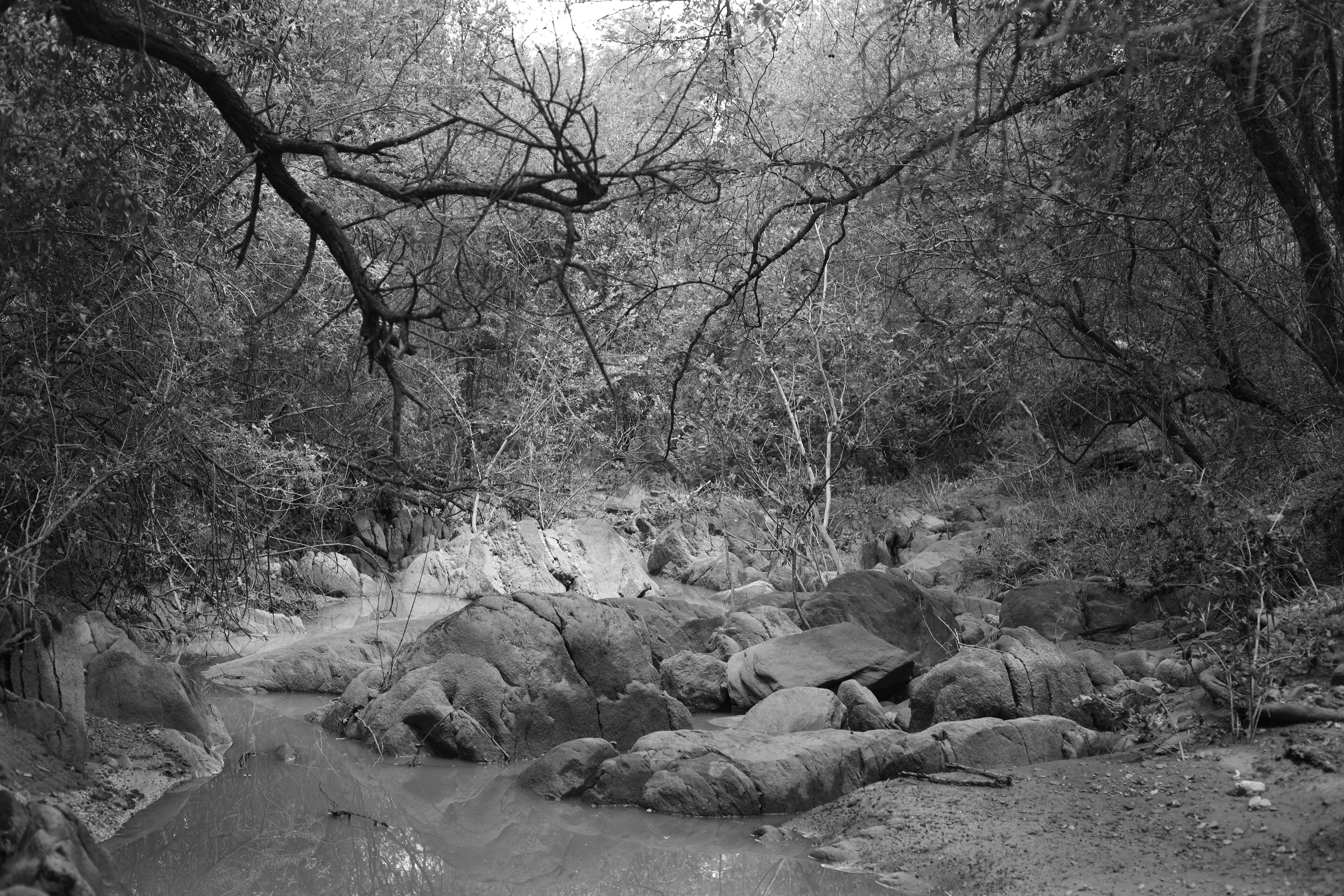
However, to operate in either of the two cities, he needed a steady income to afford studio space and materials. By contrast, in the communal lands of Masvingo he had access to vast tracts of land and other resources, which would enable him to experiment and to make mistakes along the way. To those with whom he shared his thoughts, he confided that he was already dreaming of constructing his own studio, which would include a library to house the art books he had started to collect. In the true spirit of ubuntu—a humanist African philosophy emphasising interconnectedness and shared humanity—he intended to mentor youngsters in the village. Today, when I reflect on Shumba’s journey so far, I see his vision coming to fruition, transforming his village and uplifting those around him.
Encompassing drawing, painting, video, text, and installations, Shumba’s multidisciplinary practice is preoccupied with the need to deconstruct what he calls ‘Fold Fields Space’—real and imagined sites haunted by death, trauma, tension, restraint, psychic terror, ecological damage, and the use of the military as a state apparatus of control. He mostly foregrounds subaltern voices on the ground and reveals the injustices committed by the administrations of settler-colonial Rhodesia and independent Zimbabwe.
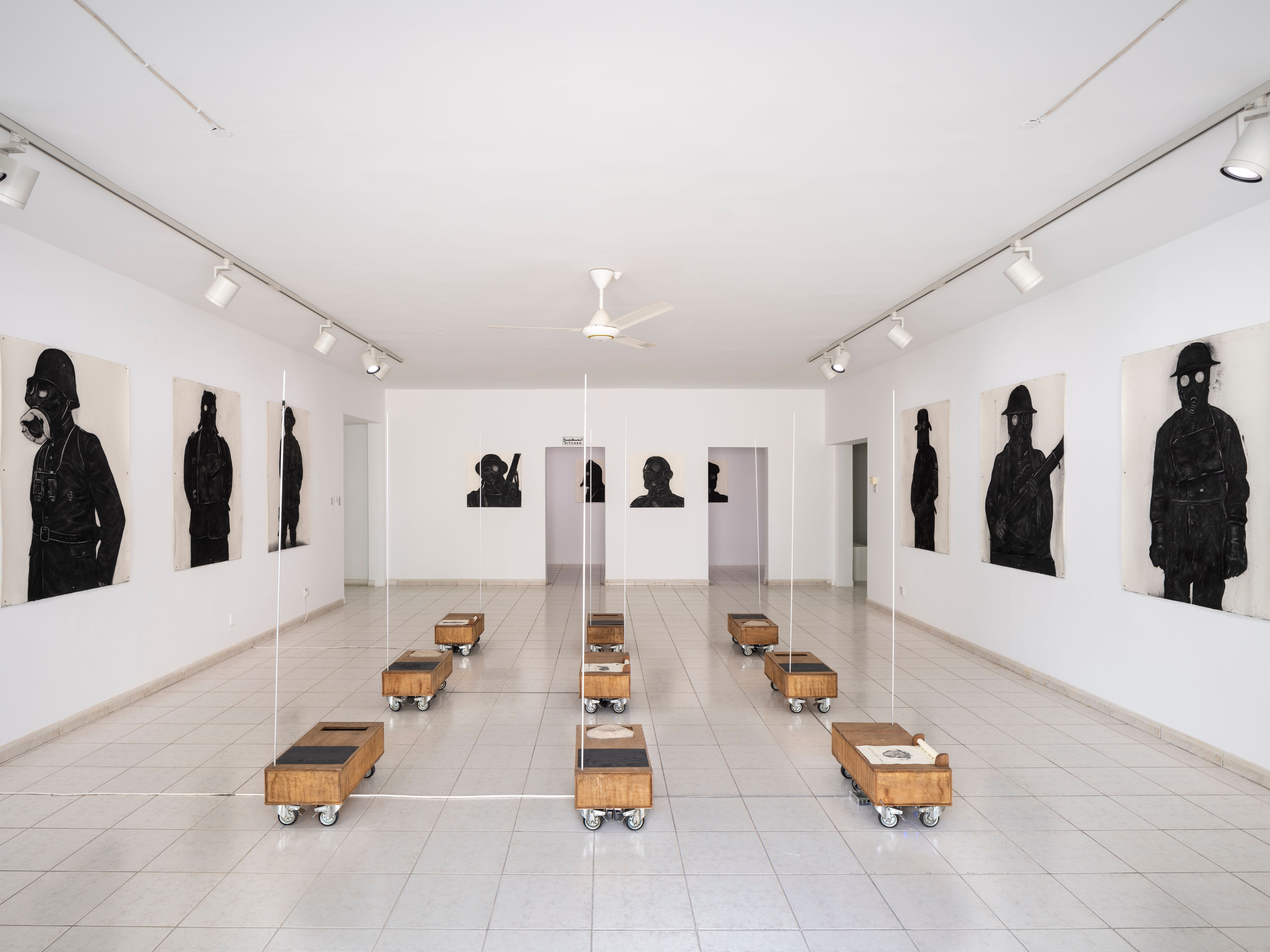
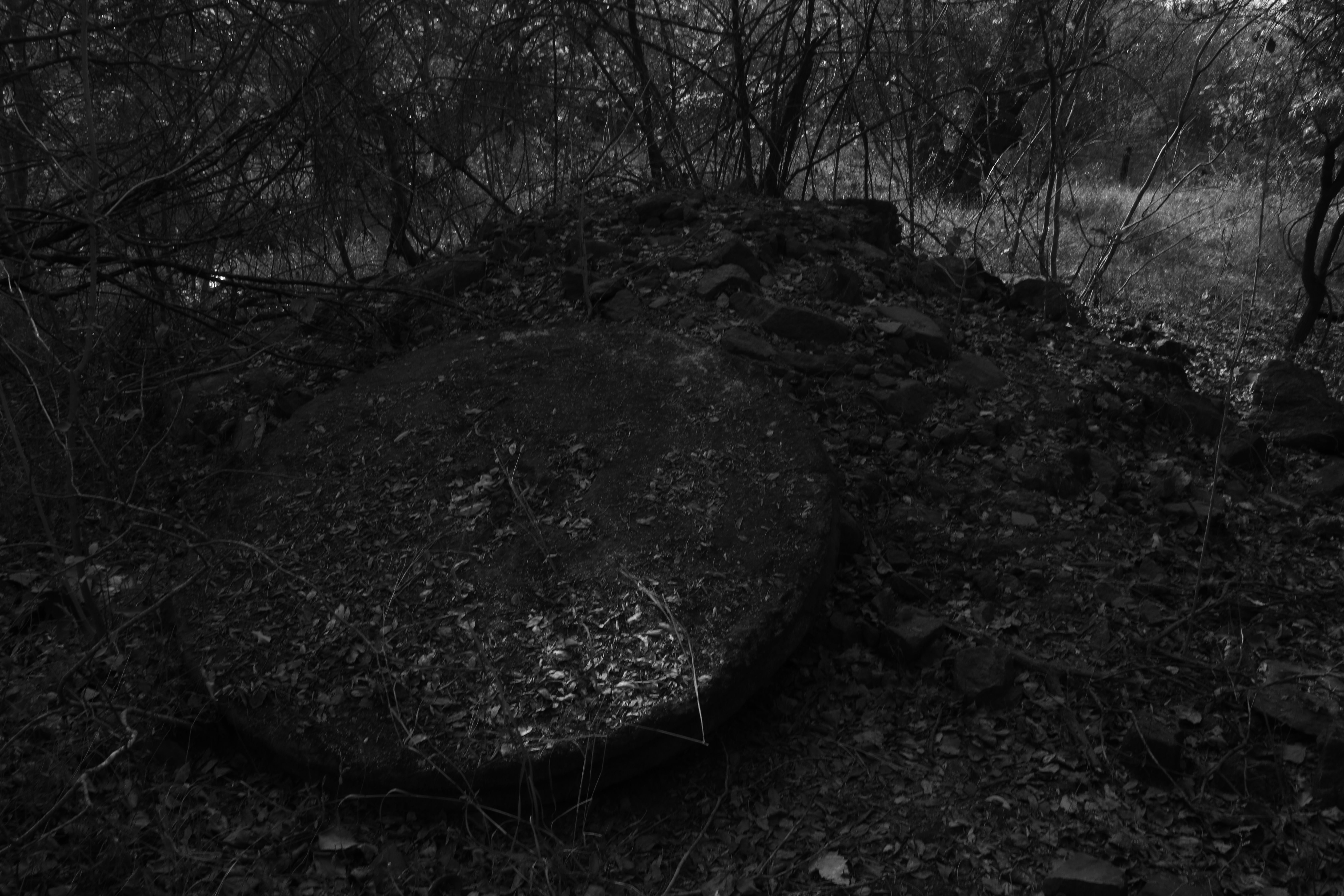
Over the years, Shumba has participated in the 2023 Sharjah Biennial and Art Basel 2025 with Jahmek Contemporary Art, and has held exhibitions at the Museum of Natural History in Luanda, Angola, and Uitstalling Art Gallery in Genk, Belgium. It remains his dream to have a solo show in the country of his birth. His installation in Sharjah, titled Ruwa River (2022), highlighted the use of chemical warfare by Ian Smith’s rogue Rhodesian regime. Voices of survivors boomed from wooden boxes placed on the floor, each equipped with a radio antenna and speaker, with drawings of masked military men as their backdrop. Comprising a charcoal mural, a sculpture, and oil paintings, Shumba’s Art Basel project revisited the Chimoio Massacres, an atrocity committed by the same settler-colonial regime in 1977. Sonic transmissions were here juxtaposed with a charcoal mural of a scorched forest, signifying a bombed site.
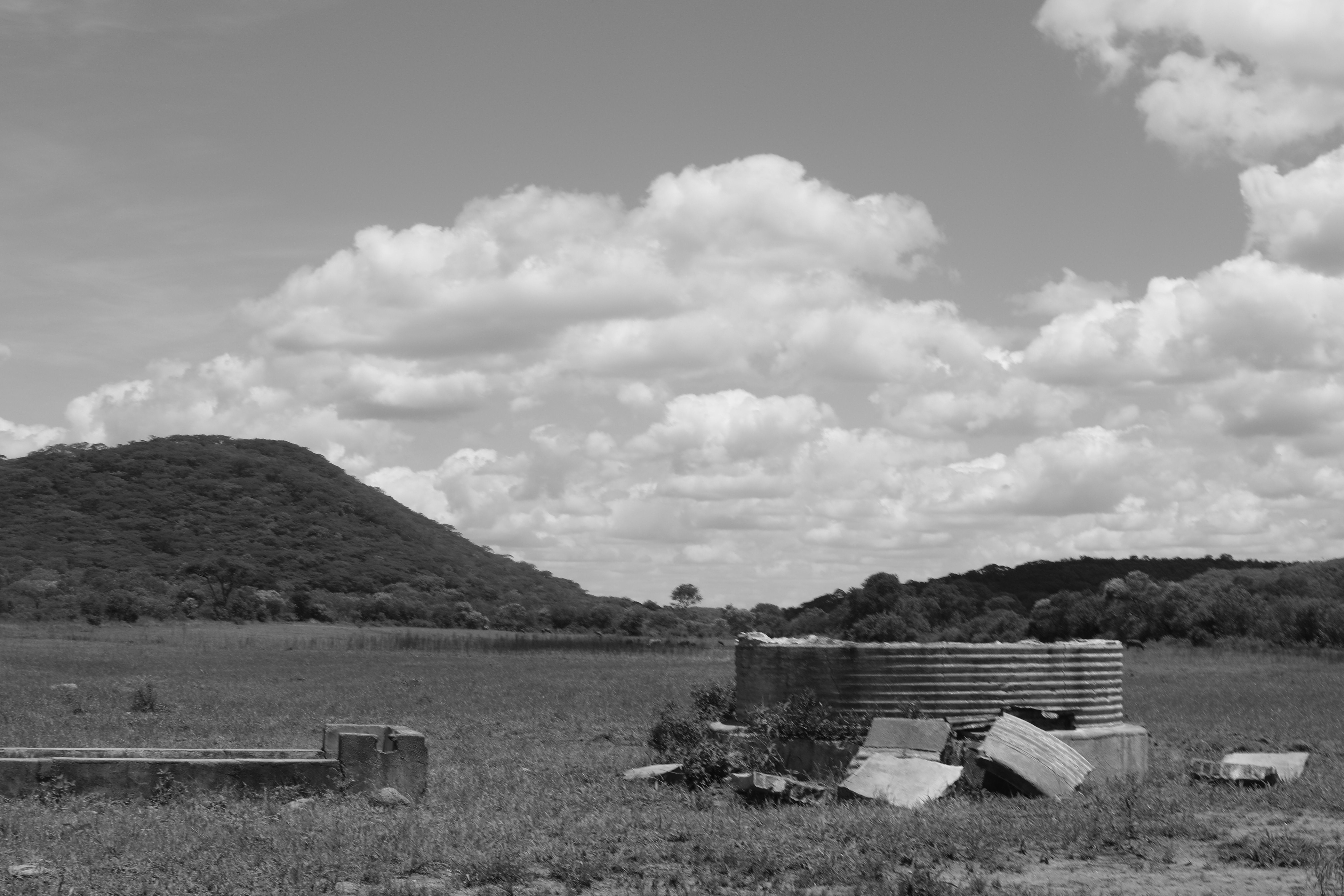
At the core of these two projects is Shumba’s desire to understand how the military can be an instrument of liberation and oppression, hence the presence of the military figures adorned with masks and gas tanks. Continuing this theme, the artist is currently working on a project that revisits the bunkers found on formerly white-owned farms in Zimbabwe. Their owners hid inside them in times of war and used them to conceal precious minerals in times of peace.
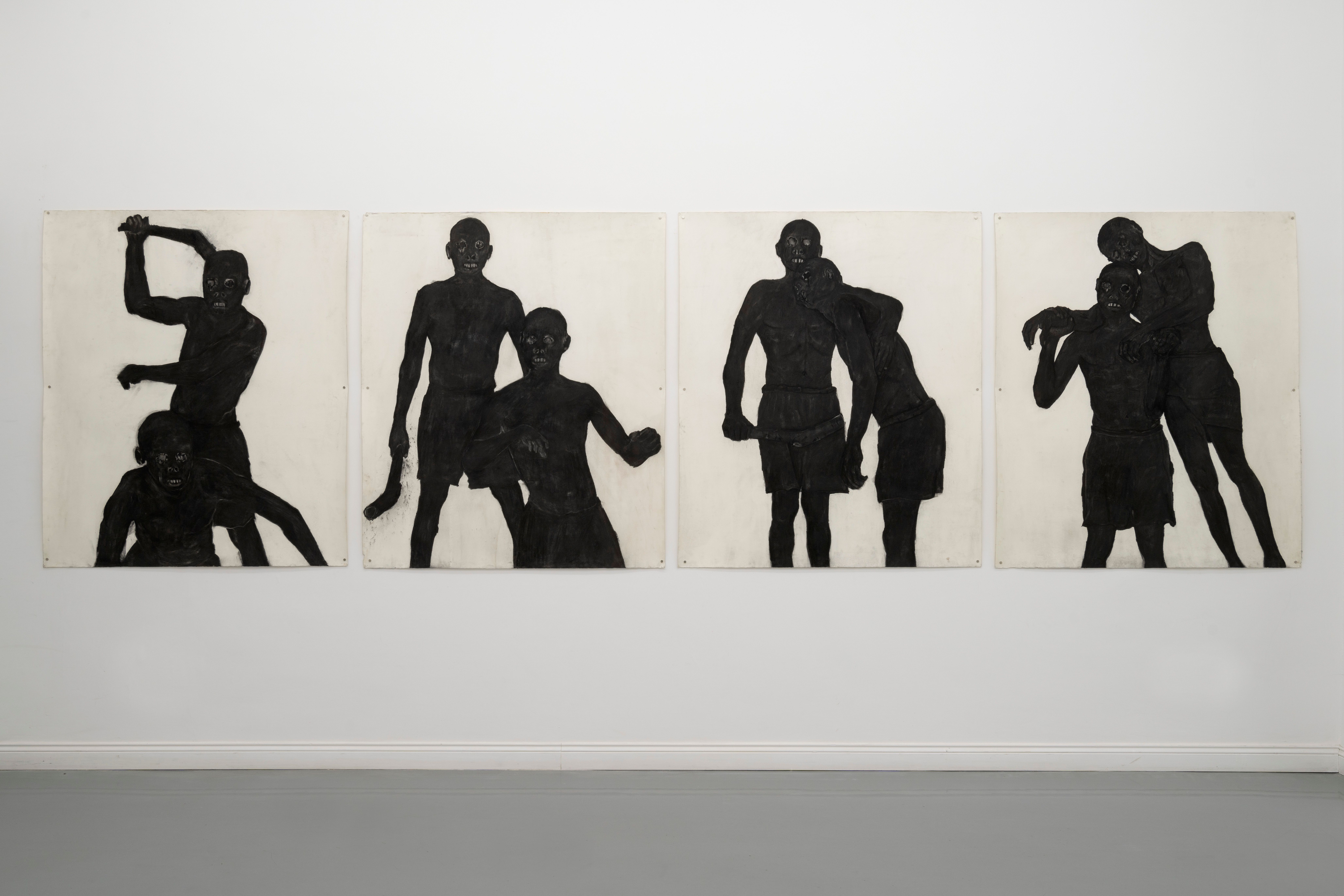
Shumba has not only interrogated the malign deeds of the colonial regimes but has also questioned the injustices and failures of the African postcolonial regimes, most of which promised liberated utopias that have not been realised. His exhibition in Italy with Galleria Fonti featured a quadriptych drawn from the Biblical episode of Cain and Abel, in dialogue with Peter Paul Rubens’ Cain Slaying Abel (1608–1609). Here, Shumba highlighted the senseless human slaughter involving young people attacking one another in the dangerous artisanal mines that have mushroomed all over Zimbabwe, killings amounting to widespread fratricide among the country’s young citizens.
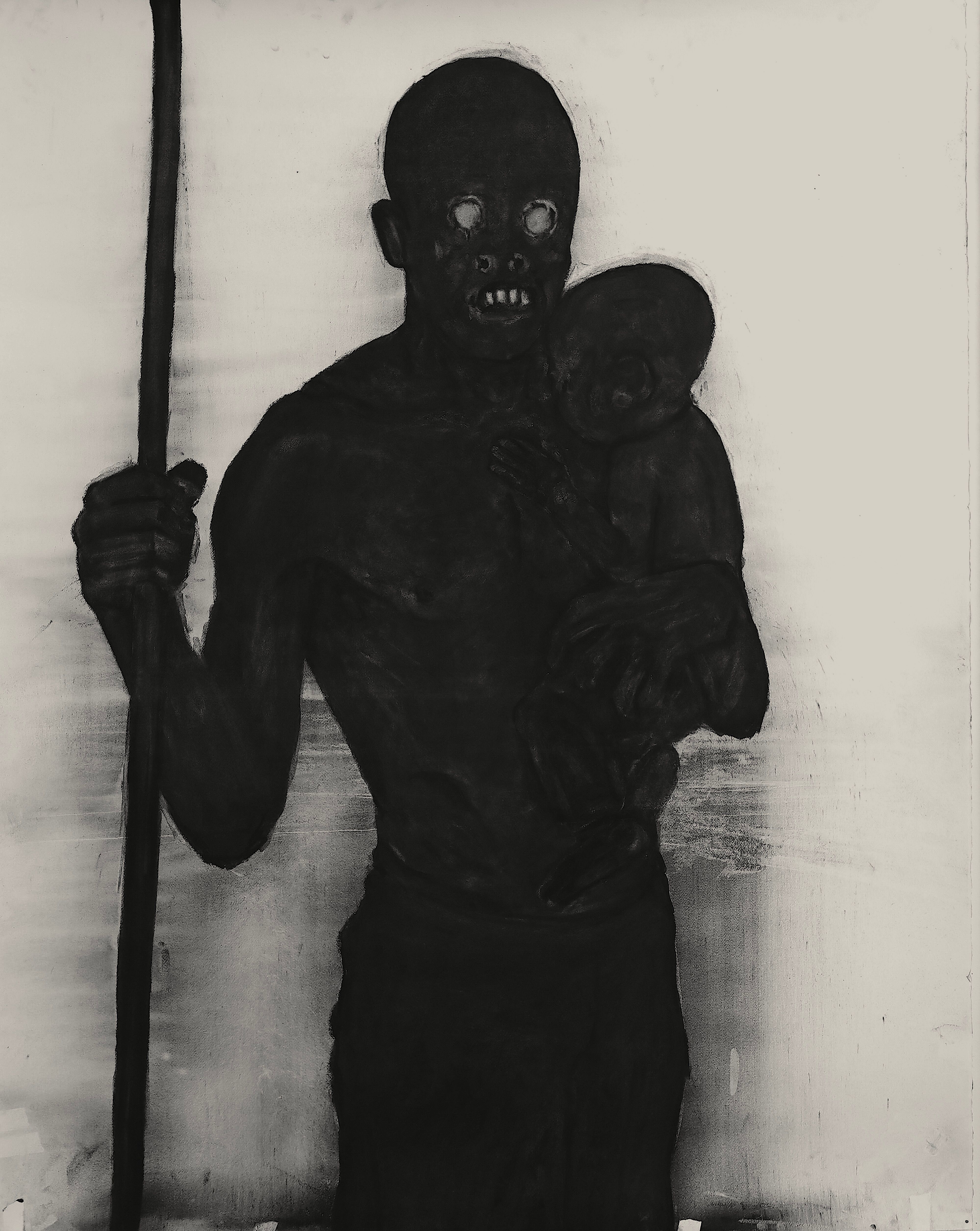
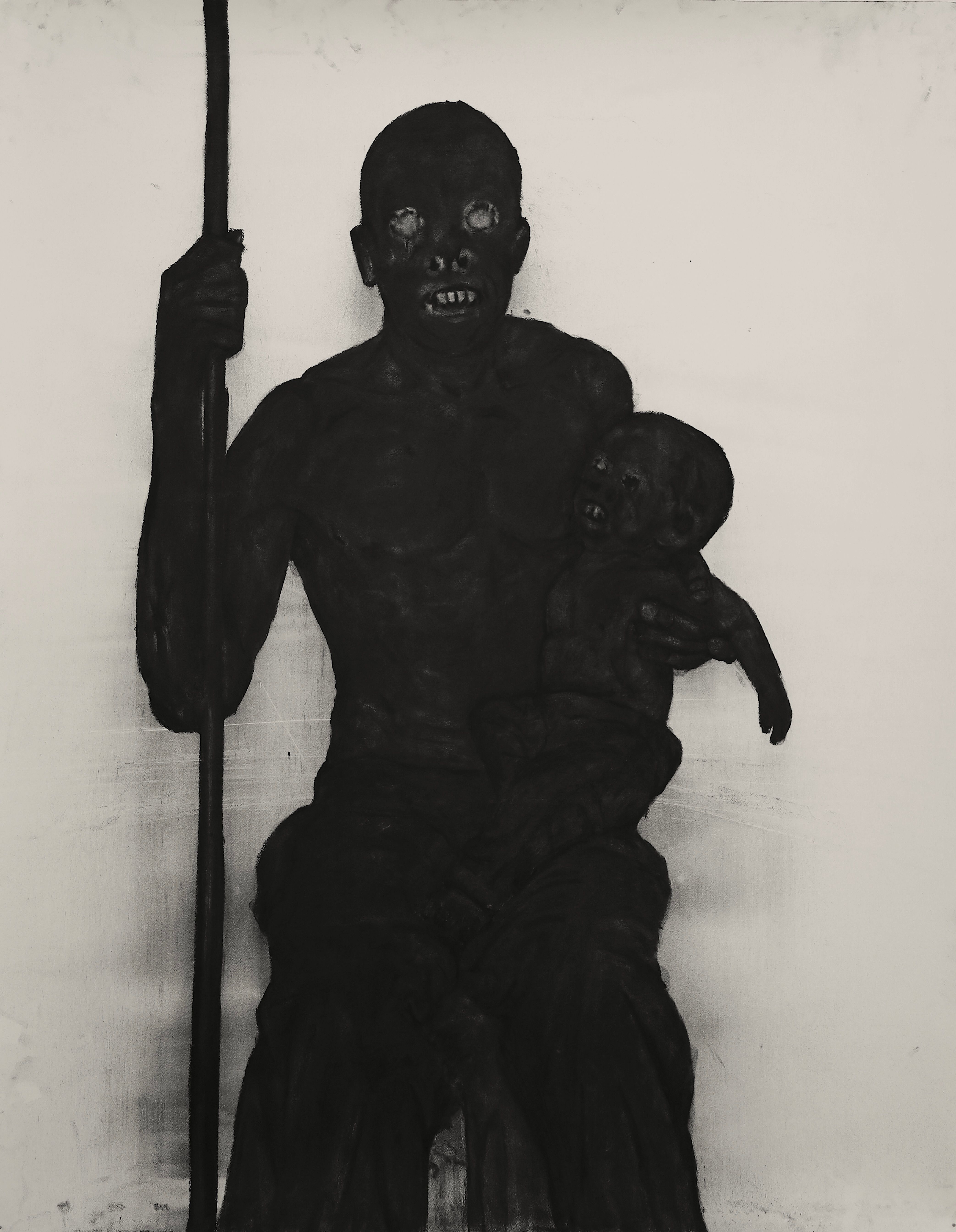
In the forthcoming Panorama Pozzuoli group show in Italy, Shumba’s triptych of Saturn devouring his son, in dialogue with Francisco Goya and Rubens’ masterpieces, considers how states are curtailing citizens’ freedoms amid the rise of inward-looking right-wing regimes. By using discrete sequential panels, the artist takes the viewer through stages of motion, borrowing from cinematography to show the before and after, capturing the passage of time.
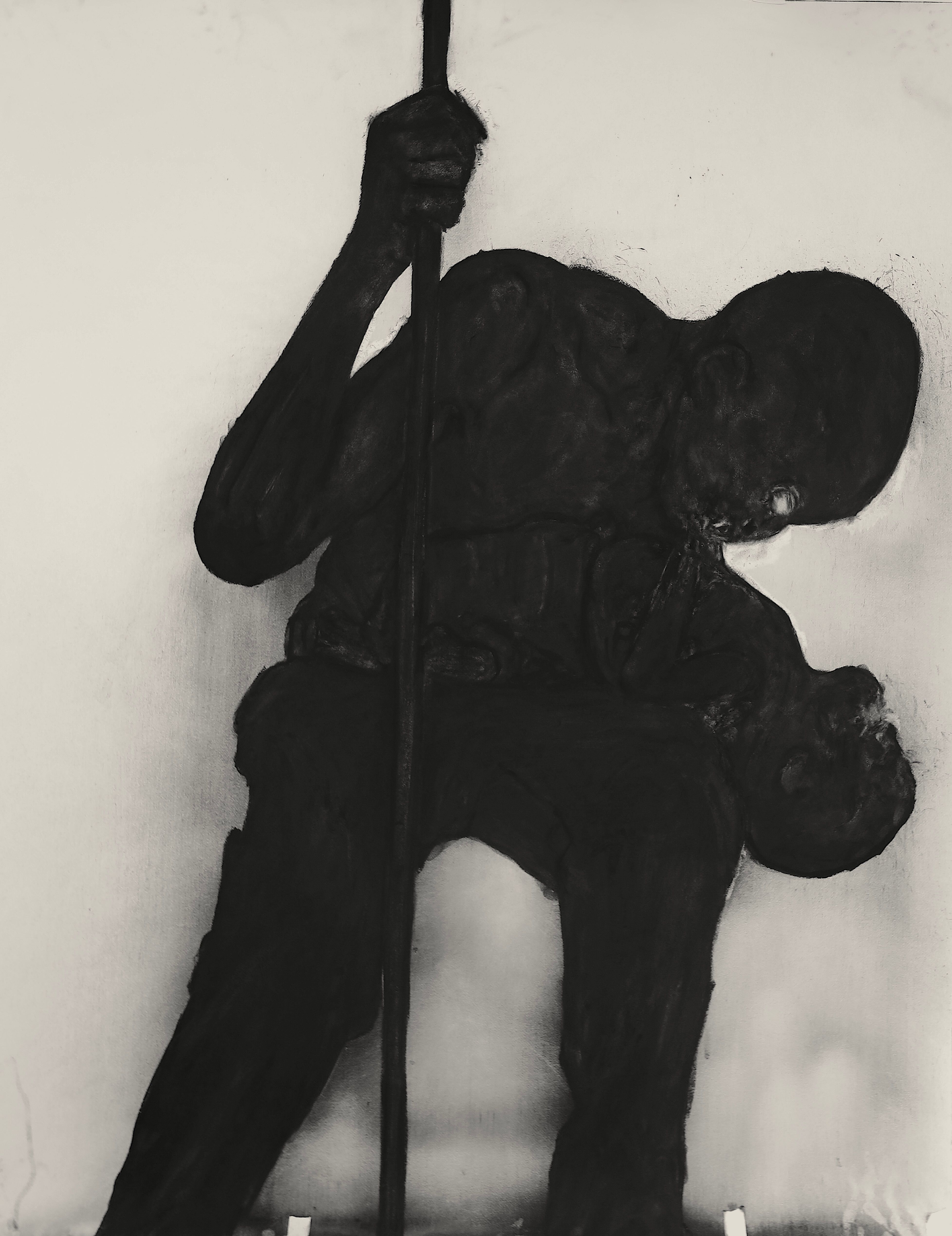
Shumba’s main objective is to draw attention to the material condition of ordinary people on the receiving end of state-sanctioned violence in enduring situations of extraction and exploitation. Importantly, the narratives he portrays are informed by oral histories. In the context of Zimbabwe, for example, his work is based on the stories narrated by survivors of the nation’s liberation struggle (the Second Chimurenga), and by the informal and ‘illegal’ artisanal miners (makorokoza) from his community. Shumba approaches the official archives with caution because they are mostly tempered and carefully curated to portray a certain viewpoint, mostly in favour of the incumbent authority. His stories emerge from crowded bus terminals, places of worship, hospitals, and other quotidian sites. Some of those with stories to tell find their way to his Masvingo studio, which is open to anyone willing to share a moment with the artist. —[O]


A respected voice in contemporary art discourse.
Focusing on ambitious storytelling and insightful art-world commentary. Ocula Magazine publishes in-depth interviews, critical essays and timely analysis on the artists, exhibitions and ideas driving the global art world.
Learn more about Ocula Magazine
Showcasing the best of the art world.
Ocula partners with galleries from around the world to highlight their artists, artworks and exhibitions. Gallery membership is by application and invitation, with each member vetted by an independent panel.
Learn more about Ocula Membership
Specialises in the sale of major artworks.
Led by a team with deep ties to the world’s leading auction houses, galleries and collectors. Ocula’s advisory team offers bespoke services to high-net-worth clients from around the world who are looking to acquire the best of contemporary and modern art.
Learn more about our team and services