The Amber Room; considered an Eighth Wonder of the World; a gift to signify peace between Russia and Prussia; a masterful feat of craftmanship, utilising a material of ornamentation and folk medicine since prehistory; 129 panels unsuccessfully hidden from invaders; displayed by thieves; lost (destroyed or removed); an ending endlessly speculated upon.
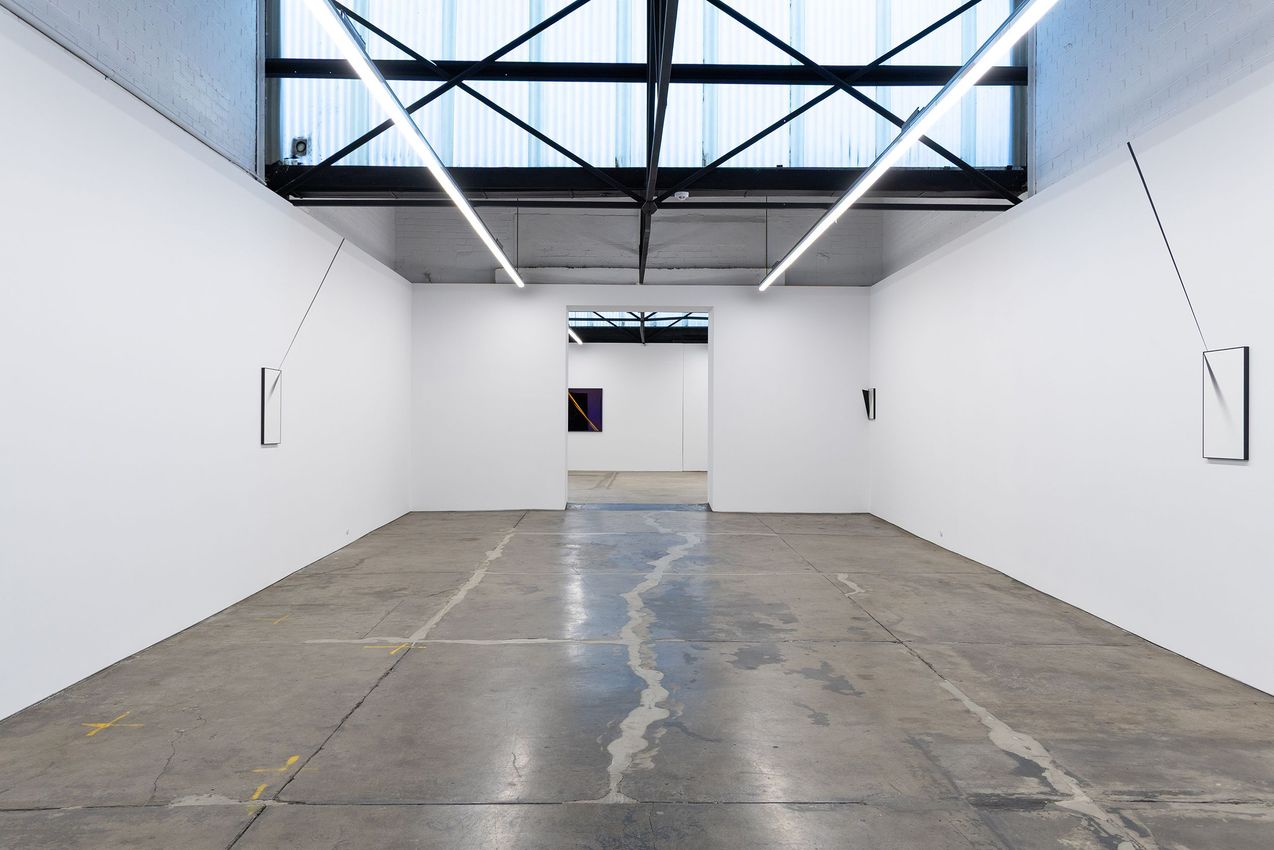
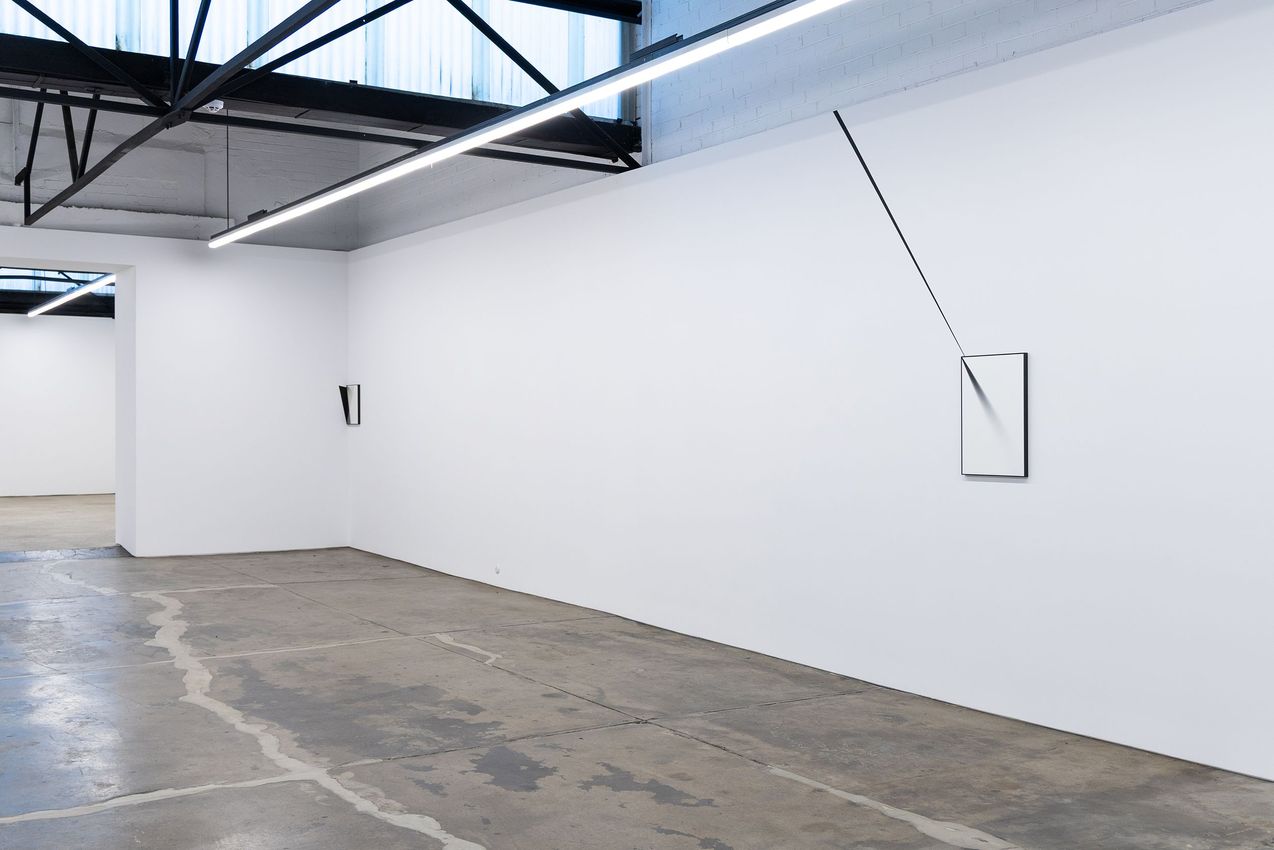
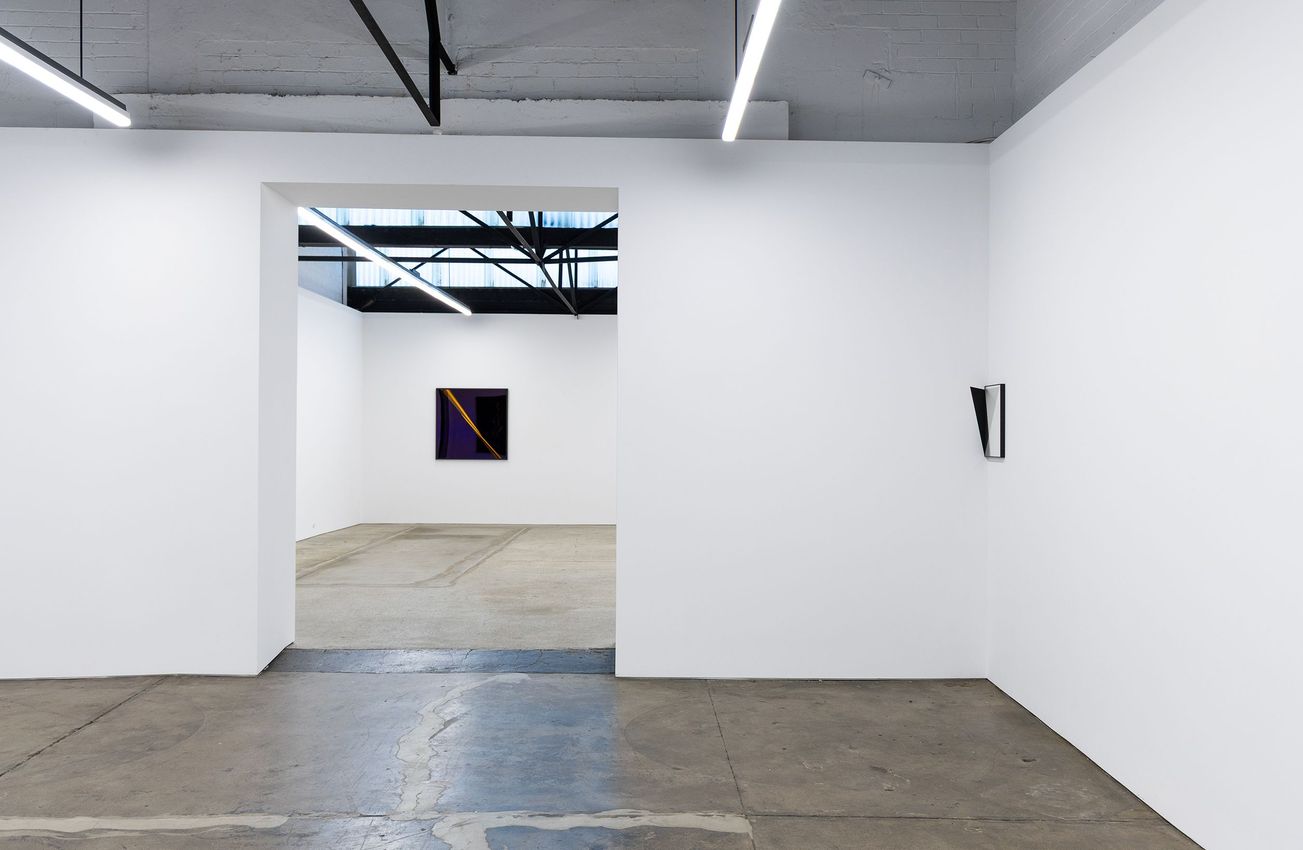
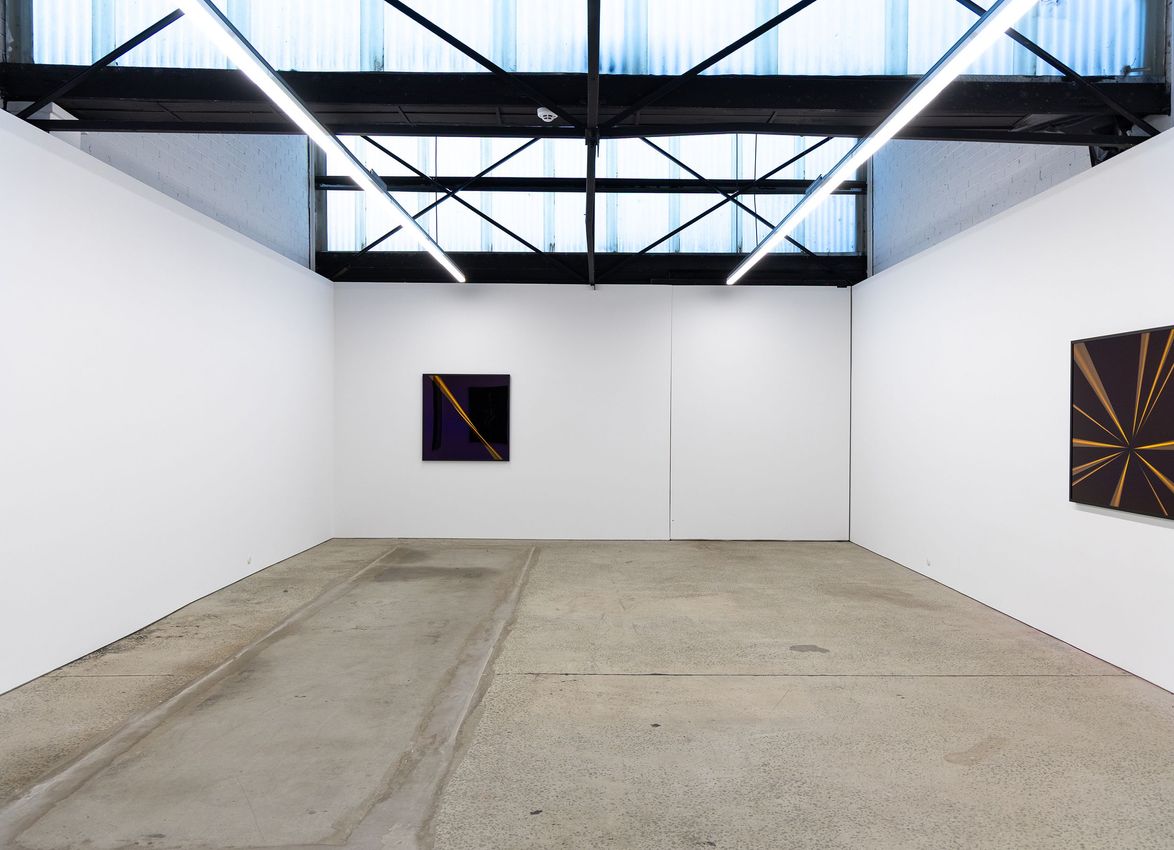
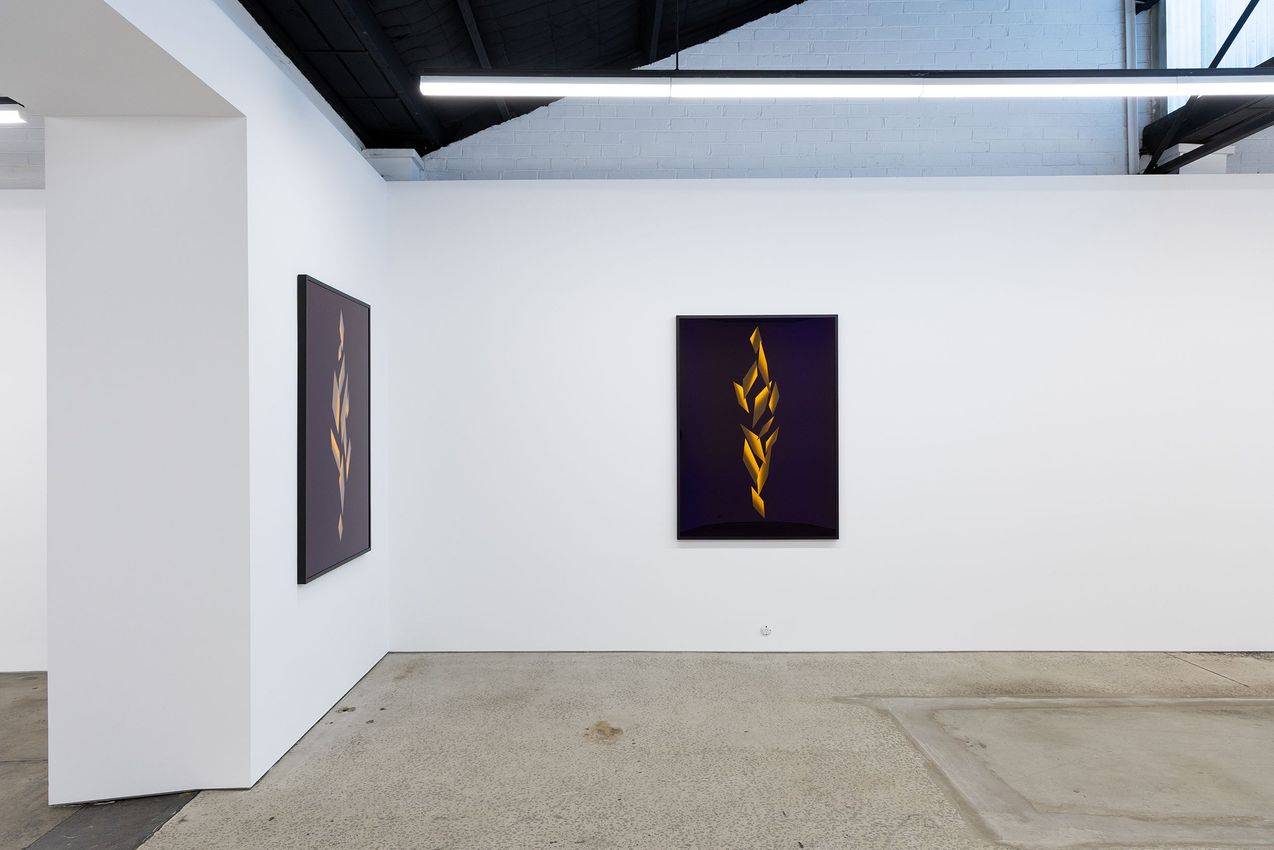
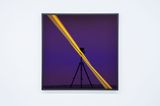
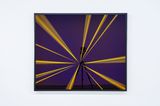
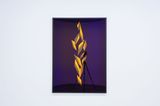
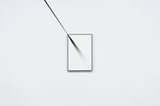
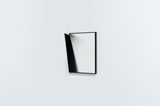
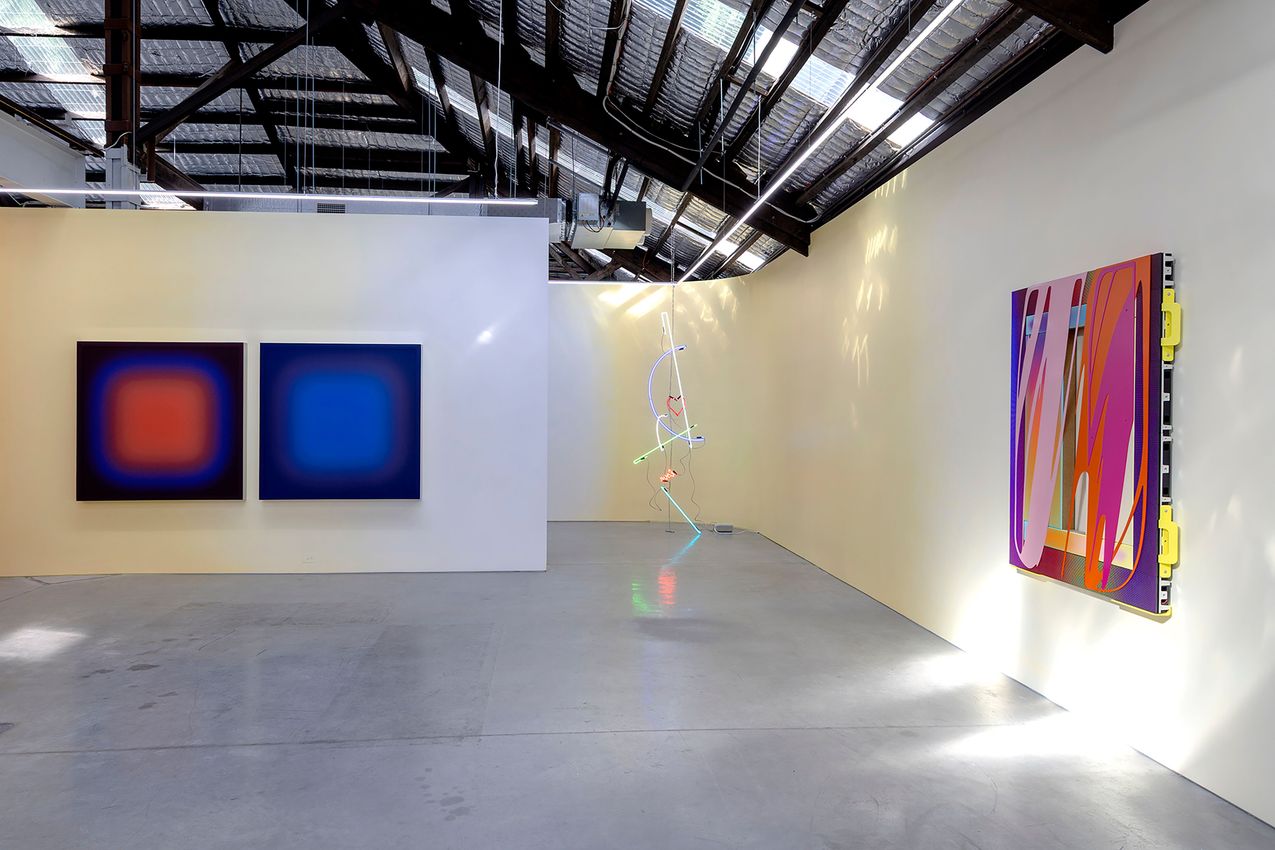
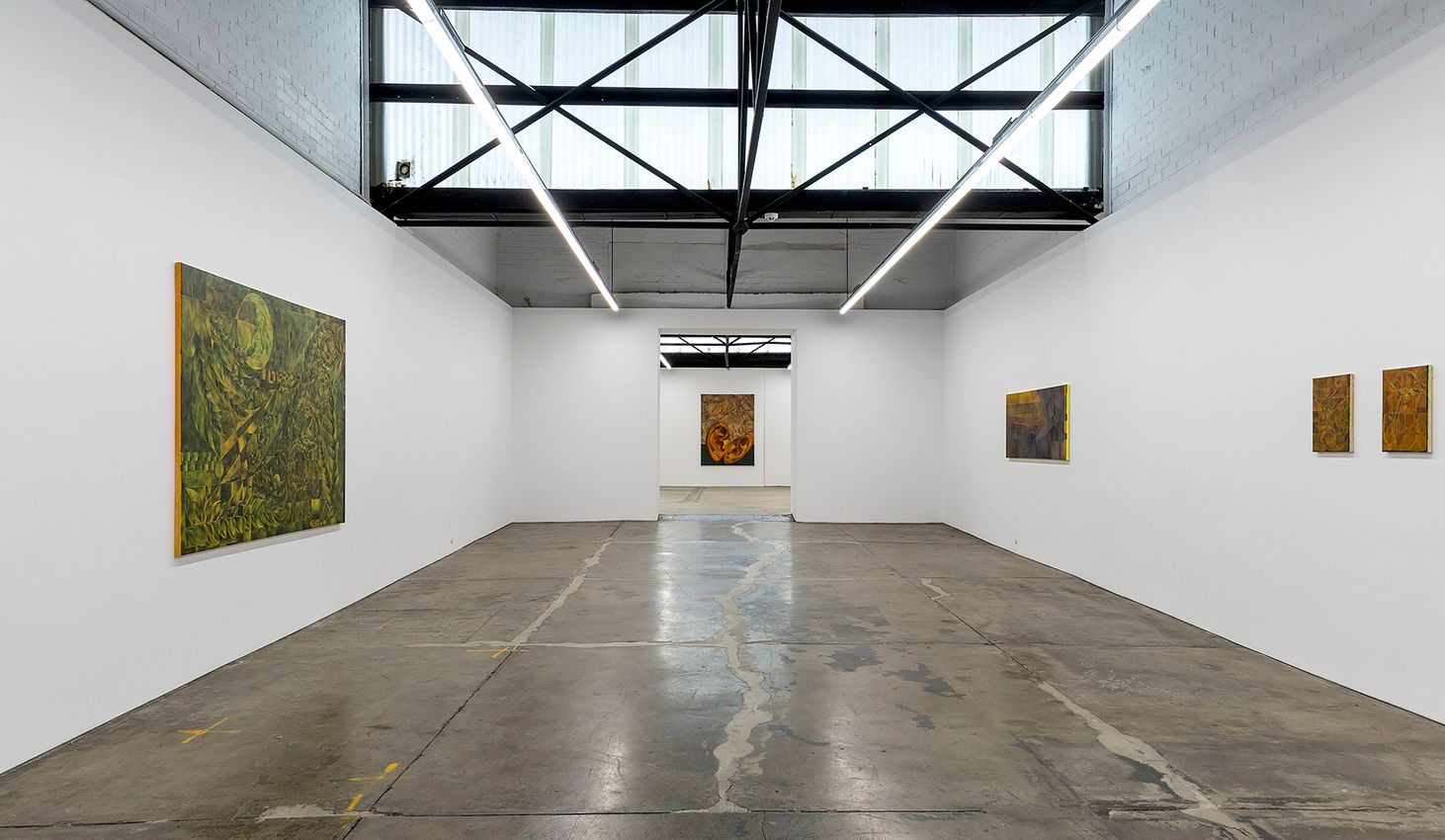
This historical narrative, which speaks of rare and fragile materials, precise installation, and the enigmatic nature of fate, affords a befitting way of engaging the artistic practice of Andrew Beck. For Beck, amber as a substance signifies a state of arrested fluidity, where something of motion can be captured and set into a solid state (polymerization), yet still contain the feel of its initial liquid state. This duality of motion and solidity is encompassed in Beck’s site-specific installation, photography, and an expanded take on painting, where collisions of geometry, ripples of light and gradients of colour (or greyscale) intersect within each other or into one another. For Beck’s debut exhibition with 1301SW, the installation side of his practice — his own form of Amber Room — is particularly showcased. Presenting the artist’s interest in architectural site-specificity as a means of extending out of the “objectness” of his work, Beck captures a convergence of movement that reverberate into the space, focusing attention on the site it sits within.
Aside from its physicality, the symbolic properties of amber link to Beck’s interest in gnostic knowledge, representing light, warmth, divine presence and purity in Christian thought, peace and devotion in Islam, and as a symbol of spiritual forces in both Buddhism and Hinduism. But it is the larger notion of a hidden knowledge that interests Beck, where access is difficult to obtain, but once encountered offers an esoteric understanding — forms and techniques to be experienced, not simply seen. A search, a speculative journey, much like the never-ending theories around the Amber Room: shipped away, displayed by the enemy, bombed, followed by deafening silence, then loud conjecture, theories which could point to the truth or simply hint at possibility. Beck offers truth by providing the form, the materials and techniques it comprises, but within each of those elements he also offers the viewer possibilities, multiple ways of processing the work, allowing for interpretation, not specifics.


Andrew Beck’s work occupies a space between conventional painting and photography, both in terms of its construction and the objects themselves. Utilising camera-less photography (photograms) along with paintings and objects, he creates two- and three-dimensional works around concerns of space and light (or rather indexical signs thereof).

A respected voice in contemporary art discourse.
Focusing on ambitious storytelling and insightful art-world commentary. Ocula Magazine publishes in-depth interviews, critical essays and timely analysis on the artists, exhibitions and ideas driving the global art world.
Learn more about Ocula Magazine
Showcasing the best of the art world.
Ocula partners with galleries from around the world to highlight their artists, artworks and exhibitions. Gallery membership is by application and invitation, with each member vetted by an independent panel.
Learn more about Ocula Membership

Specialises in the sale of major artworks.
Led by a team with deep ties to the world’s leading auction houses, galleries and collectors. Ocula’s advisory team offers bespoke services to high-net-worth clients from around the world who are looking to acquire the best of contemporary and modern art.
Learn more about our team and services