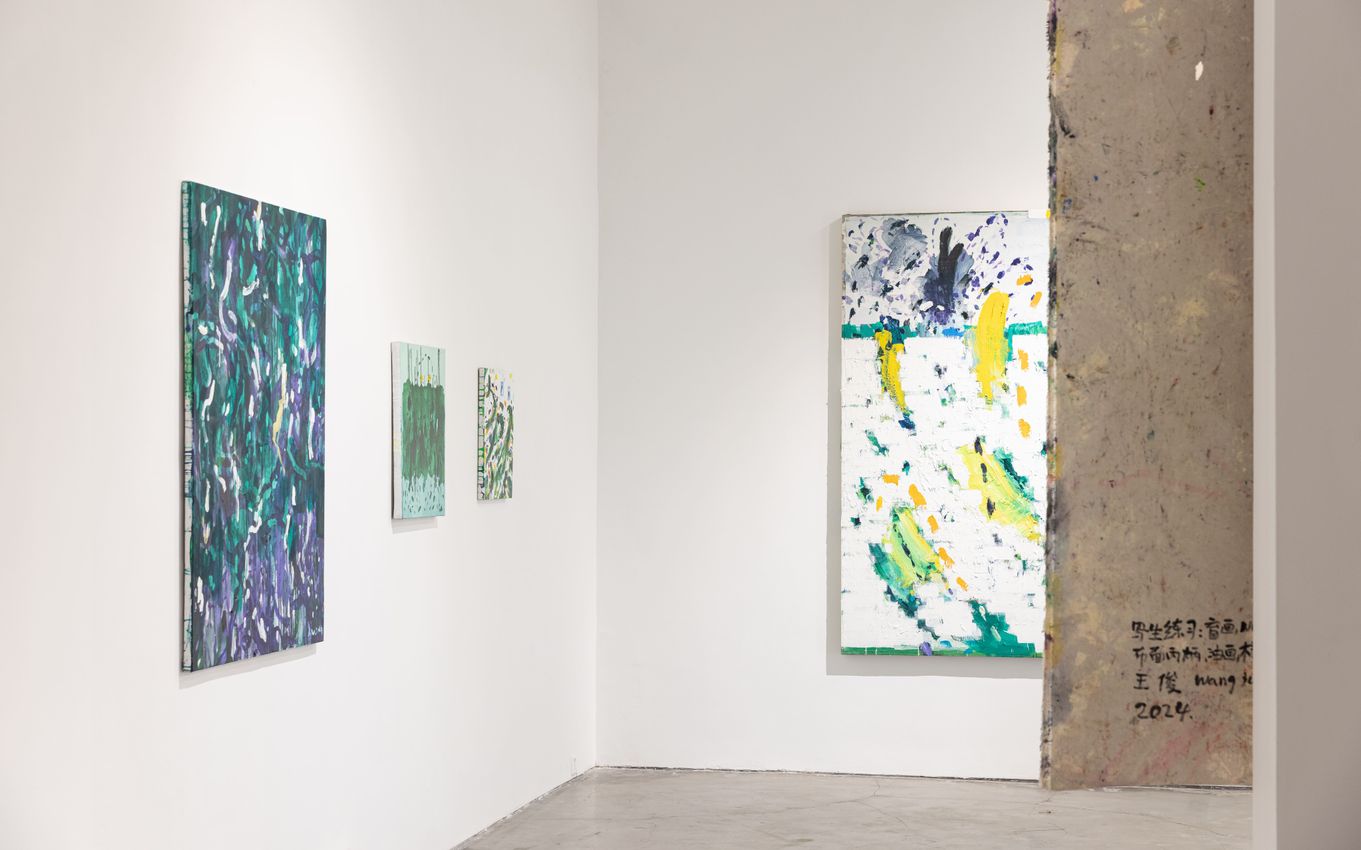
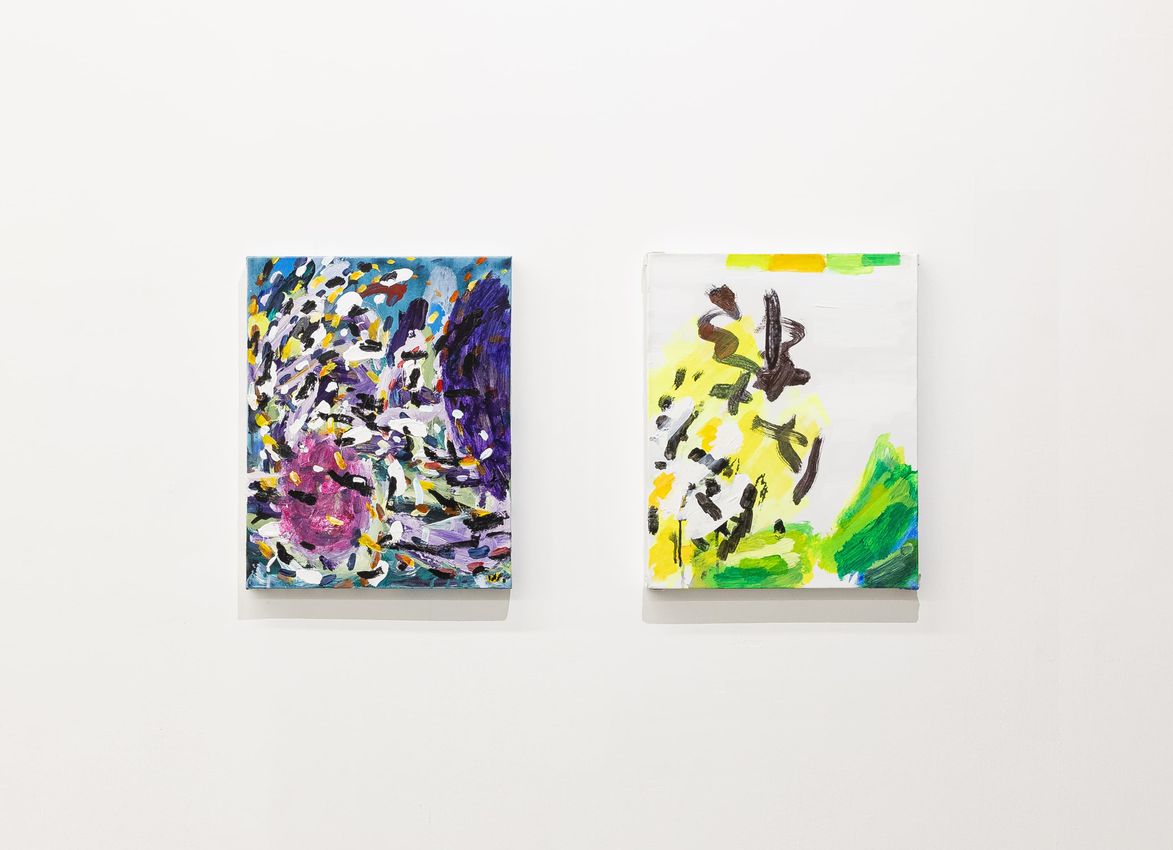
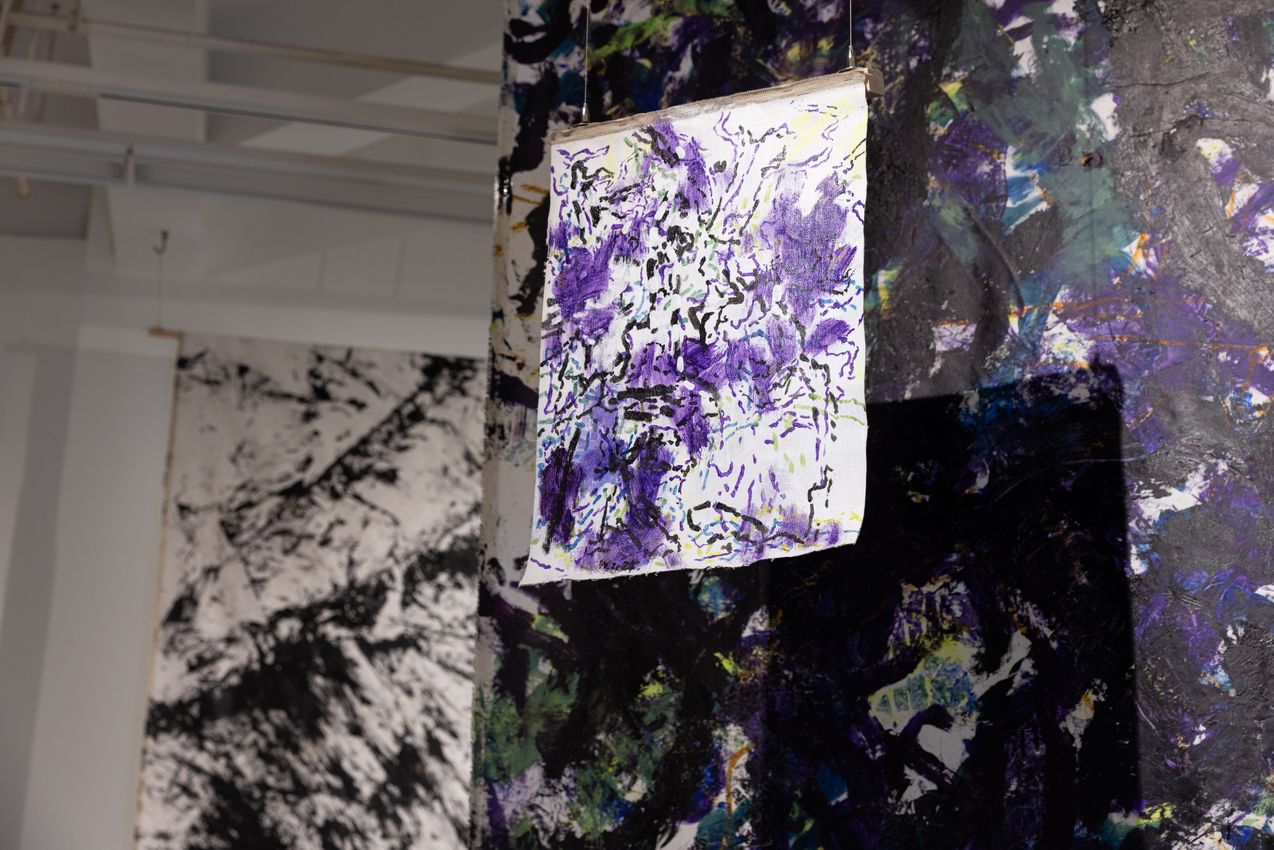
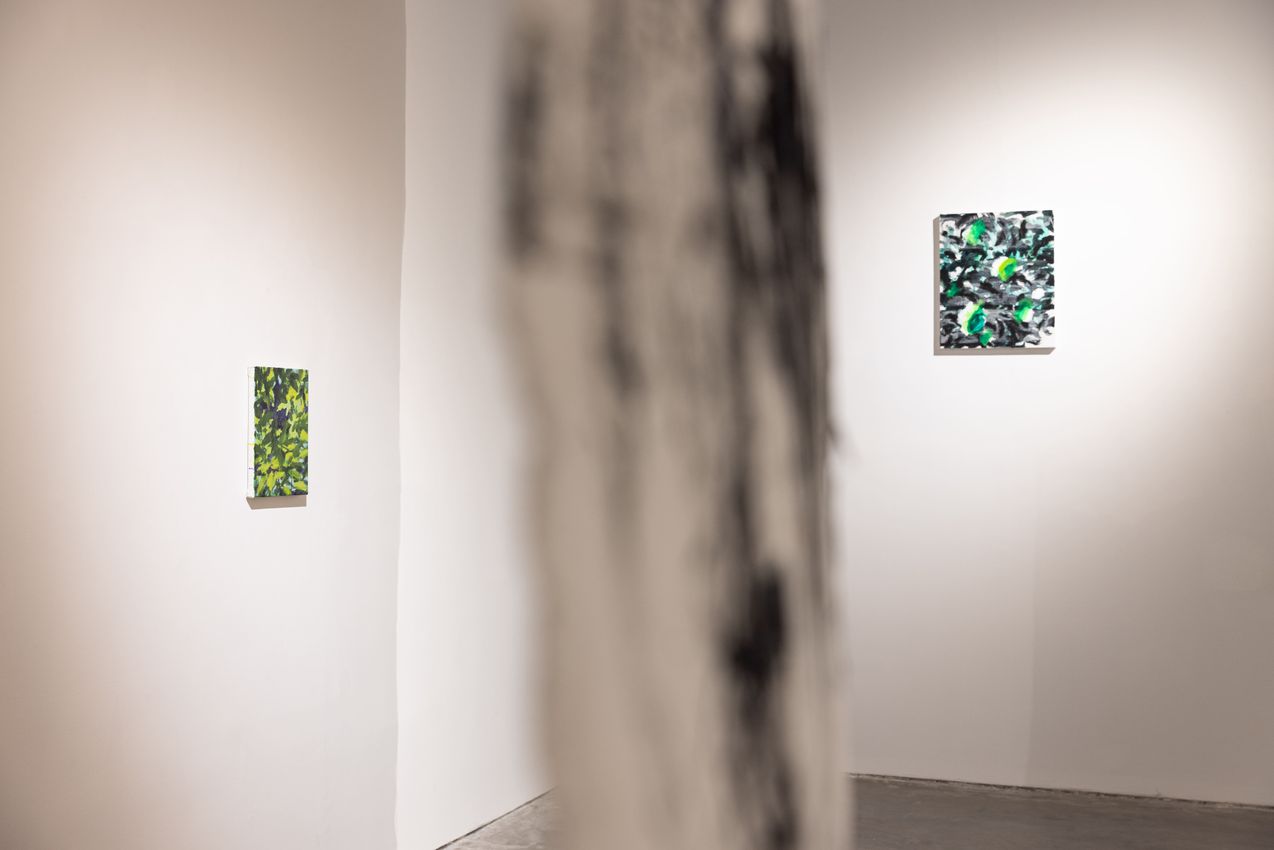
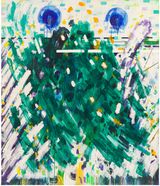
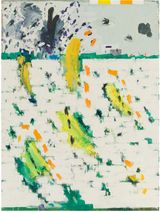
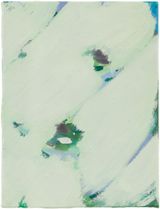
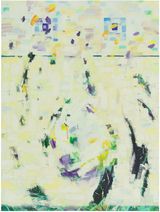
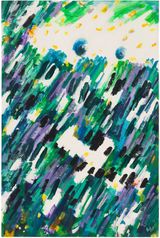
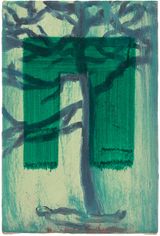
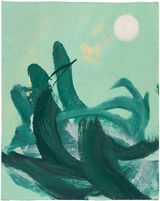
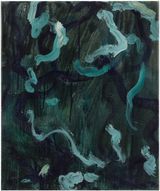
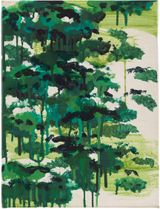
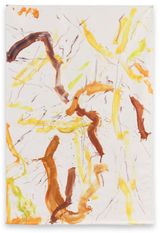
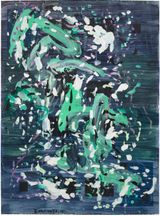
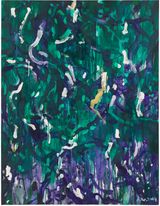
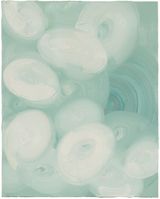
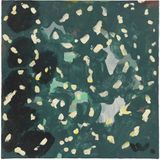
Wang Jun’s work in recent years has emphasized a conscious theory of practice, Sketching, as a method of production (creation), and the woods as a place to “dwell”. In the spring of 2018, Wang Jun stepped into his destined woods for the first time, and picking up a paintbrush in the woods wouldn’t happen until a few months later in the fall. Earlier in 2017, the artist had just completed a major phase of his work, Three Days, Three Nights-1#, and some new propositions became clear in his subsequent practice: Embodiment, Traces, and Specific Sites.
No matter how you look at it, talking about Off the Beaten Track has to start with Three Days, Three Nights - specifically the third iteration of the project that takes place in late 2019 in the Dong village of Huanggang in Liping County, Southeast Guizhou (note 1). It was in the project practice of using the public space of the ethnic minority villages as a specific field that the artist re-recognized the potential of “Sketching & Place”.“Sketching” is an encounter that requires the return of the body to a specific site, a kind of physical projection on the site (note 2). The potential that this influence inspires is all-encompassing. Local history, field, personal memory and emotion, art ontology, walking and mobility, and multi-dimensional writing are beginning to be actively emphasized and invited by artists.
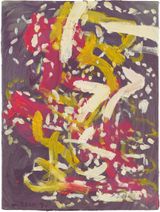
In the woods, an encounter; in the woods; a trace; in the woods, a way.
“Paradoxically, the world deep in the woods is the most open to our perceptions.” , when Tim Ingold talks about the woods, he reminds us to be wary of the usual arrogant human perspective from above, and Lefebvre’s “Bird’s-Eye View” ****- not staring at the trees, but wandering among them, making the trees slightly sway and gently caress the surface. Also, Finnish architect Juhani Pallasmaa once pointed out “Eyes of the Skin” - the eyes can gently caress the surface, outline and edge of things. To dwell in the world is to participate in the process of formation. To dwell in the world is to participate in a dynamic world full of energy, force and flow (note 3).
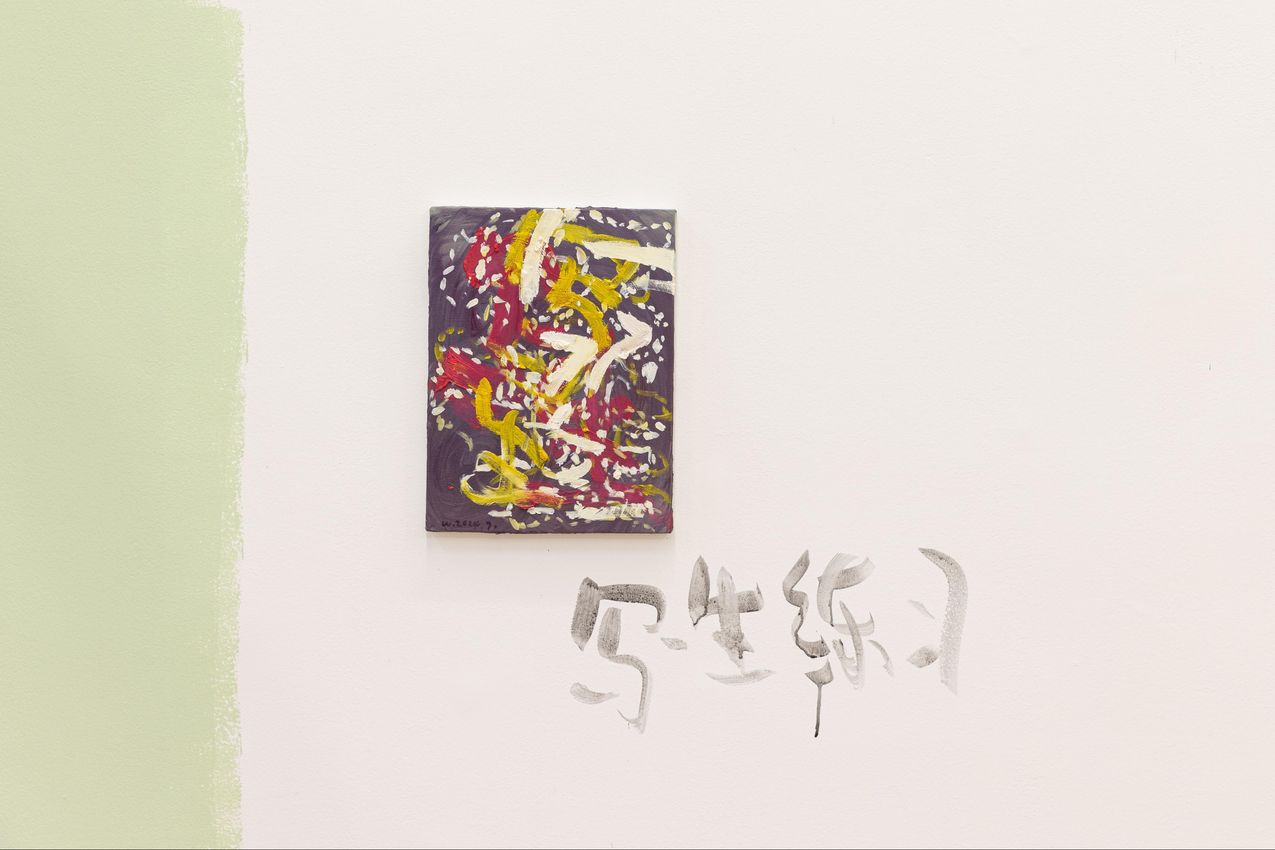
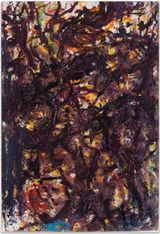
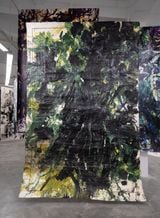
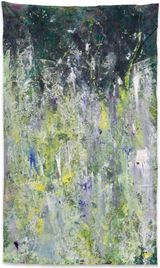
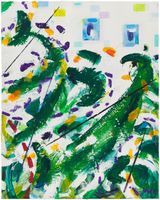
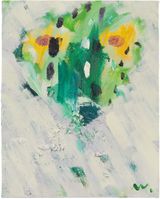
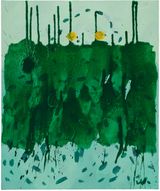
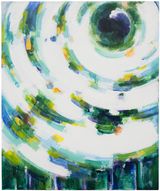
Here’s a complete series of the works. I collectively refer to it as the “Woods Image” series, because it is created through the artist’s lingering in the woods, various direct sketches (of different styles), blind paintings, on-site action paintings, sketch notes, as well as the “Copy Exercise” in the studio (note 4). Wang continuously writes about a single theme over a long period of time through various media, and stimulates expression through various “limitations”. For instance, he would walk into the woods around dusk, perceive spirituality and paint until the night was dark and he was tired. Sometimes, the artist is a territorial ranger, wandering and lingering freely and joyfully through the woods, subtly observing the slow changes of seasons or time in the woods. More often than not, he is like a sentient being who, through his brush and words, records, sketches, interprets and translates the Doppler effect of a certain moment (note 5). The woods is constantly activated and discovered during Wang Jun’s tour. Certainly, it has always been there. However, when the “Bird’s-Eye View” and the “Eye of the Skin” look directly at each other, you and I in the woods coexist, dwelling in the world.
Text / Ni Kun
May 25th, 2025
Notes:–
1. “Three Days, Three Nights” is an event art project initiated and implemented by artist Wang Jun, which was carried out in Organhaus, Chongqing (2017), Institute for Provocation, Beijing (2018), and Huanggang Village, Liping County, Guizhou Province (2019). The project begins with a reflection on the image and authenticity (authorship) of painting, integrating multiple elements such as action painting, happening, drama, and event art. Meanwhile, as the project space actively expands from the white box into public social Spaces, the works gradually shift towards and present the characteristics of art in specific fields. –
2. Text from Wang Jun, “Eve, Sketching, and the Generation of Methods”, in “Art Monthly”, vol. 8, 2020. –
3. Text from Tim Ingold, “Making: Anthropology, Archaeology, Art and Architecture”, Jiangsu Phoenix Fine Arts Publishing LTD., 2013. Print. p. 135. –
4. Since 2011, Wang Jun has embarked on a series of paintings titled “Copy Exercise”. Through repeated copying of specific parts of the canvas, these works ultimately question the “concrete and abstract”, “real and false” aspects of images in an abstract painting style.–
5. This is a term in physics. The Doppler Effect refers to the fact that when the wave source or the observer moves, the frequency of the wave received by the observer changes.
Different from other abstract paintings, every piece of Wang Jun’s new works is based on something figurative, such as a freely captured scenery picture, a personal letter, even sentences from a work report. Through long-term drawing, painting, covering, rebuilding over and over again, it finally turns into a kind of visual rhythm which is abstract but visible and pure. This rhythm comes from the process of ‘flashback’ between visual identification and destruction. The remains and ashes of a totally destroyed picture become the final image, which record the process that he seeks for image’s visual border, and finally develop into physical evidence of reserving image primitives within minimum limit.
A Thousand Plateaus Art Space was founded in 2007 in Chengdu, China. It is a professional gallery committed to present and promote China’s contemporary art. Equipped with exhibition hall for artworks and collection and screening room for video data, it is mainly on researching, presenting and promoting outstanding works and experimental projects of China’s contemporary art and culture, actively carries out domestic and international cooperation projects.

A respected voice in contemporary art discourse.
Focusing on ambitious storytelling and insightful art-world commentary. Ocula Magazine publishes in-depth interviews, critical essays and timely analysis on the artists, exhibitions and ideas driving the global art world.
Learn more about Ocula Magazine
Showcasing the best of the art world.
Ocula partners with galleries from around the world to highlight their artists, artworks and exhibitions. Gallery membership is by application and invitation, with each member vetted by an independent panel.
Learn more about Ocula Membership

Specialises in the sale of major artworks.
Led by a team with deep ties to the world’s leading auction houses, galleries and collectors. Ocula’s advisory team offers bespoke services to high-net-worth clients from around the world who are looking to acquire the best of contemporary and modern art.
Learn more about our team and services