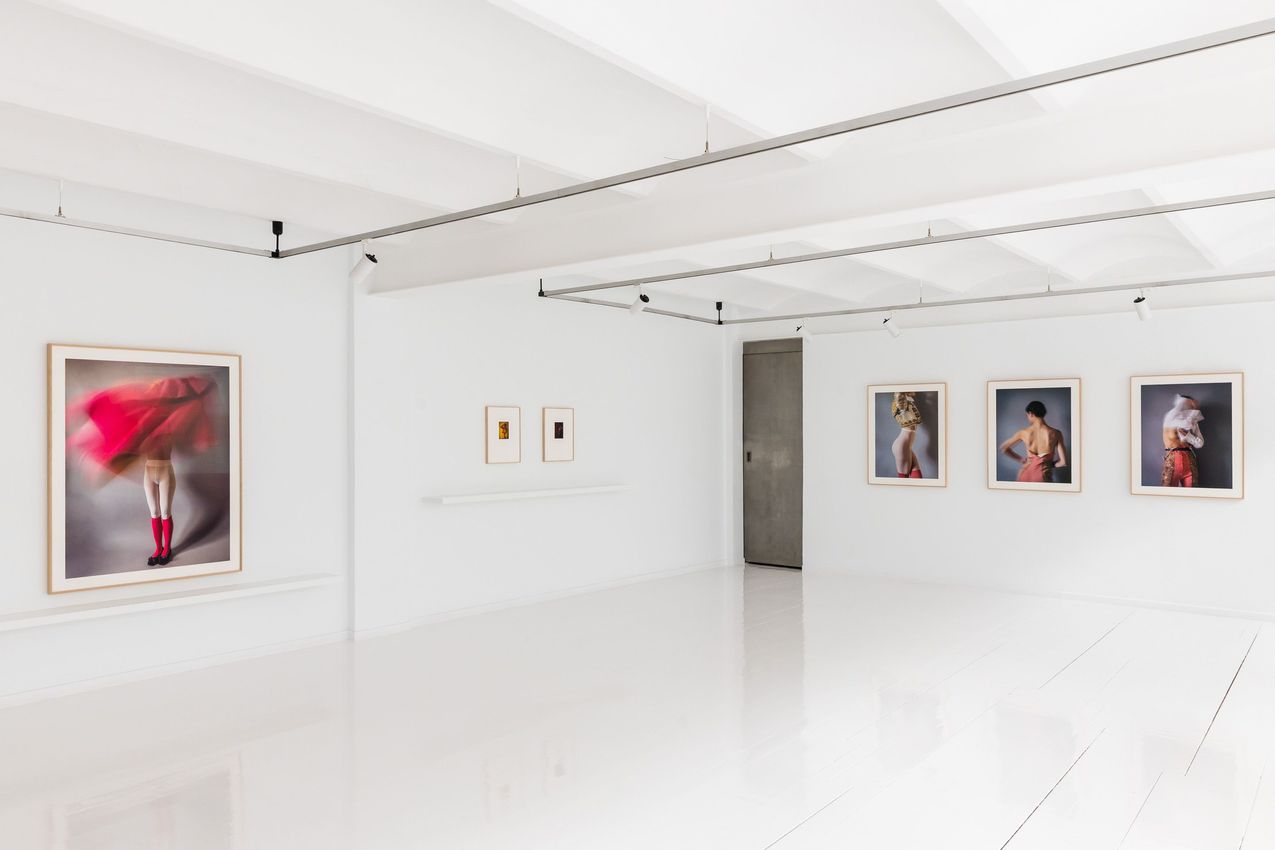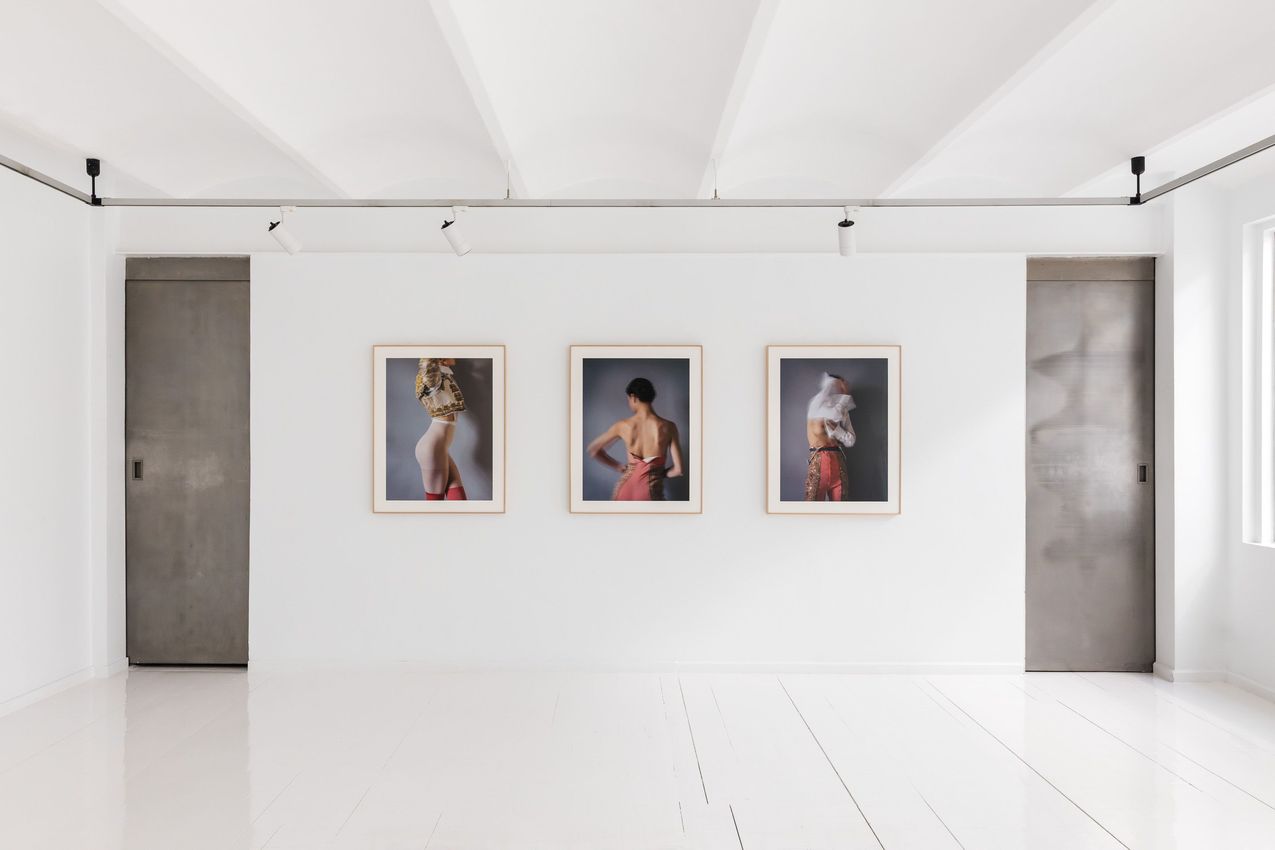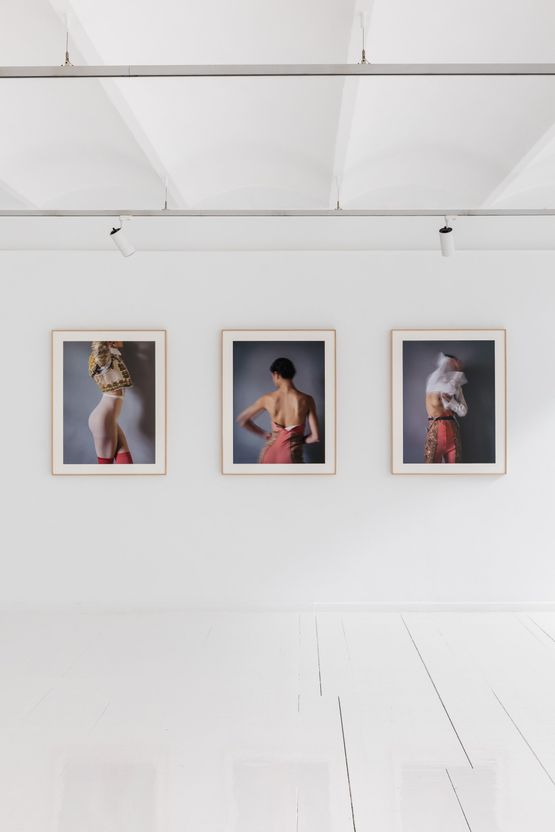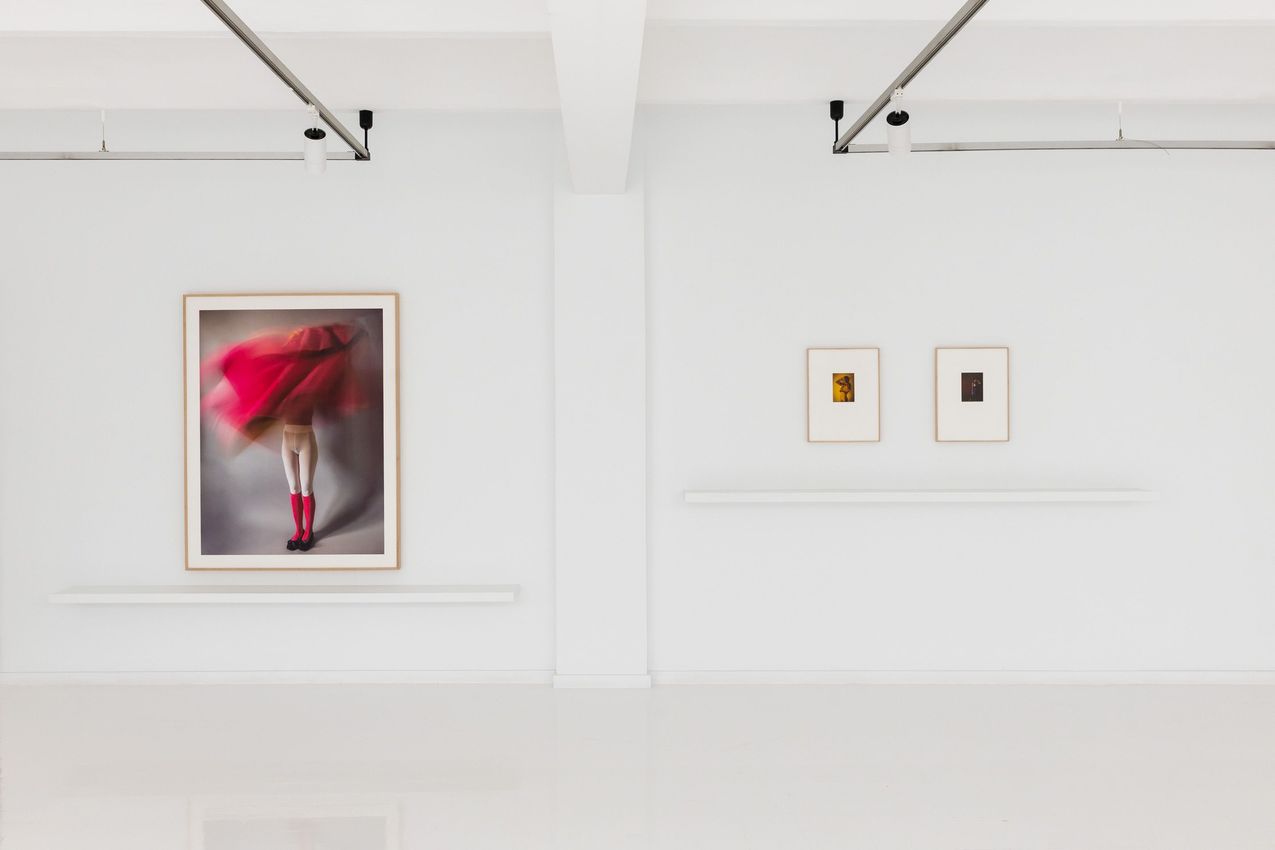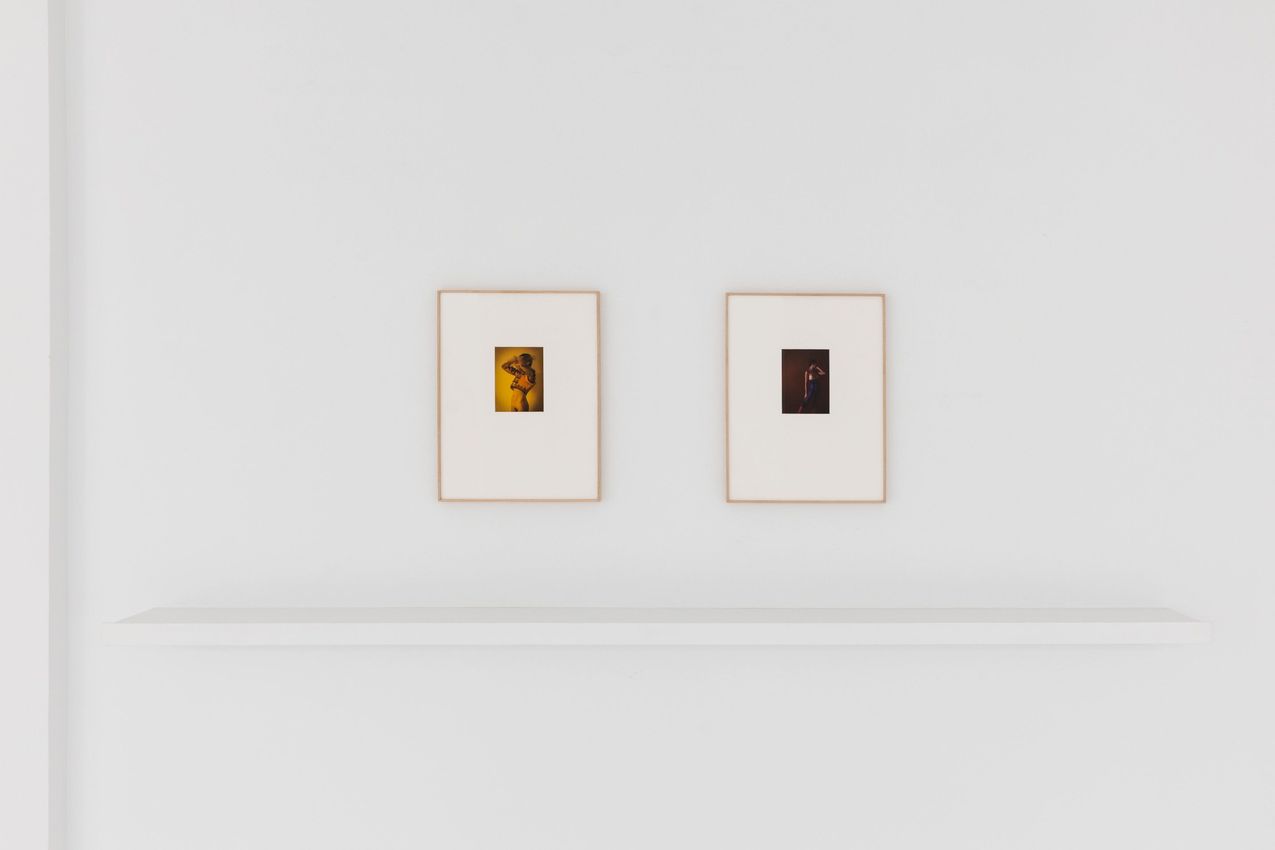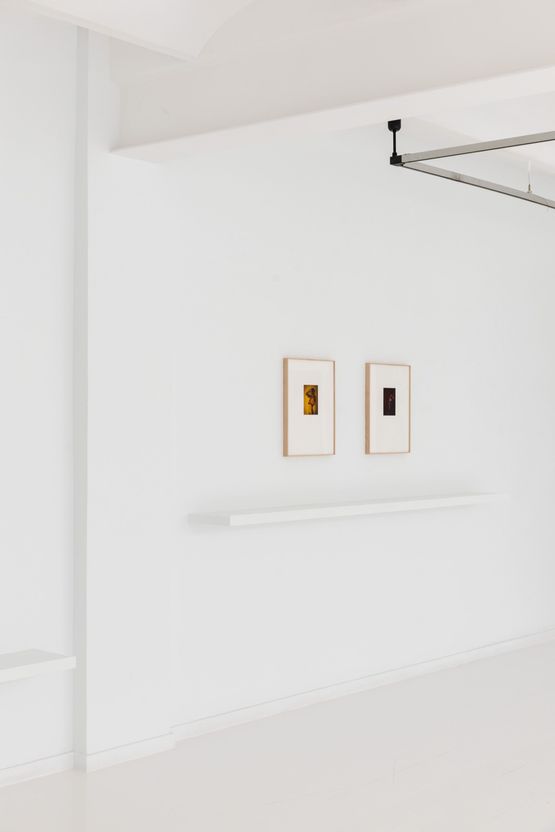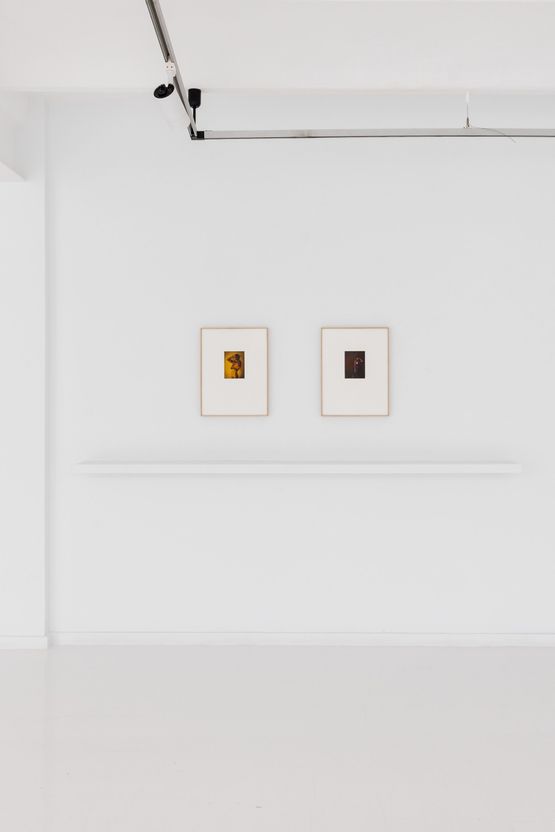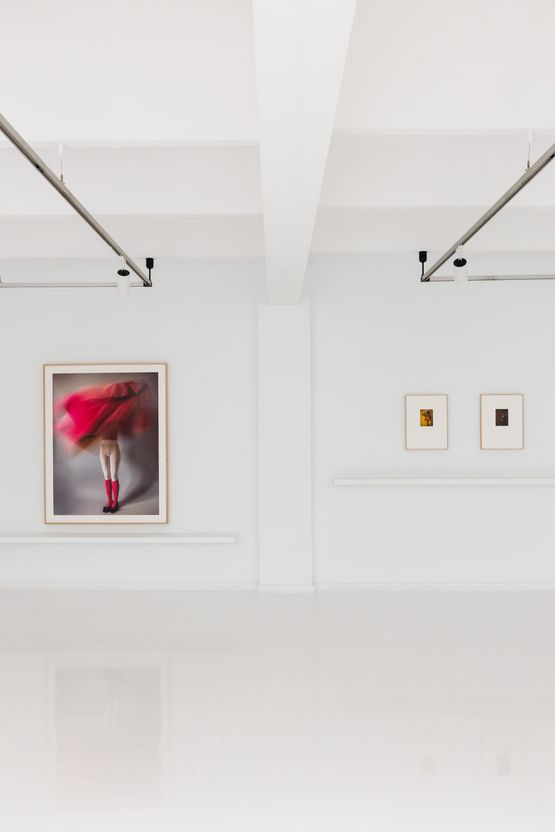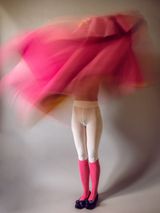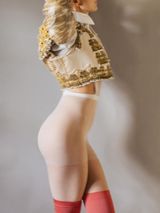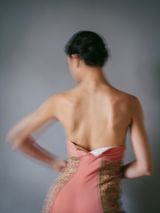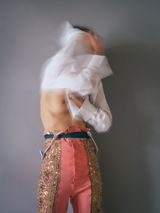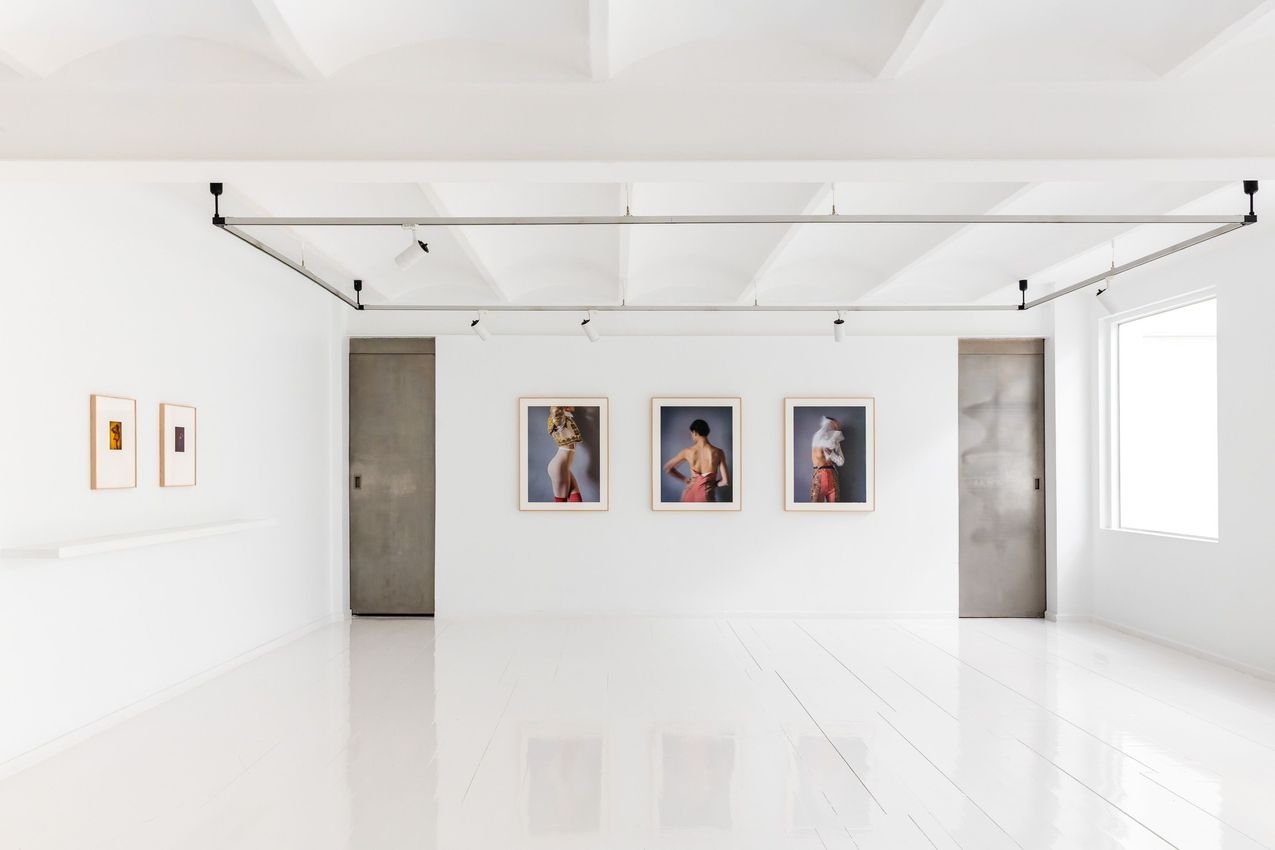
Alzueta Gallery is pleased to present La piel y el oro (The Skin and the Gold), a new solo presentation by Xènia Fuentes, on view at Alzueta Gallery Sèneca from March 23 to April 12. On this occasion, photography historian and independent curator Juan Naranjo presents The Body as Artistic Matter, an insightful approach to Xènia Fuentes’ work specifically for this exhibition.
The Body as Artistic Matter Self-portraiture has consolidated as one of the most common uses of contemporary photography. Social media and transformations in communication and relational habits have substituted ancient intimate diaries and family albums with Instagram publications and other digital platforms. The recording of one’s own image now occupies a central place in daily life, fostering a constant shift between the public and the private, between the intimate and the extimate, encouraging a redefinition of the aspects related to the construction of identity.
Autobiography and the recording of daily activities constitute some of the most frequent subjects in digital environments. Continued and extended on a global scale, these practices have generated a process of banalization of intimacy and the ordinary: repeated exposure has diluted the border between personal experience and representation. The image of the self has become a communication and social validation device, imbued in dynamics of visibility, recognition, and consumption.
Nevertheless, self-portraiture can also be framed from a critical perspective.
Beyond its immediate and self-referential use, it allows for the questioning of identity construction mechanisms, visual stereotypes, and exhibition and circulation logics, becoming a space open to reflection on the tensions between representation, fiction, and authenticity.
Xenia Fuentes’ photographic production is inscribed in this last field. She uses her body as artistic matter and as an enunciation support, in the same line as some of the fundamental creators of the 20th century who used self-portraiture as a tool for identity destabilization and for the questioning of representation codes.
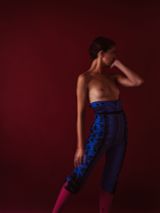
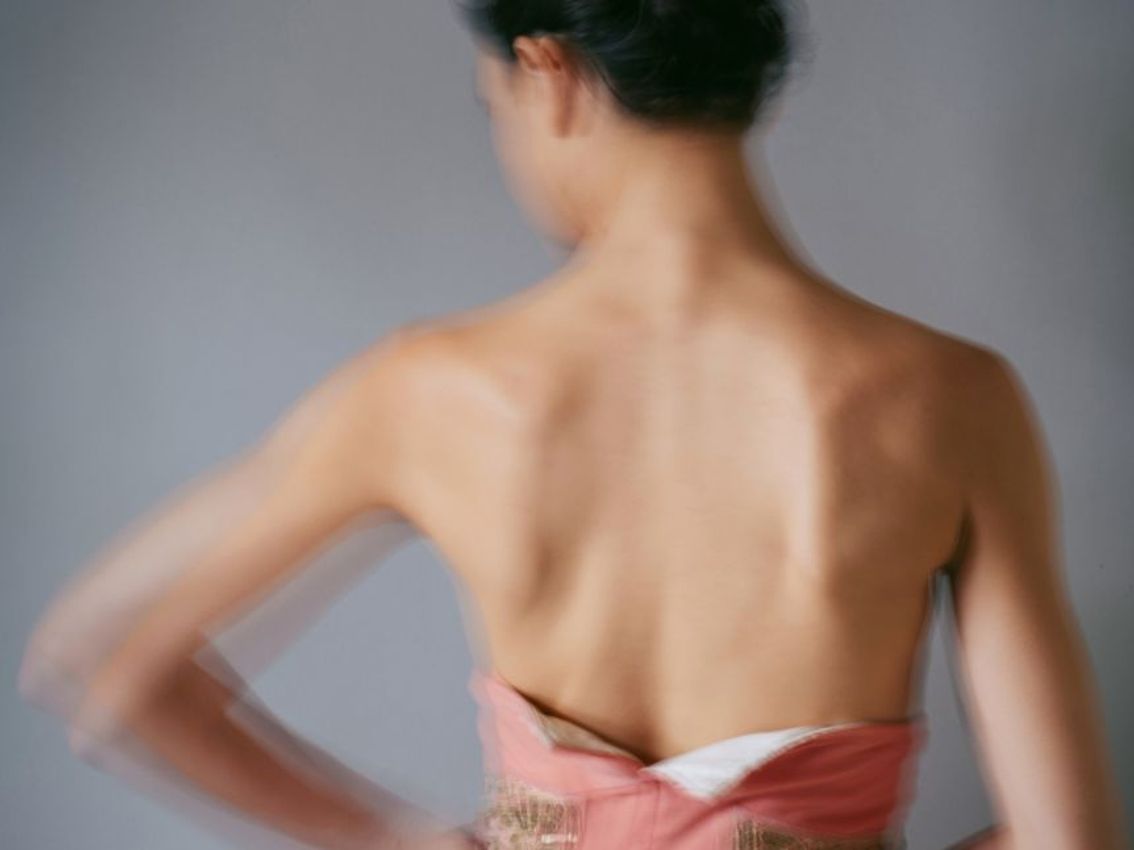
In her case, a systemic process of denying the self takes place: the face, traditionally used as the core of identity and the main device for recognition, remains occult. The omission of the face deactivates the psychological reading of the portrait; by denying access to gesture and expression, the artist shifts attention towards the body as a symbolic surface, as a territory where social, cultural, and gender tensions are inscribed.
This strategy does not imply a complete vanishing of the subject, but a reformulation of its presence. The self is not affirmed through facial recognition, but diluted in an anonymous figure, interchangeable, that questions the contemporary necessity for constant visibility. Facing the selfie culture and the overexposure of the face, her work suggests a gesture of resistance: making the identity invisible to evidence the mechanisms that produce and regulate it.
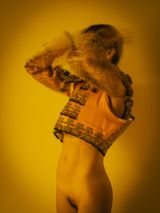
Clothing plays a fundamental role in her stagings, in which she uses torero dressings. This choice goes beyond the formal aspects or the beauty of the textiles, suggesting a game of ambivalences implicit in the generalized use of the term “dress” as a feminine garment. In appropriating an attire historically related to masculinity and heroism, the artist displaces it from its ritual context, deactivating its epic function and transforming it into a questioning device. An ambiguous space opens, where the masculine and feminine are no longer understood as closed opposites, but as mobile, permeable, and questionable positions.
The absence of the face intensifies this operation. Because it does not offer a recognizable identity, the figure dressed as a torero is not presented as a woman invading the space of the masculine, but as an ambiguous presence that inhabits and reinterprets this symbol. In this way, the gesture is not limited to an inversion of roles, as it questions the apparent stability of gender categories and the naturalization of their visual codes.
The movement and the light treatment fulfill a fundamental role in constructing an environment that recreates the iconography of the toreros in the instant of getting dressed. The intense and monochromatic illumination, which reminisces of Baroque tenebrism, makes the body emerge and converts it into a stage of narrative tension that recreates the symbolic load that usually surrounds this special moment. The long exposure generates an effect of vibration and fluidity that converts the gesture into a pictorial stain, almost abstract, that dialogues with the iconography of the torero and the ritual gesture of unfolding the cape.
Her stagings are situated in a hybrid territory between photography and performance. Departing from a re-updating of the aesthetics of historic painting, she creates strong and poetic images in which self-portraiture is no longer an exercise of identity affirmation but becomes a critical device from which she questions the representation systems, the cultural imaginaries, and the contemporary ways of constructing the self.
Juan Naranjo


‘For years I investigated the idea of duality. What happens when the same person is in front of and behind the camera? The one that is exposed and observed at the same time, the photographer and the model. I establish a dialogue, a connection, between these two figures. As if with each image that I shoot, one tries to find the clue of the other. One tries to communicate with the other.
With over twenty-five years of experience, Alzueta Gallery, founded by Miquel Alzueta in Barcelona, has become a leading name in contemporary art. The gallery has solidified its presence both locally and internationally, with five locations across Barcelona, Madrid, Casavells and Paris. Its program includes exhibitions, art fairs, artist residencies and collaborative projects, involving both physical and digital platforms.
A respected voice in contemporary art discourse.
Focusing on ambitious storytelling and insightful art-world commentary. Ocula Magazine publishes in-depth interviews, critical essays and timely analysis on the artists, exhibitions and ideas driving the global art world.
Learn more about Ocula Magazine
Showcasing the best of the art world.
Ocula partners with galleries from around the world to highlight their artists, artworks and exhibitions. Gallery membership is by application and invitation, with each member vetted by an independent panel.
Learn more about Ocula Membership

Specialises in the sale of major artworks.
Led by a team with deep ties to the world’s leading auction houses, galleries and collectors. Ocula’s advisory team offers bespoke services to high-net-worth clients from around the world who are looking to acquire the best of contemporary and modern art.
Learn more about our team and services