Press Release

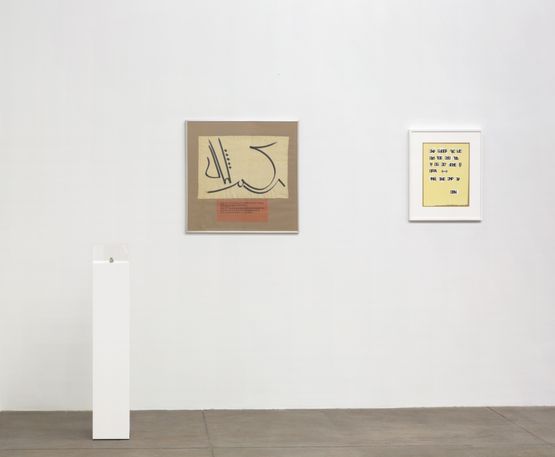
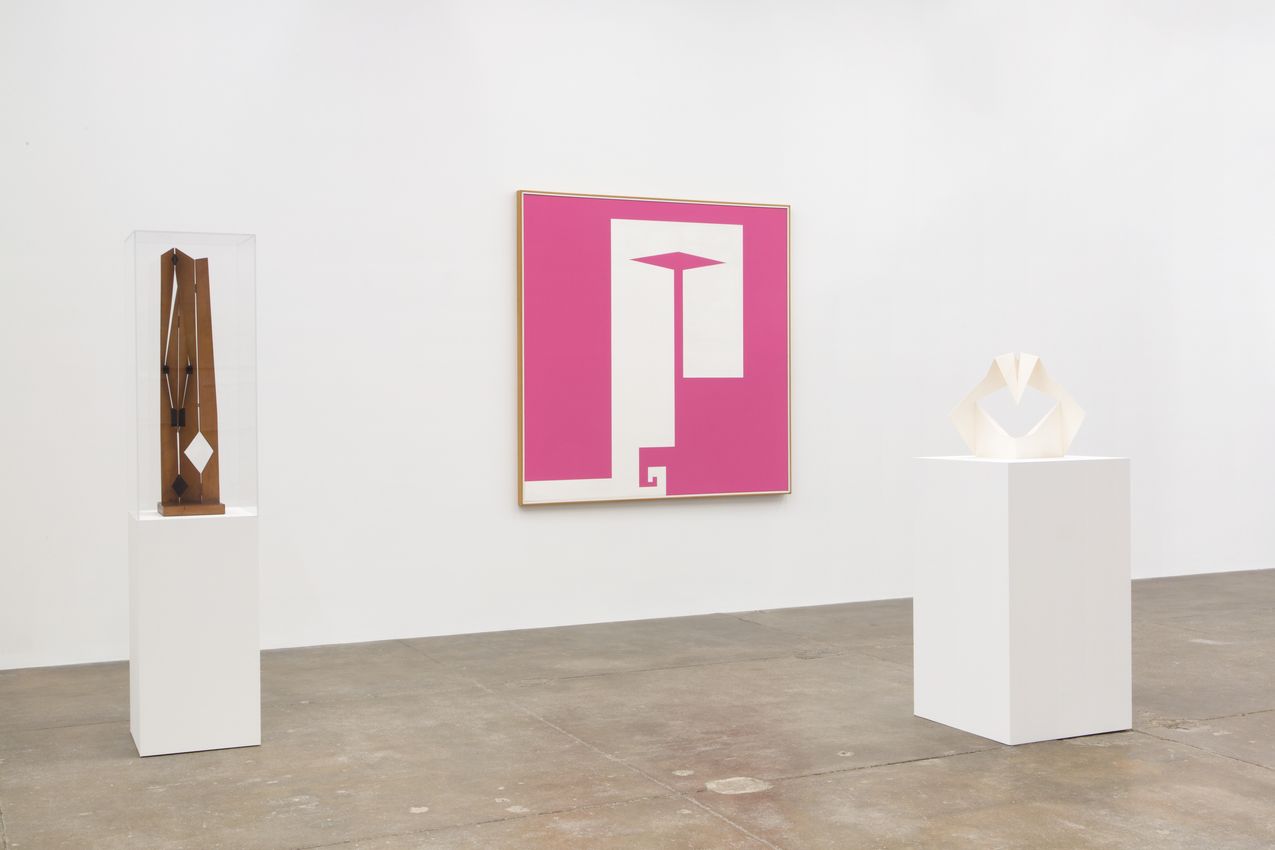
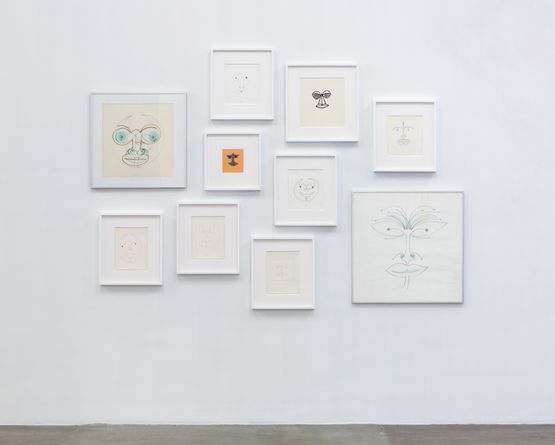
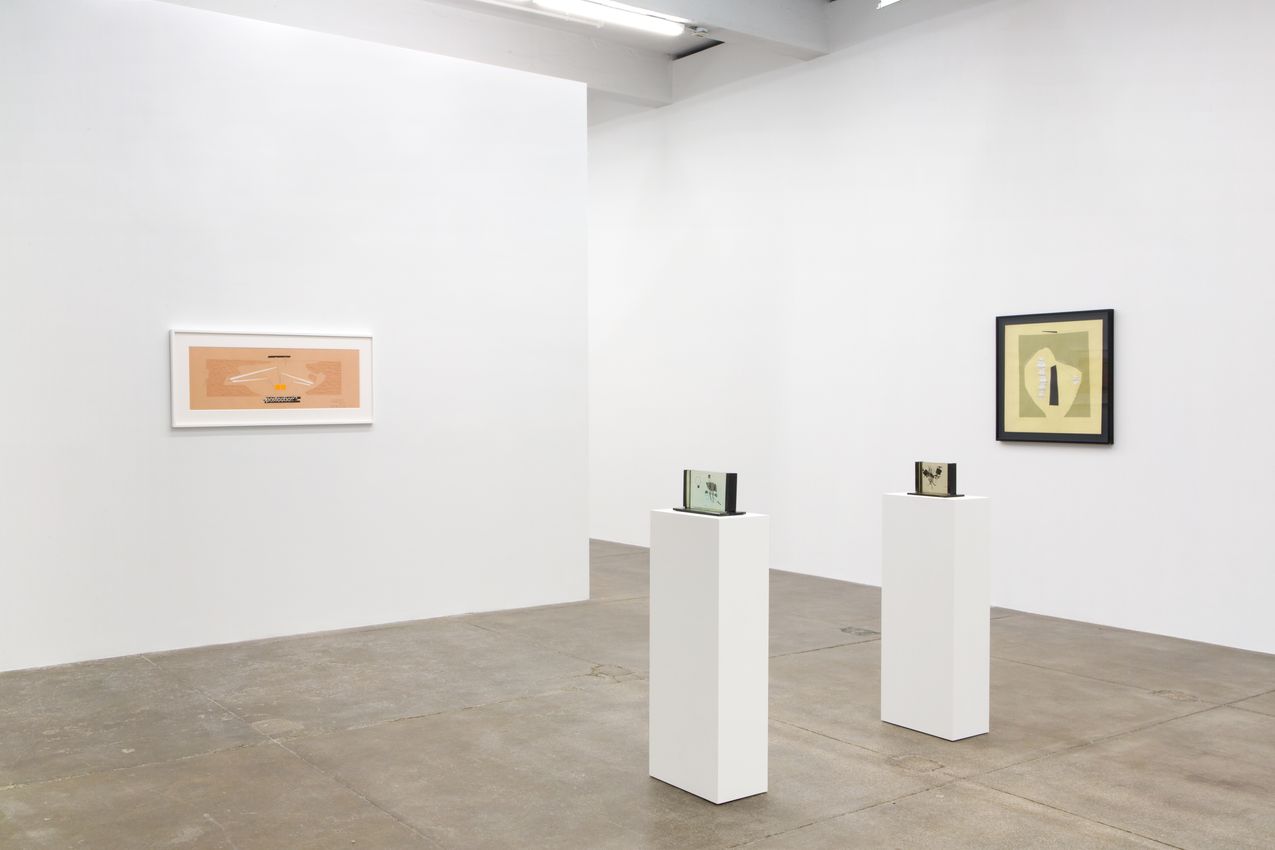
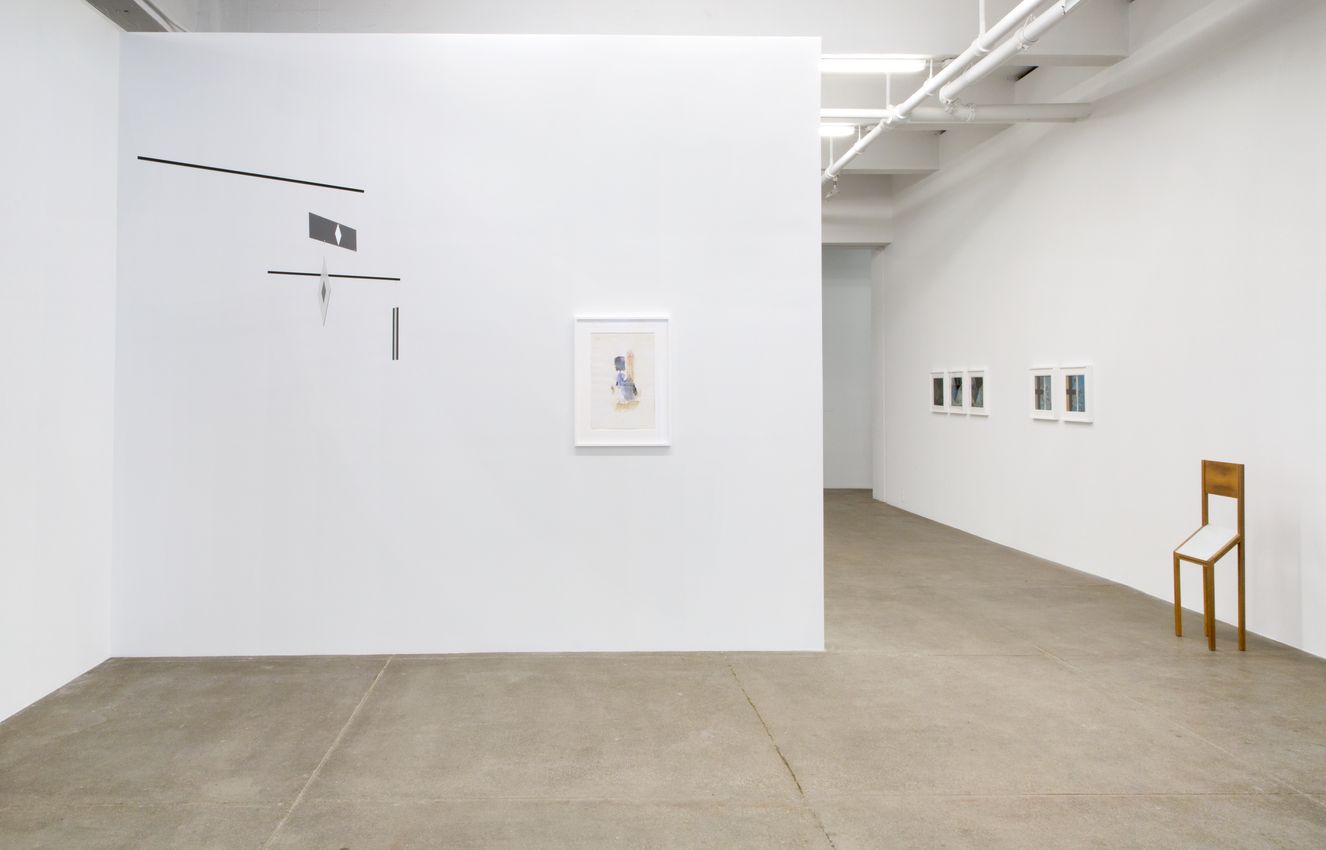
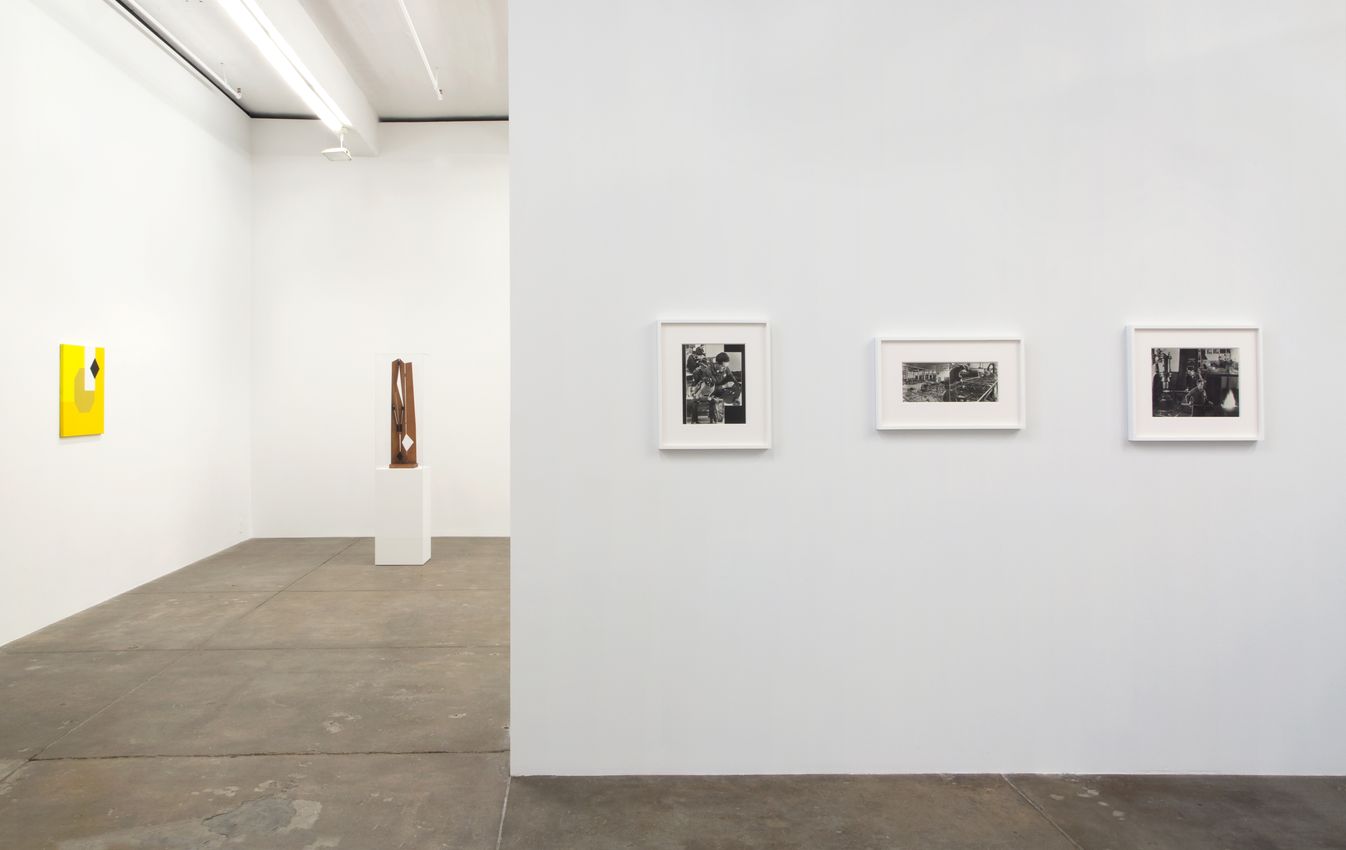
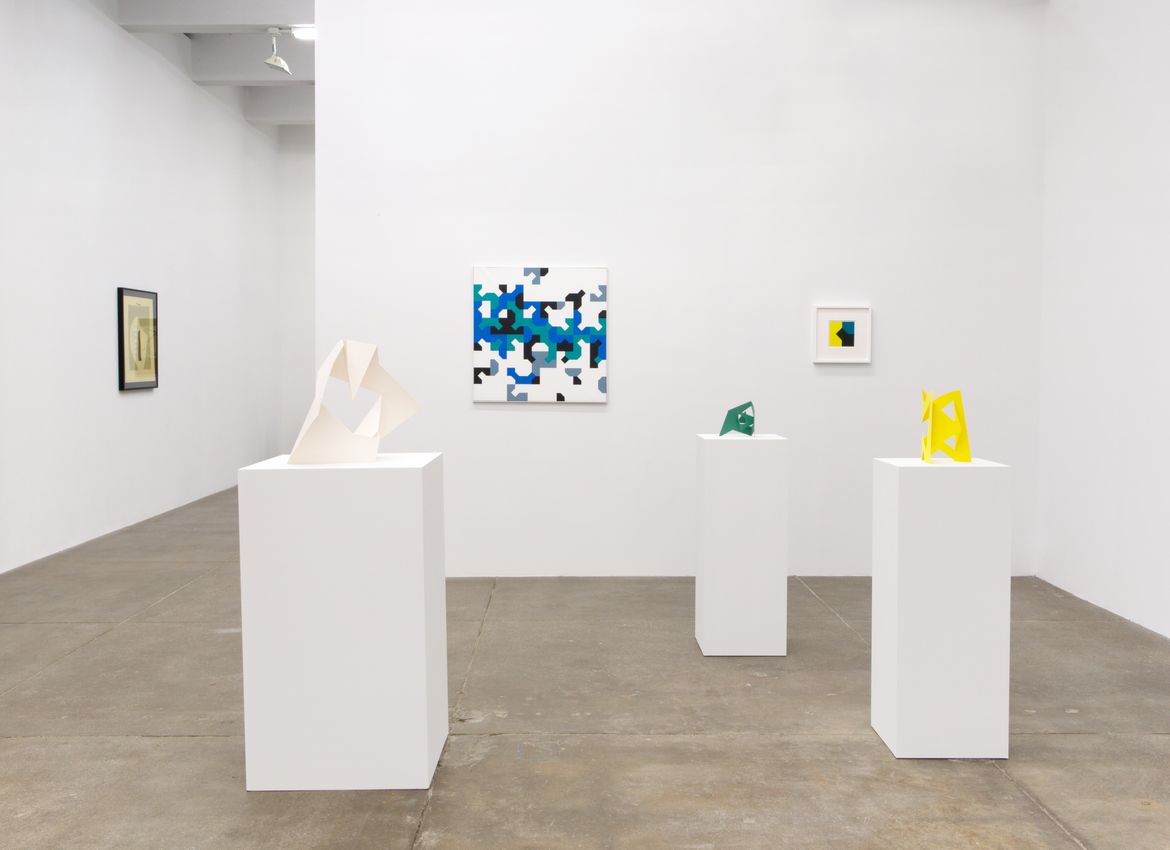
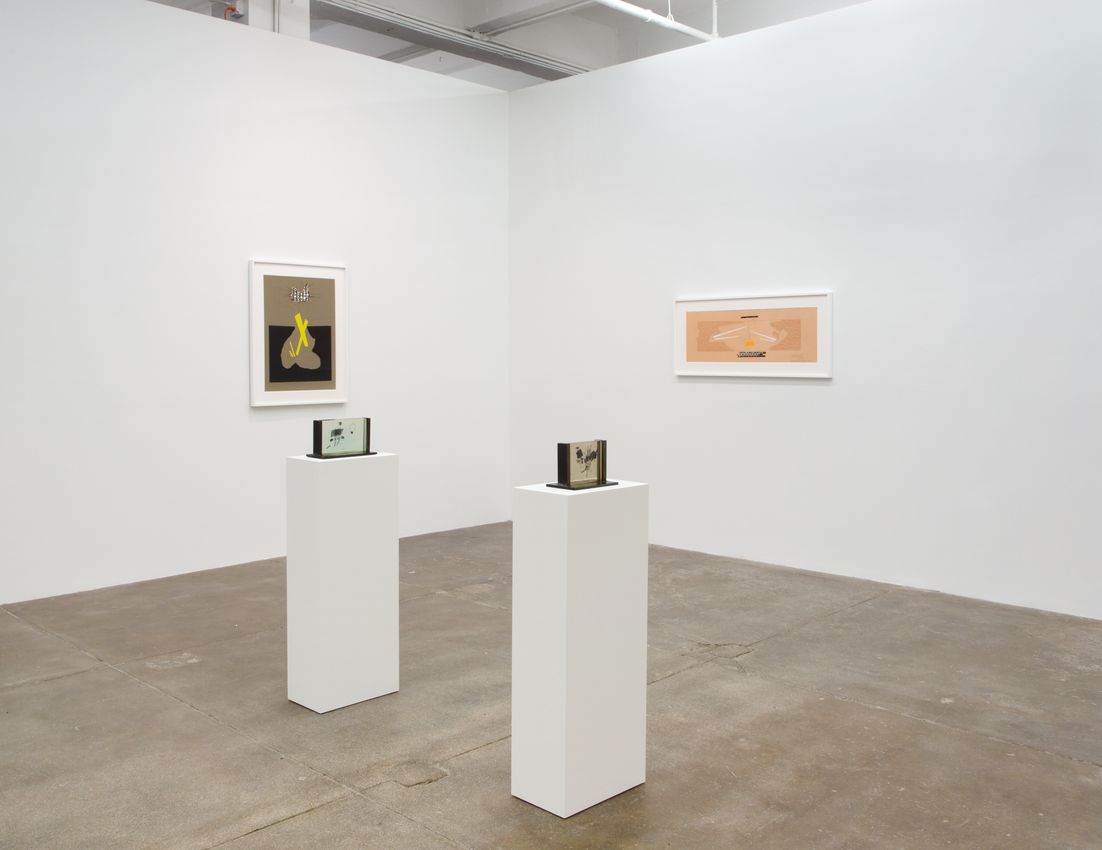
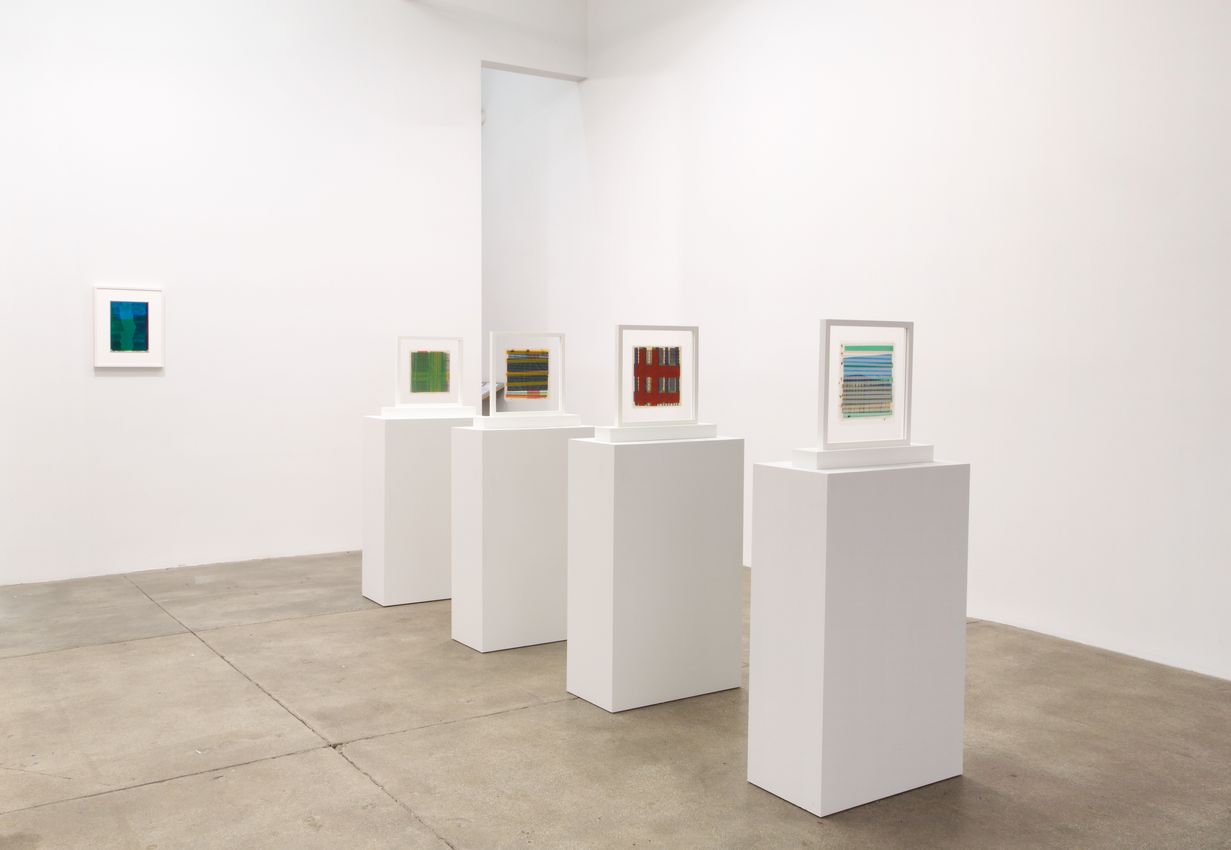
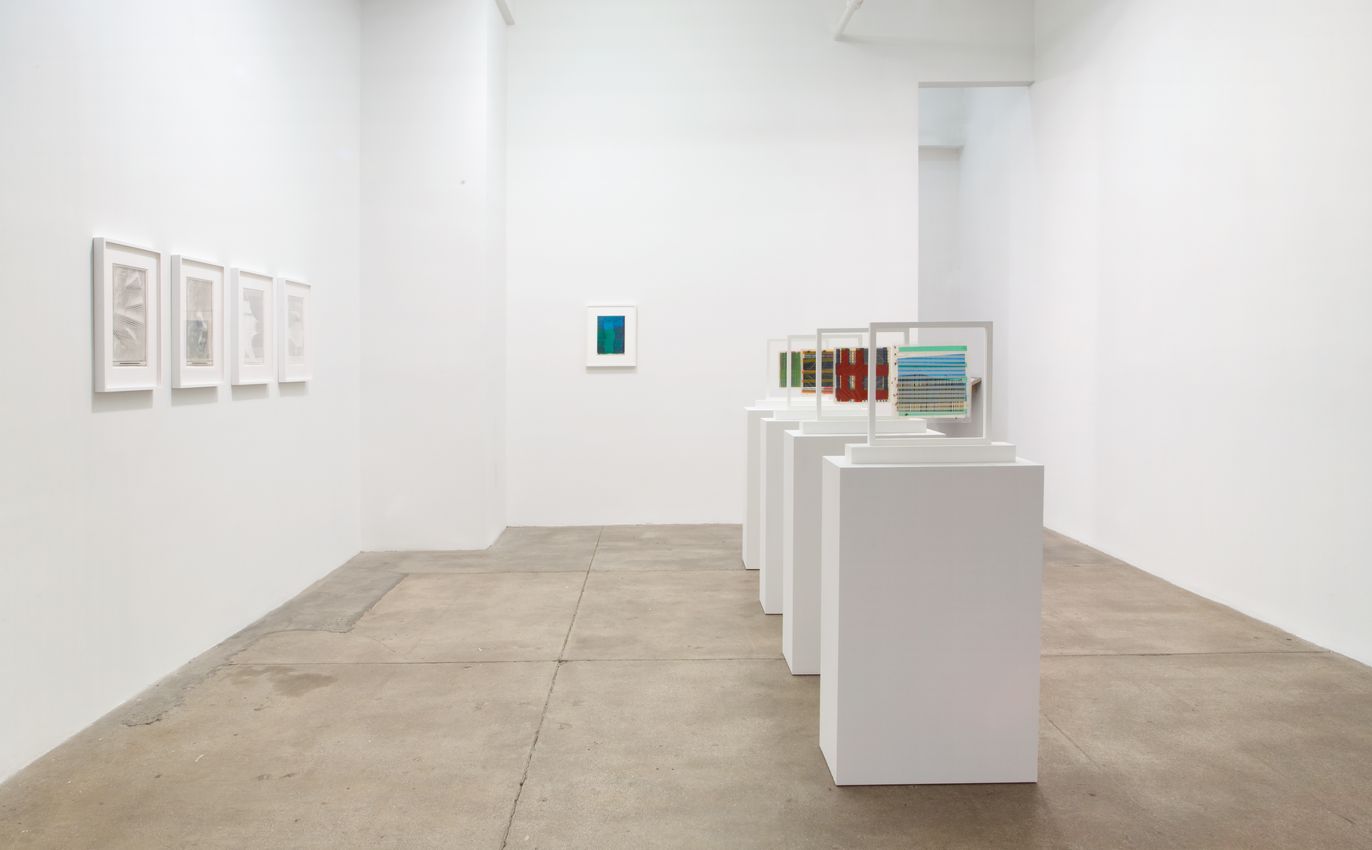
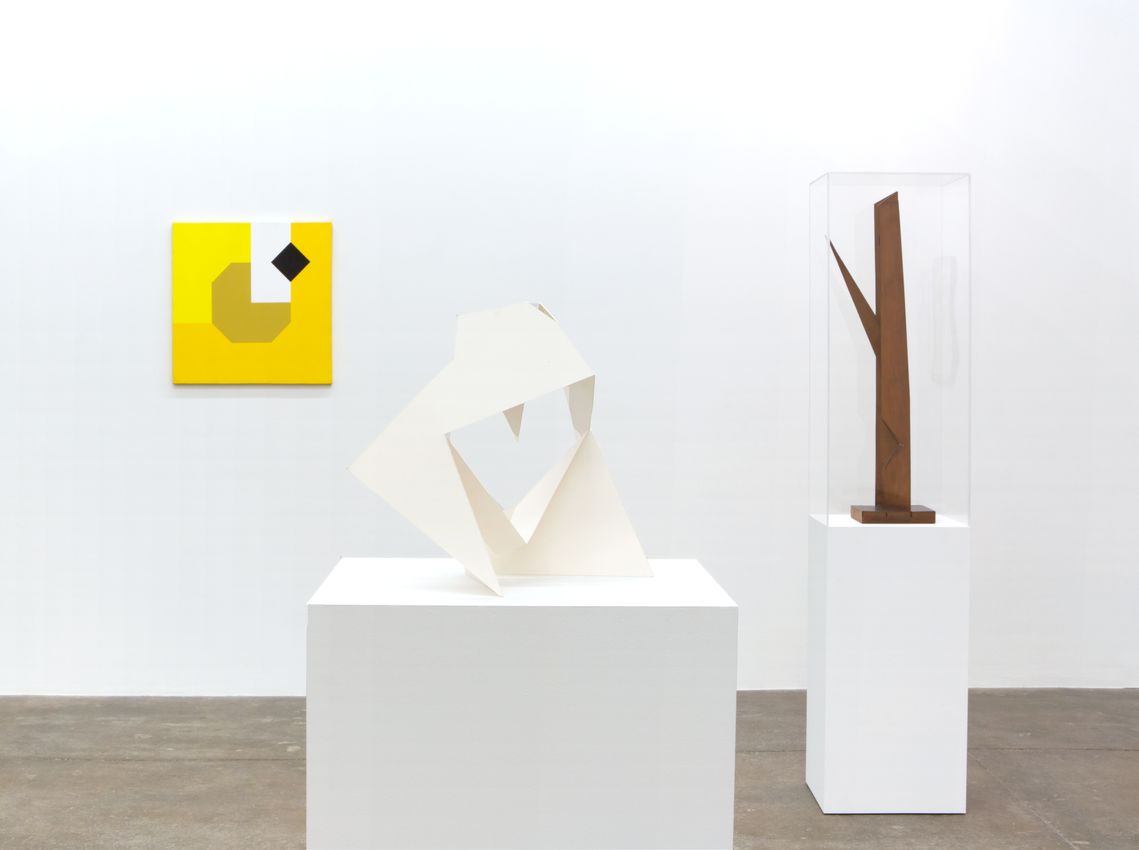
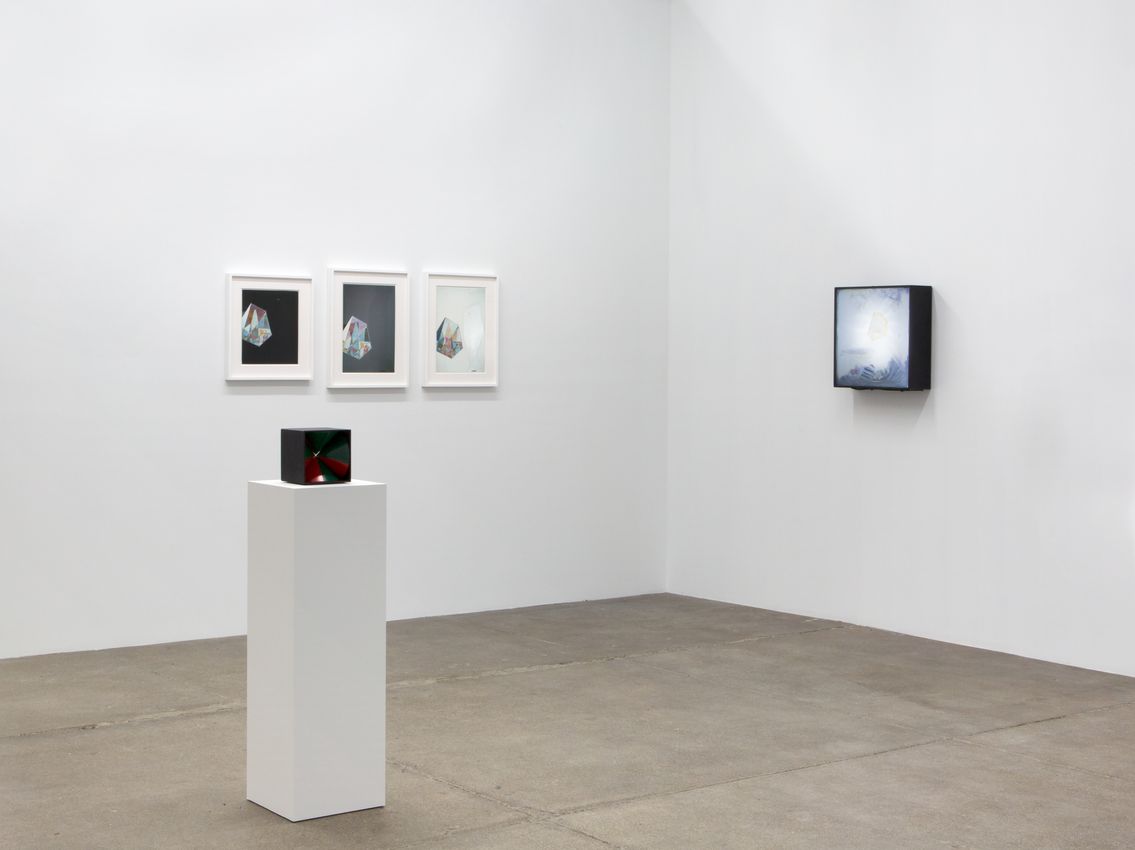
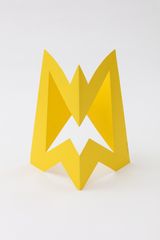
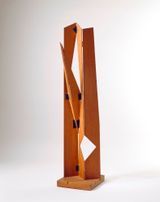
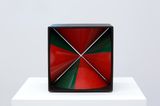
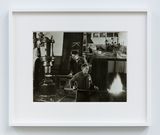
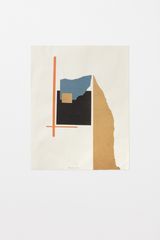
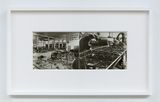
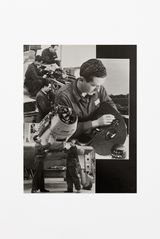
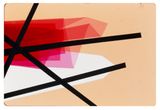
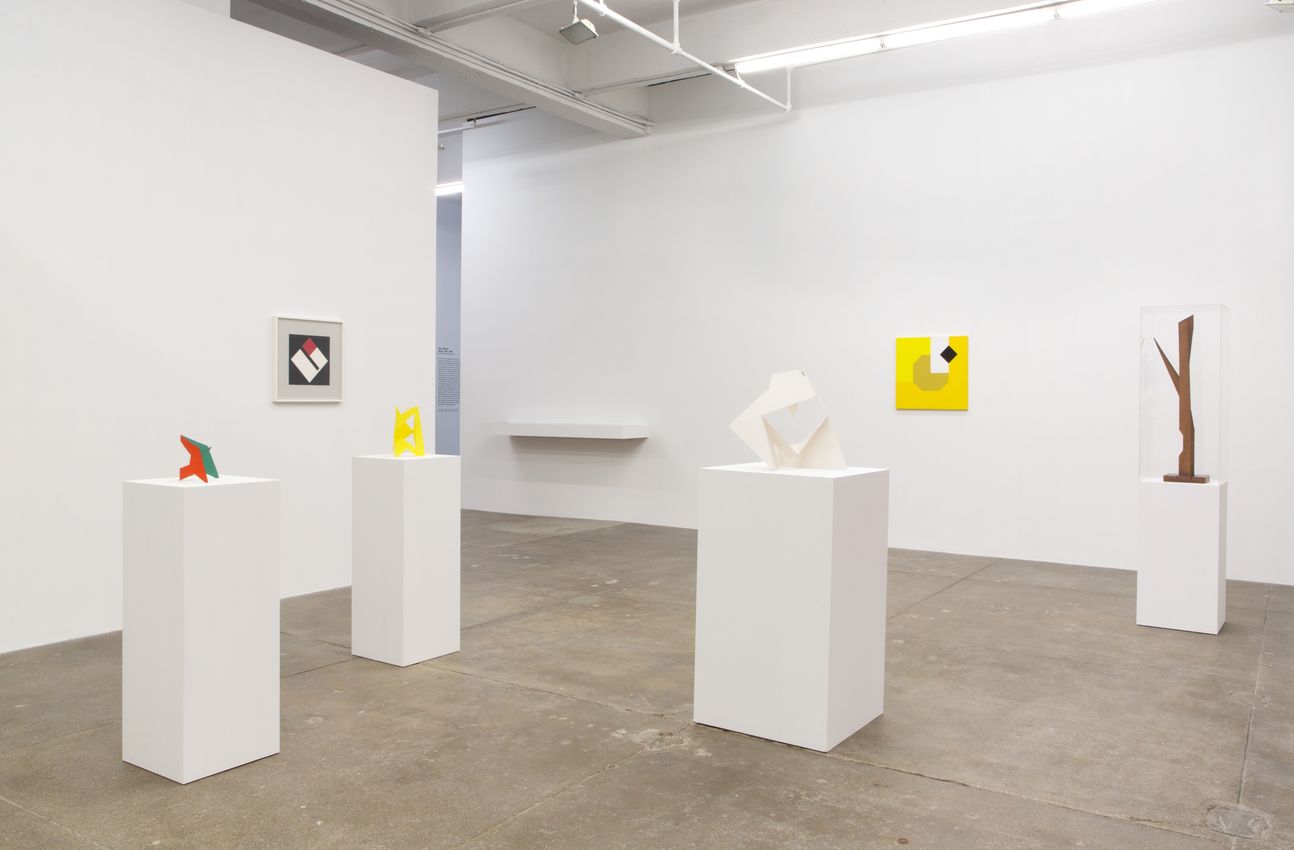
Andrew Kreps Gallery, in collaboration with kaufmann repetto, is pleased to announce the first survey exhibition in the United States of Bruno Munari’s (b. 1907, Milan, d. 1998, Milan) work, curated by Alberto Salvadori.

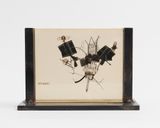
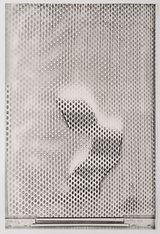
Bruno Munari described himself as an ‘artist, writer, inventor, designer, architect, and illustrator,’ a list that is nowhere near exhaustive. He began his career at an early age during the second wave of Italian Futurists, exhibiting his work for the first time in 1927 at Galleria Pesaro, Milan. Simultaneously he pursued activities as an art-director, curator, and illustrator. In the years following, he progressively moved away from the influence of Futurism, developing an extremely personal and singular project over the course of 60 years. In 1930, he produced the Aerial Machine, from which came his Macchine Inutili / Useless Machines, anticipating his interest in the deconstruction of the traditional work of art. Much of Munari’s work is characterized by a pedagogic interest and a radical vision of expanding man’s understanding of the world through the development of new forms of visual communication. Prolific in output throughout his life, and tirelessly inventive, his work includes some of the earliest experiments in what Munari himself would term ‘programmed art,’ as well as light art, installation art, projection-based art, and photocopy art. Throughout his work, Munari viewed technology as a democratizing force within Art, citing the potential for an ‘art by all,’ and the destabilization of the idea of the singular artistic genius.

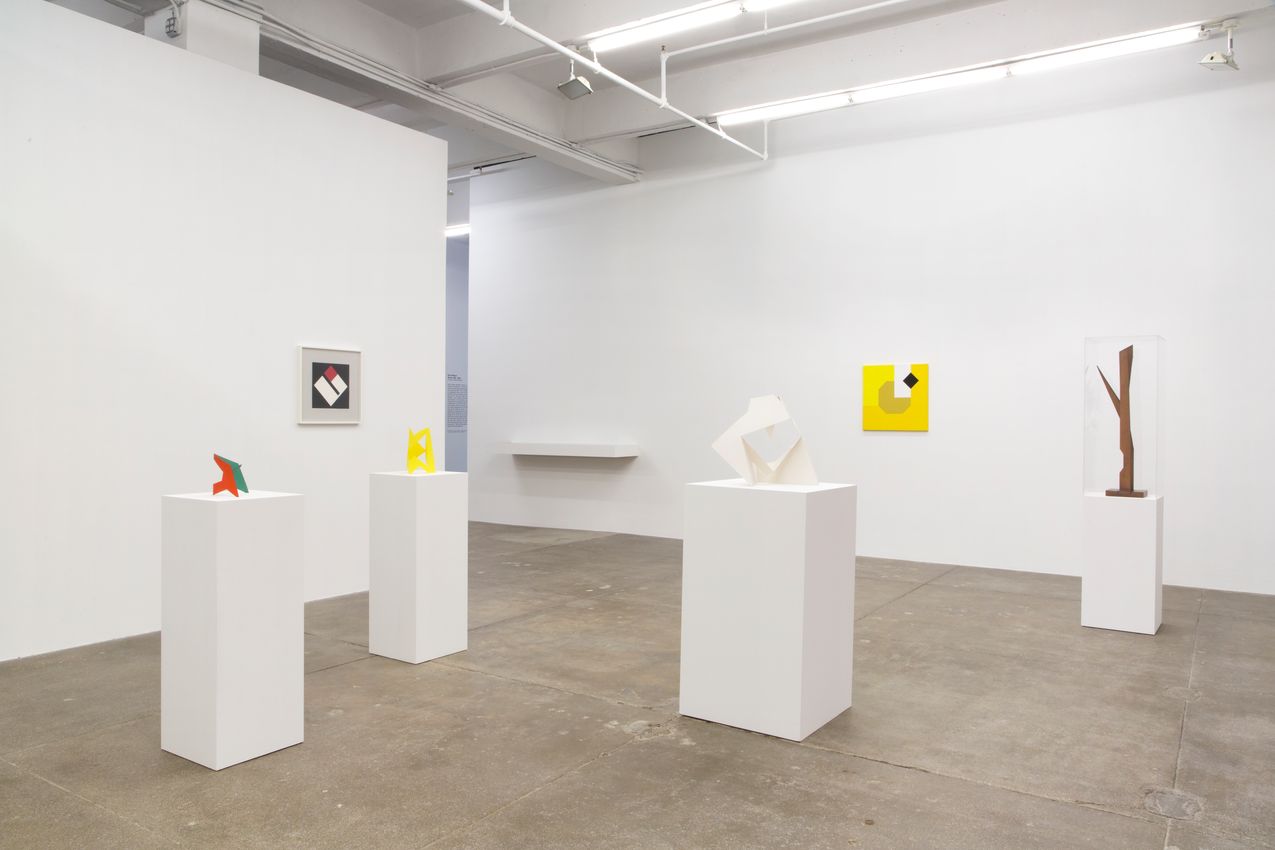
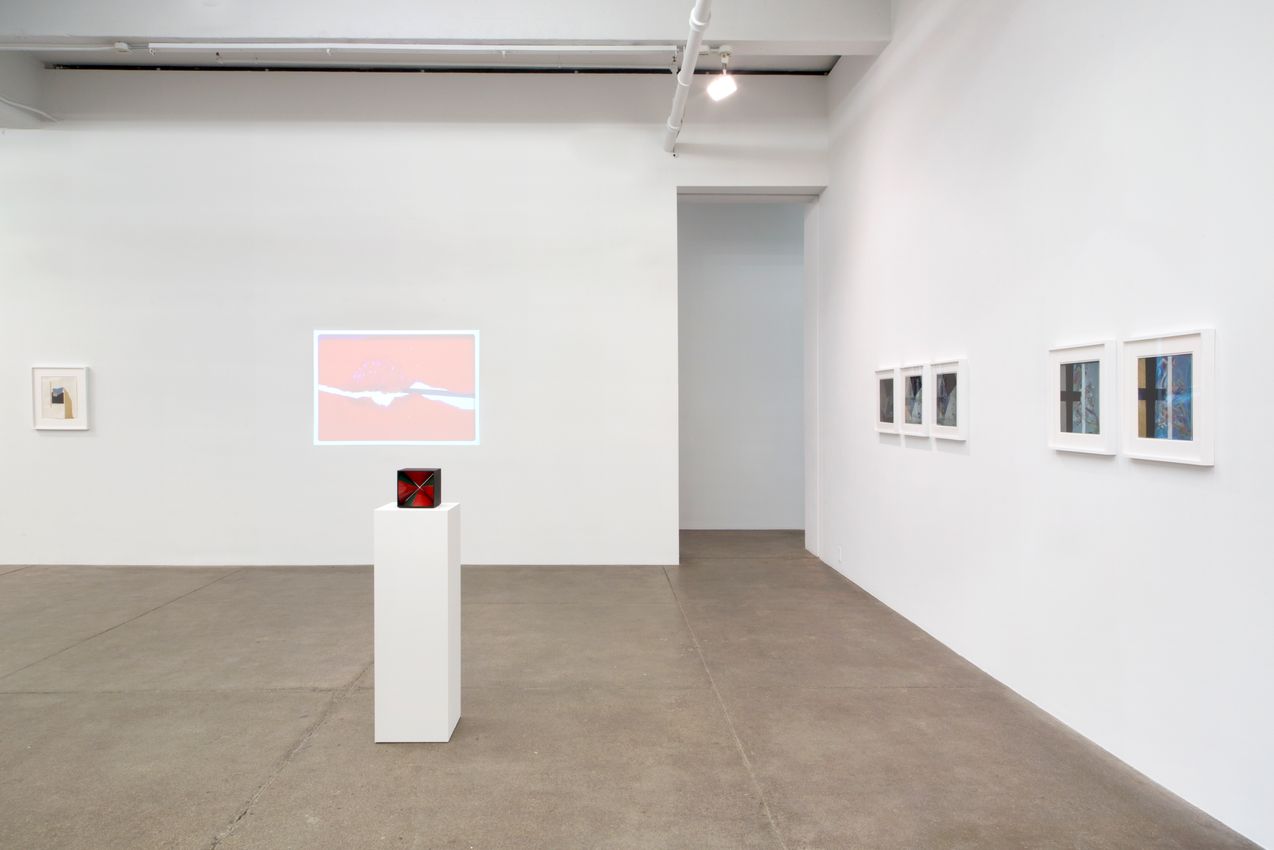
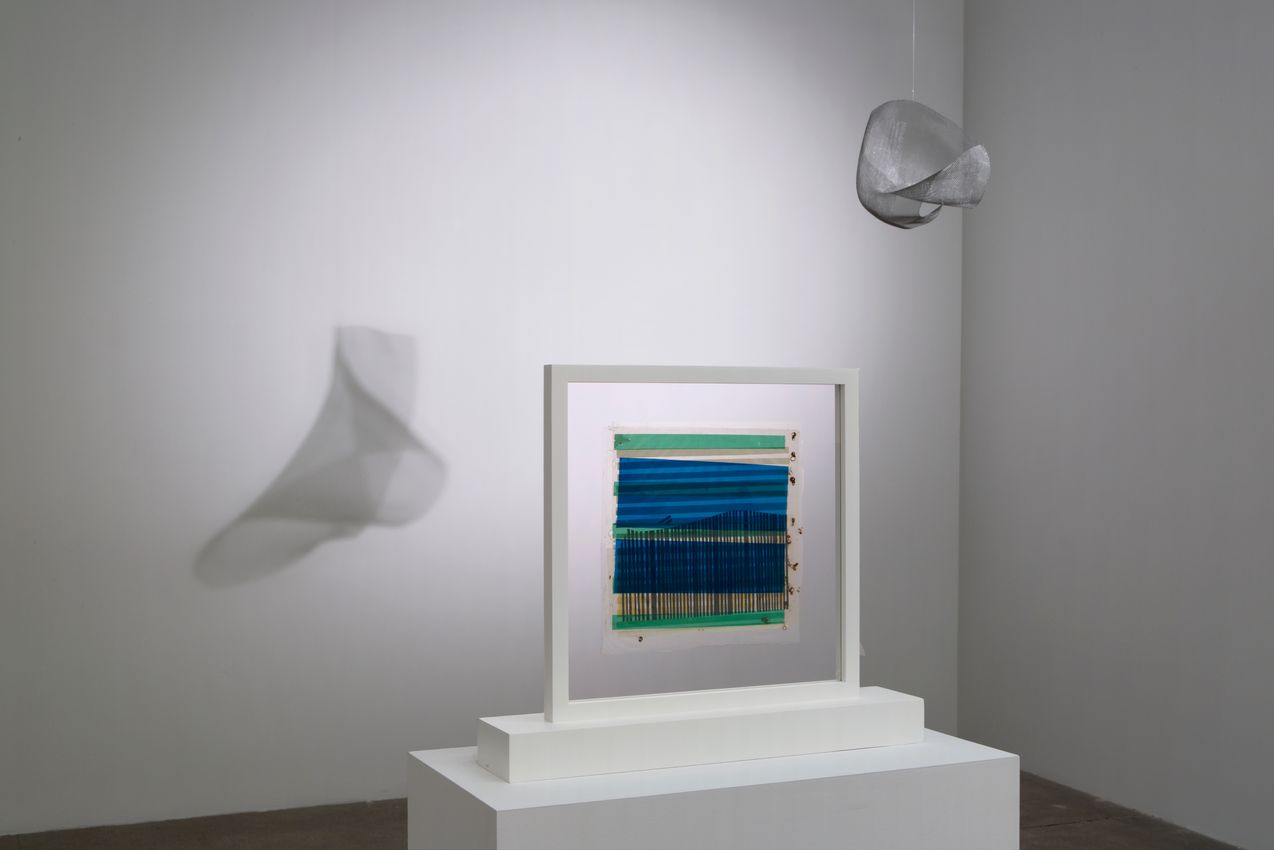
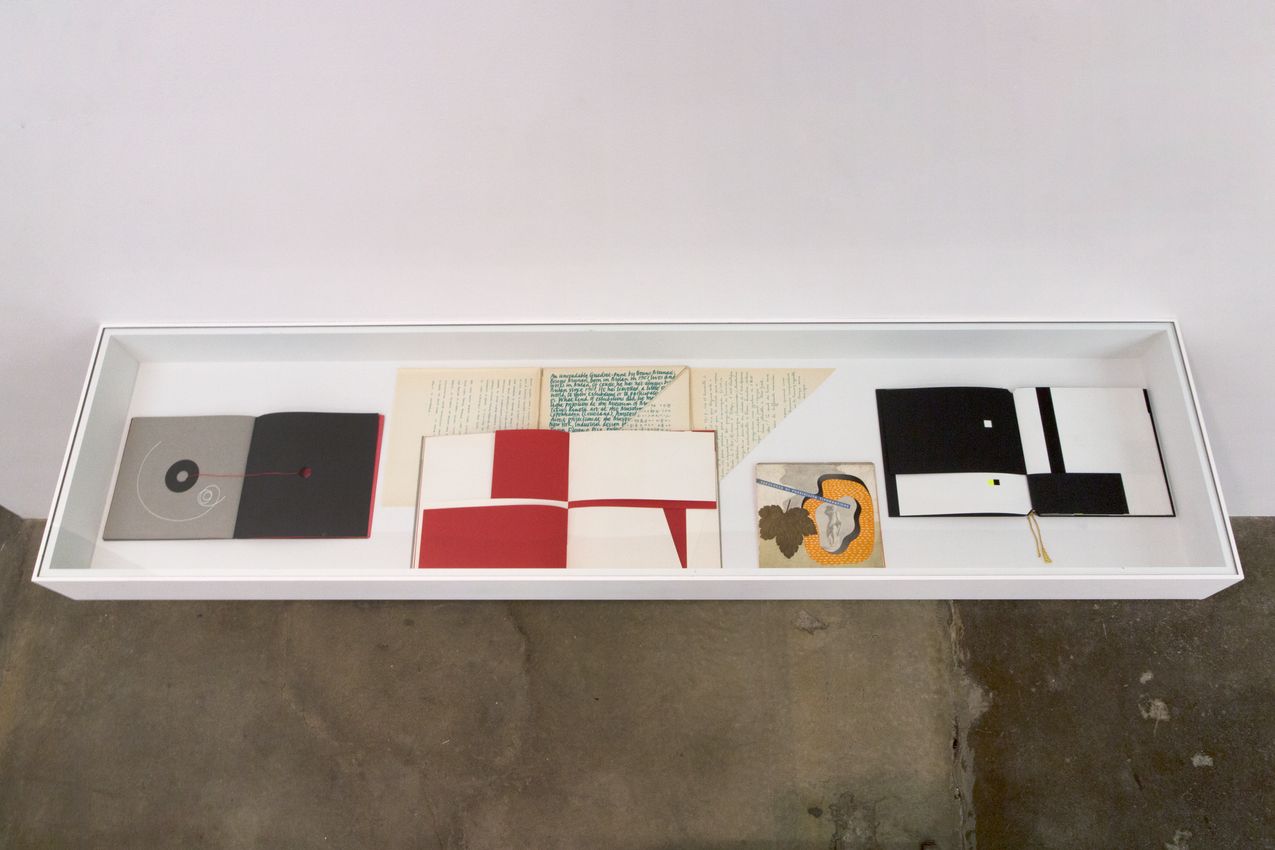
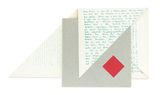
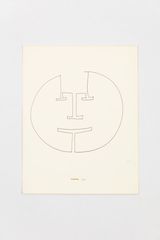
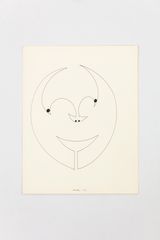
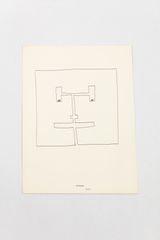
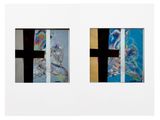
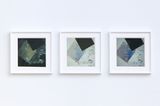
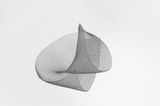
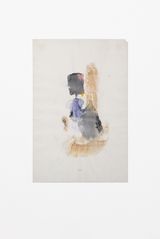
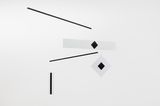
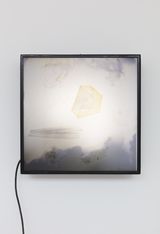
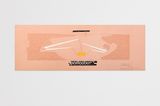
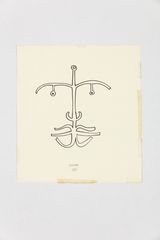
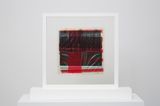
The exhibition, which will occupy both the gallery’s 537 and 535 West 22nd Street locations, will include seminal works from key moments within Munari’s oeuvre. Beginning with his turn to abstraction, and ‘Macchine Inutili’ in the 1930s, the exhibition will highlight themes that remained constant throughout his career. These include his interest in dynamism or the study of the fluidity of signs and shapes that first brought Munari to programmed art; his engagement with the machine, displayed through his use of the photocopier, experiments with light, and the creation of fossils for the future; and poetics and wit through his use of found objects, research into language and the human face, and theoretical reconstructions of imaginary objects. The majority of the works to be exhibited have not previously been shown in the United States.

Bruno Munari’s work is currently the subject of an exhibition on view at the Museum of Modern Art, Hayama, Japan, which will travel to the Kitakyushu Municipal Museum of Art, Iwate Museum of Art, and the Setagaya Art Museum, Tokyo (all 2018). His work is also included in Post Zang Tumb Tuuum. Art Life Politics: Italia 1918-1943, curated by Germano Celant at Fondazione Prada, Milan, on view through June 25. Other recent exhibitions include Museo Ettore Fico, Turin, 2017, and the Estorick Collection of Italian Modern Art, London, 2012. Munari exhibited extensively throughout his lifetime, participating in major international exhibitions that include Documenta 3, Kassel, 1964, Documenta 4, Kassel, 1968, and nine editions of the Venice Biennale. In 1955, he had a two-person exhibition with Alvin Lustig at the Museum of Modern Art, New York, and in 1966, had a solo exhibition at the Howard Wise Gallery, New York. His work has also been exhibited at institutions that include the Museum Fridericianum, Kassel, Hayward Art Gallery, London, the Walker Art Center, Minneapolis, Stedelijk Museum, Amsterdam, Van Abbemuseum, Eindhoven. Munari’s works are held in the permanent collections of the Museum of Modern Art, New York, Centre Pompidou, Paris, Moderna Museet, Stockholm, Museo del Novecento, Milan, and the Walker Art Center, Minneapolis, among others. A reader will accompany the exhibition at Andrew Kreps Gallery with newly translated texts, as well a new essay by Alberto Salvadori. A new iteration of the exhibition will open at kaufmann repetto, Milan in fall 2018.

Alberto Salvadori is an art historian based in Florence. Salvadori graduated and specialized from the University of Pisa in Modern and Contemporary Art History. Between 2009 and 2016, Salvadori was the director of Museo Marino Marini in Florence. Selected projects include exhibitions of the work of Marino Marini, Fausto Melotti, Giò Ponti, James Lee Byars, Lynn Chadwick, Francesco Lo Savio, Andrea Zittel, João Maria Gusmão & Pedro Paiva, Yuri Ancarani, Matthew Brannon, Jonathas De Andrade, Silke Otto Knapp, Tony Lewis, and Fredrik Vaerslev.

The gallery would like to thank Repetto Gallery, London for their collaboration in the organization of the exhibition.

Read More

Installation Views

Selected Works

Loading...
About the Artist

Bruno Munari described himself as an ‘artist, writer, inventor, designer, architect, and illustrator,’ a list that is nowhere near exhaustive. He began his career at an early age during the second wave of Italian Futurism, exhibiting his work for the first time in 1927 at Galleria Pesaro, Milan. In the years following, he progressively moved away from the influence of Futurism, developing an extremely personal and singular project over the course of 70 years. In 1930, he produced the Macchina aerea (Aerial Machine), from which came his Macchine inutili (Useless Machines), anticipating his interest in the deconstruction of the traditional work of art. Much of Munari’s work is characterised by a pedagogic interest and a radical vision of expanding man’s understanding of the world through the development of new forms of visual communication. Prolific in output throughout his life, and tirelessly inventive, his work defied categorisation and includes some of the earliest experiments in what Munari himself would term ‘programmed art’, as well as light art, installation art, projection-based art, and photocopy art. Throughout his work, Munari viewed technology as a democratising force within Art, citing the potential for an ‘art by all’, and the destabilisation of the idea of the singular artistic genius. Munari exhibited extensively throughout his lifetime—in 1955, he had a two-person exhibition with Alvin Lustig at the Museum of Modern Art, New York, and in 1966, had a solo exhibition at the Howard Wise Gallery, New York. Munari also participated in major international exhibitions, which include Documenta 3, Kassel (1964), Documenta 4, Kassel (1968), and nine editions of the Venice Biennale.

View Artist Profile

Also Exhibiting at Andrew Kreps Gallery

About the Gallery
Andrew Kreps Gallery was founded in New York in 1996. Widening its original focus on emerging American artists, the program shortly thereafter expanded to include international artists, many of whom had their first exhibitions in the United States or New York at the gallery. In 2013, Andrew Kreps Gallery relocated to 537 W. 22nd Street, and opened an additional project space at 535 W. 22nd Street. The gallery represents the work of 29 internationally active artists. Recent additions to the gallery’s roster include Michael E. Smith, Camille Blatrix, Liz Magor, and João Maria Gusmão and Pedro Paiva. Andrew Kreps Gallery additionally represents the estate of Robert Overby. The gallery regularly participates in the following art fairs and projects: Art Basel, Art Basel Miami Beach, the Armory Show, Frieze New York, Frieze London, and MiArt.
View Gallery Profile
Address
537 West 22nd Street
New York
United States
Opening Hours
Tues - Sat, 10am - 6pm
(1)
New York 537 West 22nd Street
Andrew Kreps Gallery
537 West 22nd Street, New York, United States
+ 1 212 741 8849
http://www.andrewkreps.com

Opening hours
Tues - Sat, 10am - 6pm
The art world in focus