



Press Release

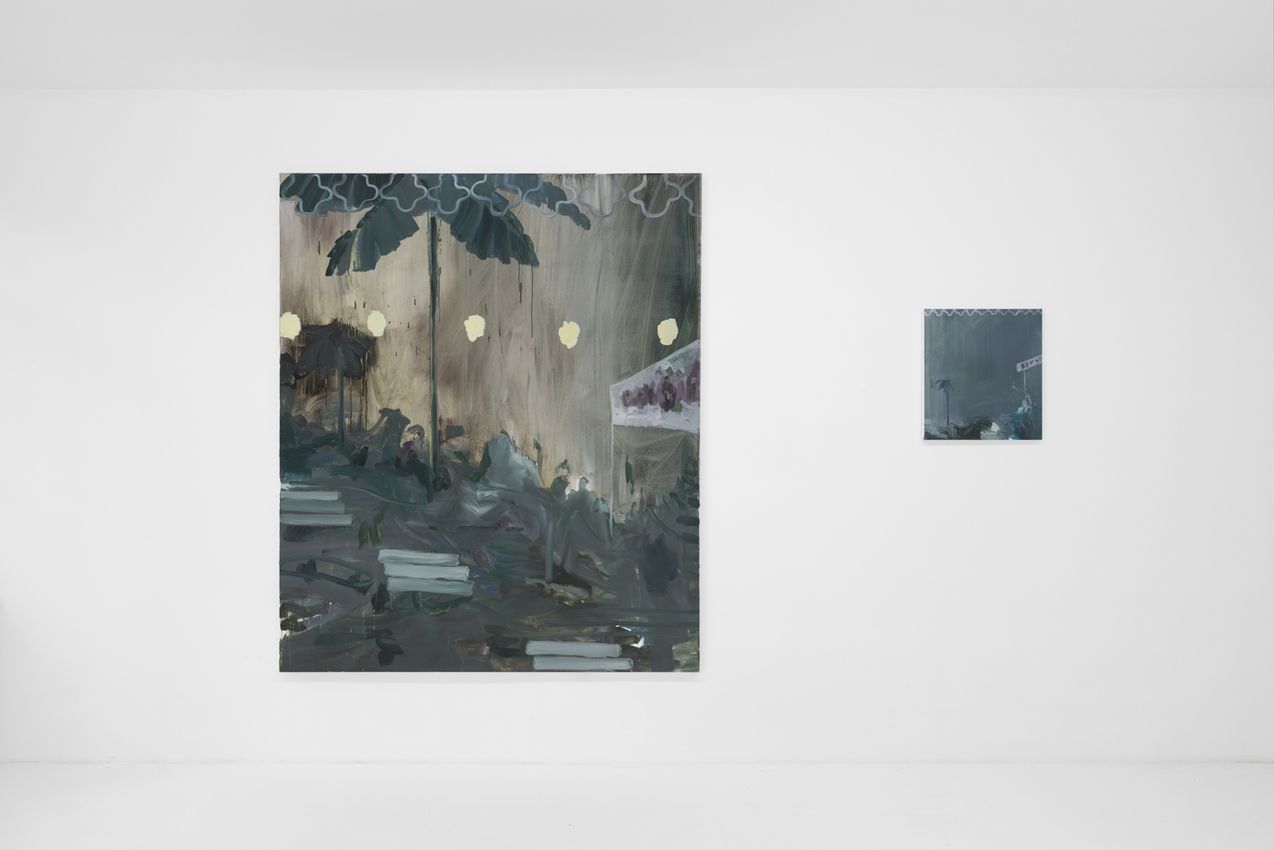
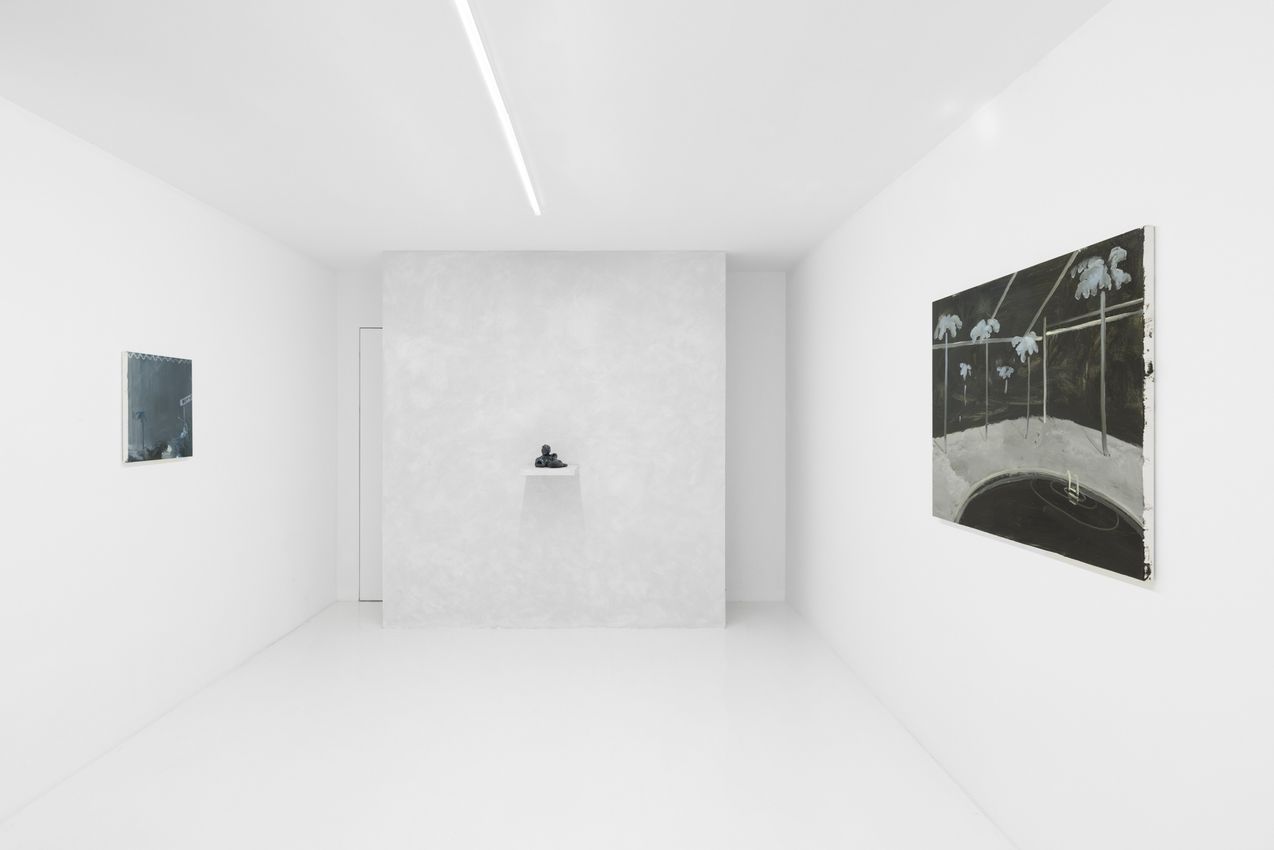
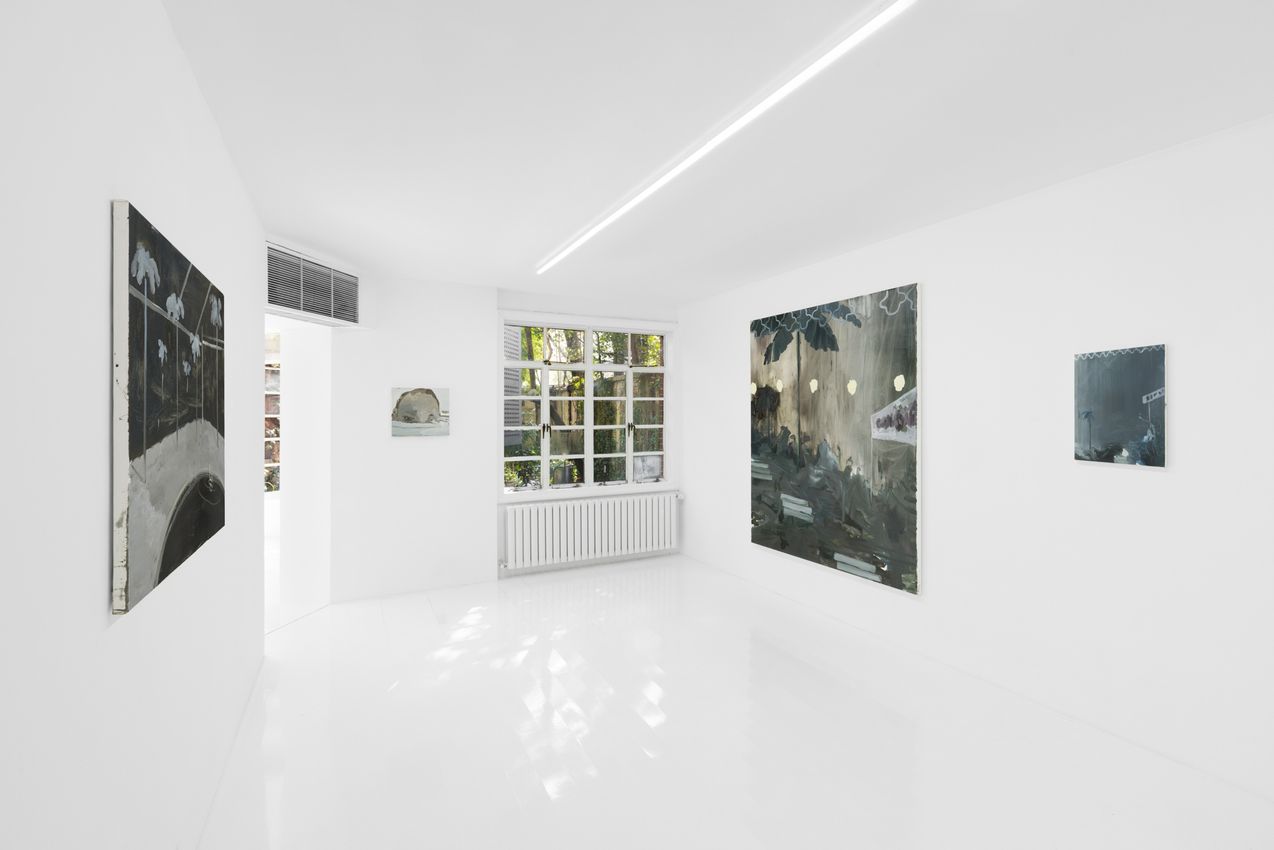
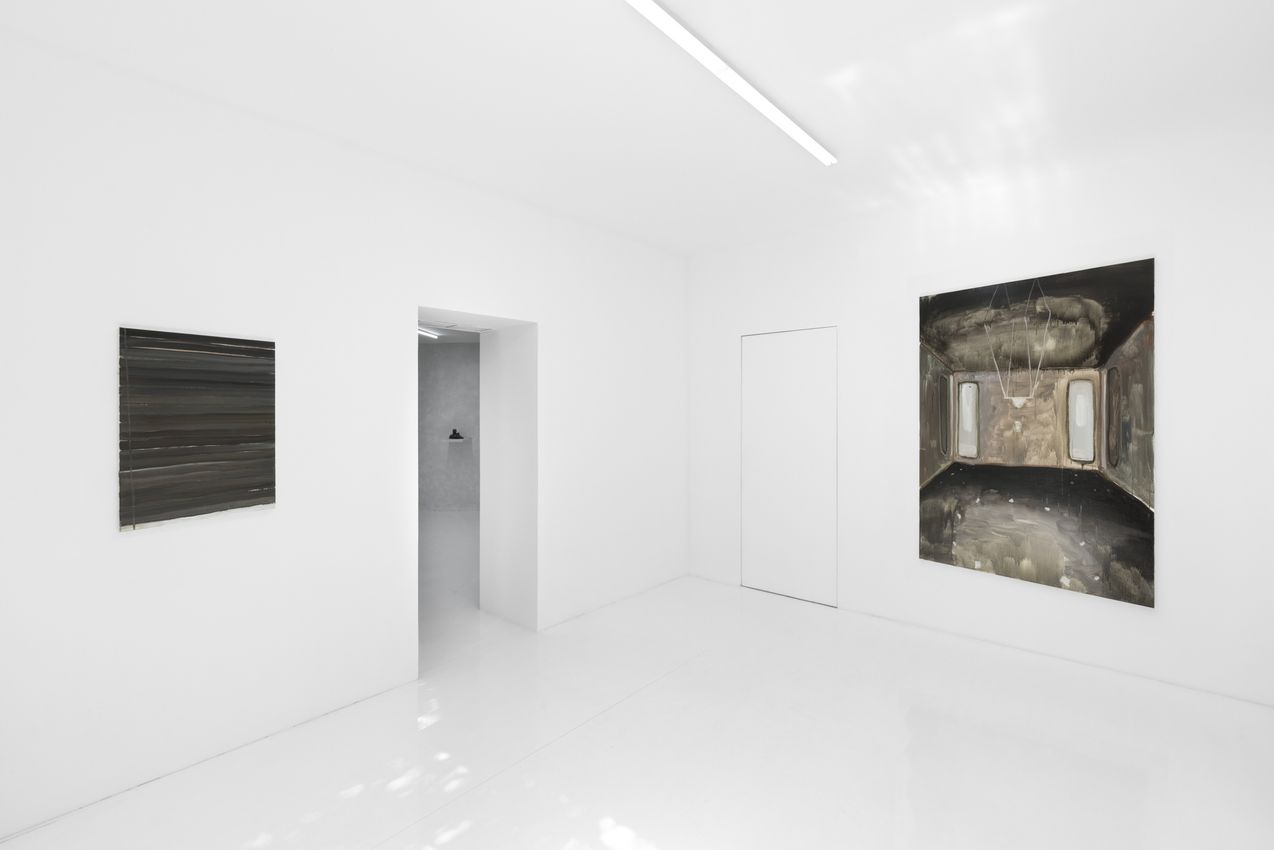
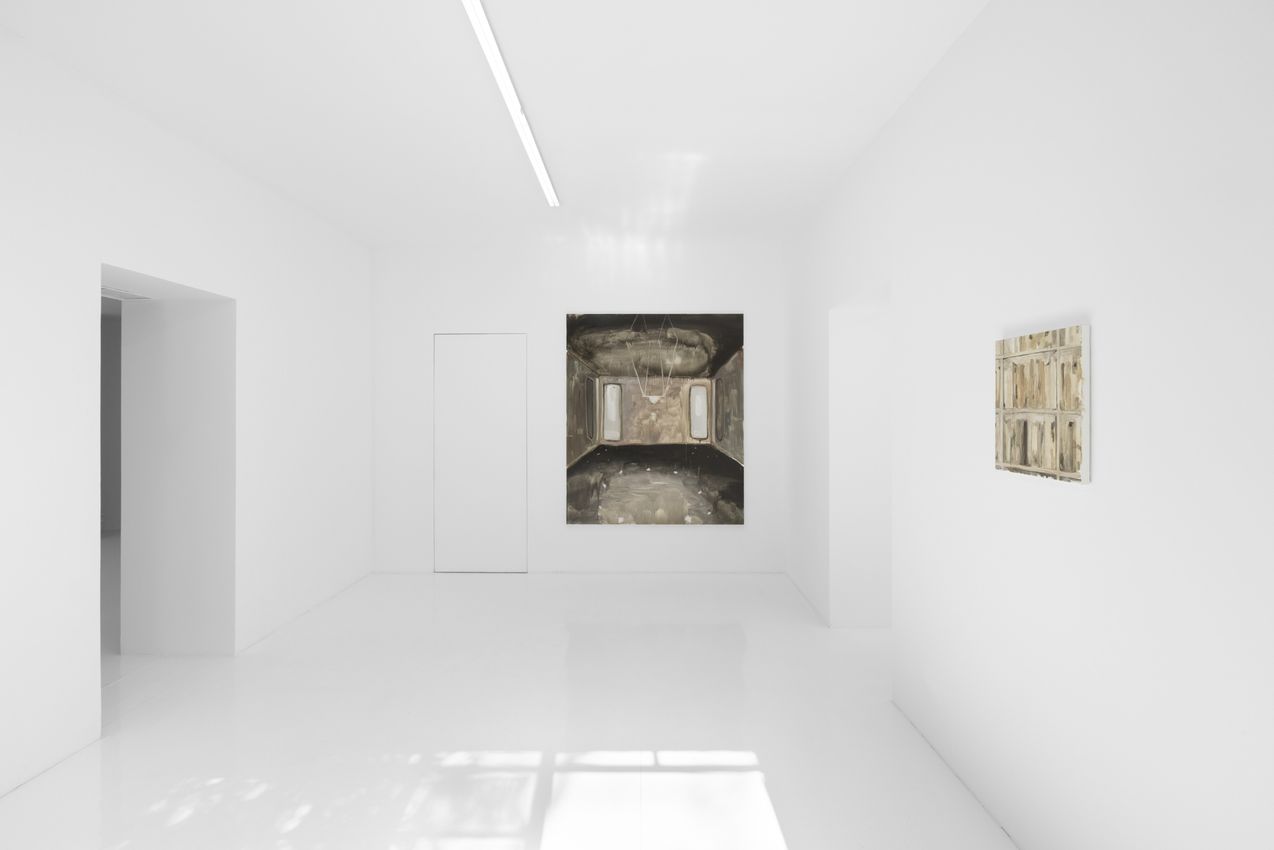
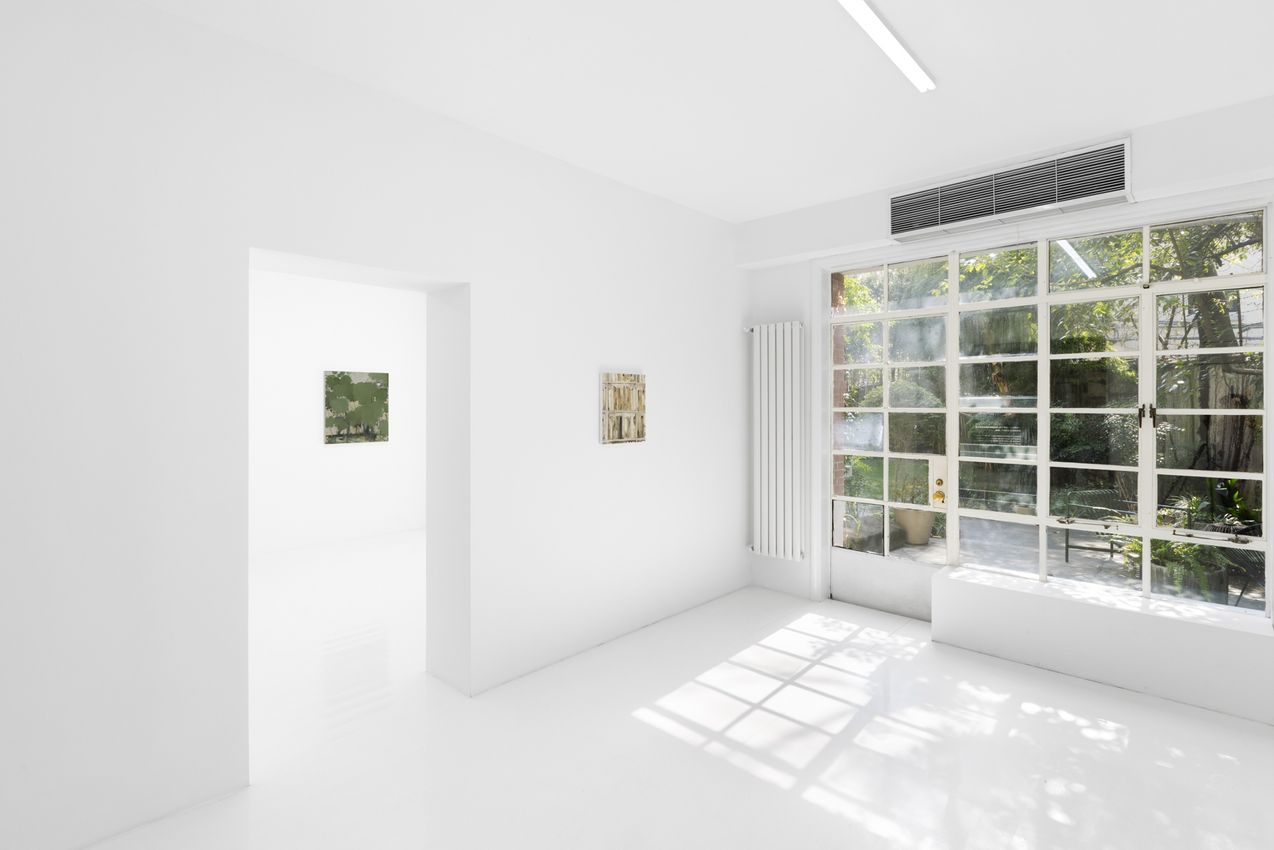
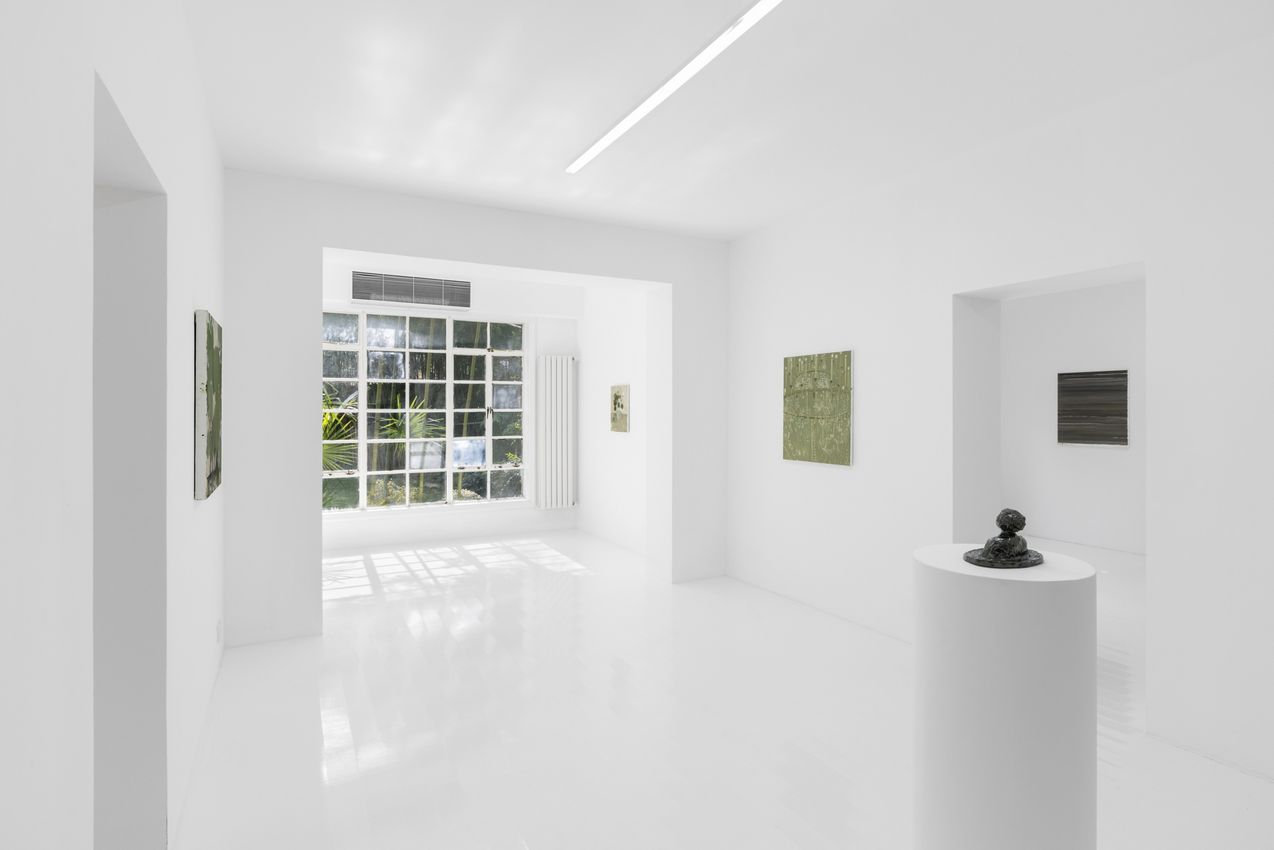
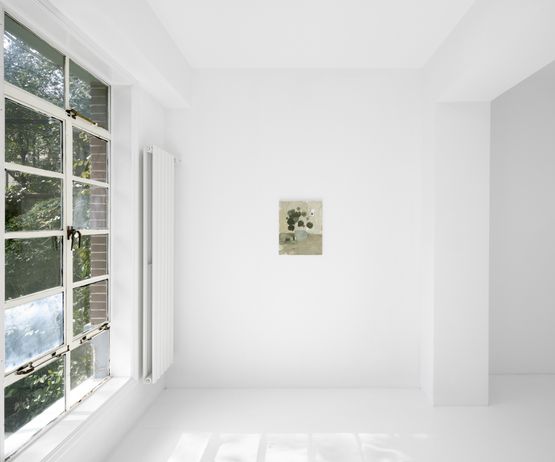
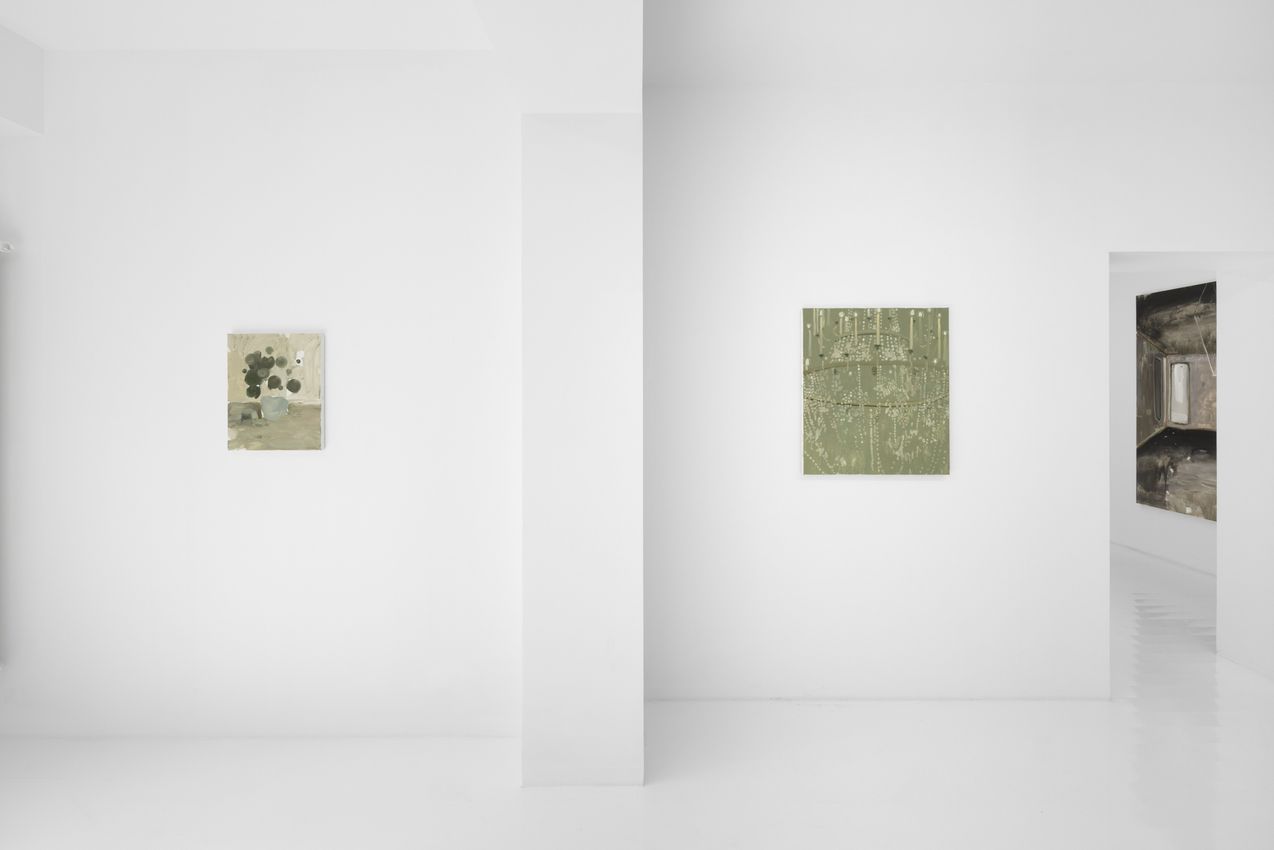
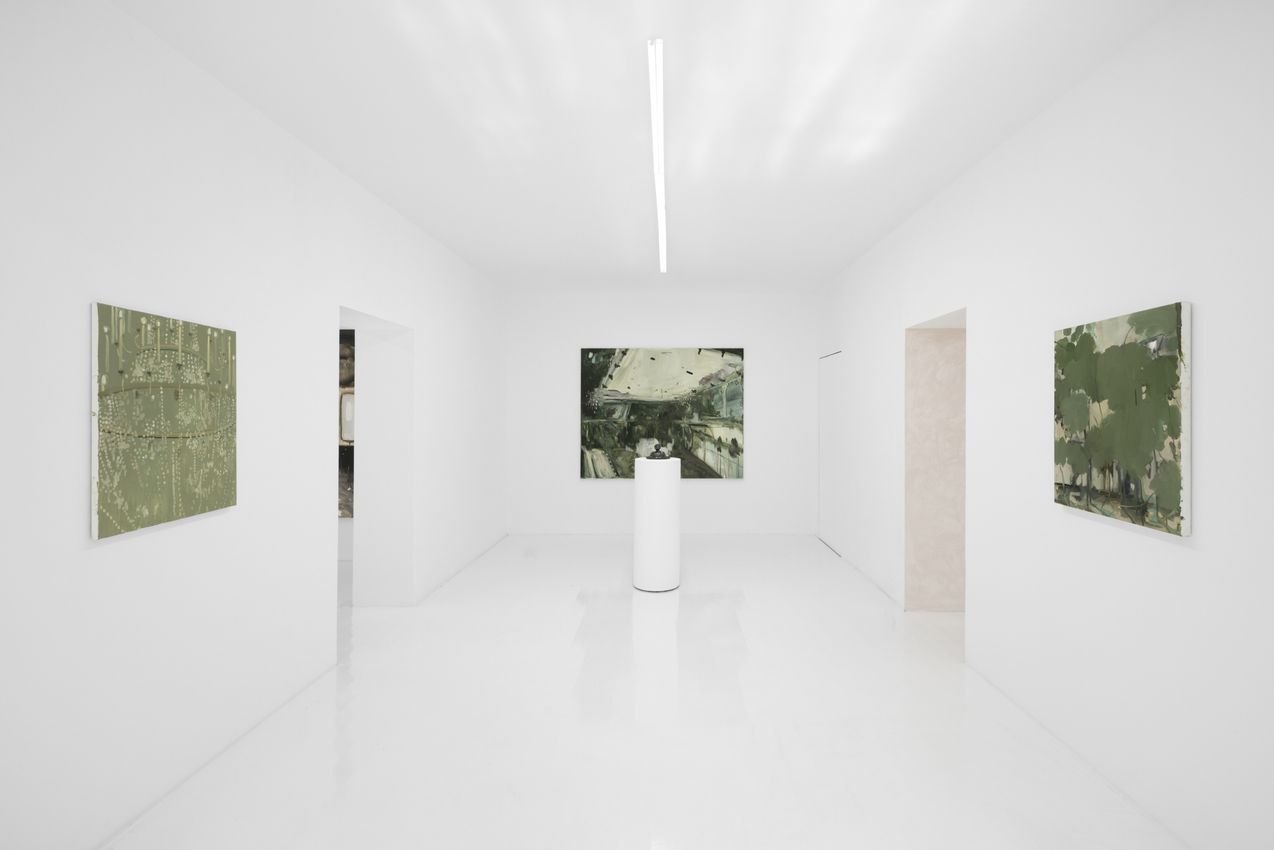
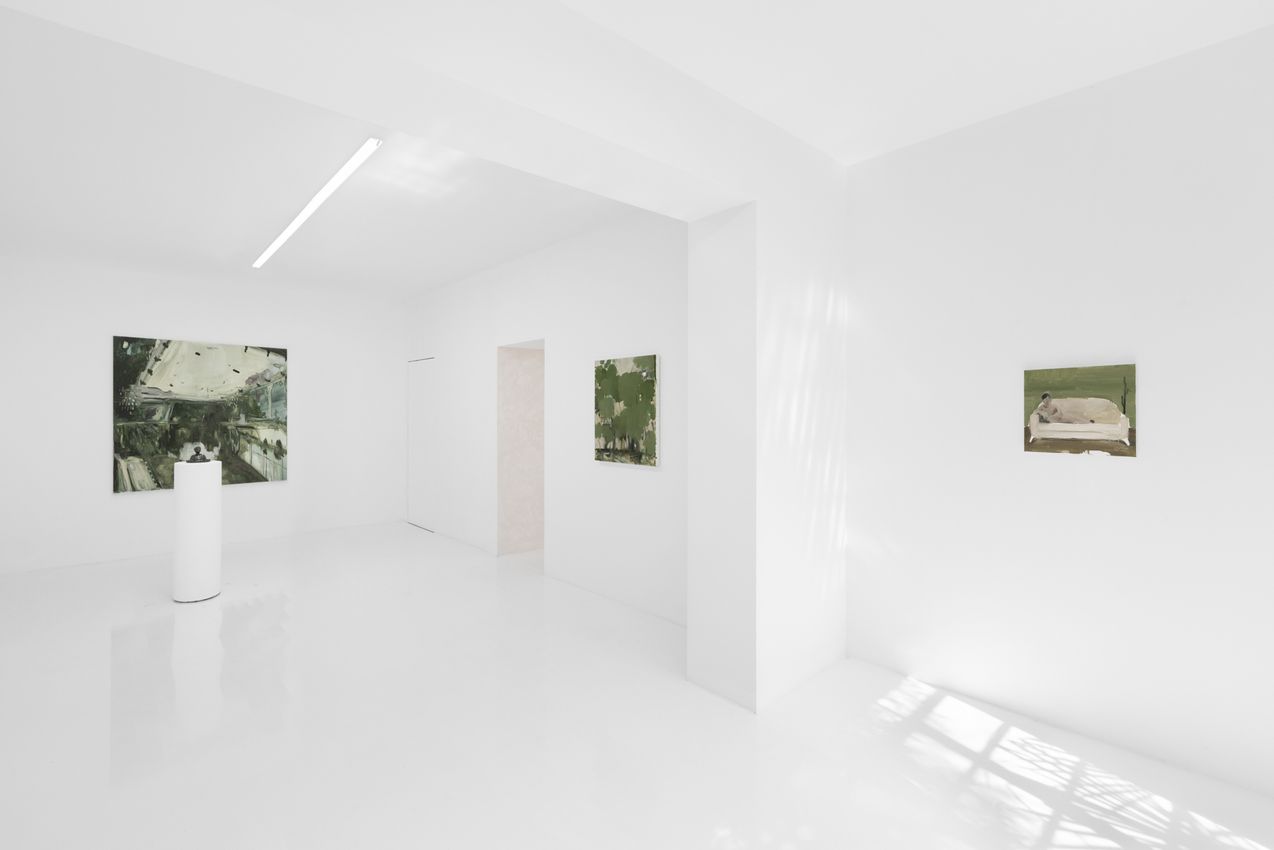
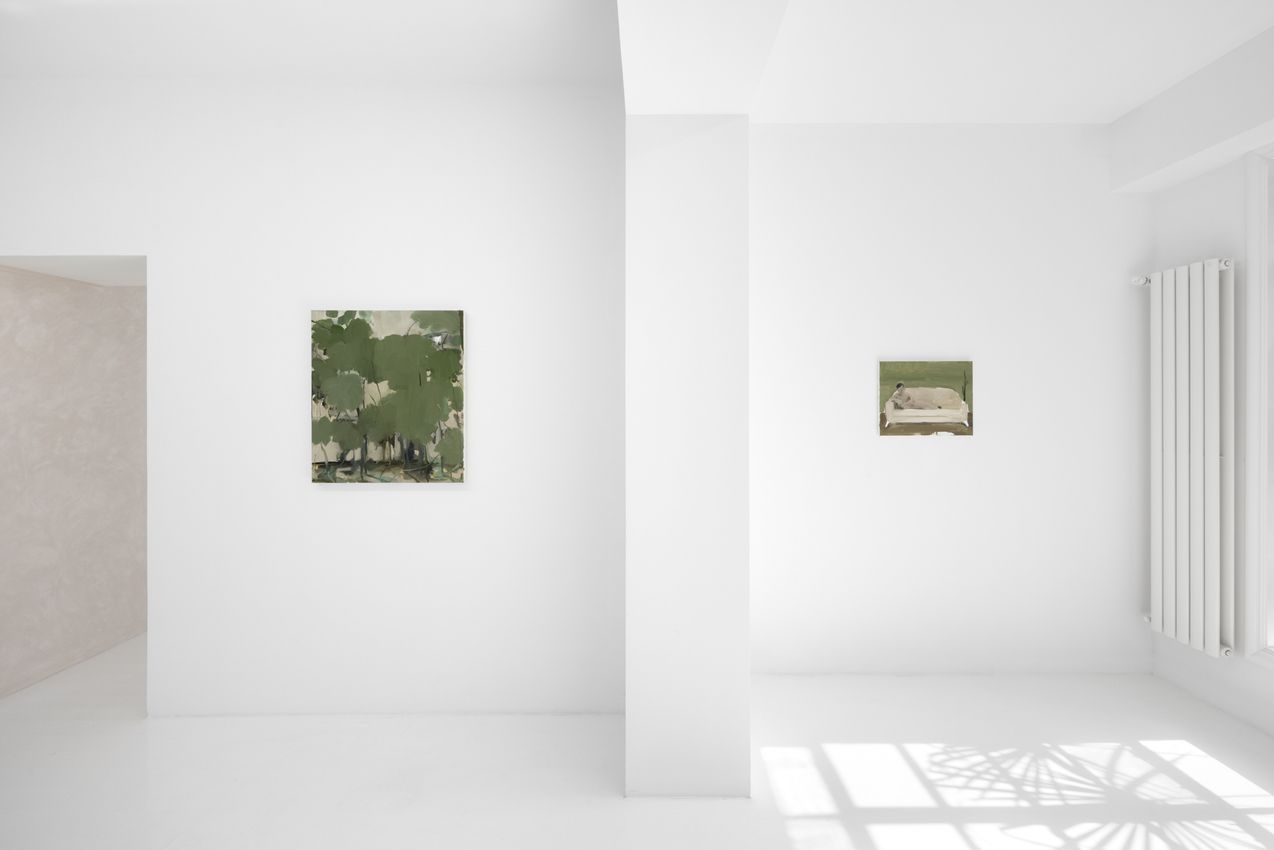
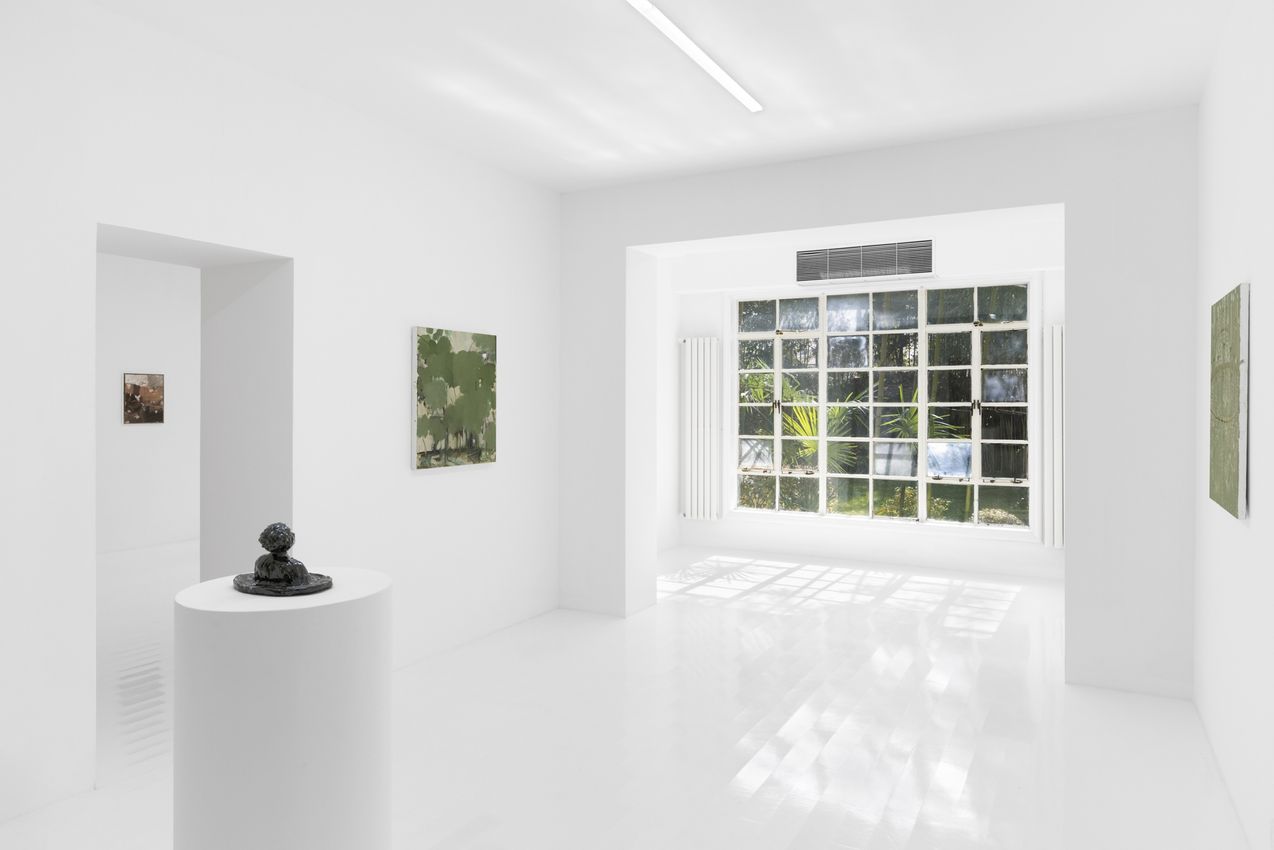
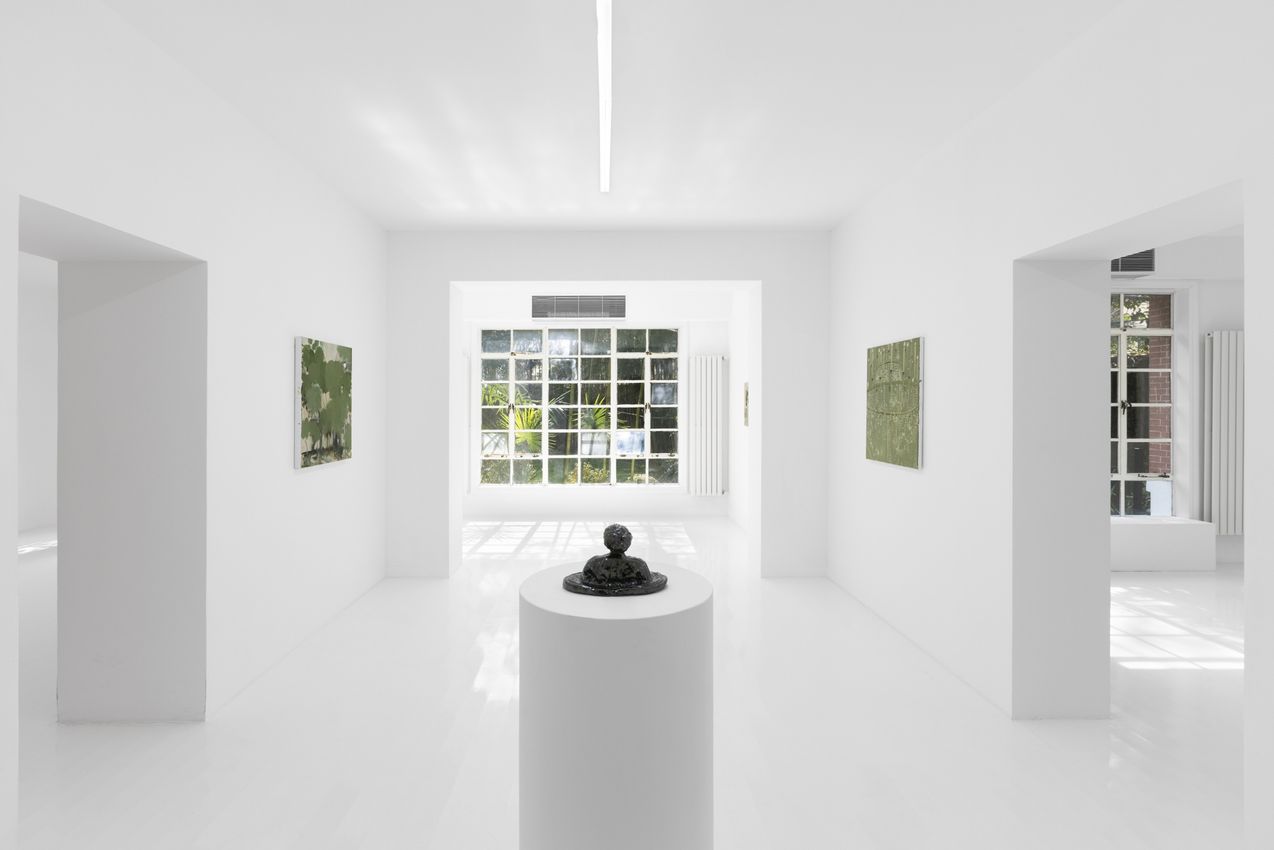
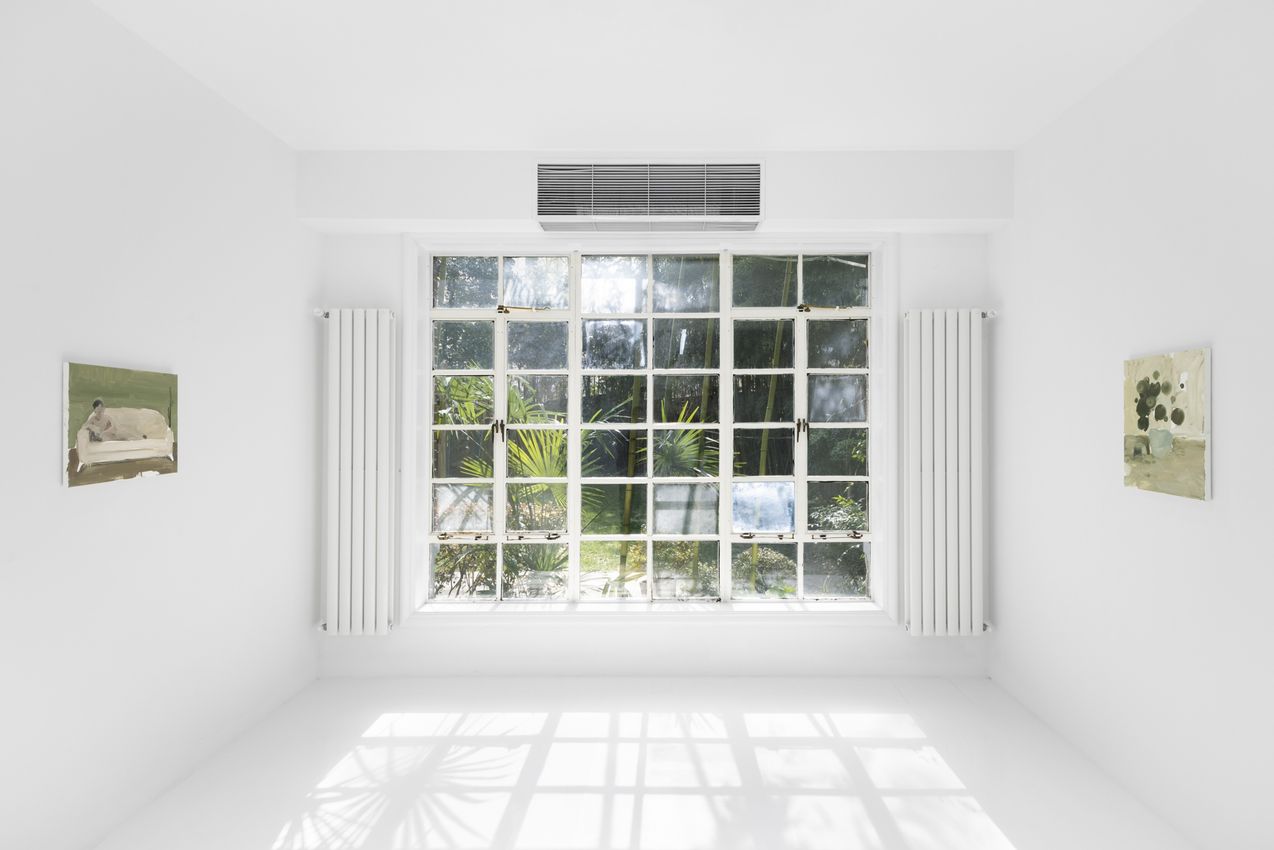
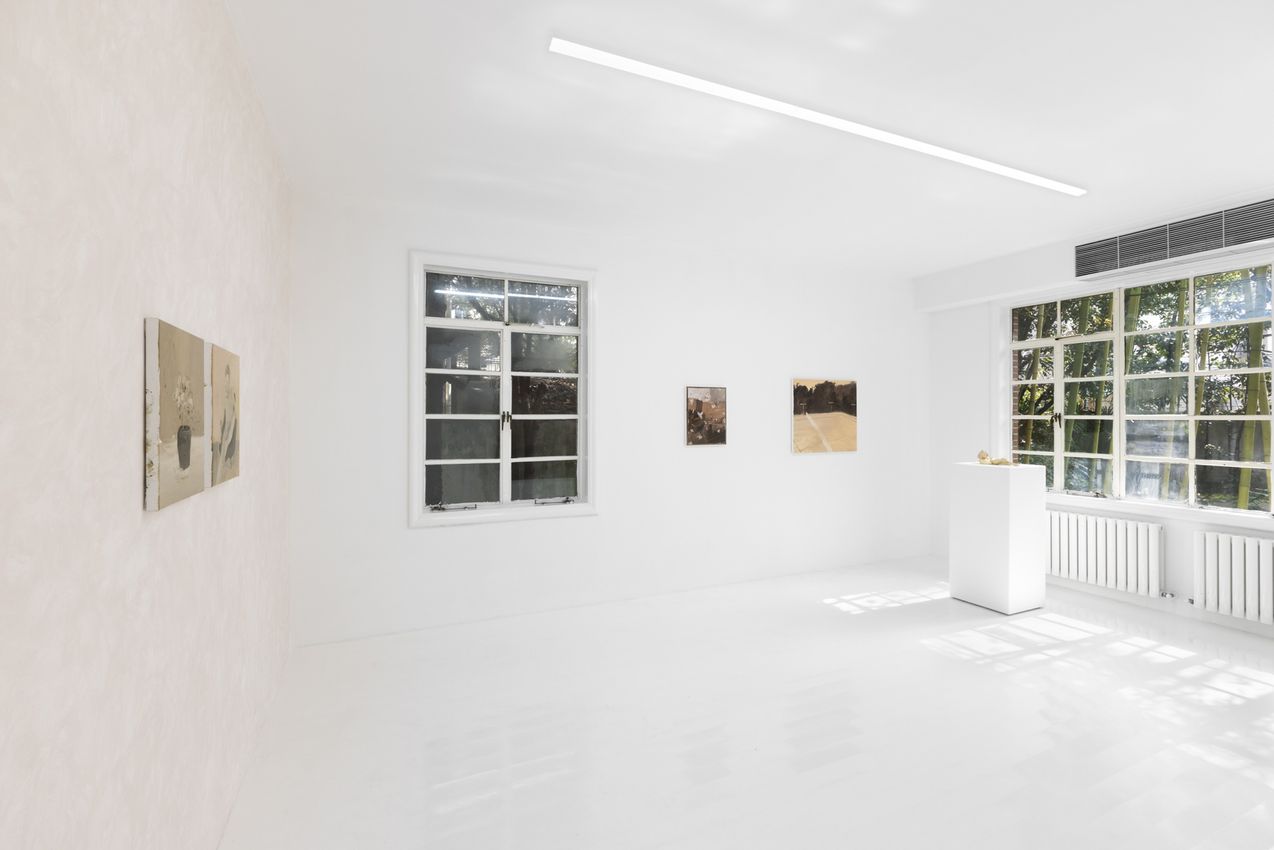
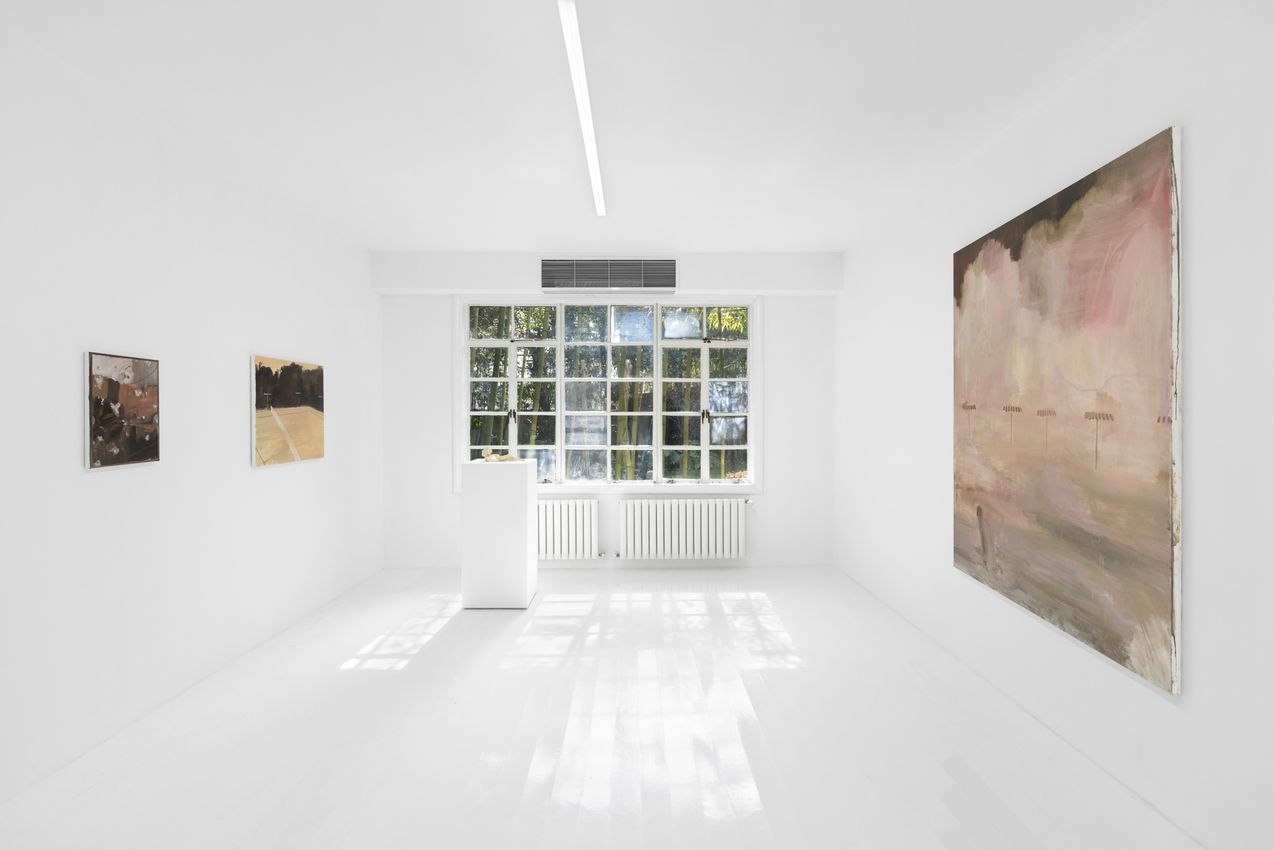
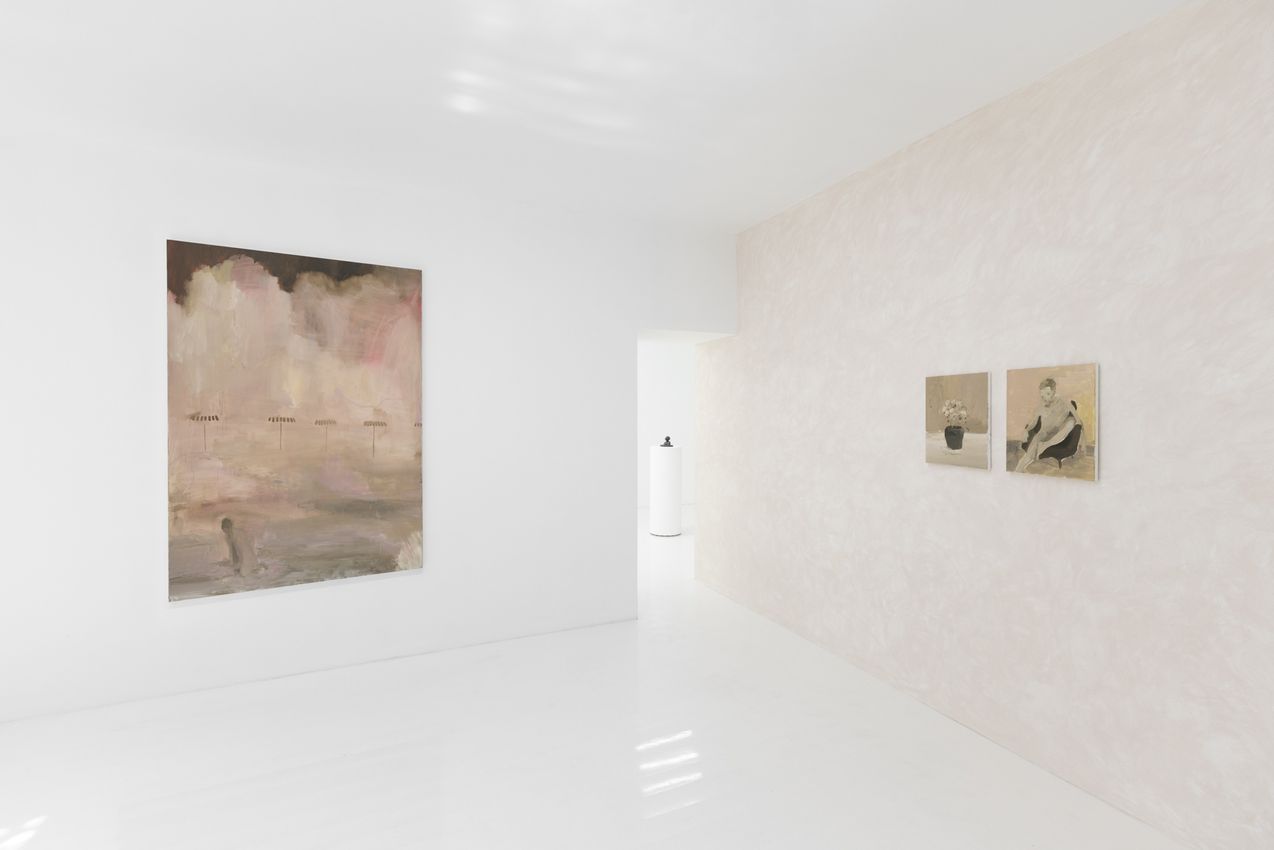
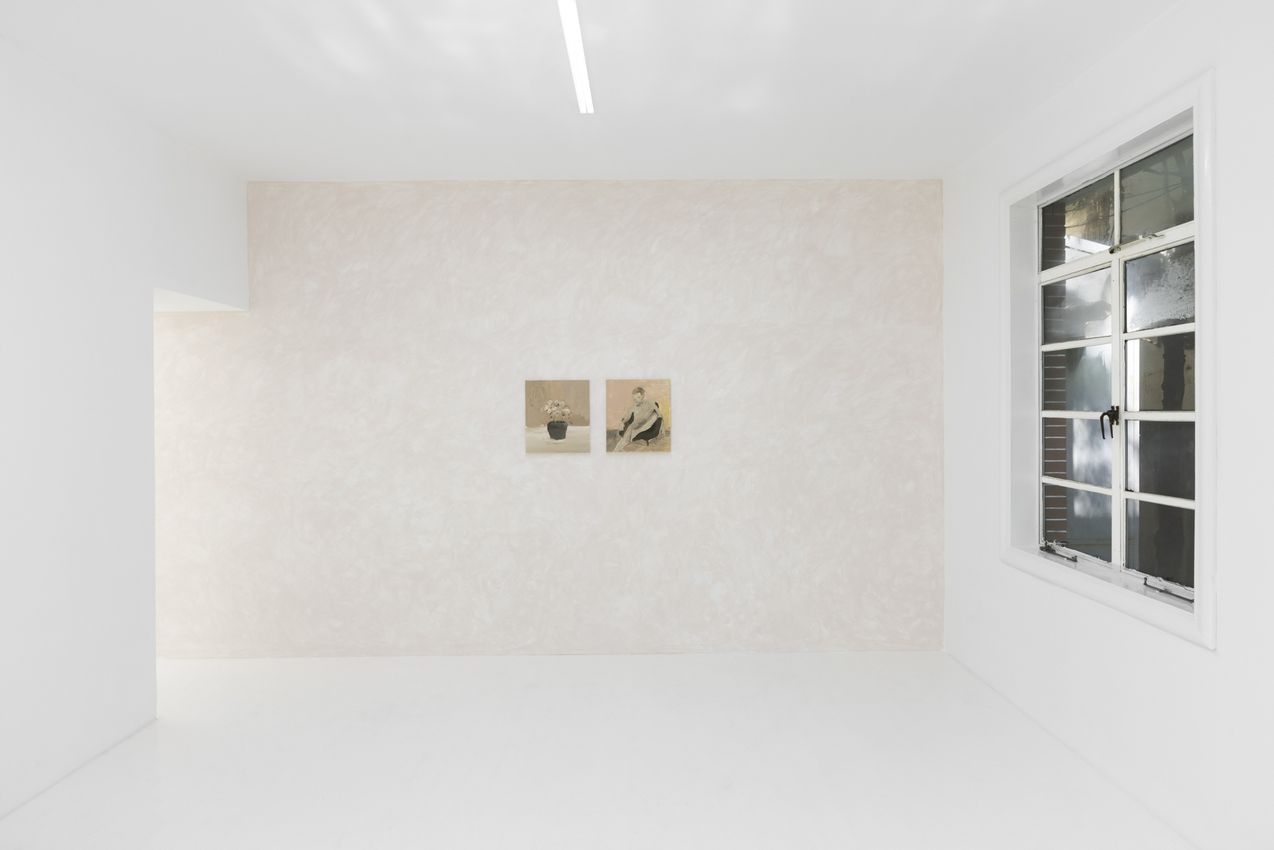
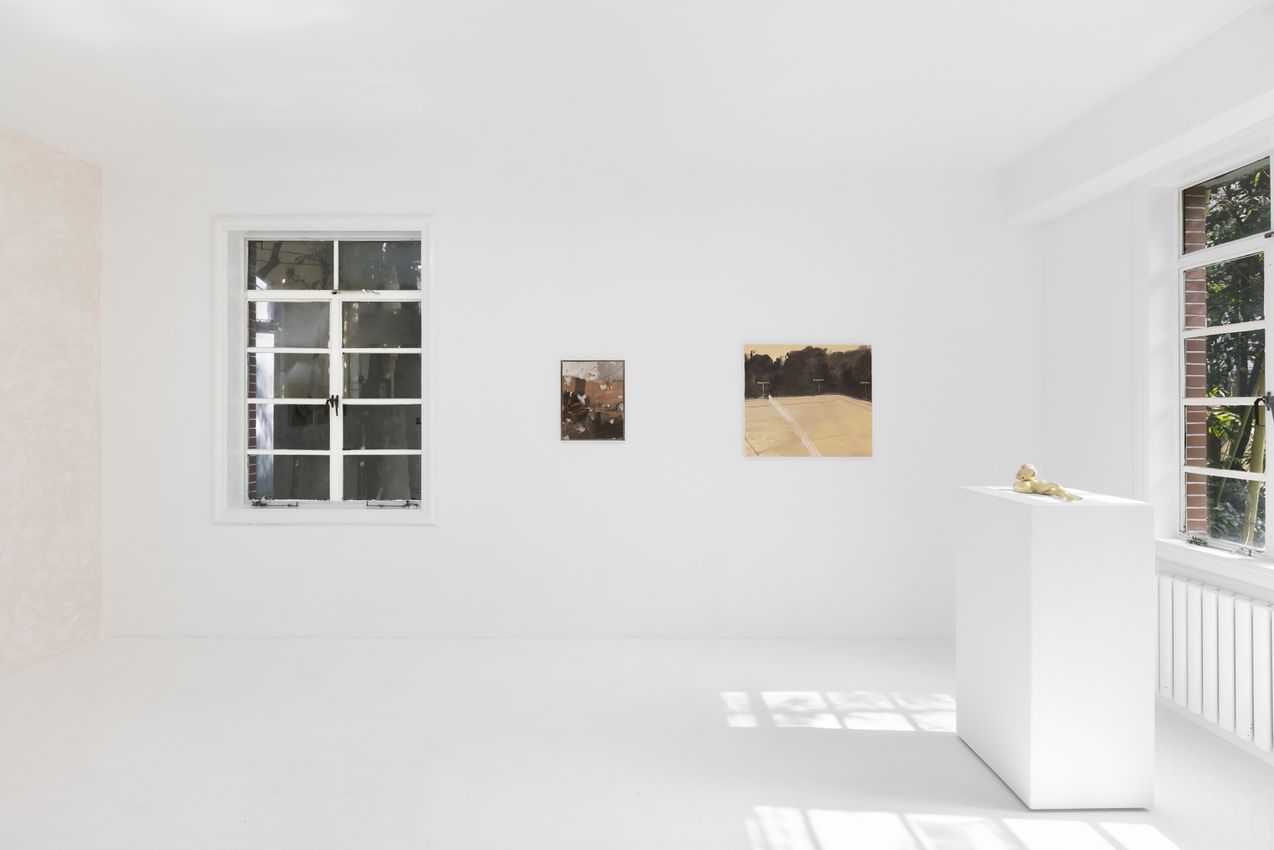
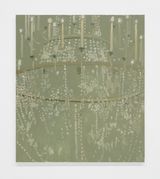
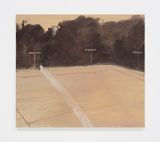
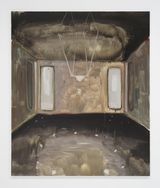
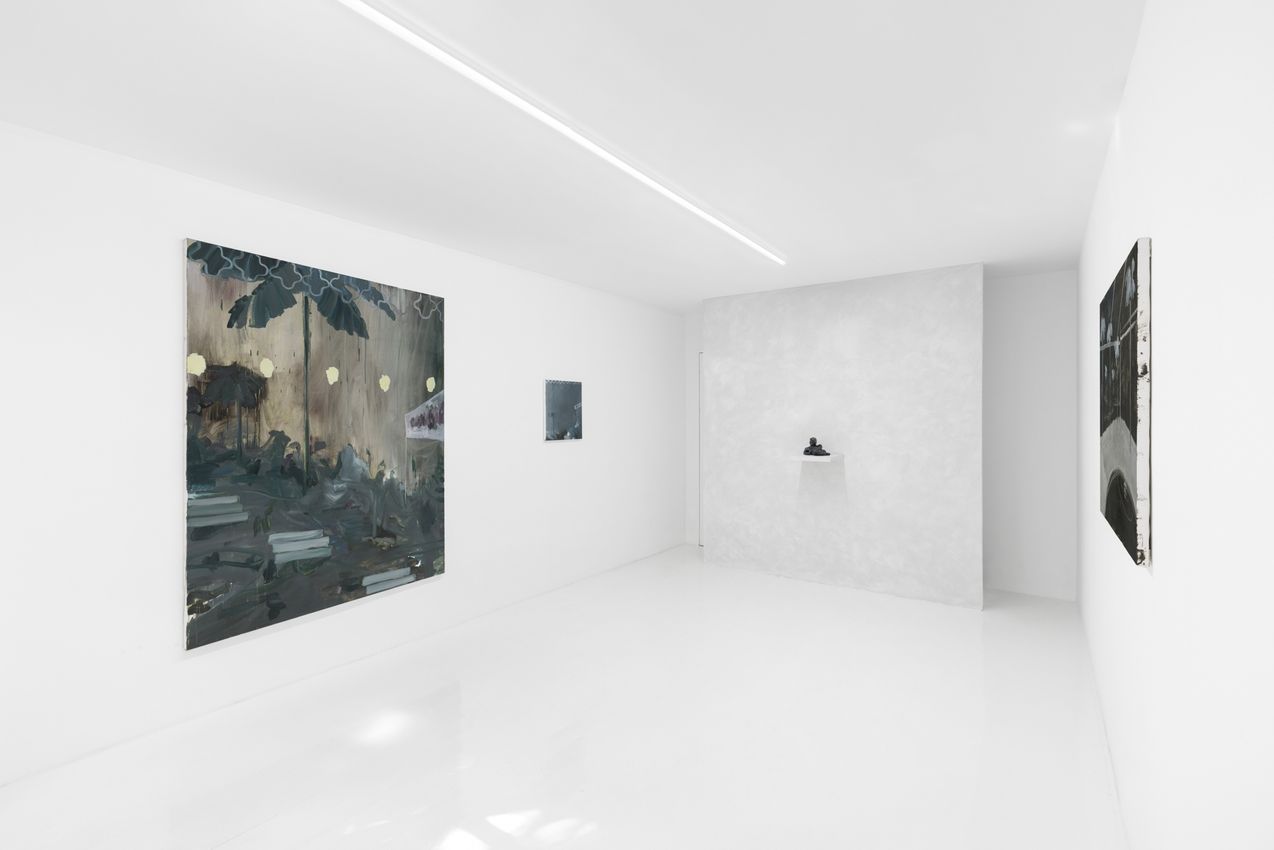
Capsule is honoured to present artist Rudy Cremonini’s (b. Bologna, Italy in 1981; lives and works in Bologna) second solo exhibition at the gallery, Four Minutes After Sunset, featuring the artist’s most recent paintings alongside ceramic sculptures, which will be unveiled for the first time. The exhibition will be on view at Capsule from February 22 to April 19, 2025.

Cremonini’s painting evokes the ancient Greek notion of “Kairos”—the right timing. When boundaries blur, miracles descend; not unlike Carl Jung’s concept of “metamorphosis of the gods.” The exhibition title, Four Minutes After Sunset, echoes this idea: at the threshold between day and night, at the intersection of light and shadow, time—weathered by the mundane—once again shimmers in dreamlike hues. This is the subject that Cremonini attempts to capture.

To explore this subject, the artist organises the works into four gallery rooms based on colour. “At sunset, my feelings suddenly change, and four minutes later, I fall into a kind of melancholia. Dividing the galleries with different colors is meant to explore this change—to understand which environment I prefer, and to understand who I am in those four minutes.” Through this arrangement, the artist invites the viewers to join him in the exploration: as they progress through each room, they are also experiencing each minute after sunset. “Time constancy” is thus punctuated.****

****The subject—the medium and material—is crucial to understanding the artist’s practice. “I don’t want people to focus on the images, on what I paint. It’s not because they lack intrinsic value or meaning, but rather because I want to concentrate on painting itself—on how to paint rather than what to paint.” This tenet is evident in his work: his subjects and colour palettes are consistently distorted and ambiguous, as if he is knowingly exposing vulnerability and bewilderment. And yet, when viewed in the context of the overarching subject, everything gains clarity: “Where there is an edge, there could be a line; where there is a horizontal, there could be a vertical. Wherever there is a border, there is an inside and an outside.” Cremonini renounces a priori themes in exchange for the prospect of a dialogue with his subjects and materials. Therefore, everything in his painting is first and foremost honest, simultaneously fragile and solid, lost and assured, adrift yet rejecting exile—a reflection of the human individual’s everyday existence.

“Water has no defined form.” The Chinese proverb is a keen observation on the mesmerising nature of water: it exists in a state of both impermanence and constancy. It is therefore only natural that water becomes a signature motif in Cremonini’s work. The paintings on view attest to the artist’s affinity for water. His cities always appear to be in the rain; parties, vacations, or moments of disorientation are invariably associated with swimming pools and open waters. “A swimming pool and its reflections, even in reality, already constitute a spontaneous painting.” Through water, the artist expands his everyday scenes, that he constructs through the dialogue: beneath the seemingly monotonous cycle of comfortable dullness is an undercurrent of darkness and wonder, tied to the fluidity, nurture, and maternal protection that water embodies. “Often in my work, protection turns into oppression, survival into control, water into mud**.**”

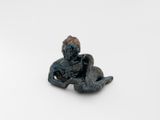
Cremonini has established a trust in his subjects and materials, and therefore welcomes transformation to unfold on its own. The exhibition, showcasing three ceramic sculptures, marks the debut of the expansion of his painting practice. “This matter allows me to express in sculpture the same things I express in painting.” The artist acutely captures the fluidity shared by clay and paint to portray his iconic elements. When the child in the black water and the men and women on the sofa come alive in three-dimensional form, the themes of tranquility and darkness, fragility and inertia become notably intuitive. His “spontaneous painting/sculpting” recalls the practice of “automatic writing” (écriture automatique) of the Surrealists a century ago. However, in some ways, Cremonini stands in opposition to Breton and his contemporaries. While the latter sought to transcribe the subconscious, Cremonini chooses not to listen to the inner voices. “I don’t want to plan this evolution. I want to let things emerge on their own. I think this approach leads to greater authenticity.” The everyday, with its legitimacy of order, expels truth; yet, only in the search for truth does freedom emerge.****

****In reality, the notion of a truly free or spontaneous artistic process is an illusion. This fundamental paradox is what the artist wrestles with, yet it also inspires ambition. Even though he shuns planning (in this case, drawing) for its predictability, the painter relies on lines to define borders, laying the foundation for the legitimacy of colour, form, background, and subject. The key is that he is in constant dialogue with the borders he frames, maintaining an intimate relationship, so that they remain porous, soft, and breathable. Though this inherent uncertainty renders his compositions seemingly precarious, their somber tone never collapses into submergence. A breathable boundary allows the subjects to grow, situating the viewers in an openness that derives from ambiguity.****This permeability leads to a void. What the artist ultimately seeks to outline, perhaps, is the perfect void.

The “perfect void” is not just the presentation; it is an inspiration, a summons.If we adopt a classical interpretation of art as the distillation of clarity and perfection from the everyday, Cremonini’s practicerejects this function of art. Indeterminacy and absence take precedence in his work. After all, the purity of his subjects can only be conveyed through ambiguity. Our contemporary culture promises (yet never fulfils) a genuine connection between nature and society. This responsibility consequently falls partially on the artworks. Parting from public boundaries and aesthetic refinement, Cremonini, through his fluid brushwork, in turn dedicates himself to ensuring the unhindered growth of his subjects, which paradoxically reflects fragments of our own experience—fragments that we have long been disconnected from due to public culture’s demand for clarity and coherence. It is precisely these fragments that are our token to reclaim wonders**.**

Text by Kevin Wang. Courtesy Capsule Shanghai

Read More

Installation Views

About the Artist

Rudy Cremonini was born in Bologna, Italy in 1981 and graduated from the Academy of Fine Arts in Bologna. He has had exhibitions at Capsule Shanghai, Shanghai, China; Galerie Thomas Fuchs, Stuttgart, Germany; Semiose, Paris, France; The Museo della Città, Rimini, Italy; PAK Gistel, Belgium; 104 Galerie, Tokyo, Japan; Reggia di Caserta, Caserta, Italy; Fondazione Lac o Le Mon, San Cesario di Lecce, Italy; Belgrade City Museum, Belgrade, Serbia; Galleria Doris Ghetta, Ortisei, Italy, among others.

View Artist Profile Rudy Cremonini contemporary artist
About the Gallery

Established in late 2016 by Italian gallerist and long-time influential figure of the Shanghai art scene Enrico Polato, Capsule Shanghai is a self-described ‘gallery and art laboratory’ based in Shanghai’s central Xuhui District. Situated on the first floor of a picturesque 1930s garden house in the idyllic greenery of the former French Concession, the gallery works primarily with emerging Chinese and international artists who push the boundaries of contemporary art. Its special focus has been on artists who have personally and professionally migrated between regions, creating unique trans-national and trans-regional links.

View Gallery Profile
Address
1st Floor, Building 16
Anfu Lu 275 Nong
Xuhui District
Shanghai
China
Opening Hours
You can book via our Wechat Mini-program or by sending a mail to info@capsuleshanghai.com

Tuesday – Saturday
11am – 6pm

Closed Sunday, Monday and national holidays
(1)
Shanghai 1st Floor, Building 16, Anfu Lu 275 Nong
Capsule
1st Floor, Building 16, Anfu Lu 275 Nong, Xuhui District, Shanghai, China

Opening hours
You can book via our Wechat Mini-program or by sending a mail to info@capsuleshanghai.com

Tuesday – Saturday
11am – 6pm

Closed Sunday, Monday and national holidays
The art world in focus