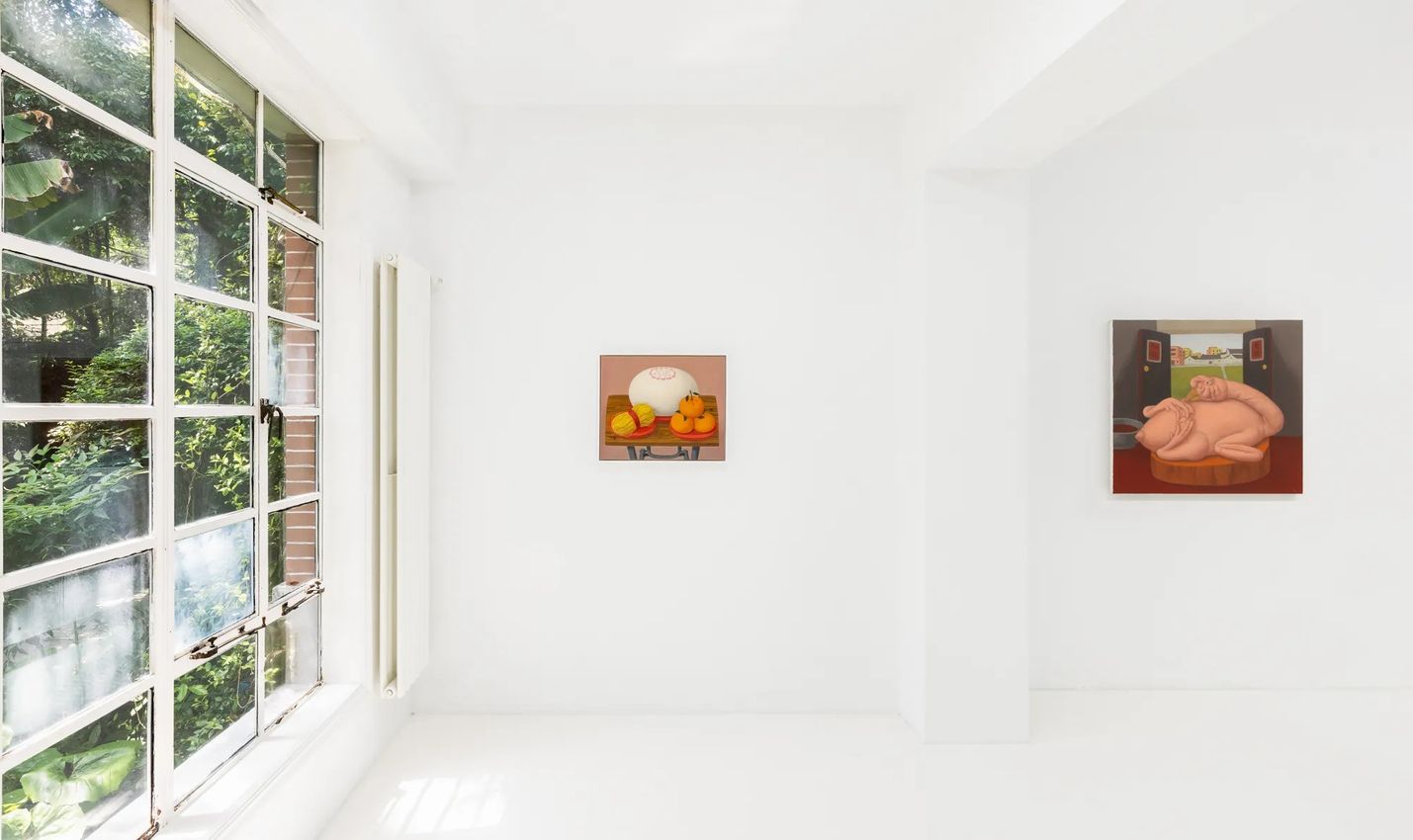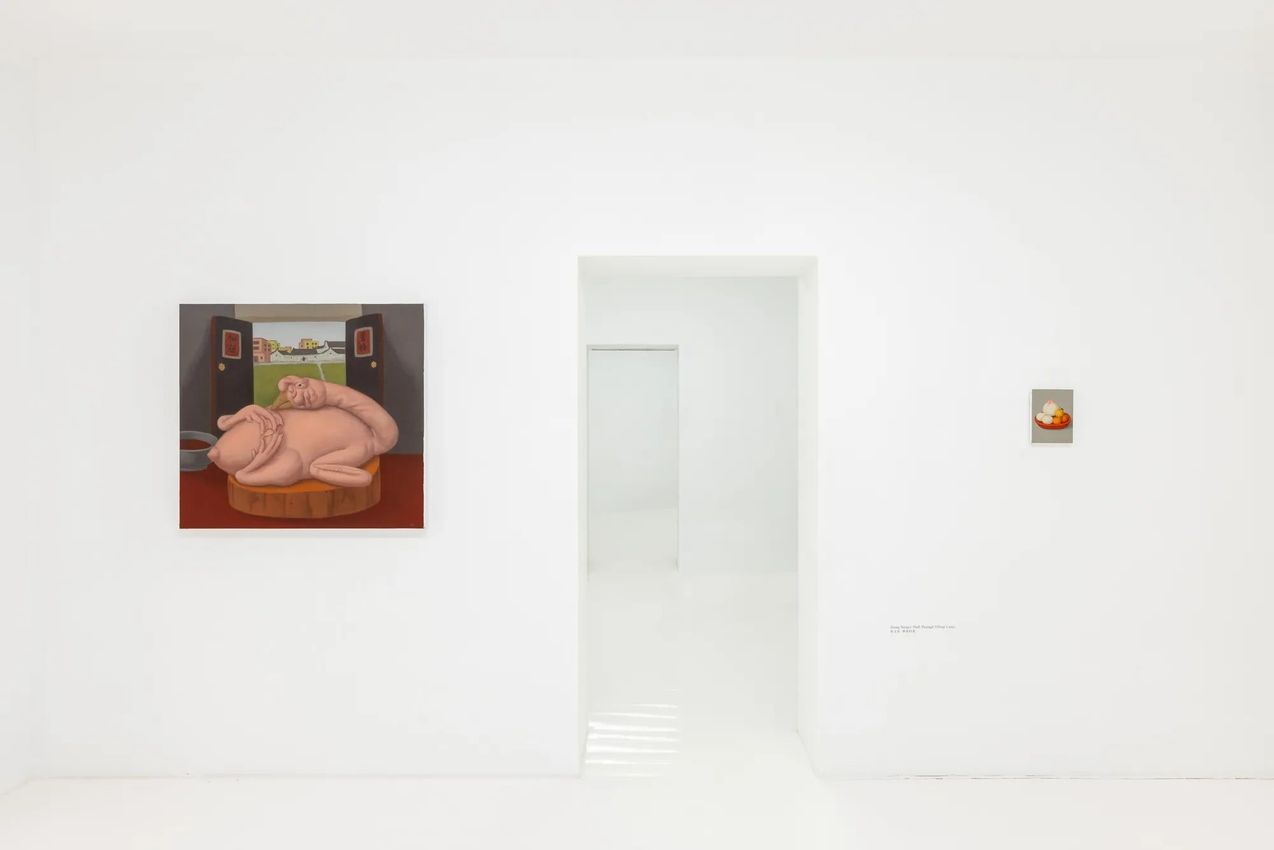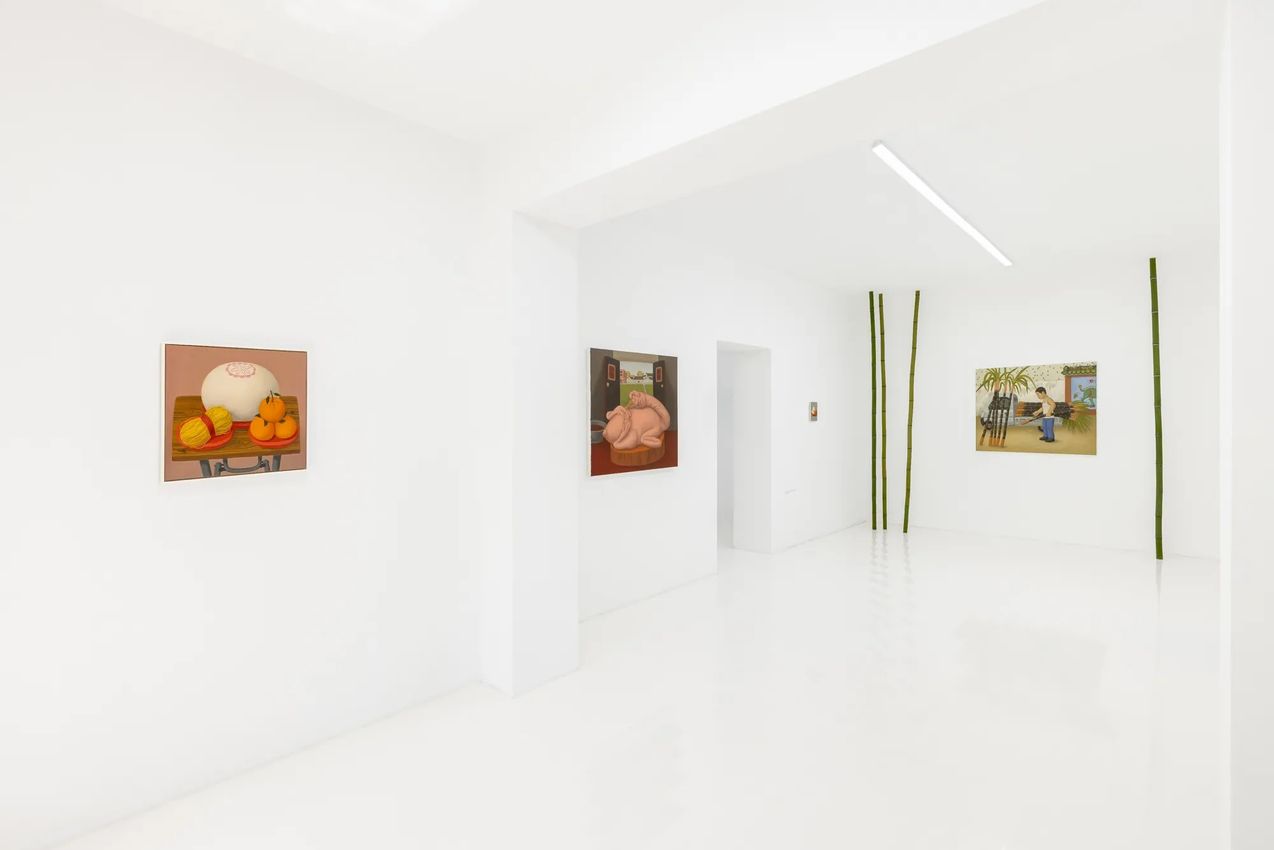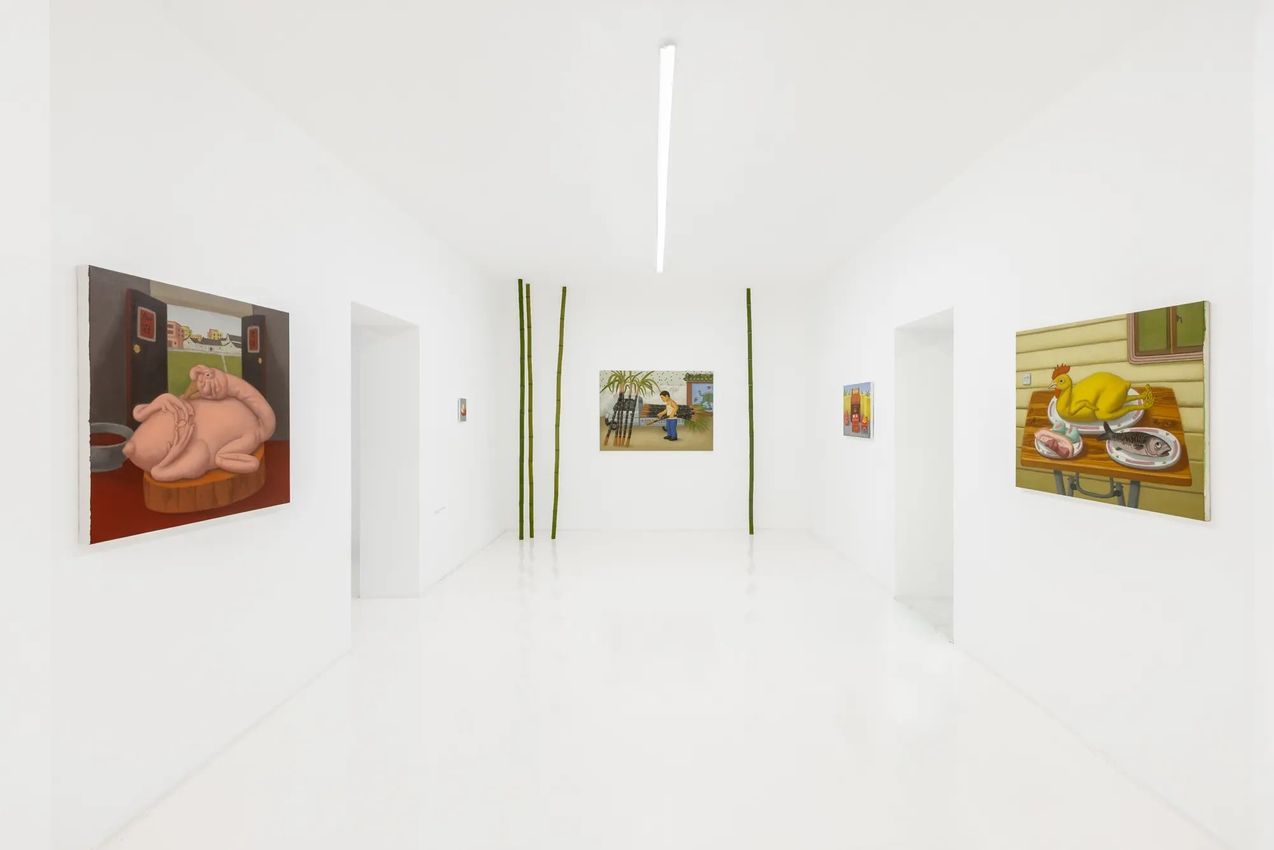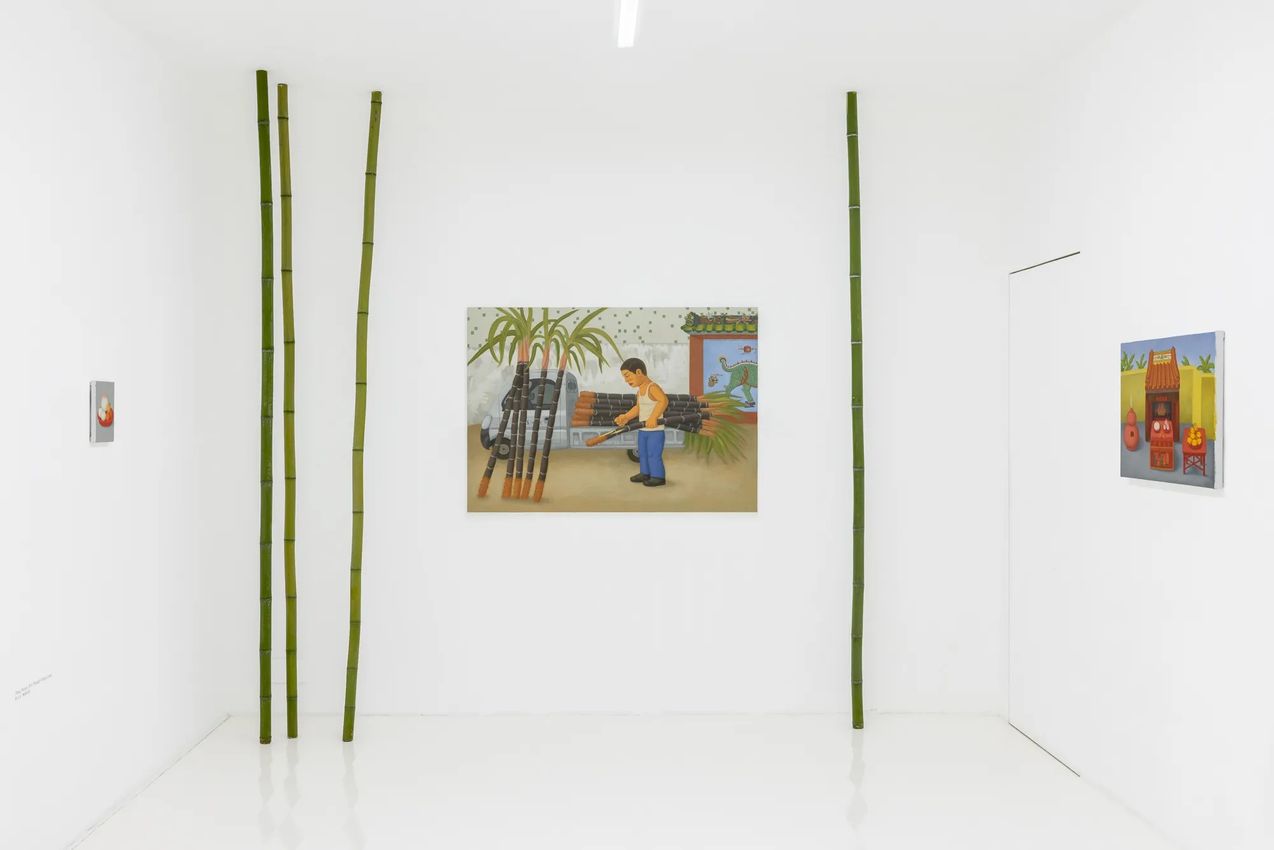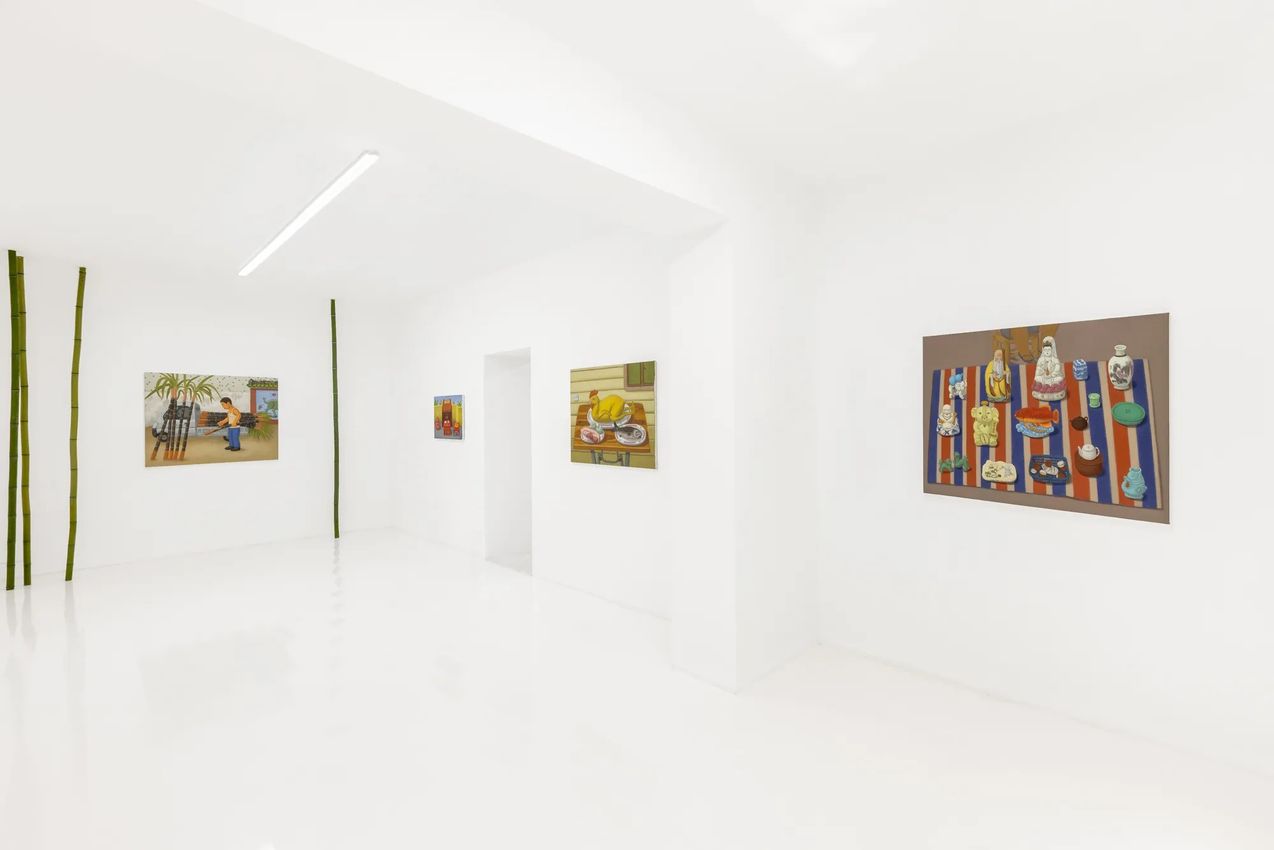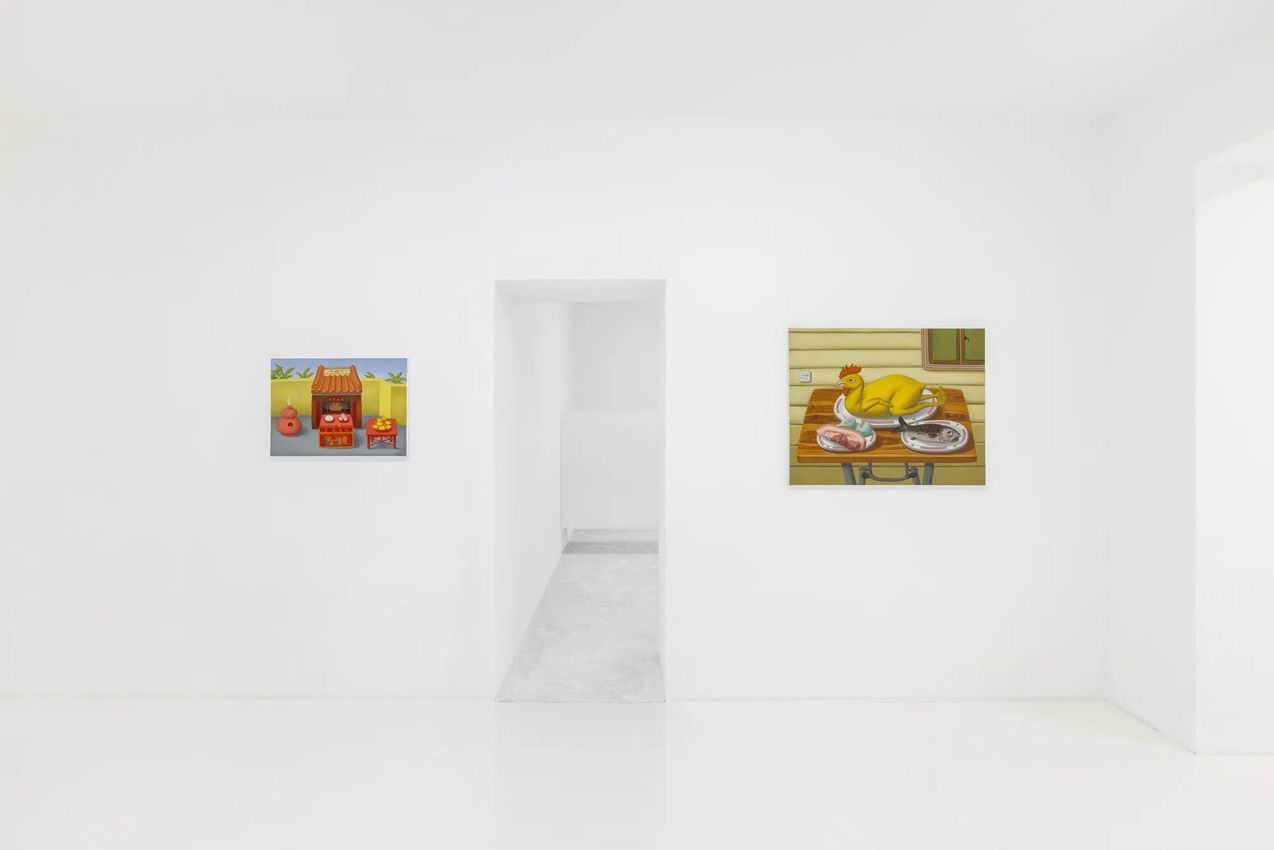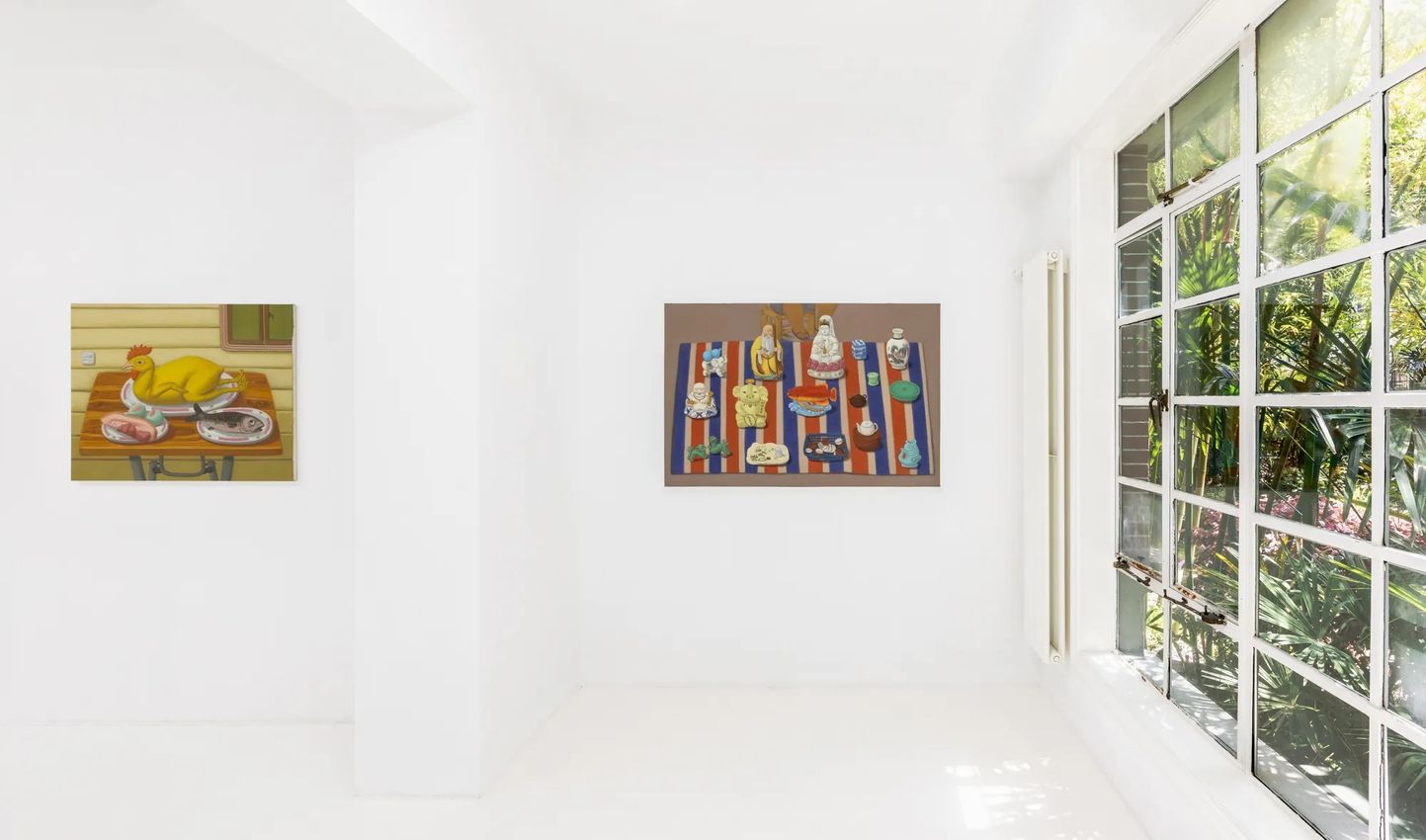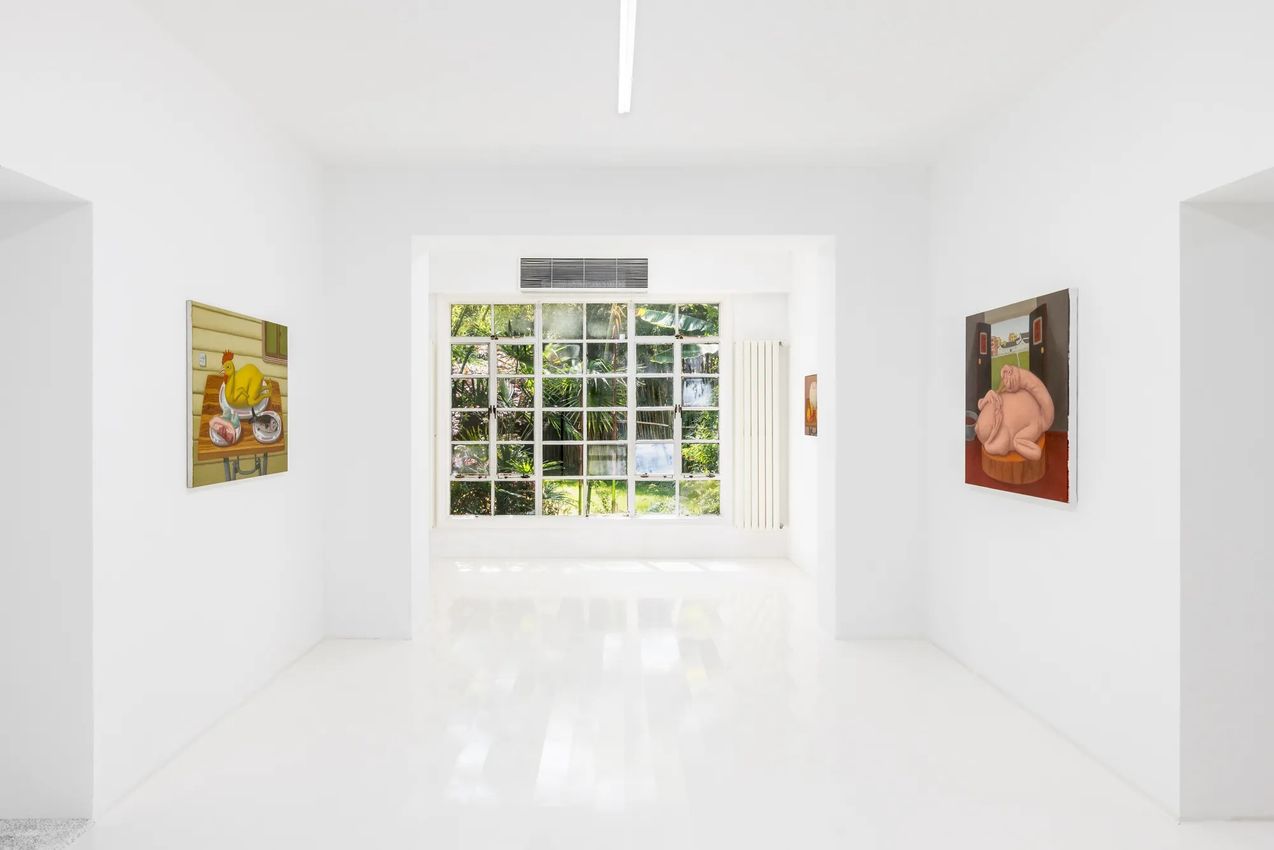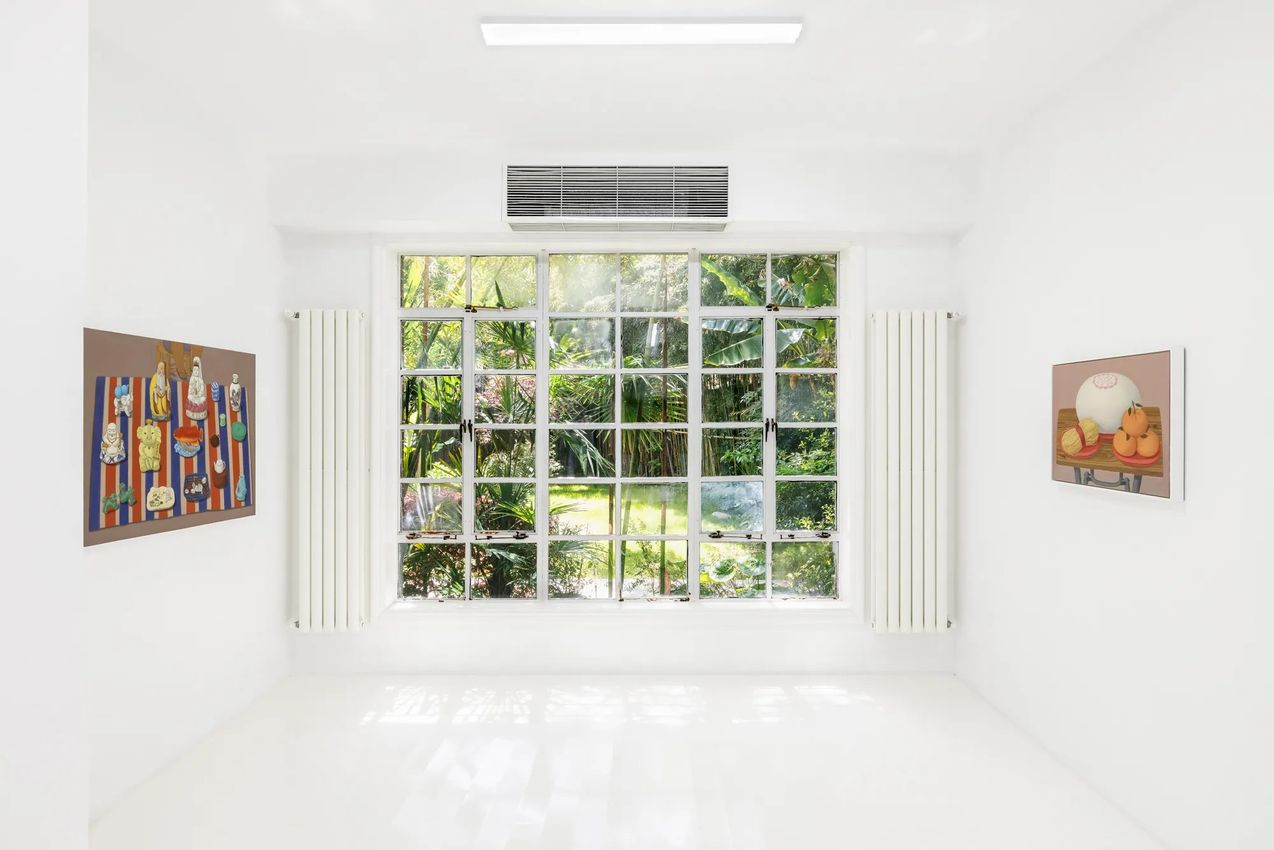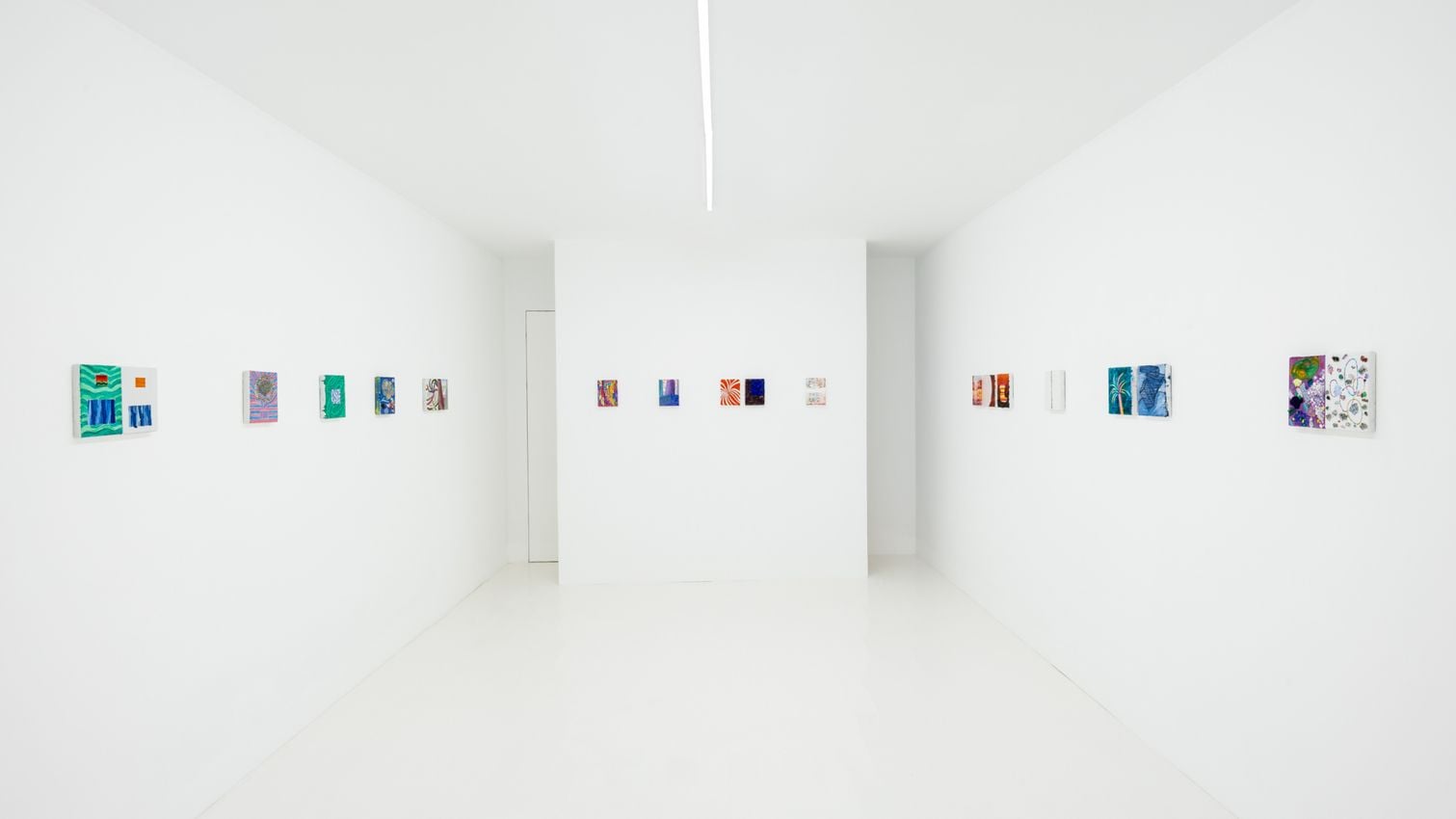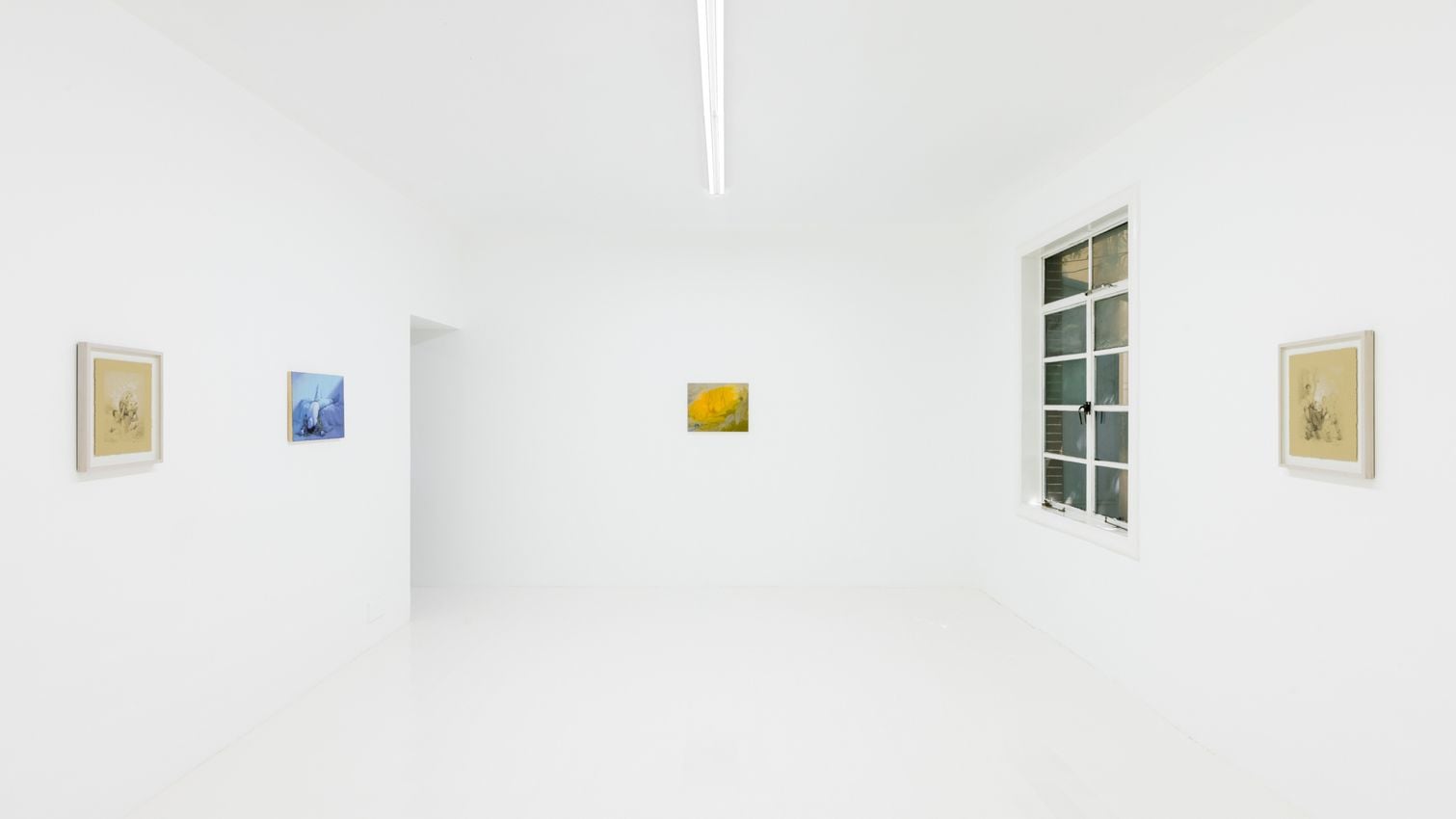
Capsule is pleased to present Drift Through Village Lanes, a solo exhibition by Zhang Wenjia (b. 1983 in Shantou, China; lives and works in Shantou), bringing together paintings from the past two years. This marks the artist’s first solo presentation with the gallery, opening on April 18 and on view through June 6, 2026.
For the artist, painting’s essential allure lies in its capacity to transport the viewer elsewhere. Within his canvases, the most mundane subjects–village lanes, still lifes, figures–are quietly reconfigured. Memory filters what is seen; scale loosens under perception; vibrant hues seem steeped in subtropical mist. Together, they evoke a southern land that drifts between past and present, the real and the imagined.
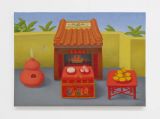
Zhang’s scenes depart from reality as they are inflected by emotion and recollection. In The Earth God Temple (2026), he selectively omits elements of the observed world. With intentional simplicity and unadorned forms, he summons the atmosphere of a tropical environment: a hazy blue sky opens above mottled yellow walls and lush banana leaves. The temple and its ritual objects, by contrast, are treated with attentive specificity–phoenix-patterned tiles, golden ingots, a tablecloth embroidered with the deities of fortune, prosperity and longevity... Incense burners, ingots and steamed buns are highlighted with subtly luminous color, emitting a soft glow from within. Here, every human wish and aspiration converge and whisper. Distorted scale renders the sacred intimate: not a monument of grandeur, but a site of blessing and protection, where gods and people cohabit across generations in tacit reciprocity.
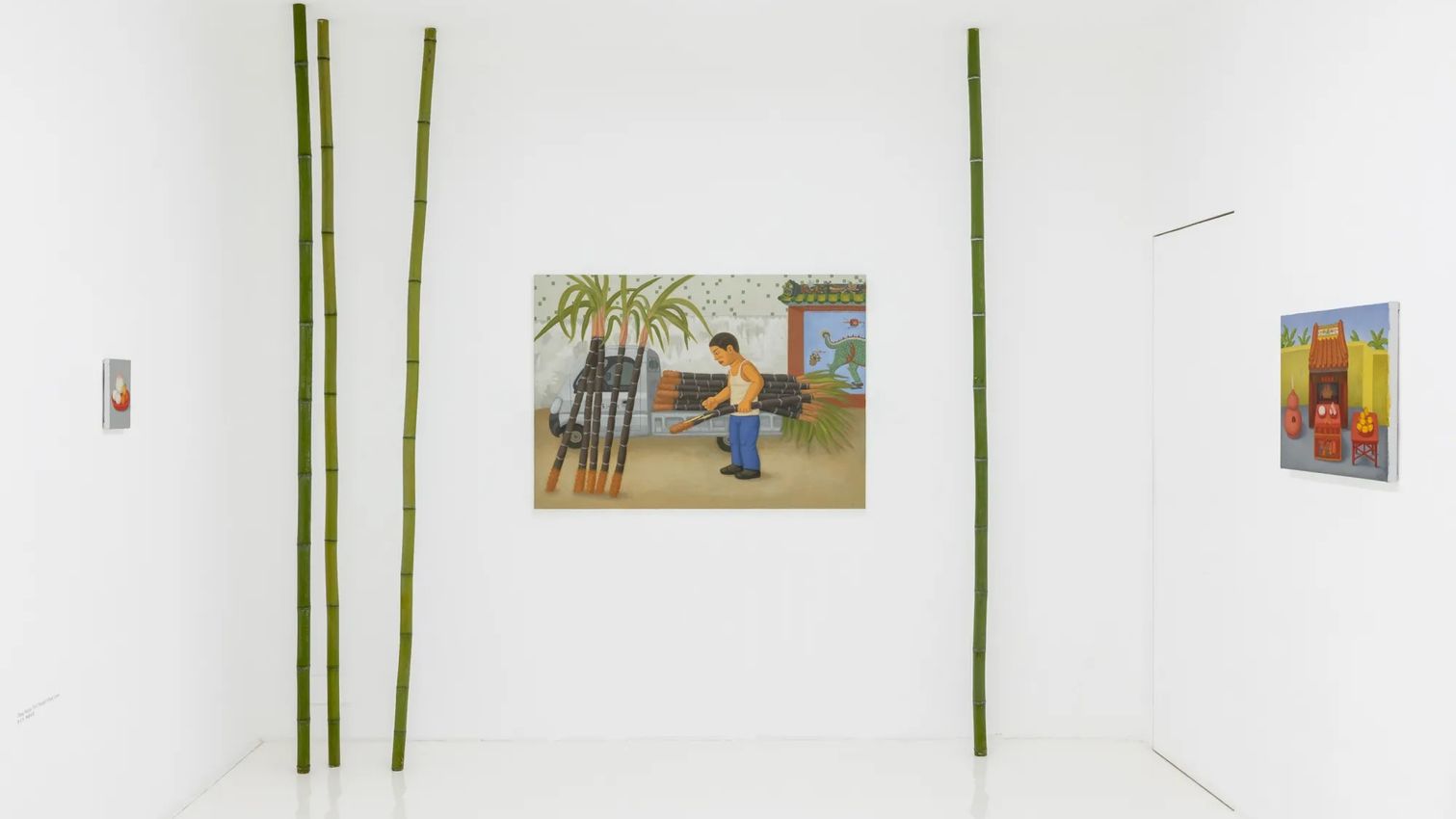
The Sugarcane Vendor (2025-26) reflects a similar psychological calibration. The truck is deliberately miniaturized, allowing the vendor and the towering stalks of cane to dominate the frame. Influenced by Indian miniature painting as well as artists such as Giotto and Matisse, Zhang portrays his figures with calculated naïveté and exaggeration. They seem elevated from the weight of life and poised in a moment of inner scintillation. The artist devotes considerable attention to the ceramic inlay patterns of the ancestral hall’s screen wall, while also elaborating the gridded mosaic and the black-and-white striations of the sugarcane. These ornamental patterns function as a visual code of the Chaoshan landscape, conjuring an “elsewhere”–the warm, humid coastal town miles away.
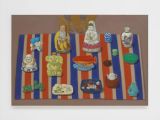
Such decorative elements recur in Porcelain (2026), where the works’ shared flatness is most pronounced. Depth is compressed, perspective skewed, drawing the picture plane close to the viewer. Zhang pushes his southern landscape forward, as if pressing it against the surface–almost within reach. This spatial logic recalls medieval frescoes: figures arranged in tiers rather than recession; scale determined by importance rather than distance. Against the rational order of linear perspective, this planar space invites a mobile way of looking, attuned to ornamental rhythm. While the flatness of fresco is historically rooted in religious symbolism, Zhang applies a similar visual language to the everyday–small trinkets and commodities at a street stall–imbuing the ordinary with a transcendent aura.
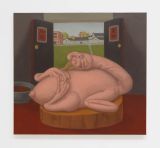
Zhang’s subjects are placed in shallow, stage-like compositions where they become objects of attention, admiration, and emotional projection. In Goose (2026), a plucked bird occupies the foreground of a dimly lit interior, while a bright exterior opens onto old and self-built houses in the background. Its flesh is exposed in soft pink tones; its posture is oddly self-embracing; its eyes are faintly open. It hovers between solemnity and absurdity, between mercy and contempt. Set upon an offering table, the goose appears to have been reborn, serene and untroubled in the blessing of immortality.
In Zhang’s paintings, time moves with otherworldly slowness. His figures and scenes are bathed in a gentle light of the old times, yet they remain charged with the pulse of contemporary life. In Night-Shining White, artist and writer Wei Xi recalls that growing up in his southern hometown, as a child devoted to art, every glimpse of the landscape evoked an ancient painting: “A child’s world does not distinguish between the real and the imagined–half is reality, half is illusion... At noon, passing through the hill, at the end of the path one finds oneself in the Song dynasty.” Zhang’s subjects are not inherently picturesque. It is his sustained gaze that endows them with beauty. With an earnest eye and an untethered imagination, he drifts through the village of his youth. Turning the corner, he wanders into another dream.


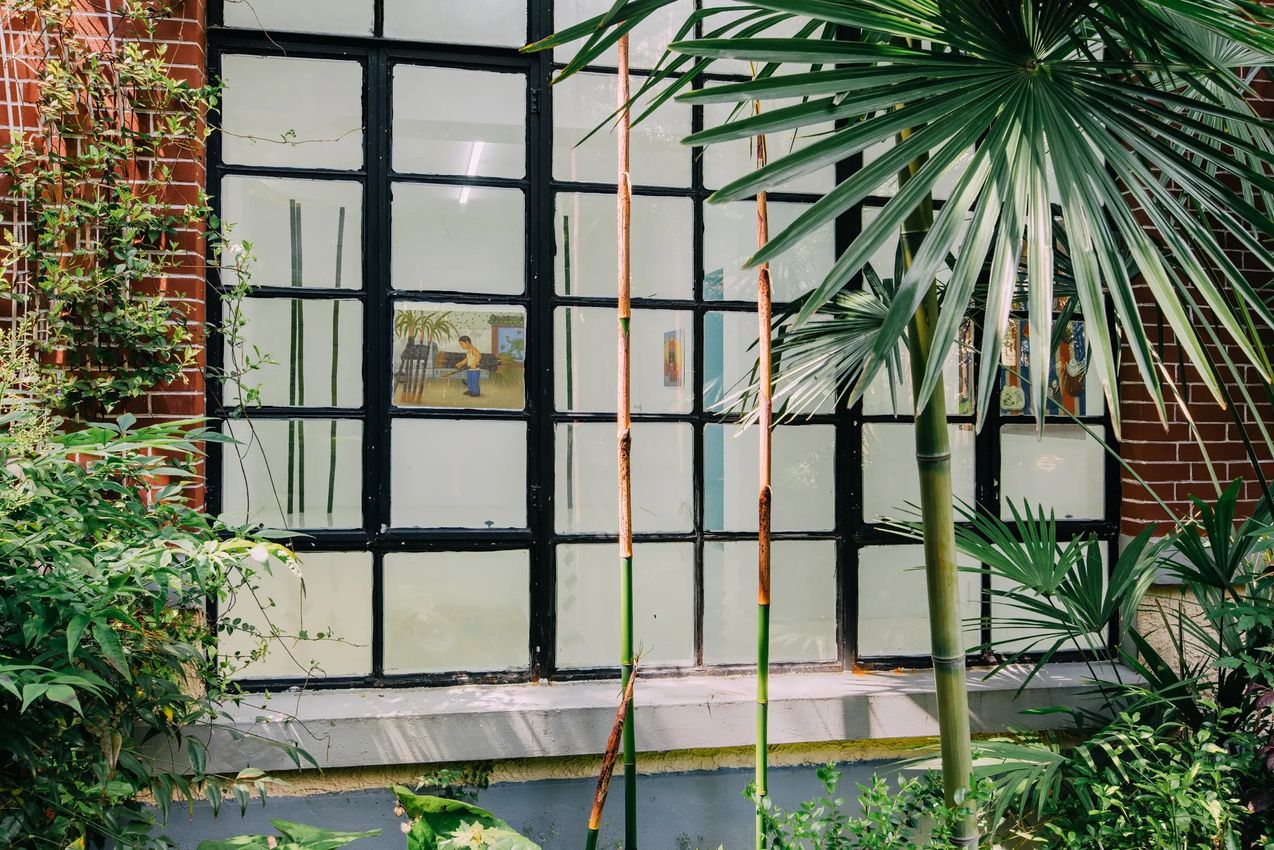
Established in late 2016 by Italian gallerist and long-time influential figure of the Shanghai art scene Enrico Polato, Capsule Shanghai is a self-described ‘gallery and art laboratory’ based in Shanghai’s central Xuhui District. Situated on the first floor of a picturesque 1930s garden house in the idyllic greenery of the former French Concession, the gallery works primarily with emerging Chinese and international artists who push the boundaries of contemporary art. Its special focus has been on artists who have personally and professionally migrated between regions, creating unique trans-national and trans-regional links.
A respected voice in contemporary art discourse.
Focusing on ambitious storytelling and insightful art-world commentary. Ocula Magazine publishes in-depth interviews, critical essays and timely analysis on the artists, exhibitions and ideas driving the global art world.
Learn more about Ocula Magazine
Showcasing the best of the art world.
Ocula partners with galleries from around the world to highlight their artists, artworks and exhibitions. Gallery membership is by application and invitation, with each member vetted by an independent panel.
Learn more about Ocula Membership

Specialises in the sale of major artworks.
Led by a team with deep ties to the world’s leading auction houses, galleries and collectors. Ocula’s advisory team offers bespoke services to high-net-worth clients from around the world who are looking to acquire the best of contemporary and modern art.
Learn more about our team and services