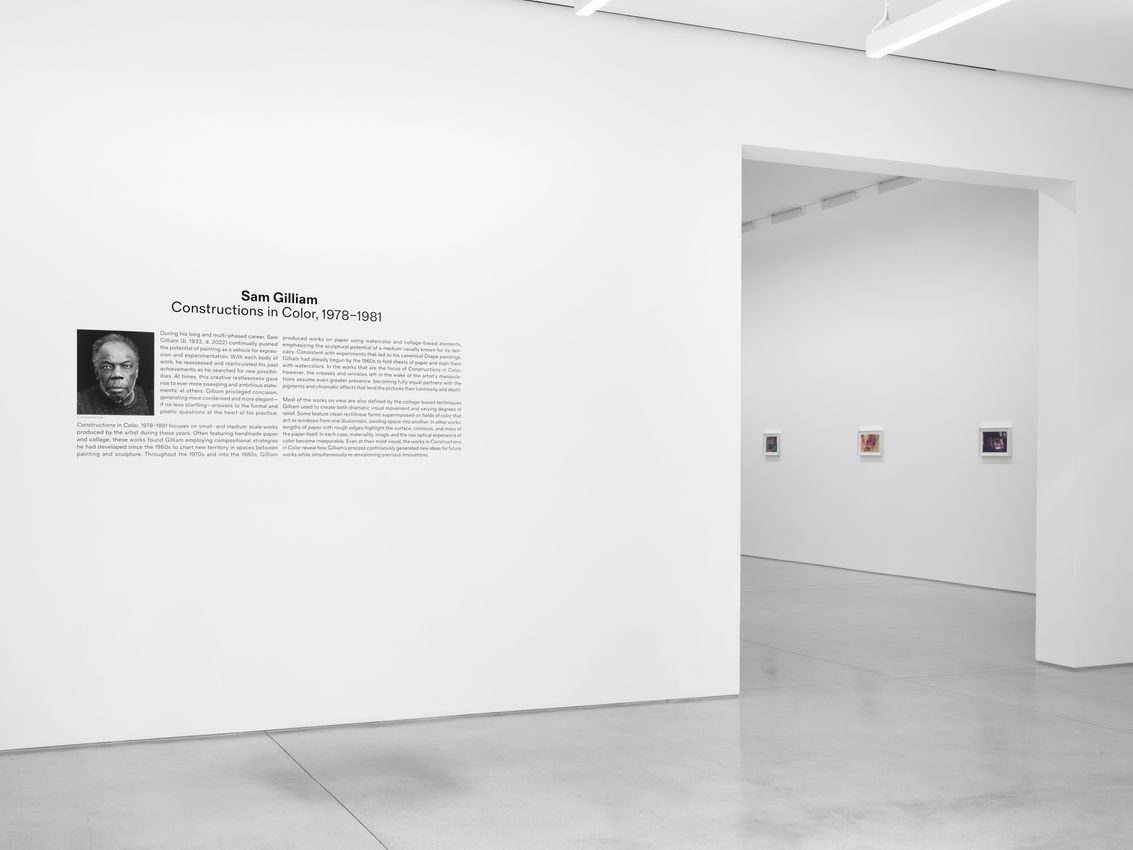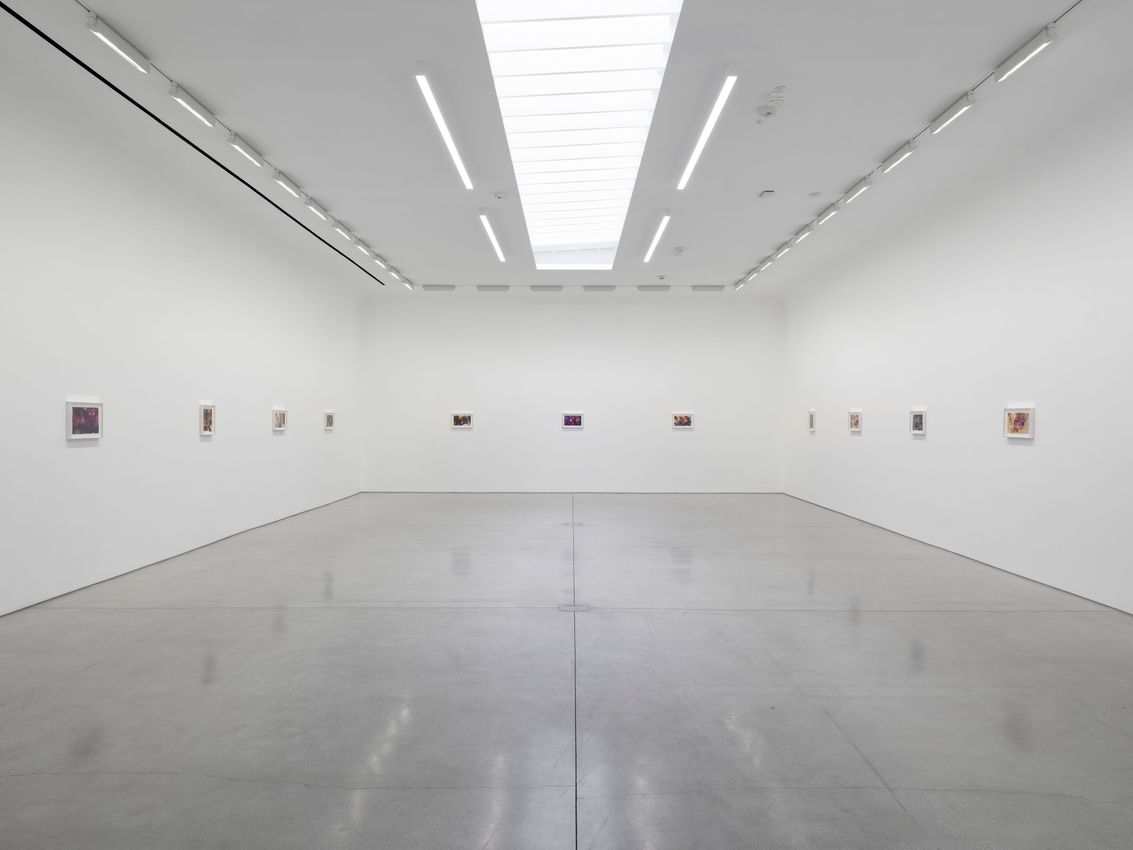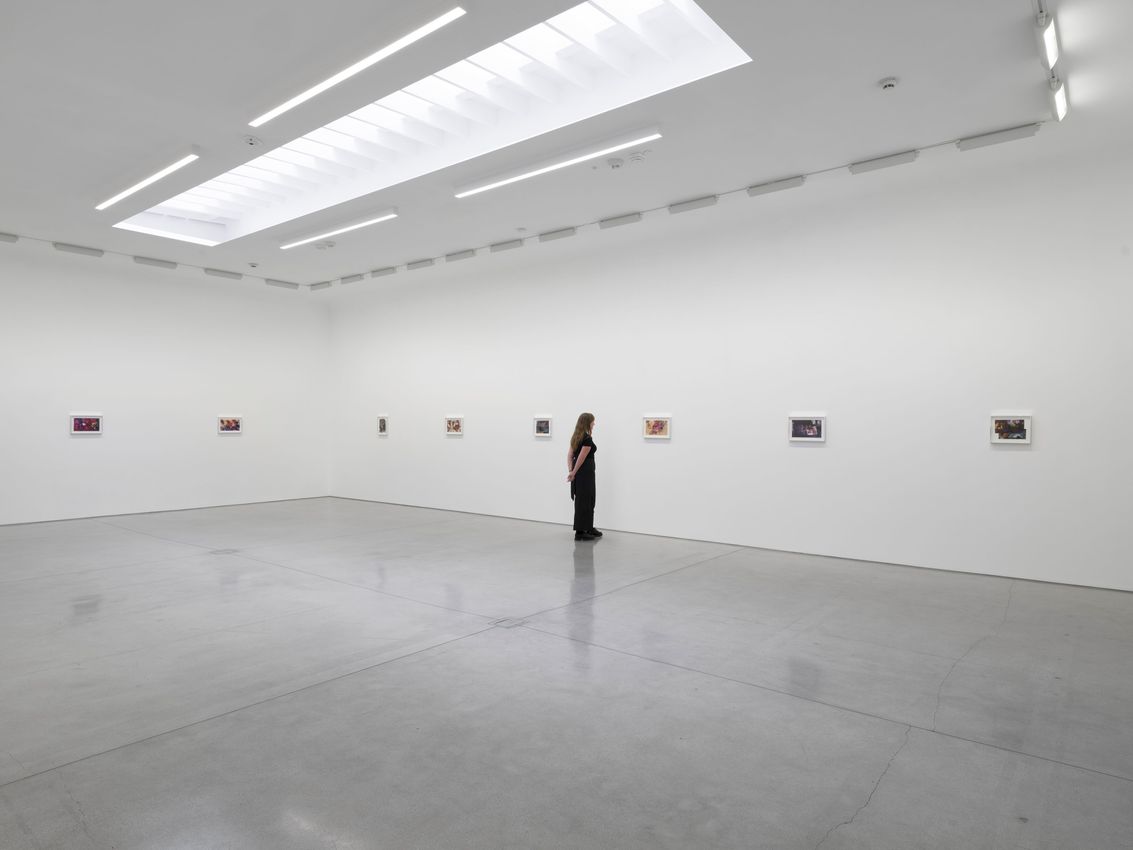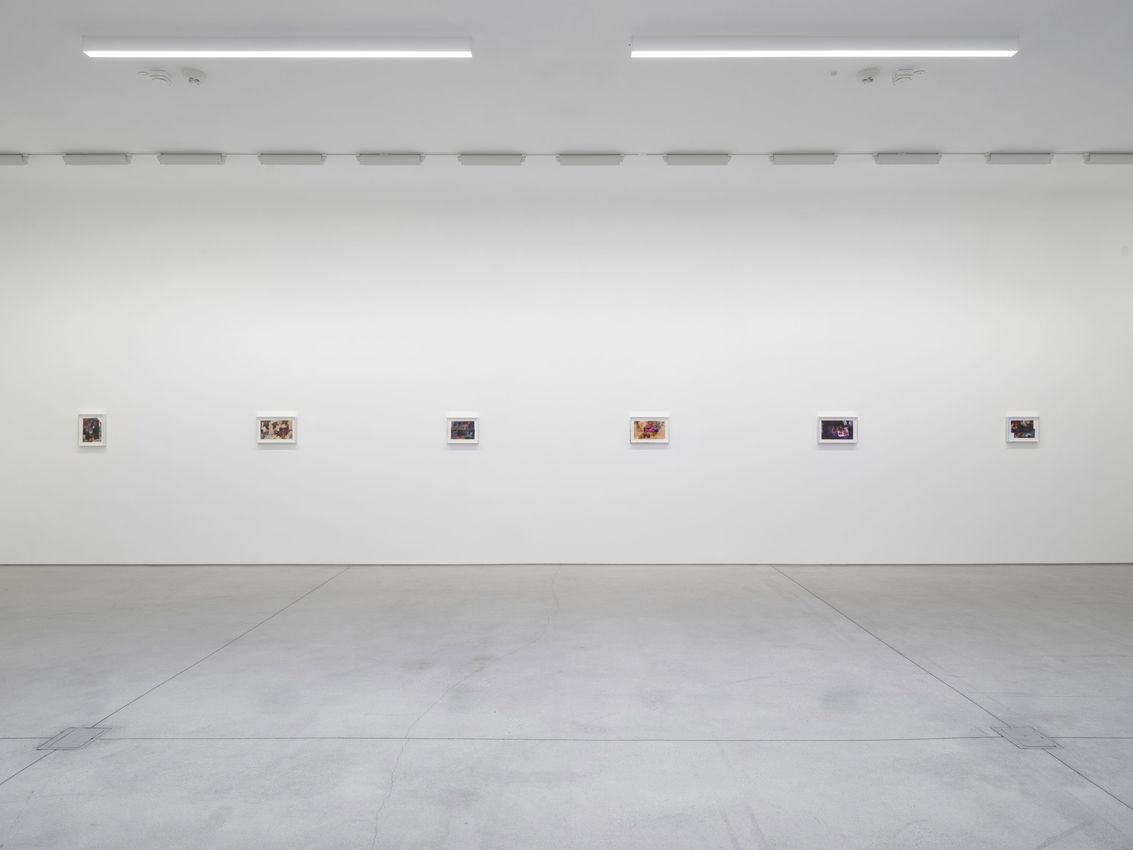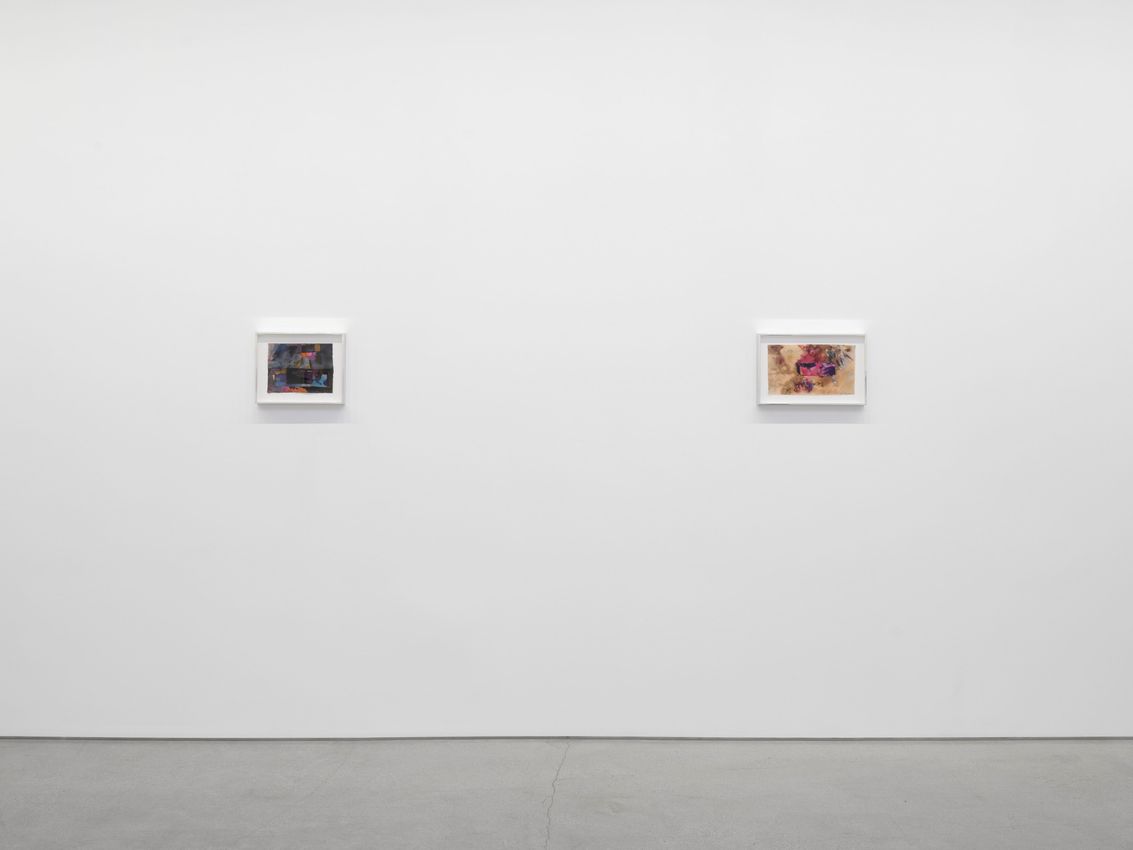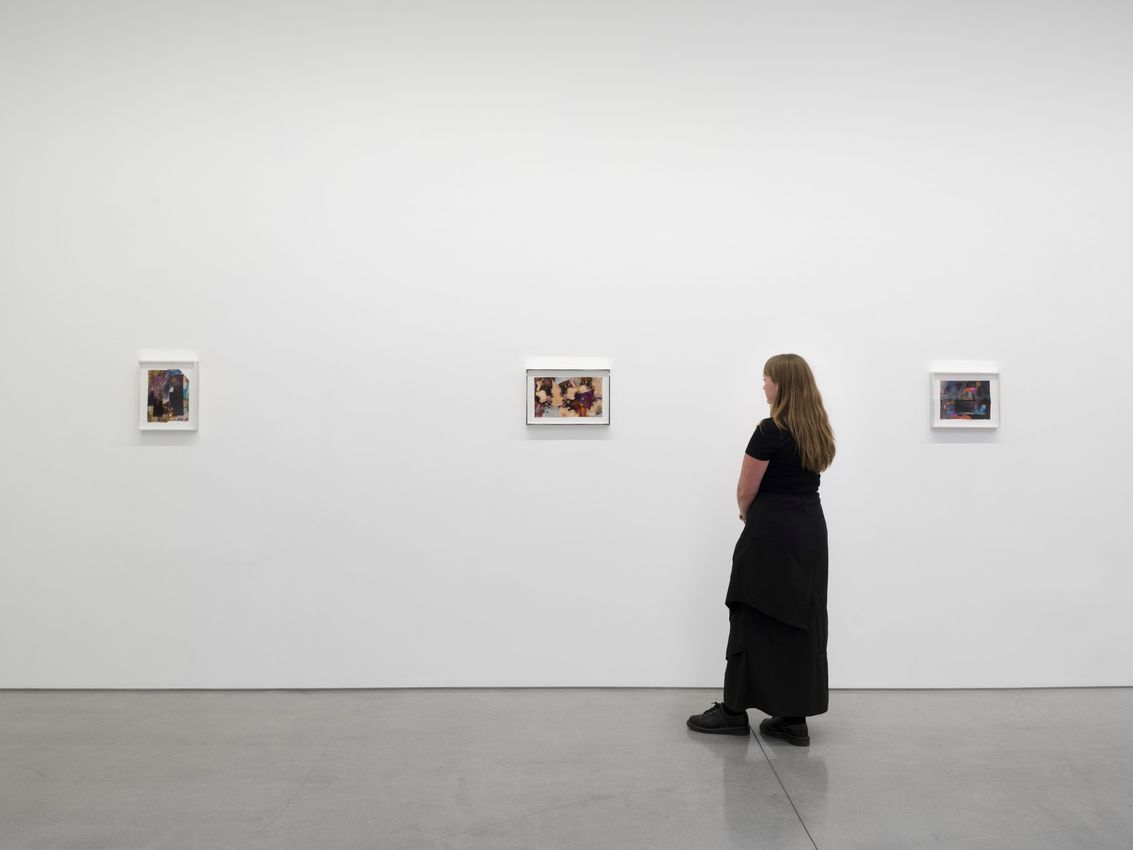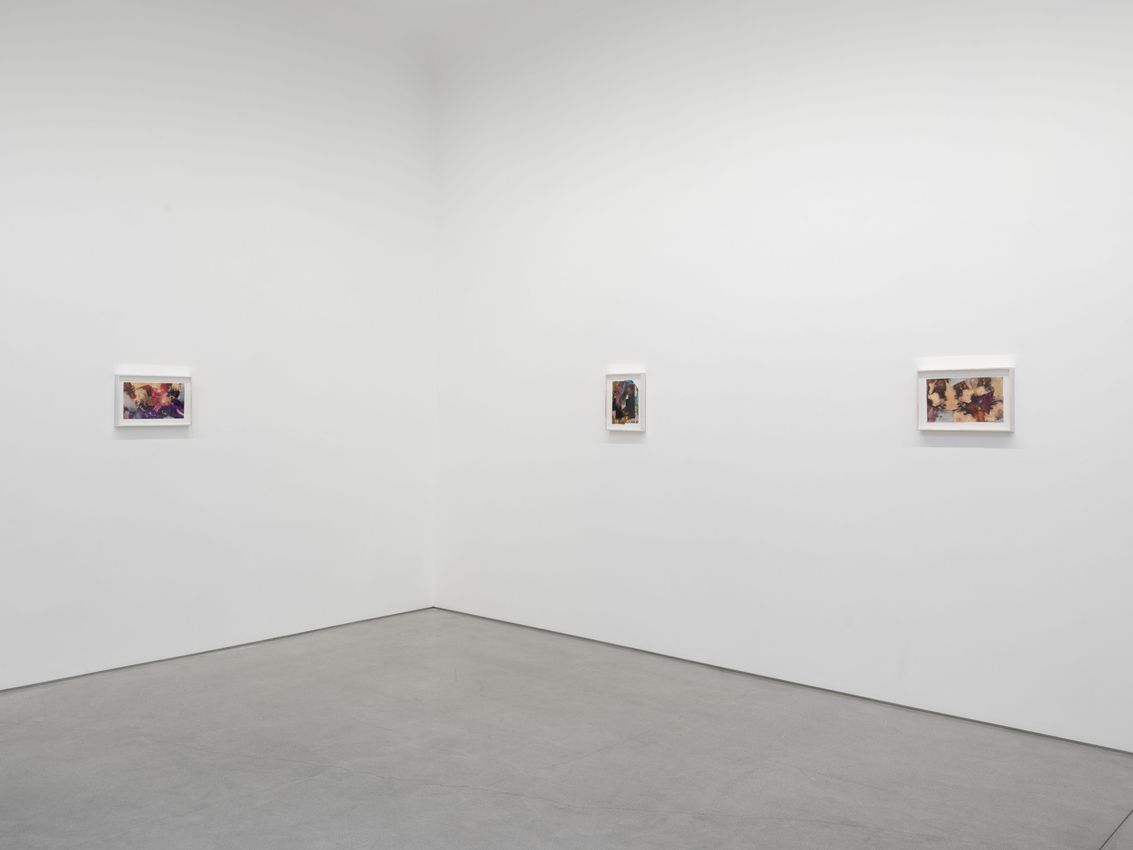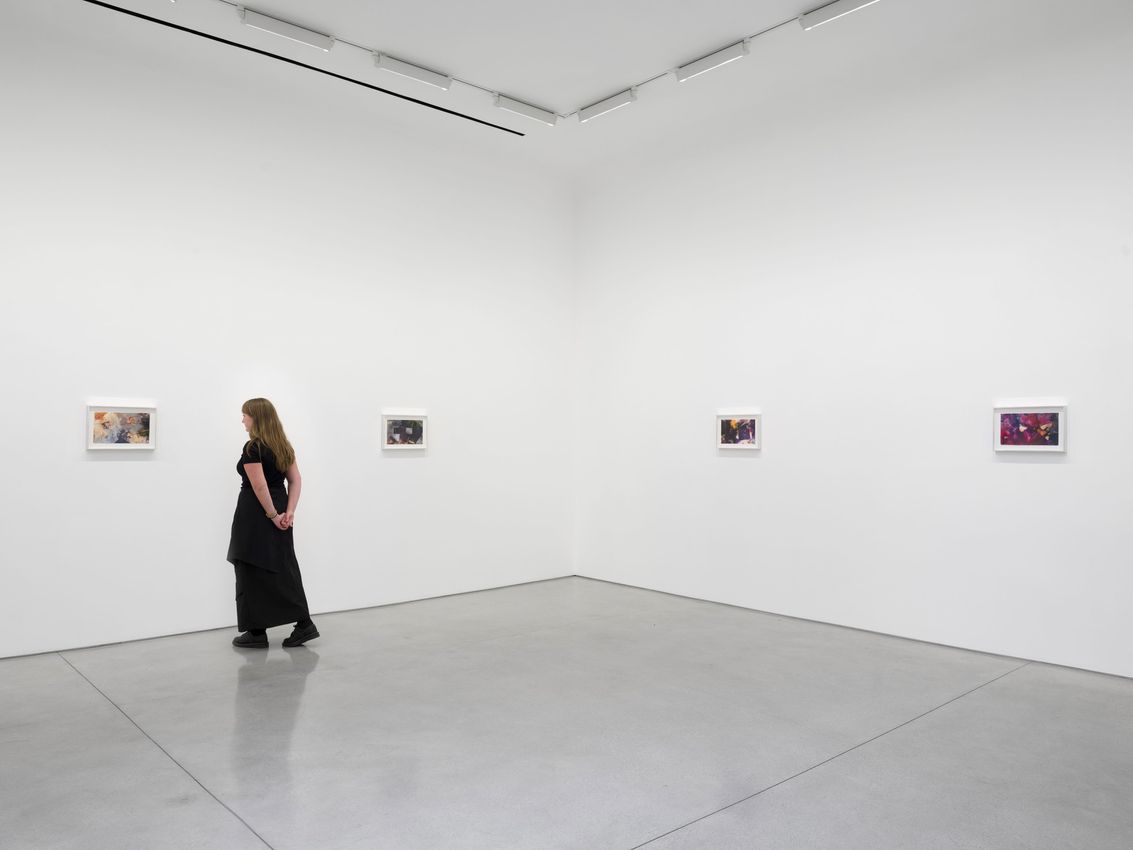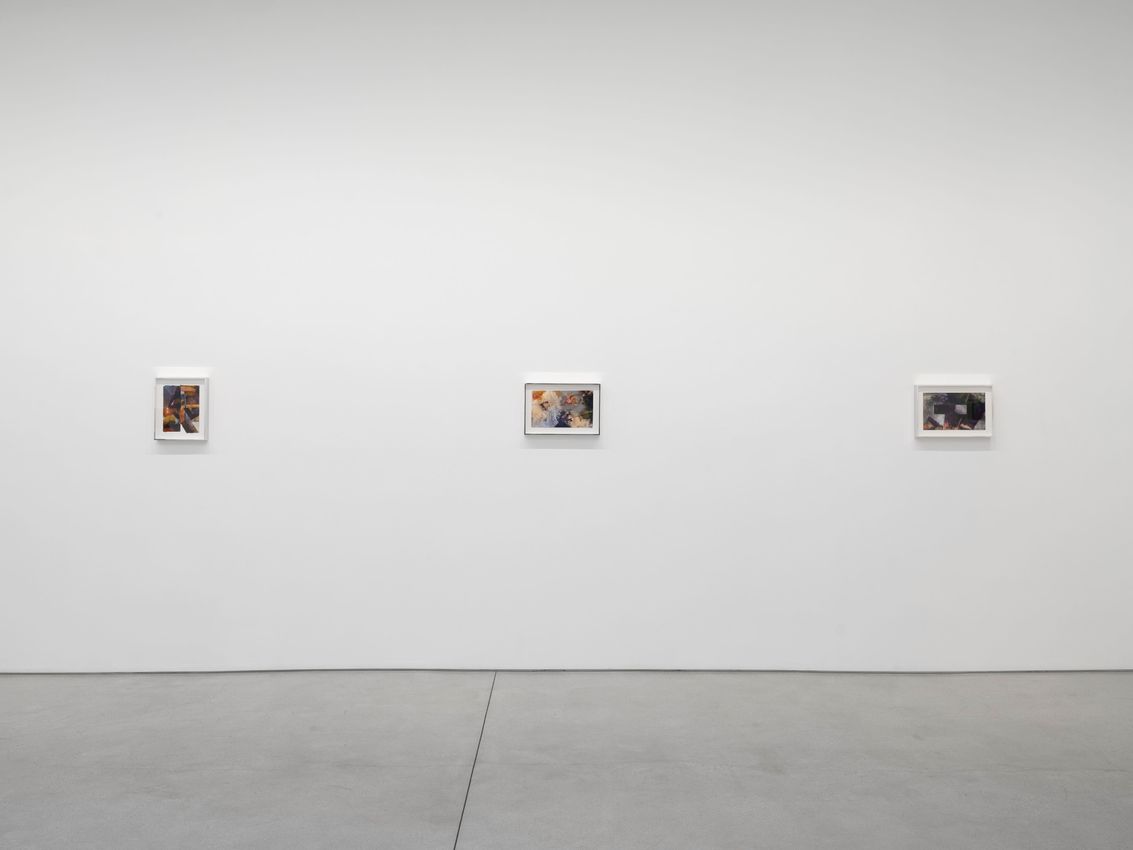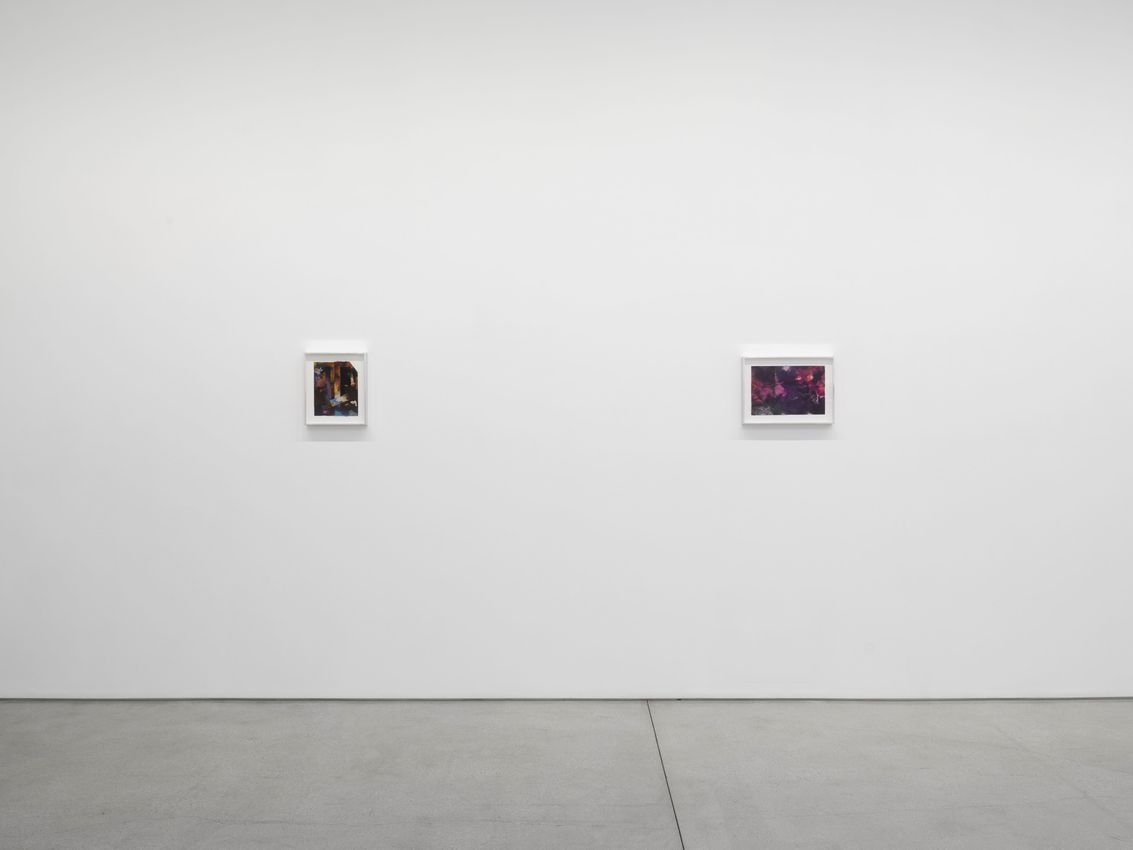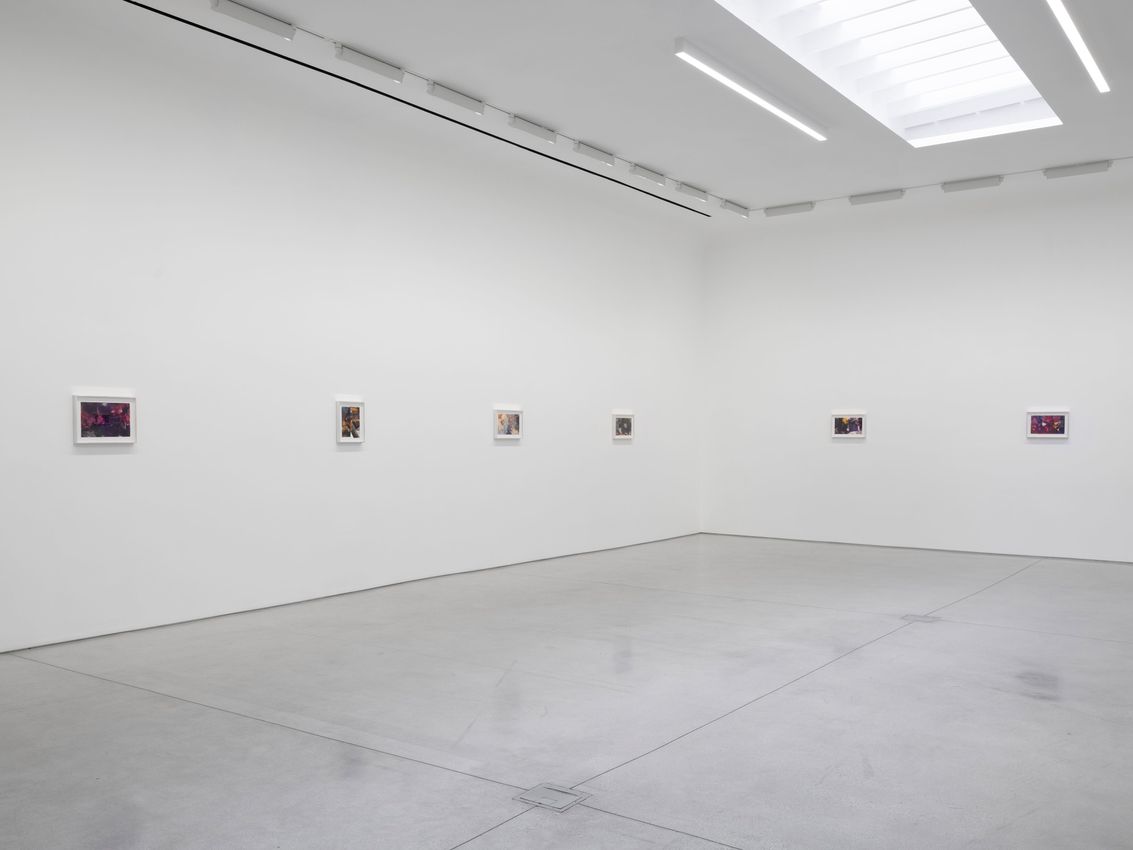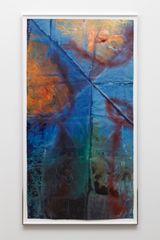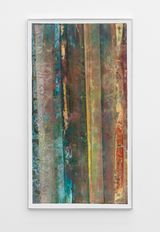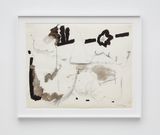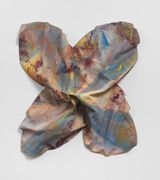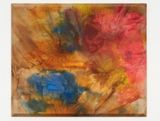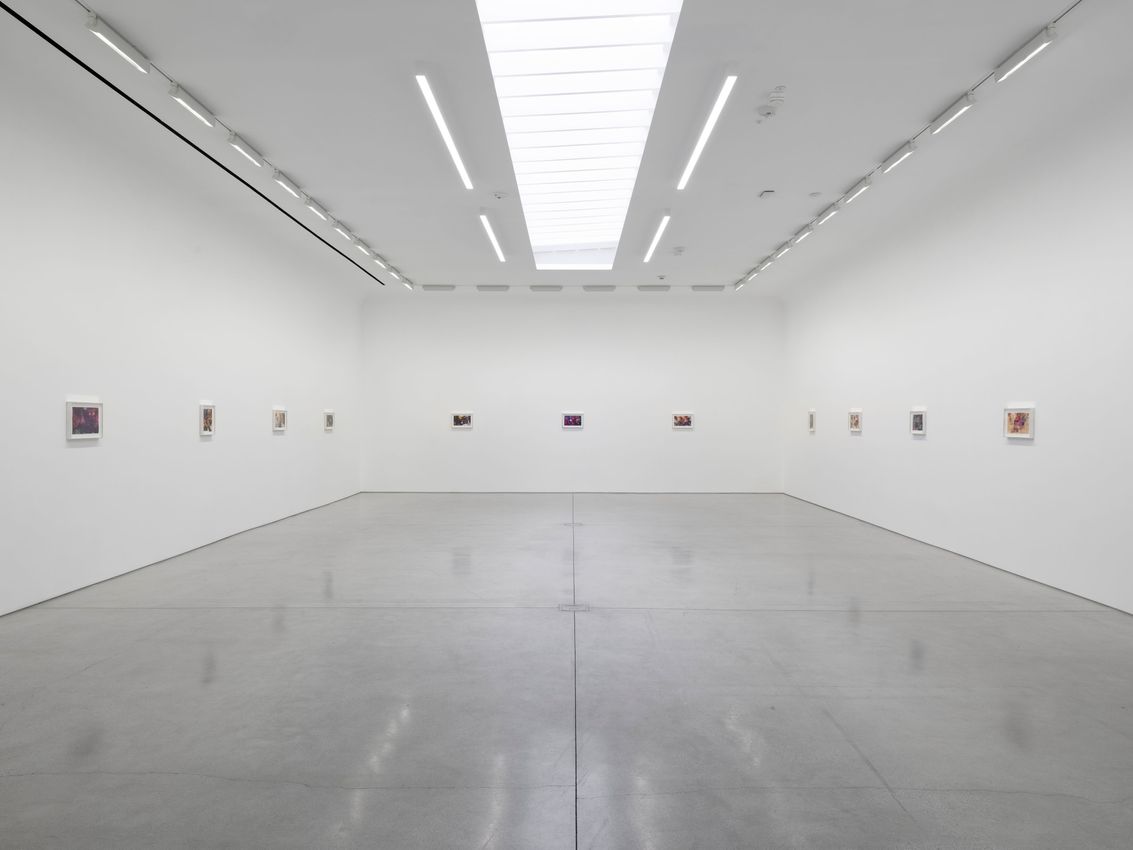
David Kordansky Gallery is pleased to present Sam Gilliam: Constructions in Color, 1978–1981, an exhibition focused on small-scale works produced by the artist during these years. Often featuring handmade paper, watercolor, and collage, these works found Gilliam employing compositional strategies he had developed since the 1960s to chart new territory in spaces between painting and sculpture.
Constructions in Color will be on view from September 13 through October 11, 2025. The show coincides with Gilliam’s first major solo exhibition in Ireland, which focuses on related compositional themes produced during the 1990s and is on view at the Irish Museum of Modern Art in Dublin through January 25, 2026.
During his long and multi-phased career, Gilliam continually pushed the potential of painting as a vehicle for expression and experimentation. With each body of work, he reassessed and rearticulated past achievements as he searched for new possibilities. At times, this creative restlessness gave rise to ever more sweeping and ambitious statements; at others, Gilliam privileged concision, generating more condensed and more elegant—if no less startling—answers to the formal and poetic questions at the heart of his practice.
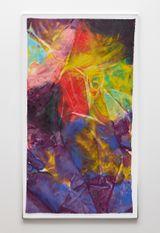
Throughout the 1970s and into the 1980s, Gilliam produced works on paper using watercolour and collage-based elements, emphasising and accentuating the sculptural potential of a medium usually known for its delicacy. By the 1960s, Gilliam had already begun folding sheets of paper and staining them with watercolours—a process consistent with the experiments that led to his canonical Drape paintings. In the works that are the focus of this exhibition, however, the creases and wrinkles left in the wake of the artist’s manipulations assume even greater presence. They become fully equal partners with the pigments and chromatic effects that lend the pictures their luminosity and depth.
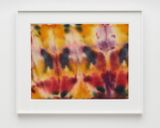
Most of the works are also defined by the collage-based techniques Gilliam used to create both dramatic visual movement and varying degrees of relief. Some of them feature cleanly rectilinear forms superimposed on fields of colour that act as windows from one illusionistic, swirling space into another. Lengths of paper with rough edges, on the other hand, highlight the surface, contours, and mass of the paper itself. In each case, materiality, image, and the raw optical experience of colour become inseparable. Just as the Drape and beveled-edge paintings also spoke to advances in installation and performance that were taking place during the period in which Gilliam was making them, the works on view in Constructions in Color appear to stand in conversation with photography, printmaking, and the ephemeral nature of some minimalist sculpture.
The show brings attention to the broad compositional themes Gilliam used to organise his investigations. Horizontal format examples from 1980 can be grouped by the collaged shapes the artist chose to anchor their foregrounds, with squares, rectangles, and triangles each contributing their own dynamics to the play of color unfolding around them. Vertically oriented compositions from 1981, meanwhile, are notable for their jagged rhythms and differentiated silhouettes, so that the process of collage leaves its mark on both the shifting spaces that animate their interiors and the edges that define their exterior boundaries.
Another work does not include collaged elements, but instead demonstrates how folding and the attentive, intuitive handling of his pigments allowed Gilliam to create the feeling of dimensionality, weight, and perspective on a single sheet of paper. Like all the works on view, it gives viewers a sense of his uncanny ability to forge experiences of the intimate and the monumental that were not solely dependent on physical scale. This watercolour seems designed to scale up or down in the imagination, an effect drawn from the combinations of vivid hues and surprisingly rendered forms, as well as the combinations of expert technique and trust in the inherent properties of his materials that Gilliam struck in each instance.
Even—and especially—at their most visual, the works in Constructions in Color capture the intangible action of time and the artist’s immersion in it. Each provides moments in which intentionality is evident, and in which control and hard-won knowledge were required to choreograph unlikely aesthetic events. Simultaneously, they are filled with—and ultimately defined by—moments in which something new came into being and planted seeds for future works to come, not to mention re-envisioned ideas about what had already been made, years or even decades in the past.


Sam Gilliam was a pioneering American abstractionist whose experiments with color, support, and scale transformed postwar painting and helped redefine abstraction in three dimensions. Associated with the Washington Color School yet always testing its limits, he is best known for his unstretched Drape paintings and later beveled-edge works that blur boundaries between painting, sculpture, and architecture. His series from the late 1960s onward, including large-scale draped installations and dense late tondos shown at Dia Beacon and the Hirshhorn Museum and Sculpture Garden, secured his status as a central figure in American abstraction and Black avant-garde art.


David Kordansky Gallery is one of the most dynamic venues for contemporary art, and is internationally regarded as a leading gallery of its generation.

A respected voice in contemporary art discourse.
Focusing on ambitious storytelling and insightful art-world commentary. Ocula Magazine publishes in-depth interviews, critical essays and timely analysis on the artists, exhibitions and ideas driving the global art world.
Learn more about Ocula Magazine
Showcasing the best of the art world.
Ocula partners with galleries from around the world to highlight their artists, artworks and exhibitions. Gallery membership is by application and invitation, with each member vetted by an independent panel.
Learn more about Ocula Membership

Specialises in the sale of major artworks.
Led by a team with deep ties to the world’s leading auction houses, galleries and collectors. Ocula’s advisory team offers bespoke services to high-net-worth clients from around the world who are looking to acquire the best of contemporary and modern art.
Learn more about our team and services