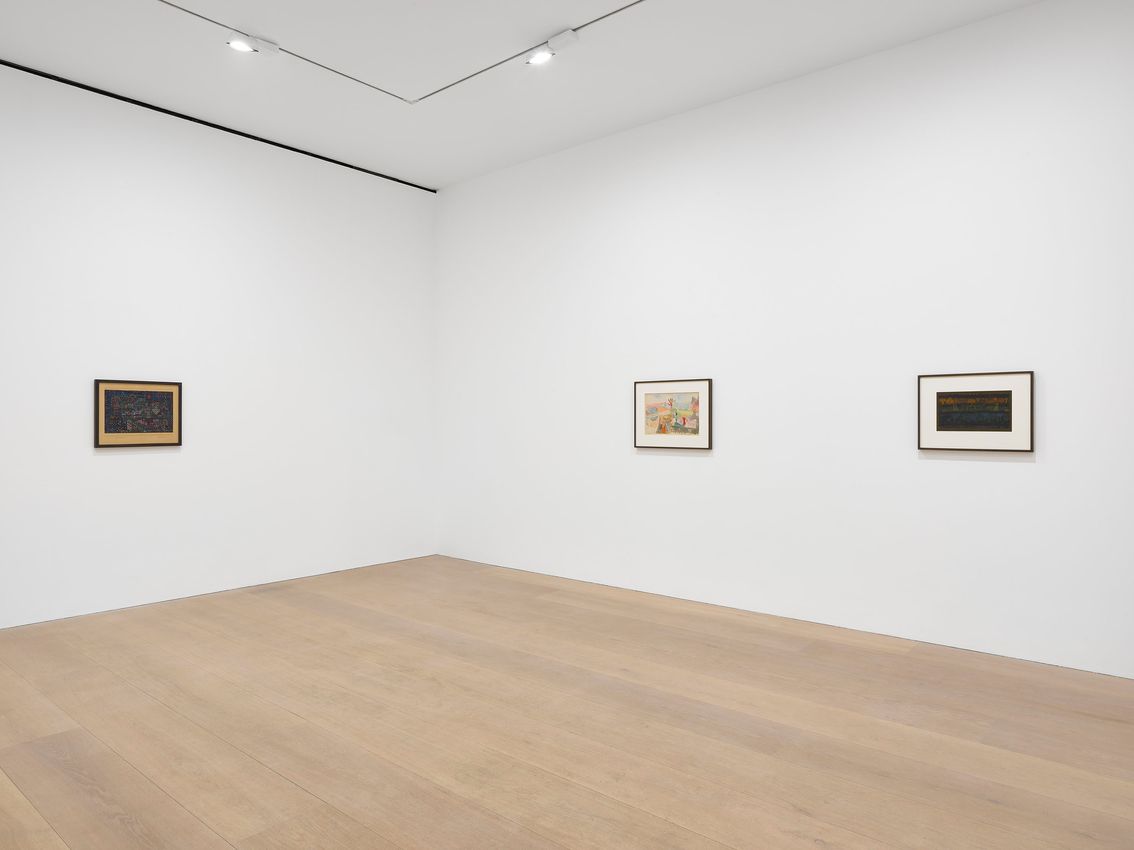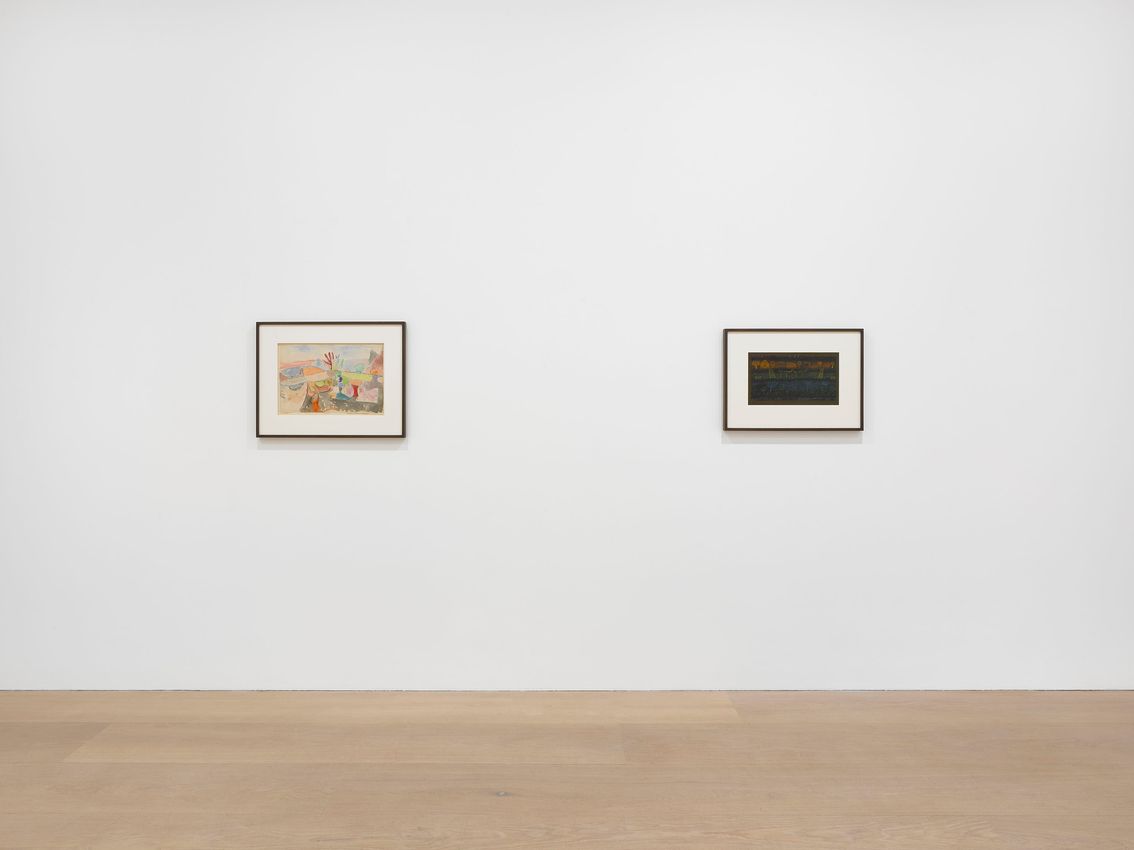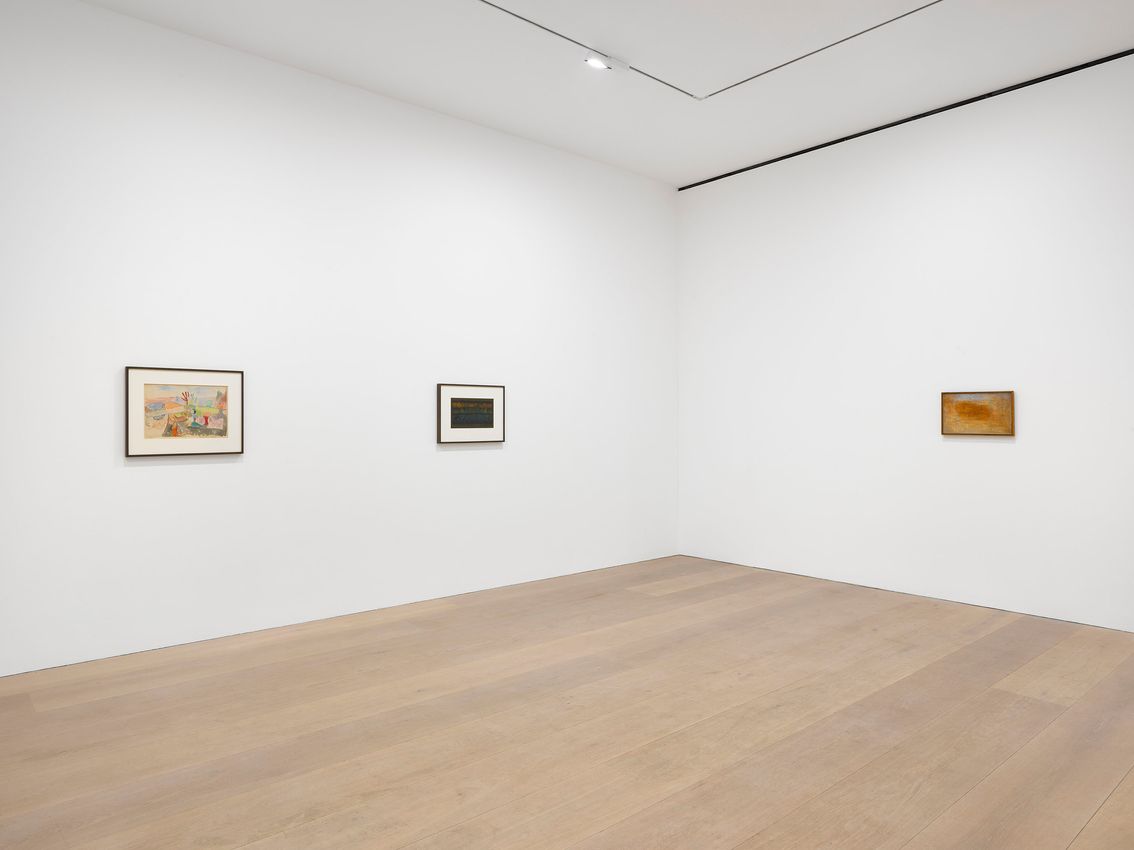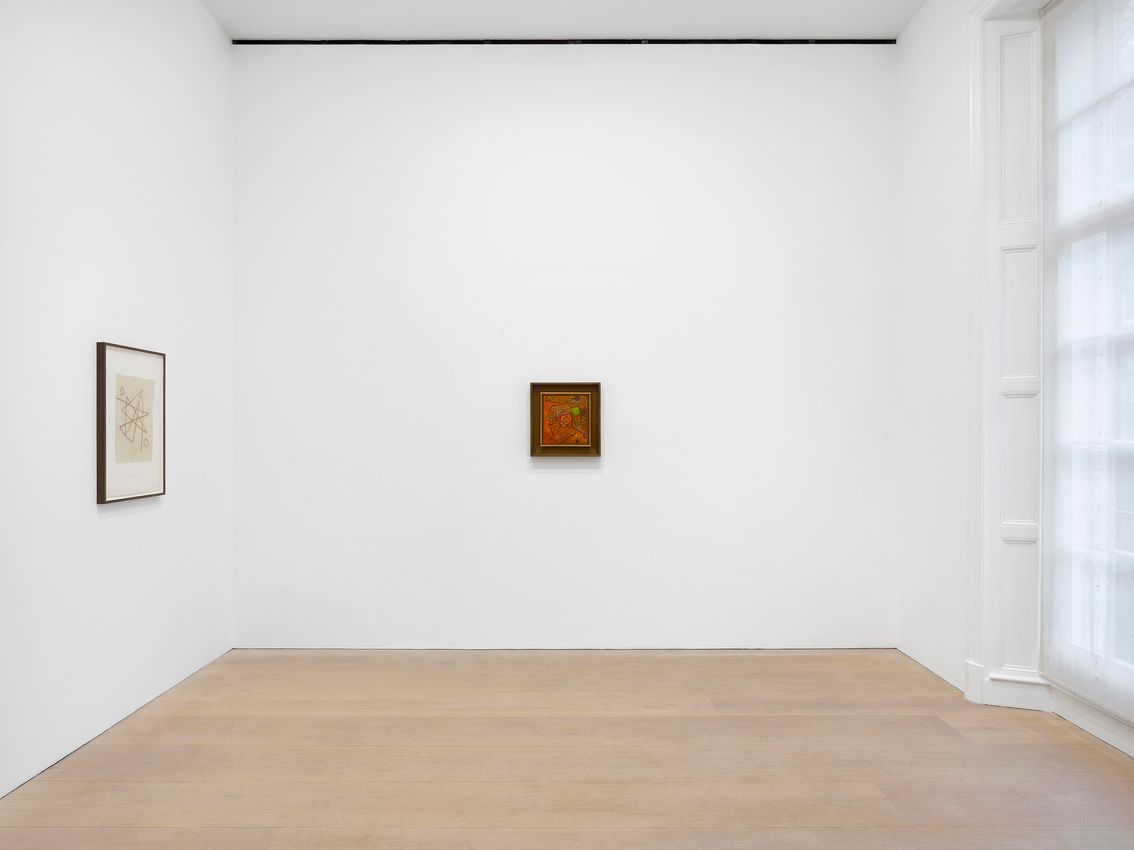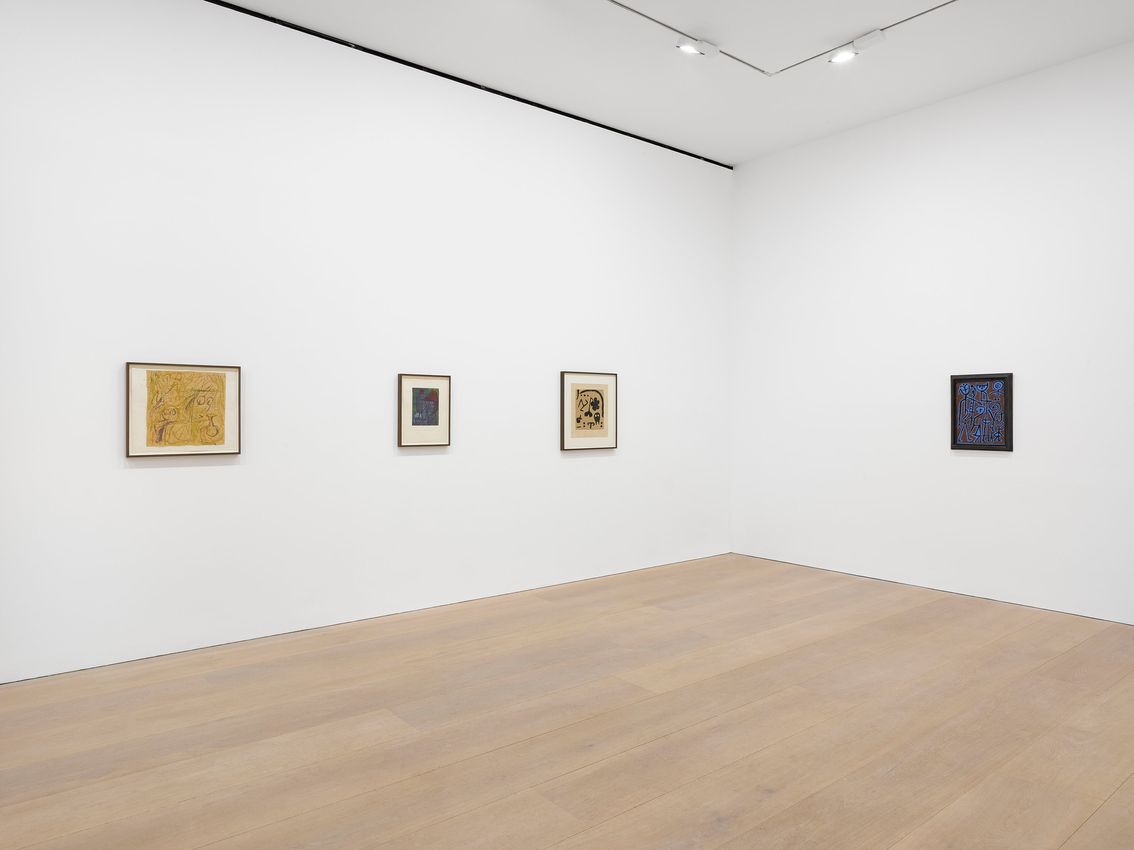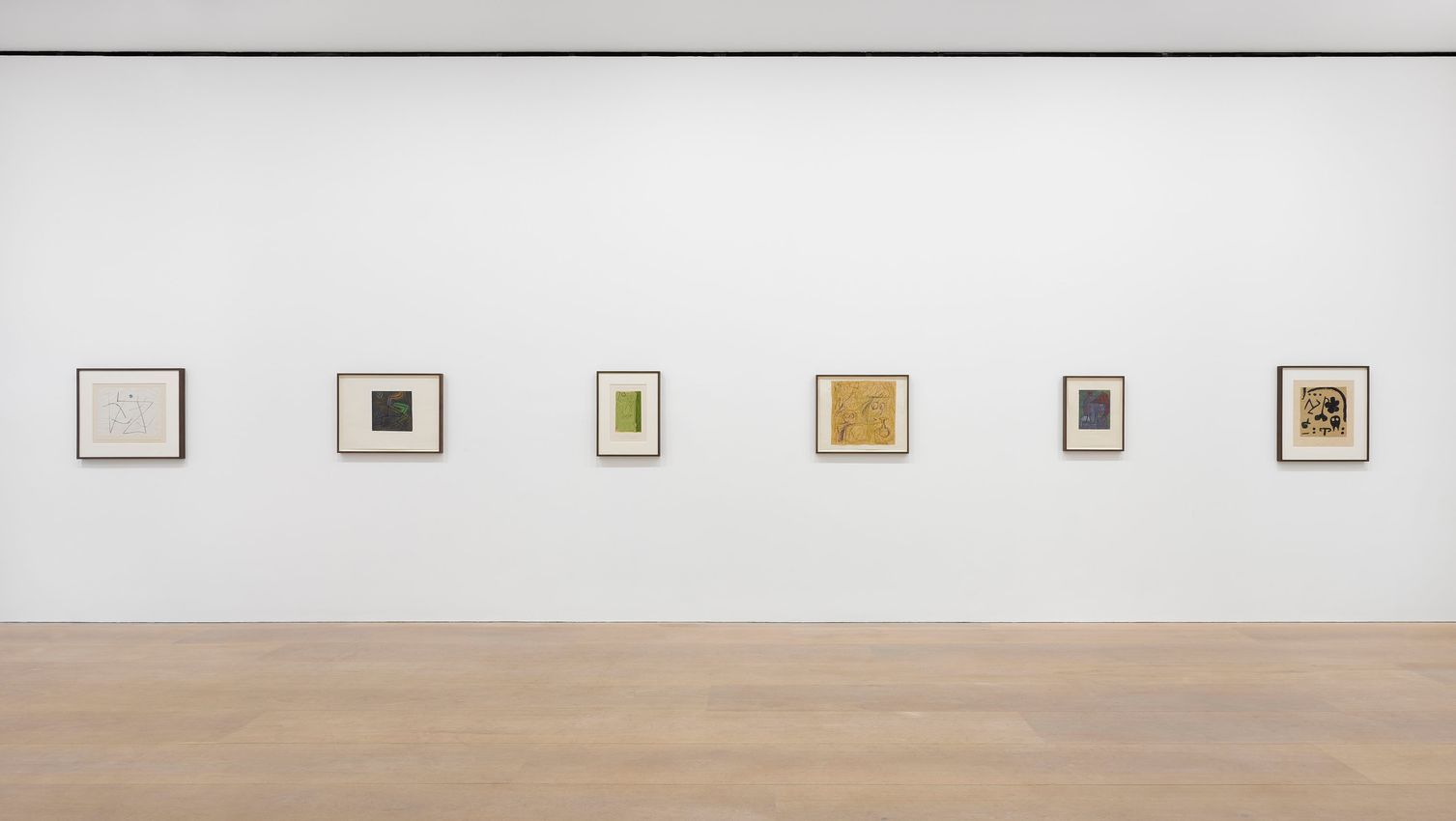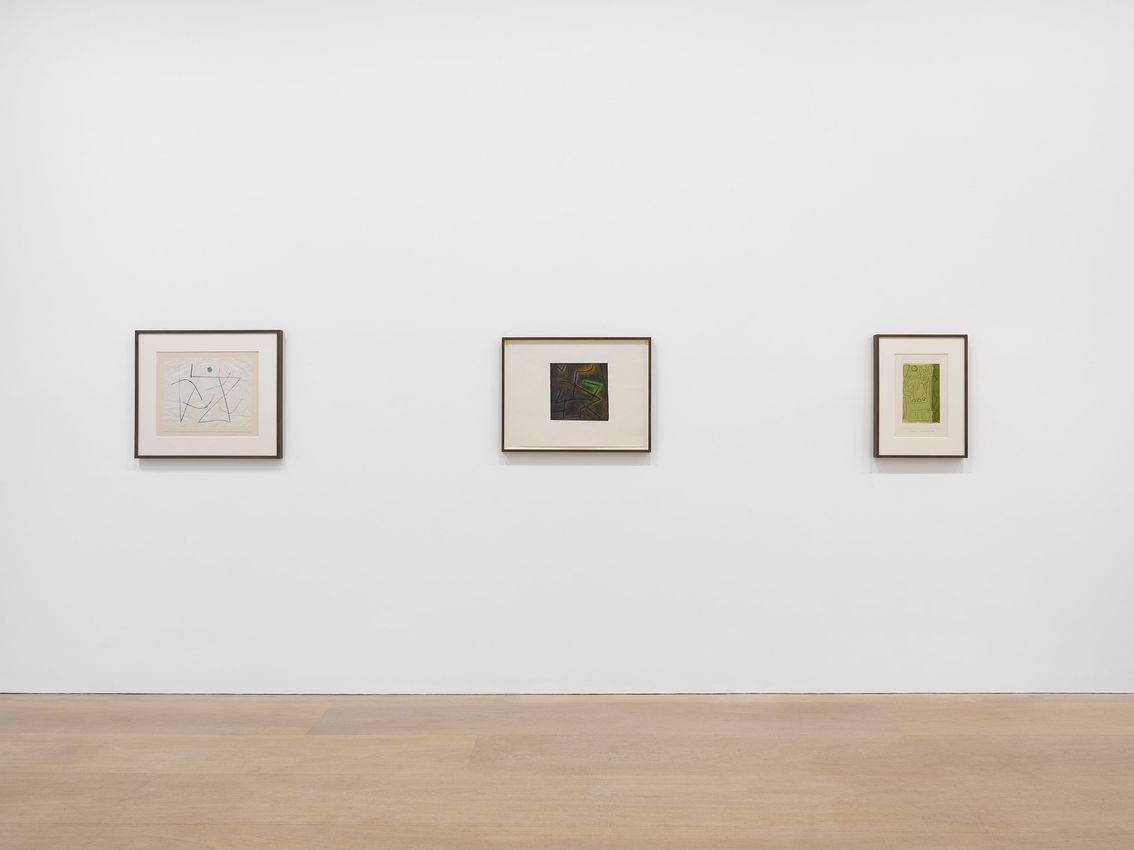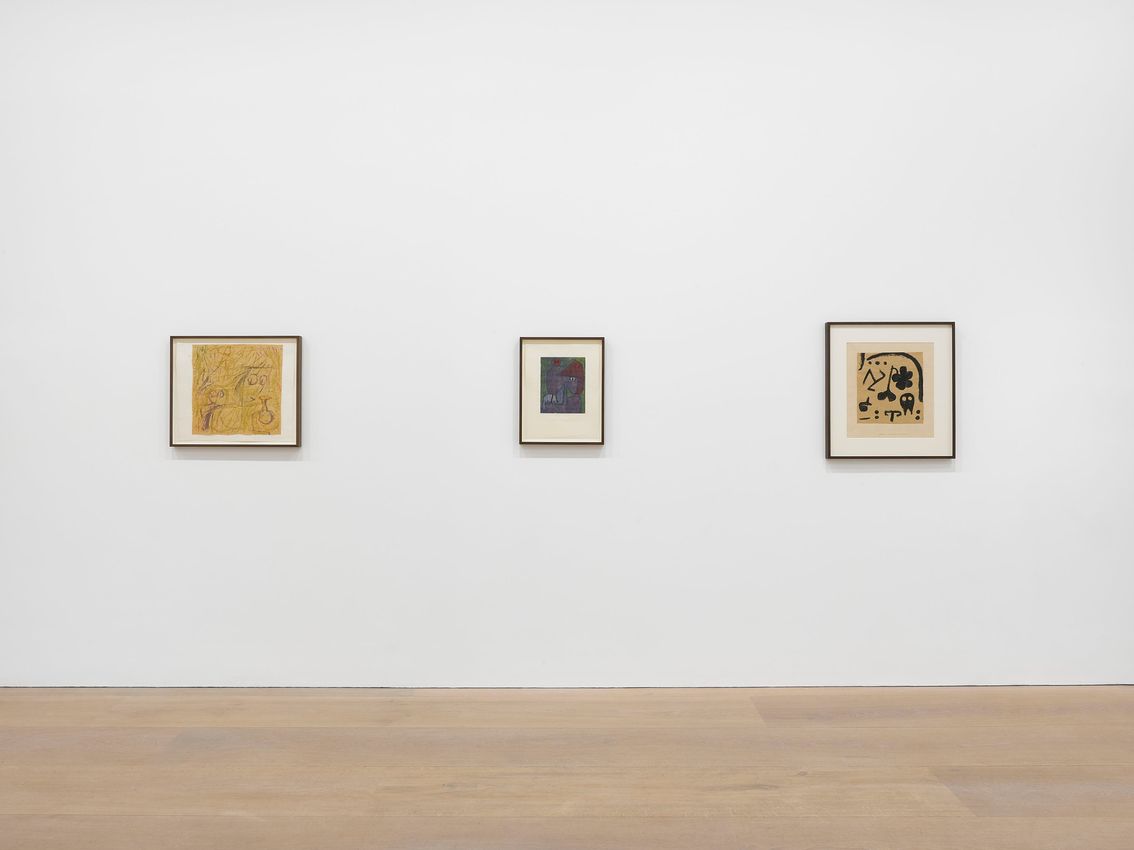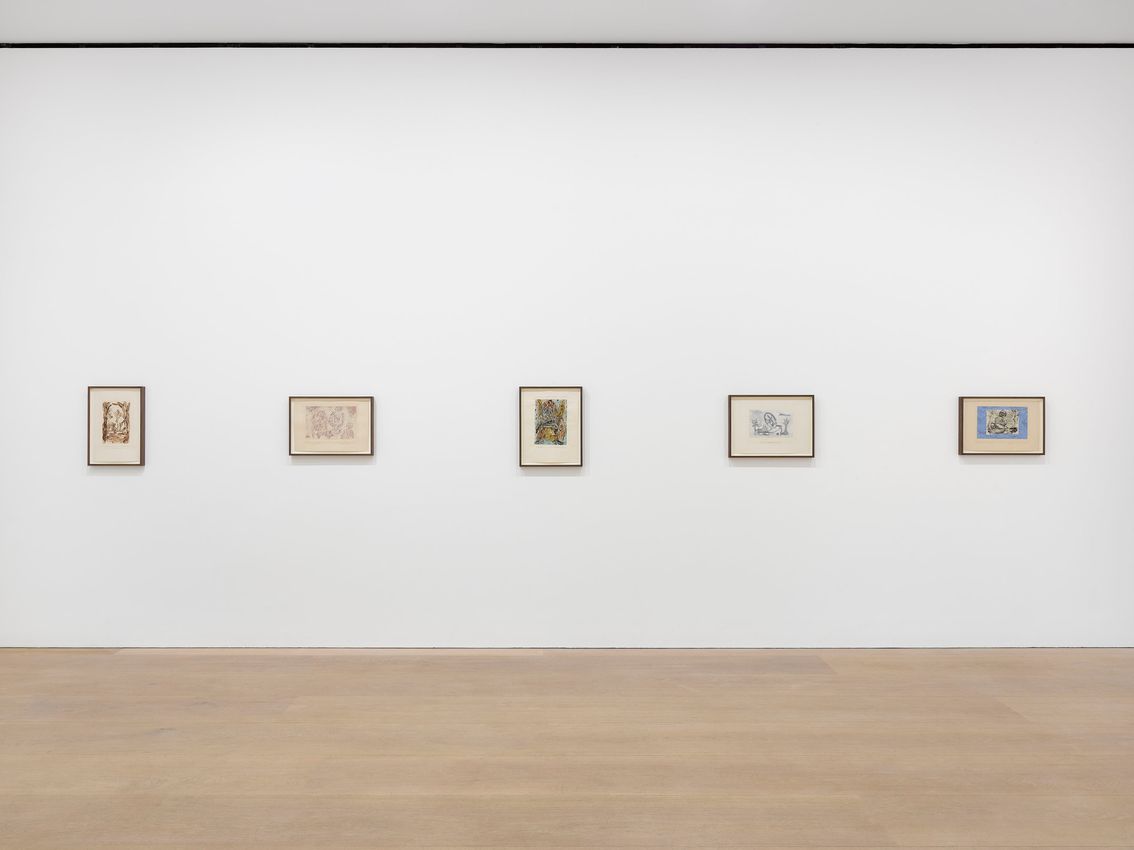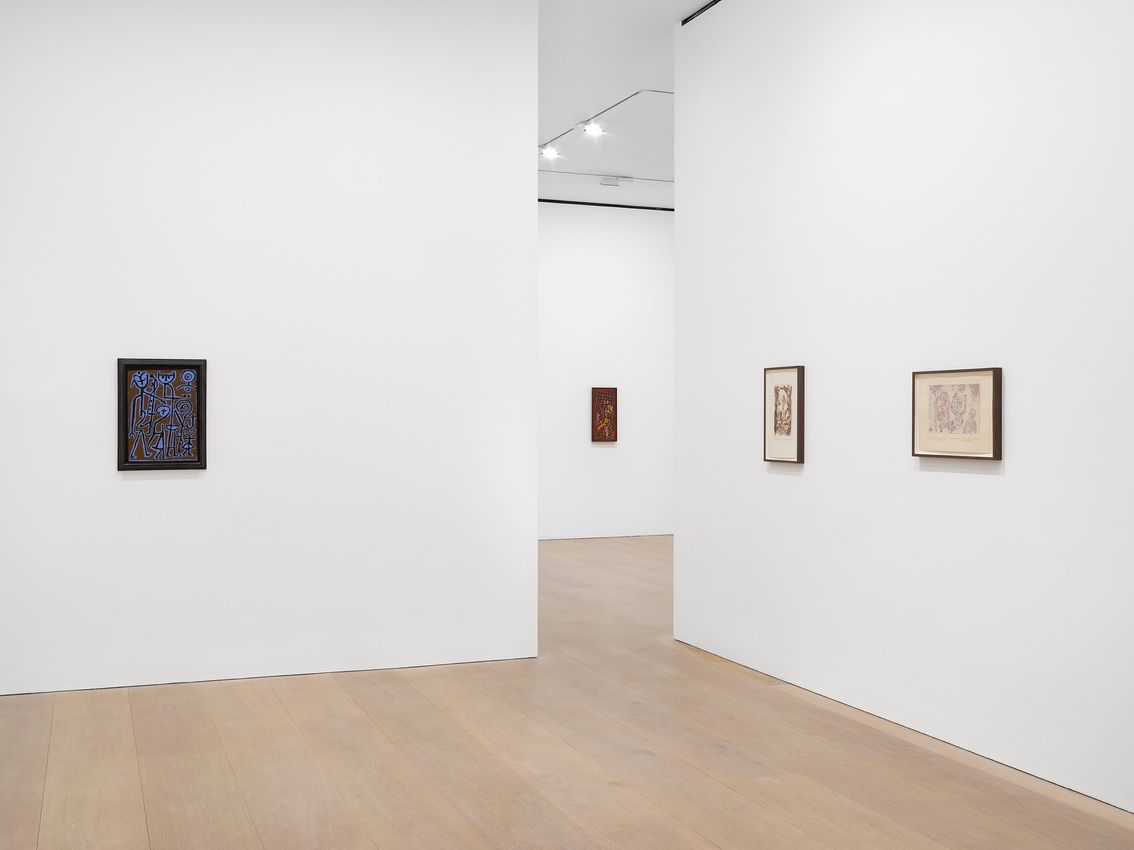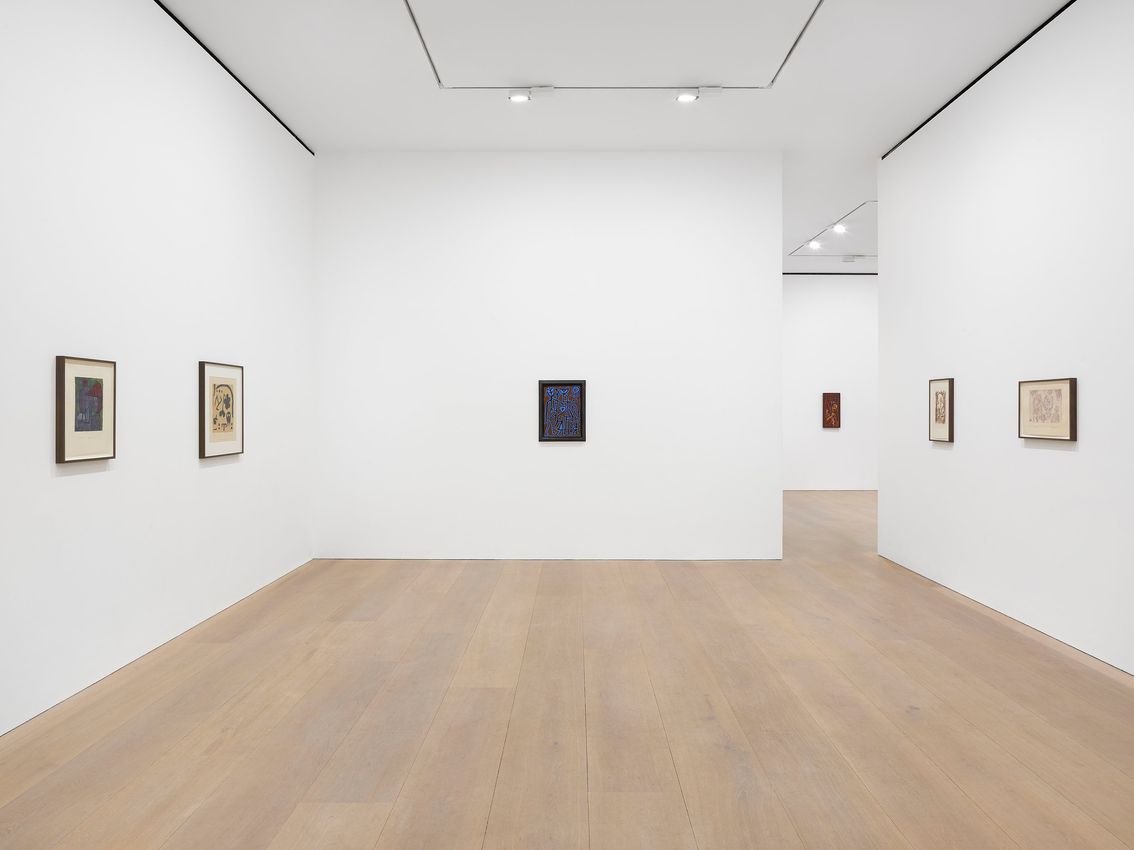
David Zwirner is pleased to present Late Klee, the gallery’s second solo exhibition of Paul Klee‘s (1879-1940) work since announcing its exclusive collaboration with the Klee Family. On view at the gallery’s London location, the exhibition will explore the diverse visual and formal styles of Klee’s art from the early 1930s until his death, in 1940.
In 1931, Klee left the Bauhaus, where he had taught and worked since 1921, moving to Düsseldorf to serve as a professor at the Kunstakademie Düsseldorf. Toward the end of 1933, in response to the suppression of avant-garde art practices by the newly empowered Nazi party, Klee left Germany, where he had primarily lived since 1906, and returned to his native city of Bern, Switzerland, residing there for the remainder of his life. From 1935 onward, Klee continually struggled with illness, which at times impacted his ability to work. During this period, against the backdrop of immense sociopolitical turmoil and the outbreak of World War II, Klee worked with a vigour and inventiveness that at times rivalled even the most productive periods from his youth.
The works on view in Late Klee highlight the diversity of Klee’s visual practice during this period. The play of line is evident in a series of graphic works that are often highly diaristic and personal. His skill as a colourist is presented through entirely abstract compositions as well as figurative pieces depicting mask-like faces. Ranging in subject matter and style, the works all testify to Klee’s restless drive to experiment with his forms and materials, which included adhesives, grease, oil, chalk, and watercolour, resulting in surfaces that are not only visually striking, but also highly tactile and original.
The range of works on display also speak to how Klee’s late period informed the art of subsequent generations of postwar artists, ranging from Anni Albers and Mark Tobey to Bridget Riley and Richard Tuttle, among countless others. To illustrate this influence, a selection of works on paper by Bridget Riley will concurrently be on display in the Upper room.
A pioneering modernist of unrivalled creative output, Paul Klee (1879–1940) counts among the truly defining artists of the twentieth century. An artist, teacher, writer, and thinker, Klee explored and expanded the terrain of avant-garde art through work that ranges from stunning colourist grids to evocative graphical productions.


A respected voice in contemporary art discourse.
Focusing on ambitious storytelling and insightful art-world commentary. Ocula Magazine publishes in-depth interviews, critical essays and timely analysis on the artists, exhibitions and ideas driving the global art world.
Learn more about Ocula Magazine
Showcasing the best of the art world.
Ocula partners with galleries from around the world to highlight their artists, artworks and exhibitions. Gallery membership is by application and invitation, with each member vetted by an independent panel.
Learn more about Ocula Membership

Specialises in the sale of major artworks.
Led by a team with deep ties to the world’s leading auction houses, galleries and collectors. Ocula’s advisory team offers bespoke services to high-net-worth clients from around the world who are looking to acquire the best of contemporary and modern art.
Learn more about our team and services