2024.05.16 - 2024.06.30
DUMONTEIL | Bldg 105, 199 Hengshan Rd. Shanghai
Opening Hours:Tue.-Sat. 11:00 – 19:00
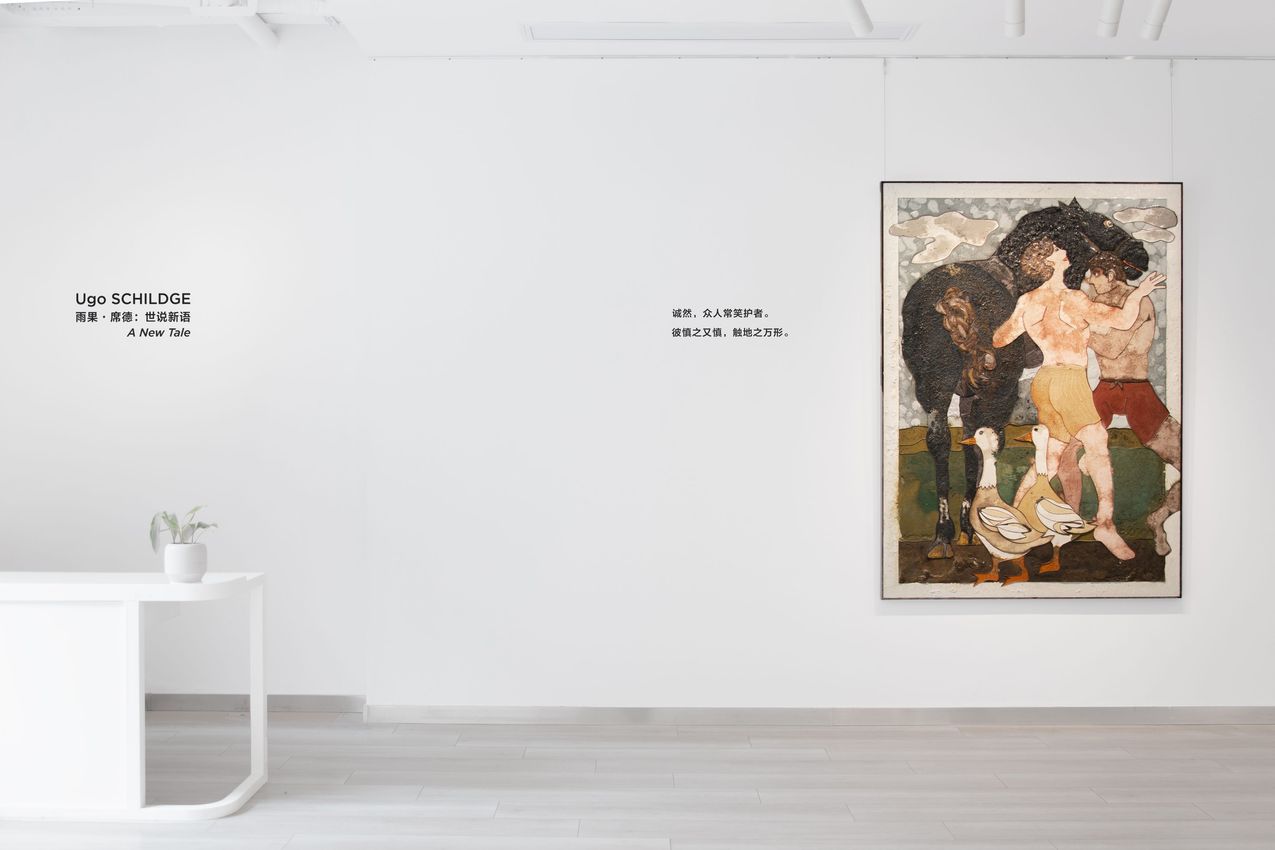
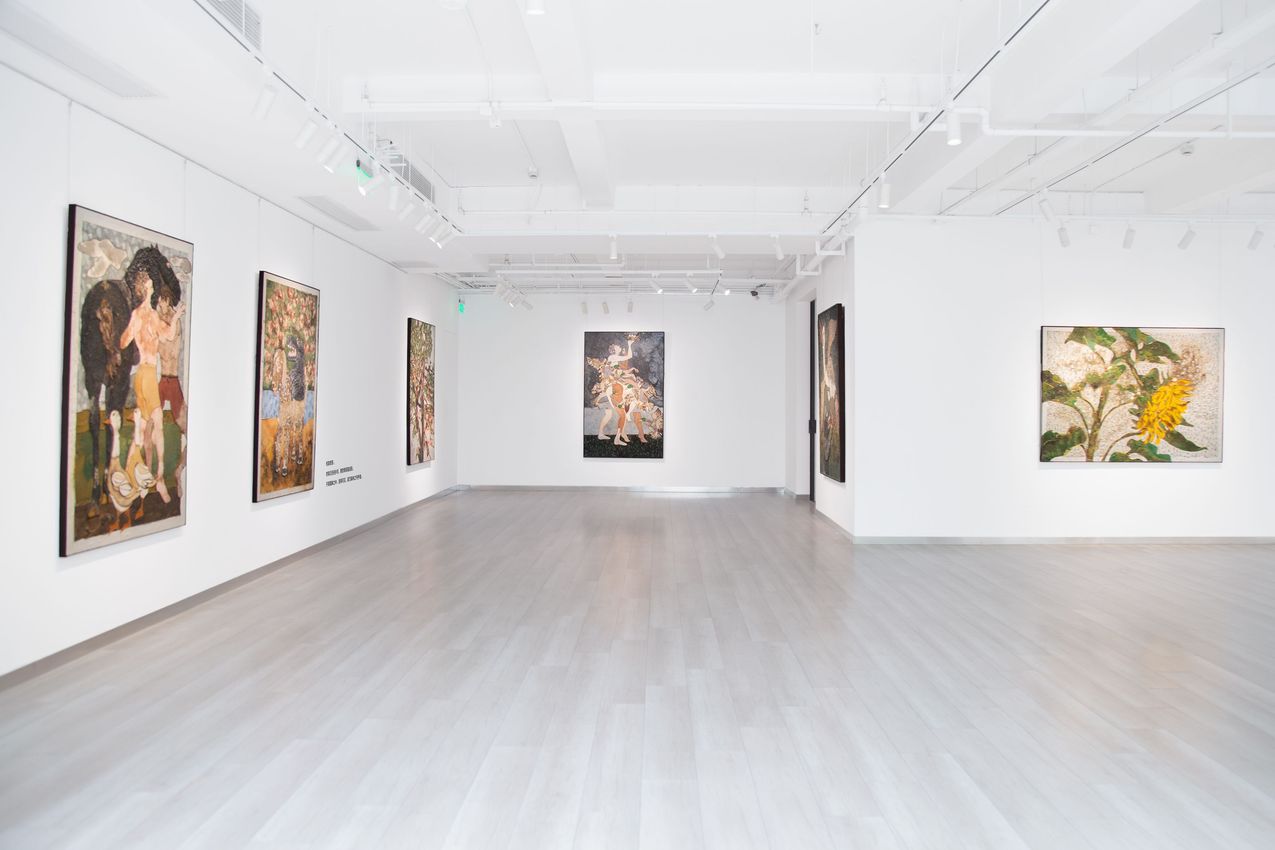
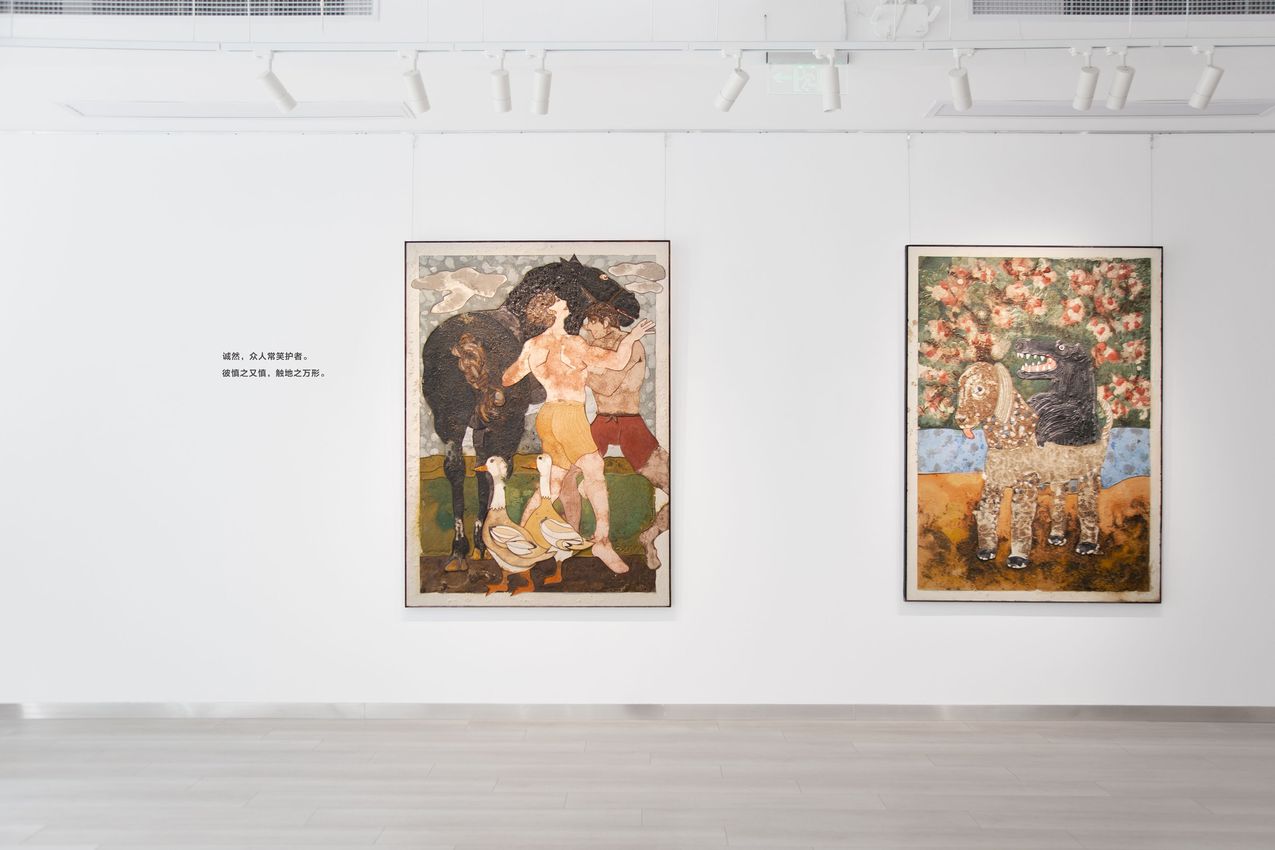
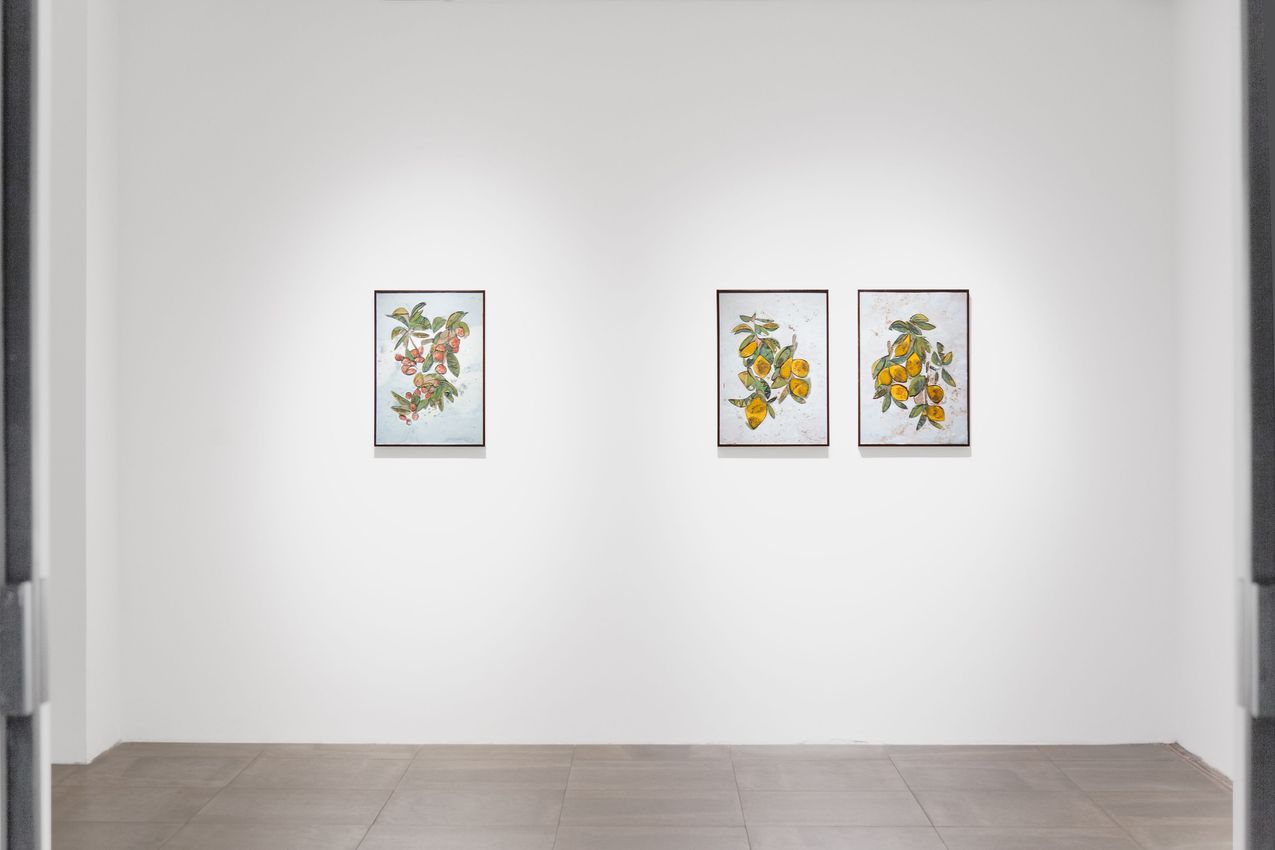
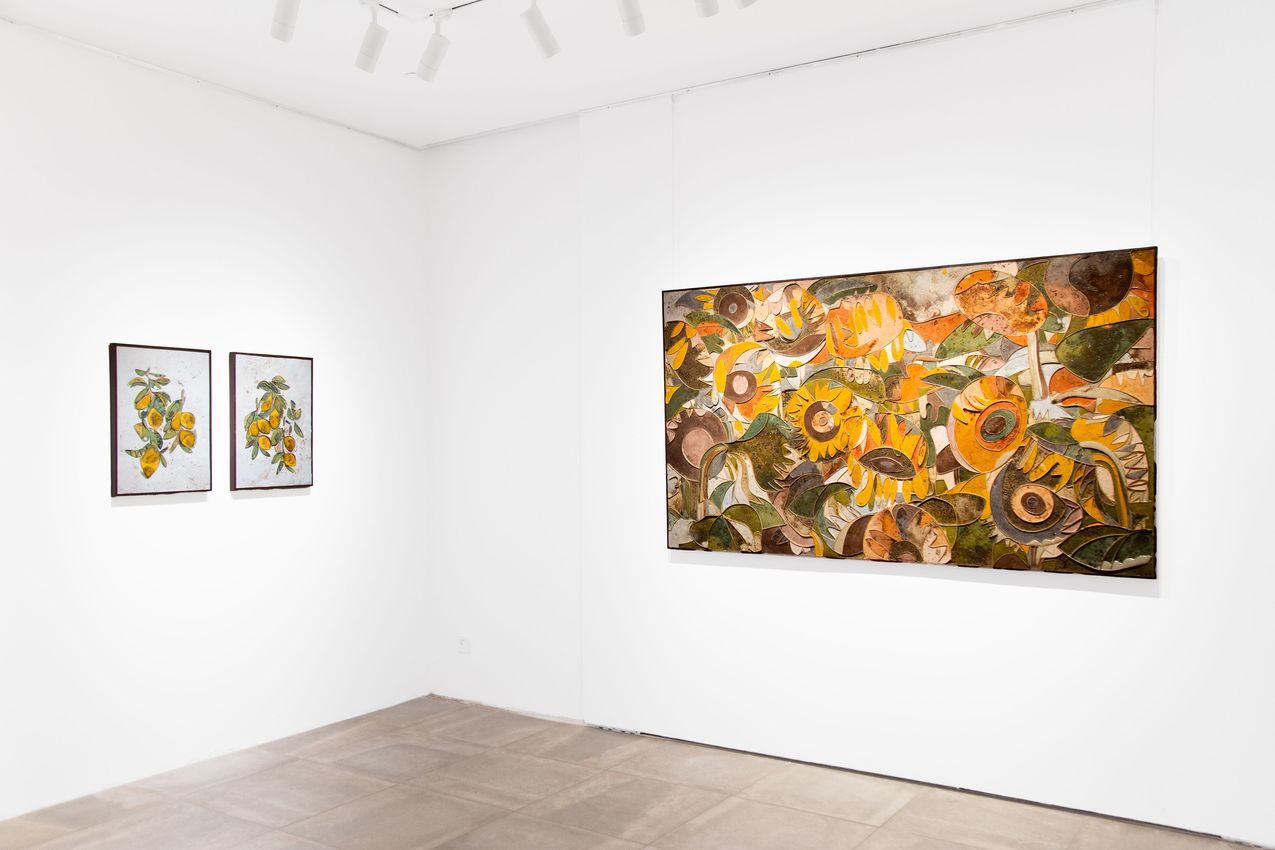
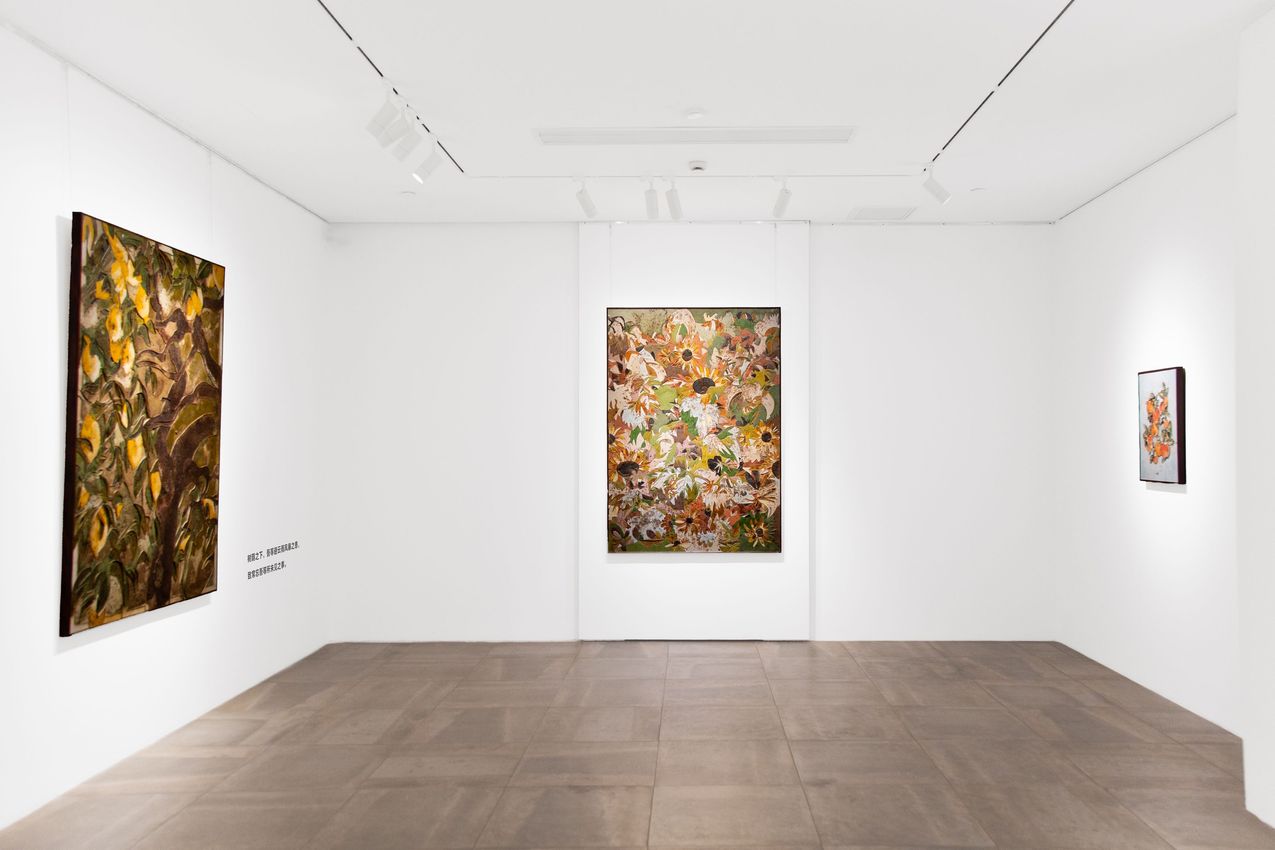
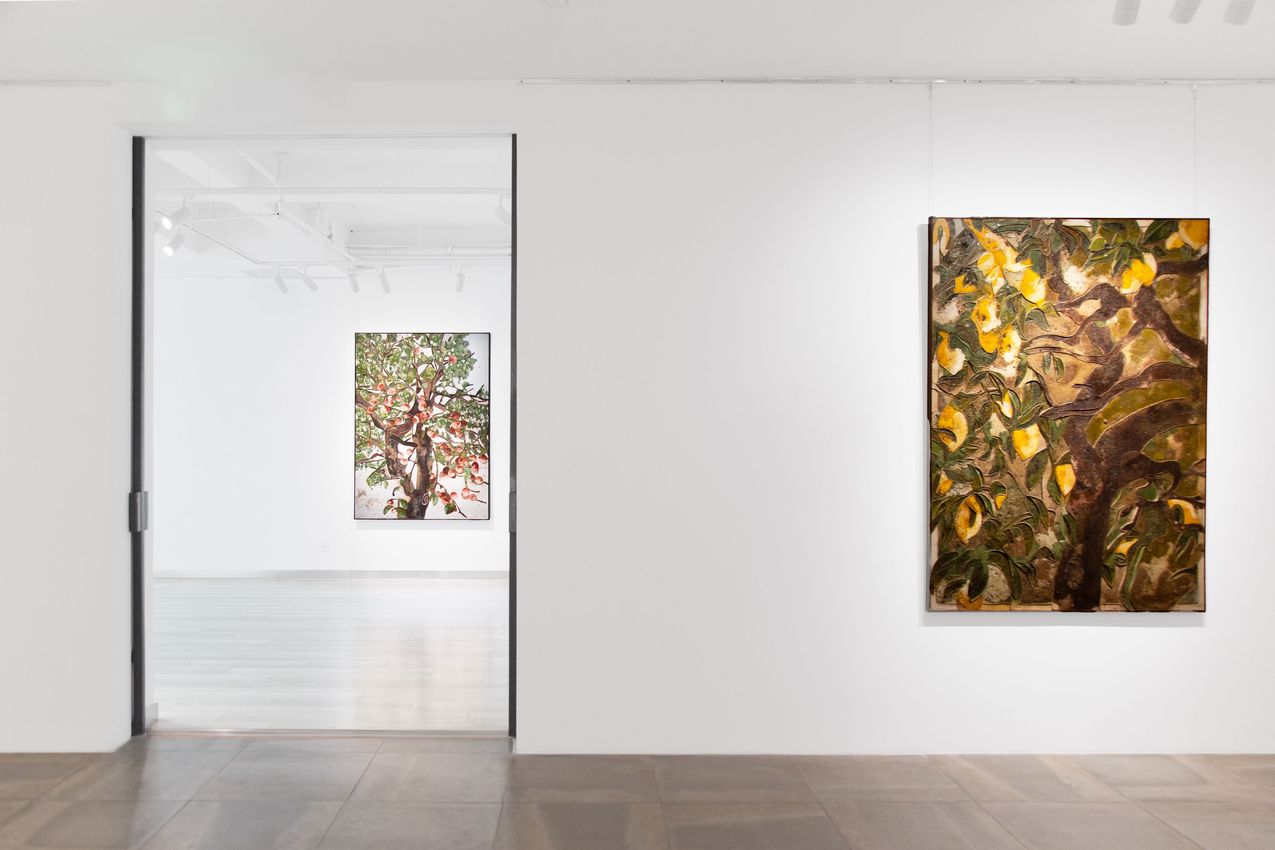
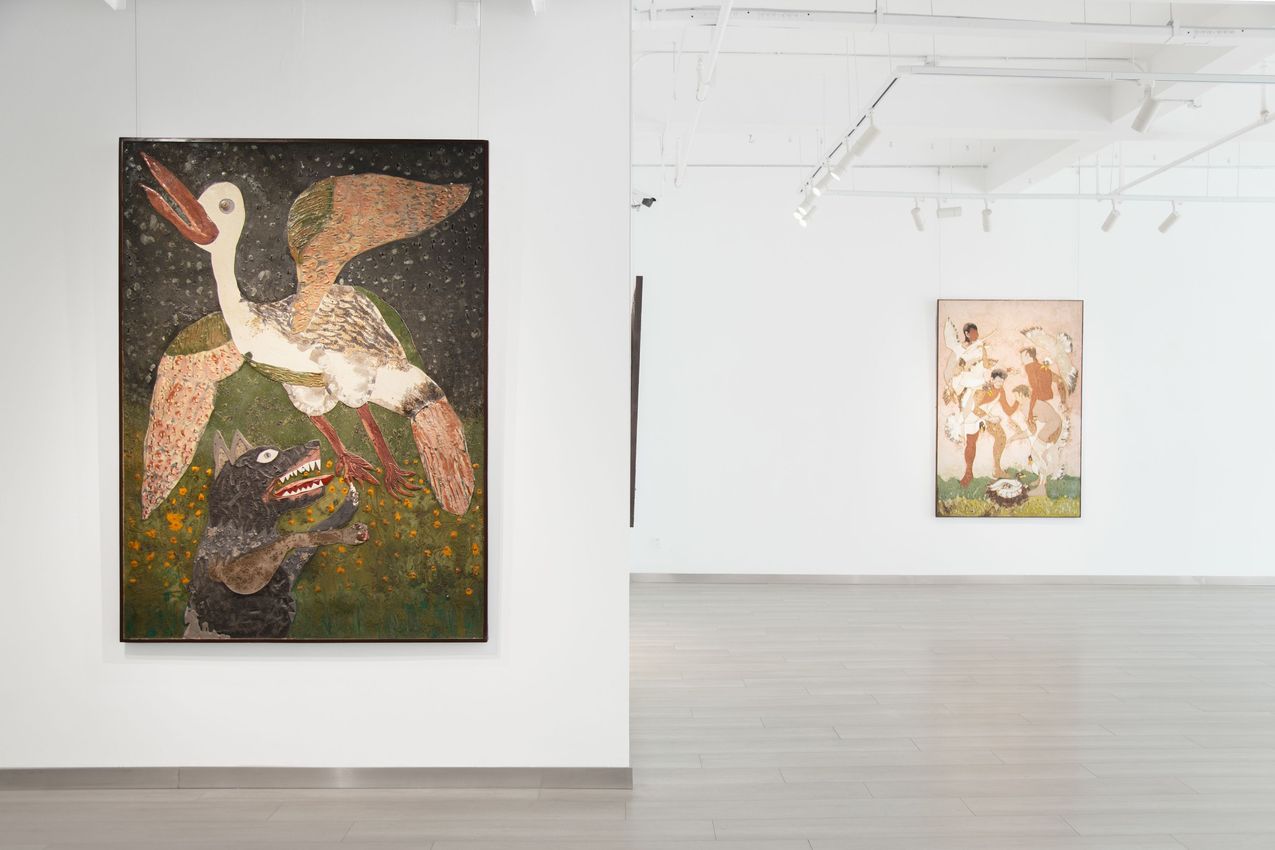
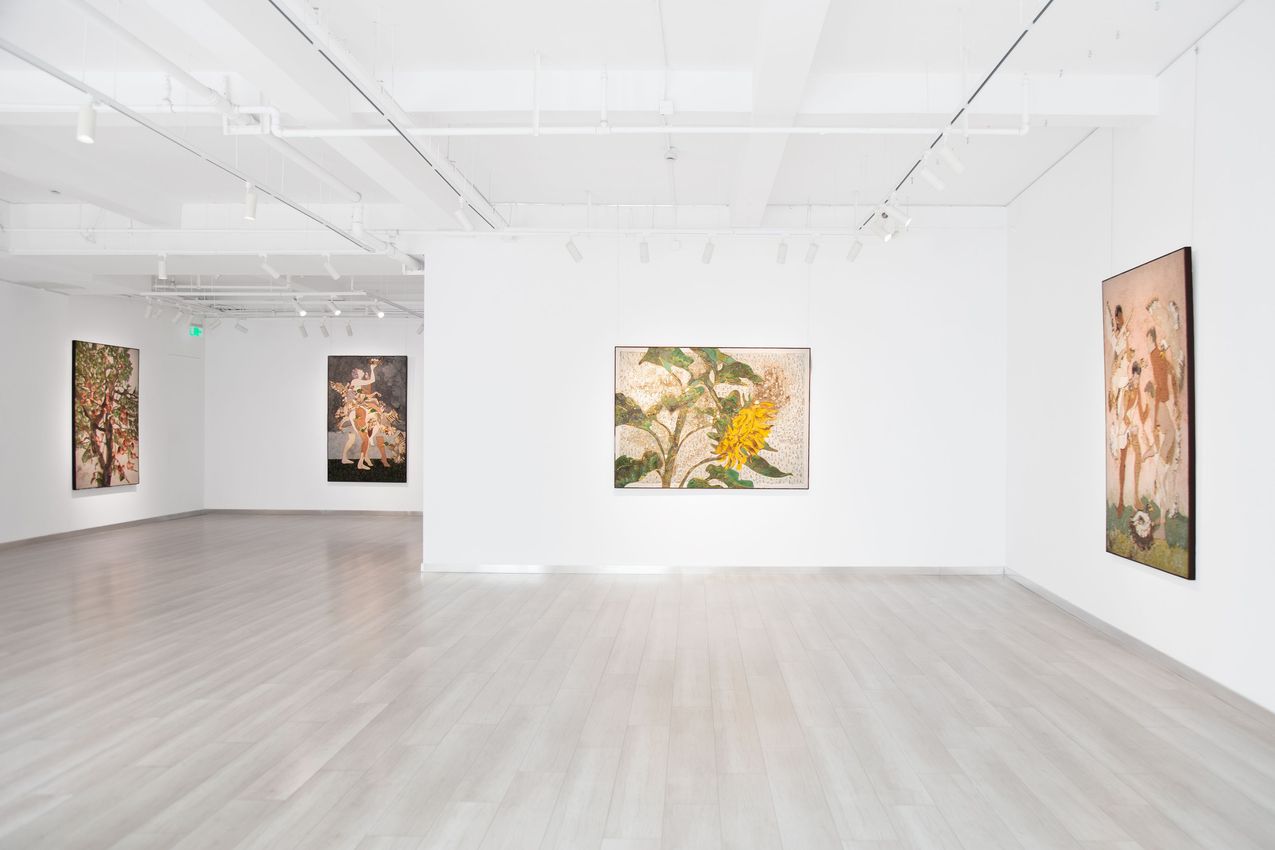
DUMONTEIL Shanghai is delighted to present A New Tale, the solo exhibition of French artist Ugo SCHILDGE. This marks the artist’s fourth solo exhibition with the gallery, showcasing nearly twenty of his most recent works. Through a series of intriguing allegories and the artist’s unique approach, which oscillates between sculpture and painting, A New Tale explores the deep connection between mankind and nature, and re-examines those seemingly taken-for-granted power relationships.
Nothing grows well in the shade of a big tree.
— Constantin Brancusi
This quote holds special significance for Ugo Schildge, as it was a piece of advice given to him by Giuseppe Penone, his mentor at the École nationale supérieure des beaux-arts in Paris. It suggests that true independence is essential for achieving great heights. Since then, Schildge has always considered the pursuit of independence, both in thought and expression, as the foundation of his practice.
It is this independence that this exhibition aims to demonstrate, just as Milan Kundera’s constant vigilance against ‘Kitsche’. ‘A New Tale’ narrates contemporary stories against the backdrop of ancient times, urging us to cast aside the veil of modern urban life and face the elements that grow under the sun and in the rain, reconnecting with nature before everything is labeled as resources.
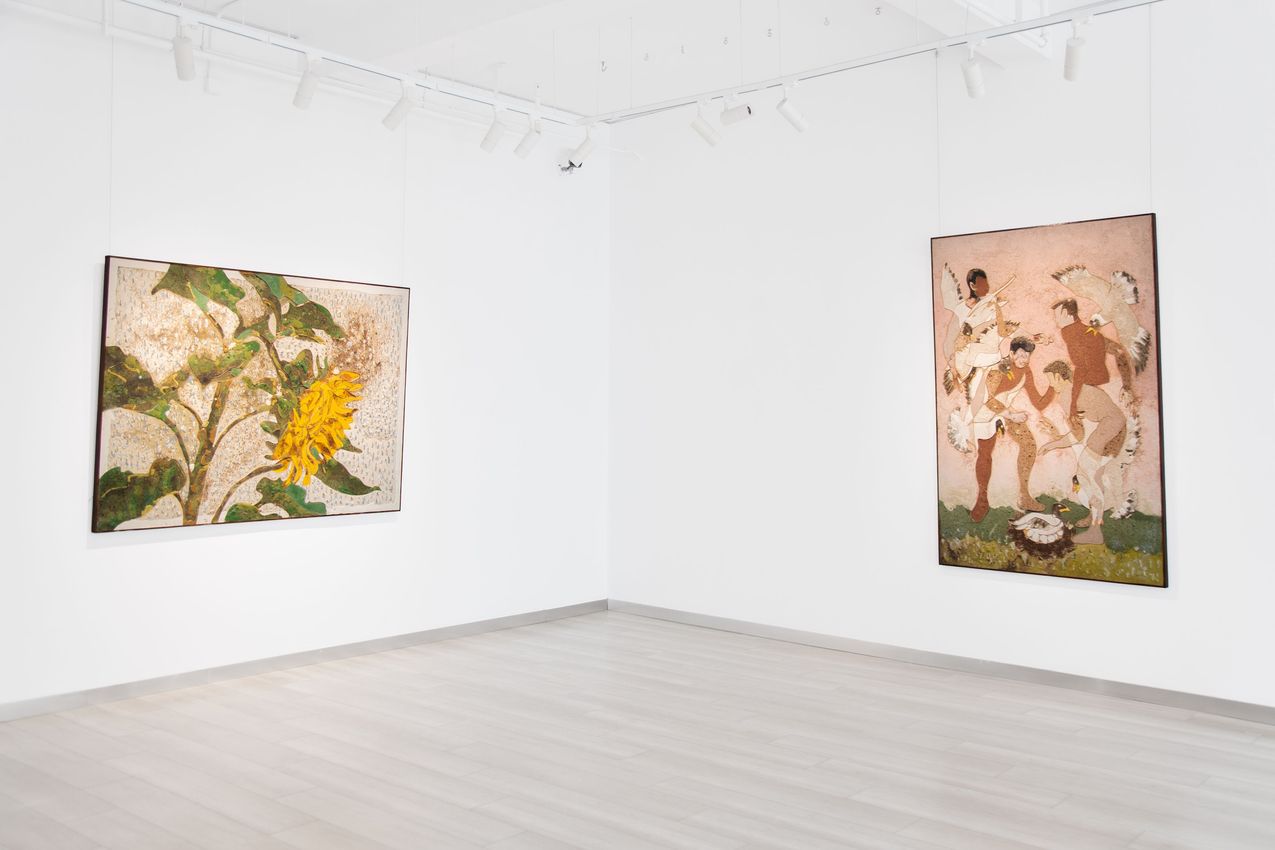
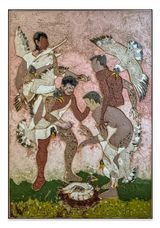
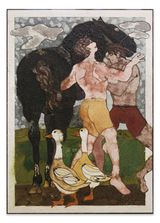
Schildge is not a radical advocate; he conveys his message through metaphorical narratives that fold and unfold. In works like The Egg Thief (2024) and The Chicken Thief (2024), he uses seemingly absurd scenarios to solidify the fact that, in our pursuit of well-being, we often harm the environment and infringe upon the interests of animals. Humans are portrayed as thieves, robbers, and trainers. However, more importantly, he sharply points out the deep-seated relationships between the ‘front’ and ‘back’, often condemning the bending ‘thief’ while rarely touching upon the complex interests and transaction networks behind, sparing the ultimately profiter who stands high above.
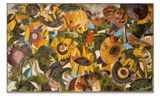
The large-scale works portraying nature also reflect Schildge’s stance. He chooses the unwavering wilderness of nature through sunflowers standing in the rain, bountiful lemon trees, and fields of flowers blossoming like fireworks. As we stroll through the exhibition hall, it is hard to imagine that these vibrant works are created from industrial building materials such as concrete, plaster, and wood. Perhaps this is the artist’s way of reconciling with his role as an urban citizen. Through his unique approach, Schildge gives these ‘accomplices’ of urban development a colourful and diverse form, becoming the conveyors and witnesses of his message.
The exhibited works allow us to see Schildge’s retrospective and prospective views of his creative process, such as the transformation of images, mechanisms, and concepts in his creations. The Flower Field (2024)
reminisces the artist’s use of gears to reshape the image source, establishing new viewing ways by breaking and reassembling. In the Rain (2024) integrates his latest experiments. The falling raindrops are ‘frozen’ in the picture in the form of droplets, and the texture of the raindrops ‘restores’ the fact that water can penetrate stone in real life.
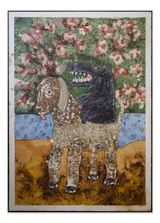
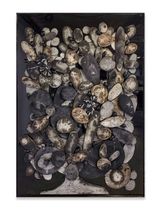
At the same time, these works reflect the artist’s persistence in seeking breakthroughs in existing forms of expression to achieve maximum creative freedom. If The Flower of Evil (2020) uses multilayers to give the image a three-dimensional texture and depth as much as possible, then The Stork and the Wolf (2023) and Tartaros (2023) are attempts to break free from the constraints of wooden strips, using different intervention methods during the transformation process from liquid to solid to obtain more details and textures than before. Through these accumulations, Schildge can now choose ‘more’ or ‘less’ as he sees fit, while constantly injecting new possibilities.
A New Tale presents Ugo Schildge’s profound reflections on the relationship between nature and humanity, as well as his continuous exploration of artistic expression. The artist challenges us to reconsider our roles in the world, to break free from established patterns, and to set aside loud cries. Only then will we be able to move forward with more independence and conscience.
Ugo Schildge has developed a new approach on wood panel with materials including but not limited to wood strips, natural pigments, plaster, which questions the traditional form of an artwork, blurring the border between painting and sculpture, canvas and media, control and freedom, and creating a perpetual come and go between figurative and abstract, conscious and unconscious, technique and illusion.


A respected voice in contemporary art discourse.
Focusing on ambitious storytelling and insightful art-world commentary. Ocula Magazine publishes in-depth interviews, critical essays and timely analysis on the artists, exhibitions and ideas driving the global art world.
Learn more about Ocula Magazine
Showcasing the best of the art world.
Ocula partners with galleries from around the world to highlight their artists, artworks and exhibitions. Gallery membership is by application and invitation, with each member vetted by an independent panel.
Learn more about Ocula Membership

Specialises in the sale of major artworks.
Led by a team with deep ties to the world’s leading auction houses, galleries and collectors. Ocula’s advisory team offers bespoke services to high-net-worth clients from around the world who are looking to acquire the best of contemporary and modern art.
Learn more about our team and services