Press Release

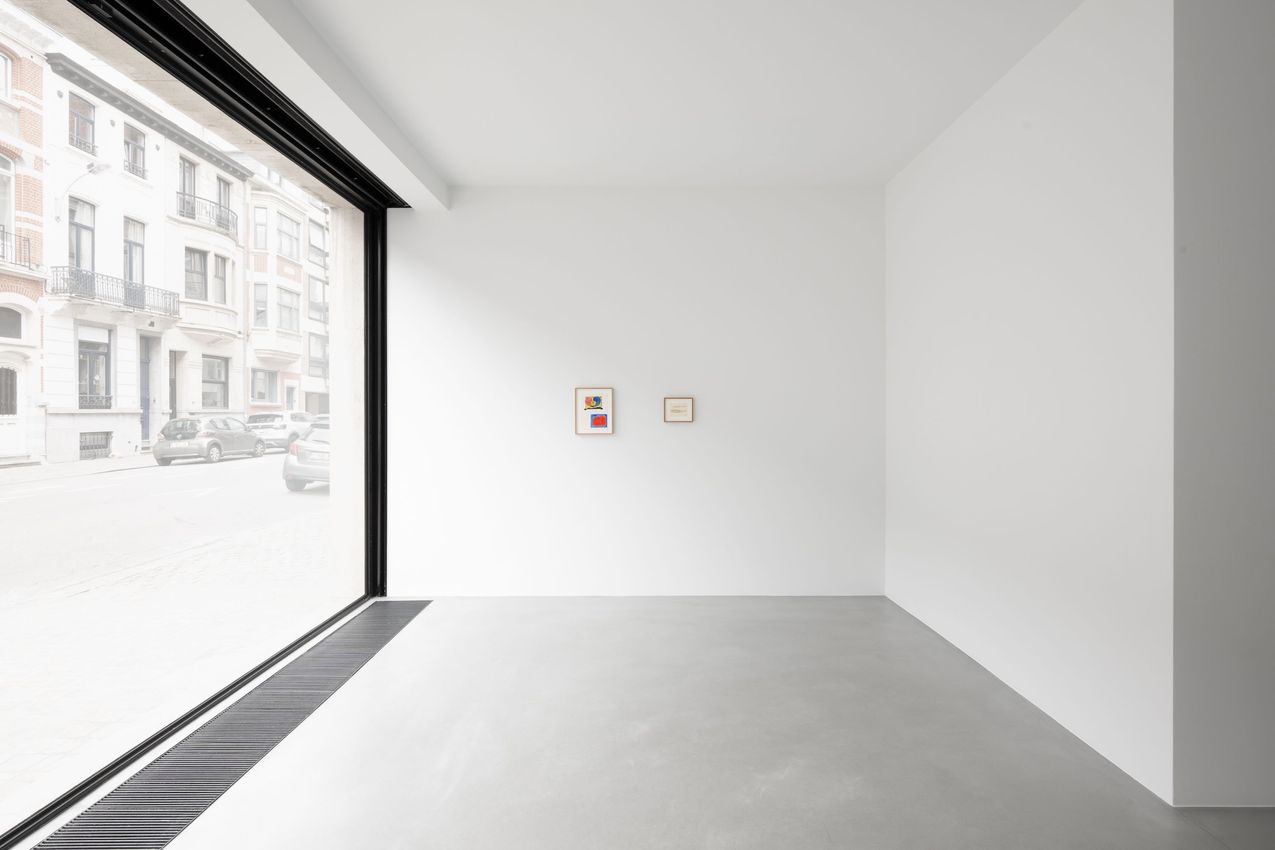
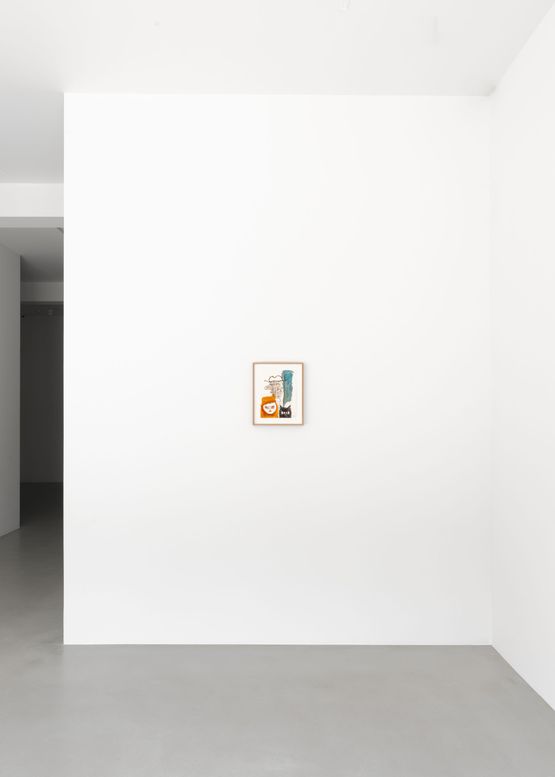
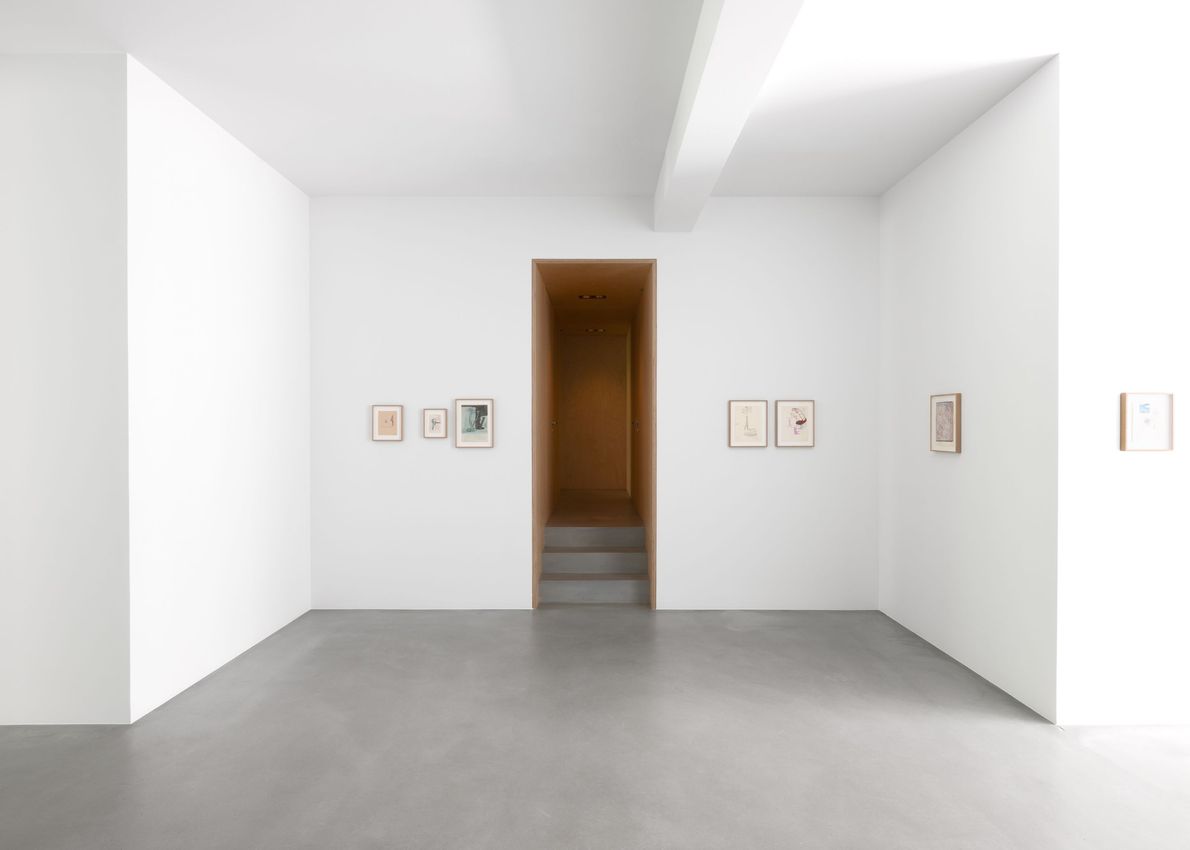
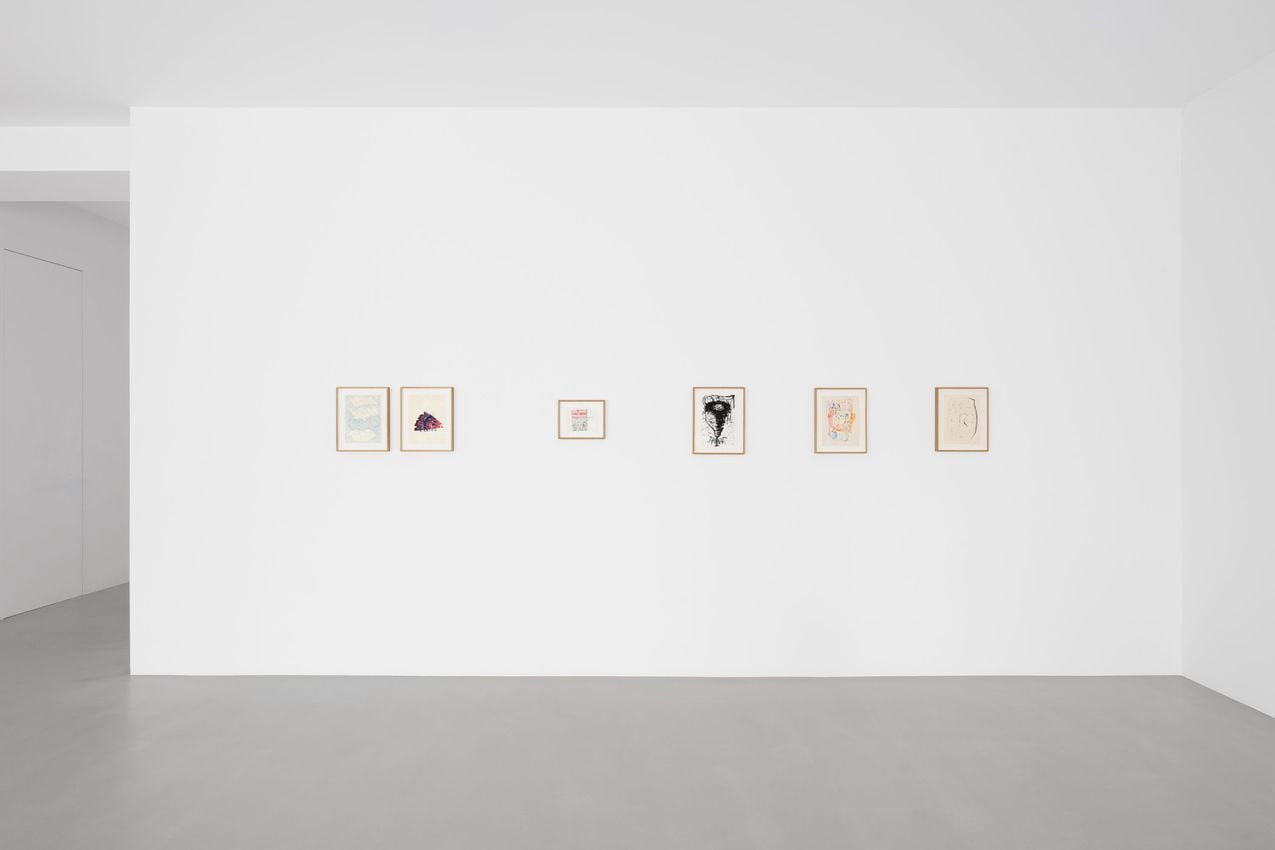
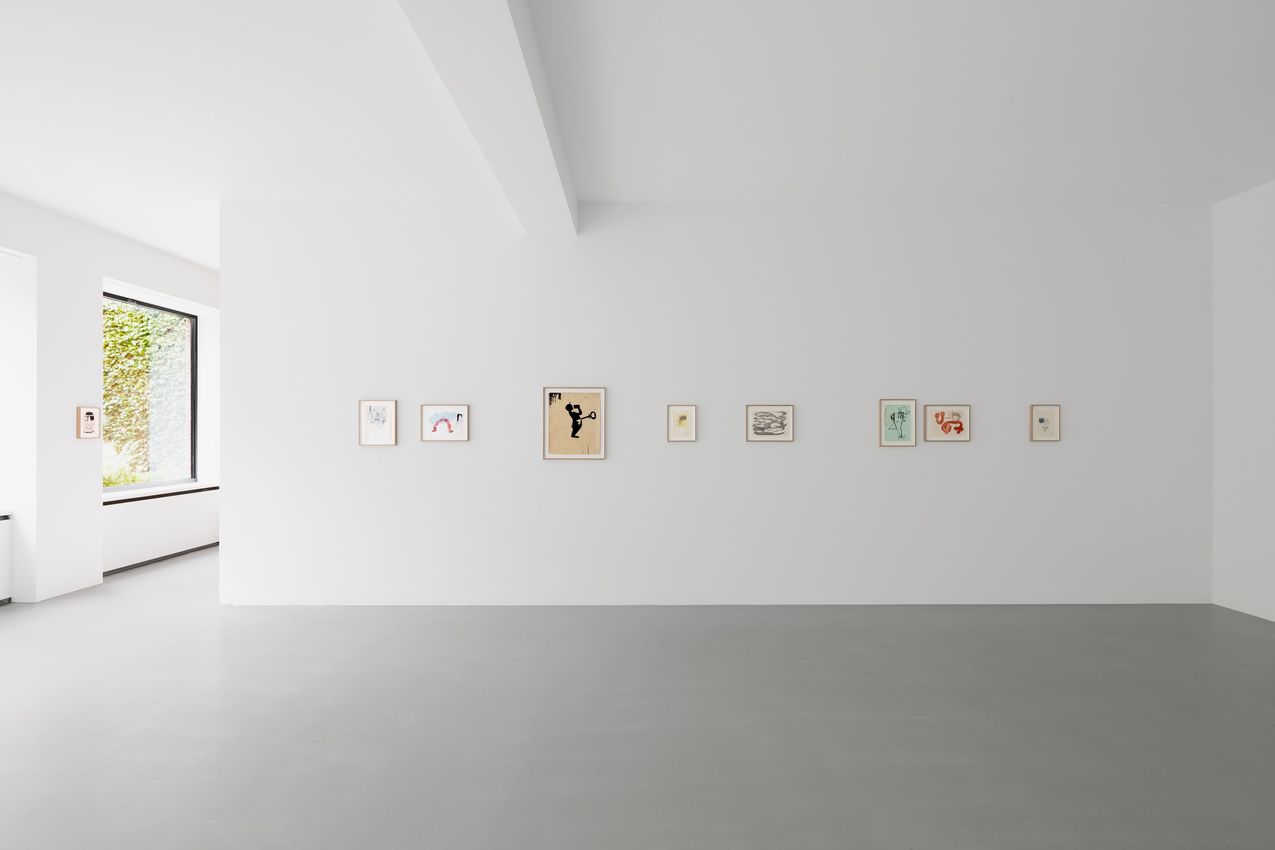
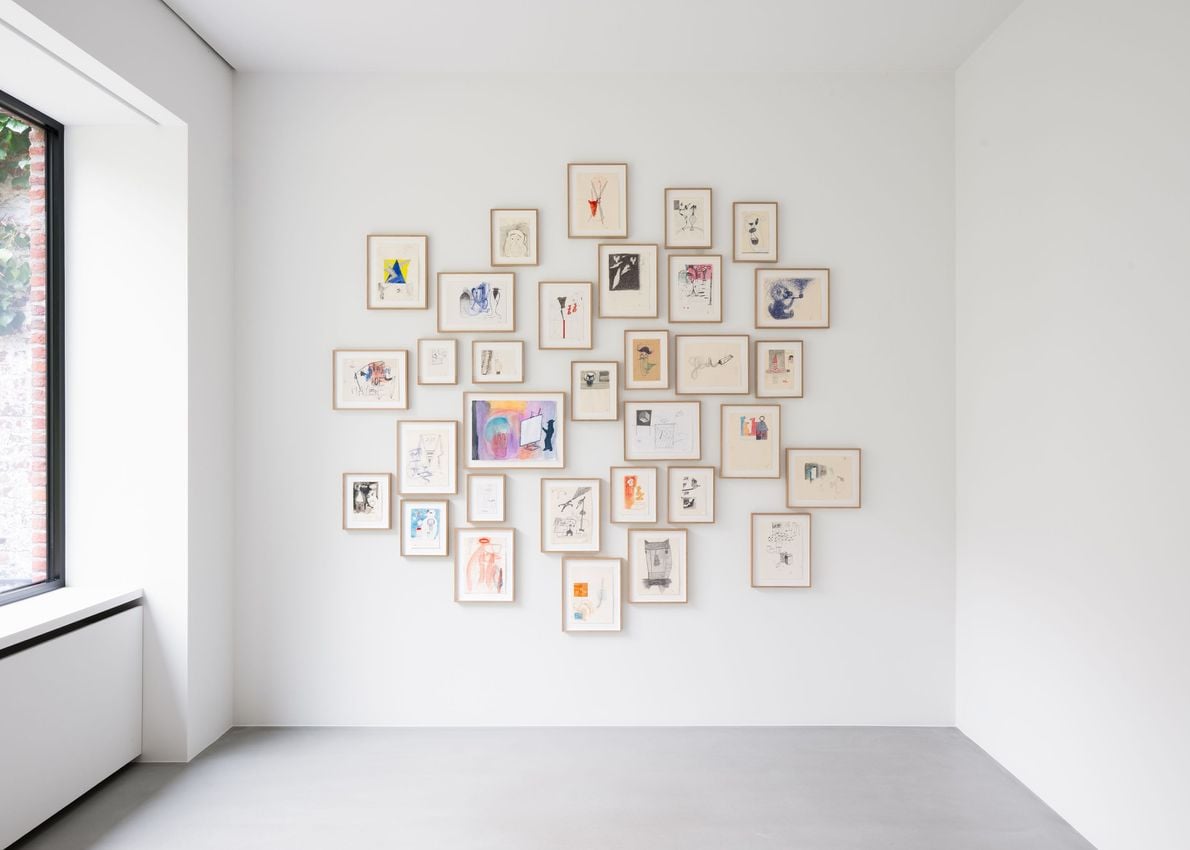
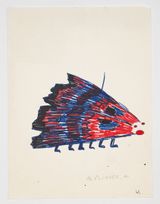
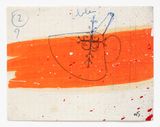
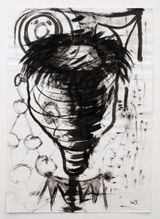
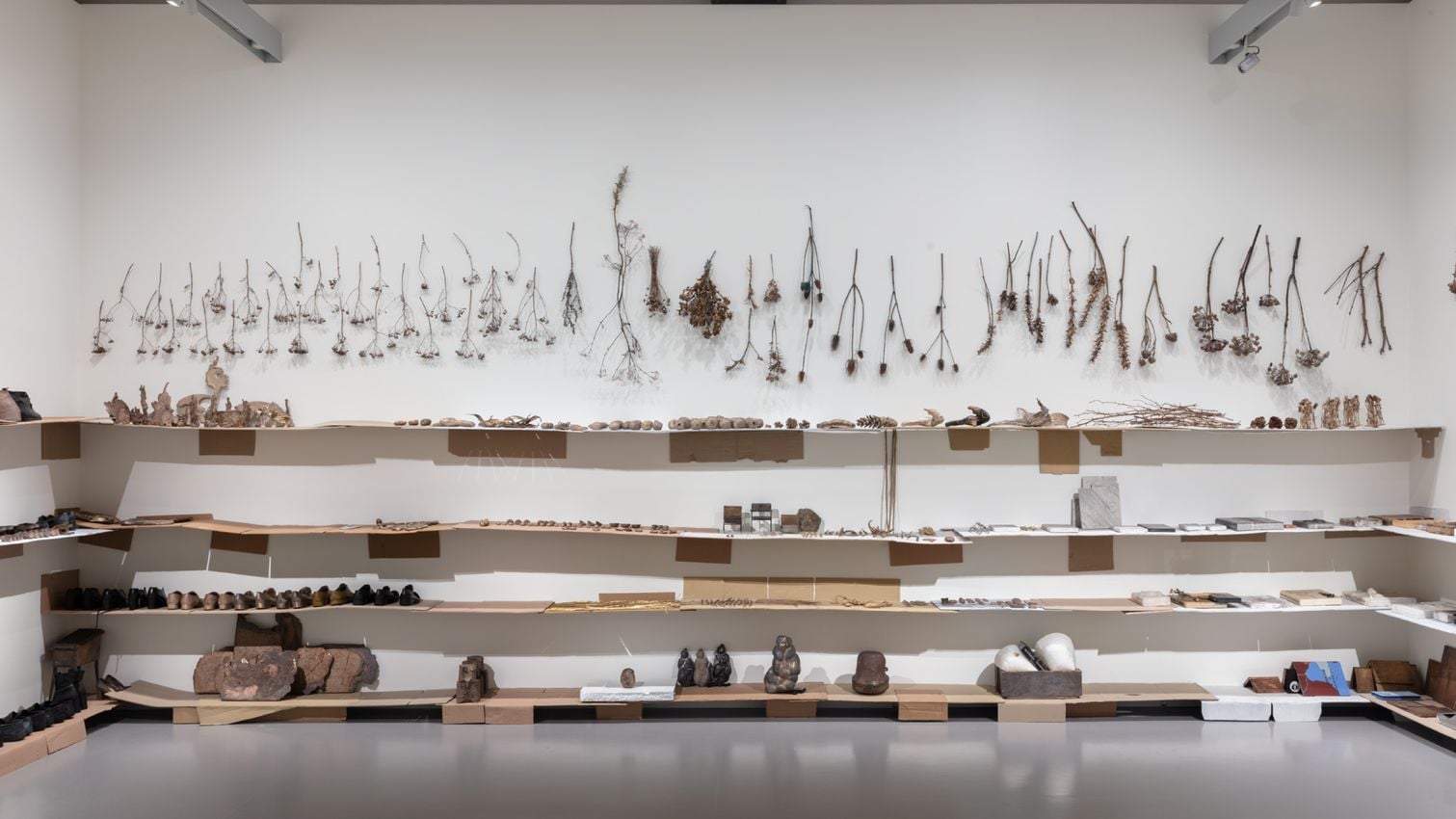
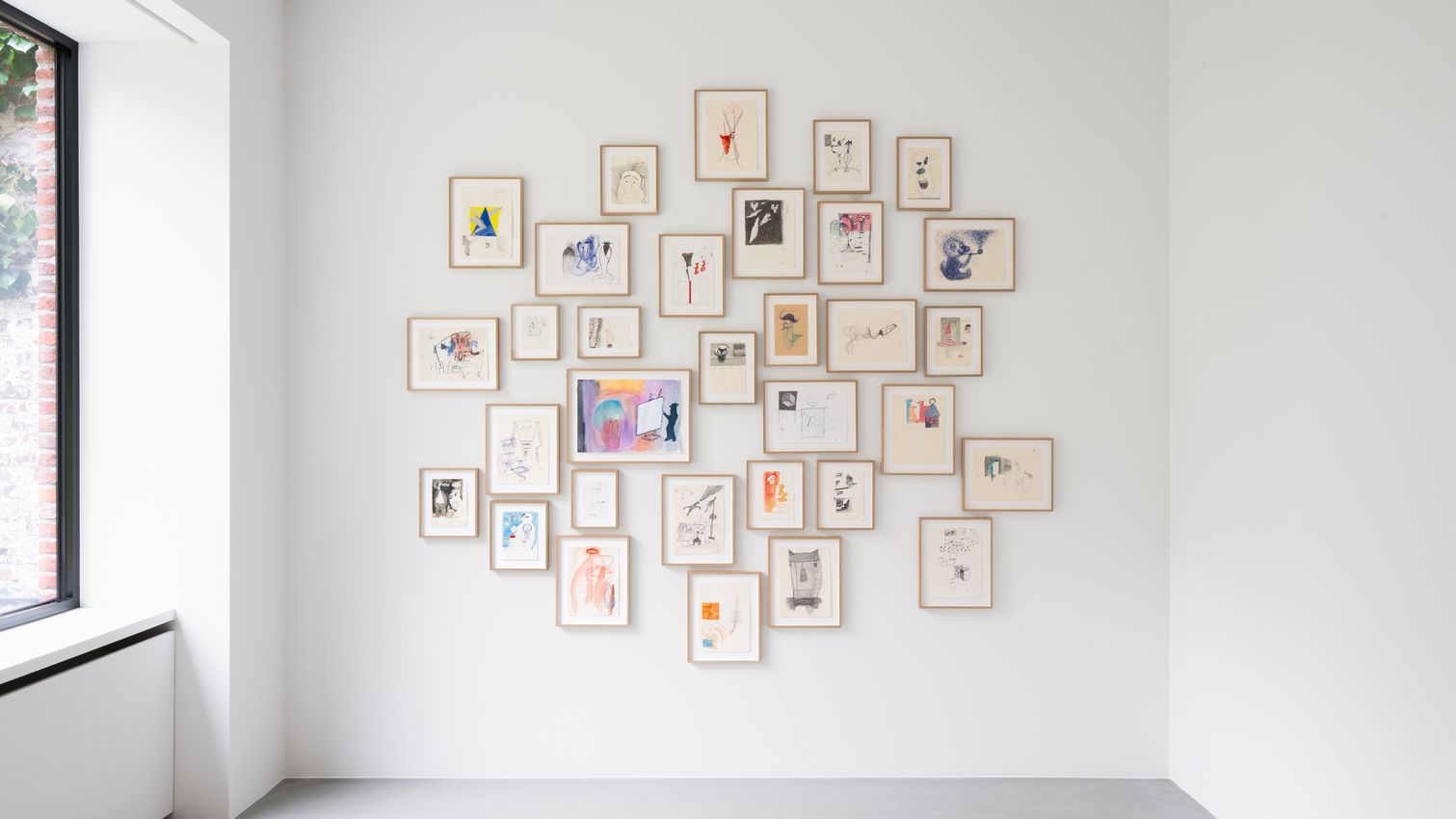
Walter Swennen often said that painting is born from a bifurcation, and that a project only becomes a work when something unforeseen emerges in the course of its making: when a leap into the unknown, an error finds its way into the image. Marking the first exhibition dedicated to the artist since his passing in 2025, Xavier Hufkens presents a significant group of previously unseen works on paper, curated by Yann Chateigné Tytelman.

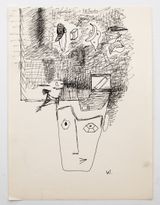
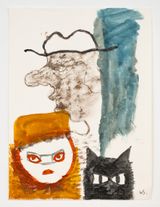
In these works, which span much of Walter Swennen’s career, it is the process itself—the artist’s laboratory—that comes into view. Sketches, tests, improvisations, repetitions, obsessions, errors: figures and motifs recur and transform, styles evolve and intermingle, techniques and supports multiply, all revealing Swennen’s persistent refusal of classification and his resistance to any attempt to reduce his practice to a single, univocal mode of painting.

One of the strategies employed by Swennen—or rather one of his “tactics,” as he preferred to call them, emphasising that his practice was shaped by a series of situational decisions rather than any overarching plan—emerges from his exploration of the powers of surprise, unexpected encounters, and chance resolutions. The works presented here reveal the inexhaustible resources of this intuitive navigation through memory and visual culture, the obscurity of the inner self, and the strange power of associations.

To look at a drawing by Walter Swennen is, in a sense, to follow the thread of his thought: to be guided by connections and references, to trace transformations and unexpected hybridisations, and to encounter “errors”—understood as interruptions in the logical and normative flow of thought—that allow these works, despite their extreme simplicity or even spareness, to radiate a singular density.

errata invites us to drift along the artist’s mental meanderings, to lose ourselves in a mental laboratory in order, ultimately, to find something else: a capacity to resist all forms of prediction; a poetics that is at once humorous, moving, and strange; a raw, almost untamed energy, critical of any form of dogma or aesthetic normativity. From error to errancy, the exhibition thus traces a passage through an inner landscape composed of a myriad of marks set down on paper, a practice that unfolds beyond established norms, and a ceaseless process of mental investigation.

One of Walter Swennen’s recurring preoccupations was the production of errata at the conclusion of his projects—books, exhibitions—revisiting, after the fact, what had already been printed, inscribed, and established. The principle of an erratum is to introduce into a finished object a correction that contradicts its content: to instill doubt, to refine, to alter a detail. In other words, to reopen what has been closed, to restore life to a form once considered complete. Applied to painting and artistic production, the logic of the erratum—or rather of errata, in the plural—can be understood as a means of generating the unforeseen, of provoking reversals, of reintroducing error and vitality into what might otherwise become a mechanical system of production.

It is also a way for the artist to reopen the meaning of his work, to introduce a disturbance—a suspension necessary to the existence of the enigma that painting represents—and to preserve a space for the viewer’s interpretation. The works on paper in this exhibition could thus be seen and read as so many errata: as ways of reactivating a body of work built entirely on an engagement with the unpredictability of existence. They stand, quite simply, as evidence of the necessary sinuosity of creative work, and of the ways in which art can become porous to the raw chaos of life itself.

Read More
About the Artist

Walter Swennen is known for his radical, experimental and associative approach to painting, which is perhaps best summarised as a belief in the total autonomy of the artwork. For Swennen, a painting does not need to be ‘emotive’ or ‘understood’: the primary goal of painting is, quite simply, painting. Everything – form, colour, subject – comes from the outside. A poet before he became a painter, it is perhaps no coincidence that Swennen perceives painting to be an act of translation and that language plays a vital role in his practice. In the early 1980s, Swennen stopped writing poetry and switched to painting as his primary means of expression. Although his oeuvre varies greatly in scale, style and materials, it can be construed as an on-going exploration into the nature and problems of painting (its potential and limitations), the fundamental question of what to paint (subject matter), and how (technique). Often working on supports made from found objects, such as sheets of old plastic or salvaged wood, Swennen allows his chosen imagery to float loosely atop a background made up of more allusive elements, such as blocks of colour, dripped paint or unusual textures. The images he deploys are often derived from popular culture, advertising and magazines, or take the shape of everyday objects such as wine bottles or bicycles. The way that he handles motifs – he takes them as he finds them, high or low, and manipulates them at will – is akin to a kind of visual poetry that harks back to his early career as a writer. Freely associative, and above all humorous, Swennen’s paintings explore the relationship between symbols, legibility, meaning and pictorial treatment.

View Artist Profile

Also Exhibiting at Xavier Hufkens

About the Gallery
Xavier Hufkens is one of Europe’s leading galleries for contemporary art. Located in Brussels, the gallery maintains a diverse exhibition programme with solo exhibitions of the gallery artists as well as group exhibitions and special projects. The gallery deals in a distinctive combination of painting, drawing, sculpture, photography, video and installation-based work.

The origins of the gallery date back to 1987, when Xavier Hufkens opened a gallery space in an un-refurbished warehouse in the neighbourhood of the South Station (Midi) in Brussels. During the early years, the focus of the gallery was upon mid-career and emerging artists and the gallery is known for having introduced some of the most influential contemporary artists to Brussels at a time when they were still relatively unknown. British sculptor Antony Gormley, who is still affiliated with the gallery, Felix Gonzalez-Torres and Rosemarie Trockel all showed in Belgium for the first time with Xavier Hufkens (Gormley in 1987; Gonzalez-Torres in 1991 and Trockel in 1993).

In 1992, the gallery moved to a 19th-century townhouse at 6 rue Saint-Georges, close to the Avenue Louise. Completely renovated by Belgian architects Paul Robbrecht, Hilde Daem and Marie-José Van Hee, the house quickly gained a reputation for being not just one of the most beautiful contemporary art spaces in the Belgian capital, but also one of the most interesting. The expanded exhibition programme coincided with the additional representation of a number of established artists from Belgium and abroad, including Richard Artschwager, Thierry De Cordier and Jan Vercruysse. In 1997, Hufkens expanded the gallery further by annexing the adjacent building and a number of new artists joined the gallery, including Louise Bourgeois, Roni Horn and Thomas Houseago.

A second space in the same street, at 107 rue Saint-Georges, opened in spring 2013. Located in the Galerie Rivoli, a mixed-use commercial development from the 1970s, the new gallery space was designed by Swiss architect Harry Gugger, who was previously in partnership with Herzog and De Meuron. Slegten & Toegemann, Brussels, managed the project.

An eclectic but very clear vision underpins all of the gallery’s activities: ‘The definition of the gallery was established from the start. The common thread, then and now, is quality over and above everything else, which I find more intellectually challenging than a forced definition. From the early days I juxtaposed established artists such as Michelangelo Pistoletto with someone like Felix Gonzalez-Torres when he was totally unknown. Today I still mix my work: I have no problem showing Malcolm Morley … alongside Robert Ryman, or Willem de Kooning.’ [Xavier Hufkens in The Art Newspaper, Issue 220, January 2011, published online: 20 January 2011]

Xavier Hufkens represents some thirty artists from different generations. He was part of the six-member selection committee for Art Basel during seven years and also participates in up to five international Arts Fairs annually. The gallery has partnerships with the estates of Louise Bourgeois, Willem de Kooning, Robert Mapplethorpe and Alice Neel.
View Gallery Profile
Address
44 rue Van Eyck
Van Eyckstraat
Brussels
Belgium
Opening Hours
Tuesday – Saturday
11am – 6pm
(1)
Brussels 44 rue Van Eyck, Van Eyckstraat
Xavier Hufkens
44 rue Van Eyck, Van Eyckstraat, Brussels, Belgium

Opening hours
Tuesday – Saturday
11am – 6pm
The art world in focus