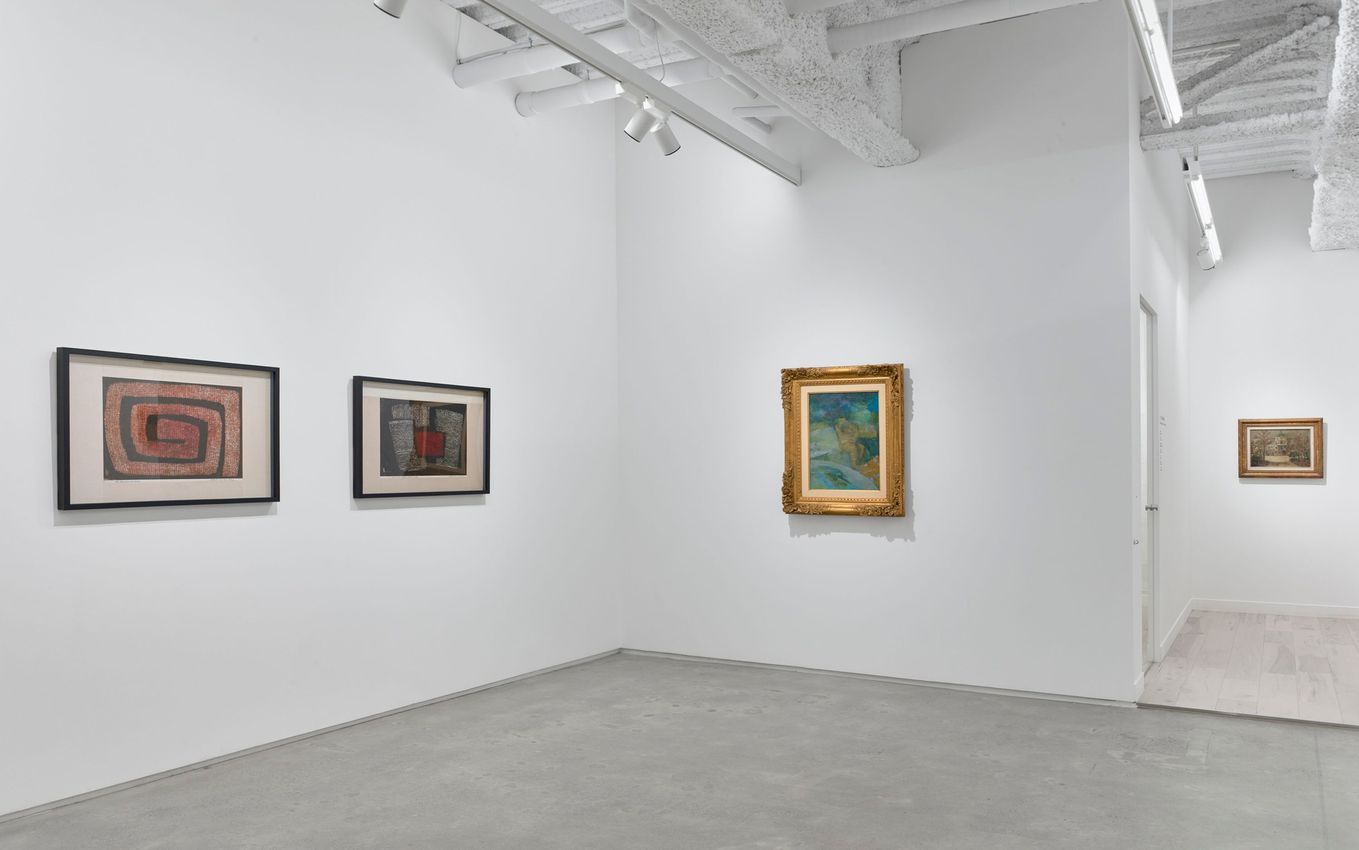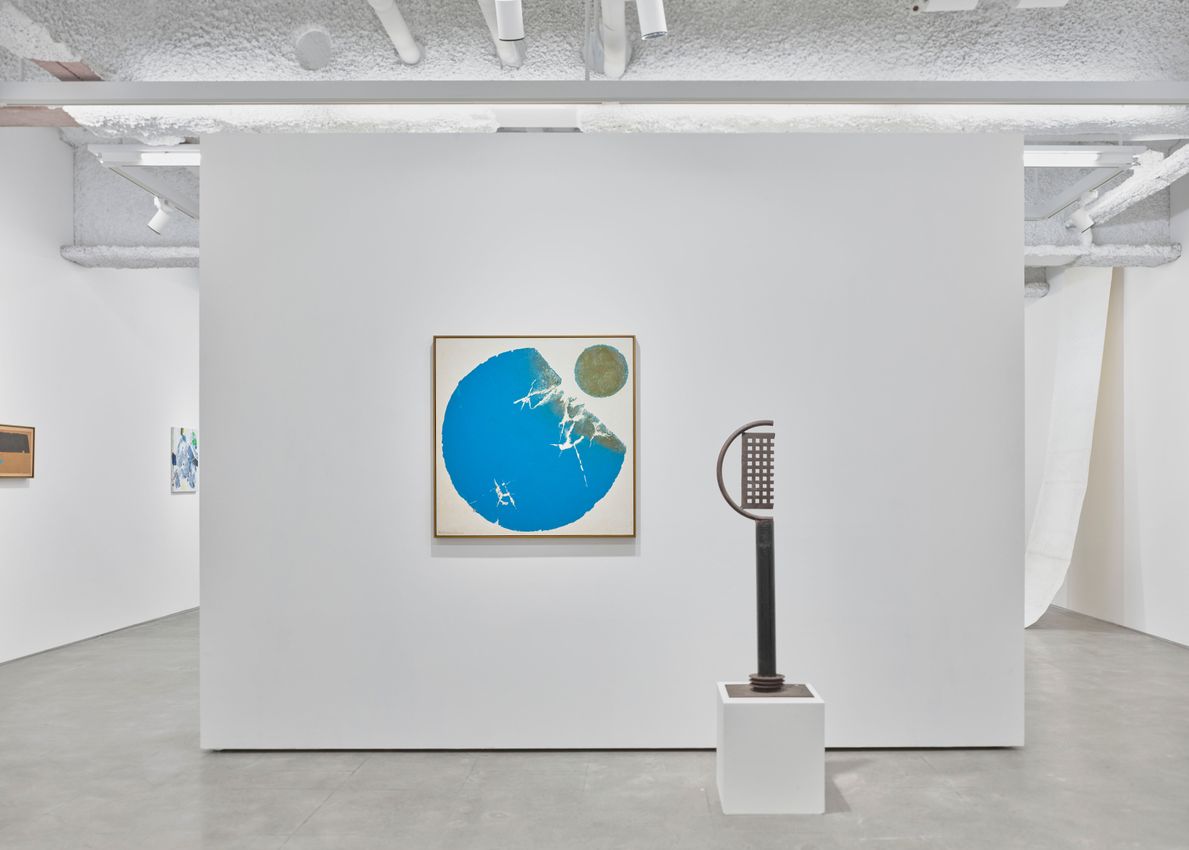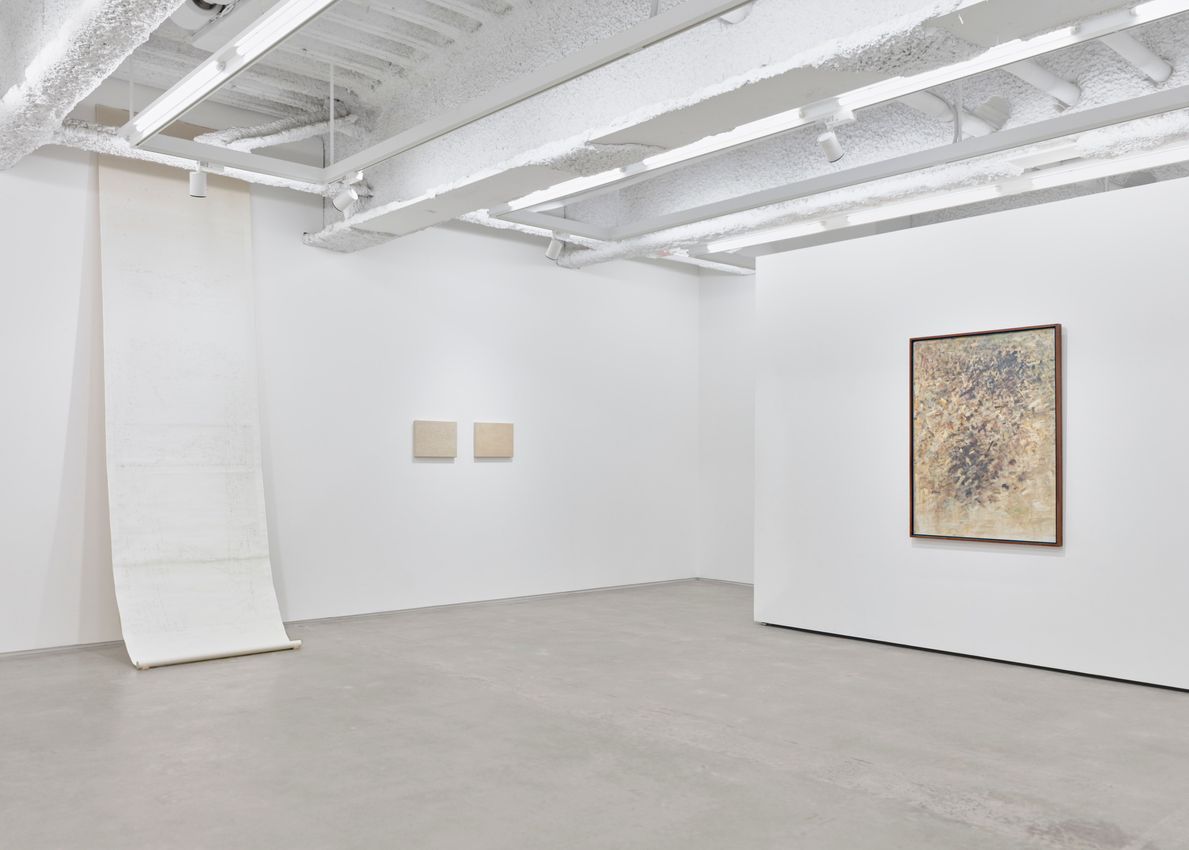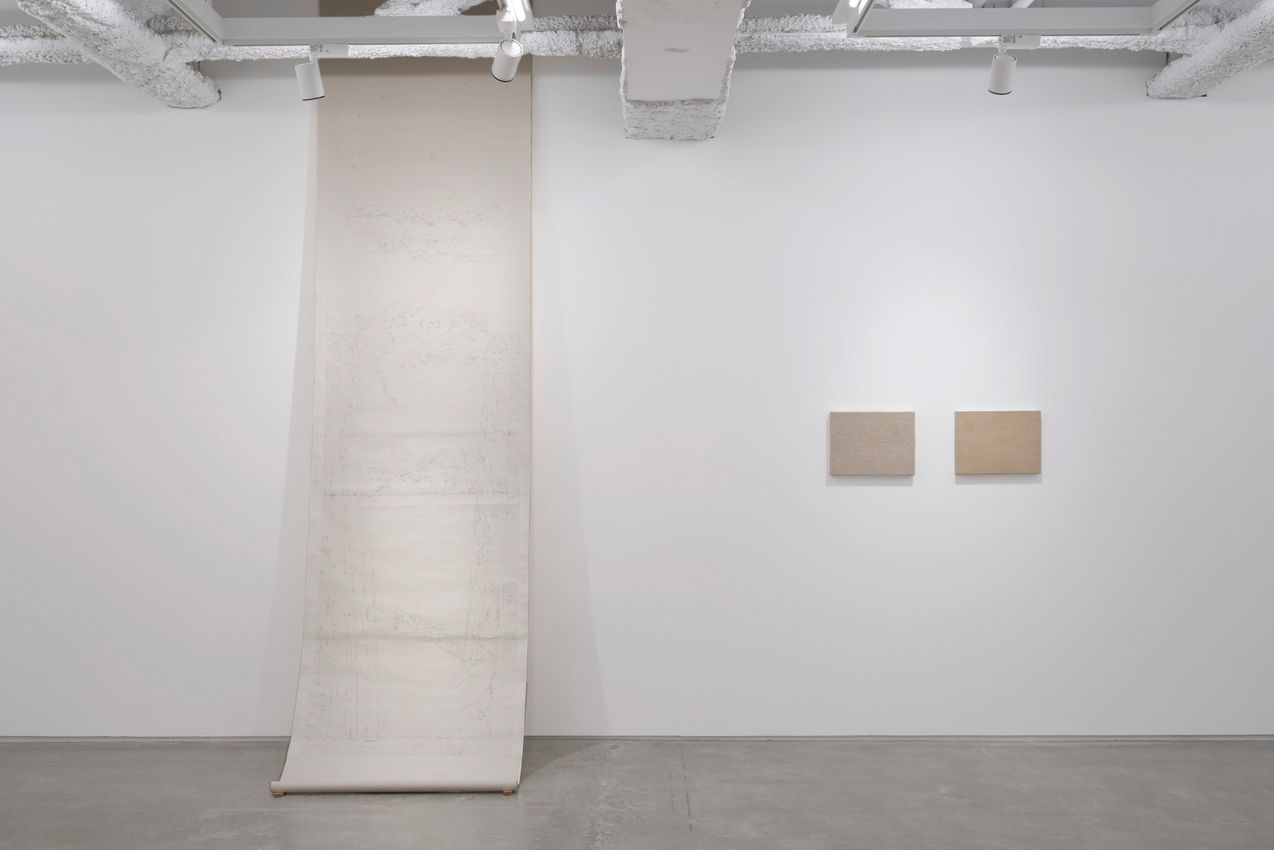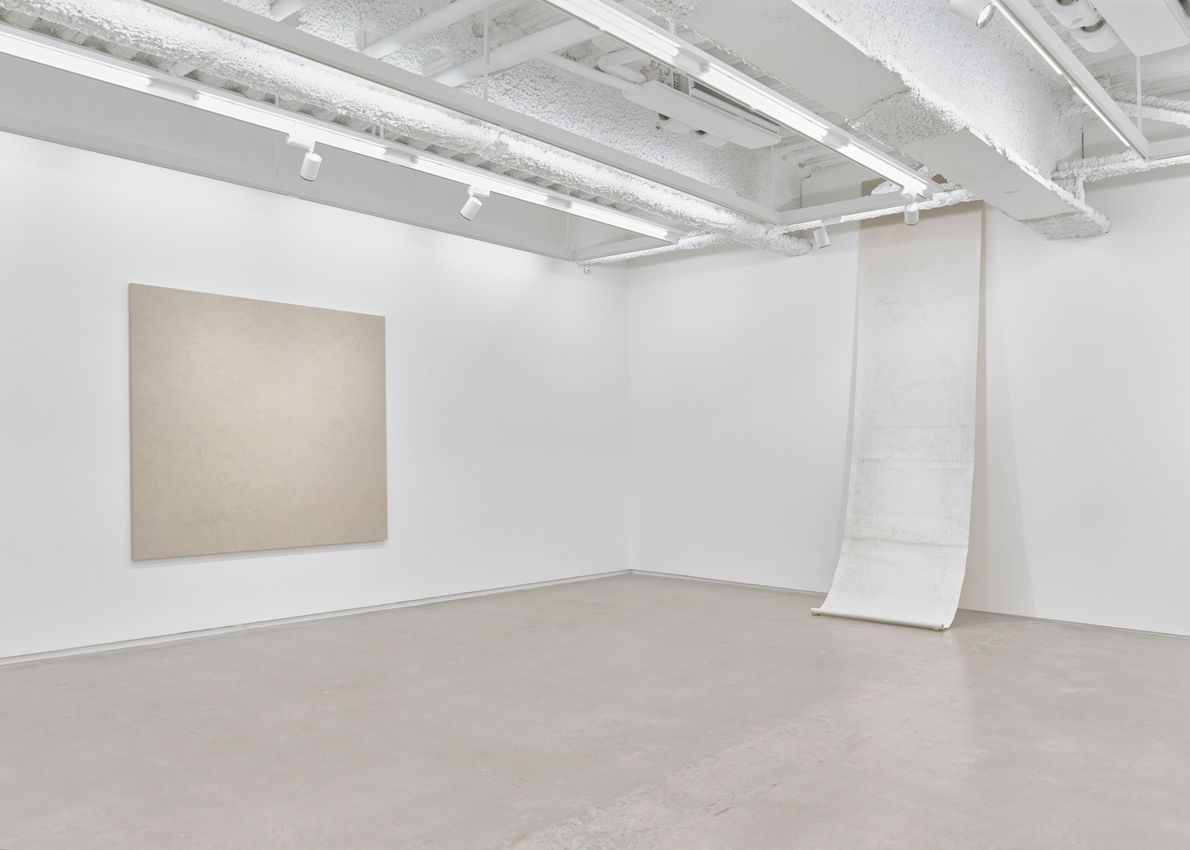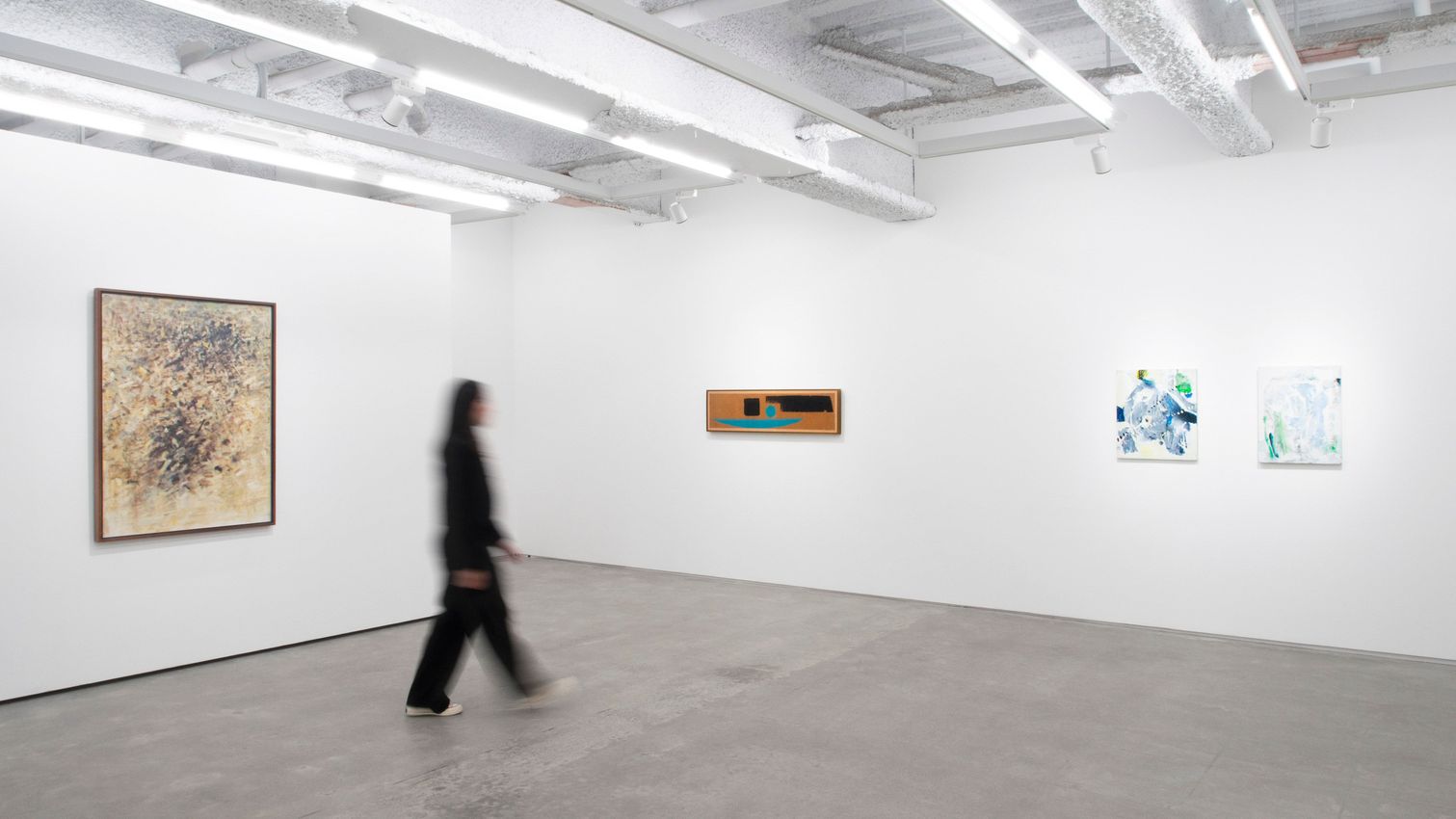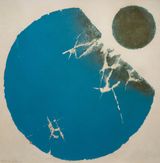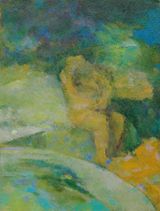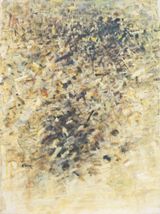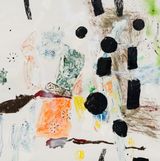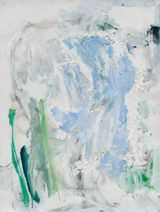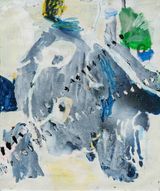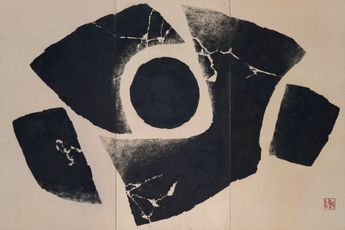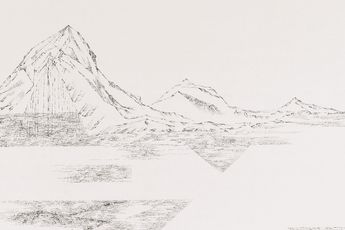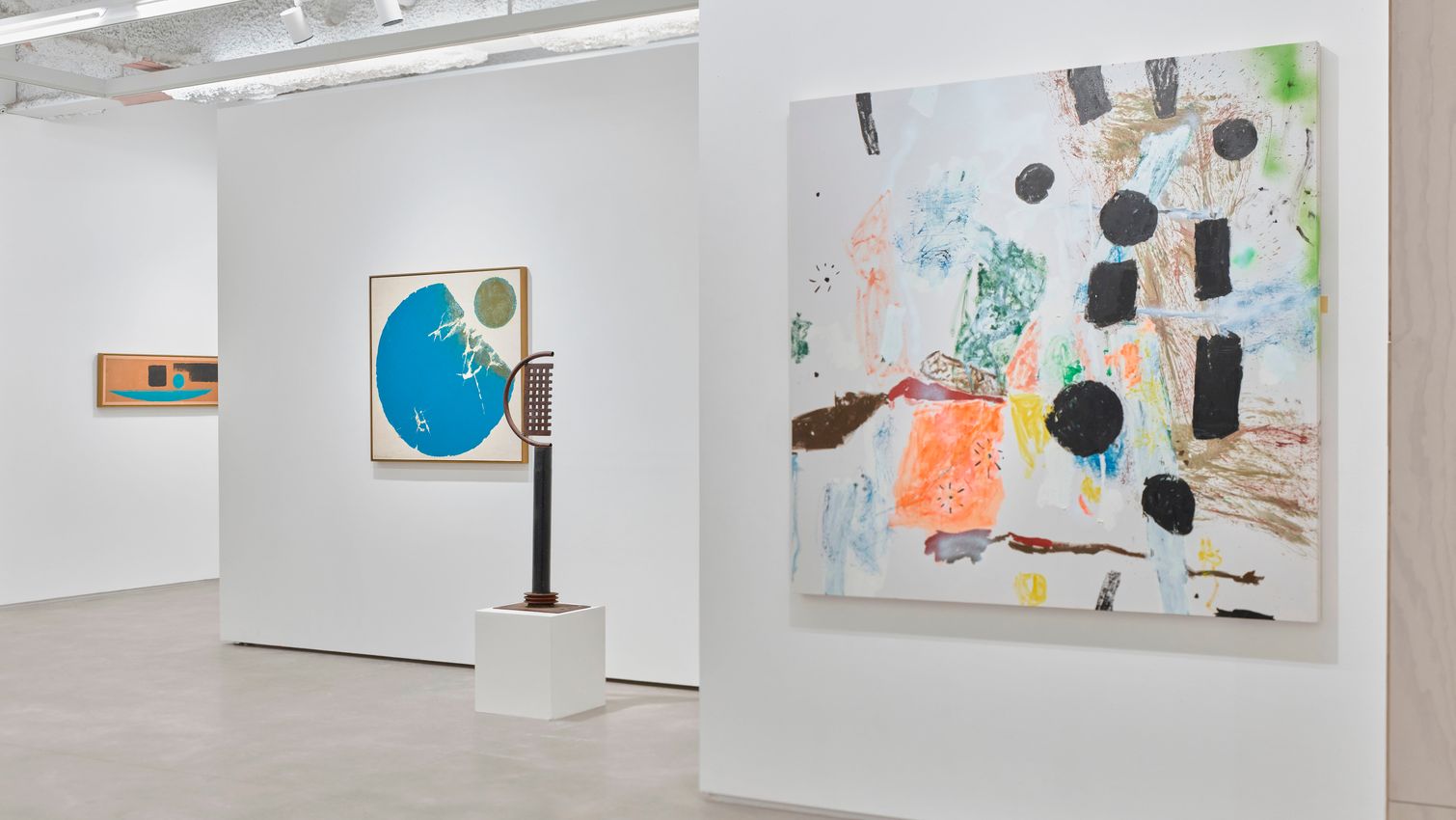
Each Modern is pleased to announce ” A Foreign Cloud in Another Sky:Taiwan Abstraction from 1960’s,“scheduled for April. This exhibition begins with Chen DeWang and Chen TingShih, who operate independently of the mainstream system, alongside pioneering abstract artists Reed Lee, Hsu YuJen, LinYiHsuan, and Yang NaiJen, who challenge existing forms and trends. It coincides with “Gazing at the TwistingPaths Beyond:Taiwan Realism from 1960’s” at King Car Cultural & Art Center, representing Each Modern’s reinterpretation of post-war and contemporary Taiwanese art from a 21st-century perspective.
In 1948, Barnett Newman questioned how art could achieve the sublime in an era devoid of legends or myths in his famous essay “The Sublime Is Now.” The sublime has been a significant theme in Western art and religion, yet it has often been overshadowed by overthought and socialised ideas, hindering the exploration of less understood aspects. Art’s inquiry into “what art is” frequently encounters repression. The long depression of European art from the 1930s to the 1950s intensified society’s identity crisis, leading to the glorification of forms like neo-romanticism and symbolism. This process also existed in Taiwan, where the “Mouve Artists’ Society,” founded by Chen DeWang in 1937, and its declaration to “create the painting of tomorrow and avoid following the trends” became particularly significant.
Subsequently, the rise of Abstract Expressionism and Conceptual Art in the U.S. elicited strong emotional responses through explorations of lines, shapes, and colours, creating a profound viewing experience. In this context, the influence of Eastern philosophy on experimental literature, jazz, and art movements in the 1950sand 60s—especially on the Beat Generation and abstract art—has often been underestimated, making it necessary to re-examine some connections between Eastern traditions and post-war art. In a similar historical context, Reed Li once wrote , “Behind the myriad phenomena, behind the generalised spiritual vision, one must peel back the layers, and the painting will ultimately be a line—sufficient to represent you while also distilling depth.” This spectrum of being and non-being aligns with non-centralism and non-dualism in Eastern philosophy. Life and death, existence and non-existence, are two possibilities of the same process—Chen Ting-Shih, Chen DeWang, Reed Li, and Hsu YuJen have dedicated their lives to exploring East-West similarities and differences. In Chen DeWang’s posthumous writings, he mentioned: “A (truly) understanding of the expressive meaning and forms of expression, techniques (including shaping techniques and material manipulation techniques) of the West, and then expressing purely from an Eastern perspective (including traditional spirit and modern environment)?”
Half a century later, in the works of Lin YiHsuan and Yang NaiJen, flowing elements—lines or painting actions—reflect contemporary artists merging inner qualities with Western techniques. Remarkably, this approach does not conform to Western self-conception but embodies a non-dualistic worldview, where existence and non-existence are two aspects of the same process. In their art, the “I” manifests a unique Eastern sensibility through cultural and technical fusion, characterised by a certain emptiness that corresponds to the real while fostering new relationships. These works represent concrete and impermanent expressions ofEastern consciousness, evolving through cultural intersections, as both artists’ inner energy reaches extremes of abstraction.
Today, highly developed societies face a crisis of over-capitalisation, with attacks on pioneering art emerging from the market economy. Artistic innovation has become formulaic, relying on past successes through merging, decorating, and imitating, causing art to lose its substance, and even to become kitsch or grotesque, pandering to the tasteless preferences of the masses, and catering to a sensibility that has become dull due to the abundance of existing forms and objects. We must break free from these constraints to open possibilities for freedom and decentralisation through inner relationships.
WE BELIEVE THAT ART GENERATES VALUE AND CONTINUES TO SHAPE THE FUTURE.

A respected voice in contemporary art discourse.
Focusing on ambitious storytelling and insightful art-world commentary. Ocula Magazine publishes in-depth interviews, critical essays and timely analysis on the artists, exhibitions and ideas driving the global art world.
Learn more about Ocula Magazine
Showcasing the best of the art world.
Ocula partners with galleries from around the world to highlight their artists, artworks and exhibitions. Gallery membership is by application and invitation, with each member vetted by an independent panel.
Learn more about Ocula Membership

Specialises in the sale of major artworks.
Led by a team with deep ties to the world’s leading auction houses, galleries and collectors. Ocula’s advisory team offers bespoke services to high-net-worth clients from around the world who are looking to acquire the best of contemporary and modern art.
Learn more about our team and services