



Each Modern is pleased to announce Ishiuchi Miyako’s first solo exhibition in Taiwan, presenting some of her most important photography series, including 1.9.4.7, Innocence, Mother’s, ひろしま/hiroshima, and Frida by Ishiuchi. Several artist’s books selected from moom bookshop will also be exhibited at the gallery.
Born and raised in post-war Japan, Ishiuchi grew up in the golden age of Japanese photography. At that time, many photographers in the country used photography to document Japan after the Second World War. Likewise, Ishiuchi’s earliest series Yokosuka Story (1976 - 1977) also captured the city where she came of age - Yokosuka, a city colored by American culture as a result of United States military deployments. The exhibition will focus on the series Ishiuchi made after Yokosuka Story, expressing her female point of view and the unique way of “facing”.
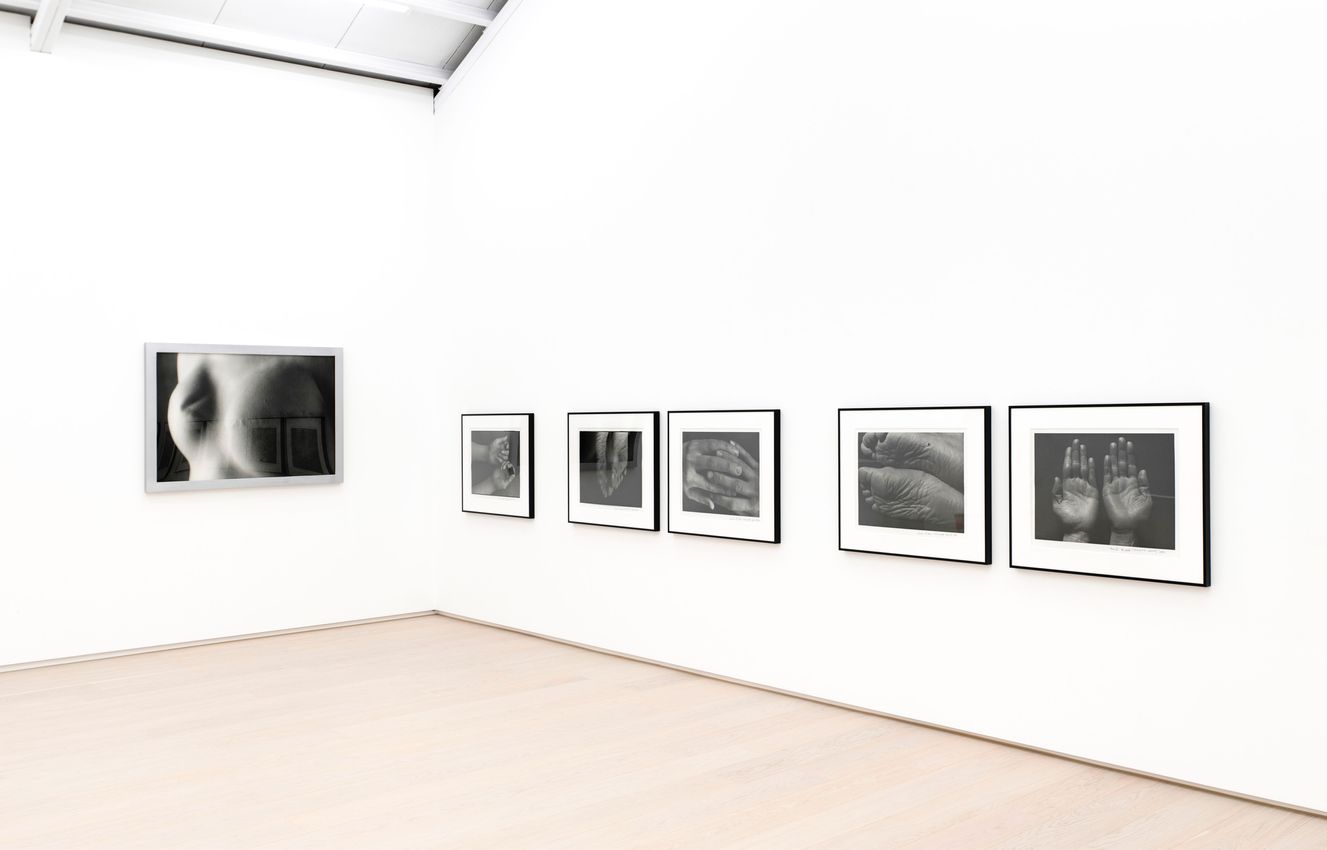
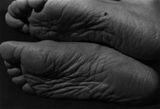
Ishiuchi photographs personal effects of the deceased and body parts to explore death, pain and aging. However, compared to the often overly romanticized ways these themes are usually addressed, Ishiuchi’s creative process is a more pure and dispassionate approach. At the age of forty, she created the series 1.9.4.7 (1988-1989), a series titled after her birth year. Ishiuchi never believed she would live to be 40 years old, but once she reached that age, she began noticing changes in her body. The artist invited her high school peers and friends who were of a similar age and photographed their body parts. In the black and white photos, we see hands and feet adorned with wrinkles, scars and other imperfections on their skin. Their gender remains unclear until we notice their manicured nails. Through these surreal close-up shots of body parts, Ishiuchi responds to the age of 40 – an age that is surprising, sad, at a loss, but neither young nor old.
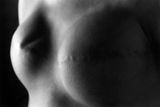
Innocence (1994 - ), another black and white series, is one of Ishiuchi’s most powerful, revealing the more vulnerable parts of the human body. She photographs female bodies with scars but never reveals their faces. By disembodying the scars from a face, they become universalized, belonging to any and every female. There is no trace of what may have caused these scars; presented in this way, they exist beyond the skin and point to an abstract psychological experience. For Ishiuchi, scars represent “purity.” All imperfections of our appearance are dwarfed by the lives behind the scars.
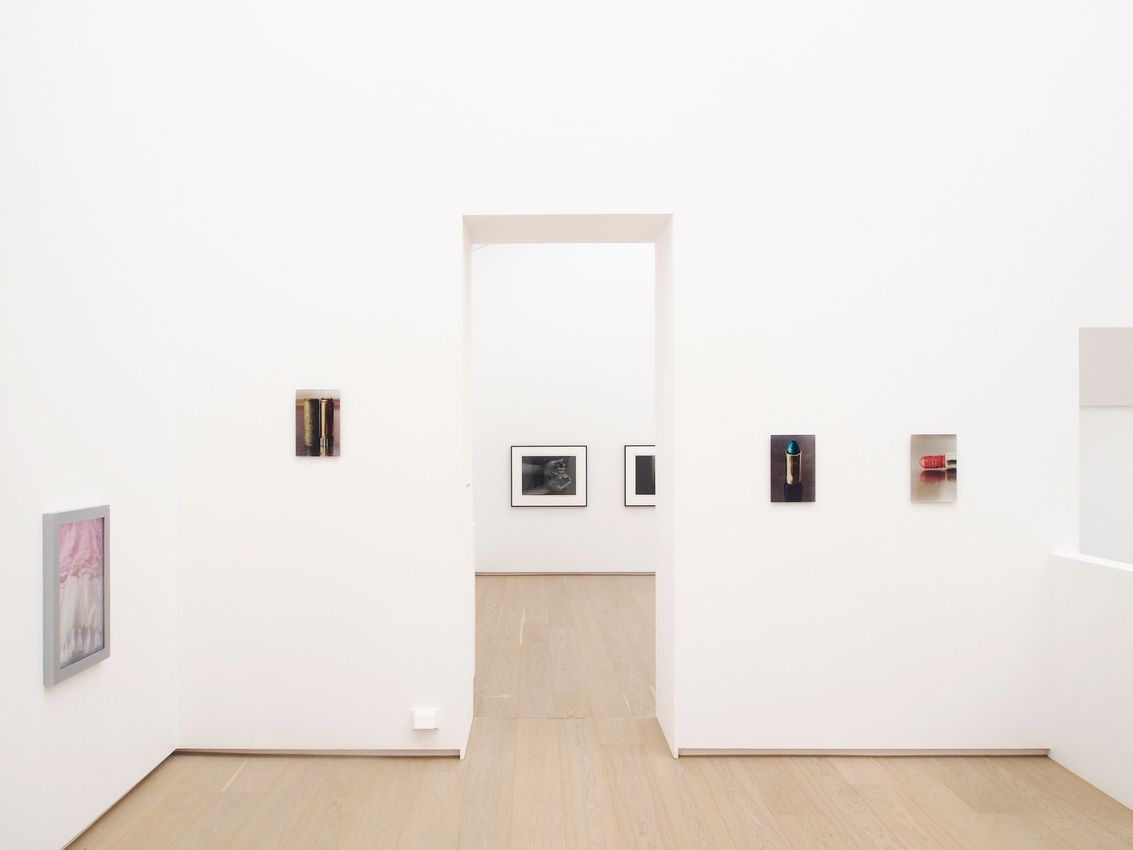
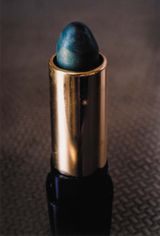
When photographing the personal effects of the deceased, Ishiuchi usually places the objects on a flat surface, like against a window or on the floor or a table, and then photographs them at a close distance. These objects are not displayed with any stylized treatment, but are presented in a slightly disheveled state, either in use or just after, indicating how they are “alive”. Ishiuchi started to photograph her mother in the year 2000. However, her mother passed away that same year. Ishiuchi later organized her mother’s personal estate and created Mother’s (2000 - 2005). Unlike her previous series, the painful emotions associated with creating Mother’s were stronger than ever. The series also effectively expresses how the artist’s practice “faces” her subject and is the first time Ishiuchi was able to communicate with her mother equally as another female. Three photographs of broken or dry lipsticks in the exhibition stand-in for her mother’s sense of style and taste. They look like bullets, shooting at those of us who have also lost our beloved ones once. Mother’s was shown at Venice Biennale in 2005.
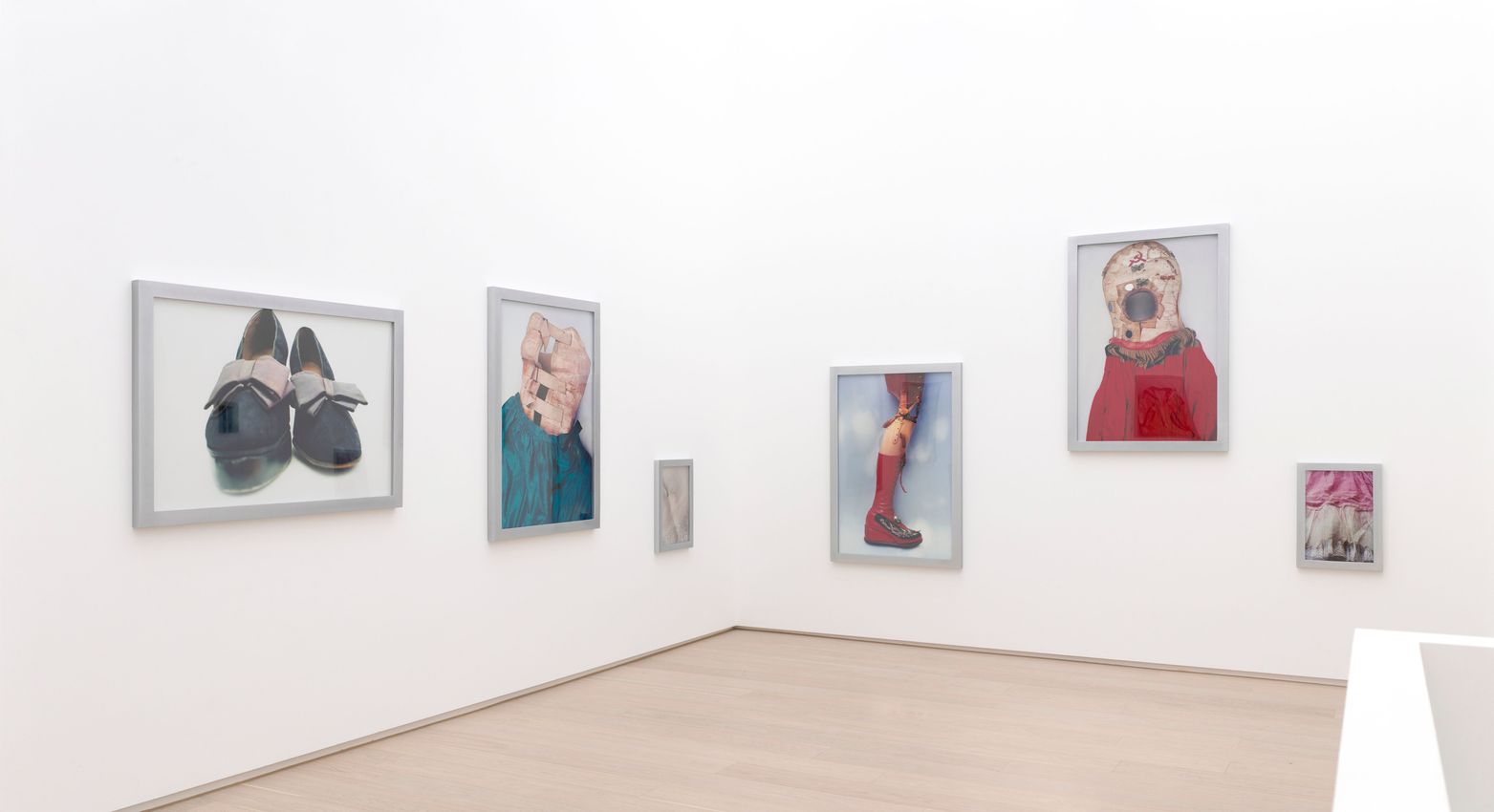
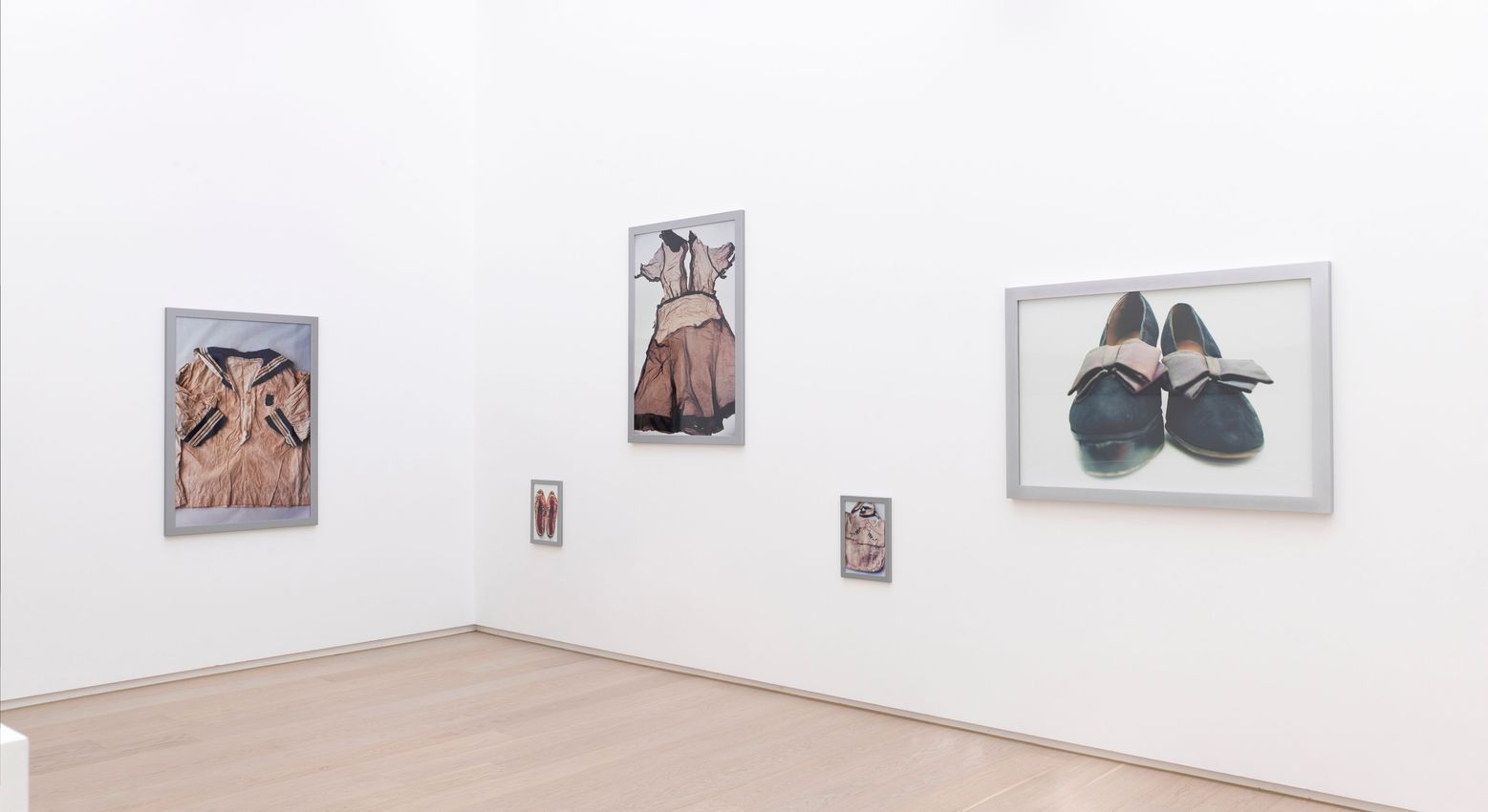
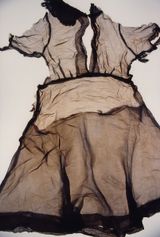
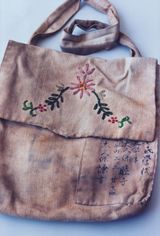
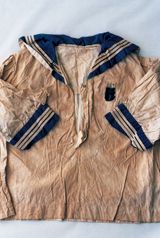
In 2007, Ishiuchi visited the Hiroshima Peace Memorial Museum to photograph a selection of items from the museum’s massive collections - lace dress, high school uniform, backpack with embroidery, and shoes. The objects in her most recognizable series ひろしま/hiroshima (2007 - ) are torn and aged, reminding us of the tragedy of the bombing of Hiroshima, though Ishiuchi looks for more in these items beyond just historical tragedy. In studying them, she reveals the beauty of the clothes and the elegant taste of those who once wore these garments. In this way, Ishiuchi “faces” Hiroshima, and looks to see life from death.
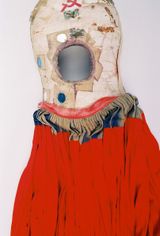
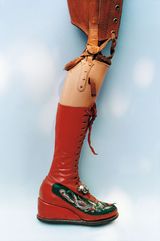
In 2012, the Frida Kahlo Museum in Mexico invited Ishiuchi to photograph items from the personal estate of Frida Kahlo (1907 - 1954). These items were locked in the bathroom of the house by Kahlo’s husband, the artist Diego Rivera, until 2004, the year the house was turned into her museum. Kahlo’s spectacular life parallels Ishiuchi’s art practice in regards to how they face pain – Kahlo suffered from polio and a lifetime of physical ailments due to a car accident. Thus, in Frida by Ishiuchi (2012-2015) we see prosthetic limbs, ragged shoes, and body gear - all decorated in Kahlo ‘s iconic style. This is the artist’s brave expression and one of the most beautiful aspects of Kahlo’s life. The simple blank background reminds of a subtle and delicate perception, Ishiuchi gazes at every relic or physical body, in a way that is gentle, profound and beyond spoken words.
Miyako Ishiuchi (b. 1947) was born in Gunma, Japan. Although she studied design and textile in Tama Art University, she is a self-taught photographer. Ishiuchi photographs personal effects of the deceased and body parts to explore death, pain and aging. Ishiuchi’s oeuvre gracefully unveils the nuances of melancholy and trauma, inviting viewers to reflect upon the profound and unspoken aspects of life, the passage of time, and the inescapable reality of mortality. Her photography provides a poignant platform for the unsaid memories to come to light, and be re-comprehended.
WE BELIEVE THAT ART GENERATES VALUE AND CONTINUES TO SHAPE THE FUTURE.

A respected voice in contemporary art discourse.
Focusing on ambitious storytelling and insightful art-world commentary. Ocula Magazine publishes in-depth interviews, critical essays and timely analysis on the artists, exhibitions and ideas driving the global art world.
Learn more about Ocula Magazine
Showcasing the best of the art world.
Ocula partners with galleries from around the world to highlight their artists, artworks and exhibitions. Gallery membership is by application and invitation, with each member vetted by an independent panel.
Learn more about Ocula Membership

Specialises in the sale of major artworks.
Led by a team with deep ties to the world’s leading auction houses, galleries and collectors. Ocula’s advisory team offers bespoke services to high-net-worth clients from around the world who are looking to acquire the best of contemporary and modern art.
Learn more about our team and services