



Actual space is intrinsically more powerful and specific than paint on a flat surface. —Donald Judd
Gagosian is pleased to present the first solo exhibition dedicated to Donald Judd (1928–1994) in Hong Kong. Judd played a central role in defining the art of his time, and his work continues to be influential today. The exhibition will feature significant pieces from the 1960s through the 1990s and is the gallery’s first presentation of Judd’s work since announcing its representation of the artist and Judd Foundation in September.
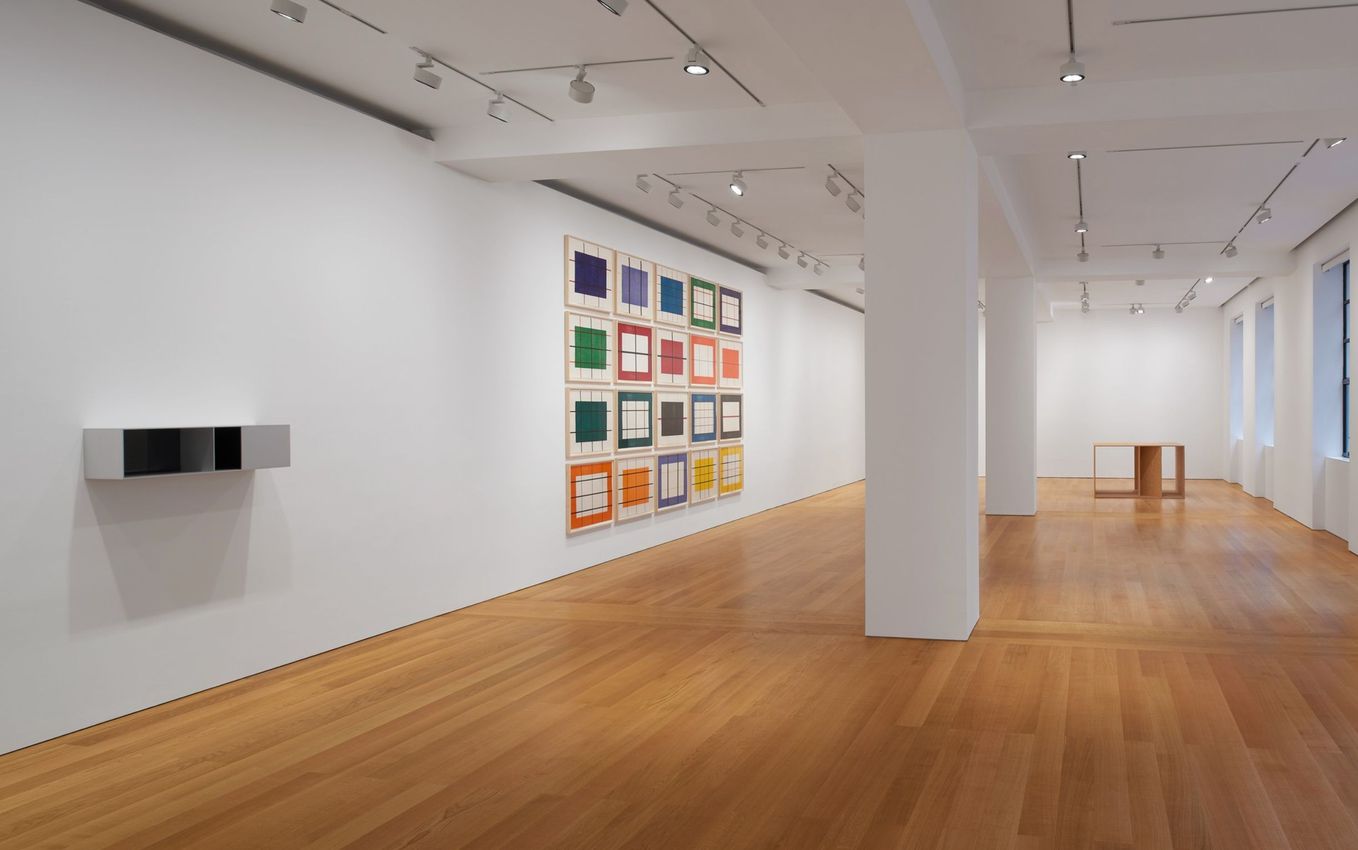
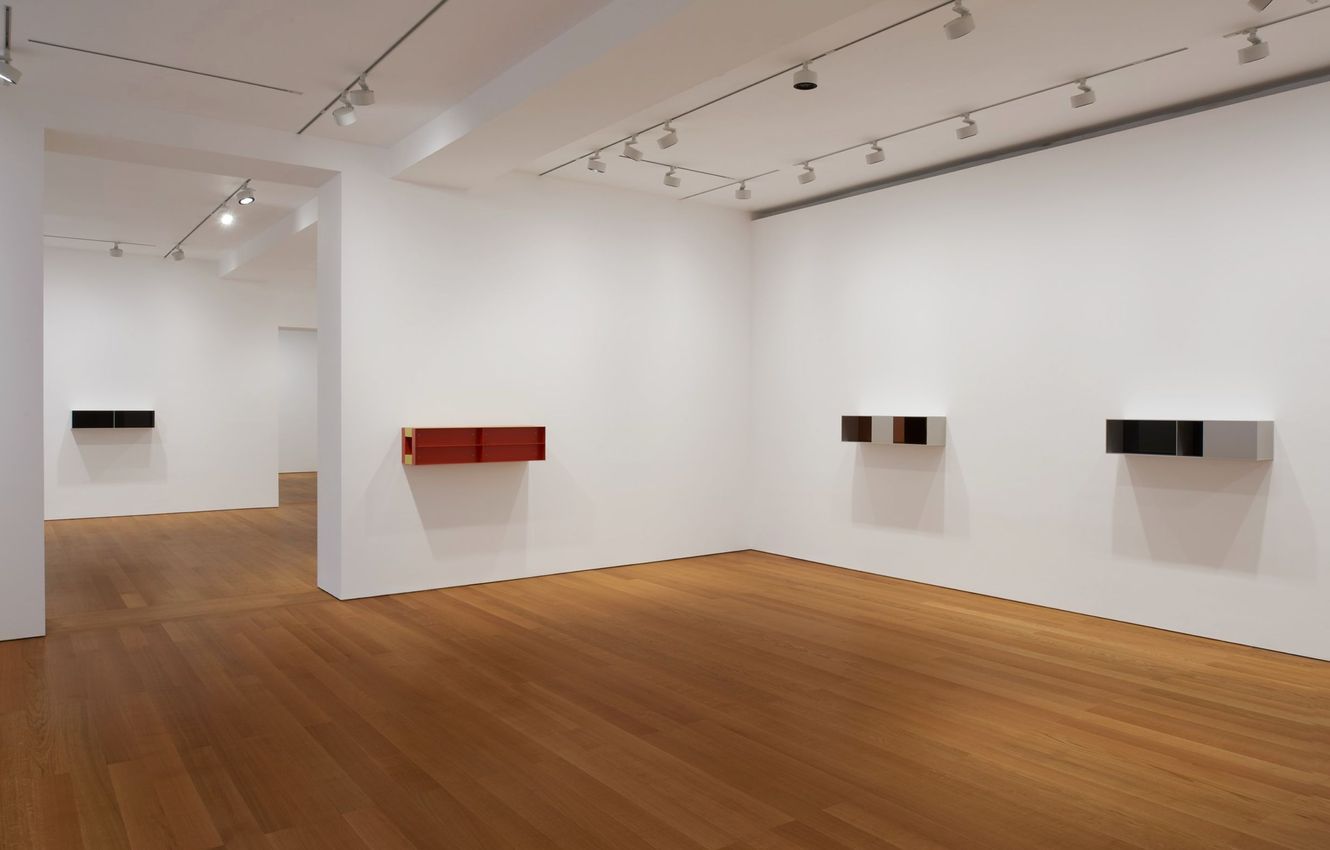
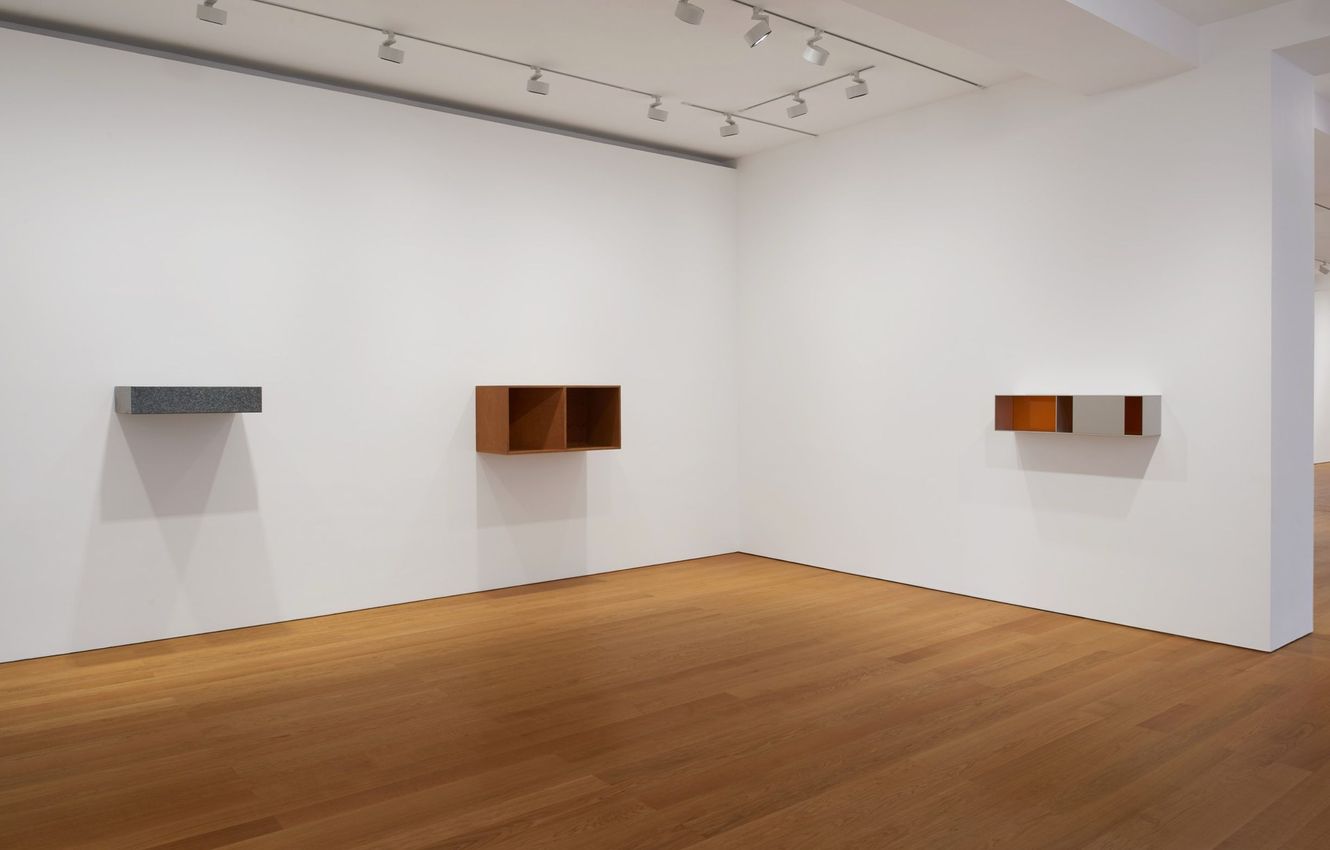
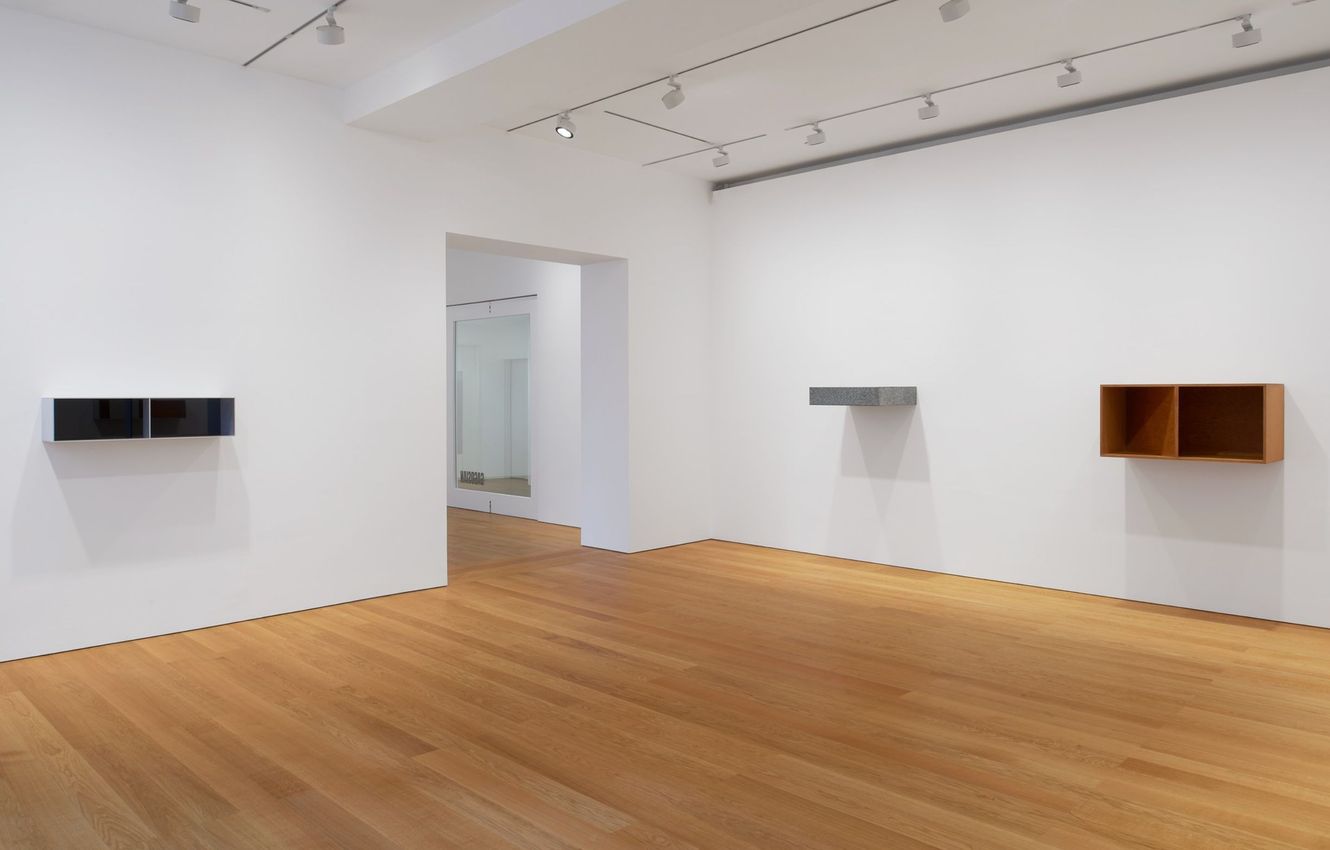
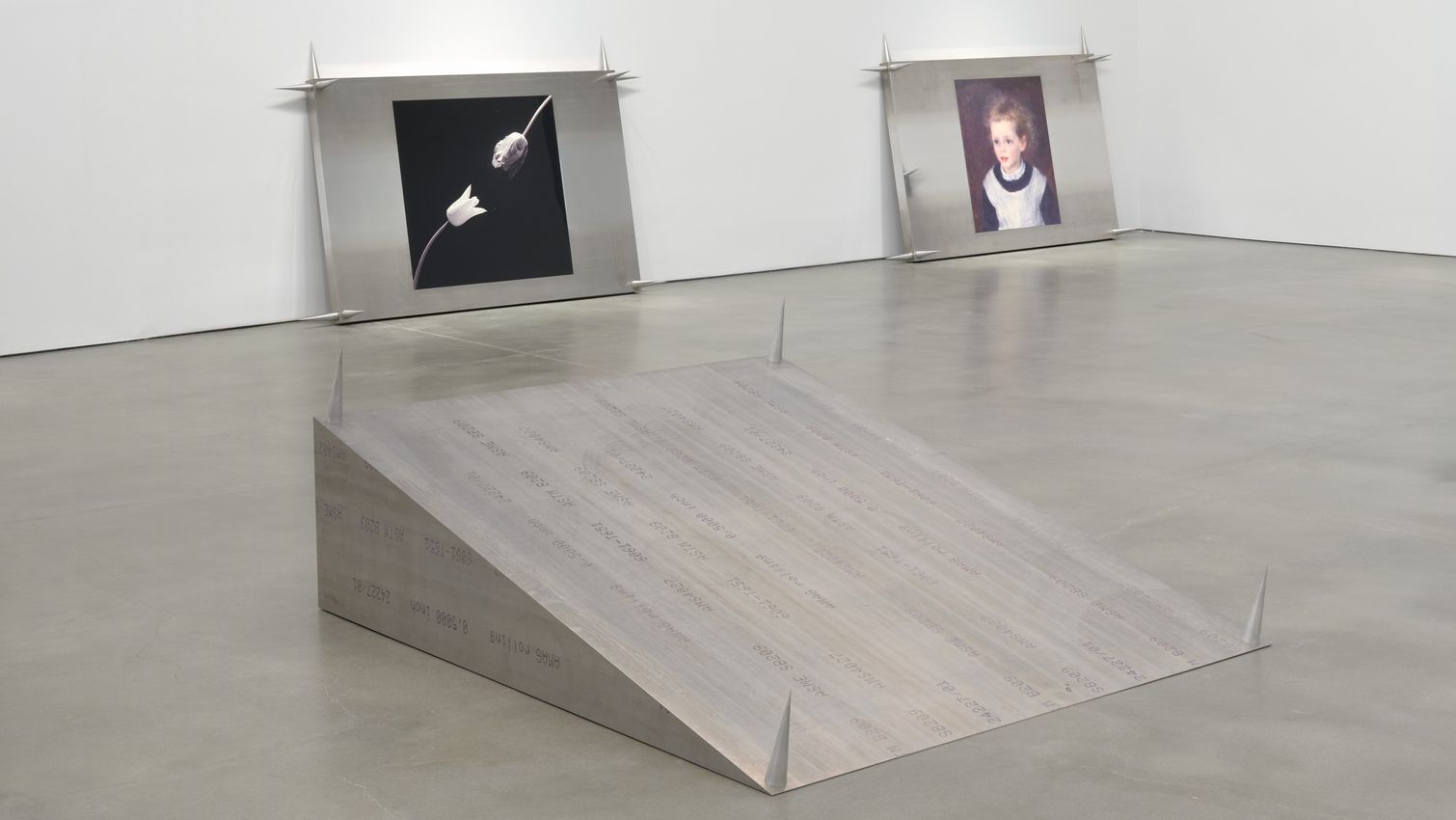
The exhibition highlights a selection of Judd’s single-unit wall pieces from 1965 through 1991. They are made with some of the primary elements in his material vocabulary: galvanised iron, coloured plexiglass, plywood, anodized aluminium, and painted aluminium. The carefully proportioned forms of the works emphasize the intrinsic qualities of their materials and the relationships between their parts and the whole.
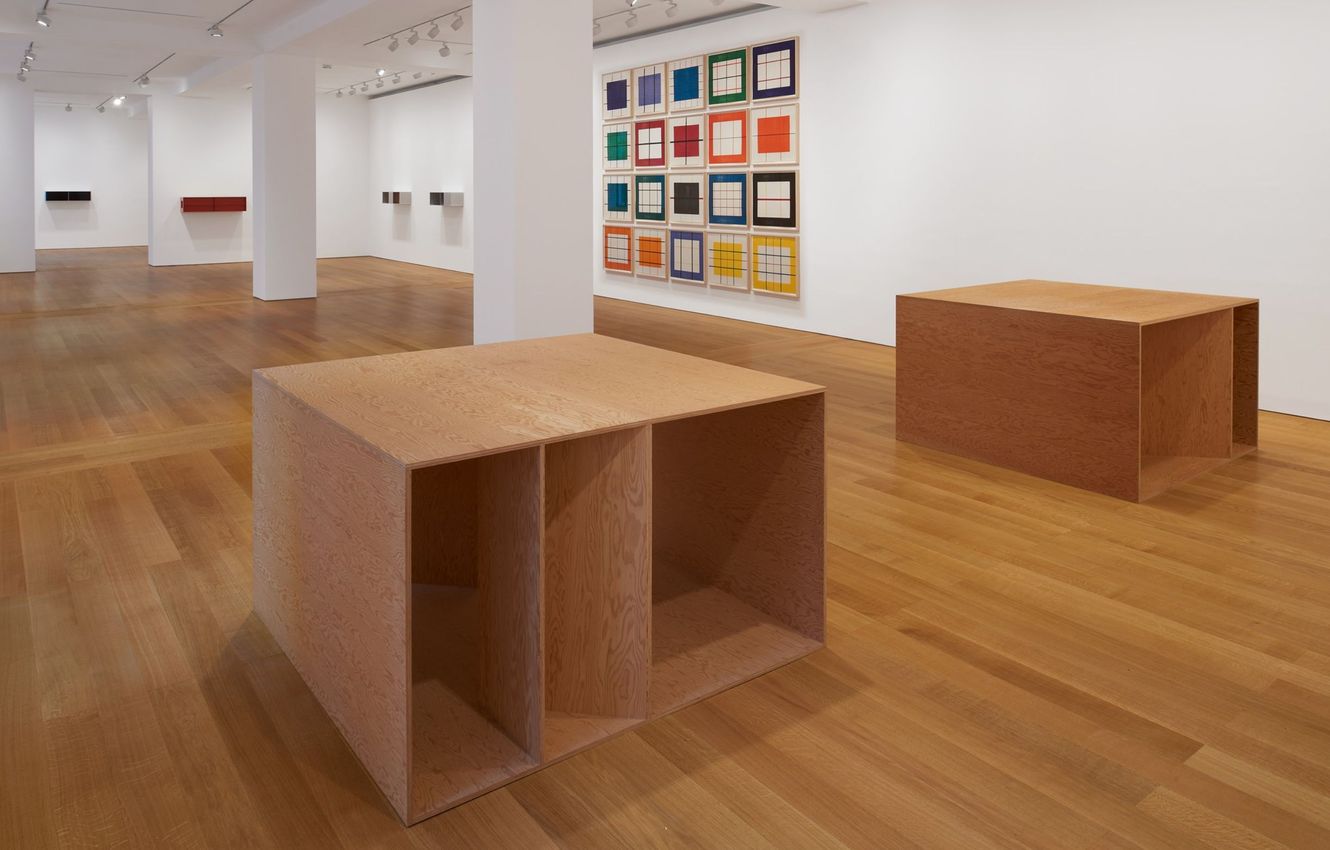
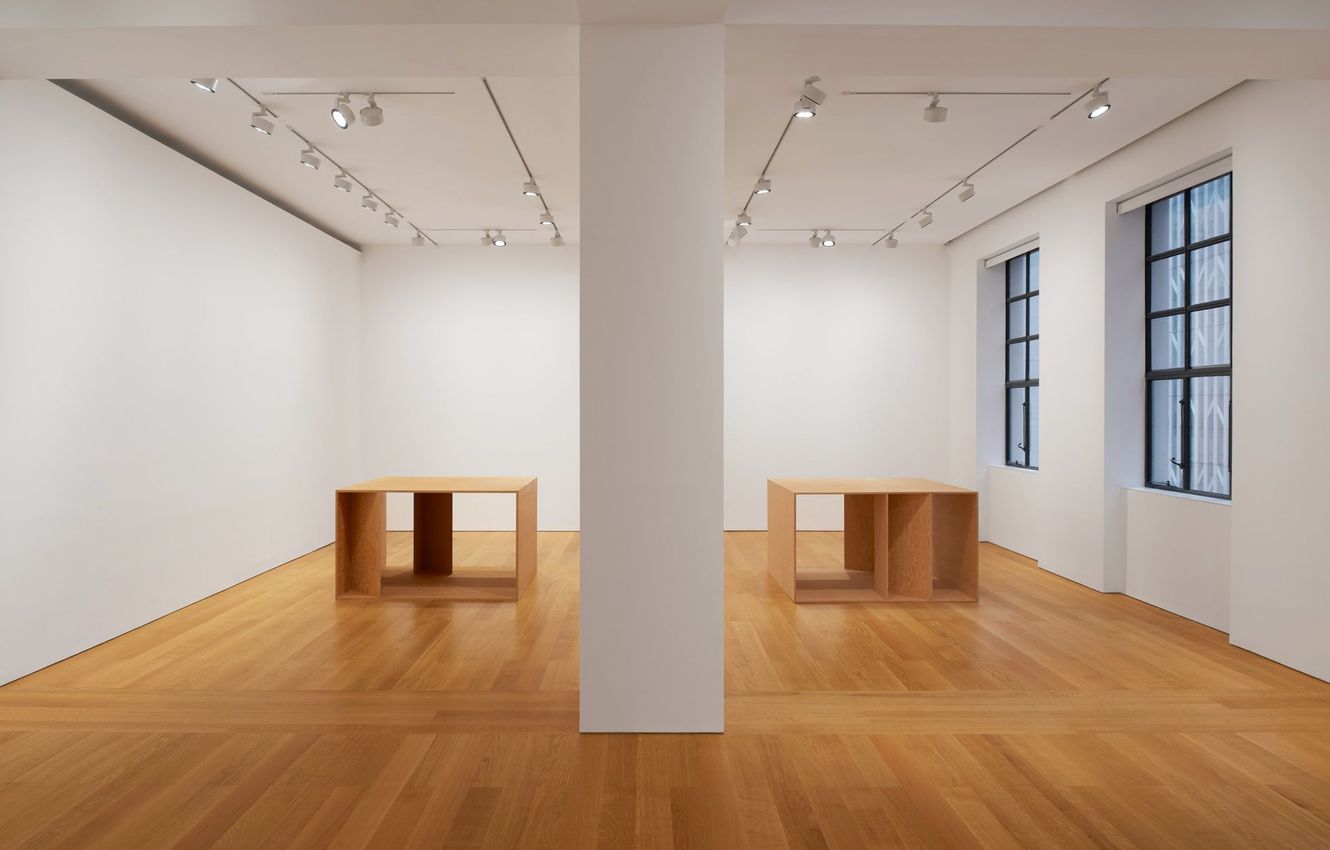
Also on view in Hong Kong are two floor pieces from 1989 made from unpainted Douglas fir plywood. Defined by their horizontal and vertical planes, with segments arranged on a diagonal, these works’ precise internal division transforms their occupation of space and effectively channels light and shade. As such, they typify the way in which the structural clarity of Judd’s art heightens perceptual exchange between the work, its surroundings, and the viewer.
Judd began as a painter in the 1950s, but by the early 1960s he came to regard spatial concerns as paramount (though he referred to his objects as three-dimensional works rather than sculptures). Through his globally influential visual work, as well as in his incisive critical and theoretical writing, he articulated new possibilities for an art that exists on its own determinedly physical terms, removed from notions of metaphor and illusion. To this end, he designated that his works were untitled and developed new terms to describe them, including wall piece—a single unit or multiple units designed to hang on the wall—and floor piece—a work that stands directly on the floor without a traditional sculptural pedestal. Examples of both wall pieces and floor pieces are on view at Gagosian Hong Kong, together with a set of Judd’s woodcut prints. Created in 1992–93 on handmade Korean hanji paper, these twenty prints feature compositions of rectangular blocks and gridded forms in saturated colours.
In 2020, Gagosian New York, in association with Judd Foundation, presented an exhibition of Judd’s largest single plywood construction, an untitled work from 1980 that spans 80 feet in length. Artwork: 1980 coincided with the first major museum survey of the artist’s work in the United States in three decades, at the Museum of Modern Art, New York.
Donald Judd (1928–1994) produced visual and written work that shifted the course of modern art. Starting out as a painter in the 1950s, he began making three-dimensional works in the early 1960s, aiming to make objects that were free of the illusionism associated with painting. The aluminium, plexiglass, and plywood objects utilized the neutrality of their industrial mediums, and Judd’s production methods emphasized schematic variation and spatial definition through form. His interdisciplinary focus included architecture as well as furniture, and he was a prolific critic and essayist whose writing clarified his own artistic intentions as well as insightfully reflected on the work of his contemporaries.


A respected voice in contemporary art discourse.
Focusing on ambitious storytelling and insightful art-world commentary. Ocula Magazine publishes in-depth interviews, critical essays and timely analysis on the artists, exhibitions and ideas driving the global art world.
Learn more about Ocula Magazine
Showcasing the best of the art world.
Ocula partners with galleries from around the world to highlight their artists, artworks and exhibitions. Gallery membership is by application and invitation, with each member vetted by an independent panel.
Learn more about Ocula Membership

Specialises in the sale of major artworks.
Led by a team with deep ties to the world’s leading auction houses, galleries and collectors. Ocula’s advisory team offers bespoke services to high-net-worth clients from around the world who are looking to acquire the best of contemporary and modern art.
Learn more about our team and services