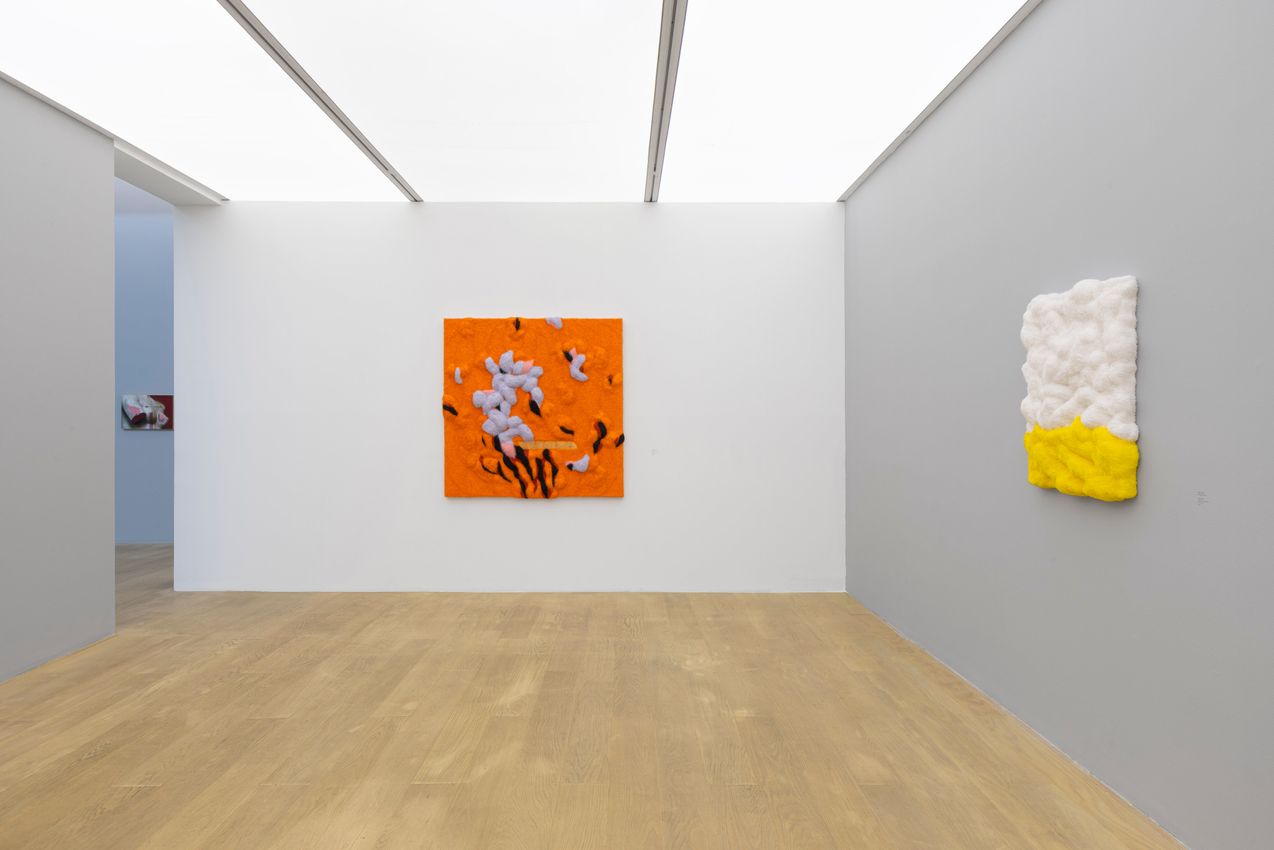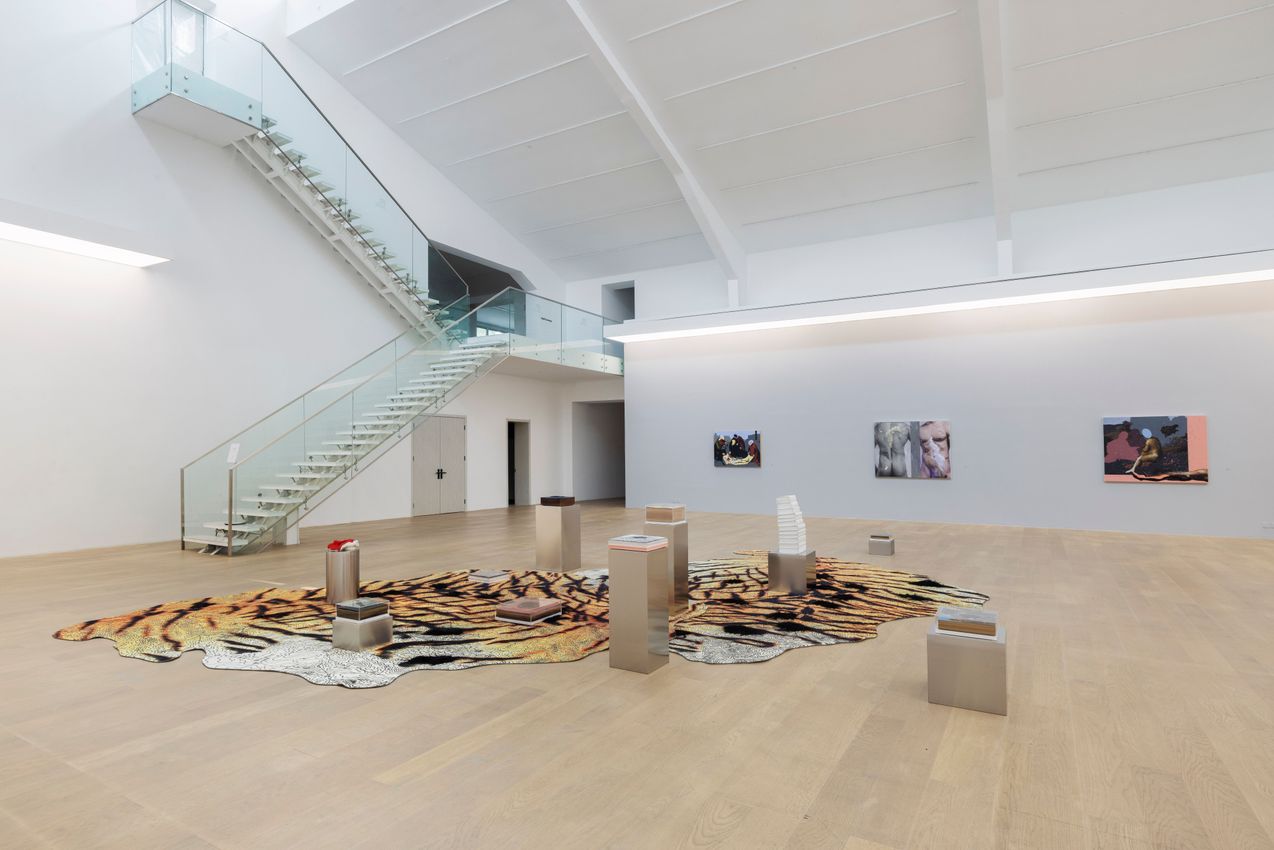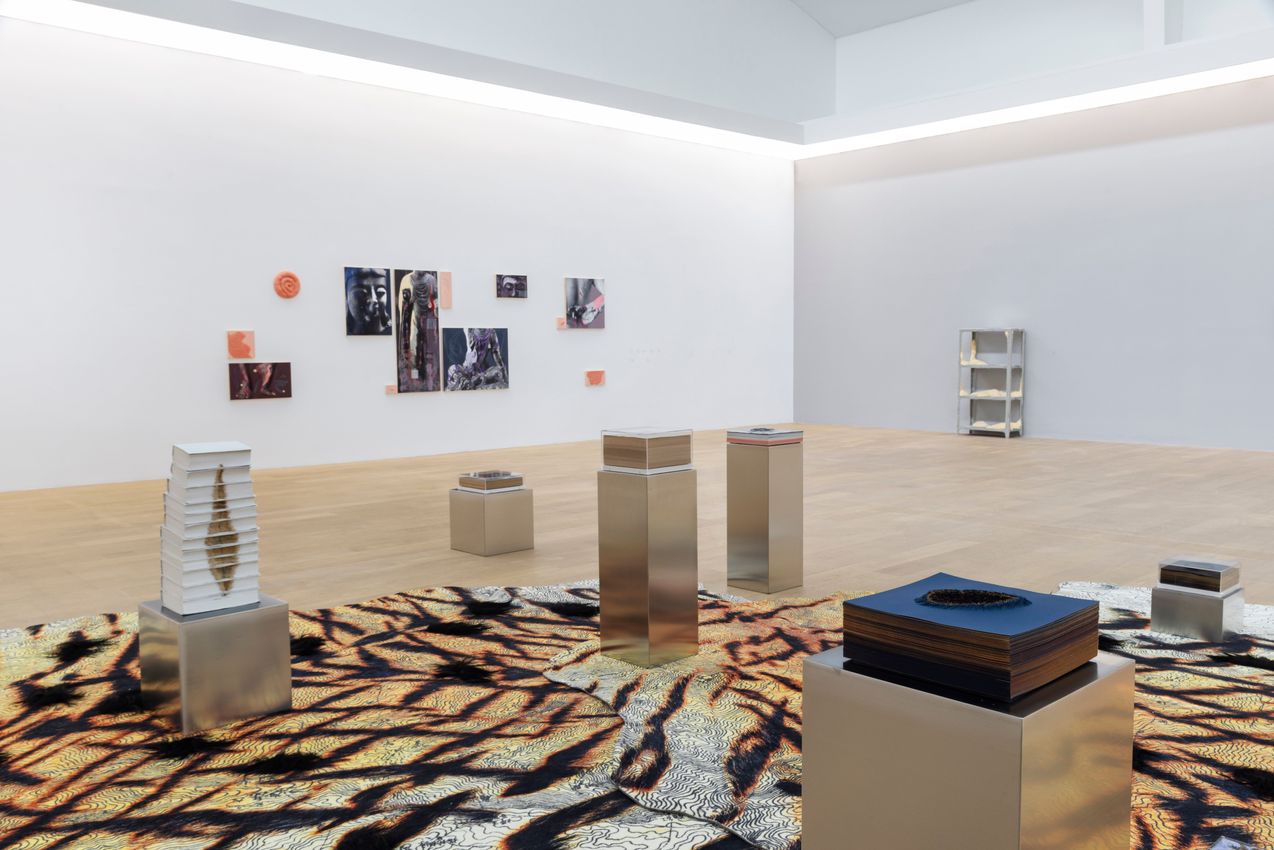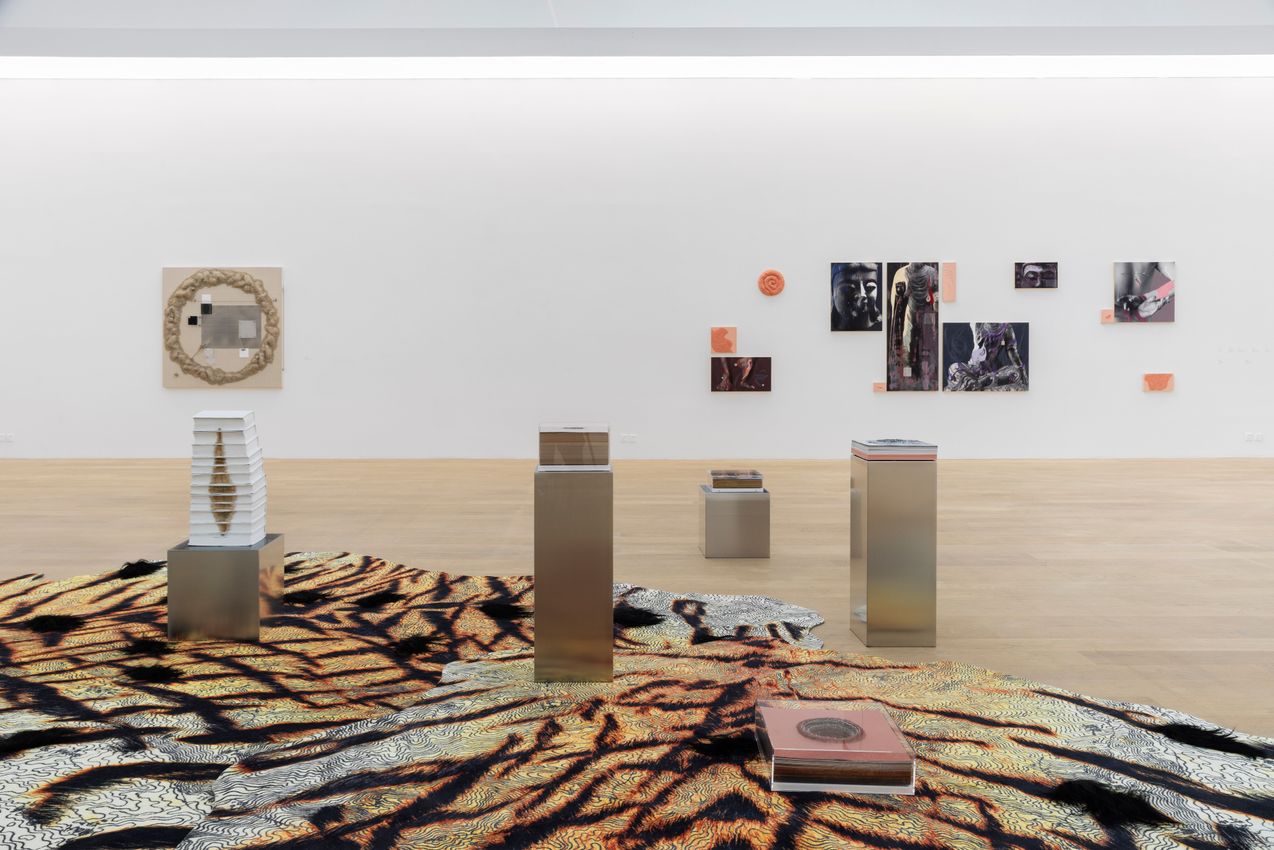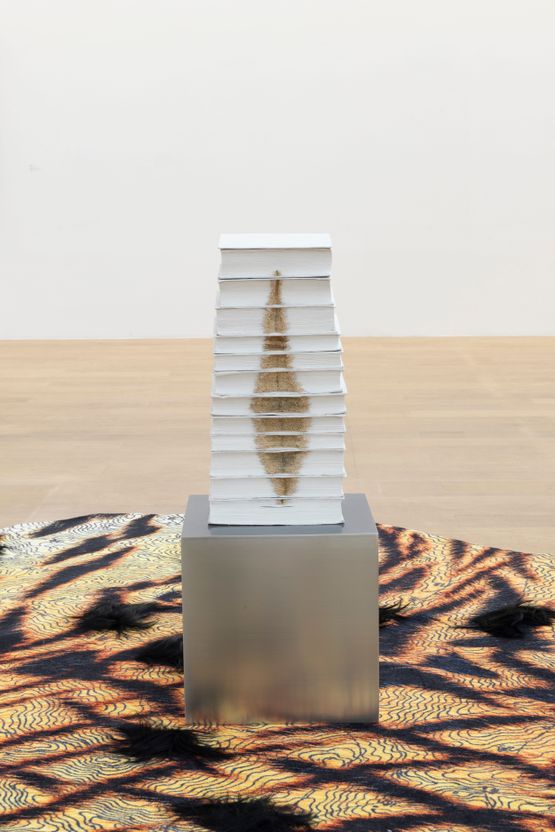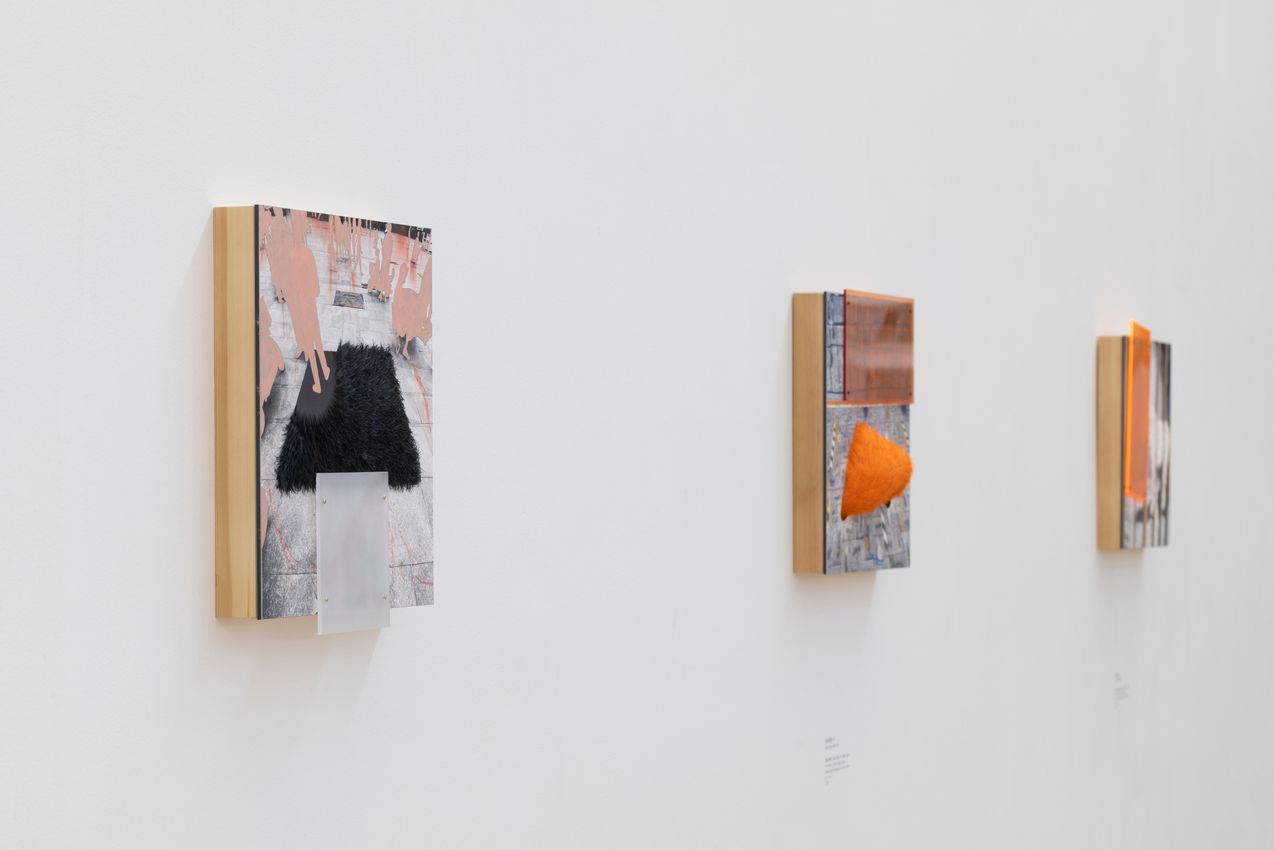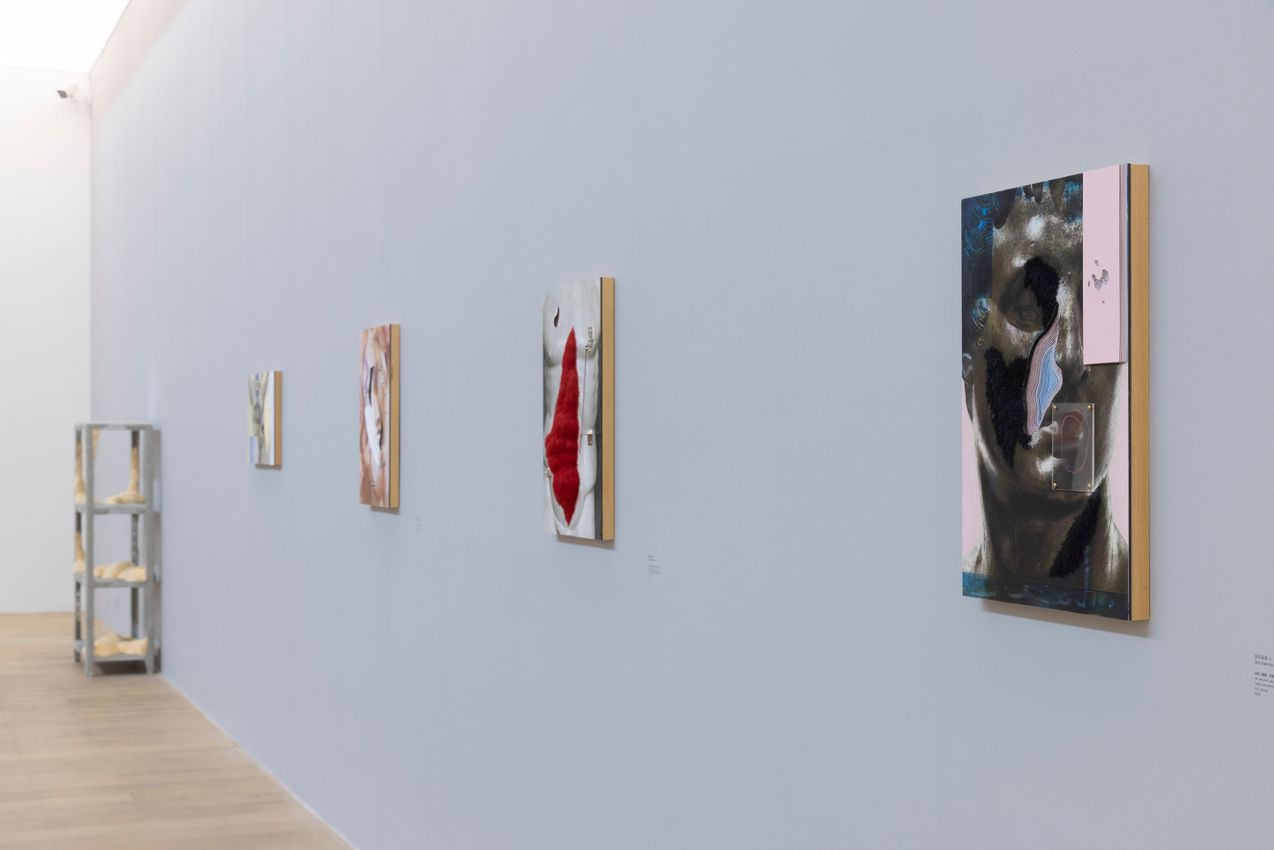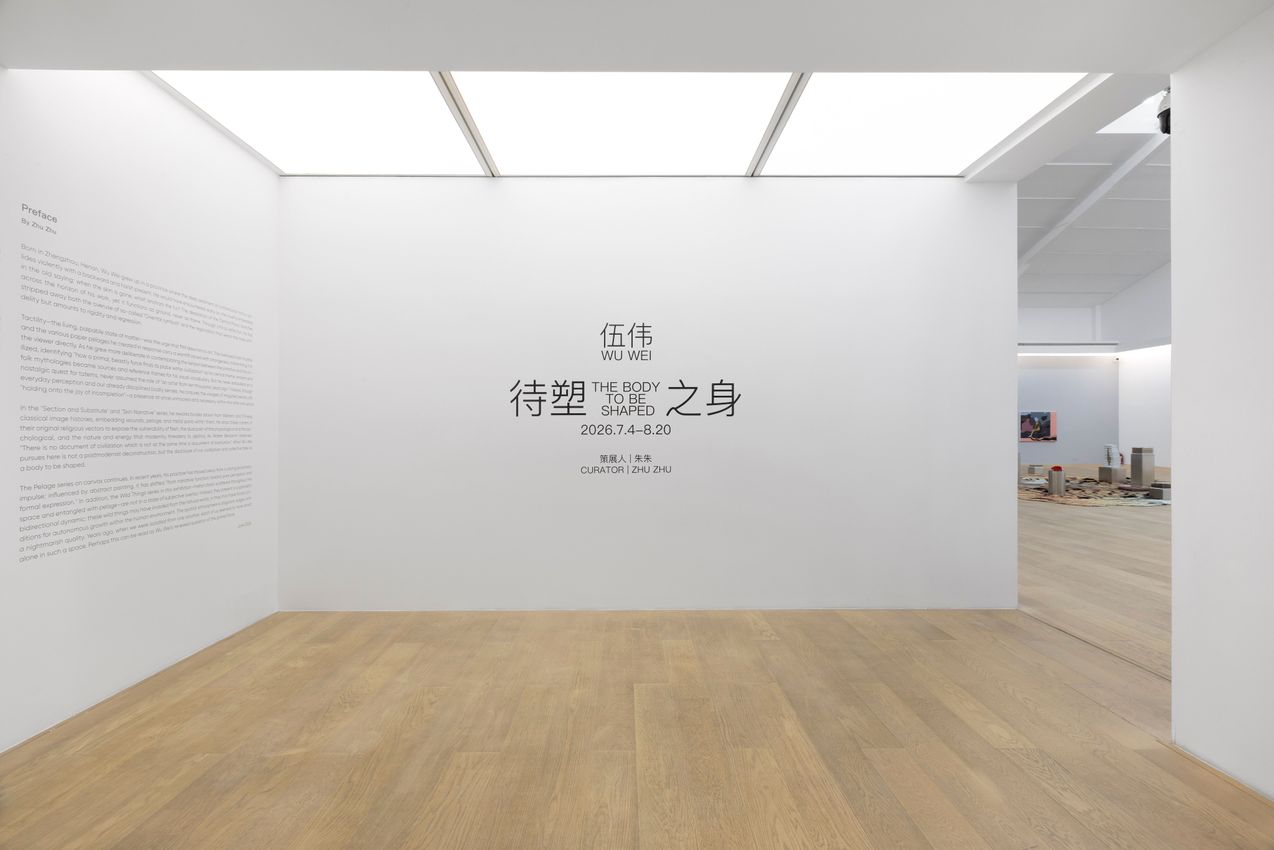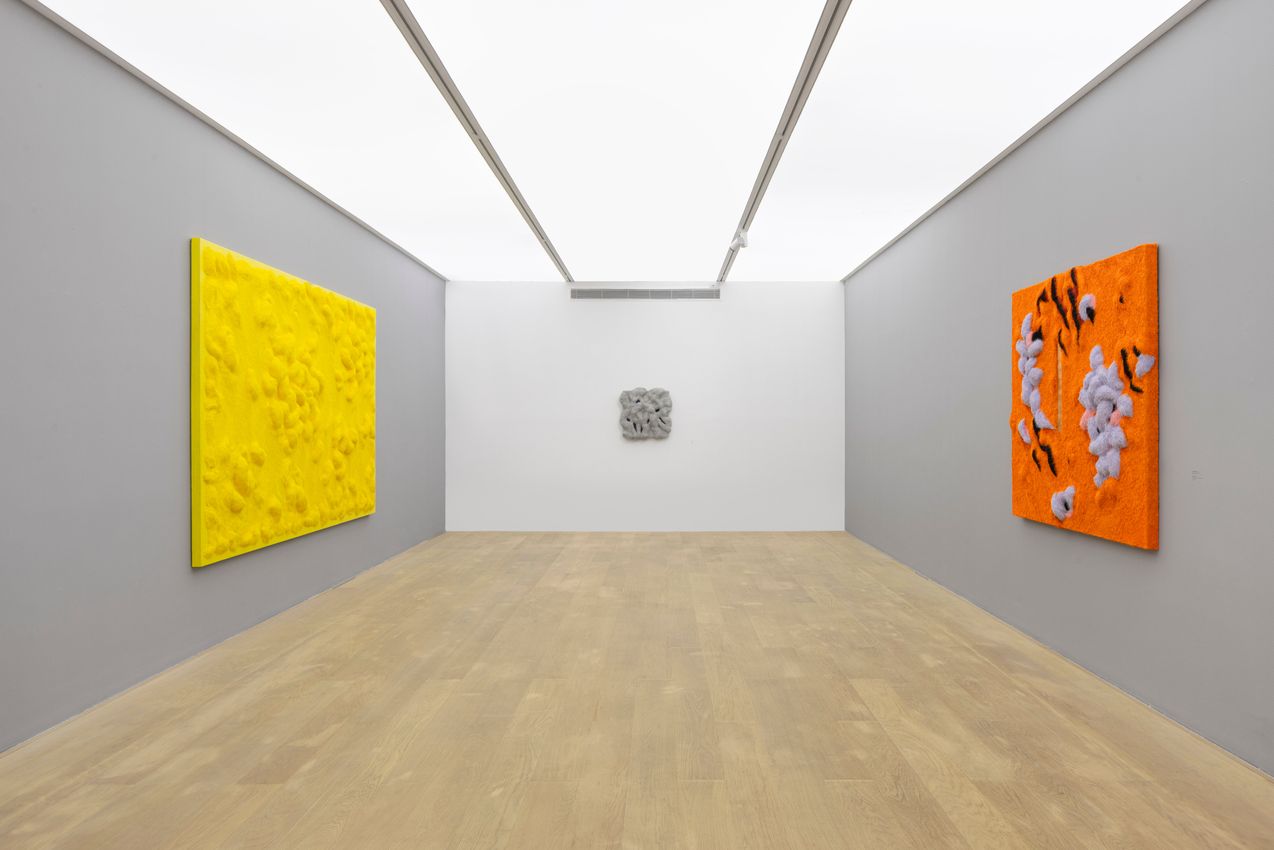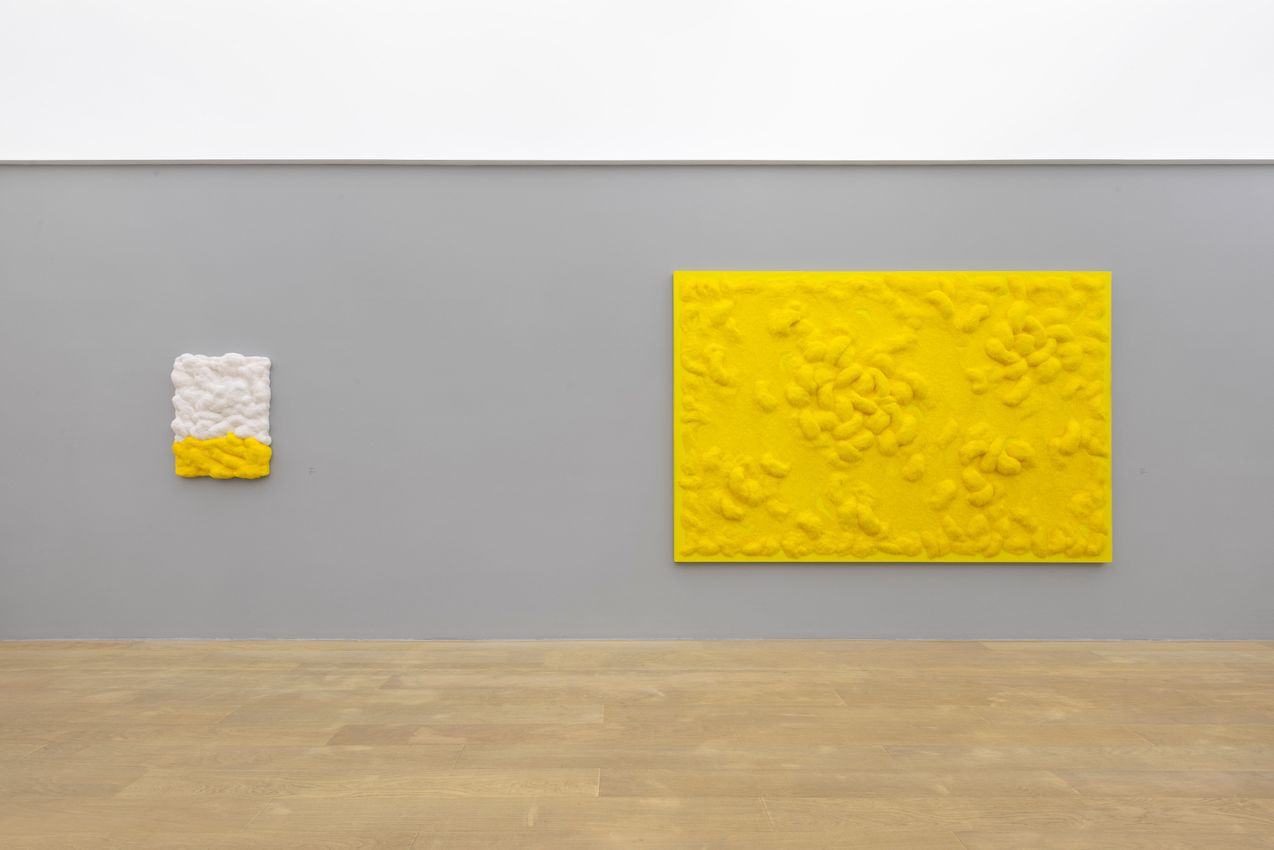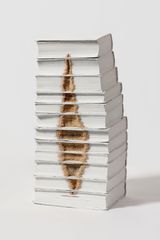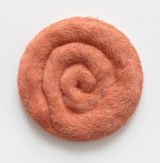




Tang Contemporary Art is pleased to announce The Body to Be Shaped, a solo exhibition of new works by Wu Wei, on view at its Beijing 1st Space from 4 July to 20 August 2026. Curated by Zhu Zhu, the exhibition brings together more than 40 recently completed works by the artist, offering a comprehensive presentation of his latest practice.
Born in Zhengzhou, Henan, Wu Wei grew up in a province where the deep sediment of civilisational history collides violently with a backward and harsh present. He would have encountered, early on, the cruelty embedded in the old saying: when the skin is gone, what anchors the fur? The desolation of the Central Plains stretches across the horizon of his work, yet it functions as ground, never as frame. Through critical reflection, he has stripped away both the overuse of so-called “Oriental symbols” and the regionalism that wears the mask of fidelity but amounts to rigidity and regression.
Tactility—the living, palpable state of matter—was the urge that first drew him to art. The oversized cloth thumbs and the various paper pelages he created in response carry a warmth laced with strangeness, transmitting it to the viewer directly. As he grew more deliberate in contemplating the tension between the primitive and the civilized, identifying “how a primal, beastly force finds its place within civilization” as his central theme, ancient and folk mythologies became sources and reference frames for his visual vocabulary. But he never embarked on a nostalgic quest for totems, never assumed the role of “an artist from ten thousand years ago.” Instead, through everyday perception and our already disciplined bodily senses, he conjures the visages of imagined beasts, still “holding onto the joy of incompletion”—a presence at once unmoored and necessary within this time and space.
In the “Section and Substitute” and “Skin Narrative” series, he reworks bodies drawn from Western and Chinese classical image histories, embedding wounds, pelage, and metal parts within them. He strips these carriers of their original religious vectors to expose the vulnerability of flesh, the dual pain of the physiological and the psychological, and the nature and energy that modernity threatens to destroy. As Walter Benjamin observed, “There is no document of civilization which is not at the same time a document of barbarism.” What Wu Wei pursues here is not a postmodernist deconstruction, but the disclosure of our civilization and collective fate as a body to be shaped.
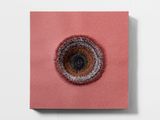
The Pelage series on canvas continues. In recent years, his practice has moved away from a strong biomimetic impulse; influenced by abstract painting, it has shifted “from narrative function toward pure perception and formal expression.” In addition, the Wild Things series in this exhibition—metal chairs scattered throughout the space and entangled with pelage—are not in a state of subjective overlay. Instead, they present a suspenseful bidirectional dynamic: these wild things may have invaded from the natural world, or they may have found conditions for autonomous growth within the human environment. The spatial atmosphere is stagnant, edged with a nightmarish quality. Years ago, when we were isolated from one another, each of us seemed to have stood alone in such a space. Perhaps this can be read as Wu Wei’s renewed question of the primal force.
Text by Zhu Zhu June, 2026


In 2012, Wu Wei graduated from the Experimental Art Department of the Central Academy of Fine Arts with a master’s degree and now lives in Beijing. Wu’s works are full of sensual desires, involving topics of civilisation, barbarism, and mythology, looking for new feelings and possibilities in materials and space.


Tang Contemporary Art was established in 1997 in Bangkok, later establishing galleries in Beijing and most recently Hong Kong. Tang Contemporary Art is fully committed to producing critical projects and exhibitions to promote Contemporary Chinese art regionally and worldwide and encourage a dynamic exchange between Chinese artists and those abroad.

A respected voice in contemporary art discourse.
Focusing on ambitious storytelling and insightful art-world commentary. Ocula Magazine publishes in-depth interviews, critical essays and timely analysis on the artists, exhibitions and ideas driving the global art world.
Learn more about Ocula Magazine
Showcasing the best of the art world.
Ocula partners with galleries from around the world to highlight their artists, artworks and exhibitions. Gallery membership is by application and invitation, with each member vetted by an independent panel.
Learn more about Ocula Membership

Specialises in the sale of major artworks.
Led by a team with deep ties to the world’s leading auction houses, galleries and collectors. Ocula’s advisory team offers bespoke services to high-net-worth clients from around the world who are looking to acquire the best of contemporary and modern art.
Learn more about our team and services