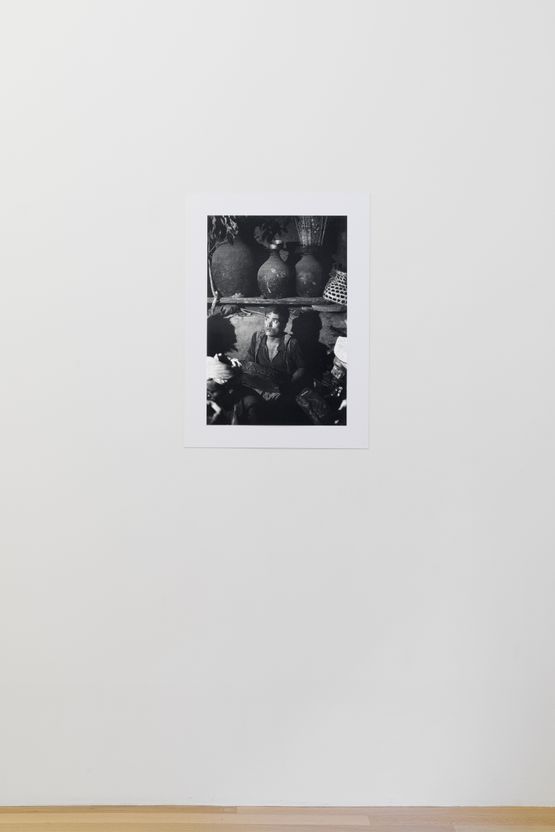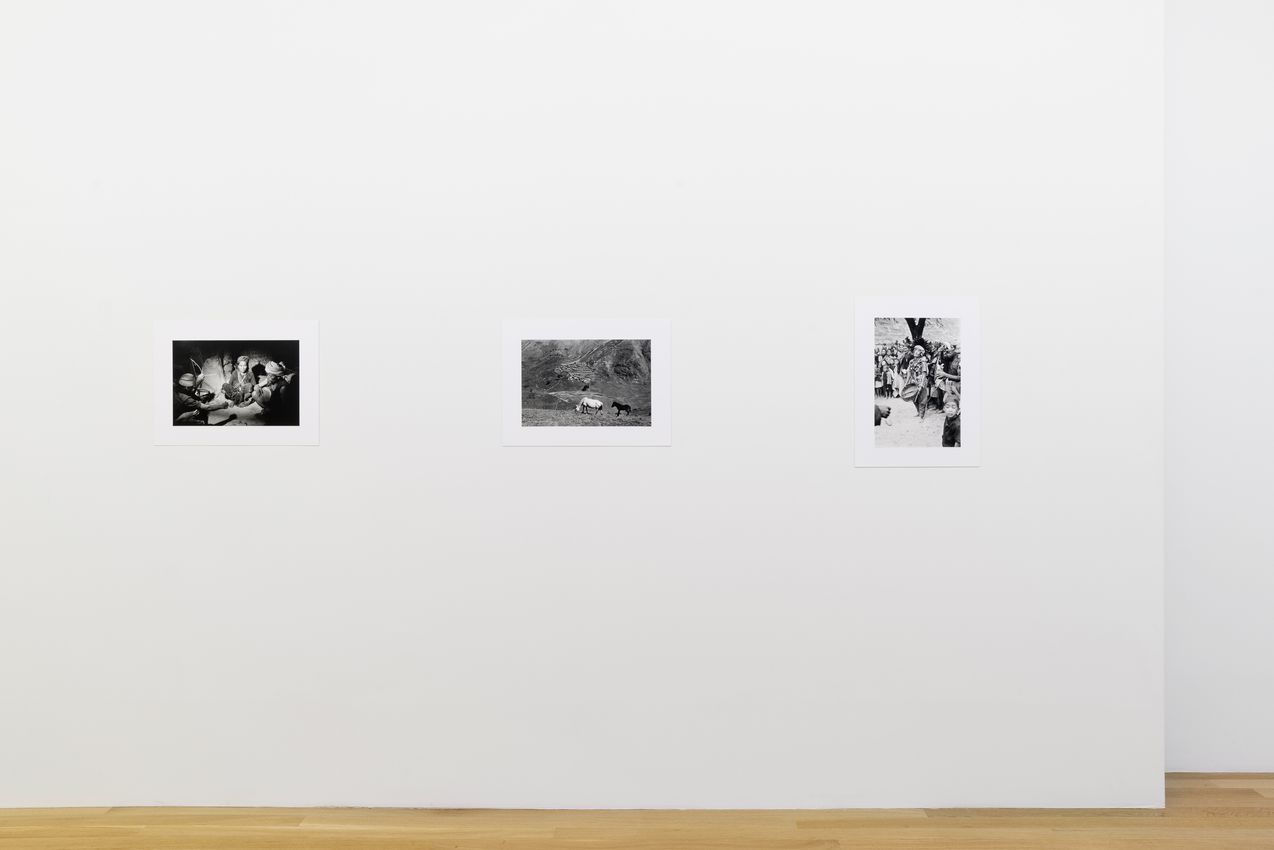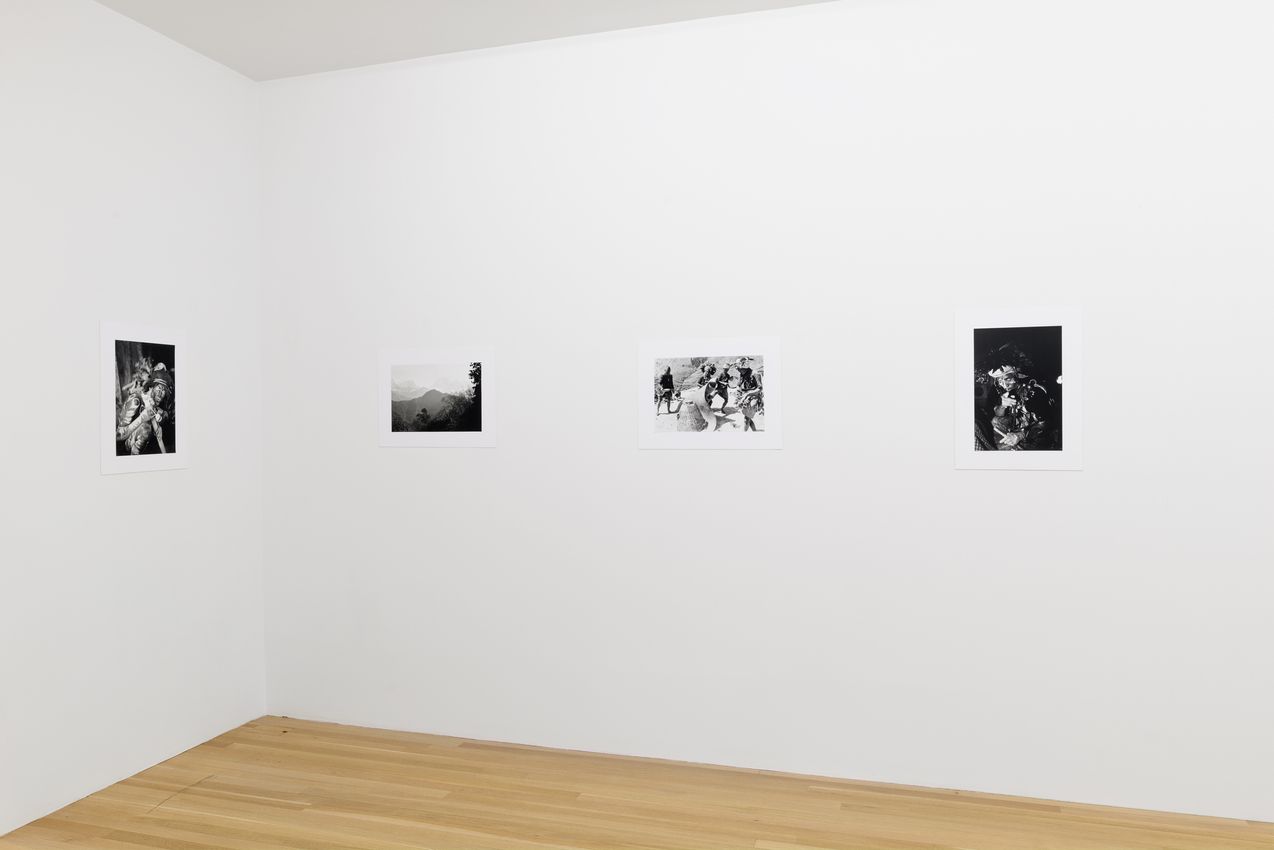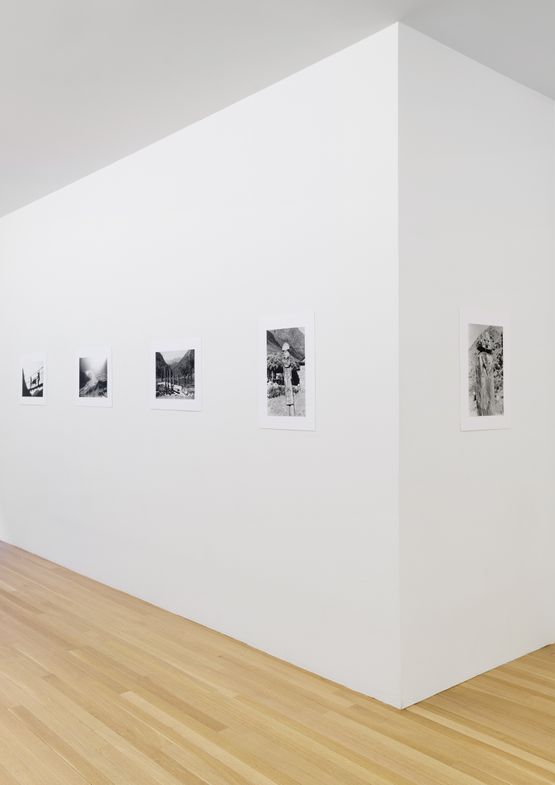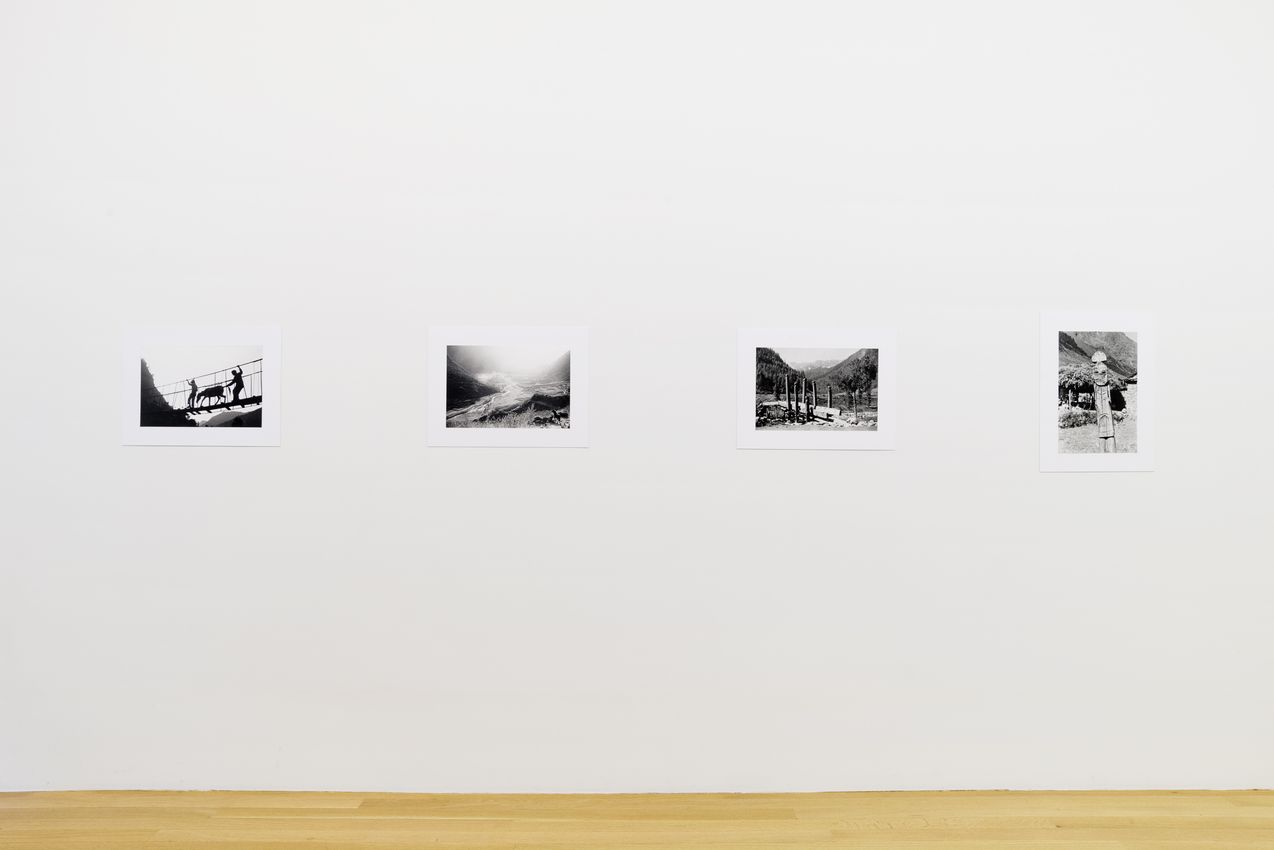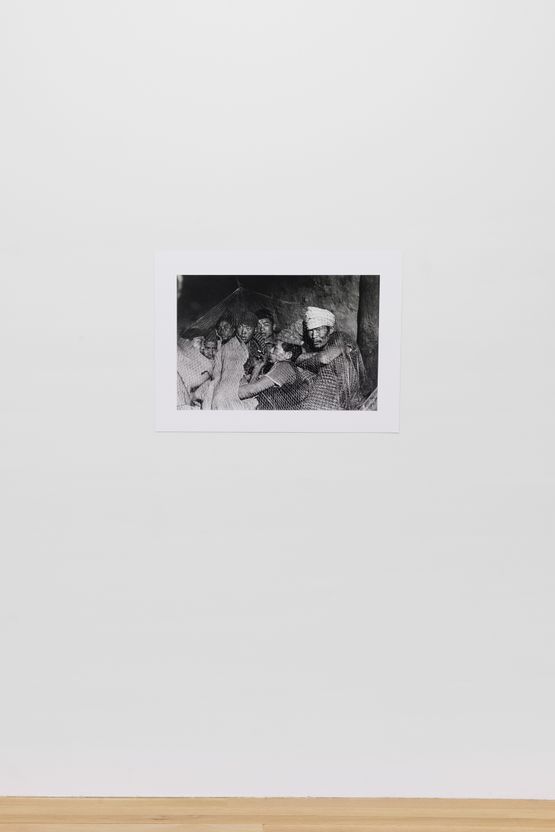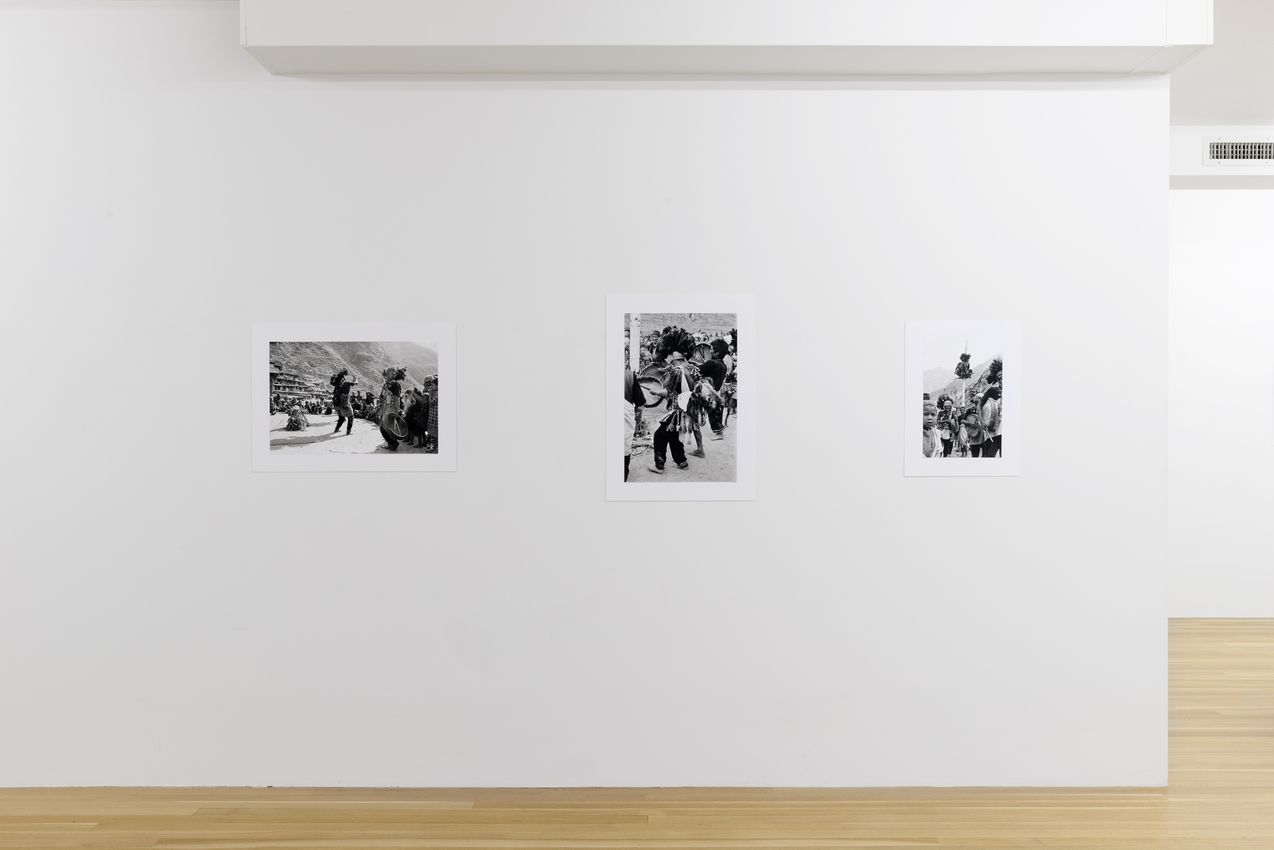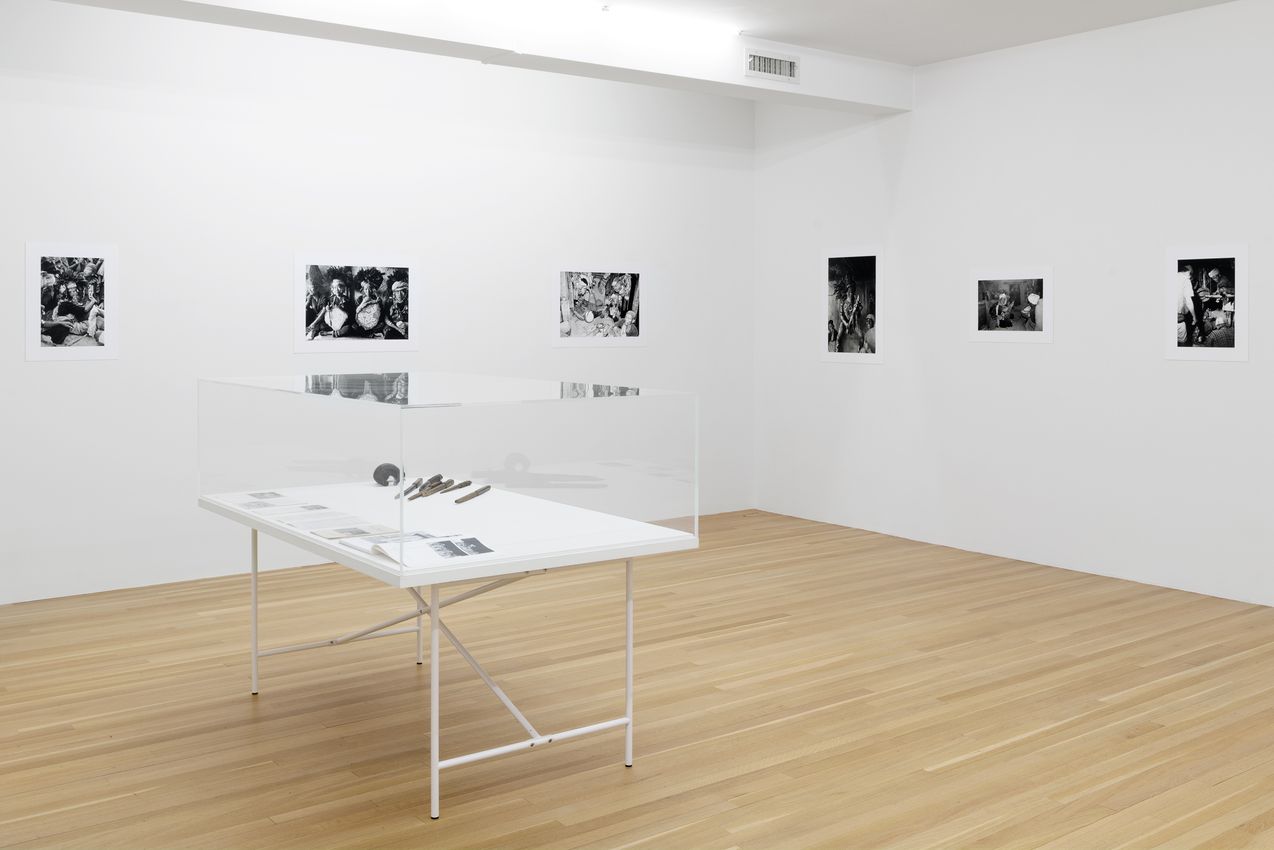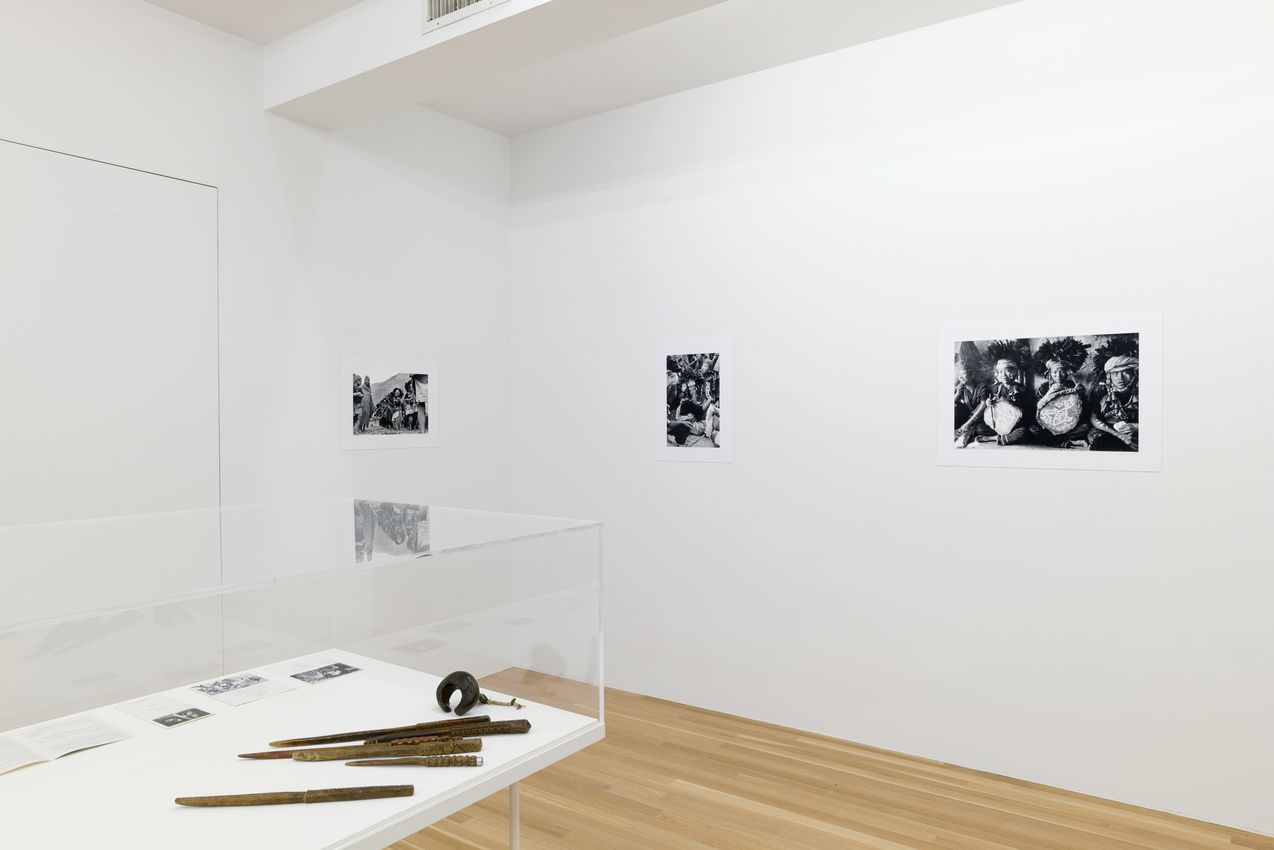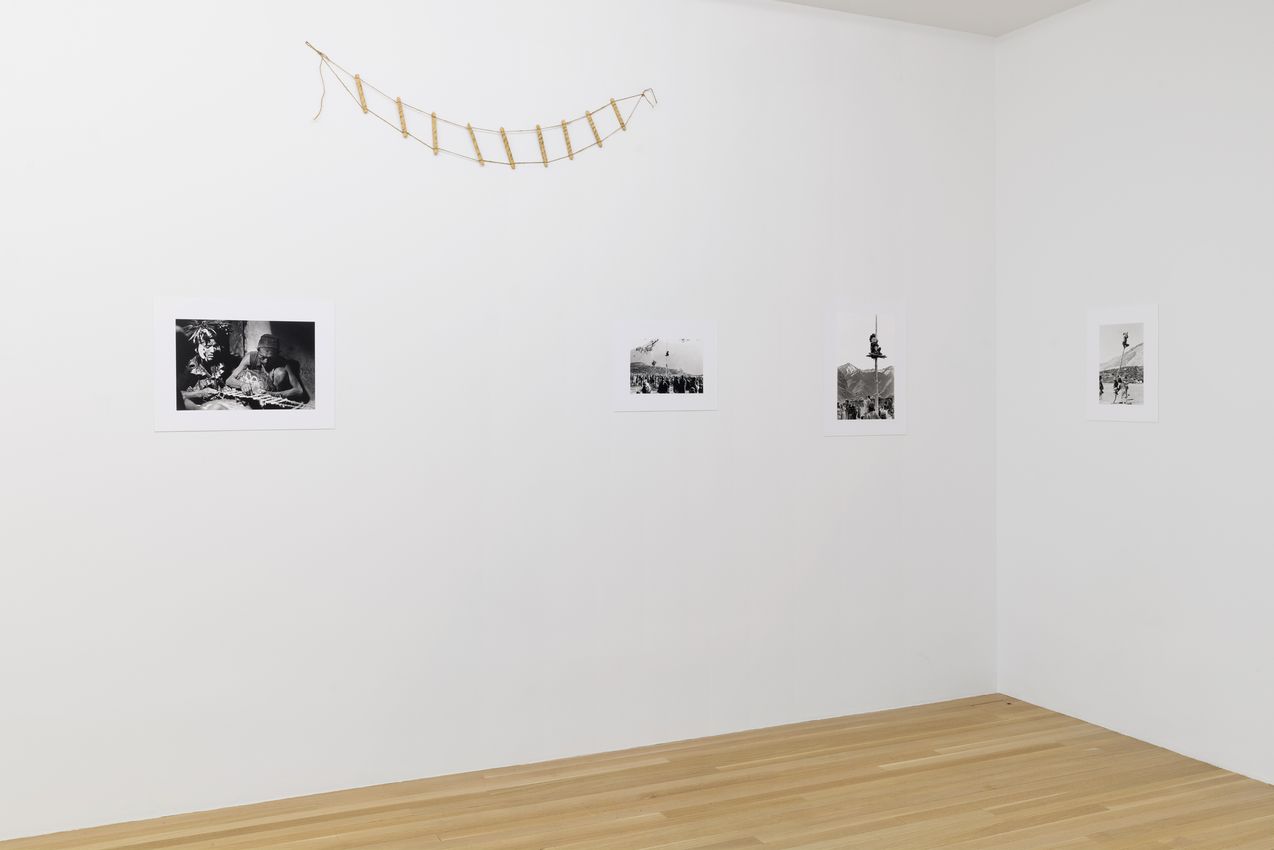




Titled Singers of Ten Thousand Lines Galerie Buchholz presents a series of photographs in conjunction with the launch of a new book. Both book and exhibited photographs focus on the extraordinary mythical traditions and ritual practices in a remote community in the Himalayan mountains, studied over a long period of field research by Michael Oppitz. The book now launched is the English version of his German original, first published in 1981 by Syndikat Verlag under the title Schamanen im Blinden Land. That book came out in parallel to a film of the same name, today considered a classic. Now appearing in English as Shamans of the Blind Country. A picture book from the Himalaya the new version extends the old by more than a third with additional original documentary photographs; it traces the historical changes that have transformed this mountainous region of Nepal in the last four decades in an extensive epilogue; and it suggests a wider context of ritual healing in the Himalaya by appending a selection of early pictures of shamanism in Siberia.
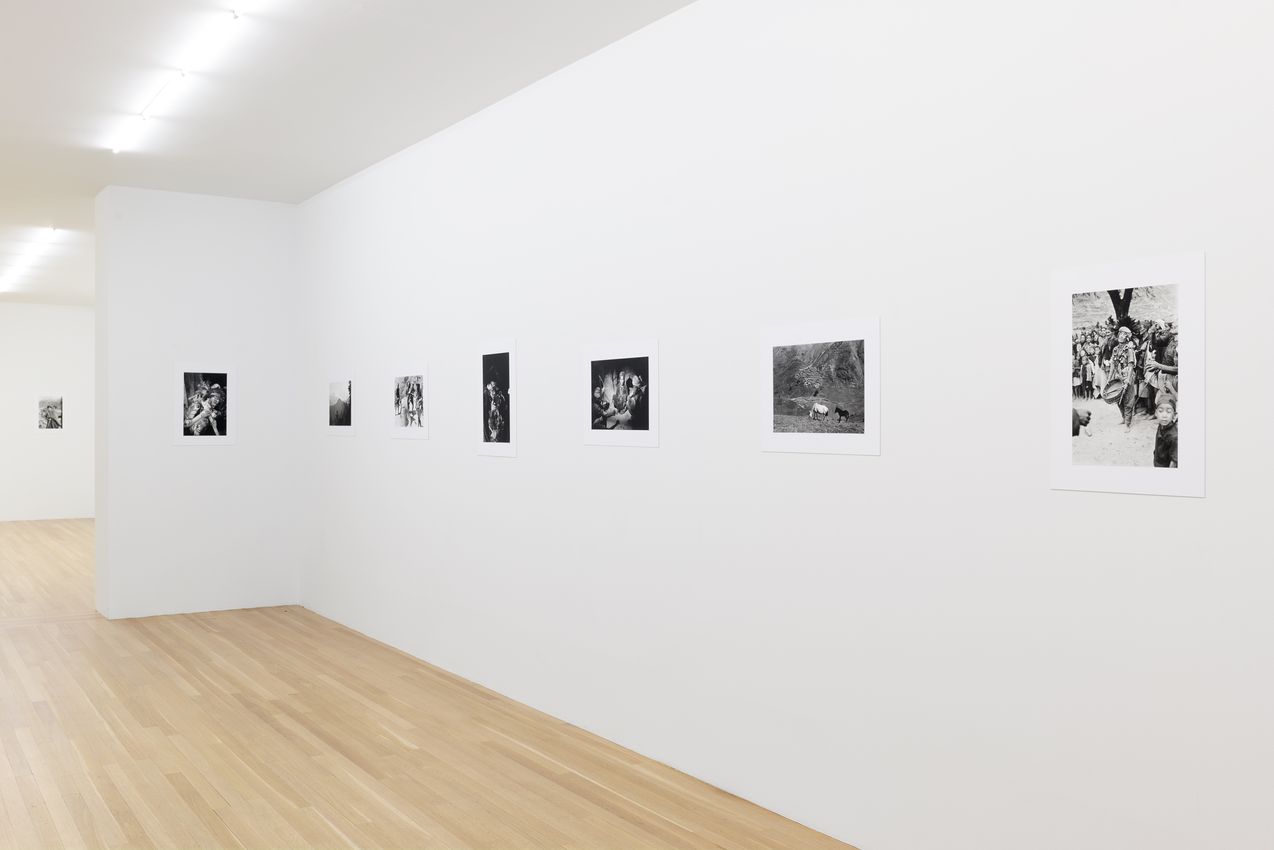
While the picture book Shamans of the Blind Country generates a tension between words and pictures by putting both on equal footing, granting each an equal space, the exhibition Singers of Ten Thousand Lines relies exclusively on photographs. Each of these photos stands on its own, without any verbal support. Isolated, each photograph tells its own story, even though all of them are connected with an identical social and ritual background: the religious and daily life of the Himalayan village here documented. Only some of the photographs shown display a serial quality, suggesting the continuous run of events from which they were taken. This social run of life was the common starting point for the book, the film, and the photographs, each of them seeking in their own way to test the possibilities of how ethnography can witness the passing of time.
Michael Oppitz was born in 1942 near Schneekoppe on the Czech-Polish border (Silesia). He grew up in Cologne and studied in Berkeley, Bonn, and Cologne; he earned his PhD in 1974 with a book on the history of structural anthropology, followed by a habilitation on cross-cousin marriage in 1986. He held visiting professorships in England, France, the United States, and was professor of anthropology at the University of Zurich and director of the Ethnographic Museum, Zurich, from 1991 until 2008, when he retired. He conducted fieldwork in the Himalayas among the Sherpa (1965), the Magar (1977–1984), the Naxi of Yunnan (1995–1996), and the Qiang of Sichuan (2000–2001). Studies on kinship, mythology, ritual, shamanism, visual anthropology, and material culture were released by various publishers; his most recent book, Morphologie der Schamanentrommel, came out in 2013. He is currently working on a study on the myth of lost writing.


Galerie Buchholz is an art gallery specializing in international contemporary art, with exhibition spaces in Cologne, Berlin and New York City. The gallery was founded in Cologne in 1986 by Daniel Buchholz, and today is run jointly with Christopher Müller.

A respected voice in contemporary art discourse.
Focusing on ambitious storytelling and insightful art-world commentary. Ocula Magazine publishes in-depth interviews, critical essays and timely analysis on the artists, exhibitions and ideas driving the global art world.
Learn more about Ocula Magazine
Showcasing the best of the art world.
Ocula partners with galleries from around the world to highlight their artists, artworks and exhibitions. Gallery membership is by application and invitation, with each member vetted by an independent panel.
Learn more about Ocula Membership

Specialises in the sale of major artworks.
Led by a team with deep ties to the world’s leading auction houses, galleries and collectors. Ocula’s advisory team offers bespoke services to high-net-worth clients from around the world who are looking to acquire the best of contemporary and modern art.
Learn more about our team and services