Imprisoned by the absurd reality we are living in currently, we dream. Between the elusive past and the illusive future we imagine, reinvent, project and explore the possibilities of utopic cities.
Imaginary Cities is a project that unfolds in chapters: Collaborations exploring cities through the prism of reveries and realities, fluidity and friction, the magical, the playful, and the futuristic...
HERBERT HAMAK
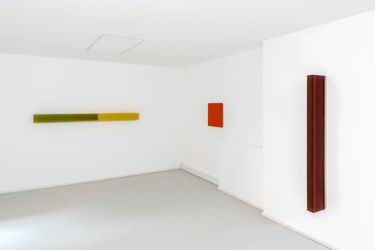
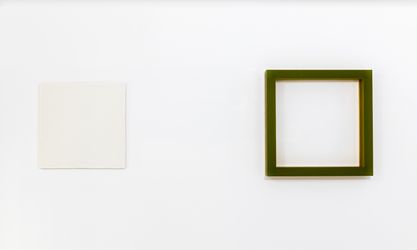
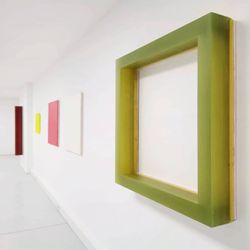
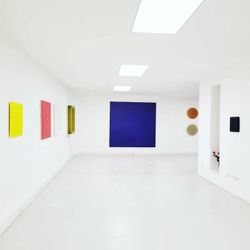
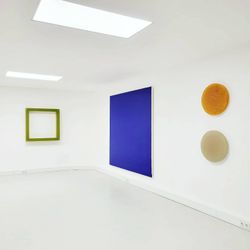
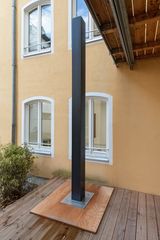
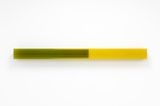
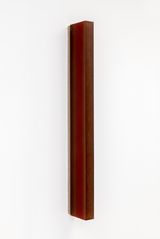
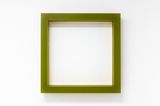
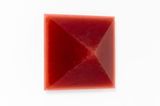
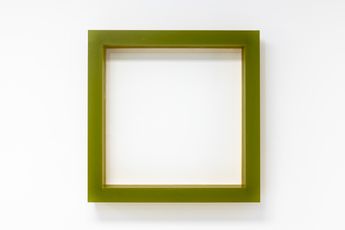
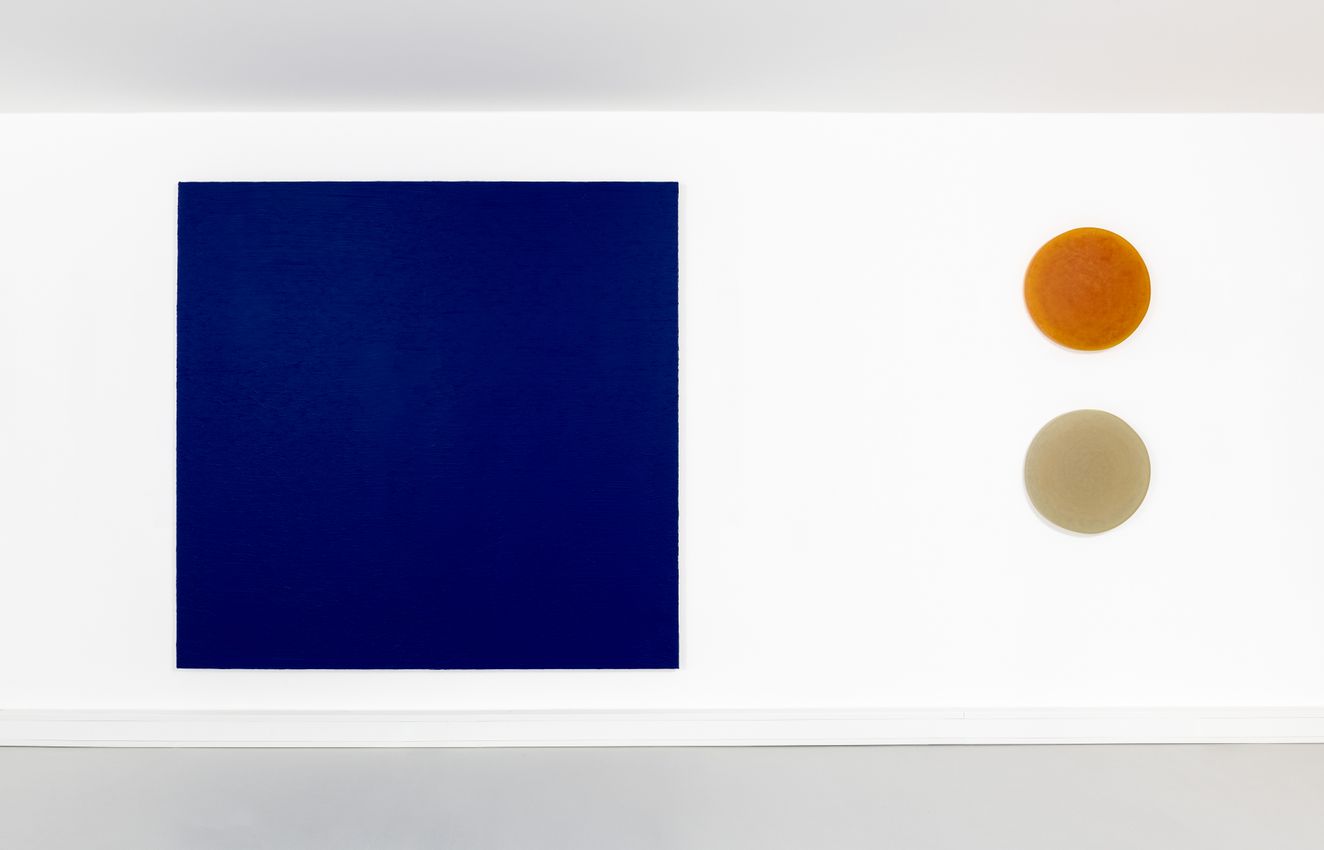
Herbert Hamak has developed a special process binding pigments in synthetic resin and wax. The resulting liquid mass is then being poured into a particular shape. Wood-framed canvasses which serve as carriers are immersed into this mass. The results are mostly monochrome picture objects of incredible beauty and colour density, displaying extremely sensitive reactions to changing light effects.
Multi-layered is the best way to describe these bodies of colour extending into surrounding space; various shapes of solid strength and weight which at the same time, owing to their transparent surface, appear to be light and immaterial. Hamak is paying attention to his choice of pigments which give his works their unique luminescence and increase their three-dimensional effect. The interplay of shape and colour in Hamak’s work suggests a concept of space the limits of which cannot be clearly defined. The remnants of canvas visible at the edge of these bodies of colour have to be taken as a clear hint: Hamak does not think of his works as sculptures but as space-conquering paintings.
DIETER VILINGER
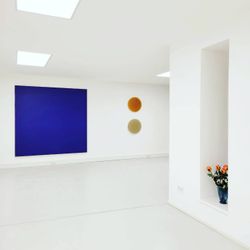
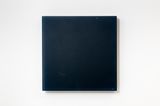
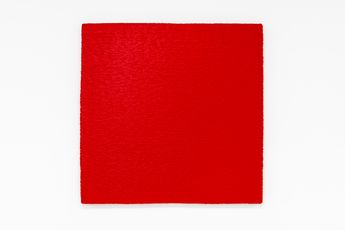
Born in Germany in 1947, artist Dieter Villinger has made a career in making large monochromatic paintings conscious of their physicality and the spatial relationship between them and the environment in which they’re installed. He is considered to be one of the outstanding German representatives of the art movement ‘Radical Painting’.
He is considered to be one of the outstanding German representatives of the art movement ‘Radical Painting’. In his work, Villinger examines the way in which paint is applied, which leads to moving, relief-like surfaces. With paintbrushes, brushes and spatulas, he works on a tough mass of paint. Sometimes he applies so much paint that gravity sets it in motion. Vertical color gradients arise and break through the horizontal traces of movement. The painting process remains visible on the canvas. Color is both a means of representation and an object of representation.


Named after a Phoenician goddess, Galerie Tanit is a long running contemporary art gallery based in Munich and Beirut that has dynamically adjusted its focus with the times.

A respected voice in contemporary art discourse.
Focusing on ambitious storytelling and insightful art-world commentary. Ocula Magazine publishes in-depth interviews, critical essays and timely analysis on the artists, exhibitions and ideas driving the global art world.
Learn more about Ocula Magazine
Showcasing the best of the art world.
Ocula partners with galleries from around the world to highlight their artists, artworks and exhibitions. Gallery membership is by application and invitation, with each member vetted by an independent panel.
Learn more about Ocula Membership
Specialises in the sale of major artworks.
Led by a team with deep ties to the world’s leading auction houses, galleries and collectors. Ocula’s advisory team offers bespoke services to high-net-worth clients from around the world who are looking to acquire the best of contemporary and modern art.
Learn more about our team and services