Press Release

Galerie Urs Meile Beijing is pleased to announce Mount of Time, a solo exhibition by artist Cai Dongdong (b. 1978). This exhibition presents a series of new works by the artist created in recent years, rooted in film photography and spanning a diverse range of media, including photography, installation, and mixed media. Drawing on the artist’s longterm practice, the exhibition explores the relationship between images, materials, and lived experience, and further delves into the structural connections in themes such as body, family, labor, memory, and history that are not easily discernible.

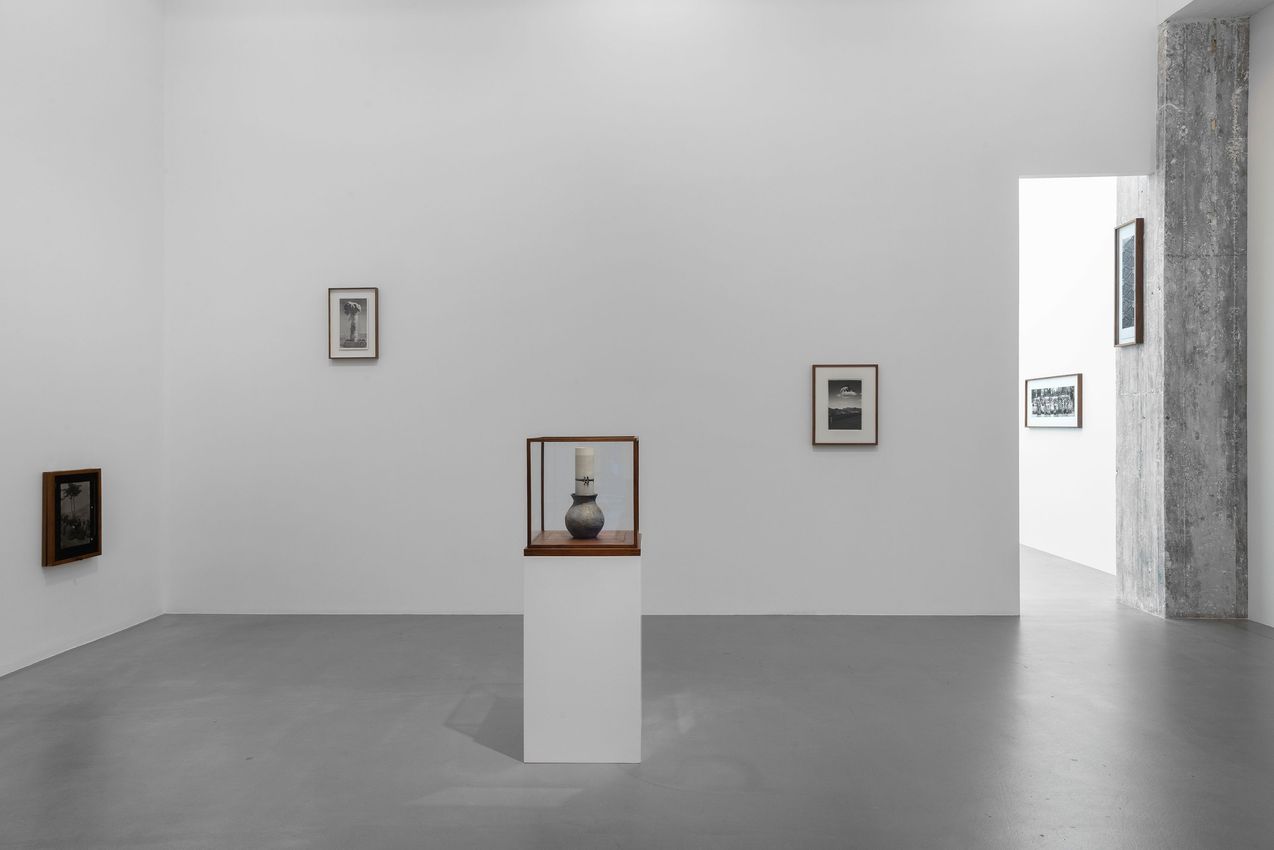
Since first engaging with photography in 2000, Cai Dongdong has persistently worked with film, personally producing all his prints by hand in the darkroom. In his practice, photography is not merely a method of image production, but also a concrete material process. This approach differs from other art forms; the artist understands film photography as “the direct depiction of light on matter”: light acts on photosensitive materials, leaving traces within them—a process that maintains a unique and complex connection between photography and the reality that once existed. This focus on the materiality of photography forms the foundation of Cai’s work. Through exposure control, hand collage, masking, binding, material grafting, and reordering, the artist continuously aims to push the boundaries of photography, extending it towards painting, sculpture, and installation. It is through these material interventions that the subtle underlying structures within rigid images are revealed and deconstructed.

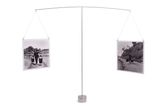
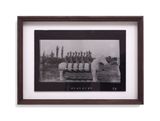
Read more Cai has long taken and collected photographs. While the acquisition of these images may seem accidental, the artist’s selection and re-creation of them remain connected to personal experience, collective memory, and certain shared experiences embedded in modern Chinese visual culture. In the exhibition’s titular work, Mount of Time (2026), a stone horse is repeatedly spliced and extended, piecing together a sense of temporality that transcends reality. This “dramatic” structure of the photo collage, reflecting a certain collective memory, awakens the image. In the work Group Photo (2023), the artist cuts apart group photos of primary school students and middle school students respectively, then reassembles the fragments into a single crowd—responding to the subtle tension between the collective and the individual.

For Cai, a photograph is never the end, but a beginning. His various modes of intervention are not merely forms; they correspond to how memory, the body, labor, time, and history are organized and shaped. He understands artistic creation as an open and unfinished process: the photograph is no longer simply an image to be viewed, but becomes a substance that can be reconstructed and re-viewed.

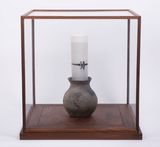
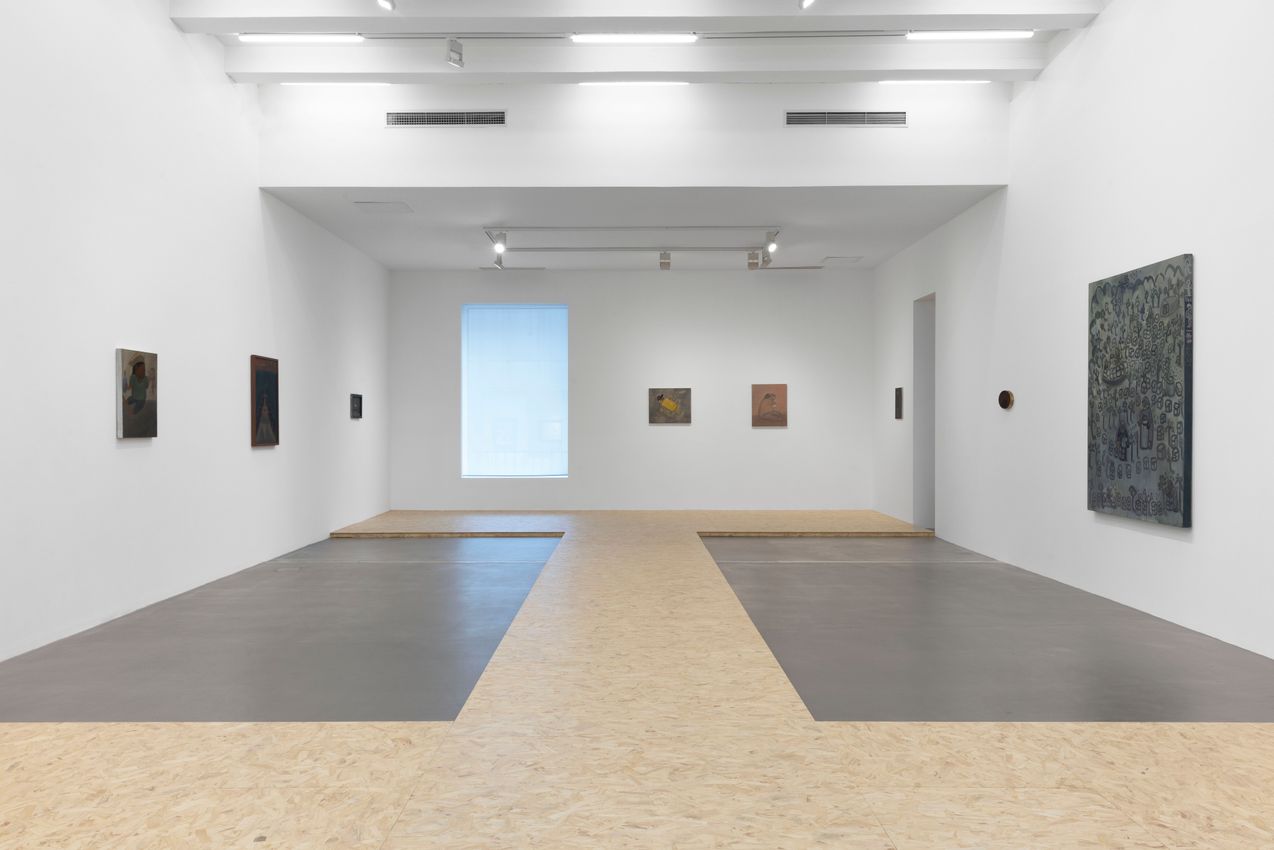
The exhibition space is divided into three interconnected rooms, with the narrative unfolding progressively, the works linked by implicit emotional and structural threads. At the entrance, the installation River in a Jar (2025) grafts modern photography onto an ancient clay pot, constructing a distinct “scene” that spans time and space. The installations Granary (2024) and Danzi (Shoulder Pole) (2026) present a robust rhythm of labor. In Rice Falls From the Sky (2024), real grains of rice are scattered across the surface of the photograph, exploring a sense of “bestowed” grace; meanwhile, the actual incision in The Wall of the Crack (2022) creates a tangible sense of obstruction, echoing the ubiquitous barriers and boundaries.

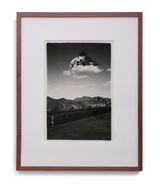
Cai’s creative process is not a sudden flash of inspiration, but rather a process of slow growth over time, like a tree sprouting lush branches from its trunk. The core thread of his practice lies in working with real photographs bound up with memory. Precisely for this reason, “waiting” becomes increasingly vital—waiting for the precise point of intervention, for a structure to emerge from within the photograph... a new structure that coheres organically with the old. In these silver-gelatin photographs, seemingly light yet perfectly balanced structures grow through those tangible interventions, whether looking back, revealing, or responding; carrying past memories while also bringing them into today’s reality, establishing new connections between different times and experiences.

Read More
About the Artist

Cai Dongdong’s creative practice was based on manual intervention and treatment to the “ghost pieces” in photography. The daub, accumulation, tearing, grinding and even add a series of wonders to the finished products and became the expansion of image itself and the lenovo of properties.

View Artist Profile

Also Exhibiting at Galerie Urs Meile

About the Gallery

Galerie Urs Meile, established 1992 in Lucerne, Switzerland, is dedicated to representing a diverse array of Chinese and European artists spanning various generations and artistic media, encompassing painting, sculpture, installation, photography and video.

View Gallery Profile
Address
D10, 798 East Street
798 Art District, No. 2 Jiuxianqiao Road
Chaoyang District
Beijing
China
Opening Hours
Tues - Sun, 11am - 6.30pm
(1)
Beijing D10, 798 East Street, 798 Art District, No. 2 Jiuxianqiao Road
Galerie Urs Meile
D10, 798 East Street, 798 Art District, No. 2 Jiuxianqiao Road, Chaoyang District, Beijing, China

Opening hours
Tues - Sun, 11am - 6.30pm
The art world in focus