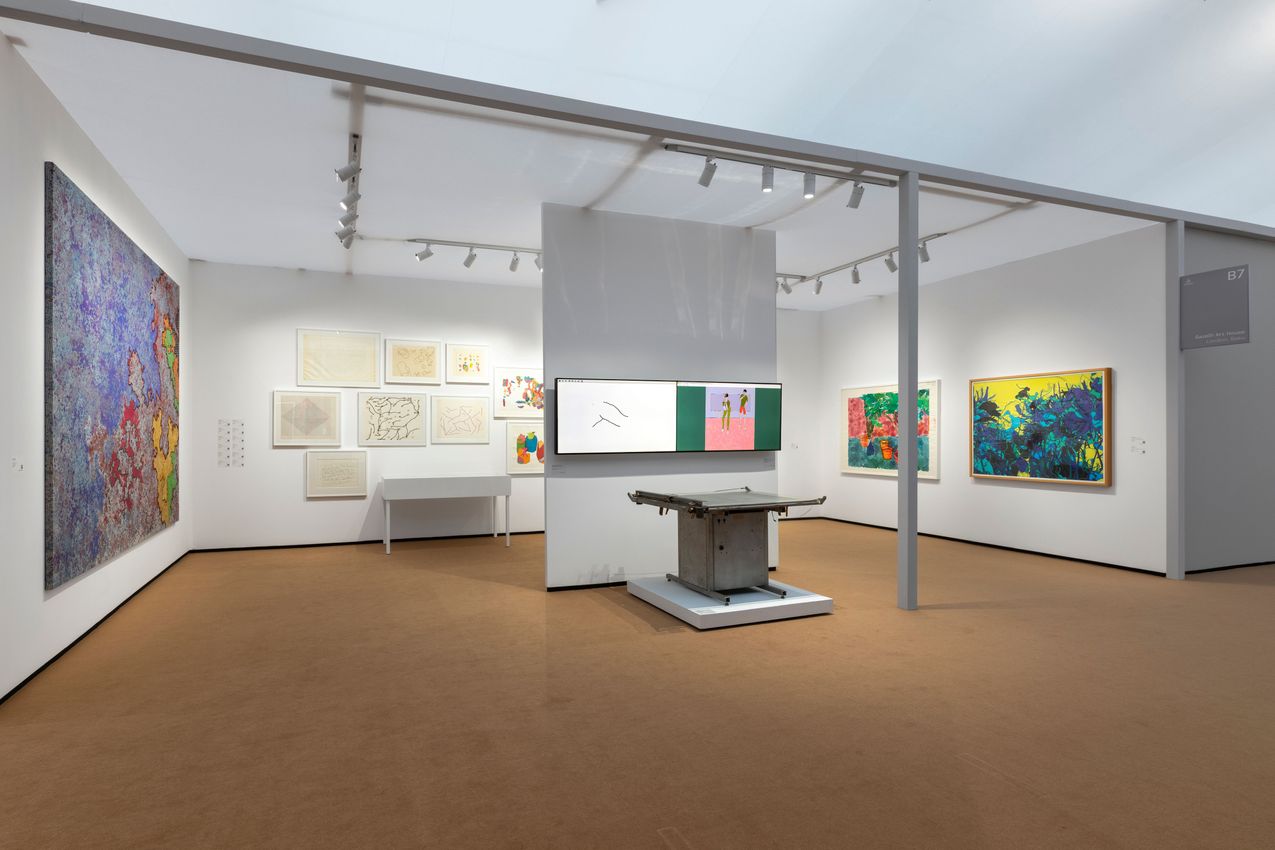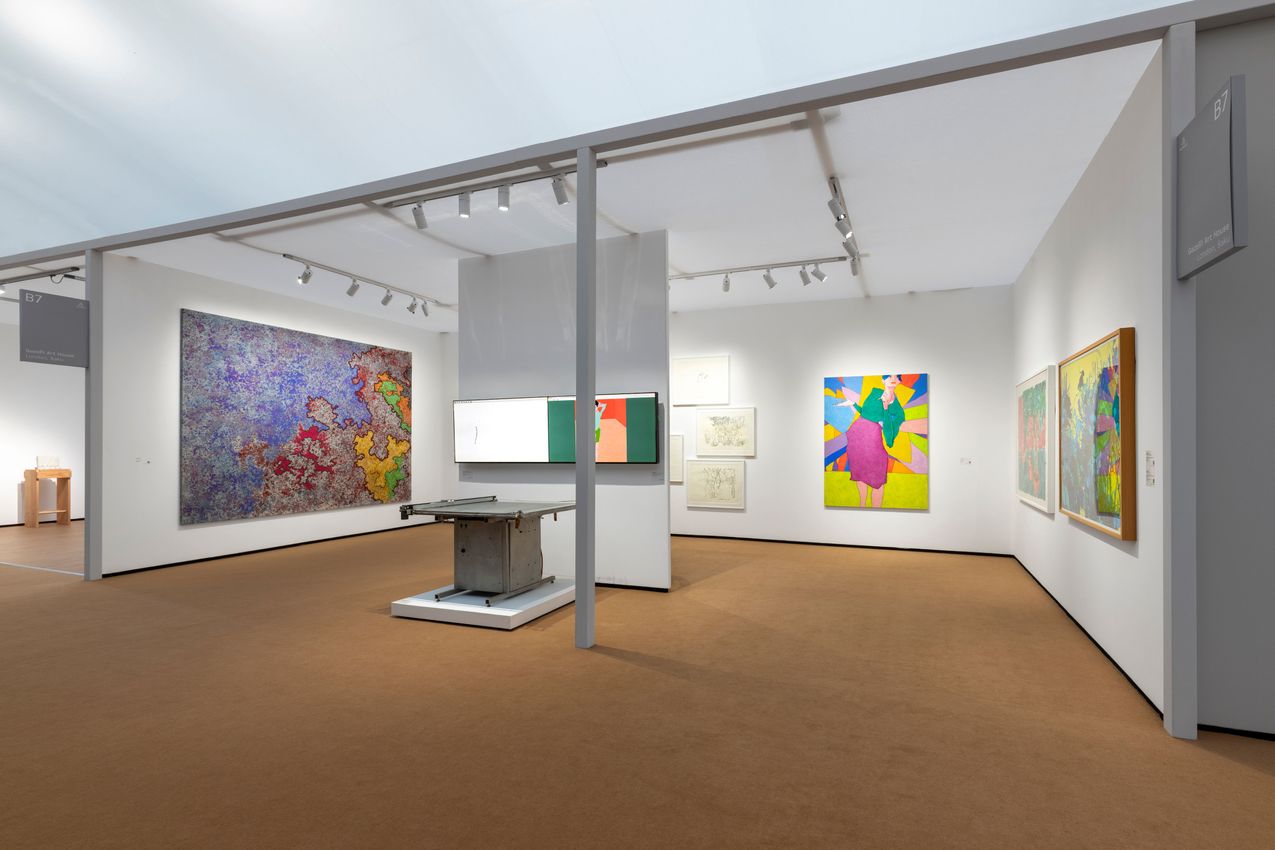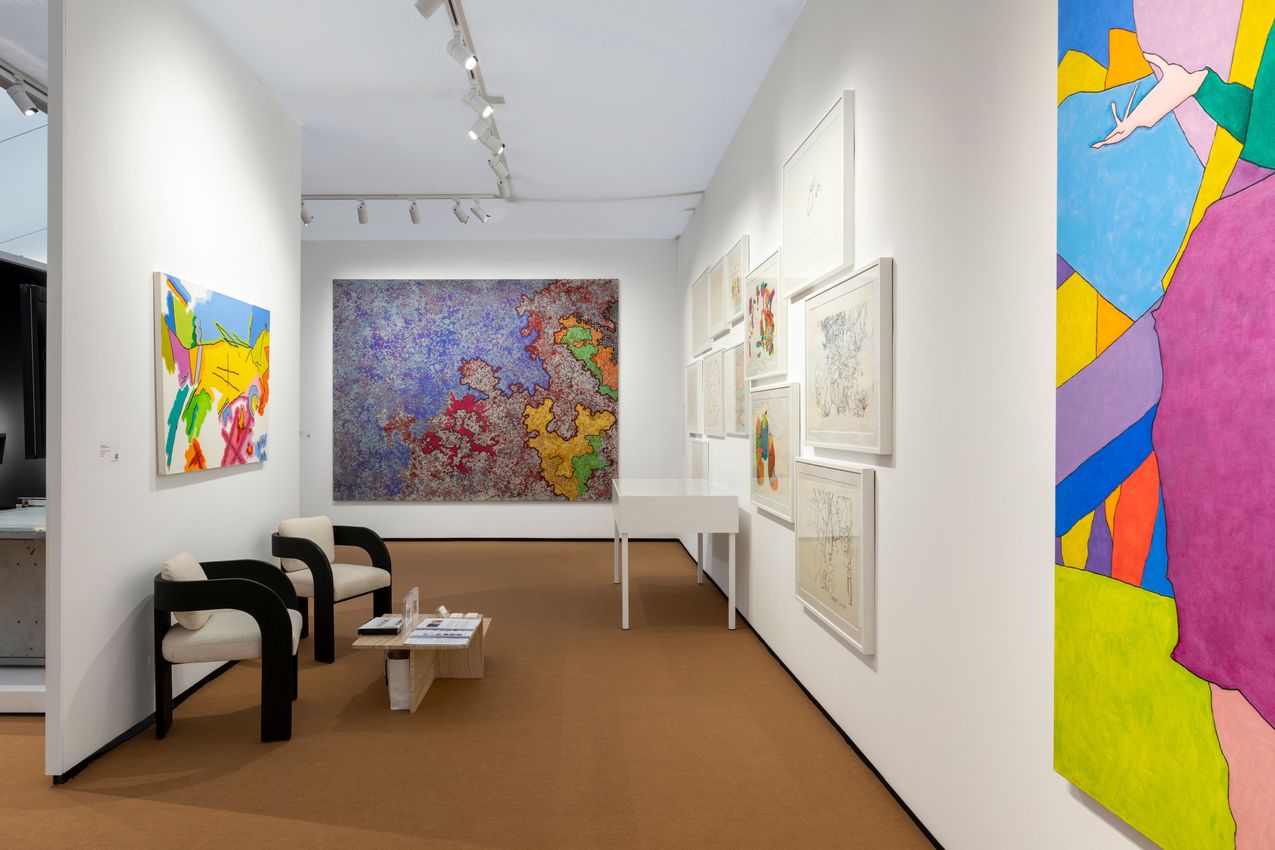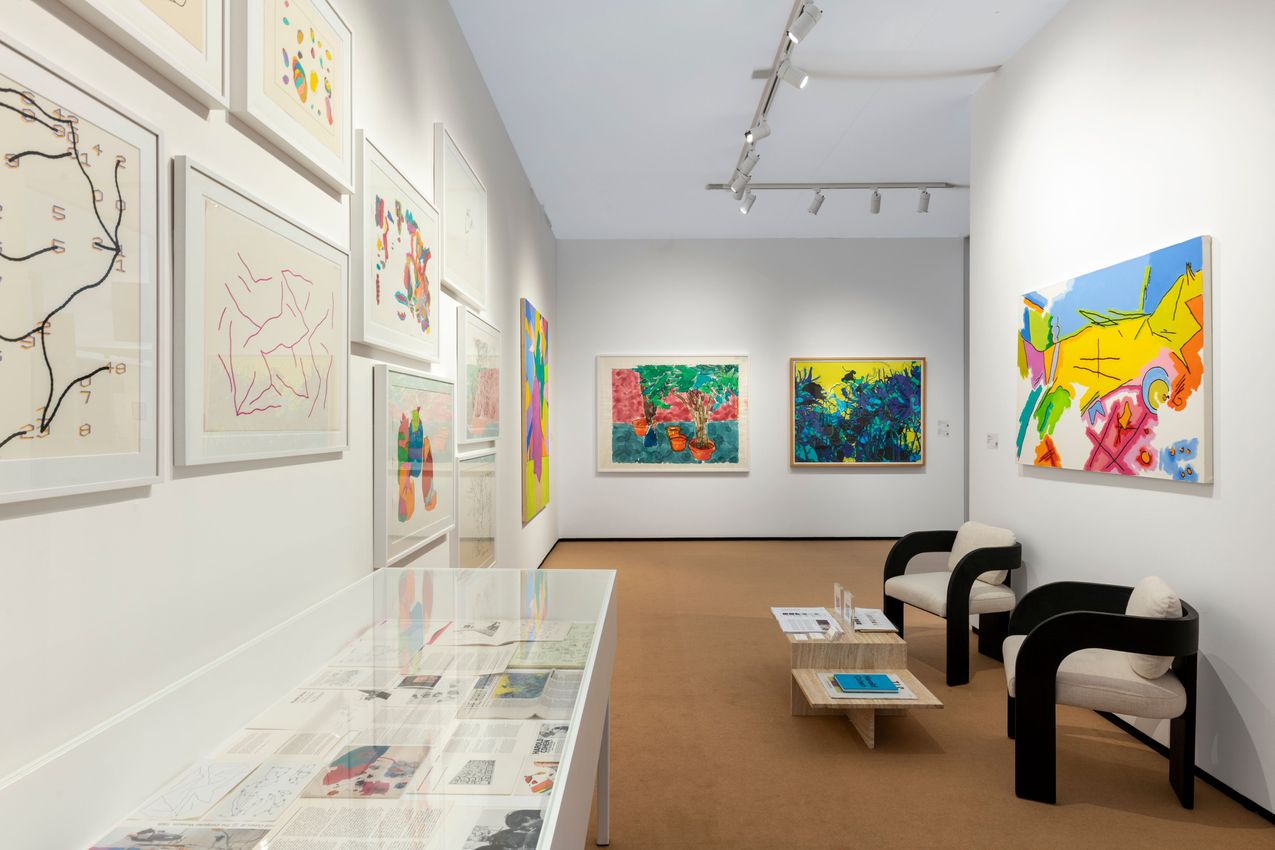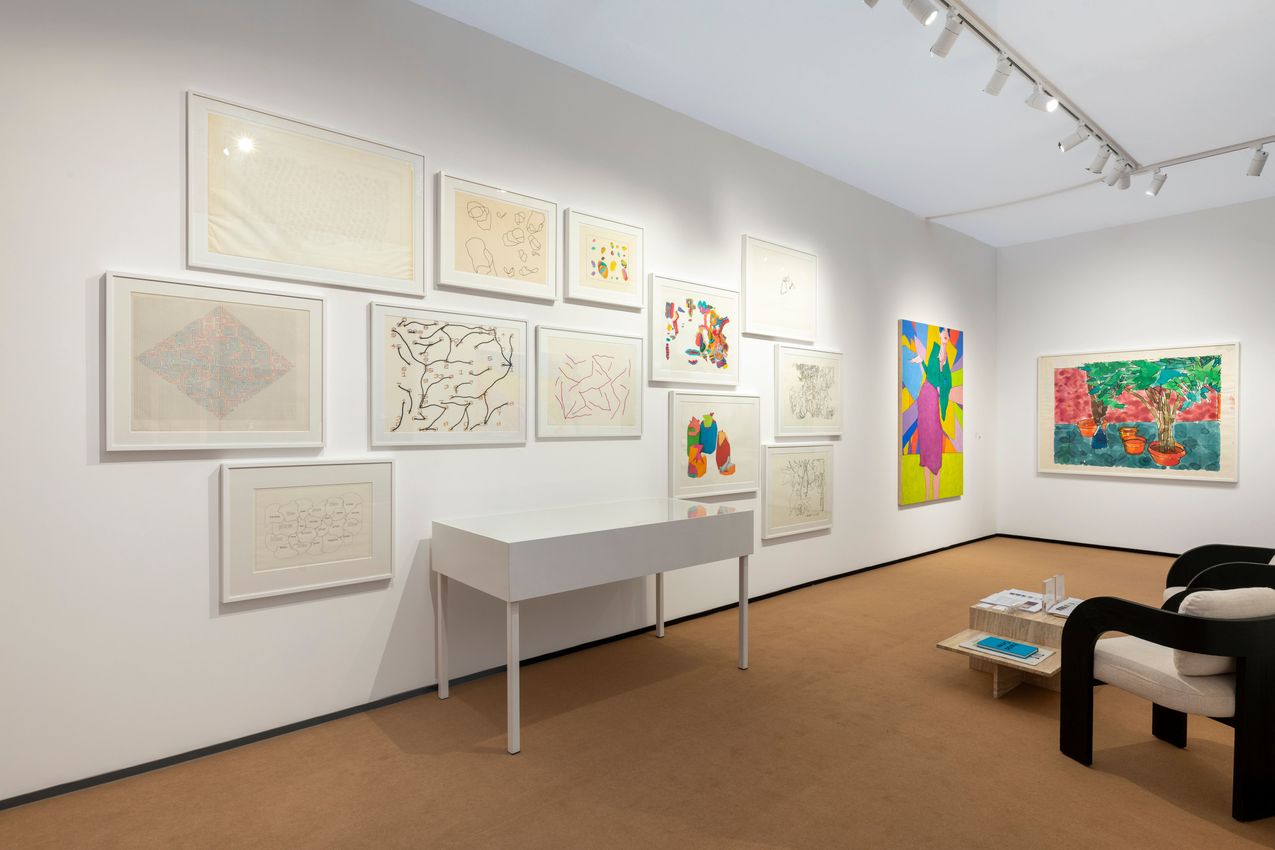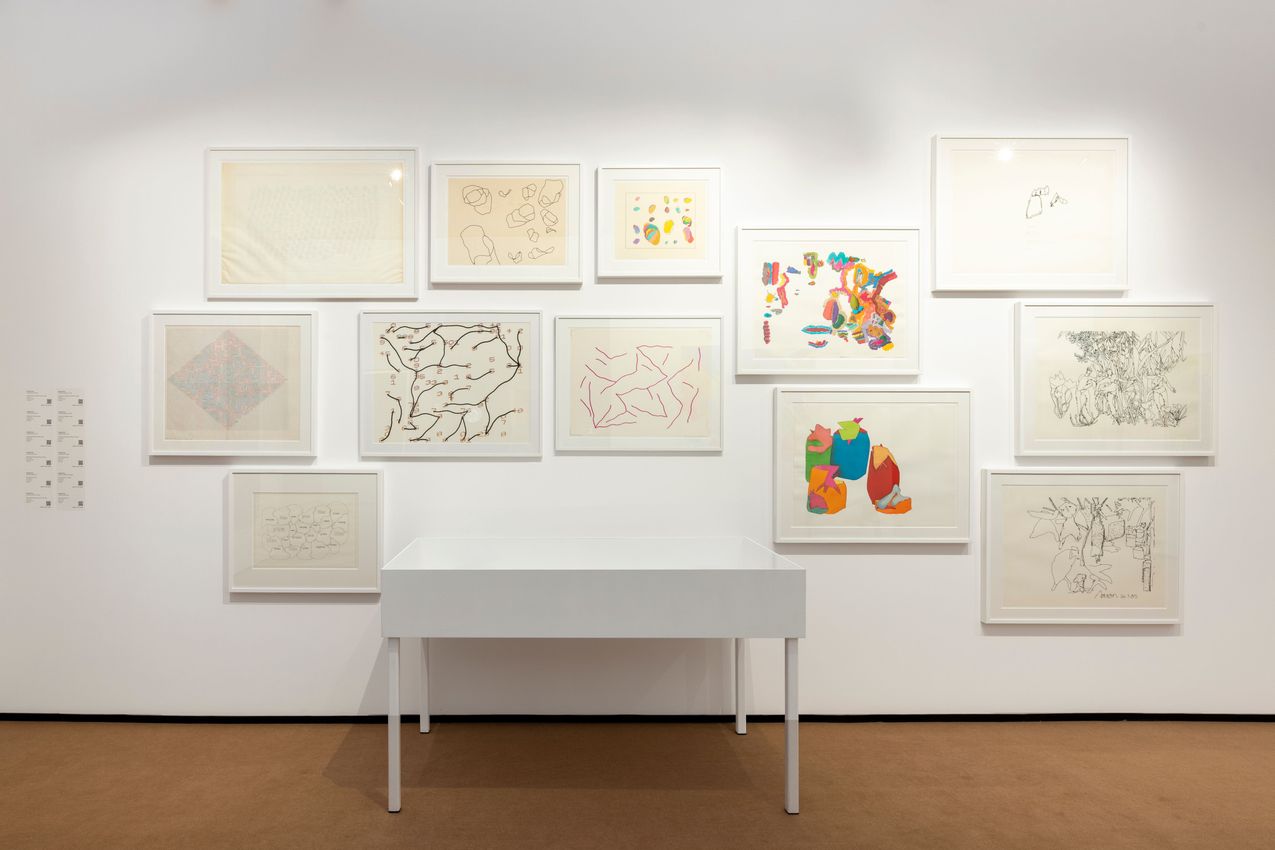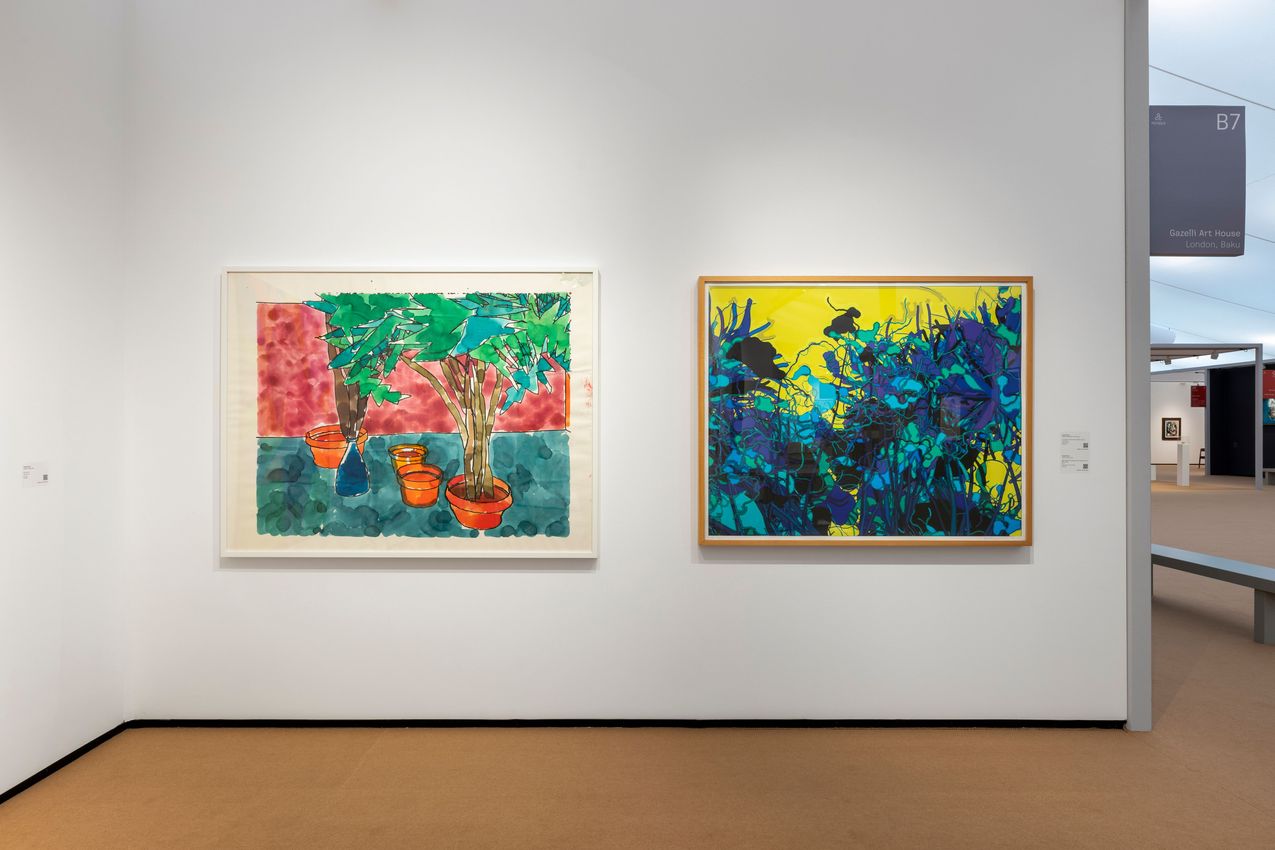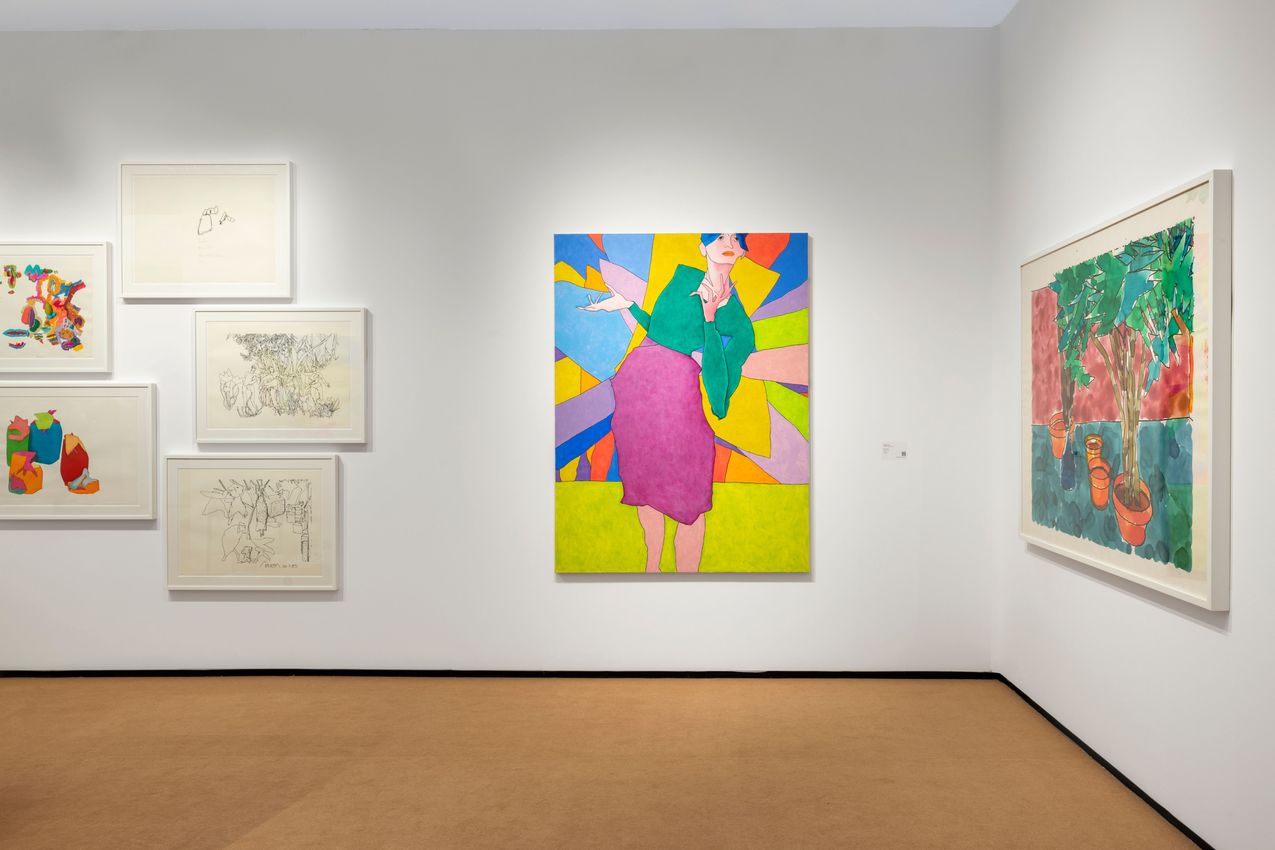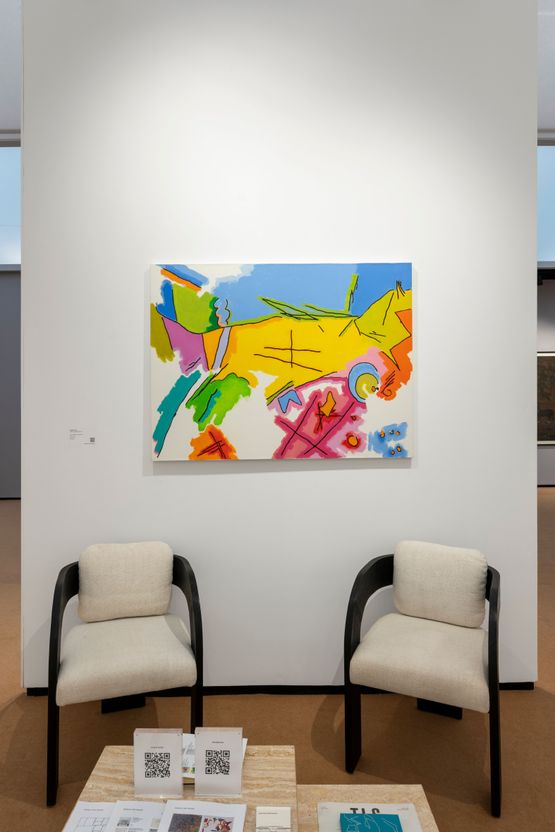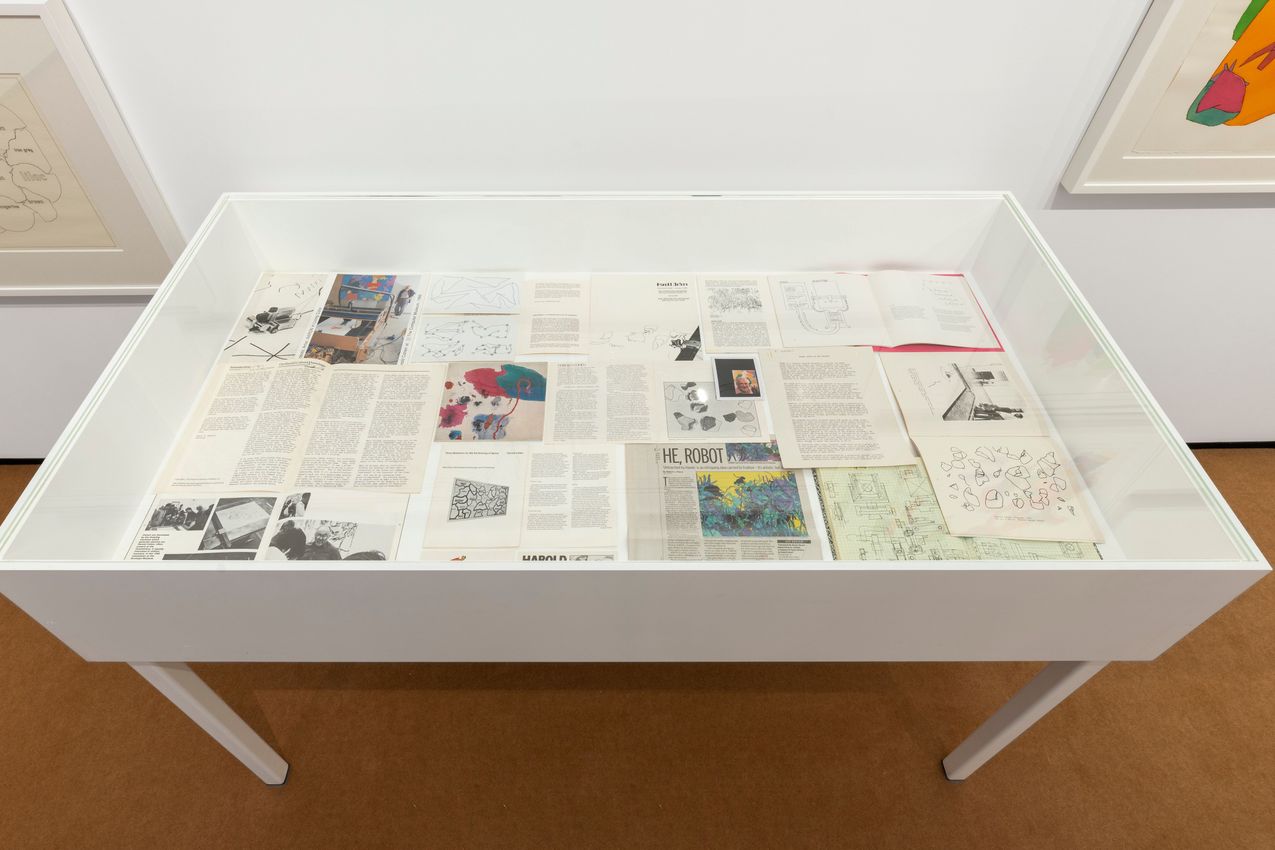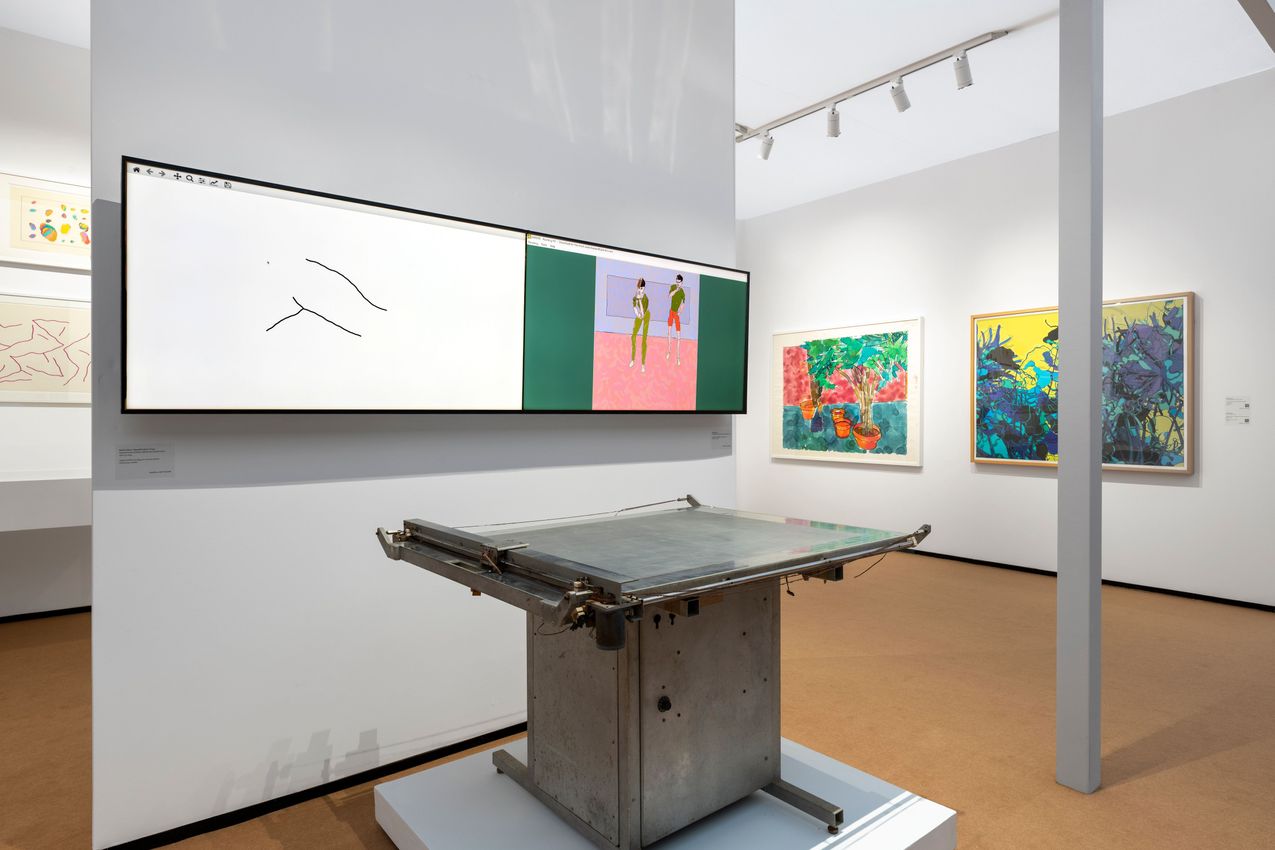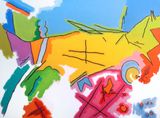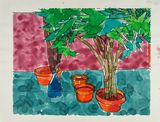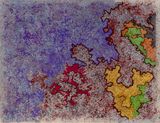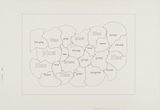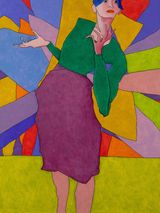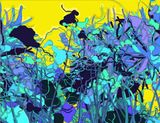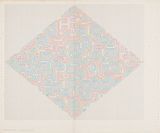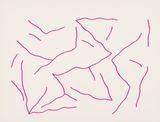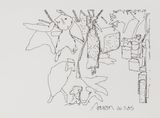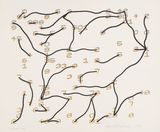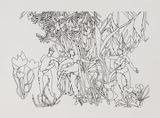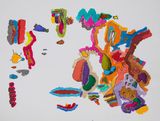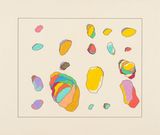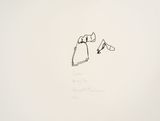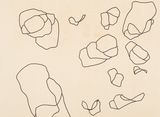




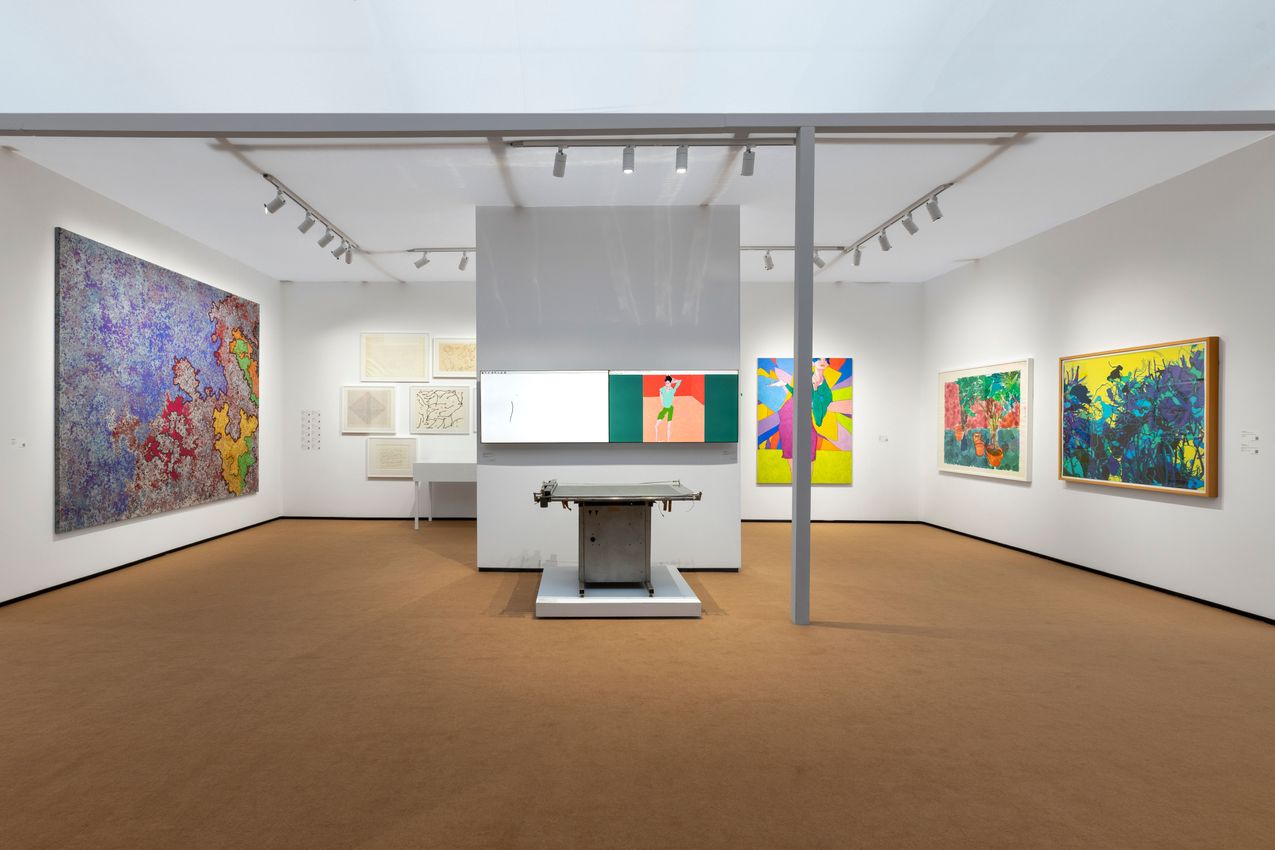
Gazelli Art House returns to Frieze Masters this October with a curated selection of drawings and paintings by Harold Cohen (1928—2016). One of the first artists to explore artificial intelligence both as a concept and a tool for creating art, Cohen, since the late sixties, developed his own pioneering system which he named AARON. This presentation will display Cohen’s original Drawing Machine (Desk) (1980) alongside a screen-based display of the revived code, extending his legacy into the present. Echoing the Whitney Museum’s landmark exhibition Harold Cohen: AARON (2024), which reintroduced live plotting to museum audiences for the first time since the 1990s, the installation underscores both the historical importance and contemporary resonance of Cohen’s pioneering programme.
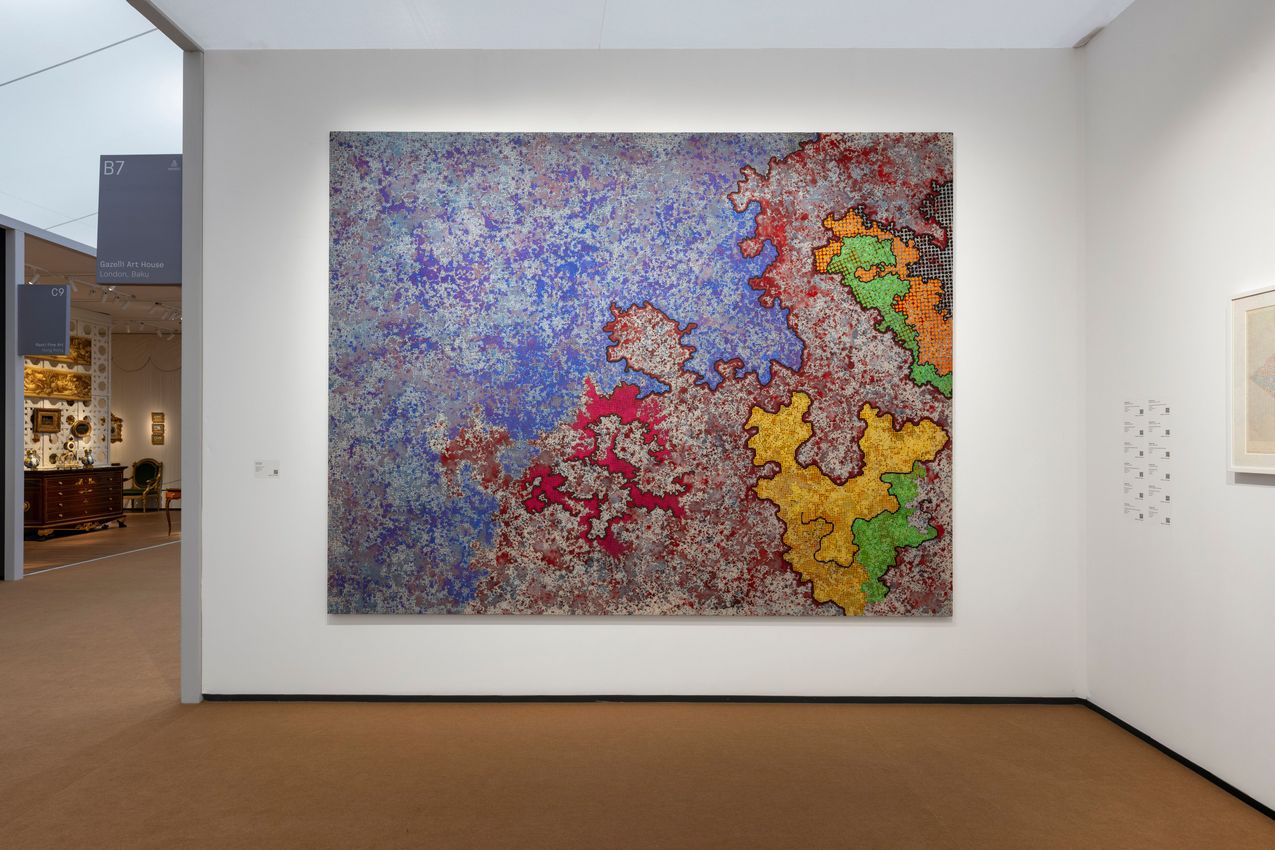
The works on display emphasise continuity across Cohen’s practice — from his early abstract canvases of the 1960s, to his 1990s works such as the Painting Machine series (1995—2000), revealing a lifelong exploration of rules, systems, and perception in the creative process. This trajectory underscores Cohen’s dual legacy as both a painter and a pioneer of computer art, situating his practice within the history of post-war British painting while tracing its role in the emergence of generative art.
Having graduated from the Slade School of Fine Art, Cohen held his first solo exhibition at the Ashmolean Museum, Oxford in 1950. By the mid-1960s, he was regarded as one of Britain’s foremost painters, with solo shows at the Whitechapel Gallery and representing Great Britain at the 33rd Venice Biennale in 1966. In 1968, at the height of his career as a painter, Cohen relocated to California to take up a teaching post at the University of California, San Diego, where he was first introduced to computing. This marked the beginning of a radical shift in his practice. By 1971, he was working at Stanford University’s Artificial Intelligence Laboratory (SAIL), developing the ideas that would lead to the creation of AARON, the autonomous artmaking programme that defined the next four decades of his career.


A respected voice in contemporary art discourse.
Focusing on ambitious storytelling and insightful art-world commentary. Ocula Magazine publishes in-depth interviews, critical essays and timely analysis on the artists, exhibitions and ideas driving the global art world.
Learn more about Ocula Magazine
Showcasing the best of the art world.
Ocula partners with galleries from around the world to highlight their artists, artworks and exhibitions. Gallery membership is by application and invitation, with each member vetted by an independent panel.
Learn more about Ocula Membership

Specialises in the sale of major artworks.
Led by a team with deep ties to the world’s leading auction houses, galleries and collectors. Ocula’s advisory team offers bespoke services to high-net-worth clients from around the world who are looking to acquire the best of contemporary and modern art.
Learn more about our team and services