



Press Release

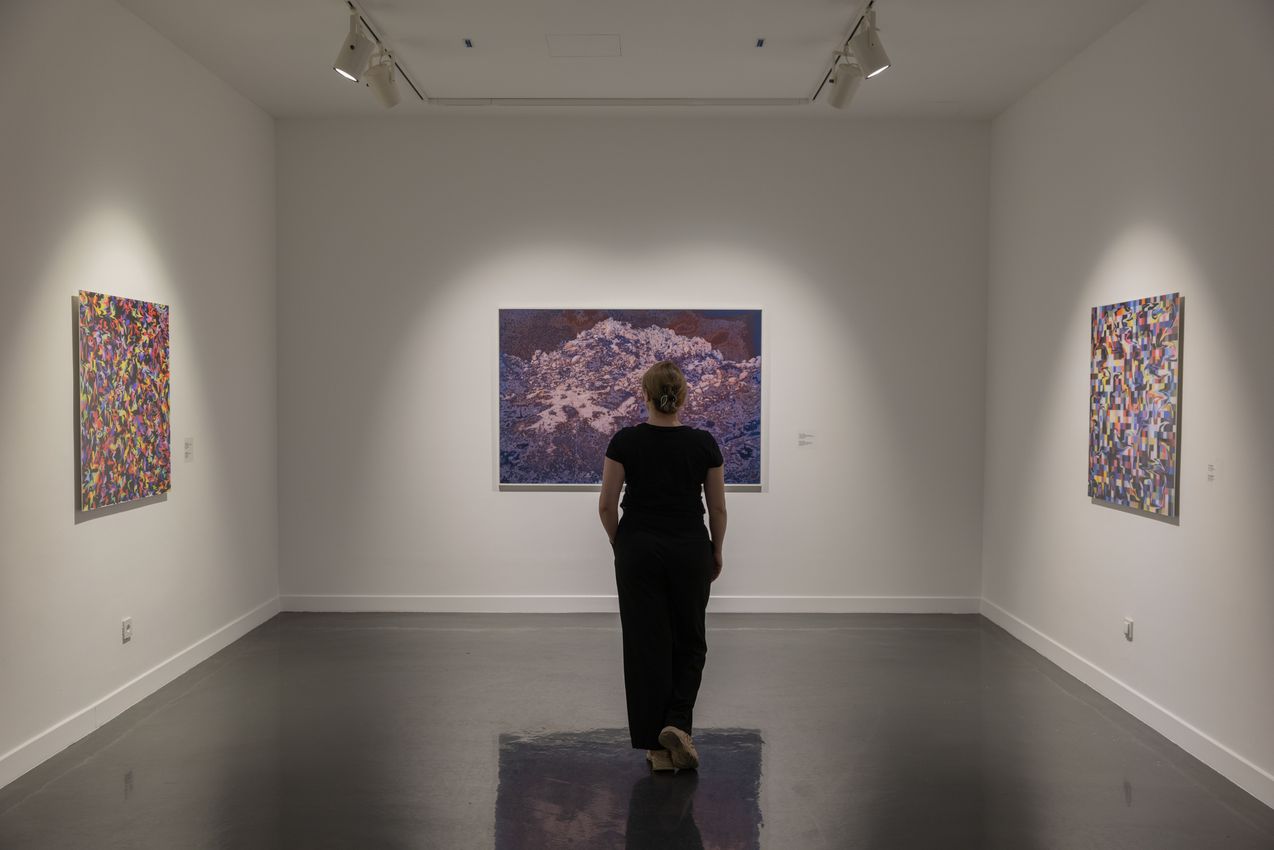
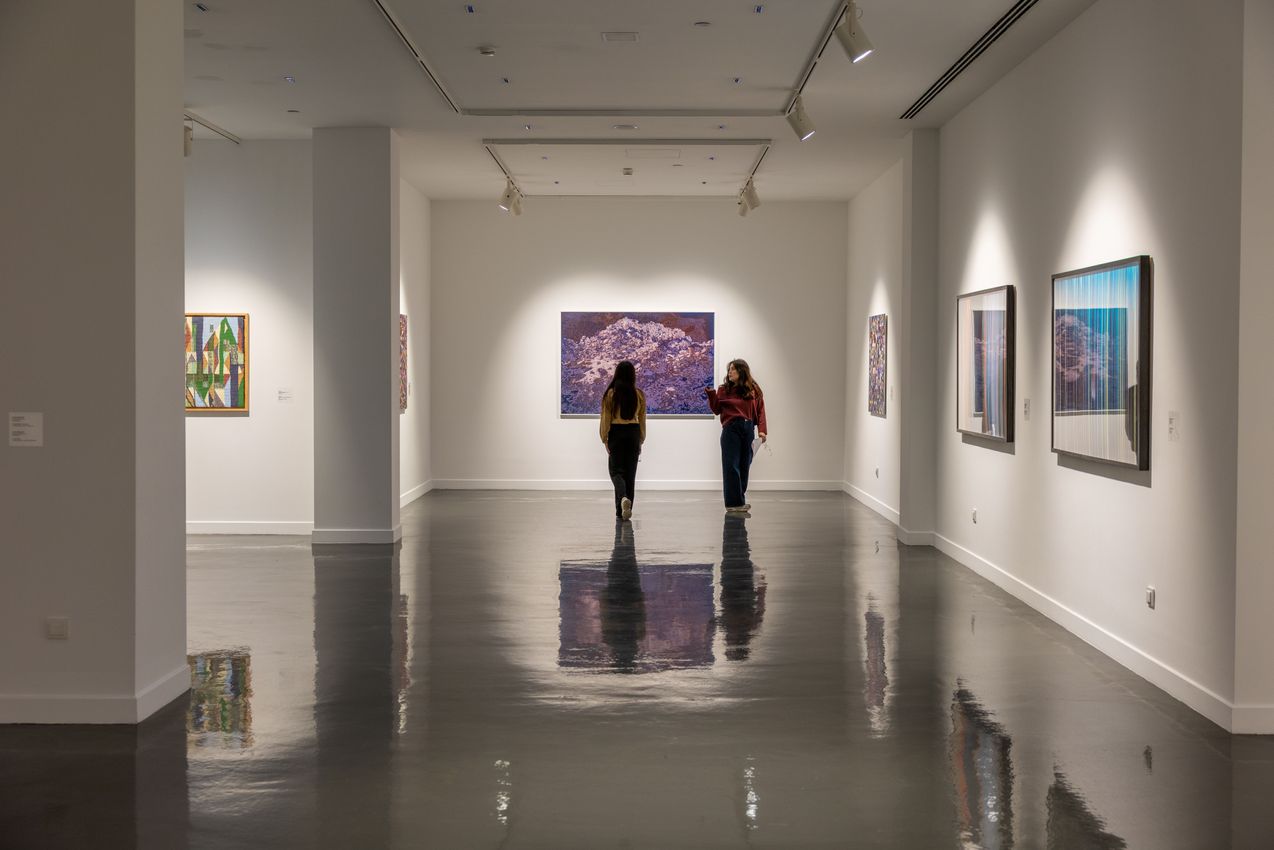
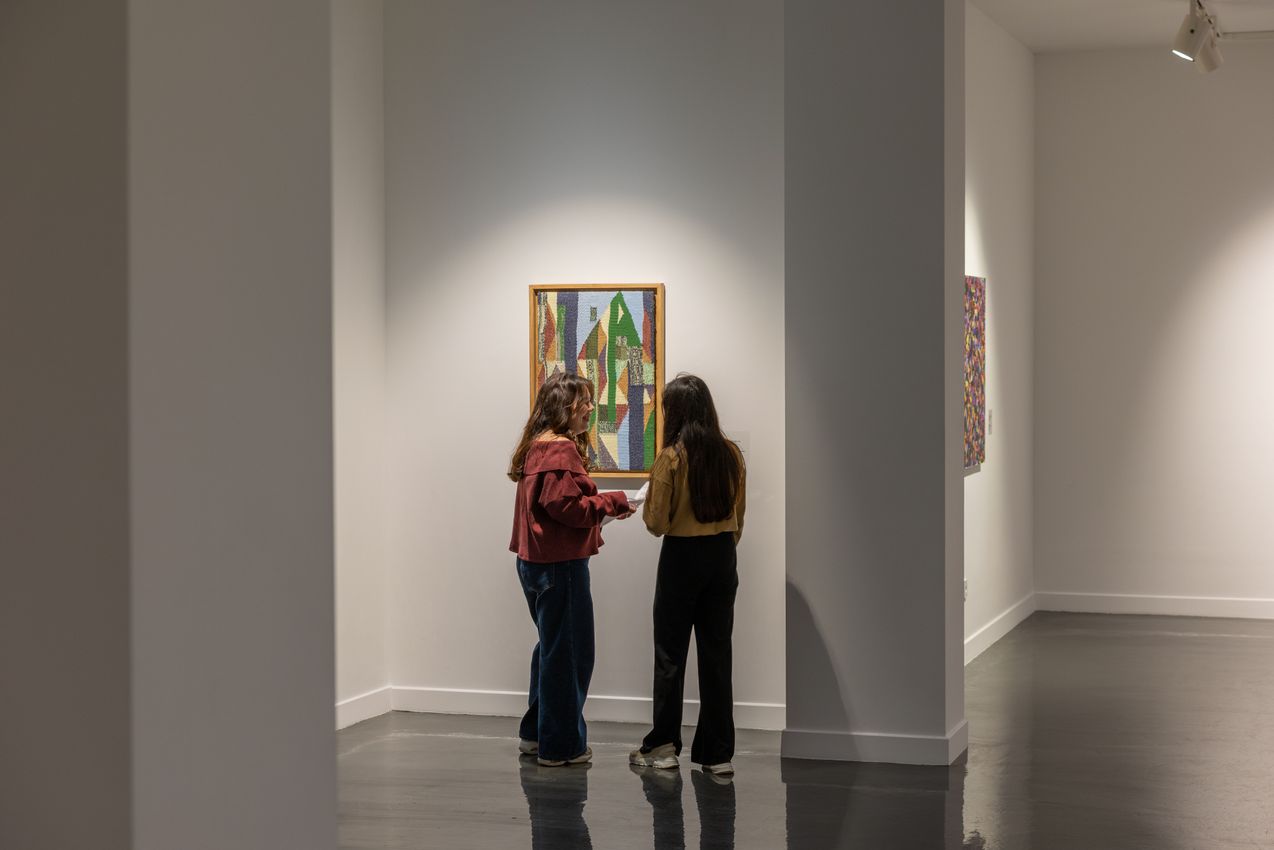
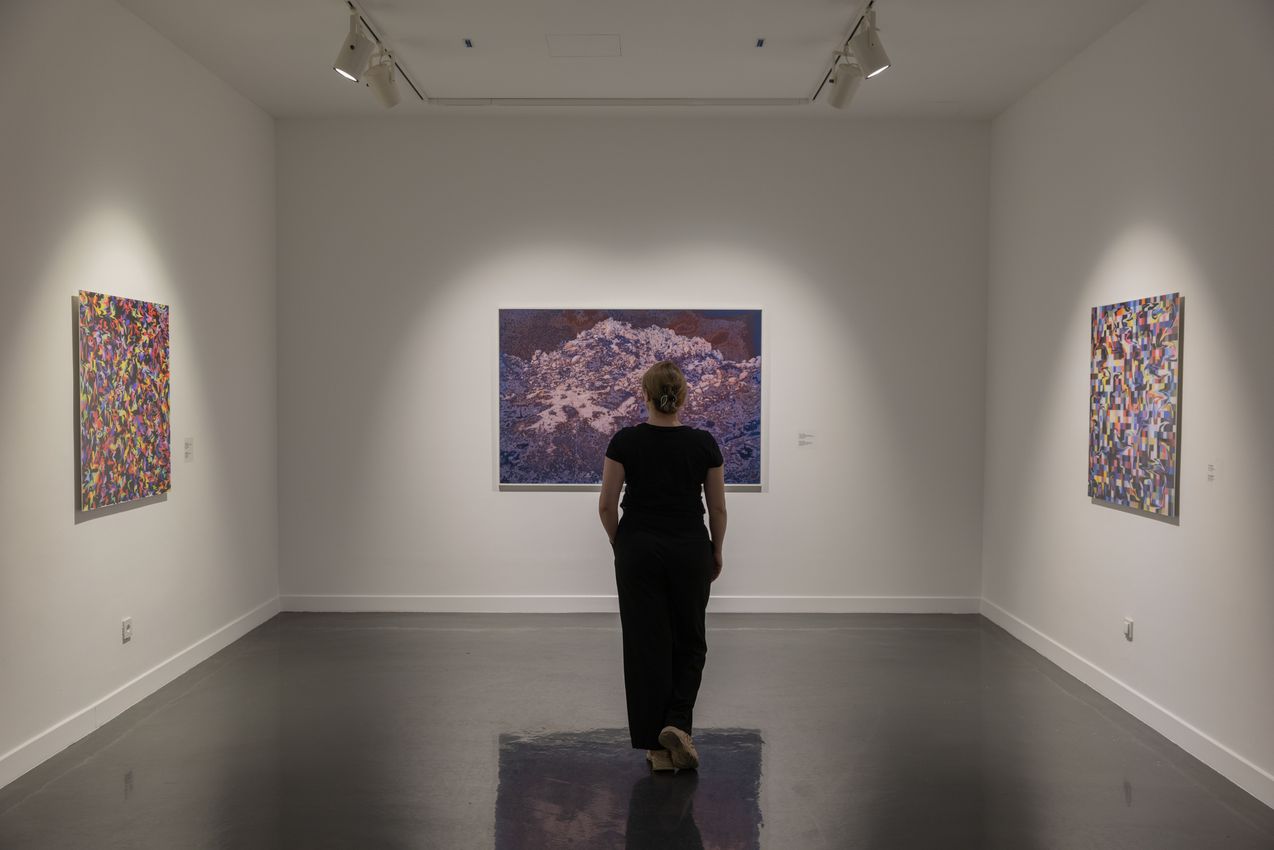
Gazelli Art House Baku is pleased to present the exhibition Liquid Time as part of its participation in the international contemporary art festival Fly to Baku. Art Weekend. Sense the Future NOW. The festival brings together art, culture, and ecology, creating a dynamic platform for dialogue and innovation.

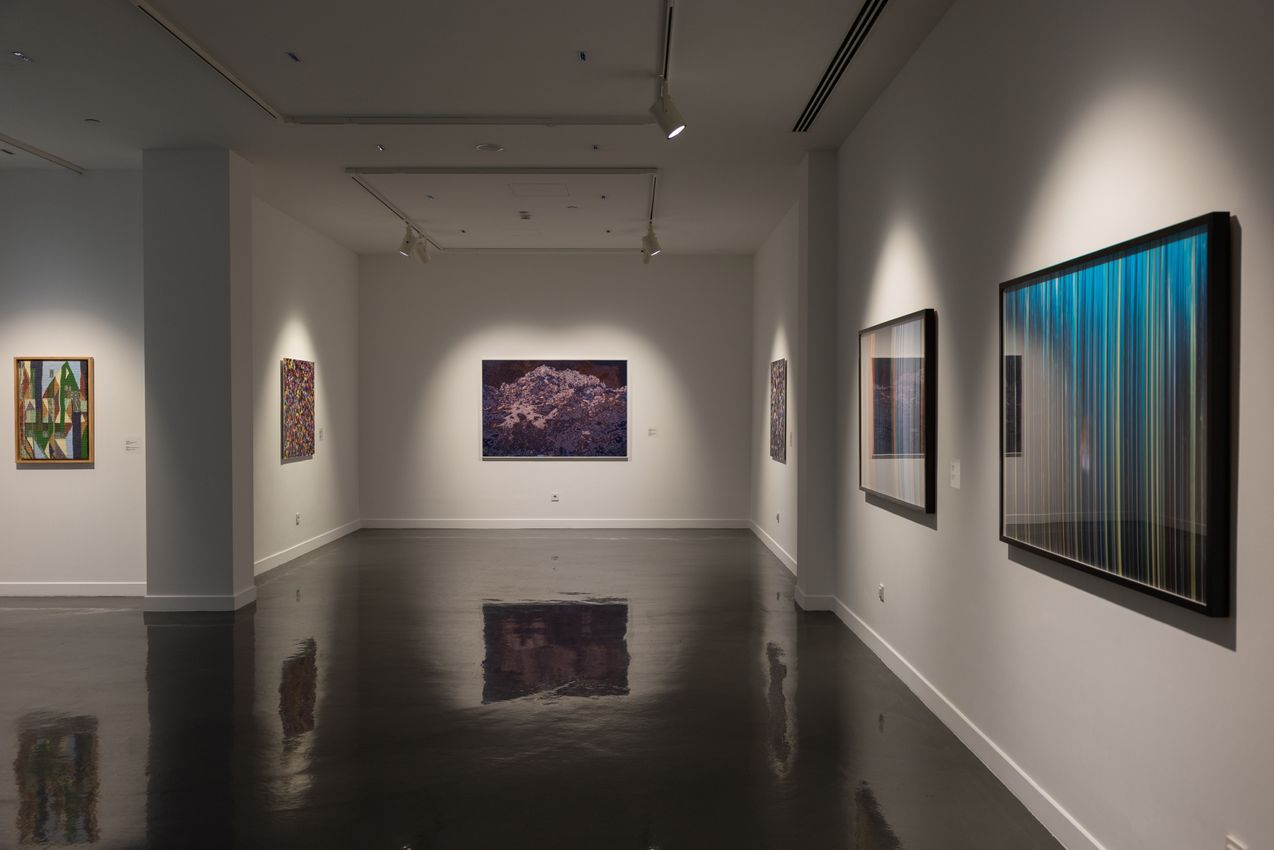
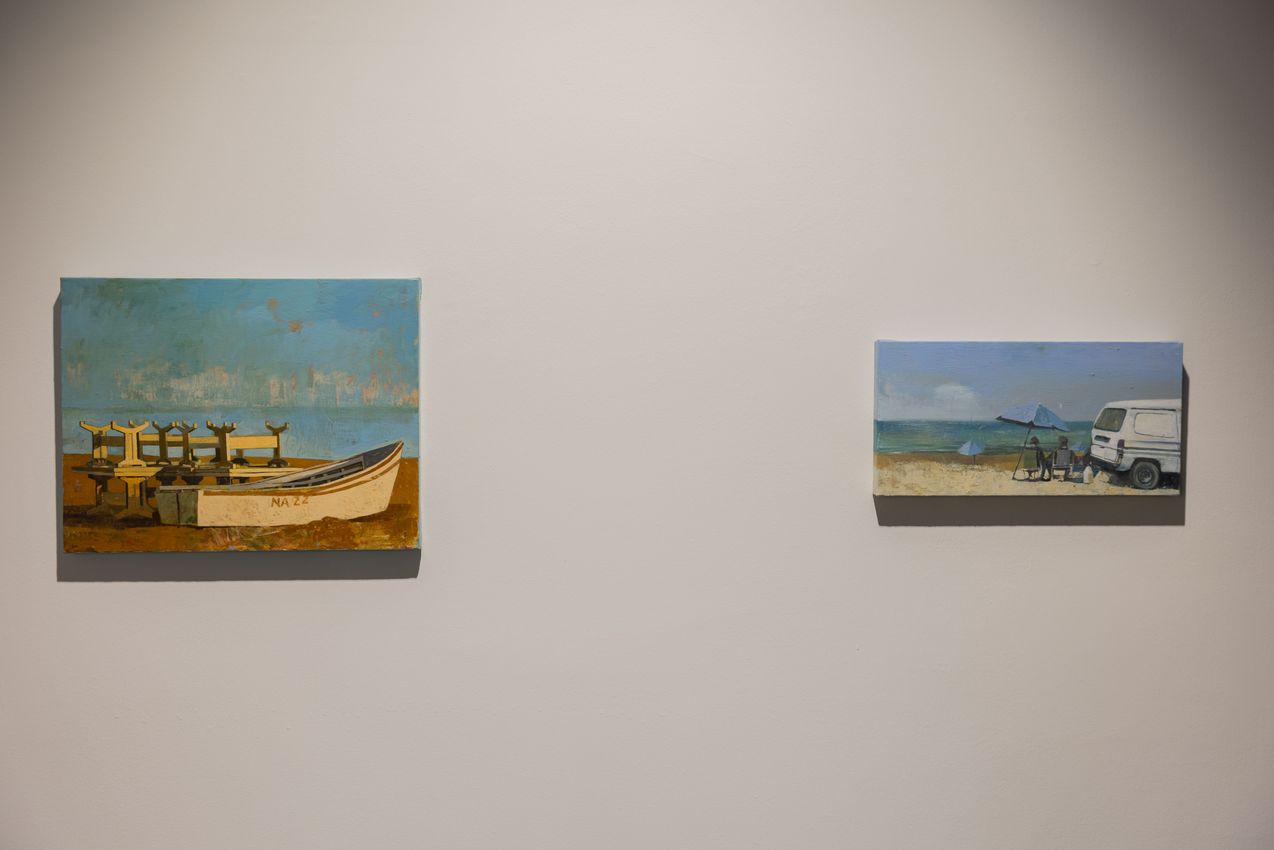
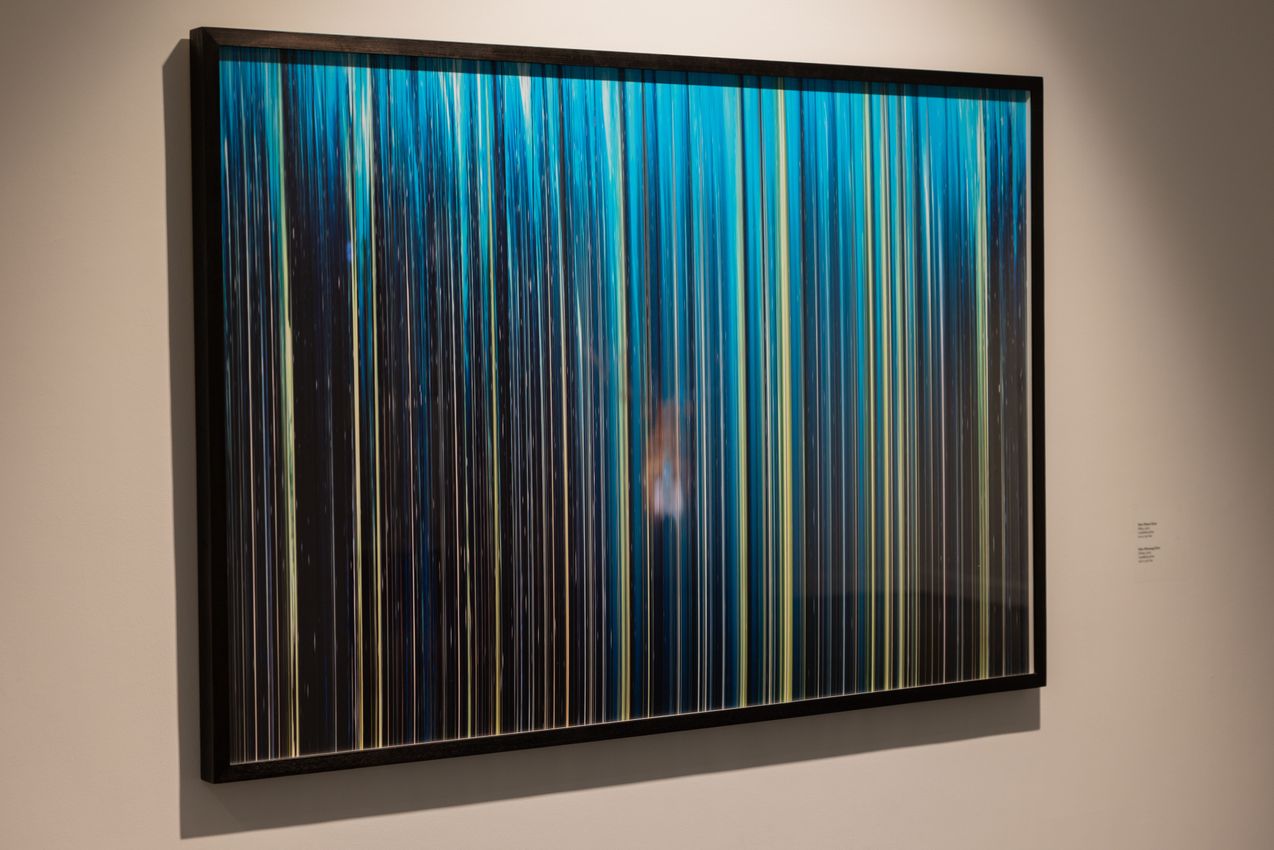
Liquid Time gathers contemporary artists in Baku, in dialogue with international artists, to explore the physical, poetic and political dimensions of water. Moving between the Caspian’s tides and the inner currents of emotion and memory, the exhibition reflects on water as a symbol of continuity, vulnerability, and change – a mirror in which the world continually remakes itself.

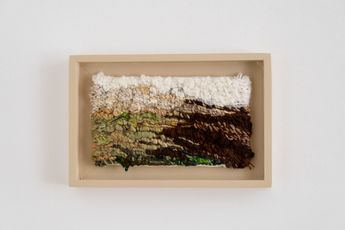
In this constellation, Jala Aziz transforms the materiality of water into a language of healing and reflection. Her tactile, process-driven works capture the rhythm of waves and the quiet persistence of erosion, tracing how time imprints itself on matter and memory alike.

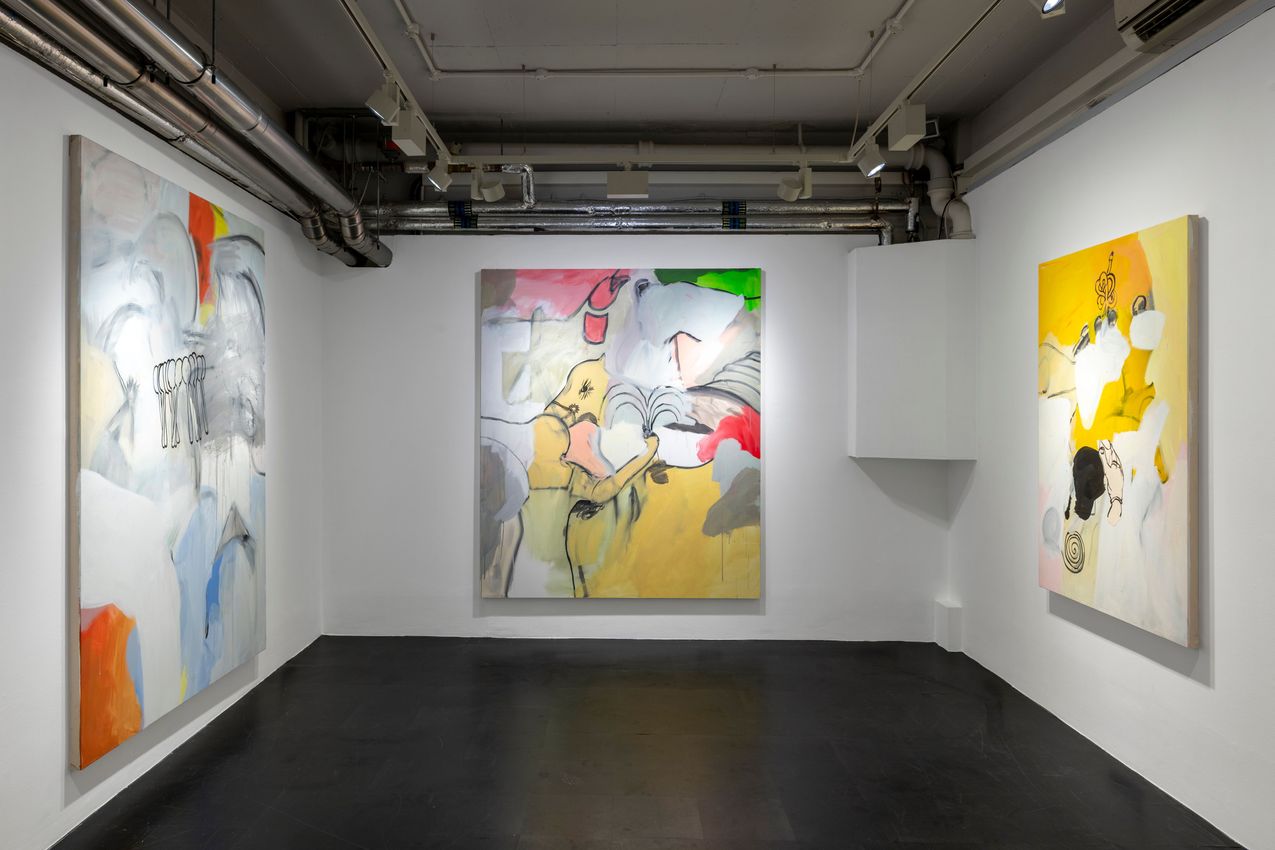
Rashad Babayev approaches water as a metaphor for the unconscious – a surface that conceals depth, myth, and transformation. His paintings and installations ripple with ambiguity, offering glimpses into the shifting border between presence and disappearance, abstraction and narrative.

Butunay Hagverdiyev’s works unfold as a meditation on the fluid nature of memory, where water serves as both a metaphor and a vessel through which perception drifts, transforms, and resurfaces. His pieces capture the tidal rhythm of recollection, reflecting how the movement of water distorts and deepens the emotional layers of experience.

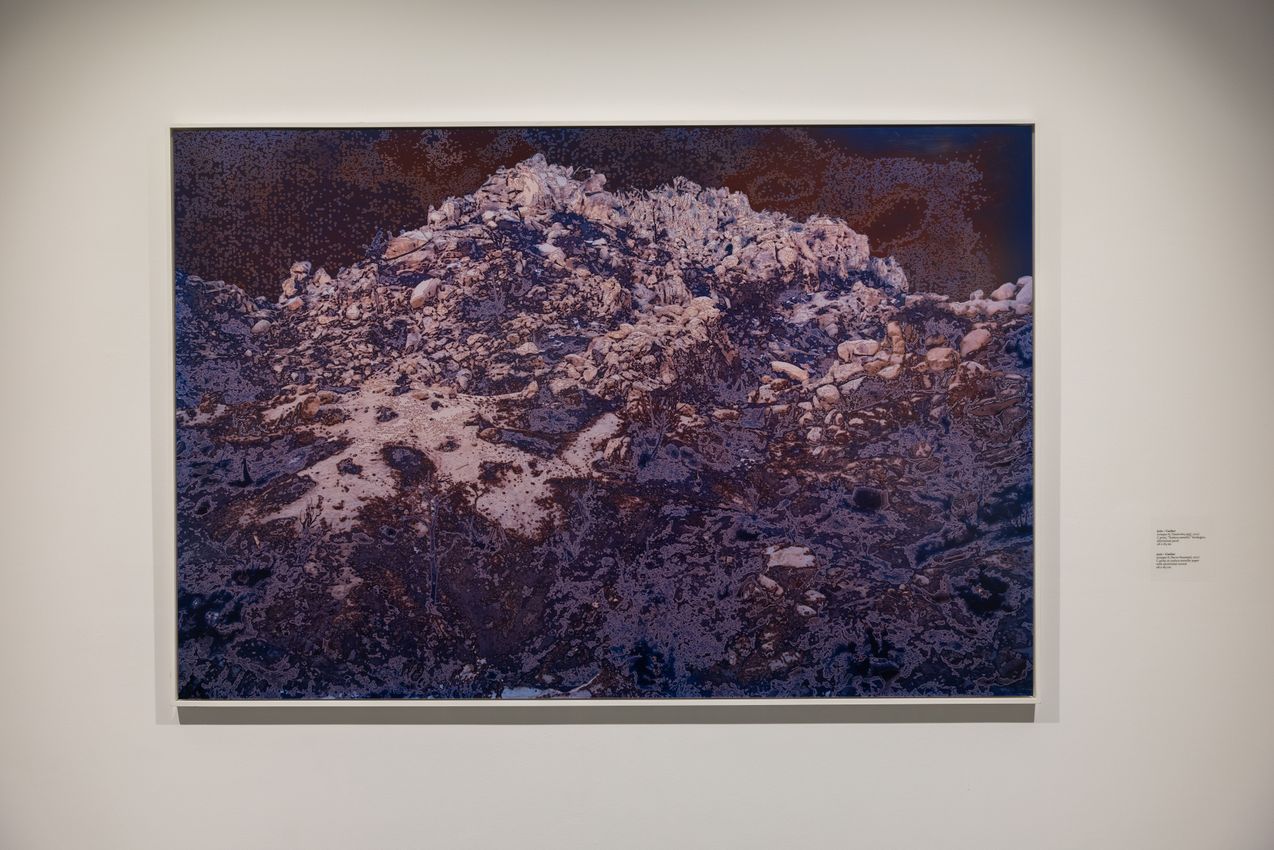
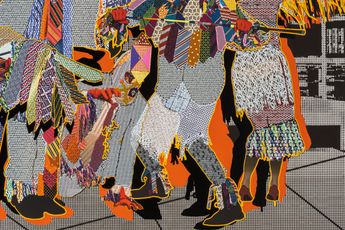
The artist duo Aziz + Cucher bring a global perspective to Liquid Time, engaging with the technological and political implications of fluidity in an interconnected world. Their digitally mediated landscapes and biomorphic forms challenge the stability of human identity, suggesting that like water, we are constantly in flux – porous, adaptive, and entangled with our environments.

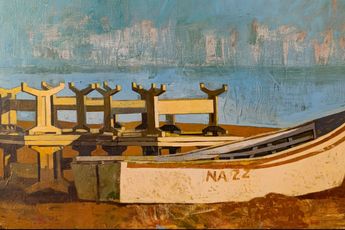
Eldar Gurban captures the metaphysical dimension of the Caspian, treating it as both a subject and a symbol. His minimalist gestures and meditative compositions dwell on stillness and depth, invoking the sea as a site of contemplation and renewal, where temporal boundaries dissolve.

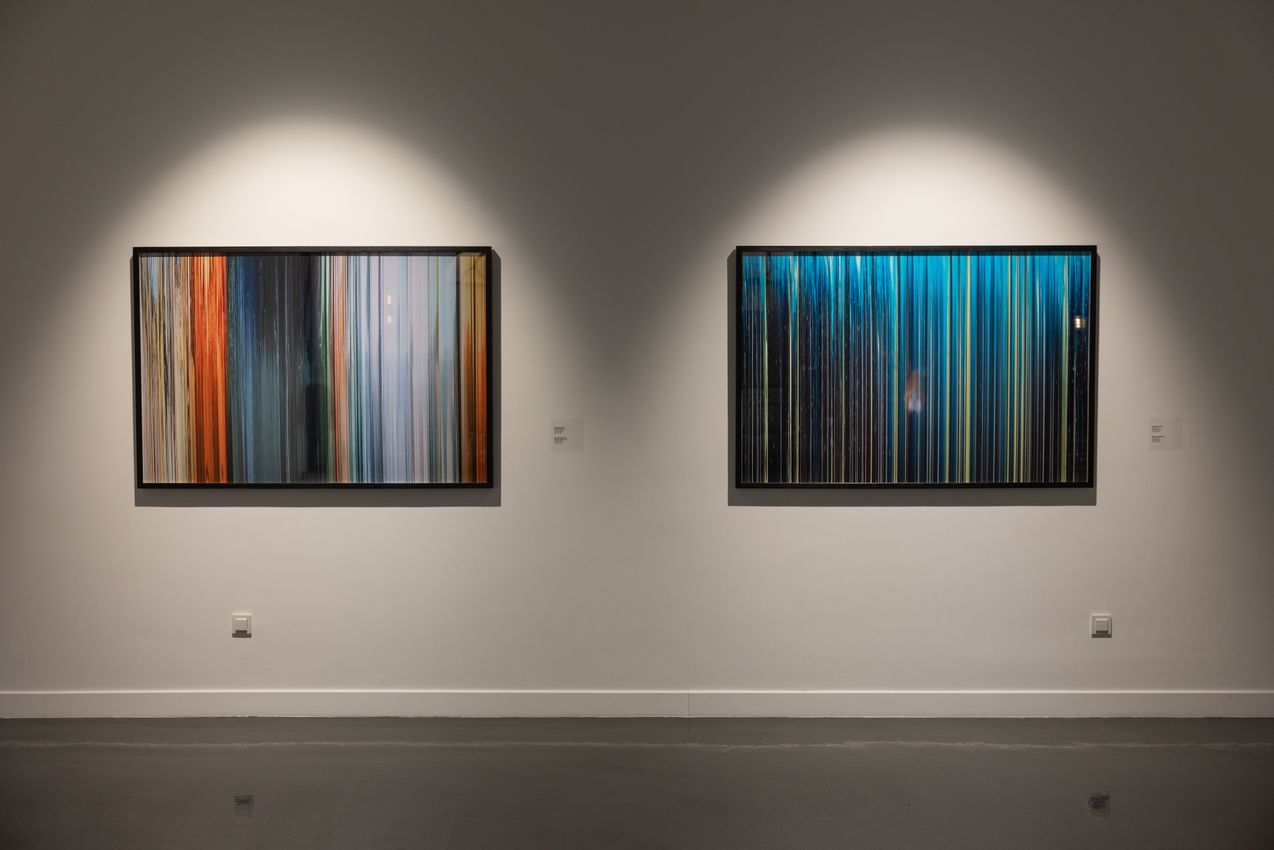
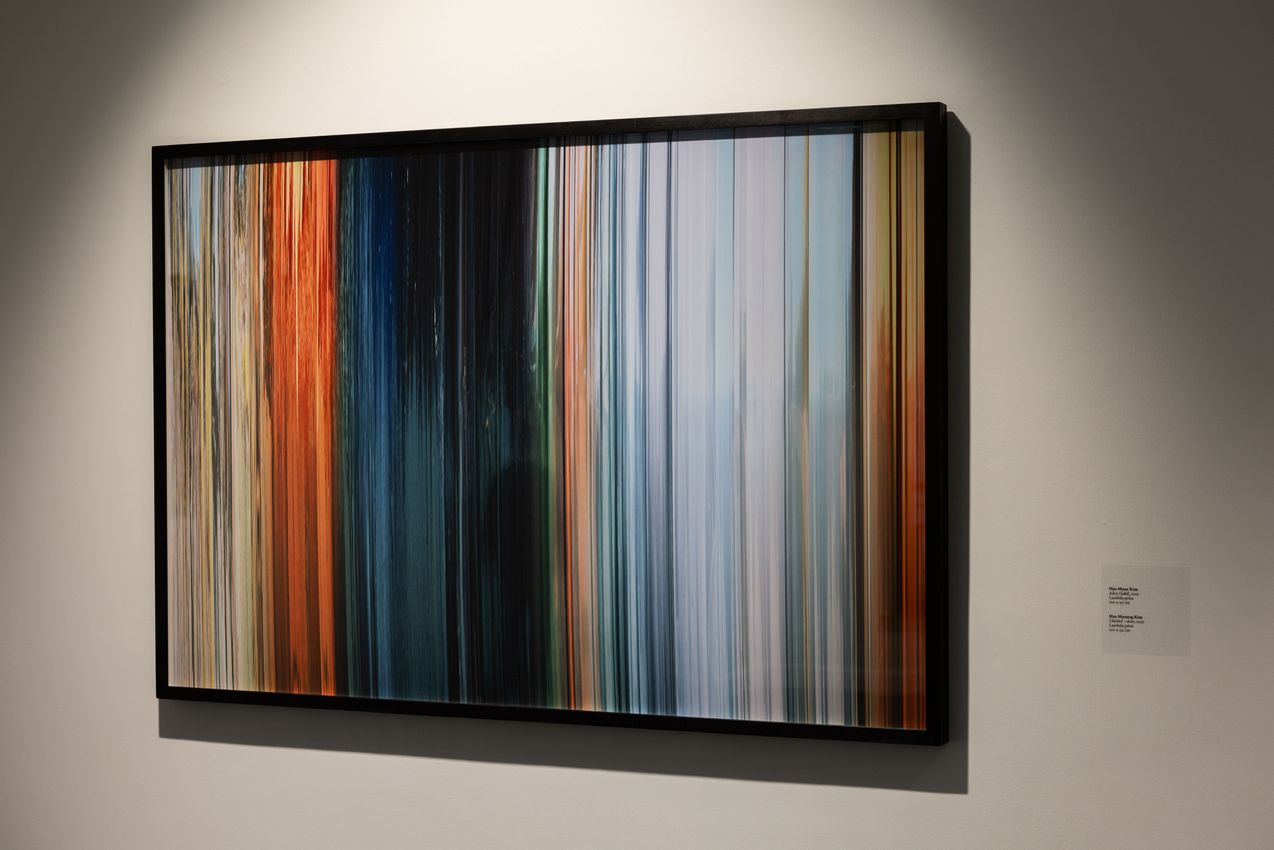
In contrast, Hyo Myoung Kim investigates the scientific and emotional properties of water through kinetic and sound-based installations. By translating molecular movement into light and vibration, Kim transforms the invisible into the perceptible, revealing water as both an element of life and a resonant archive of planetary motion.

In many of Giovanni Ozzola’s video works the experience transports the viewer to a constructed world where one is invited to voluntarily suspend reality. In Warm Shadow # Intro (2019) a body of water is disturbed by the movement of a synchronized swimmer. The stillness and control are disrupted by the increasingly intensifying heartbeat on the soundtrack. This may be read as a metaphor for not always knowing what anxieties and struggles happen underneath the surface despite apparent perfection on the outside.

Together, these artists create a dynamic conversation about liquidity as a condition of contemporary existence where identities, borders, and ecosystems are perpetually reshaped by unseen currents. Liquid Time invites viewers to drift between micro and macro perspectives, from the intimacy of a single droplet to the vastness of the sea. The exhibition contemplates how water – mutable yet essential – continues to define the pulse of our shared world.

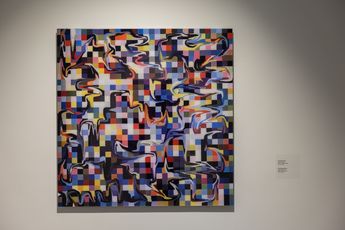
Visitors will also have the opportunity to experience Quantum Tango (2025) by British artist Ernest Edmonds, a trailblazer in the fields of computational and interactive art. This new installation represents the most recent development in Edmonds’s seminal Cities Tango project, initiated in 2007. Harnessing cameras, the internet, photography, and algorithmic code, Quantum Tango creates a live, interactive dialogue between audiences across international locations. In this iteration, the work connects Gazelli Art House’s galleries in Baku and London with Phoenix Arts in Leicester, UK, extending Edmonds’s ongoing exploration of human connection, digital communication, and the evolving relationship between art and technology.
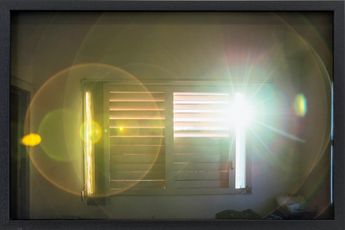
At each location, a computer is connected to a display screen and a camera is pointed to the area in front of it. The display shows an ever-changing blend of colour bands and images from the other cities. What is seen depends both on the movement of people in front of the display and on what is happening in the other cities. In a new development by Edmonds, coinciding with United Nations’ Year of Quantum 2025, quantum computer logic is used to determine the coloured shapes that overlay the photographic images, producing an ever-changing and unpredictable quality.

About the Artists

Anthony Aziz (b. 1961) and Sammy Cucher (b. 1958) have worked together as artistic duo Aziz + Cucher since 1992. Experimenting across a variety of media including digital imaging, sculpture, animation, and video- installation, their work is marked by a distinctive concern for technology’s impact on the body and society. Aziz + Cucher have been exhibited globally, notably at the 46th Venice Biennale, with works held in museum collections including: the San Francisco Museum of Modern Art; Los Angeles County Museum of Art; The New School Art Collection, New York.

Jala Aziz (b. 1999) studied at the Azerbaijan State Academy of Fine Arts (ADRA), where she earned her Master’s degree in Tapestry. She works with textiles, weaving and embroidery, repurposing old fabrics and photographs to reinterpret themes of memory, identity, and time. Through layers, textures, and traditional motifs, she creates evocative pieces in which the past takes on new meaning. Jala Aziz has participated in numerous group exhibitions in Baku, Istanbul, and Moscow.

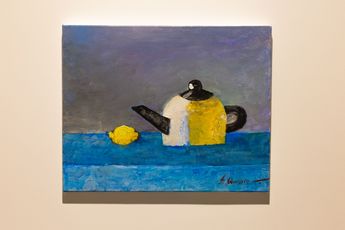
Rashad Babayev (b. 1979) is a contemporary artist, whose career includes painting, installation, sculpture and film. Rashad first studied law before beginning his artistic practice in 2000. He was quickly recognized for his talent and complex conceptual vision, which resulted in his first solo exhibition held in 2004 and then his participation in various exhibitions in Azerbaijan as well as abroad. His style is abstract and emotive and his compositions combine deliberate and defined brush strokes with a bold, saturated color palette inspired by the Azerbaijani tradition of miniature painting. Many of his pieces reference philosophical concepts and are embedded with deep symbolism, reflected through their fragmented imagery. He uses color to create narrative shapes on canvas to express his conceptual vision, a stylistic choice that also extends into his installation and sculptural work. He participated in various exhibitions, such as Monument to Freedom (Museum of Azerbaijani Painting of the XX-XXI Centuries), Fly to Baku (Moscow, Rome, Vienna, Berlin, Paris and Baku) and the acclaimed Love Me, Love Me Not group exhibition at the 55th Venice Biennale in 2013 and Baku in 2014.
Eldar Gurban (b. 1948) is an Honored Artist of Azerbaijan and member of Artists Union of Azerbaijan. In 1969, he graduated from the Painting Faculty of the Azim Azimzade Art College and Graphic Arts Faculty of the V.I. Lenin Azerbaijan Pedagogical Institute. Since his first exhibition in 1972, his work has been exhibited in numerous countries worldwide. He was awarded a gold medal and First-Class Diploma at the 1989 Caspian Republics’ Biennale for his work, Poet and Muse. He is one of the few artists representing the style of primitivism within the Azerbaijani art scene.

Butunay Hagverdiyev (b. 1989) mainly works in painting and sculpture. Since 2009, he has been actively engaged in video art, shooting mostly short animated films. In his video works, he experiments with different techniques while creating a moving sculpture using time-lapse photography and arrangement. Born in Baku, he studied in the painting faculty at the Azim Azimzade Art College before continuing his fine art education in Moscow at the British Higher School of Art and Design. In 2013, his work was featured in the national pavilion of Azerbaijan at the 55th Venice Biennale in Italy. In 2015 his wooden sculptures of Azerbaijani carpet motifs were shown in the exhibition Azerbaijani Carpets in Art in the Cannes Festival Palace.

Hyo Myoung Kim (b. 1972) merges his training in photography and immersion in digital media to construct photographs, digital and animated images, sound pieces, videos, and installations, through which he deconstructs and explores our image-saturated, technologically networked culture. Describing the vision motivating him, he claims, “Instead of flying cars and manned space exploration, I only see iterations of the future as possible outcomes of...networked reality, structured by the internet, based on the building blocks of text, image, video and sound.” Giovanni Ozzola (b. 1982) lives and works in the Canary Islands. He is a multidisciplinary artist working primarily in photography, as well as video and sculptural installation. Ozzola’s practice demonstrates a deep sensitivity towards the phenomenon of light and its various physical characteristics. His main thematic interests lie in conceptualising and representing infinitude and exploration, both geographical and introspective.

Michael Takeo Magruder (b. 1974) is a British-American visual artist whose work utilises Information Age technologies and systems to examine our networked, media-rich world. His projects have been showcased in over 300 exhibitions in 35 countries.

Alfredo Cramerotti (b. 1967) is a cultural entrepreneur – art curator, writer, broadcaster, publisher and organizer of contemporary art, media, film and video, performance, interdisciplinary conferences and symposia, and online formats. Cramerottu currently serves as Director of the Media Majlis Museum (mm:museum) at Northwestern Qatar.

Elnara Nasirli (b. 1987) is an artist rooted in environmental technology, drawing inspiration from the intersection of biotechnology and mixed media. Her work transcends conventional boundaries, weaving together painting, sculpture, collage, and installation to construct boundless biomorphic realms.

Read More

Installation Views

Artists Exhibiting

Also Exhibiting at Gazelli Art House

About the Gallery
Contemporary art gallery Gazelli Art House supports and presents a wide range of international artists, presenting a broad and critically acclaimed program of exhibitions to a diverse audience through international exhibition spaces in London and Baku. Gazelli Art House was founded in 2003 in Baku, Azerbaijan where it held exhibitions with Azeri artists. After hosting conceptually interlinked off-site exhibitions across London, founder and Director of Gazelli Art House, Mila Askarova, opened a permanent space on Dover Street, London in March 2012. As part of Gazelli Art House’s on-going commitment to art education, the gallery hosts a series of events and talks to run alongside each exhibition.
View Gallery Profile
Address
172 Lev Tolstoy Street
Baku
Azerbaijan
Opening Hours
Tues - Sun, 12 - 8pm
(1)
Baku 172 Lev Tolstoy Street
Gazelli Art House
172 Lev Tolstoy Street, Baku, Azerbaijan

Opening hours
Tues - Sun, 12 - 8pm
The art world in focus