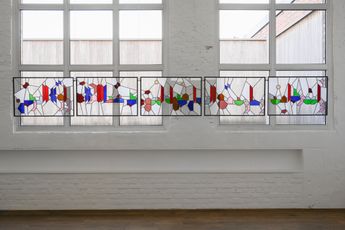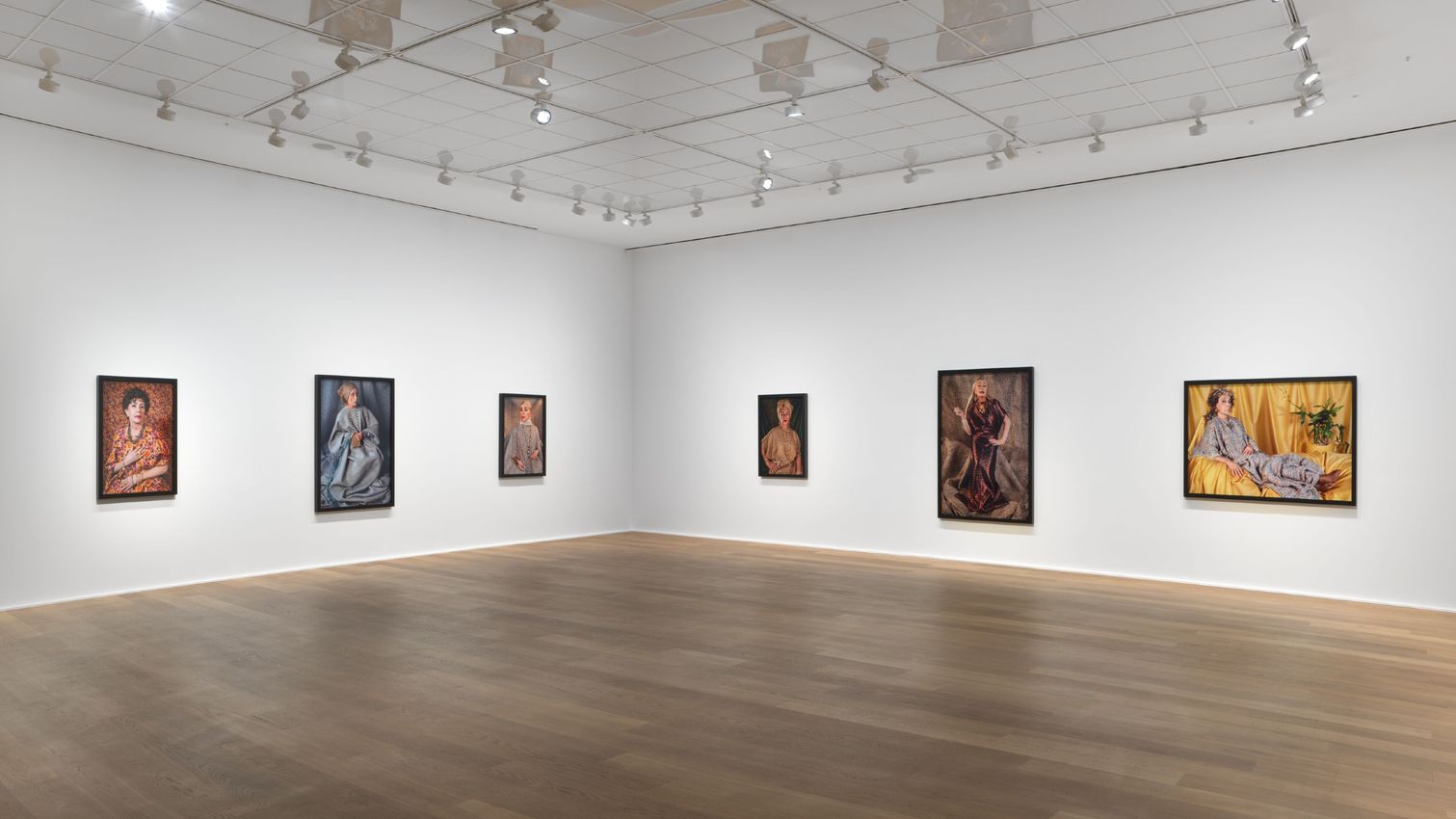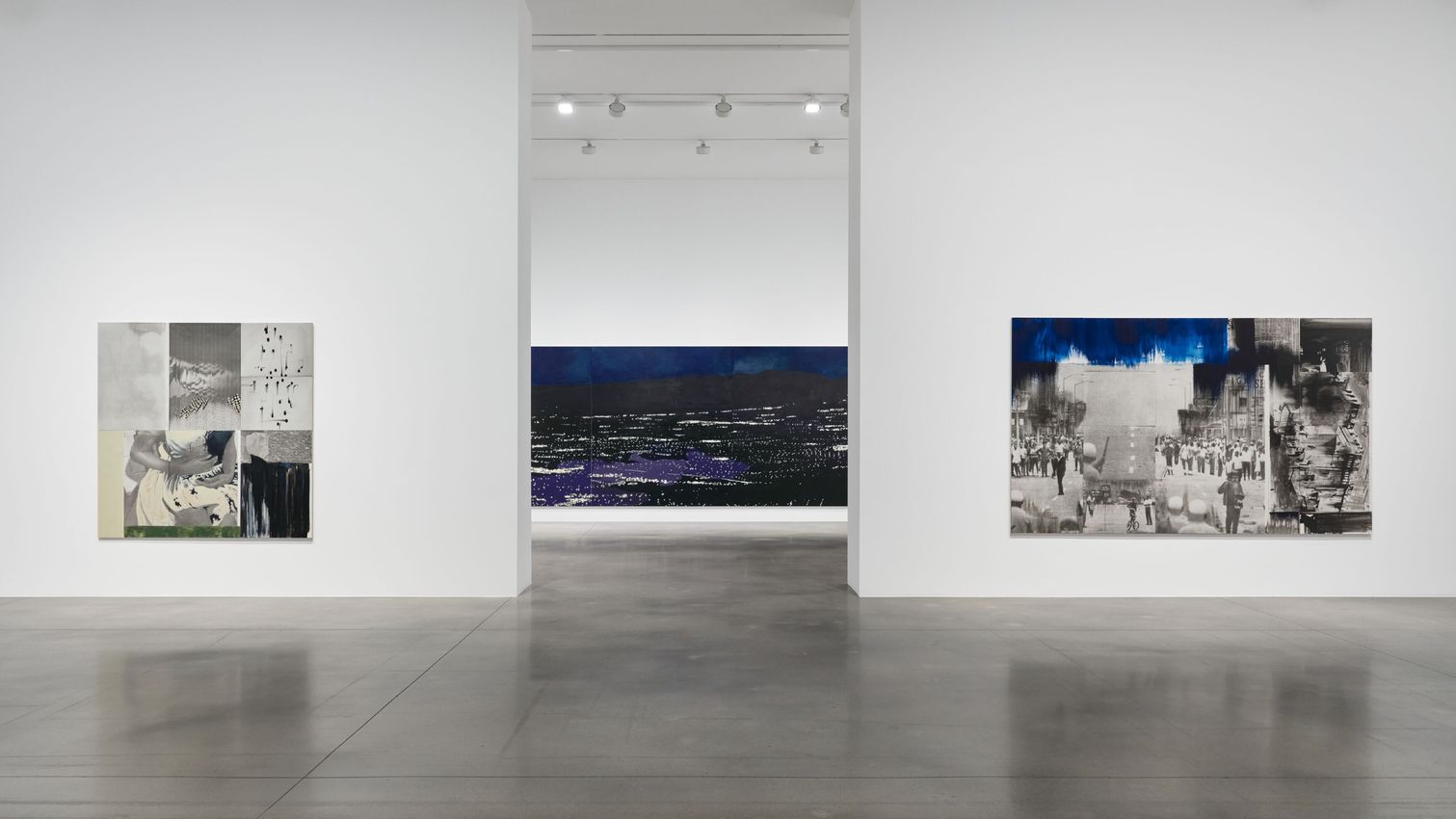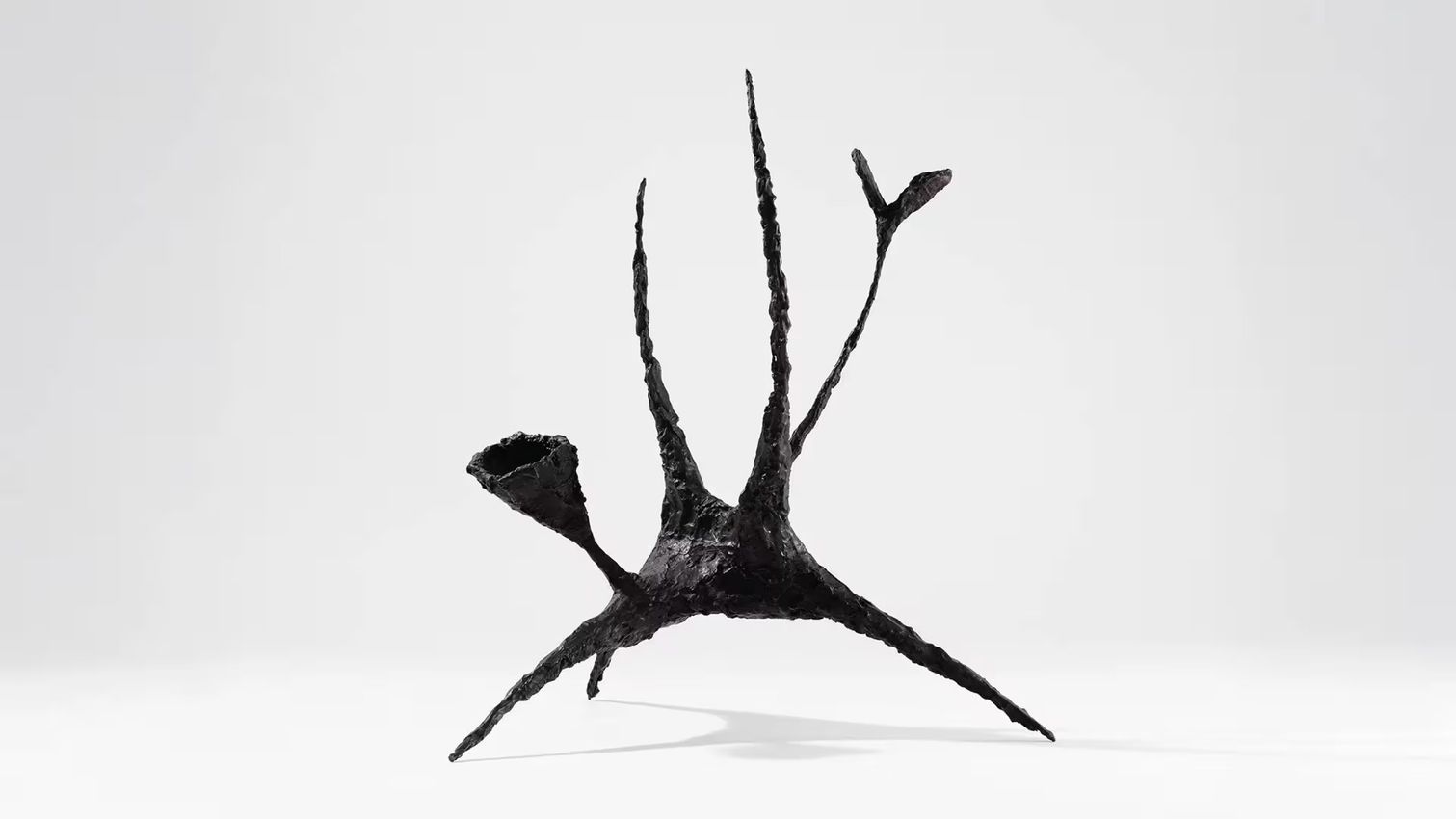
‘What will become of the Mediterranean in the next geological epoch? What will the hundreds of migrants who venture across this sea every day find beyond it? What representations will replace the idea of a bucolic sea?’—Oriol Fontdevila
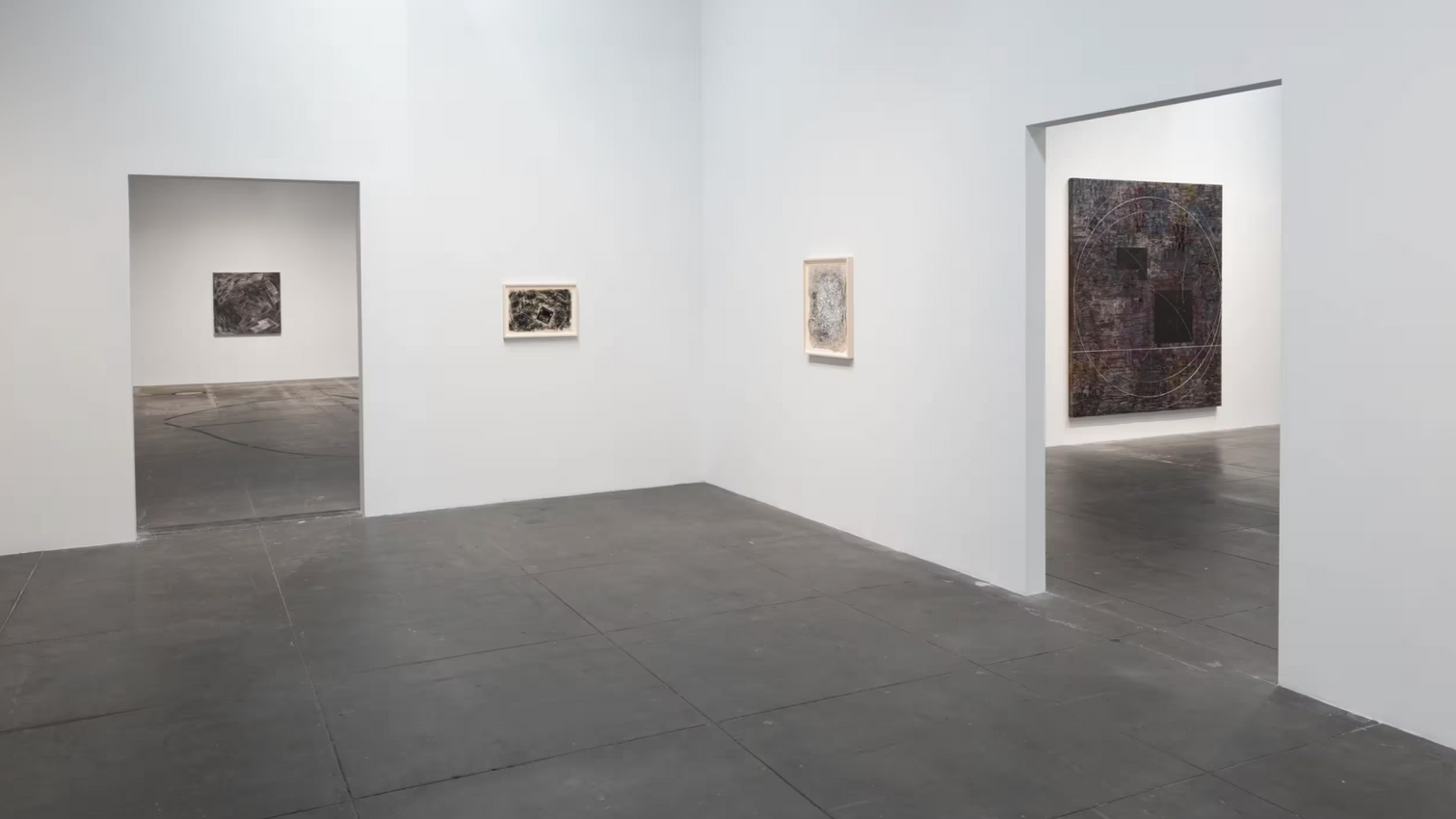
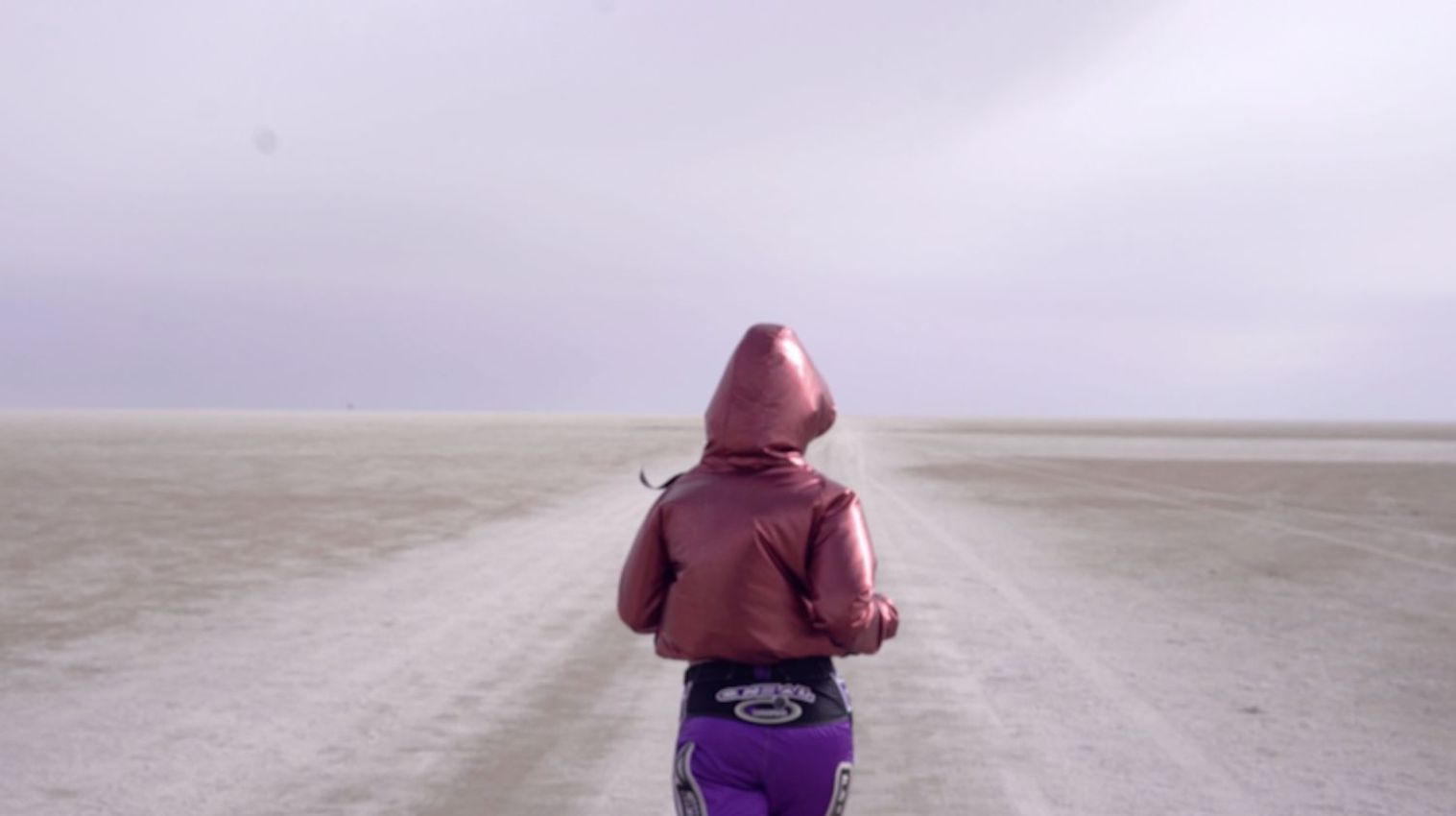
After the Mediterranean is an exhibition curated by curator, writer and art researcher Oriol Fontdevila, which brings together seven artists whose works address the social and ecological challenges affecting the region: Laia Estruch, Erola Arcalís, Omar Mismar, Abi Shehu, Adjoa Armah, Sara Ouhaddou and artist collective Huniti Goldox, with Areej Huniti and Eliza Goldox.
The exhibition thus brings together a group of artists, many of whom originate from, work within or in relation to territories bordering the Mediterranean. This includes among others Spanish, Albanian, French Moroccan and Lebanese artists. They present existing and new works, the latter created through a residency program taking place in Menorca over the winter often in collaboration with local makers such as ceramicists and weavers. A public program runs alongside the exhibition, engaging learning institutions, local organisations and communities, as well as the general public.
After the Mediterranean conjures a diverse series of futures to address ideas around the human and ecological crises that currently impact the region. The exhibition questions, on the one hand, the idea of the Mediterranean as it has been–and continues to be–articulated: as a gentle, sunny sea, as an idyllic region with an equally tranquil way of life, as a place where cultures could coexist, trade and move around in harmony–in line with the tradition of critical thinking relying upon the work of historian Fernand Braudel.
‘Through their practice, the artists in the exhibition confront this legacy with the problems that have arisen from the current climate emergency, from post-colonialism and the Arab Spring, from successive migrations and the policies that prevent free movement across this sea’, Oriol Fontdevila has commented.
At the same time, ‘After the Mediterranean’ introduces new thoughts and stories that testify to the human capacity to tackle the region’s challenges.


Hauser & Wirth was founded in 1992 in Zurich by Iwan Wirth, Manuela Wirth and Ursula Hauser, who were joined in 2000 by Partner and Vice President Marc Payot. A family business with a global outlook, Hauser & Wirth has expanded over the past 26 years to include outposts in Hong Kong, London, New York, Los Angeles, Somerset and Gstaad. The gallery represents over 70 artists and estates who have been instrumental in shaping its identity over the past quarter century, and who are the inspiration for Hauser & Wirth’s diverse range of activities that engage with art, education, conservation and sustainability.

A respected voice in contemporary art discourse.
Focusing on ambitious storytelling and insightful art-world commentary. Ocula Magazine publishes in-depth interviews, critical essays and timely analysis on the artists, exhibitions and ideas driving the global art world.
Learn more about Ocula Magazine
Showcasing the best of the art world.
Ocula partners with galleries from around the world to highlight their artists, artworks and exhibitions. Gallery membership is by application and invitation, with each member vetted by an independent panel.
Learn more about Ocula Membership

Specialises in the sale of major artworks.
Led by a team with deep ties to the world’s leading auction houses, galleries and collectors. Ocula’s advisory team offers bespoke services to high-net-worth clients from around the world who are looking to acquire the best of contemporary and modern art.
Learn more about our team and services