‘I am convinced that of all the manifestations of the ephemeral, the human body is the most fragile, the only source of all joy, of all pain and of all truth.’ —Alina Szapocznikow
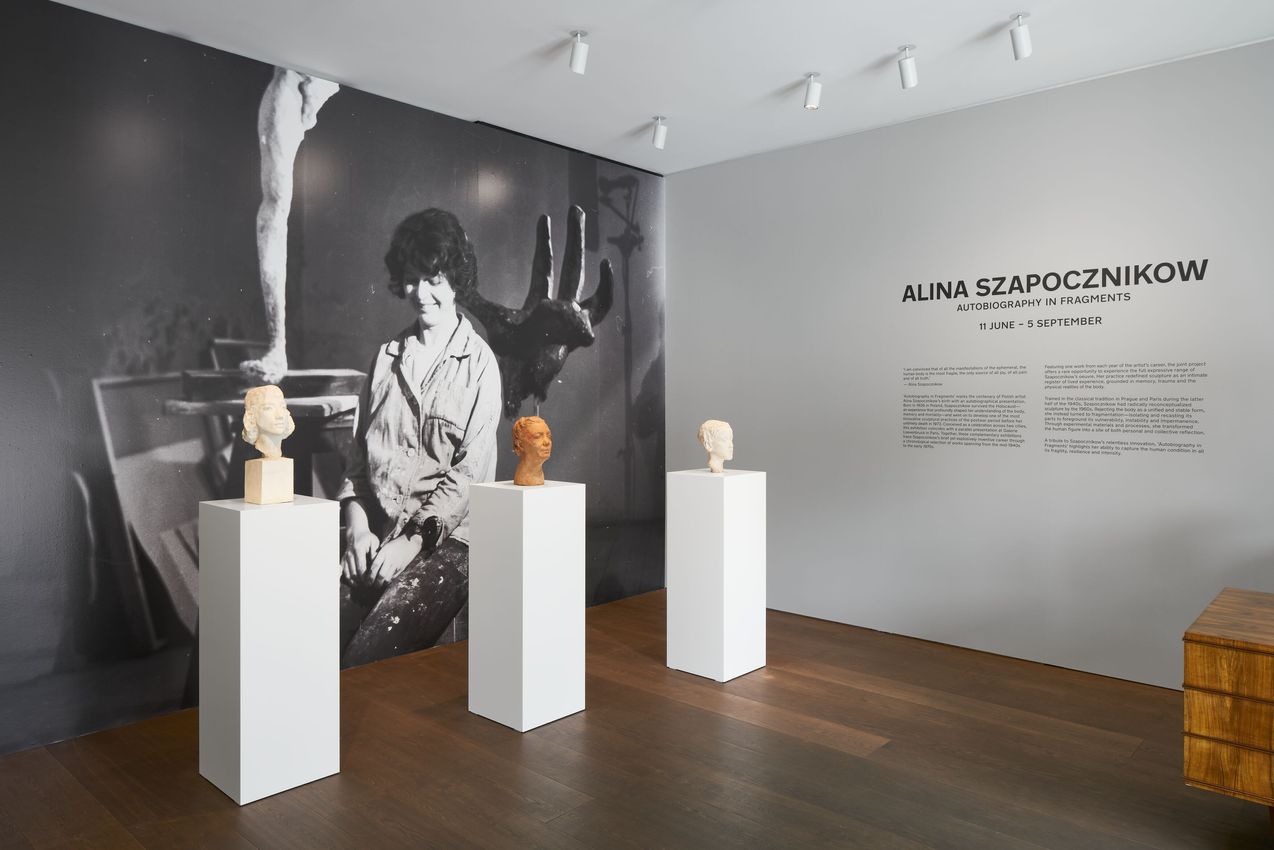
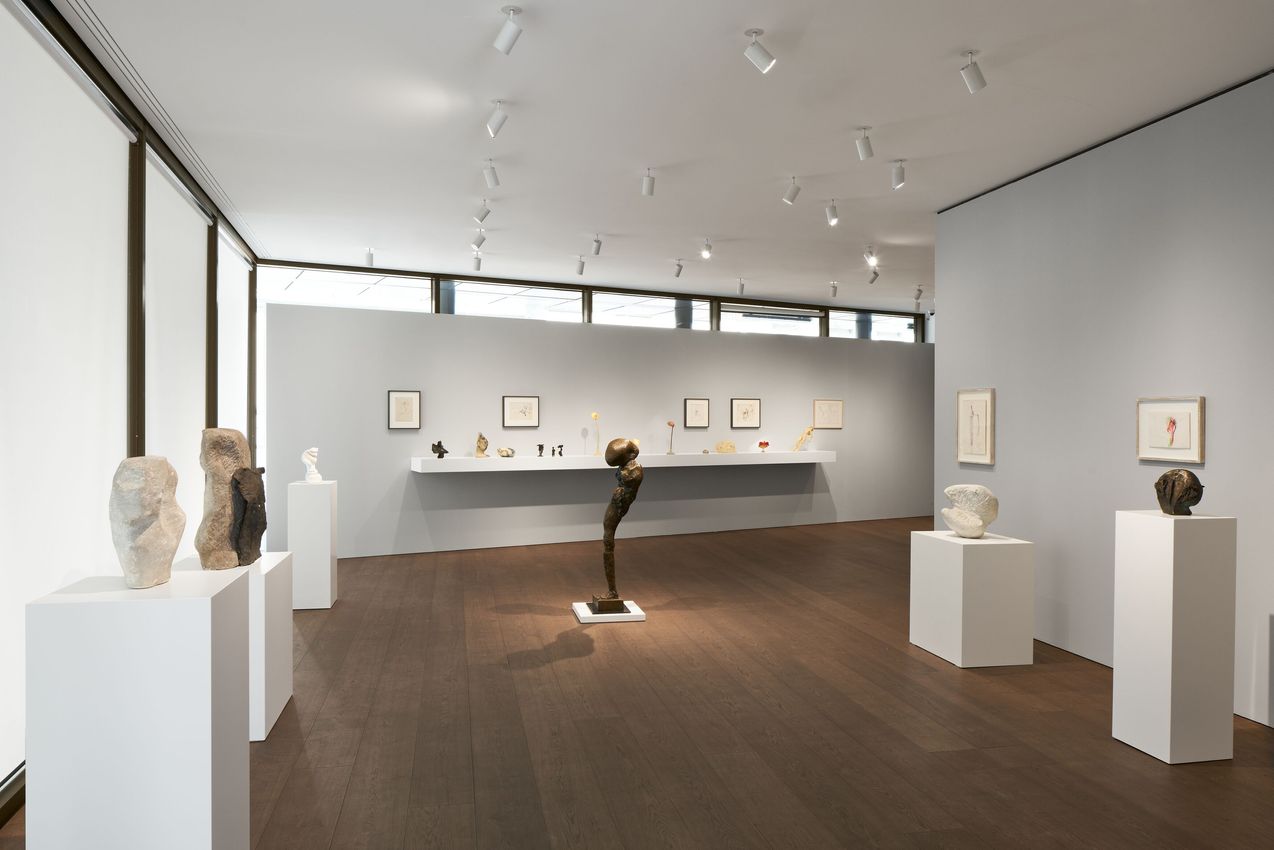
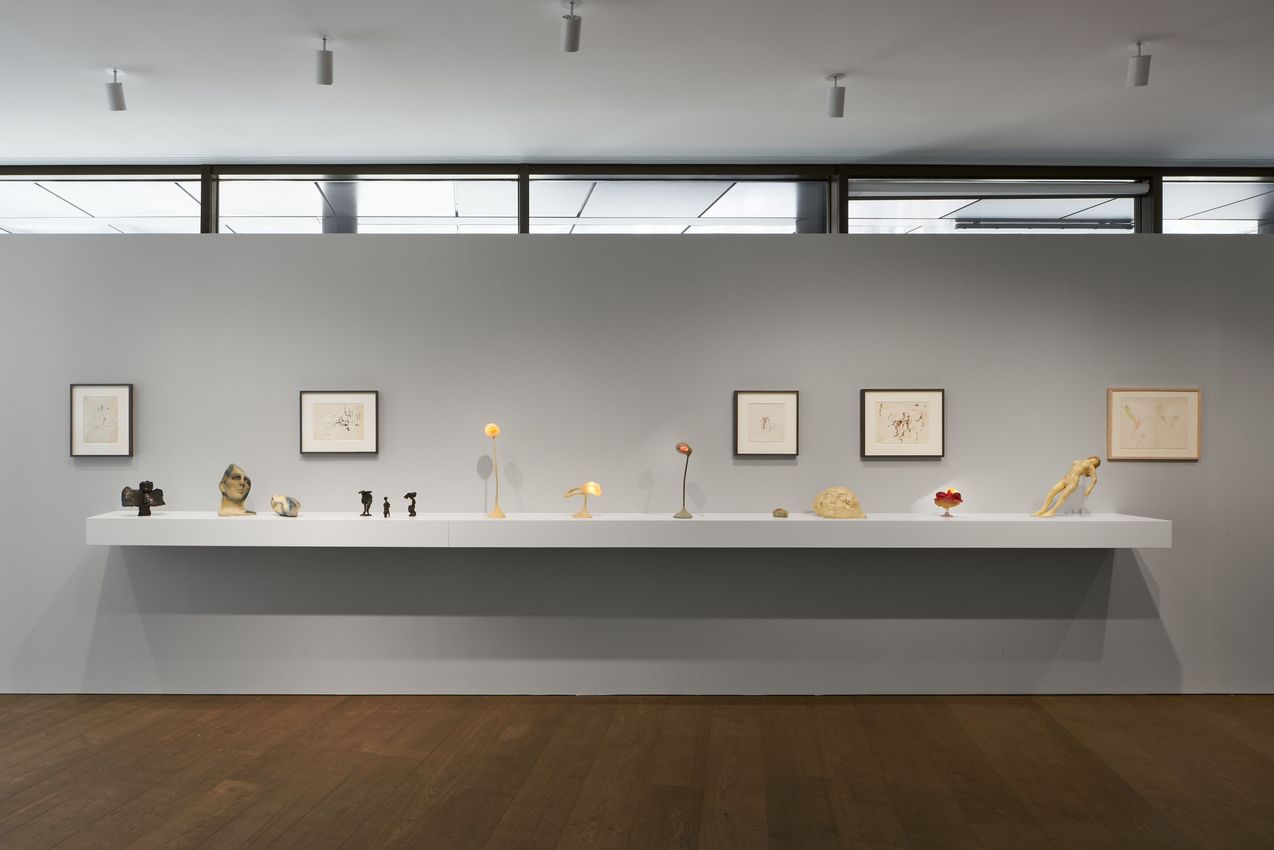
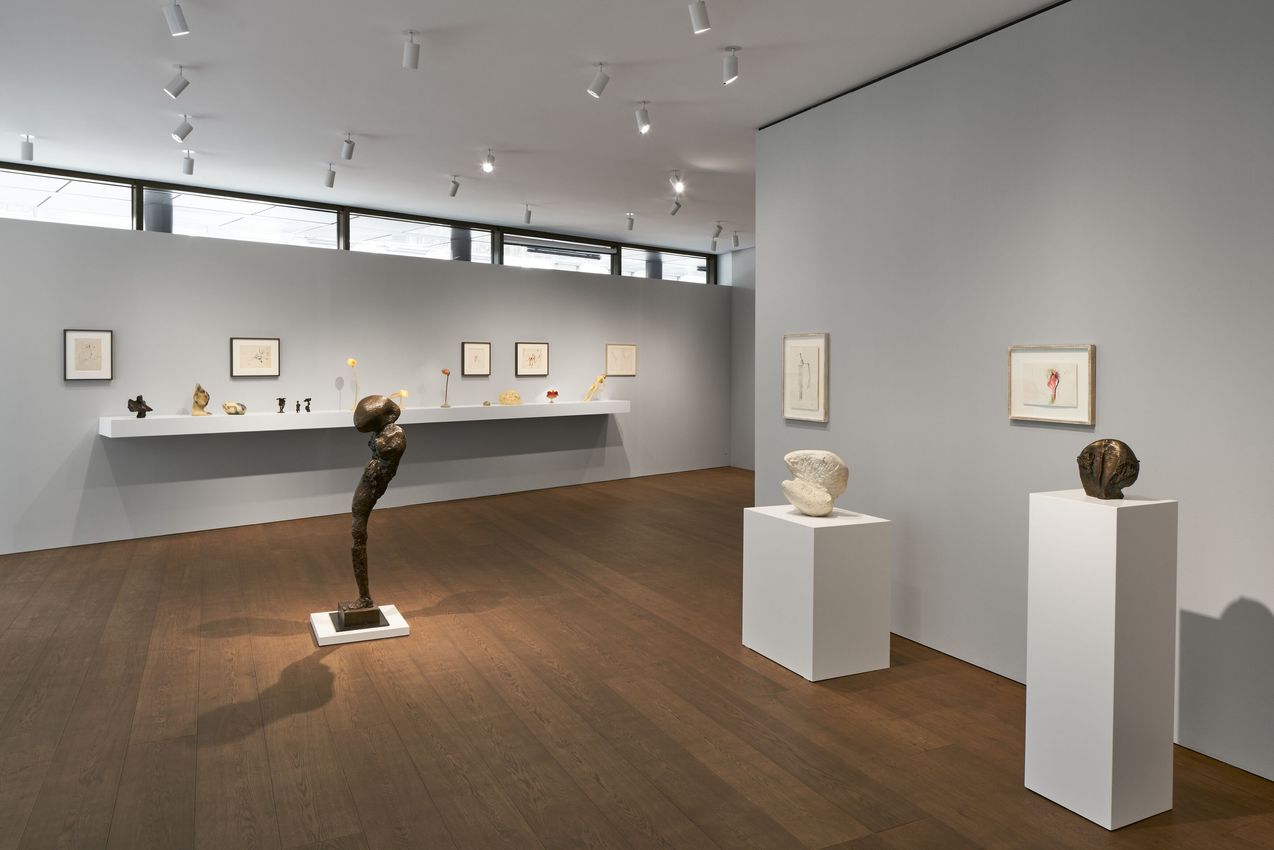
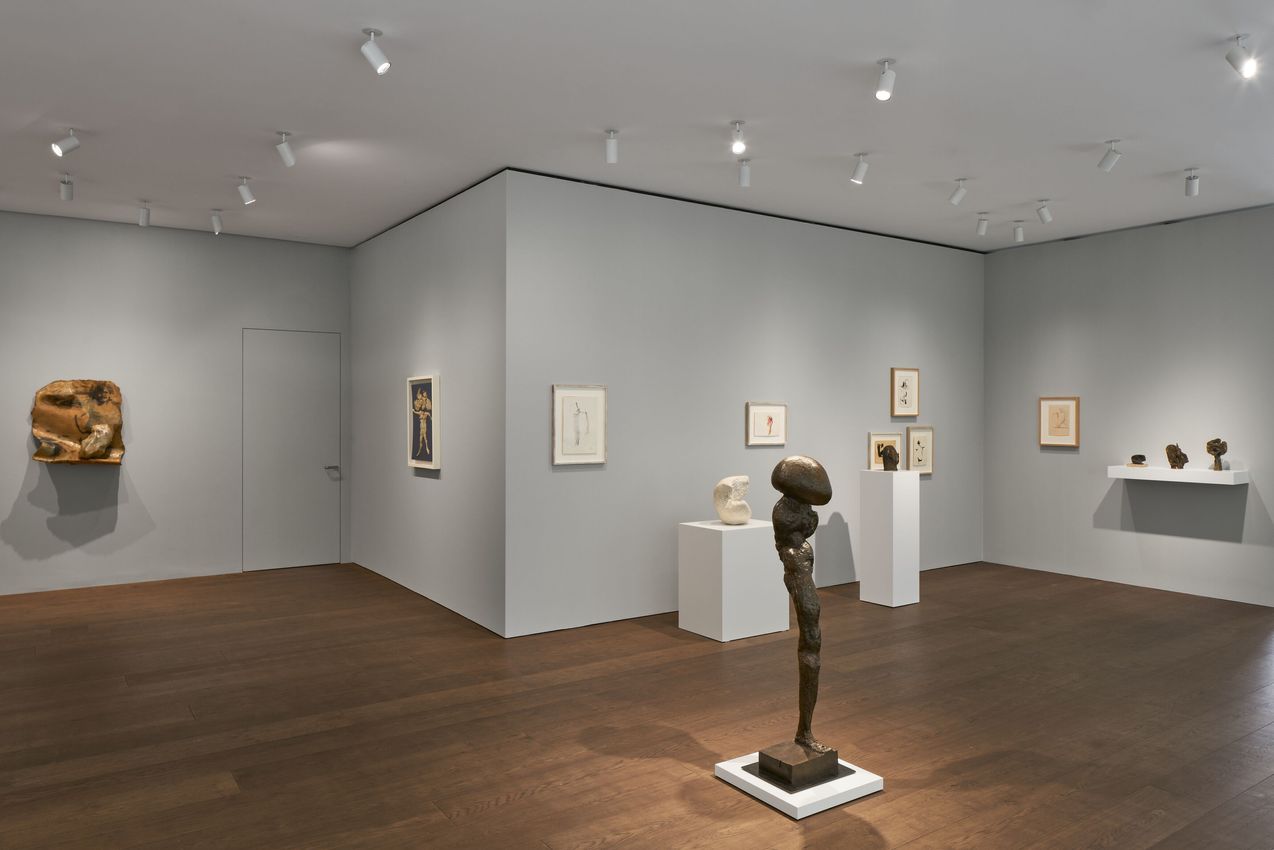
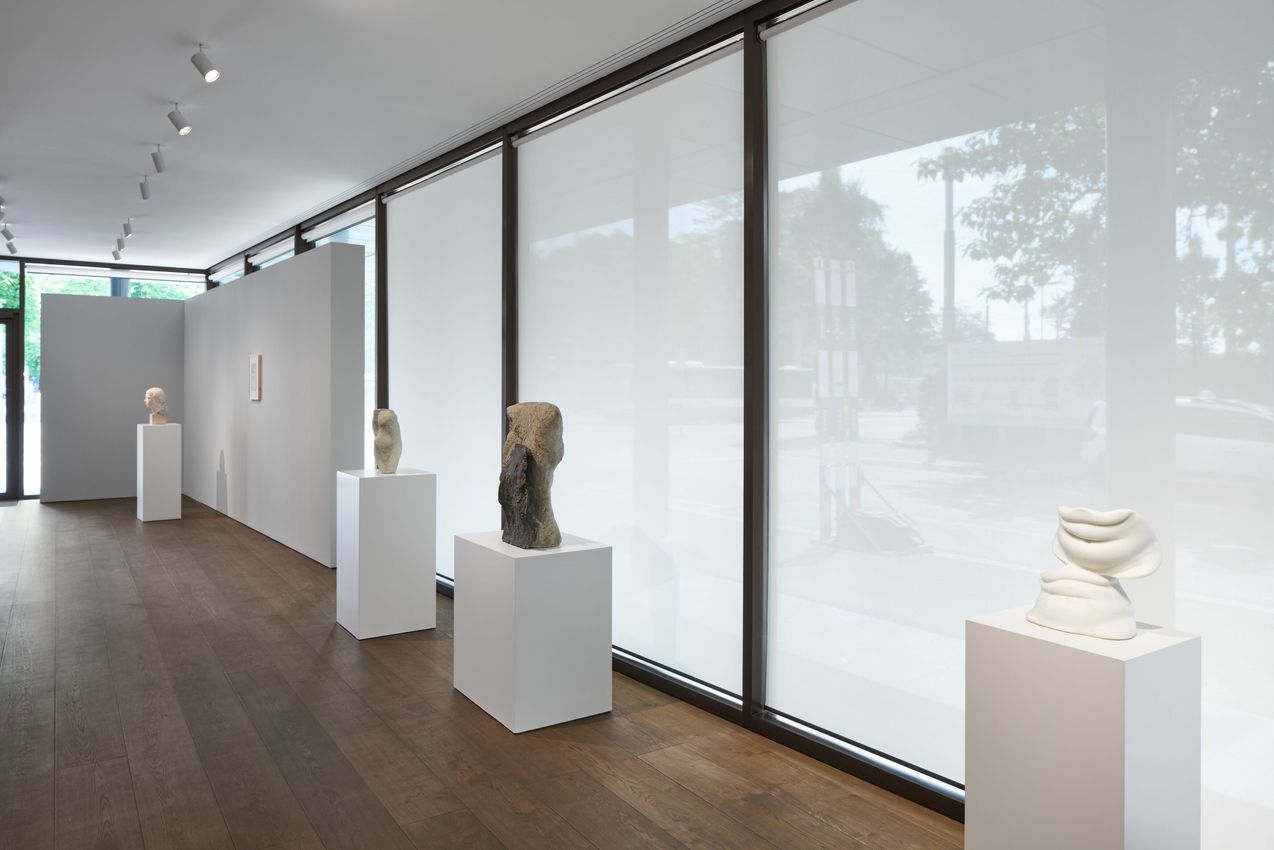
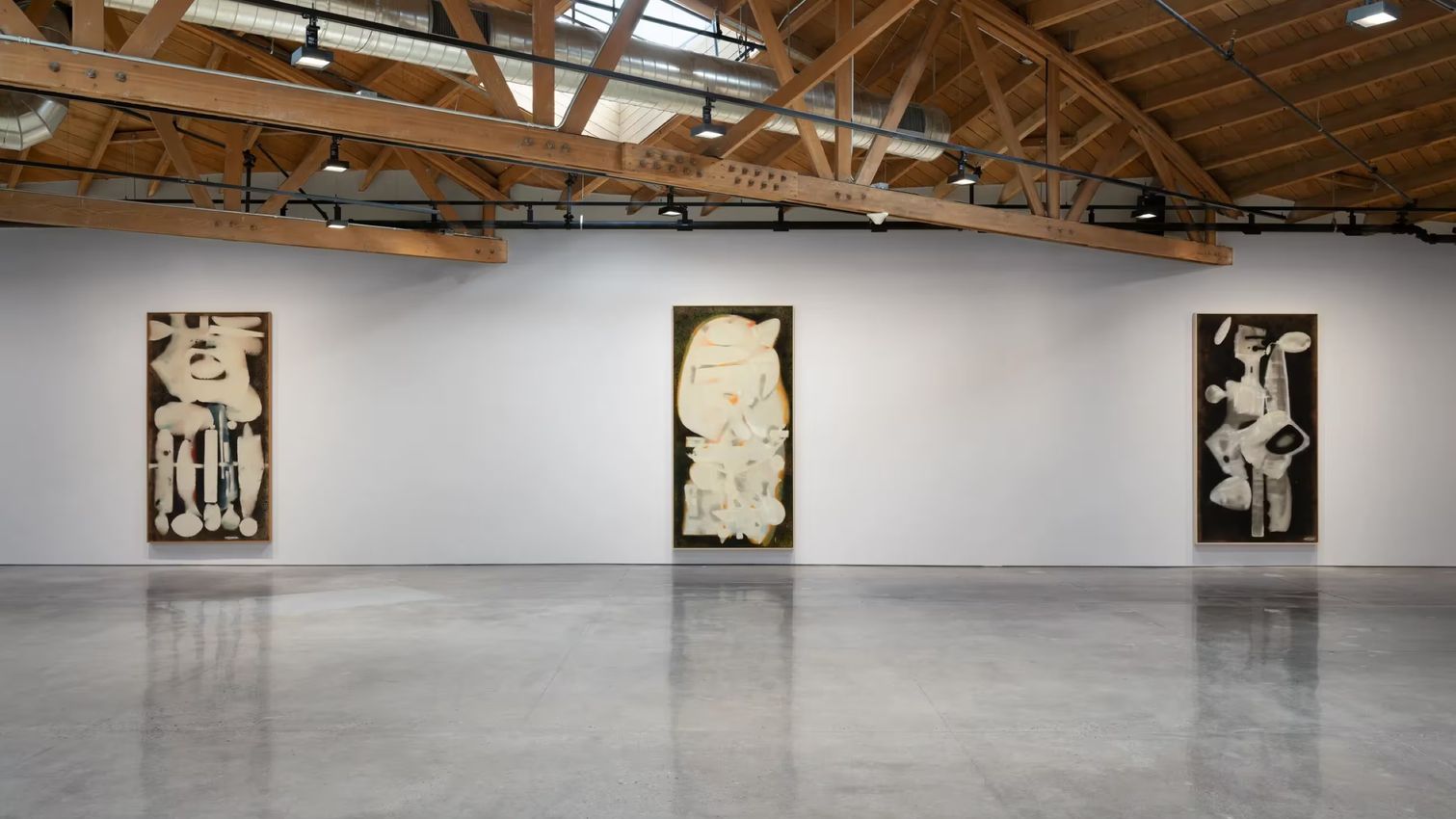
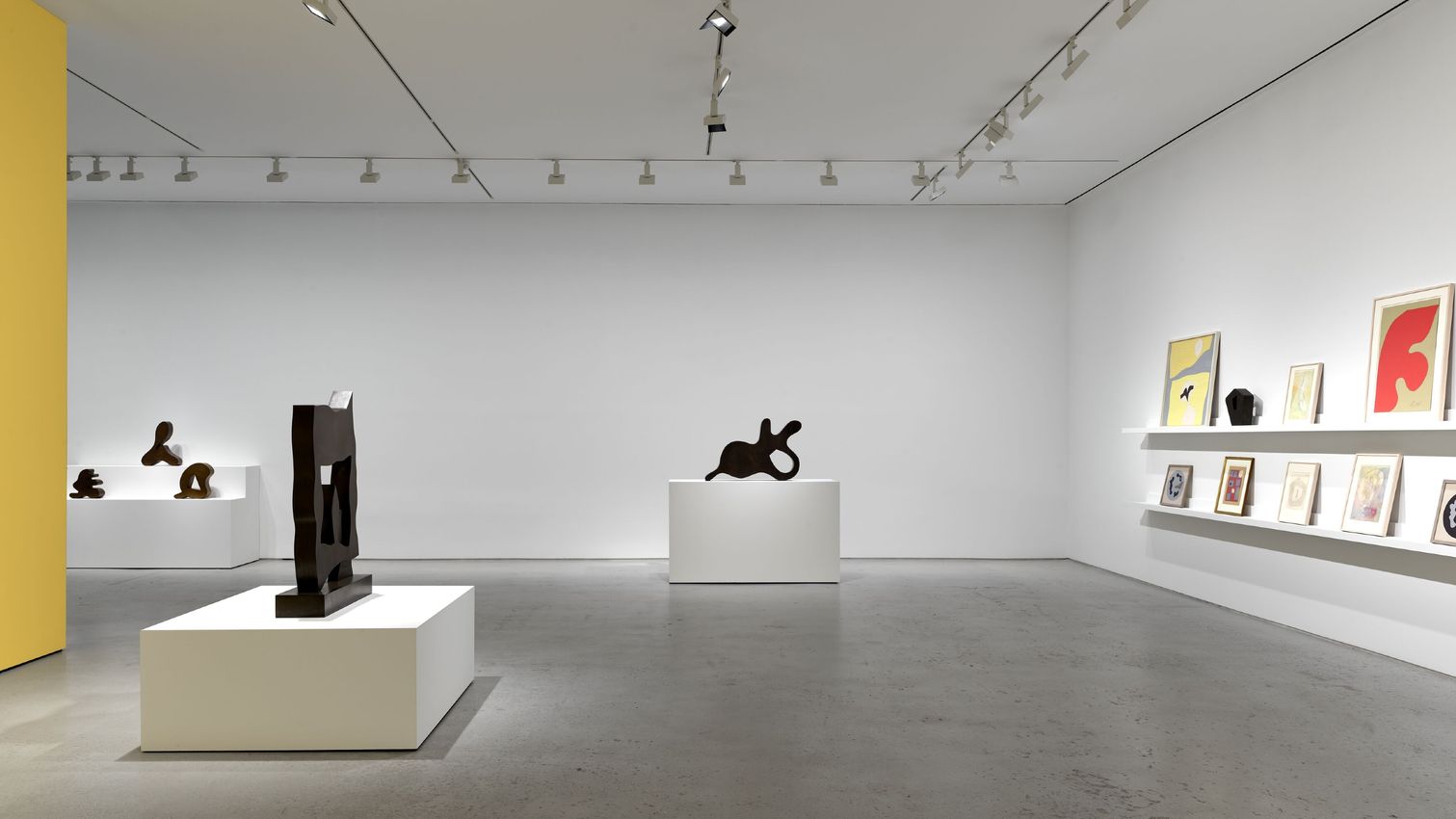
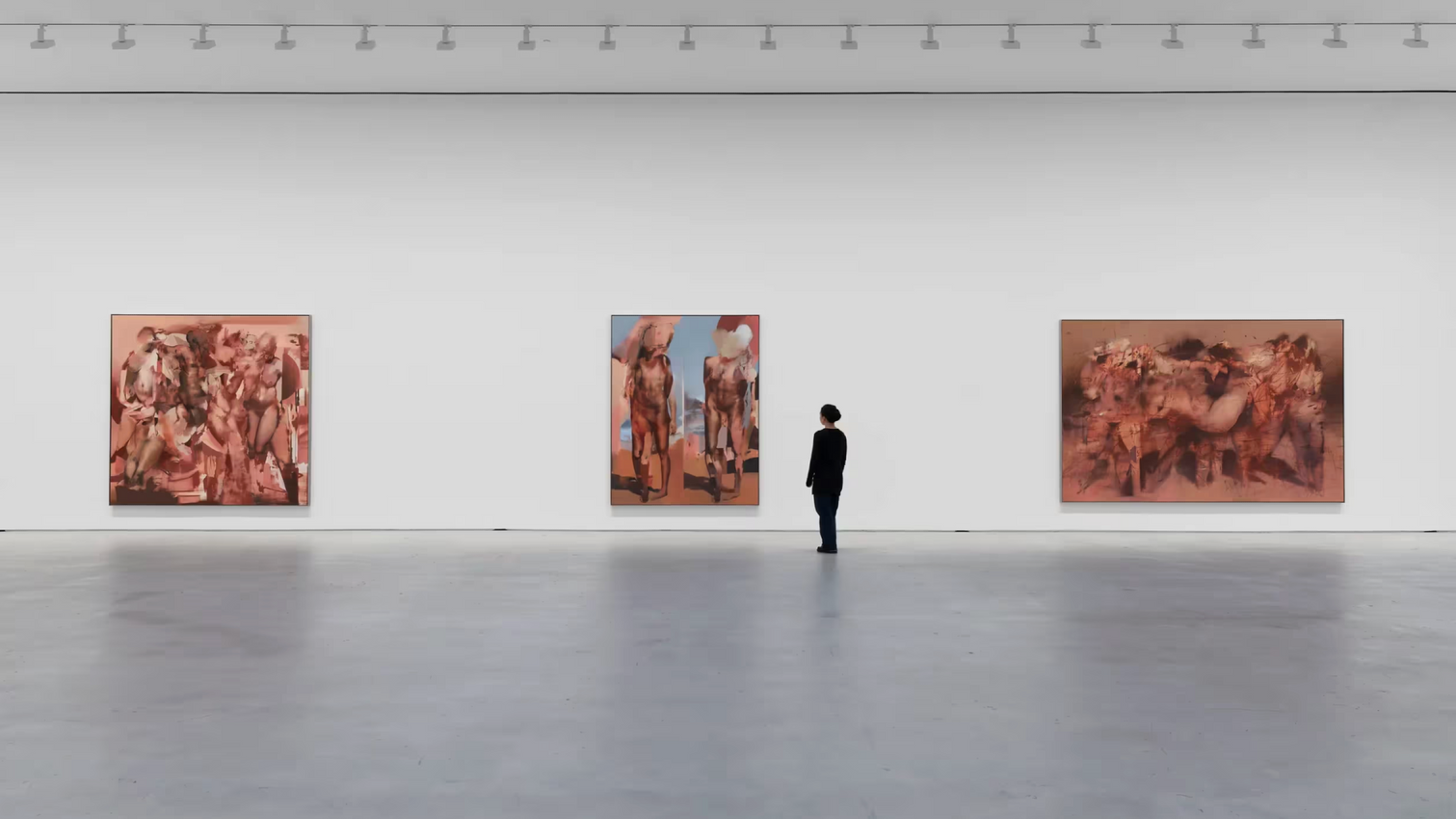
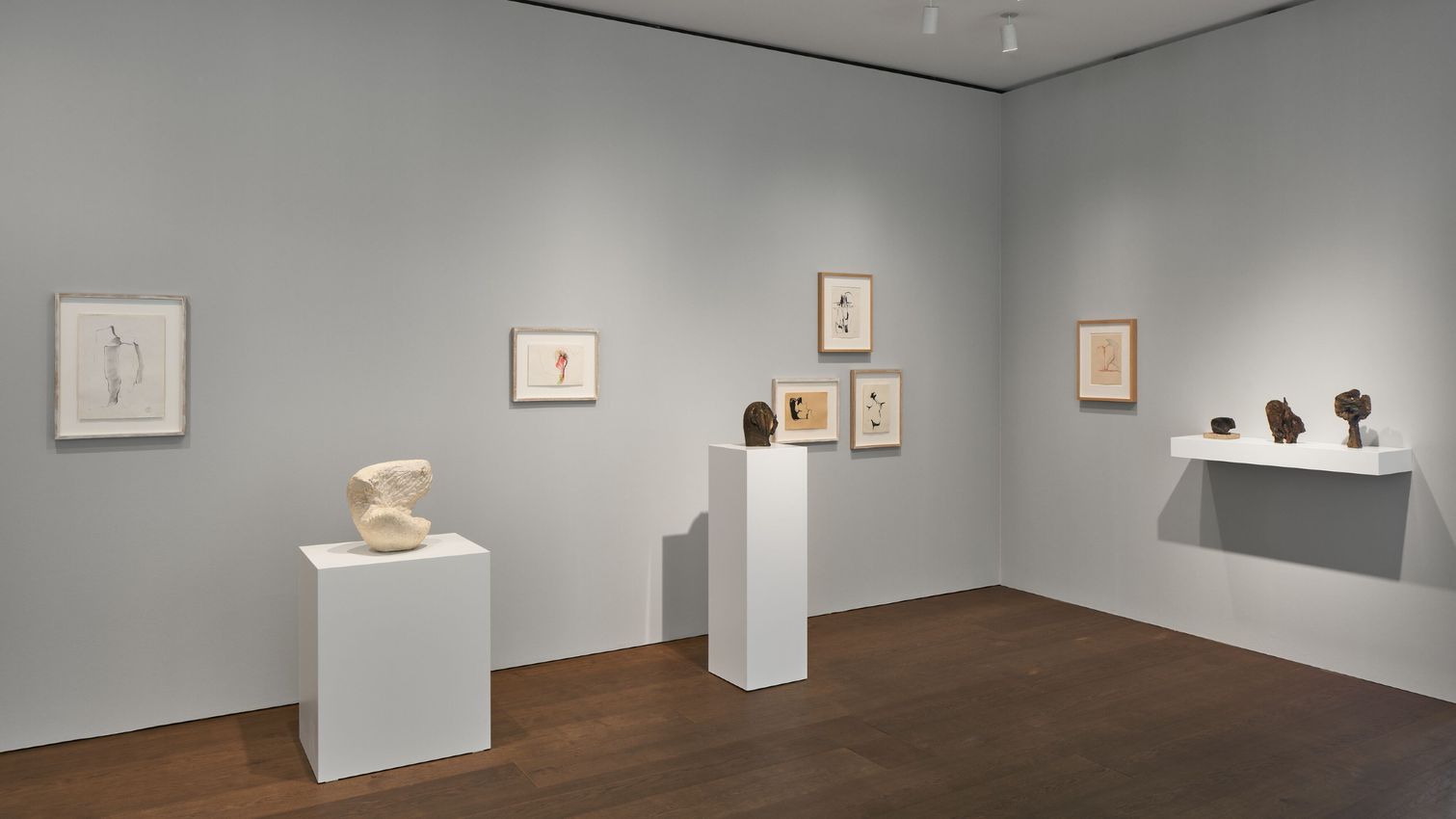
For Zurich Art Weekend 2026, Hauser & Wirth’s Bahnhofstrasse gallery will mark the centenary of the Polish artist Alina Szapocznikow’s birth with an autobiographical exhibition. A celebration across two cities, ‘Alina Szapocznikow. Autobiography in Fragments’ opens alongside Galerie Loevenbruck’s exhibition in Paris and charts the artist’s explosively inventive but brief career. These two complementary exhibitions will together feature a work from each year that Szapocznikow was active—from the mid-1940s to the early 1970s—to reveal the full expressive force of the artist’s practice, which reimagined sculpture as an intimate register of lived experience
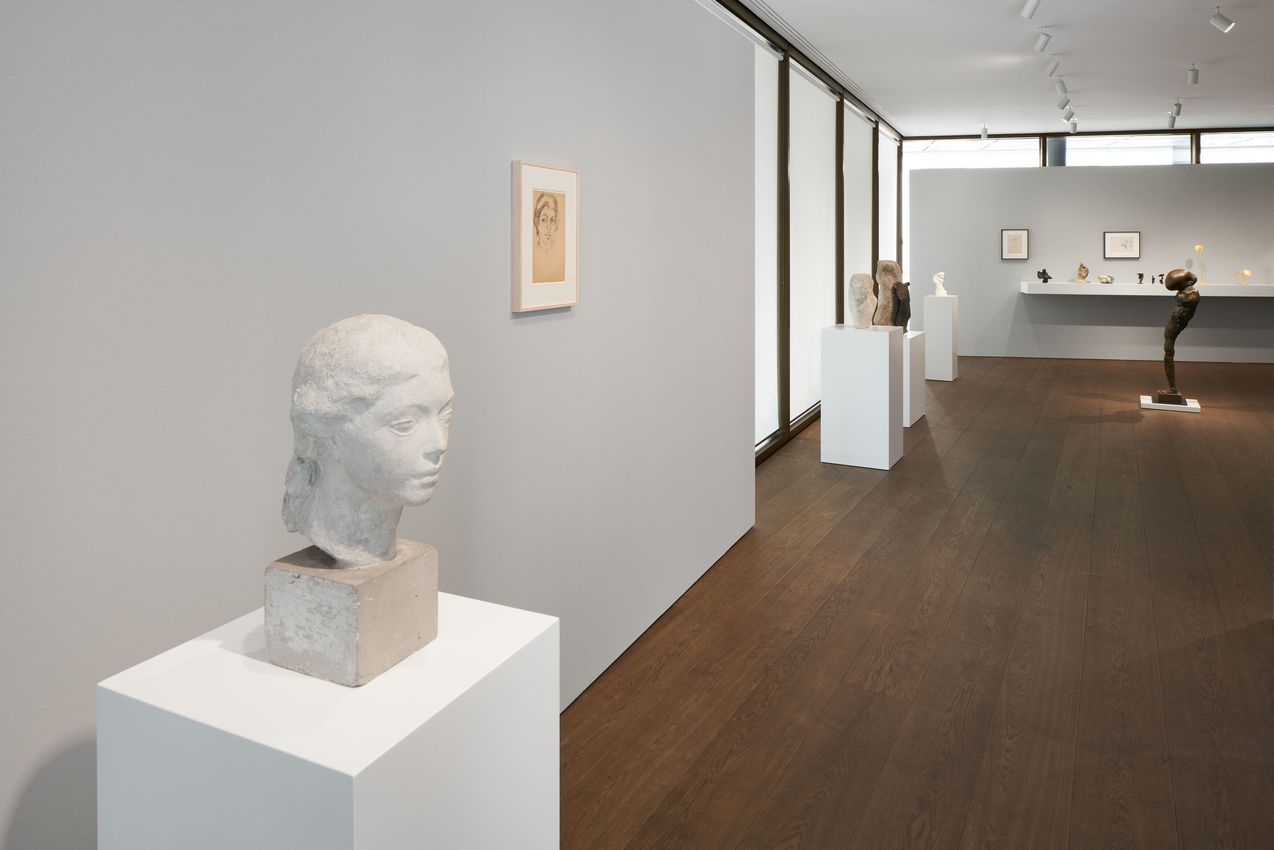
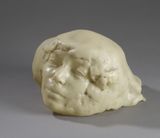
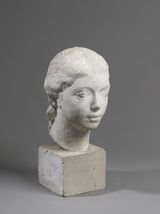
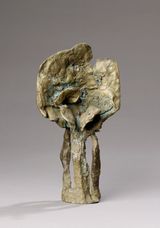
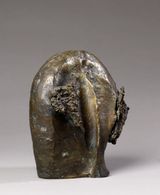
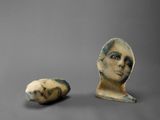
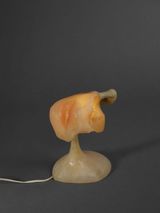
Born in Poland to a Jewish family in 1926, Alina Szapocznikow survived internment in concentration camps during the Holocaust as a teenager. Immediately after the Second World War, she moved first to Prague(1945) and then to Paris, studying sculpture at the École des Beaux Arts (1947). Szapocznikow’s earliest work falls into the realm of classical sculptural representations of the human form in static and naturalist poses.These early works on view in Zurich are attentive observations of the anatomical proportions and volumes ofthe body, reflected in plaster busts such as ‘Autoportret (Self-Portrait)’ (1948). She returned to Poland in 1951, and following the death of Joseph Stalin in 1953, the restrictions that had tightly governed artistic expression in the Soviet Union eased and Szapocznikow’s practice underwent a dramatic transformation. She abandon edmimetic representation and began to explore figurative abstraction, creating sculptures such as ‘Kwiato-owoc (Flower-fruit)’ (1957 – 1958) and ‘Forma II (Form II)’ (1959).
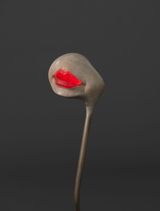
By the 1960s, Szapocznikow had radically reconceptualized sculpture as a record not only of her memory but of her own body. She rejected the body as a whole, integral entity, instead fragmenting the human figure in order to foreground its vulnerability and instability. By 1962, she began to use imprints of her own body and experimented with unconventional materials such as polyester resin and polyurethane foam, working in parallel with artists such as Louise Bourgeois, Tetsumi Kudo, Eva Hesse and Paul Thek to transform the visual language of postwar sculpture. In 1966, illumination would become a signature element in Szapocznikow’ soeuvre, and she created numerous functional sculptures in polyester resin: glowing female lips extending from elongated stemlike bases, wired as lamps. The utilitarian function of these objects contradicts their naturalshape and glowing corporeality. Trapped between household commodities and bodily forms, Szapocznikow’ slamps possess an inherent contradiction that seems designed to discomfit.
In 1969, Szapocznikow was diagnosed with breast cancer, which would ultimately take her life in 1973. Herdiagnosis inspired the Tumors (1969 – 1972)—small lumps of resin that gave form to the masses growing inside her body, in which she buried photographs, newspaper clippings and gauze. References to the Holocaust appeared in her work for the first time in her Souvenirs (1967 – 1971) series, which embedded photographs within translucent layers of resin. ‘Pamiatka I (Souvenir I)’ (1971) fuses a holiday snapshot of Szapocznikow asa girl with the face of a female concentration camp victim, integrating the time before, during and after the war while merging individual and collective memories. Like Szapocznikow’s casts of body parts, the photograph has an indexical relationship with the subject—a simultaneous record of presence and absence.
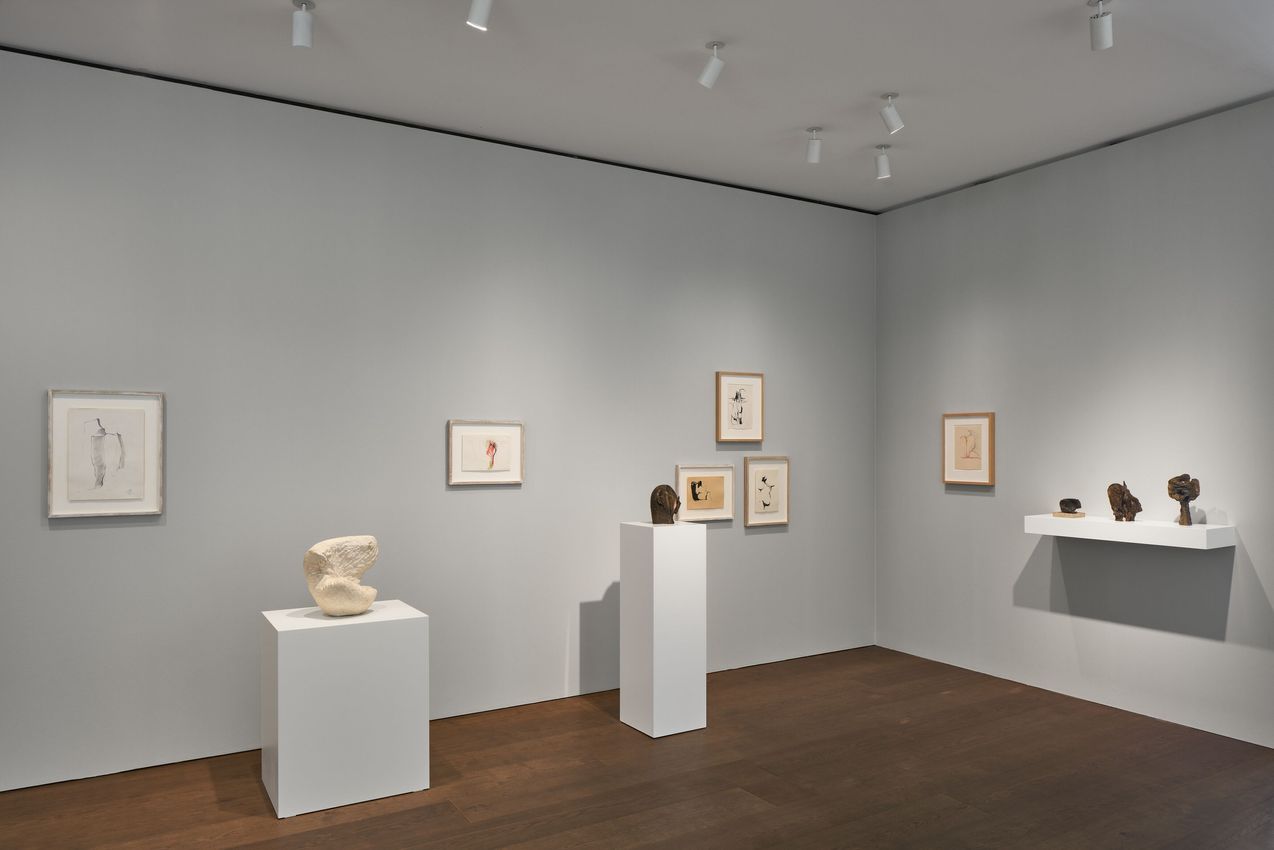
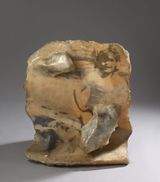
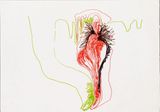
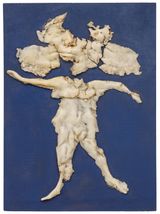
In the last years of her practice, Szapocznikow repeatedly—almost obsessively—cast her own body and the bodies of her loved ones. In her Herbier (Herbarium) series, represented here by the arresting ‘Herbier bleuI (Blue Herbarium I)’ (1972), skin-like polyester casts of fragments of her and her son’s body are splayed out like scientific specimens or burial shrouds. As in her oneiric Human Landscapes (1971 – 1972) drawings, the sensual volume of her earlier sculptures collapses into fragile, flattened forms that foreground the body’simpermanence. Looking back on her practice in a text writter in 1972, she referred to her work as ‘awkward object’s’: ‘I try to fix the fleeting moments of life, its paradoxes and absurdity.’ Although she described herself first and foremost as a sculptor, Szapocznikow produced more than six hundred drawings and monotypes that were integral to her sculptural practice; the works on paper interspersed throughout the exhibition are stand-alone works that amplify and echo her sculptural practice in terms of their composition and texture.
A tribute to the artist and her ceaseless experimentation, ‘Autobiography in Fragments’ attests to Szapocznikow’s ability to capture the human body in all its vulnerability, fragility and resilience. This two-part presentation coincides with the exhibition ‘Szapocznikow. Personal’ at Muzeum Narodowe w Krakowie inKrakow, Poland (20 March – 23 August 2026).
Courtesy Hauser & Wirth.


Born in Poland to a Jewish family in 1926, Alina Szapocznikow survived internment in concentration camps during the Holocaust as a teenager. Immediately after the war, she moved first to Prague and then to Paris, studying sculpture at the École des Beaux Arts. In 1951, suffering from tuberculosis, she was forced to return to Poland, where she expanded her practice. When the Polish government loosened controls over creative freedom following Stalin’s death in 1952, Szapocznikow jumped into representation. By the 1960s, she was radically re-conceptualising sculpture as an intimate record not only of her memory, but also of her own body.


A respected voice in contemporary art discourse.
Focusing on ambitious storytelling and insightful art-world commentary. Ocula Magazine publishes in-depth interviews, critical essays and timely analysis on the artists, exhibitions and ideas driving the global art world.
Learn more about Ocula Magazine
Showcasing the best of the art world.
Ocula partners with galleries from around the world to highlight their artists, artworks and exhibitions. Gallery membership is by application and invitation, with each member vetted by an independent panel.
Learn more about Ocula Membership

Specialises in the sale of major artworks.
Led by a team with deep ties to the world’s leading auction houses, galleries and collectors. Ocula’s advisory team offers bespoke services to high-net-worth clients from around the world who are looking to acquire the best of contemporary and modern art.
Learn more about our team and services