





PAULA SIEBRA
b. 1998, BrazilBrazilian painter Paula Siebra uses north-eastern Brazilian culture and its environment to create her still lifes, landscapes and portraits, working from both drawings and her own memories. Sparsely populated landscapes, everyday scenes and quotidian objects populate her images, taking her practice beyond simply a reflection of her local region.
Early Years
Paula Siebra was born in Fortaleza, Ceará, in 1998. Her mother encouraged her to take up art and Siebra was drawing seriously by the time she was 11, finding inspiration from weekly visits to the folk arts museum in Dragão do Mar. She gained her undergraduate degree in painting from the Universidade do Rio de Janeiro and her Master’s from Universidade Federal do Ceará in 2024.
Paula Siebra: Artworks
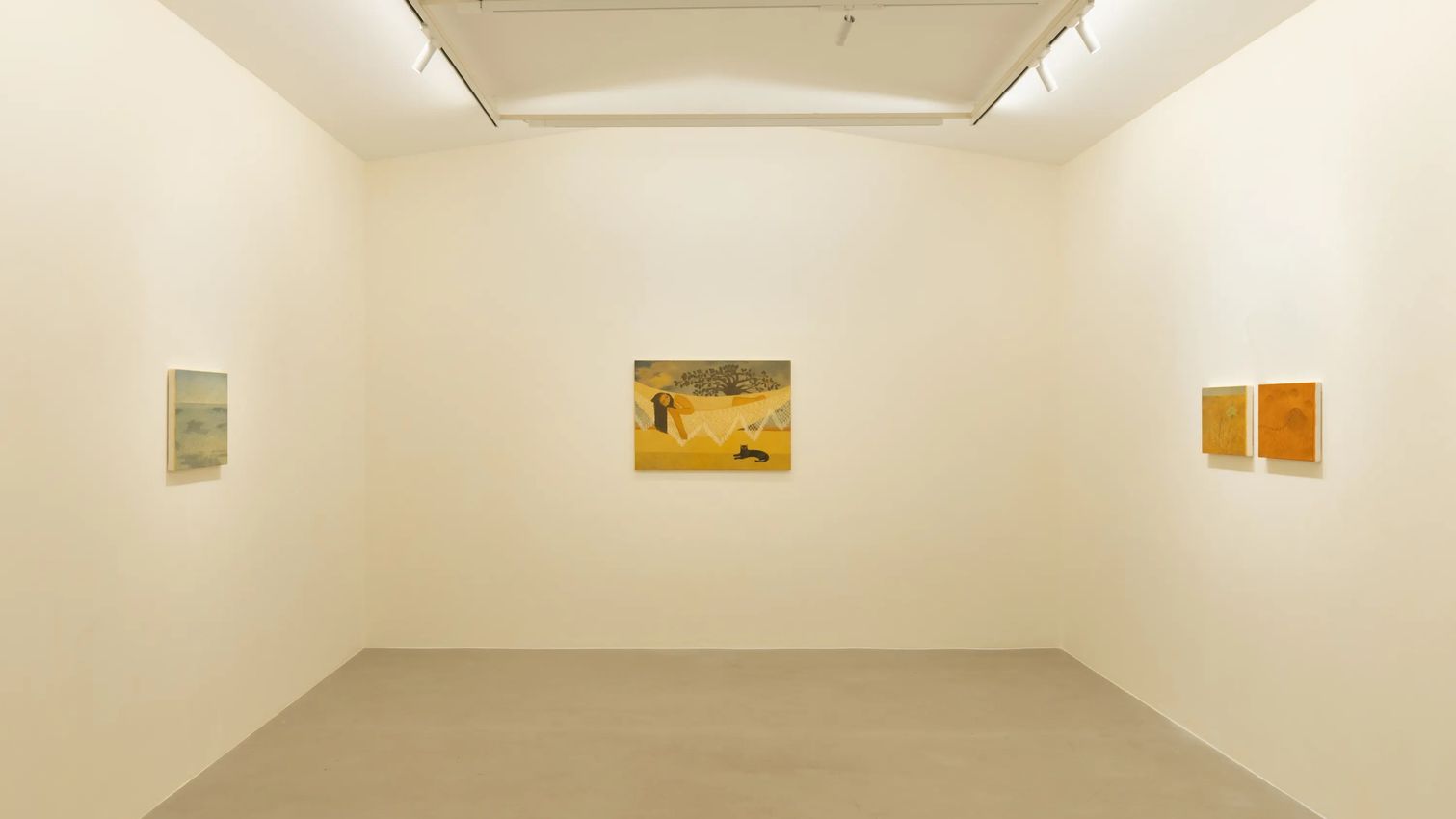
Paula Siebra has said that her “art practice is motivated by a desire to play with the mysterious sense of objects”. She paints still lifes, portraits and landscapes in oil and egg tempura—alternating her practice between each style. Her inspiration is anchored in the landscape and culture of north-eastern Brazil, but also in memory, and the idea of fading memories influences the earthy tones of her colour palette. She has talked about the “intimate communion with objects, landscapes, and people I long to hold on to”.
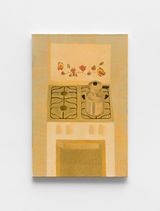
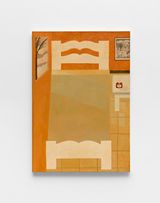
Siebra has described her painting practice as “a series of chromatic layers”. On top of a primed, single-tone canvas she adds colour with almost dry paint with gentle brushstrokes to create an almost glowing effect. Elements in her landscapes (such as trees and houses) are isolated, reflecting the actuality of the local environment, but also appearing as a representation of her own memories. Siebra also paints the everyday—meals on the table, clothes laid out on the bed—asking the viewer to consider what is significant in their daily lives, and also with unexpected framing that moves objects out of the centre.
- In the 2022 oil painting Mulher penteando o cabelo (Woman combing her hair), Siebra shows how the everyday co-exists with the structures of society: a hand that looks like an ex-voto (a sculpture of a body part that is used as a votive offering in Christian prayers of healing) brushes a woman’s wavy, beach-fresh hair.
- 2024’s O Piano initially seems like a regular piano but Siebra’s painted instrument has an additional 12 keys. This is an instrument rooted in reality yet augmented by Siebra’s imagination.
- Tiny Weed Flower (2024) moves away from paint and into graphite pencil, yet Siebra still manages to convey a memory-like vision without recourse to her familiar earth tones.
Paula Siebra: Exhibitions
Select Solo Exhibitions
- Vestígios de verão [Remanants of summer], Saga House and Enri-an Temple, Kyoto (2025)
- O estranho familiar, Mendes Wood DM, Paris (2025)
- As primeiras coisas [The earliest things], Mendes Wood DM, New York (2024)
- Cristalino Segredo, Mendes Wood DM, Brussels (2023)
- Noites de cetim, Mendes Wood DM, São Paulo (2022)
- Lembrança de algum lugar, Sobrado Dr. José Lourenço, Fortaleza (2022)
- O Soar das Horas, Nieuwe Gentweg 21, Bruges (2023)
- Arrebol, Mendes Wood DM, New York (2021)
Select Group Exhibitions
- Remanso, Mendes Wood DM, São Paulo (2025)
- Amadeo Luciano Lorenzato en conversation avec Lucas Arruda, Sanam Khatibi, Patricia Leite, Paula Siebra, Marcos Siqueira, Erika Verzutti et Castiel Vitorino Brasileiro, Mendes Wood DM, Paris (2024)
- 74th Salão de Abril, Centro Cultural Casa do Barão de Camocim, Fortaleza (2023)
- Arte Laguna Prize Exhibition, Arsenale di Venezia, Venice (2023)
- Close, Grimm Gallery, London (2023)
- A Gauzy Flame, Herald St, London (2023)
- Pequenas pinturas II, Auroras, São Paulo (2022)
- My reflection of you, The Perimeter, London (2022)
- Corpo Ancestral – 21st UNIFOR Plástica, Universidade de Fortaleza, Fortaleza (2022)
- Male Nudes: a salon from 1800 to 2021, Mendes Wood DM, São Paulo (2022)
Further Reading
- Paula Siebra’s Instagram
- English texts about her work from Paula Siebra’s official website
- Paula Siebra’s artist profile at Mendes Wood
Paula Siebra FAQs
What colours does Paula Siebra use?
Paula Siebra uses a “sparse family of colours” in her paintings, earth tones such as terracotta, neutrals, ochres and greys in oil and tempura. She prepares her canvases with a layer of one colour then “cooks the colour” she paints with so that it slightly degrades.
What is silicogravura?
Silicogravura—silicon etching—is an artistic practice local to Ceará and Rio Grande do Norte in which layers of coloured sand are put into glass bottles to produce images of the coastline. Paula Siebra studied the forms of silicogravura as part of her master’s and the traditional colours of the sand have influenced her colour palette.
Where does Paula Siebra live?
Paula Siebra lives and works in Fortaleza, Brazil—where she was born and raised. Her artworks reflect the local landscape and culture of the area.
Ocula









Explore and Follow Artists Shaping Contemporary Art
A respected voice in contemporary art discourse.
Focusing on ambitious storytelling and insightful art-world commentary. Ocula Magazine publishes in-depth interviews, critical essays and timely analysis on the artists, exhibitions and ideas driving the global art world.
Learn more about Ocula Magazine
Showcasing the best of the art world.
Ocula partners with galleries from around the world to highlight their artists, artworks and exhibitions. Gallery membership is by application and invitation, with each member vetted by an independent panel.
Learn more about Ocula Membership
Specialises in the sale of major artworks.
Led by a team with deep ties to the world’s leading auction houses, galleries and collectors. Ocula’s advisory team offers bespoke services to high-net-worth clients from around the world who are looking to acquire the best of contemporary and modern art.
Learn more about our team and services