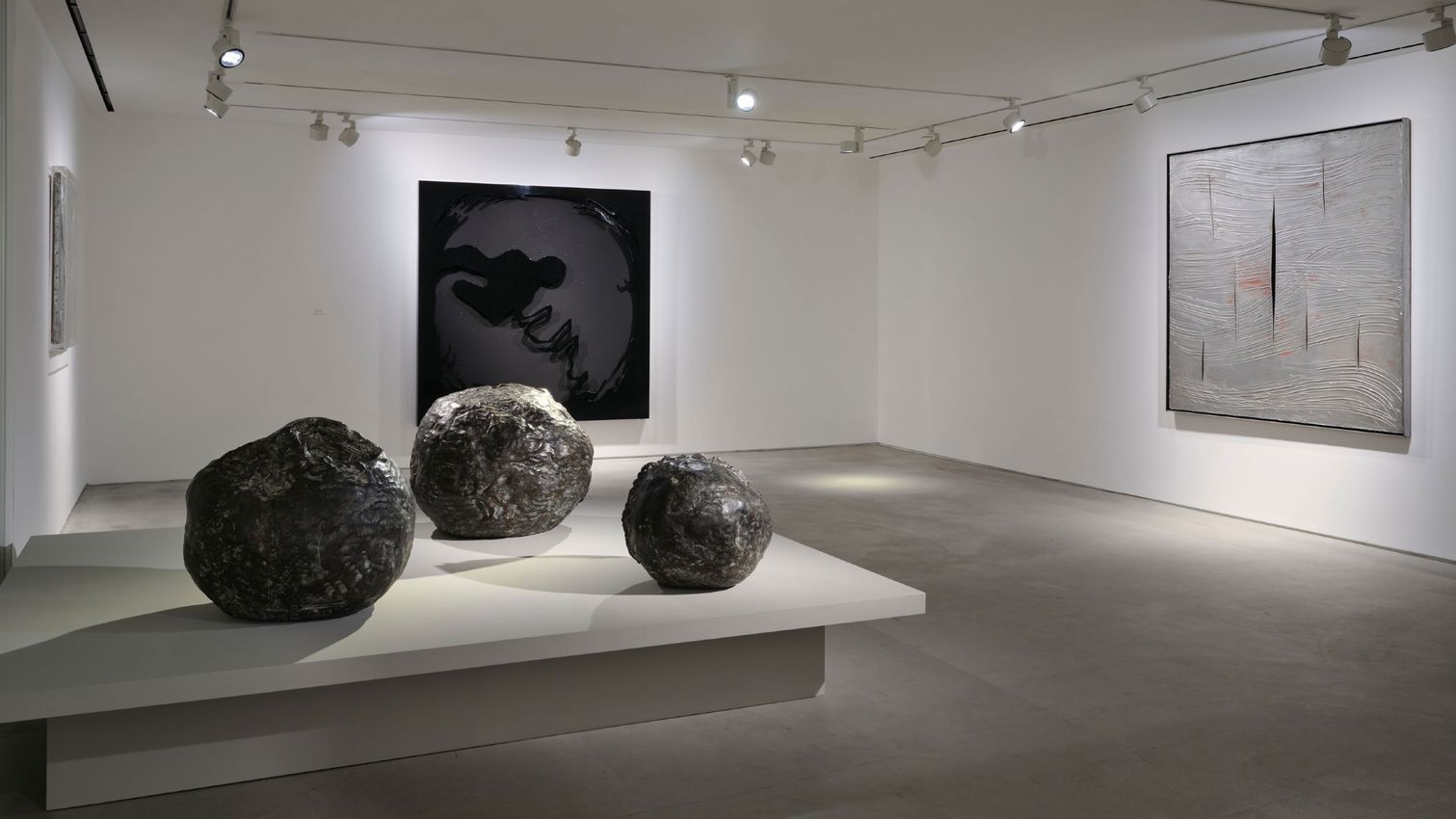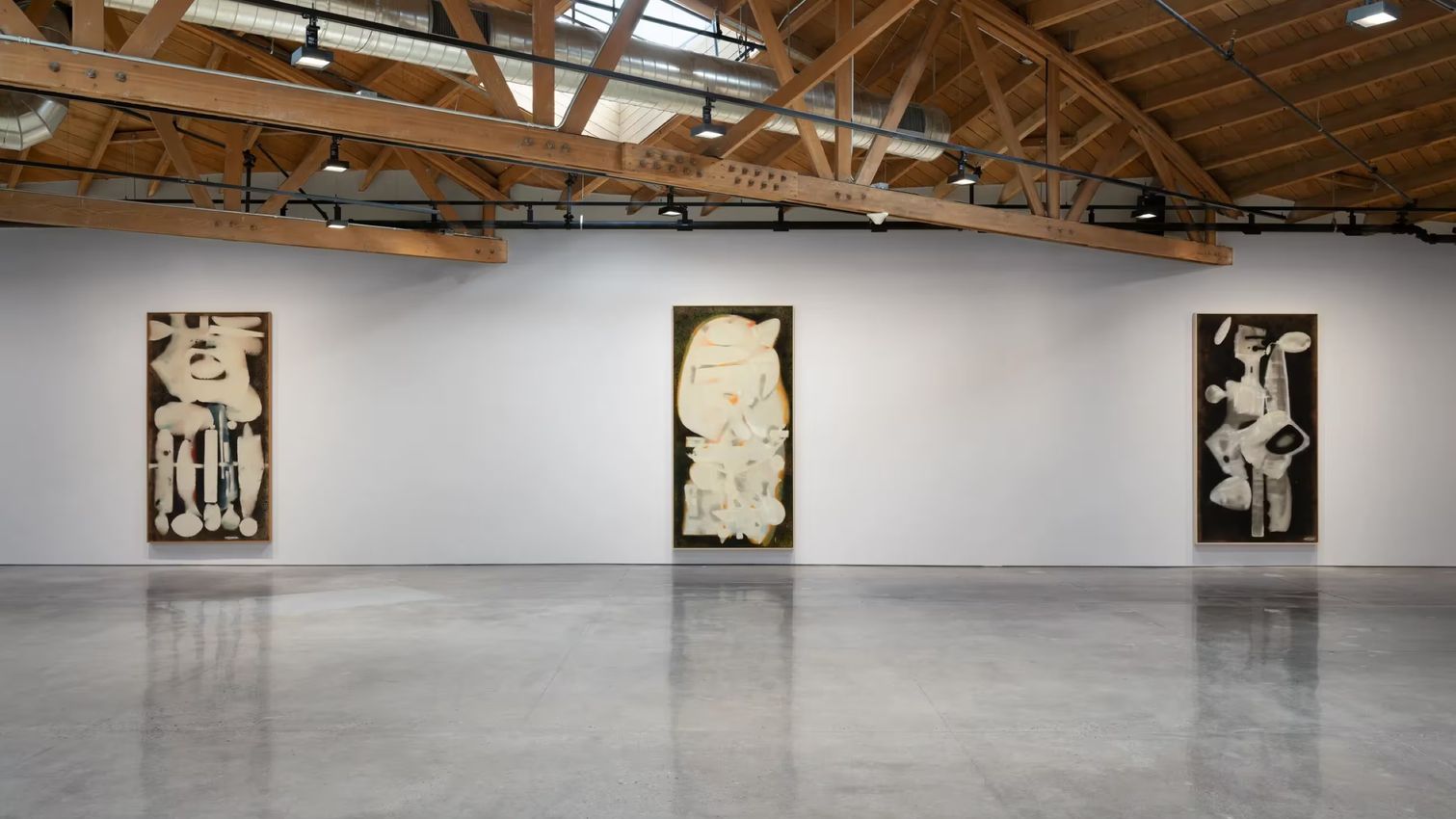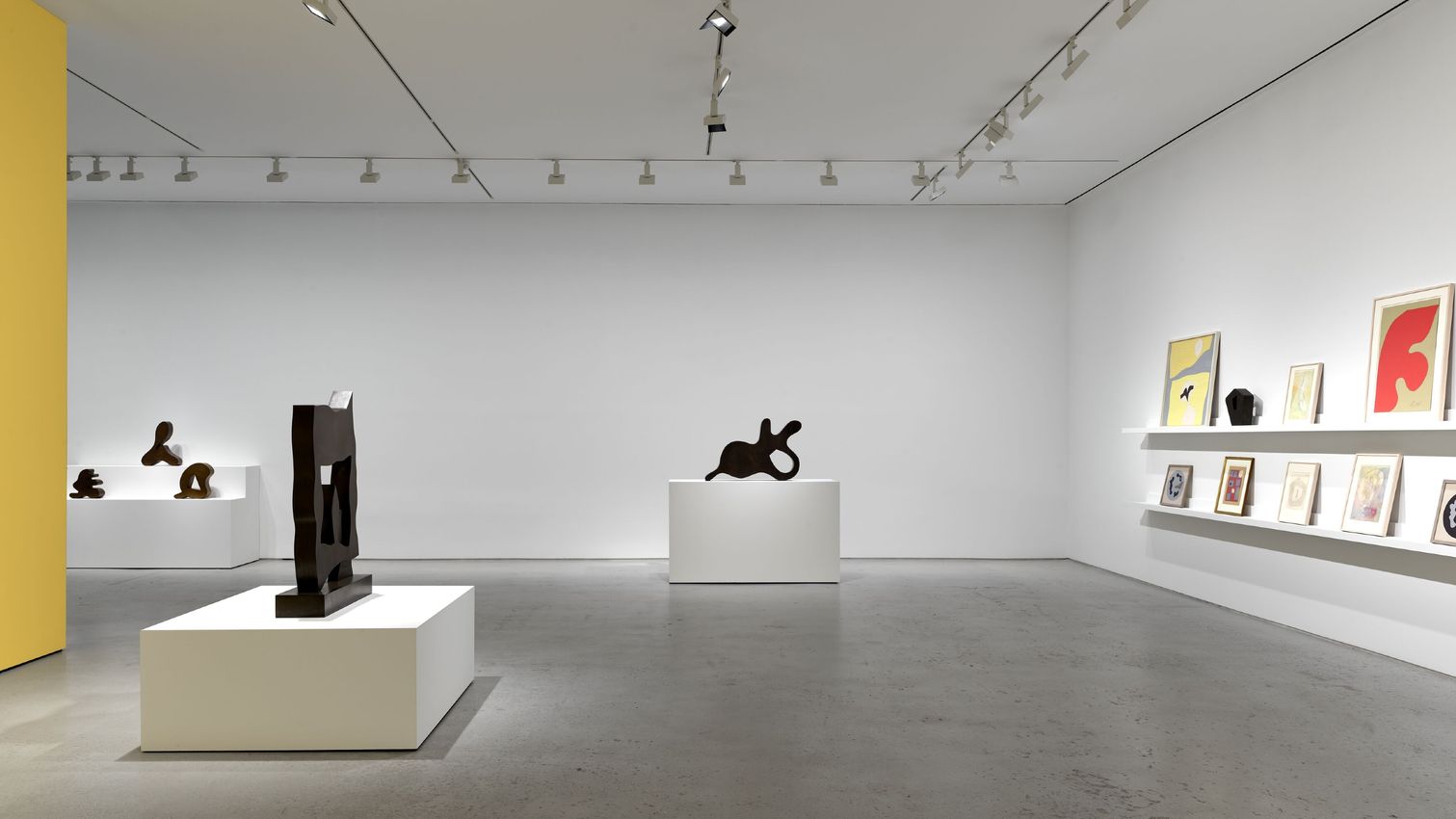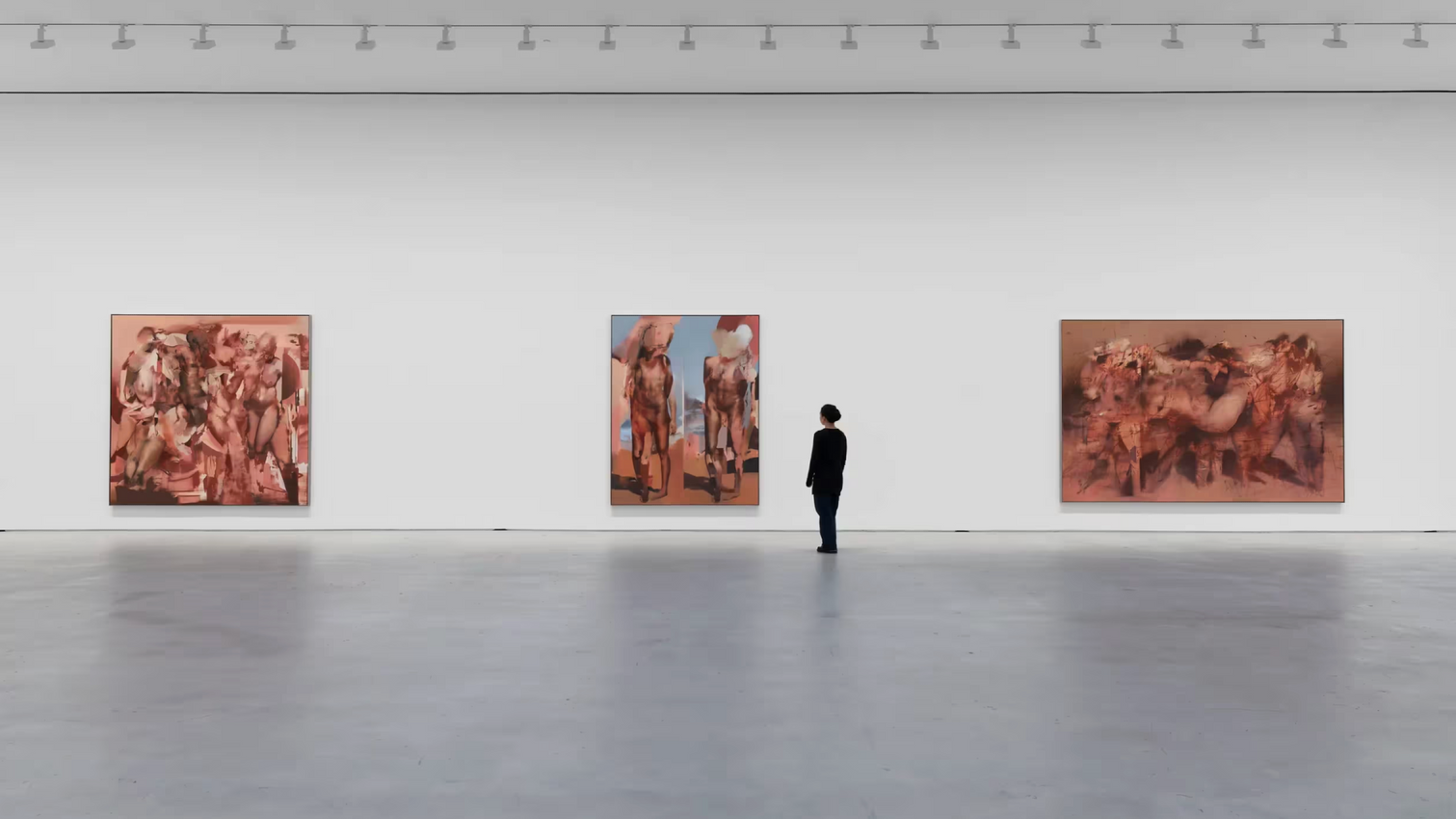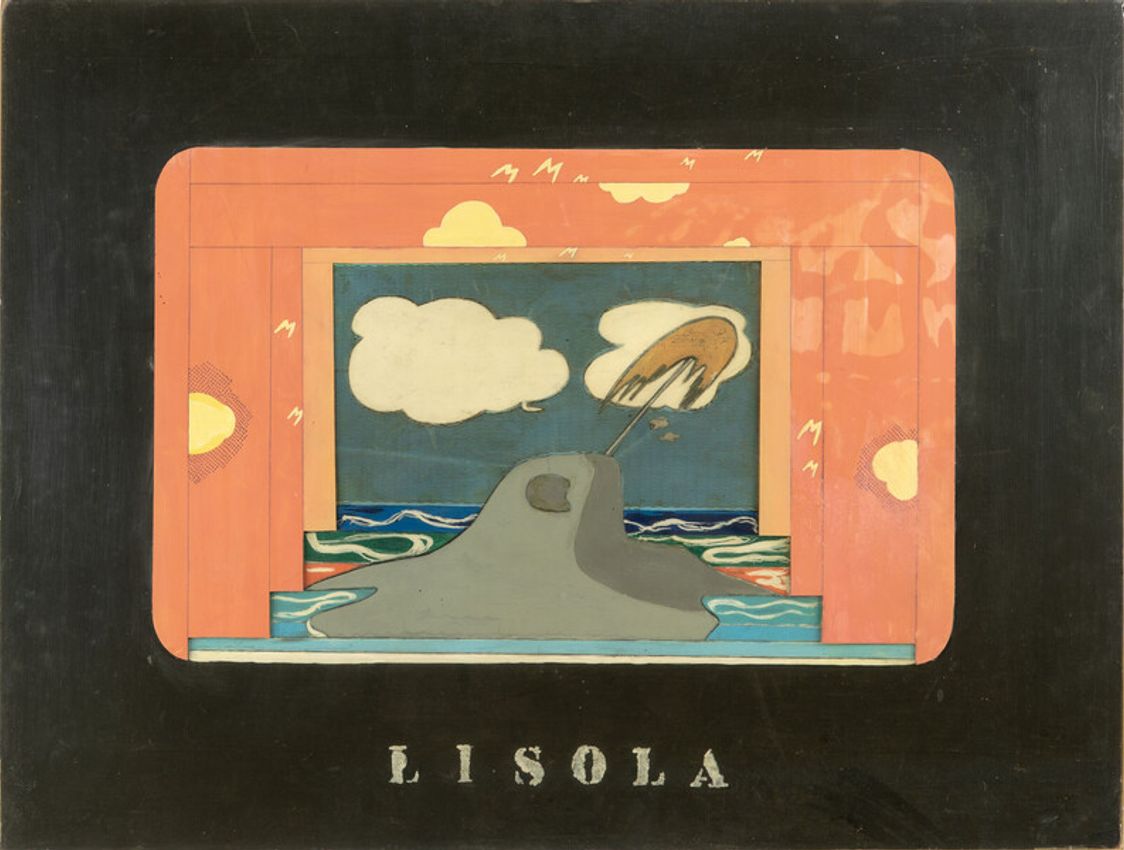
Organized with Olivier Renaud-Clément, in close collaboration with Studio Fabio Mauri, ‘Fabio Mauri. Amore Mio’ is the artist’s first solo presentation in Switzerland and sheds light on a period in Mauri’s work during which the seminal Italian artist explored topics pertinent to pop art. The exhibition includes paintings, sculptures and works on paper spanning the early 1950s to the mid 1970s, as well as the installation Amore mio (1970), on view for the first time in over 50 years.
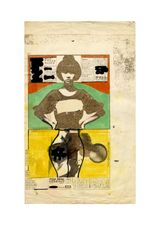
‘Fabio Mauri. Amore Mio’ is a testament to the artist’s early engagement with themes and ideas that would come to define pop art, before the movement became well-known in Europe when US artist Robert Rauschenberg won the Golden Lion at the Venice Biennale in 1964. The earliest works in the exhibition are firmly rooted in Mauri’s personal biography and family history. These historical drawings and collages in the vein of neo-dada and proto-pop include comic strips and cartoon elements which were distributed by the artist’s father, Umberto Mauri, who was among the first to import American comics to Italy. Driven by an exploration of the role that these new media have with regards to creating narrative in the post-war years, Mauri deployed fragments of Lil Abner, Popeye, Flash Gordon and Mad Magazine in his works.
In 1957, Mauri began working on his seminal and radical Schermi (Screens). Made with blank canvas or white paper, often citing the iconic and cinematic words ‘The End,’ these objects refer to television and cinema, underscoring Mauri’s interest in the power of the New Media of his time and the mechanisms of communication and mediatic manipulation. In a radical gesture, Mauri voids his screens of any content, narration and ideology, emphasizing that ‘the canvas is no longer. It is exchanged with a distinctively ‘active’ breeding ground for culture and the fermentation of ideas.’ In addition to the series of silk screens Gangster (1974), a portrait of the notorious figure Al Capone, which testifies to Mauri’s engagement with the international pop art movement, the exhibition also includes the large-scale installation Amore Mio (1970). Consisting of 17 individually printed silkscreens that the artist arranged to form an immersive architectural space which requires the viewer’s active participation, the installation has remained unseen since its first showcase in 1970 during the legendary and homonymous exhibition presented by Achille Bonito Oliva in Montepulciano, Italy.
The exhibition precedes the online catalogue raisonné of Mauri’s work to be published at the end of the year, as well as a solo presentation of works on paper at Castello di Rivoli, Italy, opening December 2023. Mauri’s iconic installation Luna (1968) will also be part of a major group exhibition ‘Immersion. The Origins: 1949-1969’ at Musée cantonal des Beaux-Arts Lausanne from 27 October 2023.
Post-war Italian artist Fabio Mauri’s practice encompasses performance, film, installation, found-object sculpture, mixed media works and theoretical writings to question readings of history and the associated power of language and ideology associated with the Second World War and the Holocaust. Sobering, direct, and poetically reflective, Mauri’s art addresses themes of communication and manipulation, and brings light to the ‘political dimension of the image,’ as it is projected and proliferated throughout contemporary society.


Hauser & Wirth was founded in 1992 in Zurich by Iwan Wirth, Manuela Wirth and Ursula Hauser, who were joined in 2000 by Partner and Vice President Marc Payot. A family business with a global outlook, Hauser & Wirth has expanded over the past 26 years to include outposts in Hong Kong, London, New York, Los Angeles, Somerset and Gstaad. The gallery represents over 70 artists and estates who have been instrumental in shaping its identity over the past quarter century, and who are the inspiration for Hauser & Wirth’s diverse range of activities that engage with art, education, conservation and sustainability.

A respected voice in contemporary art discourse.
Focusing on ambitious storytelling and insightful art-world commentary. Ocula Magazine publishes in-depth interviews, critical essays and timely analysis on the artists, exhibitions and ideas driving the global art world.
Learn more about Ocula Magazine
Showcasing the best of the art world.
Ocula partners with galleries from around the world to highlight their artists, artworks and exhibitions. Gallery membership is by application and invitation, with each member vetted by an independent panel.
Learn more about Ocula Membership

Specialises in the sale of major artworks.
Led by a team with deep ties to the world’s leading auction houses, galleries and collectors. Ocula’s advisory team offers bespoke services to high-net-worth clients from around the world who are looking to acquire the best of contemporary and modern art.
Learn more about our team and services