Press Release

Born in Nuremberg to Polish-Jewish parents, Gustav  Metzger  (1926 – 2017) fled Nazi Germany to England via the ‘Kindertransport’ when he was 13. When he began his art studies in 1945, he entered a world inspired by scientific experimentation, just as the Atomic Age—in all its paradoxes—dawned.

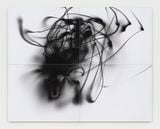
Over seventy years, through his writing, calls to action and art, Metzger wrestled with the contradictions of his time by championing how both ‘auto-destruction’ and ‘auto-creation’ in science, ecology, politics and art were equally important tactics to address the state of humanity.

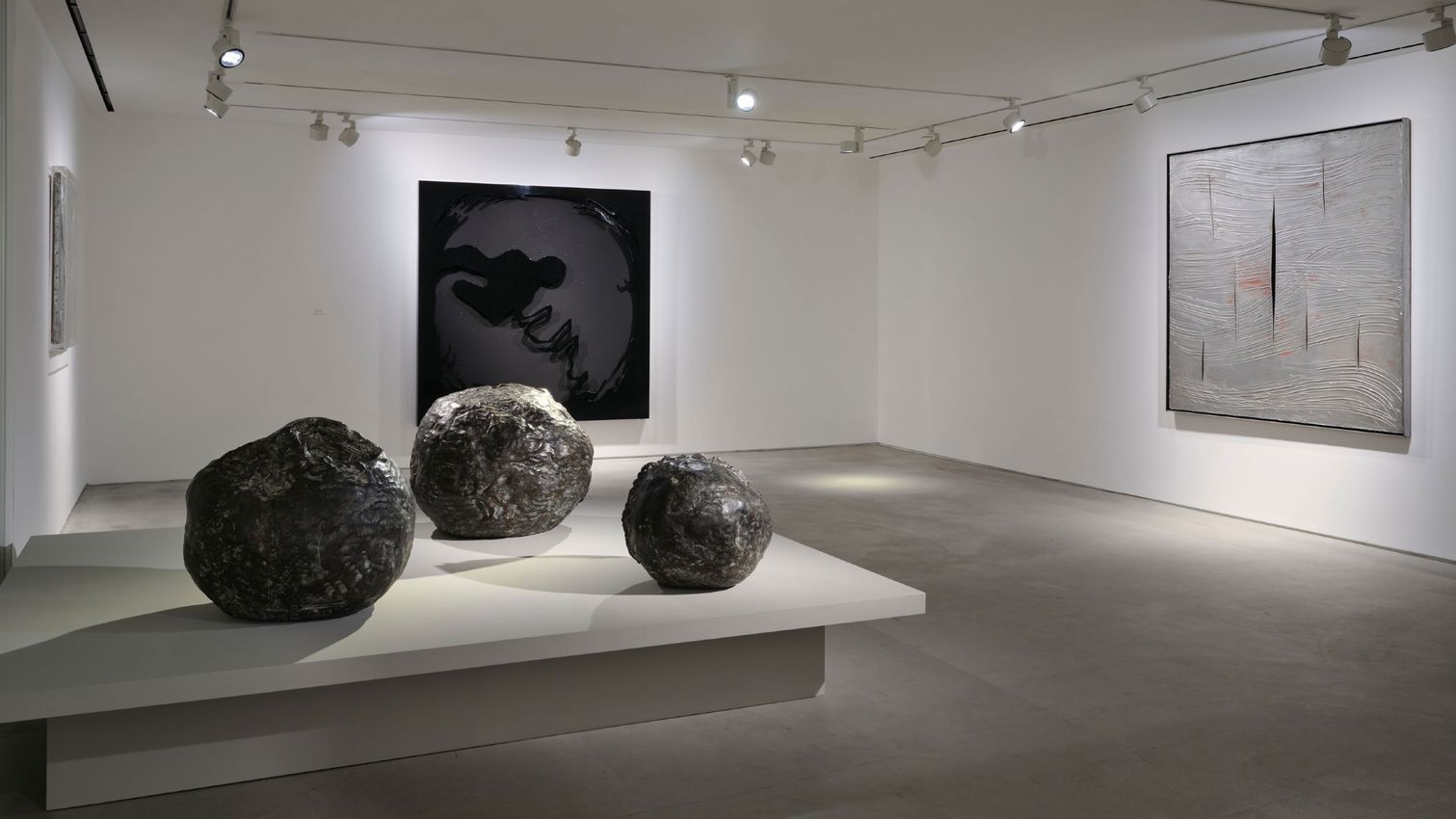
‘Gustav Metzger. And Then Came the Environment’ is the artist’s first solo exhibition in Los Angeles and his second major show in the US. The title comes from Metzger’s 1992 essay ‘Nature Demised’ where he proclaims an ‘urgent need to redefine notions of nature and the environment,’ because ‘environment’ is a term that ‘has been hijacked by the forces that are manipulating the world’ and it should be renamed ‘Damaged Nature.’

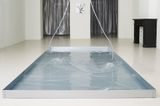
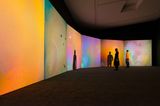
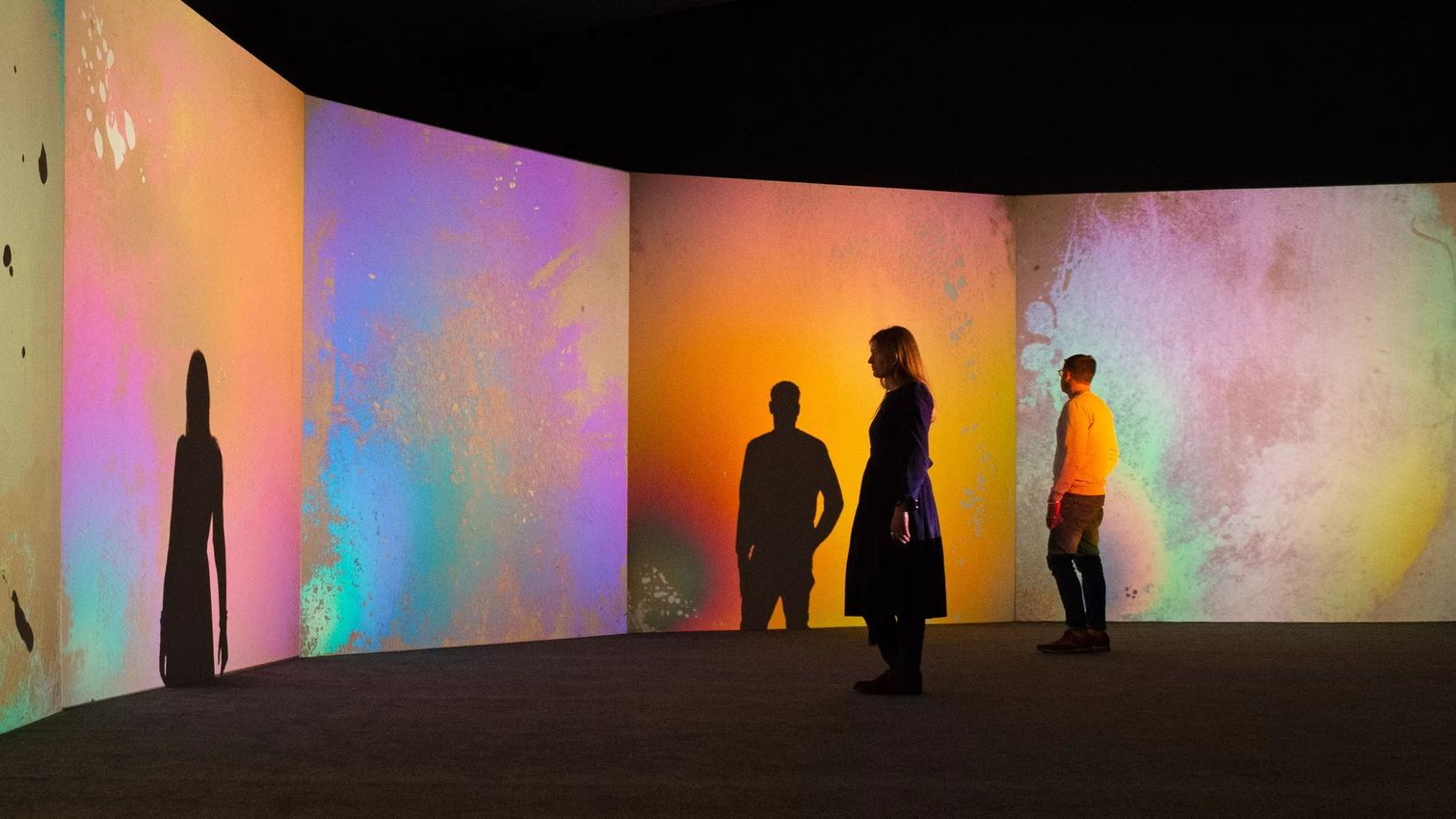
The show features seminal early experiments developed with scientists, such as ‘Dancing Tubes’ (1968) developed in the Filtration Laboratory of the University College of Swansea and ‘Liquid Crystal Environment’ (1965) which was one of the earliest public demonstrations of what would become Liquid Crystal Displays (LCD)—now omnipresent in our computer, telephone and watch screens. For the first time an animation has also been commissioned in response to Metzger’s writings. Artist Justin Richburg—who created the animation for Childish Gambino’s hit ‘Feels like Summer’—will produce a short in response to Metzger’s ‘Damaged Nature’ manifesto. 

The exhibition will be accompanied by a Hauser & Wirth Publishers book featuring decades of conversations between Metzger and curator Hans Ulrich Obrist.     ‘Gustav Metzger. And Then Came the Environment’ will be presented in conjunction with the Getty Museum’s citywide PST Art initiative, ‘Art & Science Collide.’

Read More
About the Artist

Gustav Metzger was a visionary artist and radical thinker. At the heart of his practice, which spanned over 65 years, are a series of constantly opposing yet interdependent forces such as destruction and creation. Metzger’s involvement in anti-nuclear movements such as the Committee of 100 and his life-long activism to combat environmental destruction was fundamental to his provocative questioning of the role of artist and of conventional forms of artmaking and display. His auto-destructive art, meant as a public art form that would instigate social change, sought to provide a mirror of a social and political system that he felt was indifferently progressing towards total obliteration. He also sought to place the emphasis on action over creation of the art object, inviting viewers to interact with some of his work to heighten their impact.

View Artist Profile

Also Exhibiting at Hauser & Wirth

About the Gallery

Hauser & Wirth was founded in 1992 in Zurich by Iwan Wirth, Manuela Wirth and Ursula Hauser, who were joined in 2000 by Partner and Vice President Marc Payot. A family business with a global outlook, Hauser & Wirth has expanded over the past 26 years to include outposts in Hong Kong, London, New York, Los Angeles, Somerset and Gstaad. The gallery represents over 70 artists and estates who have been instrumental in shaping its identity over the past quarter century, and who are the inspiration for Hauser & Wirth’s diverse range of activities that engage with art, education, conservation and sustainability.

View Gallery Profile
Address
901 East 3rd Street
Los Angeles
United States
Opening Hours
Tuesday – Sunday
11am – 6pm
(1)
Los Angeles 901 East 3rd Street
Hauser & Wirth
901 East 3rd Street, Los Angeles, United States
+1 213 943 1620
http://www.hauserwirth.com

Opening hours
Tuesday – Sunday
11am – 6pm
The art world in focus