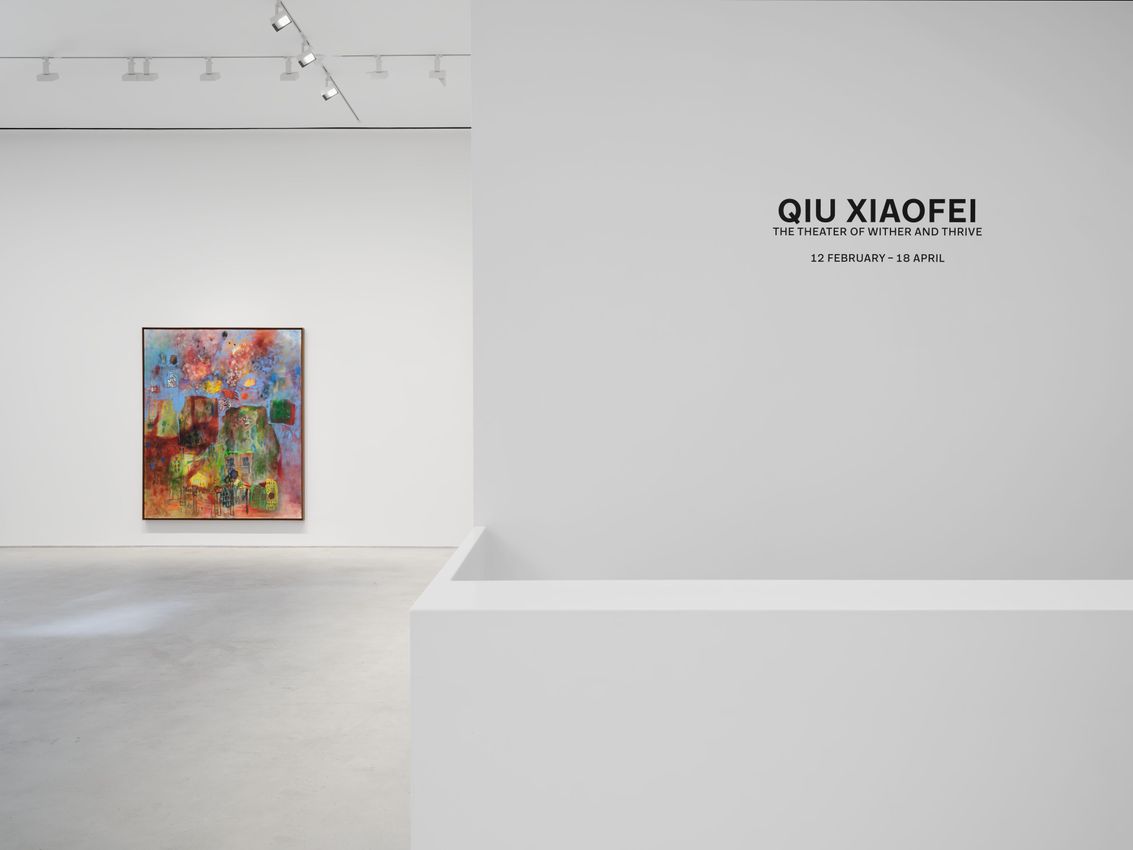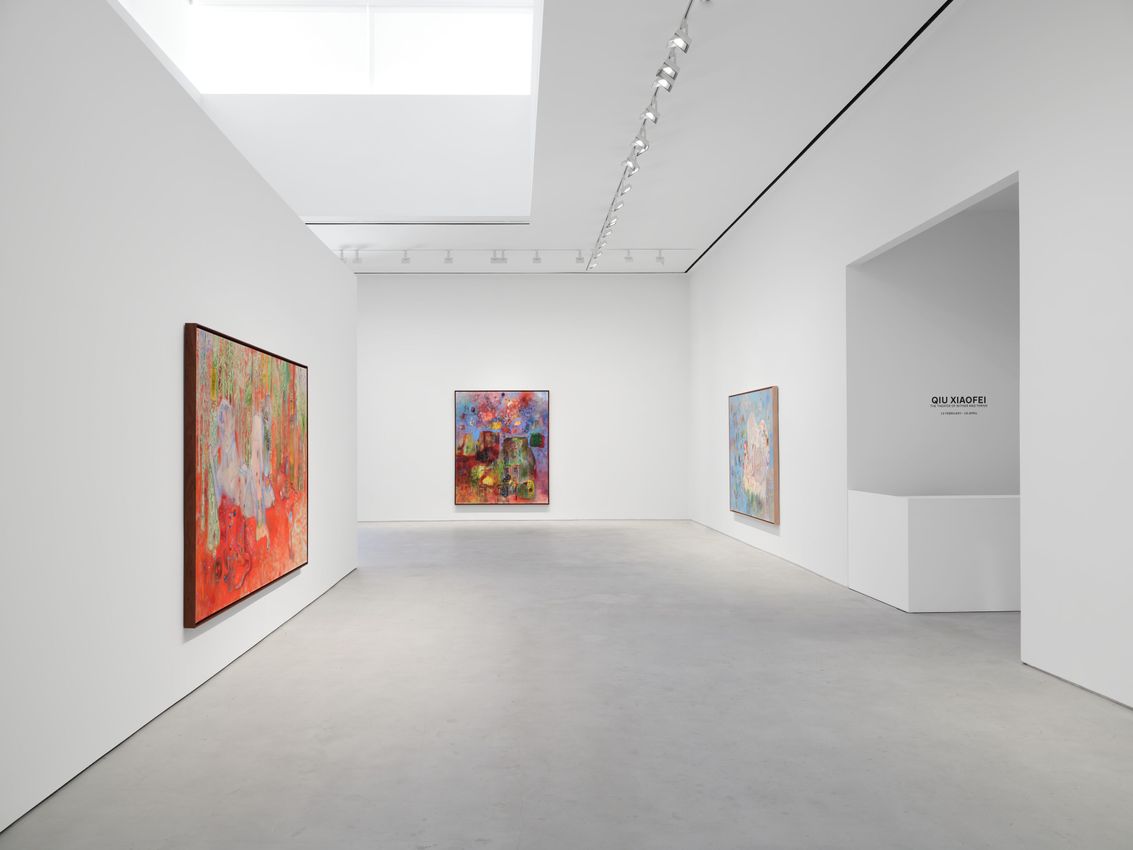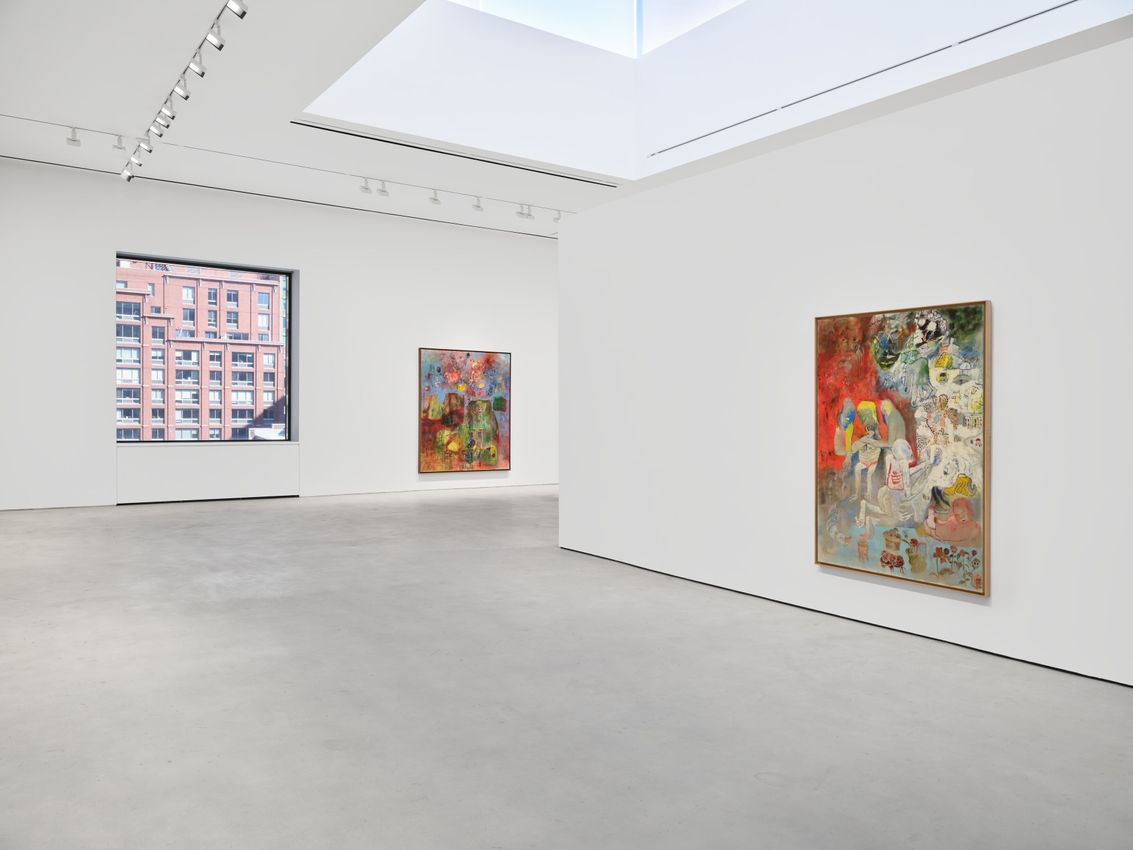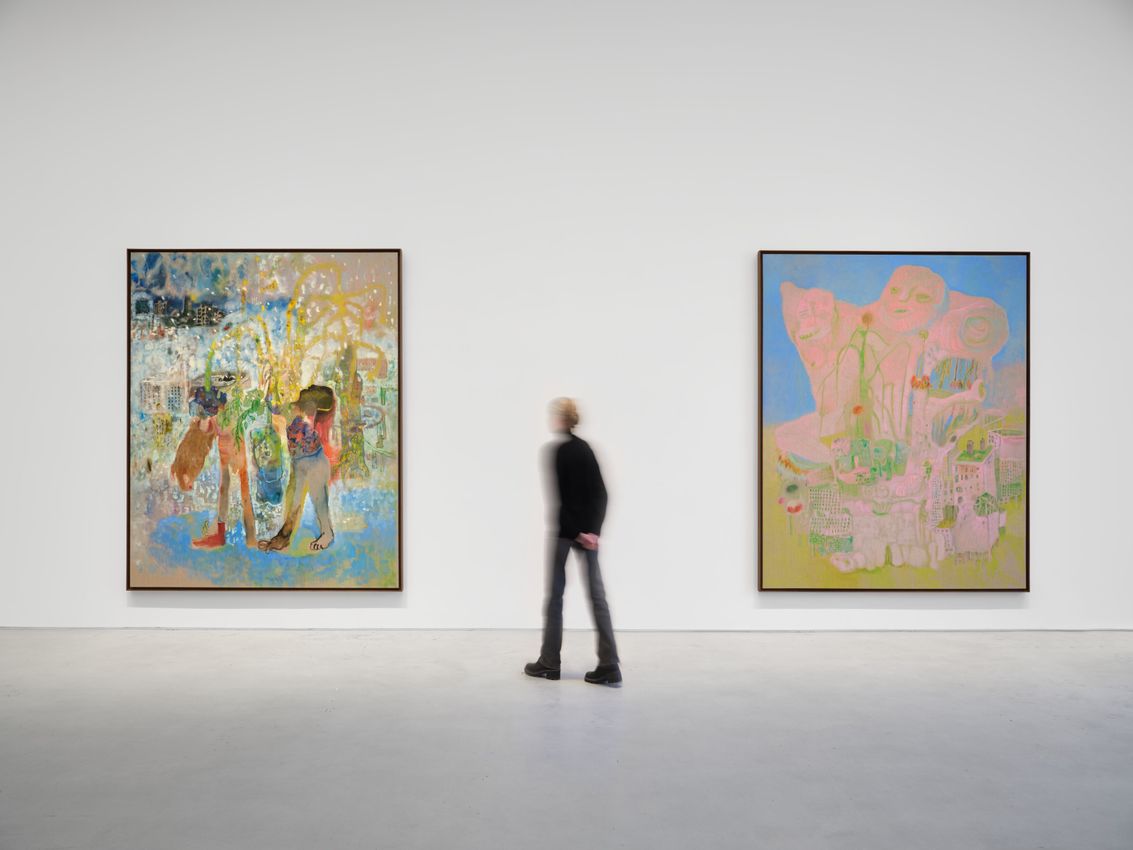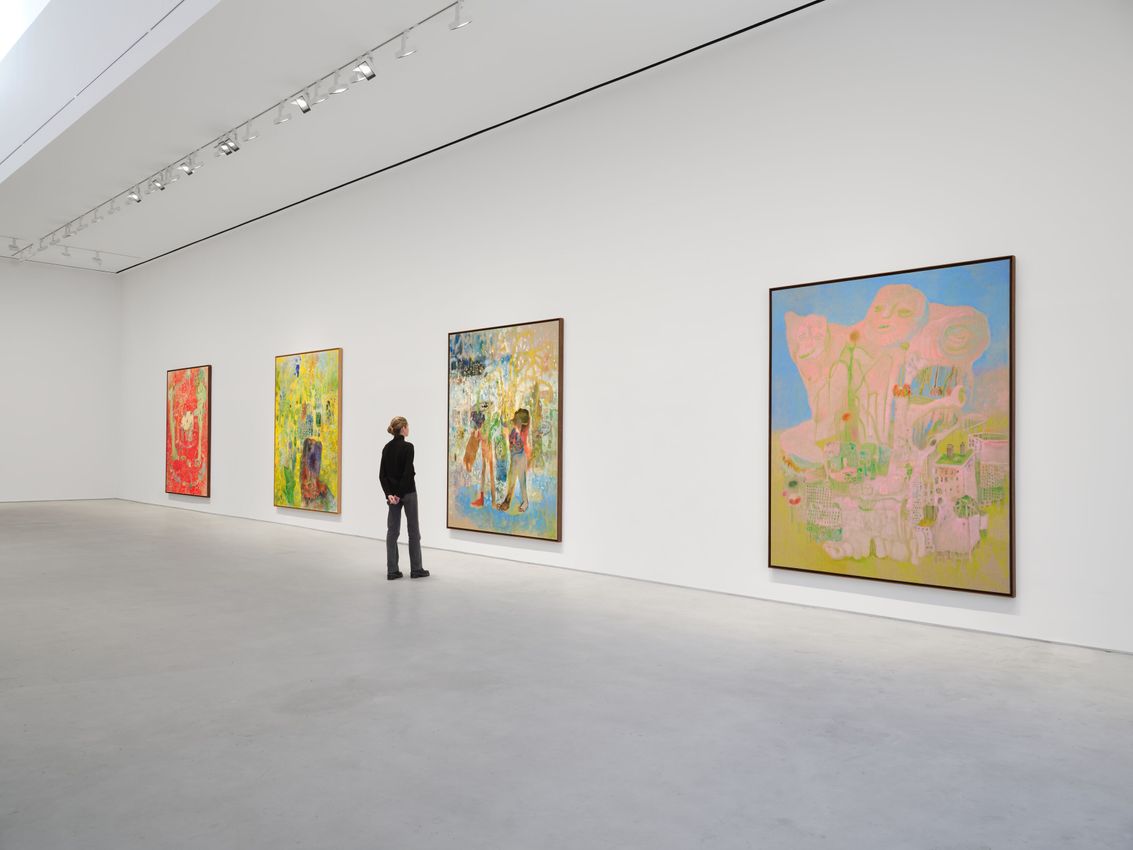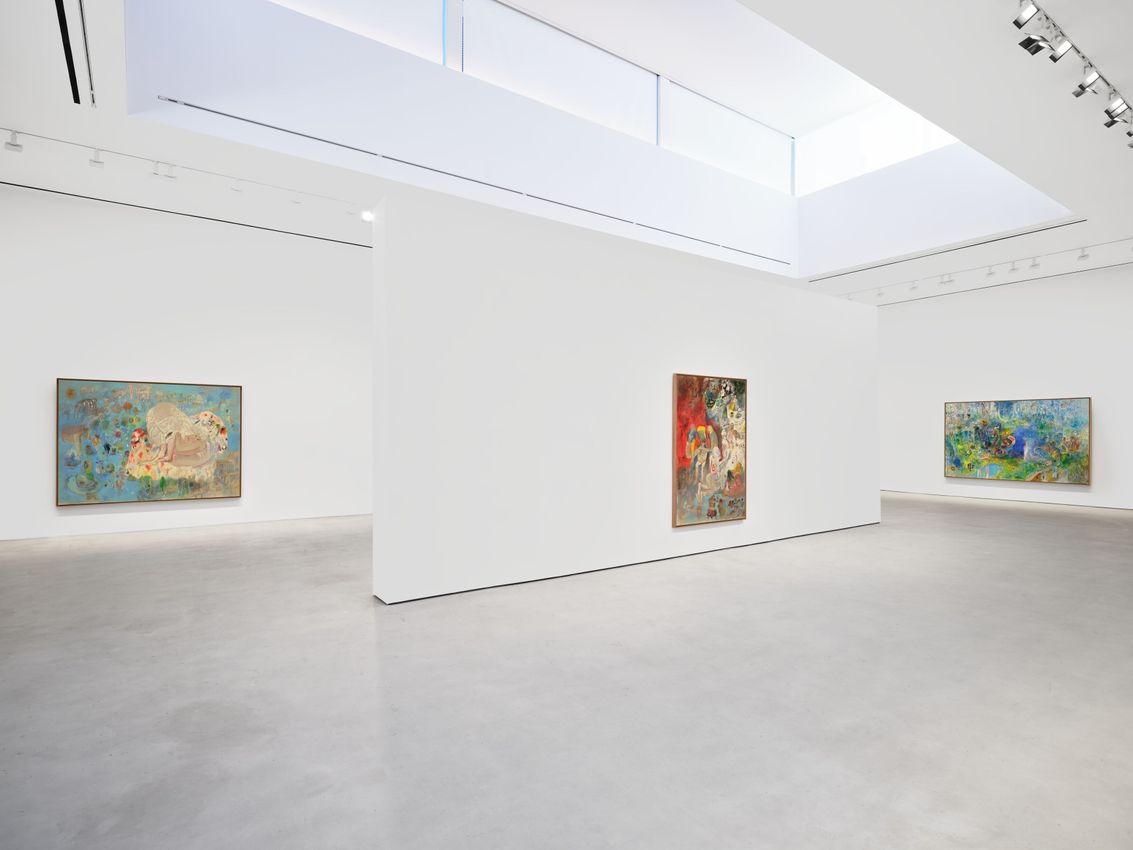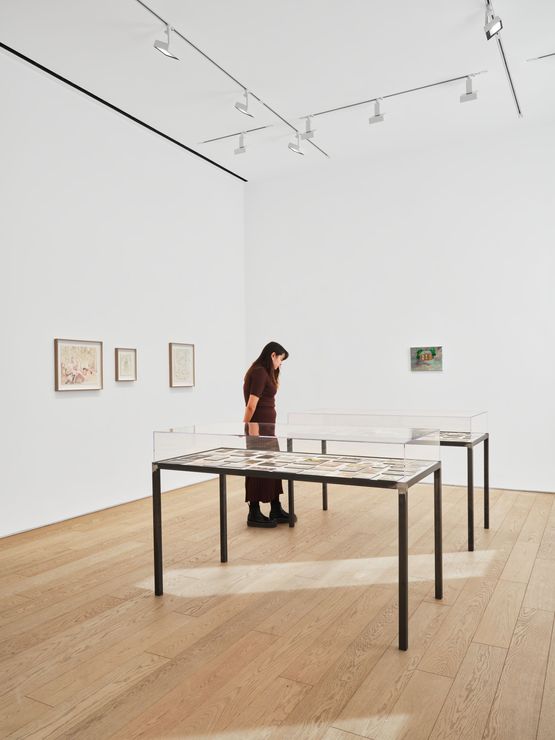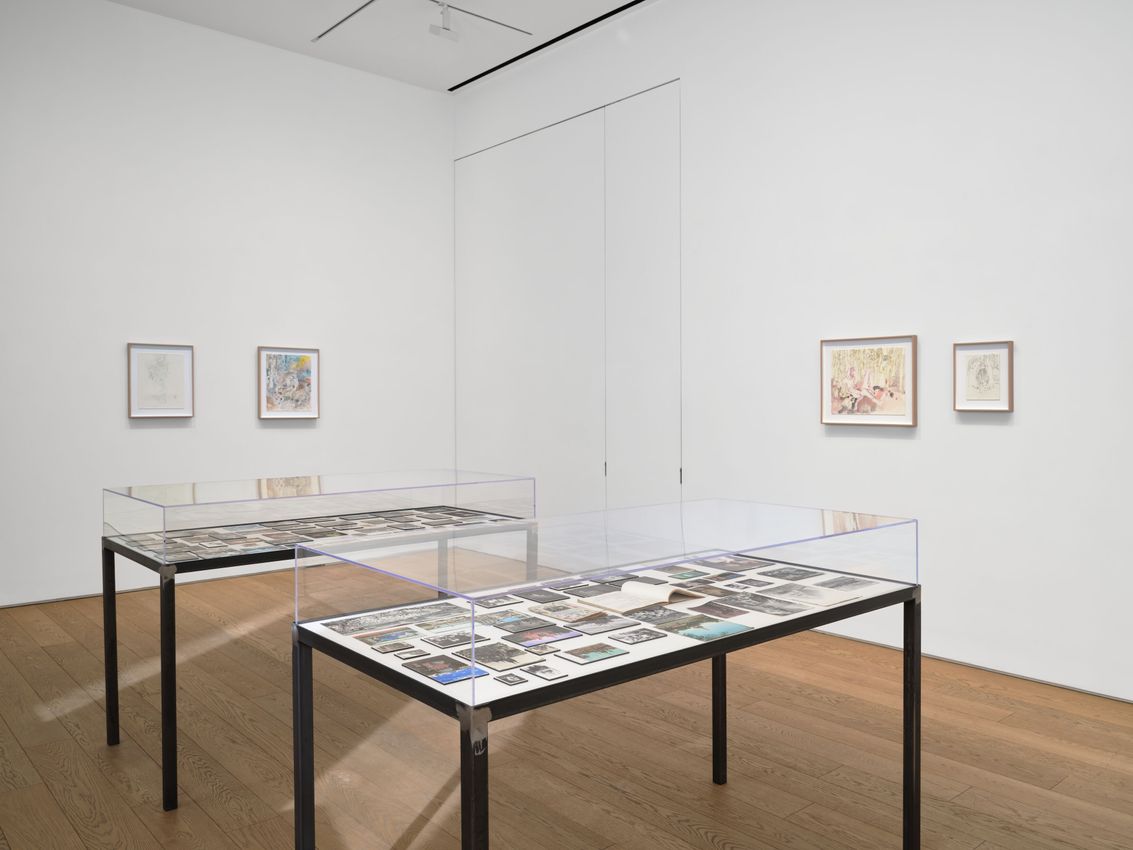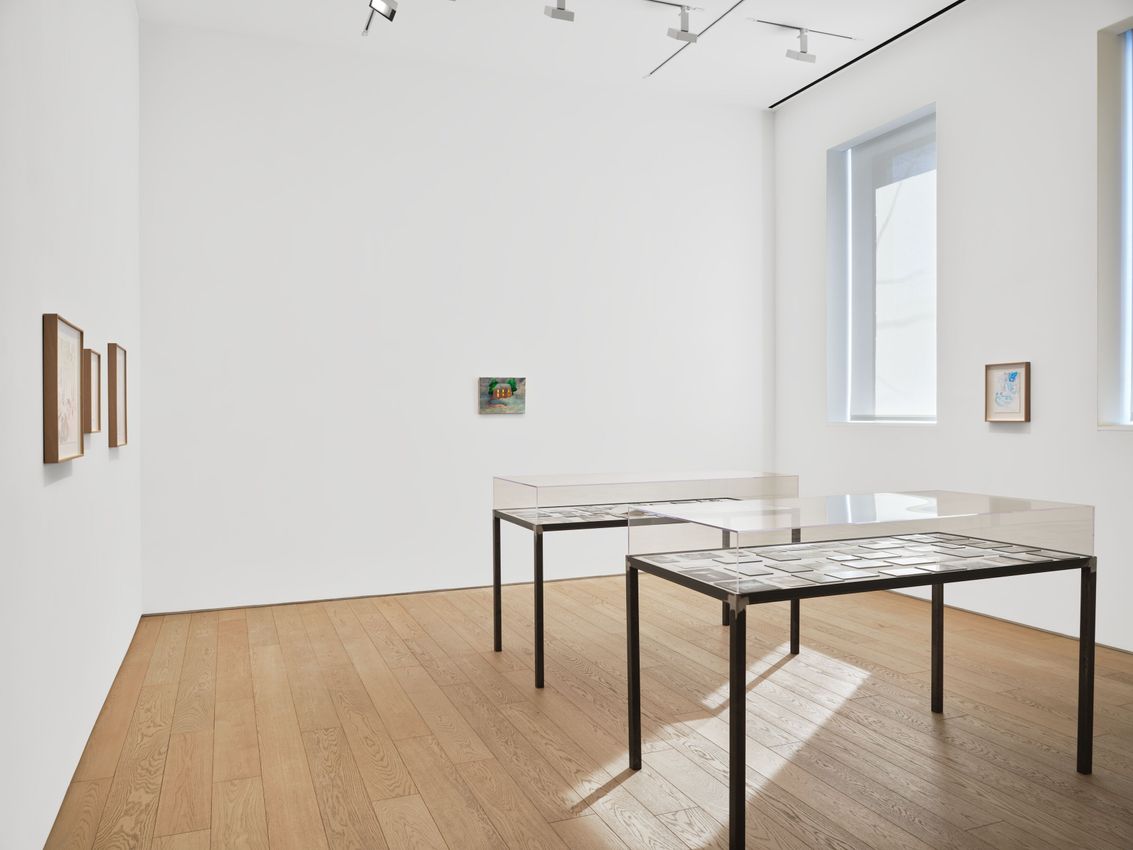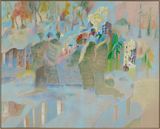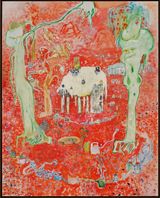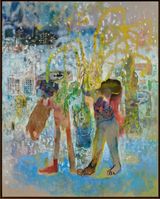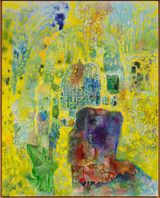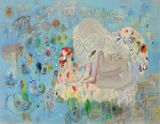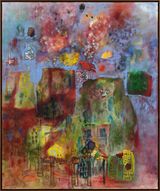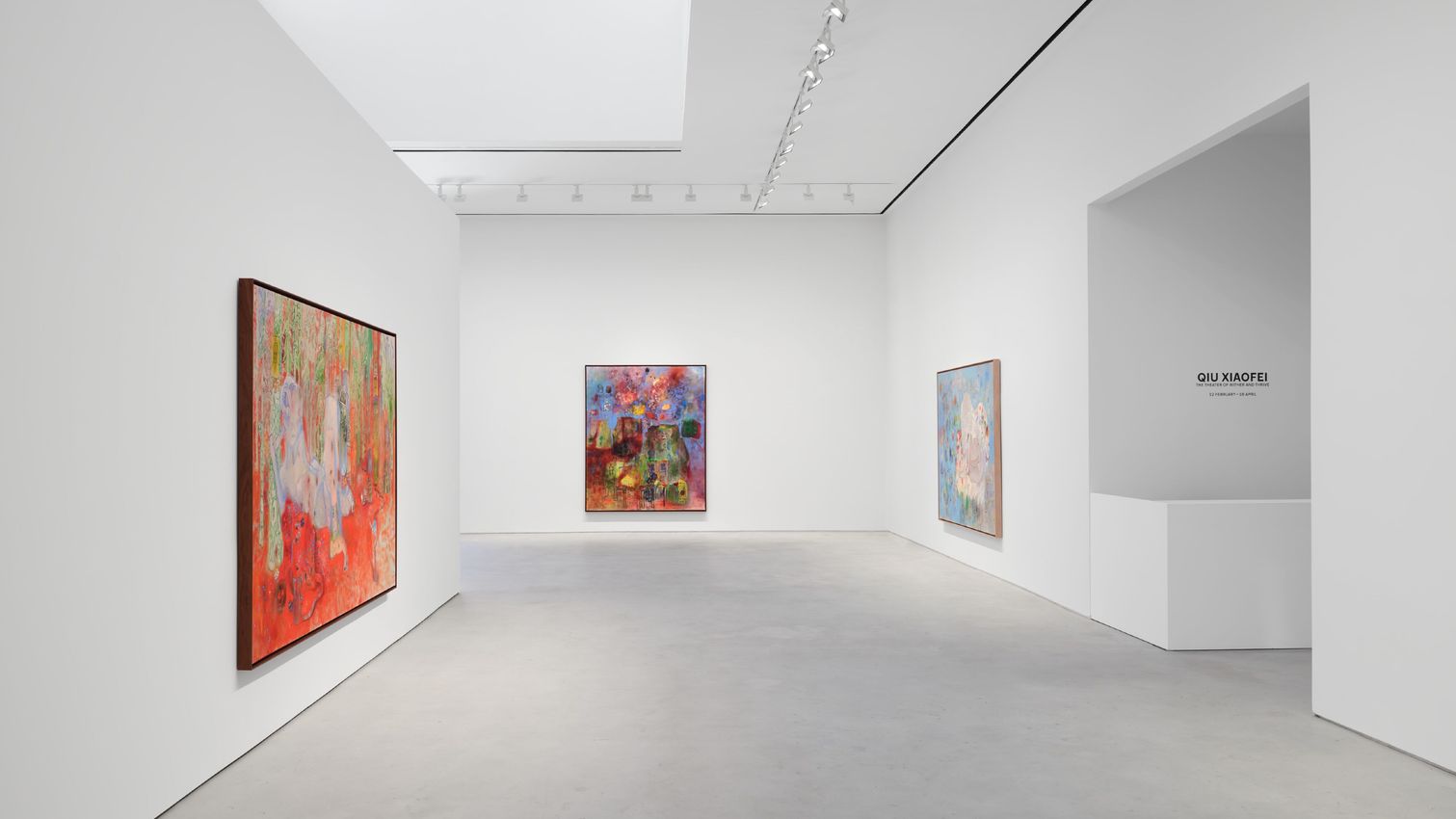
For his debut exhibition with Hauser & Wirth, Qiu Xiaofei presents new paintings and works on paper inspired by his discovery of previously unknown family photographs—a cache of images uncovered after the death of the artist’s father. With ‘The Theater of Wither and Thrive,’ Qiu considers the ceaseless evolution of the world and the ways in which that unpredictable process intersects with the subtle and elusive formation of personal memory. His work gives shape to these phenomena, drawing on Chinese cultural and philosophical traditions, as well as the influence of poets Robert Lowell and Emily Dickinson. Nostalgia, loss and wonder are distilled into compositions that suggest the vastness of the theater of life: presence and absence, prosperity and decline, grand histories and individual emotions gyre in the tidal dramas of human experience.
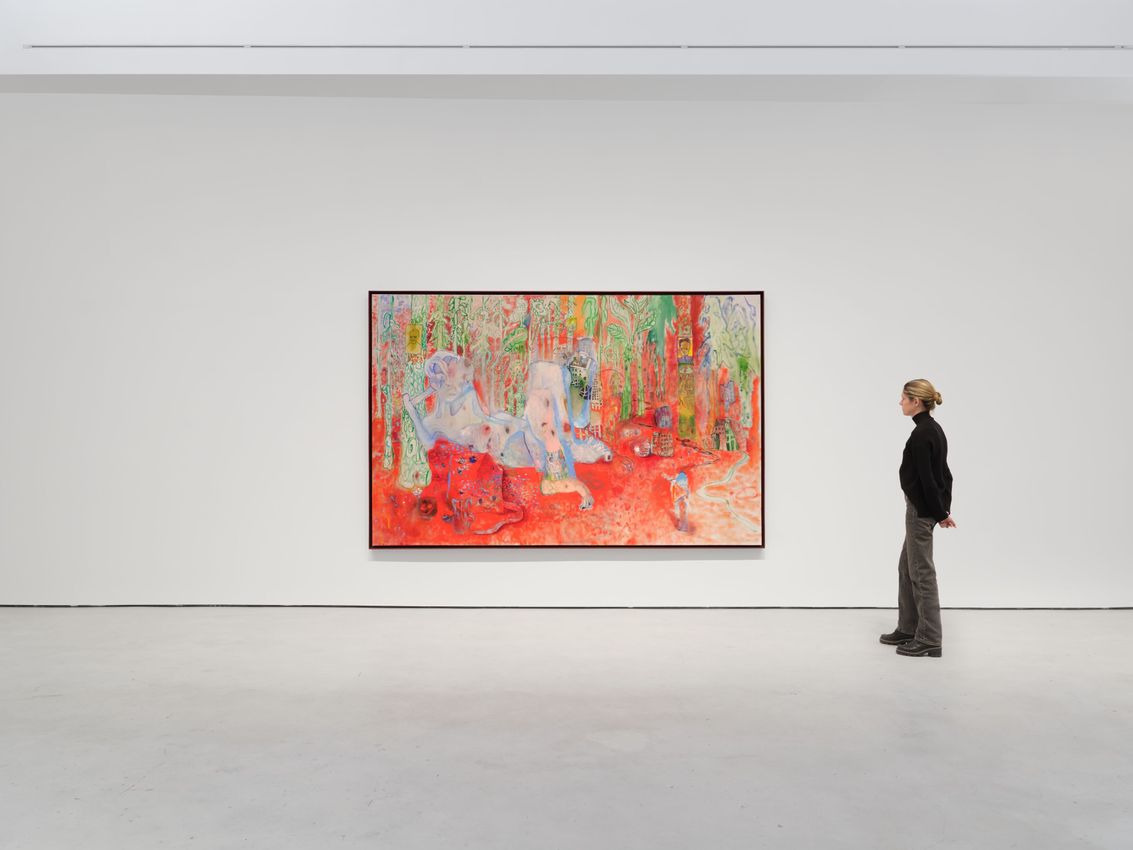
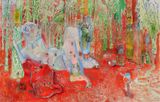
The family photographs Qiu found among his late father’s belongings form the psychological engine of this new body of work. The stories of love and loss captured in heretofore undeveloped rolls of silver-halide film, peeling and oxidized from the passage of time, set in motion the artist’s broader consideration of the cycle of life. The exhibition’s title, ‘The Theater of Wither and Thrive,’ captures the drama inherent in this cycle, and references Qiu’s familial connections to the stage: his grandparents were directors of the Yongfeng Society, the legendary Beijing theater troupe where his father was a painter and set designer. Many of the works on view at Hauser & Wirth—including the painting of a dense red forest that greets visitors entering the gallery and is the exhibition’s namesake—make use of a distorted ground and scale to evoke the flatness of the theater backdrops so familiar to Qiu’s childhood.
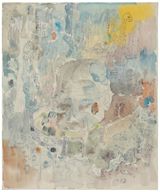
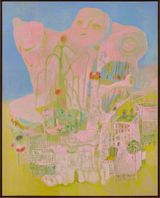
Natural and architectural elements of the artist’s hometown in China intertwine with visages of both relatives and otherworldly humanoid monsters, forming hallucinatory scenes across the paintings and works on paper. Flowers and fallen petals recur throughout the works, reminders that ecological renewal is a natural consequence of death, that loss gives rise to growth. In four large-scale paintings along the gallery’s back wall, Qiu explores that eternal terrestrial and emotional story through the passage of the four seasons, connecting cyclical transformations from the natural world with the human experience.
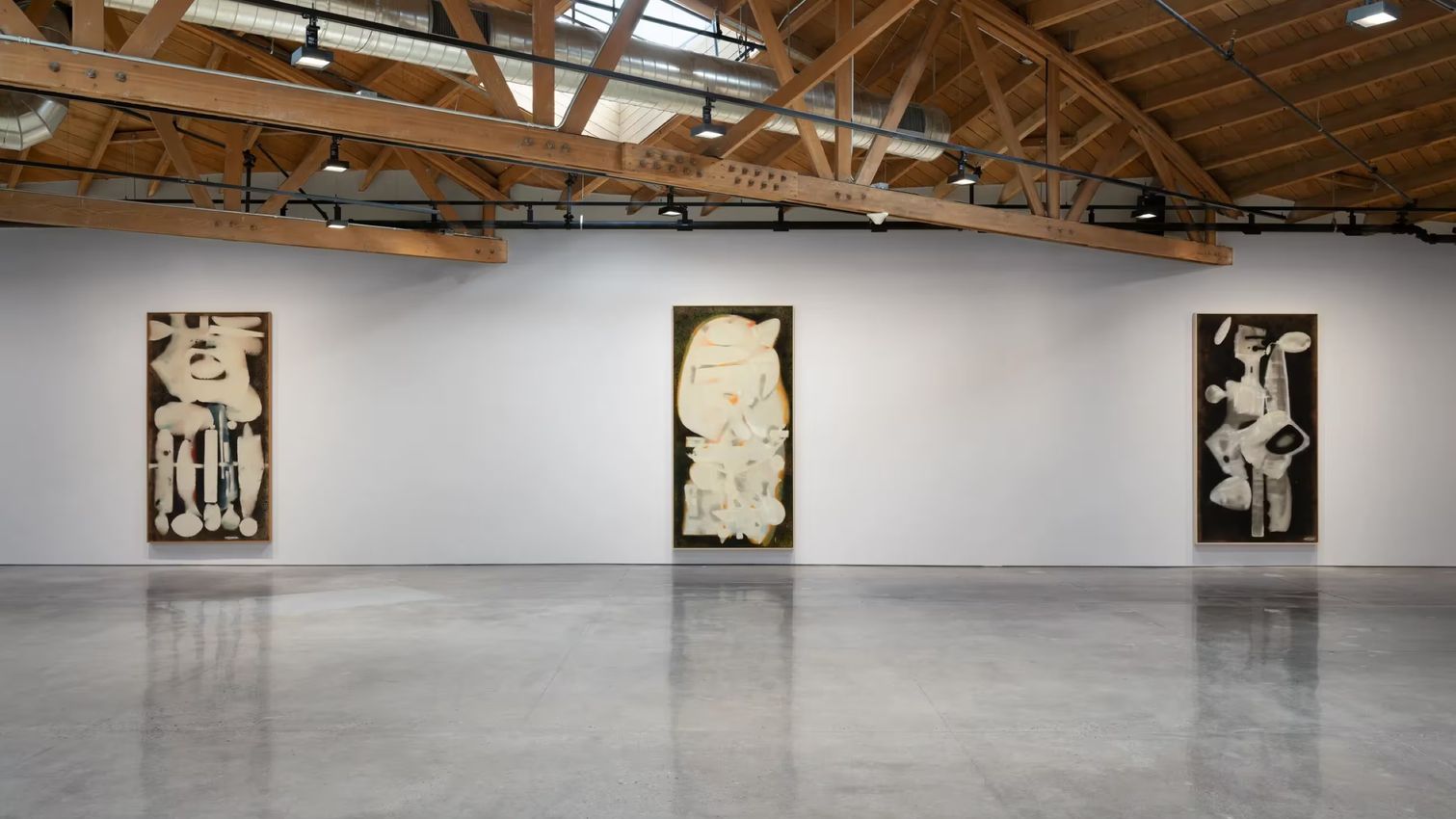
Courtesy Hauser & Wirth.


Contemporary Chinese artist Qiu Xiaofei is known for his improvisational canvases that interrogate personal and collective memory, and painting as a practice.


A respected voice in contemporary art discourse.
Focusing on ambitious storytelling and insightful art-world commentary. Ocula Magazine publishes in-depth interviews, critical essays and timely analysis on the artists, exhibitions and ideas driving the global art world.
Learn more about Ocula Magazine
Showcasing the best of the art world.
Ocula partners with galleries from around the world to highlight their artists, artworks and exhibitions. Gallery membership is by application and invitation, with each member vetted by an independent panel.
Learn more about Ocula Membership

Specialises in the sale of major artworks.
Led by a team with deep ties to the world’s leading auction houses, galleries and collectors. Ocula’s advisory team offers bespoke services to high-net-worth clients from around the world who are looking to acquire the best of contemporary and modern art.
Learn more about our team and services