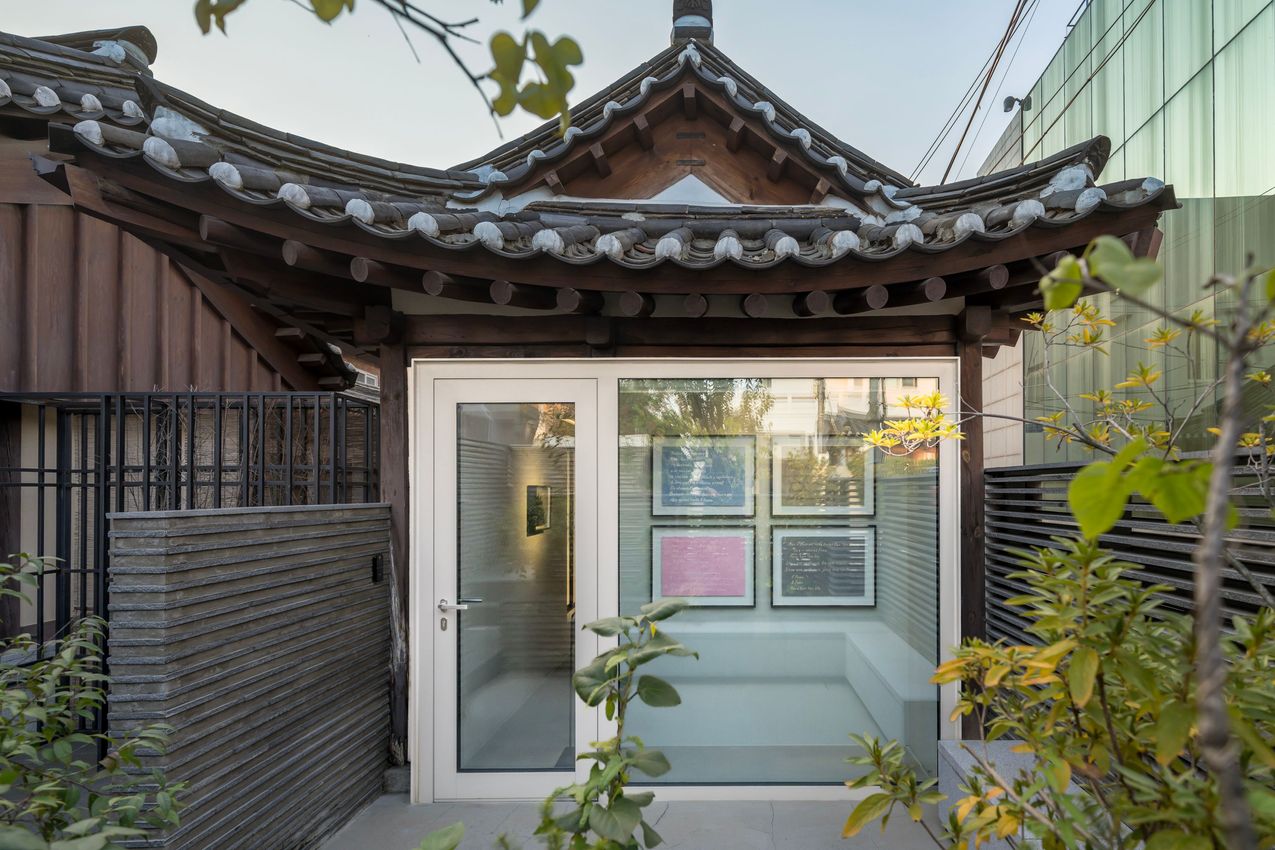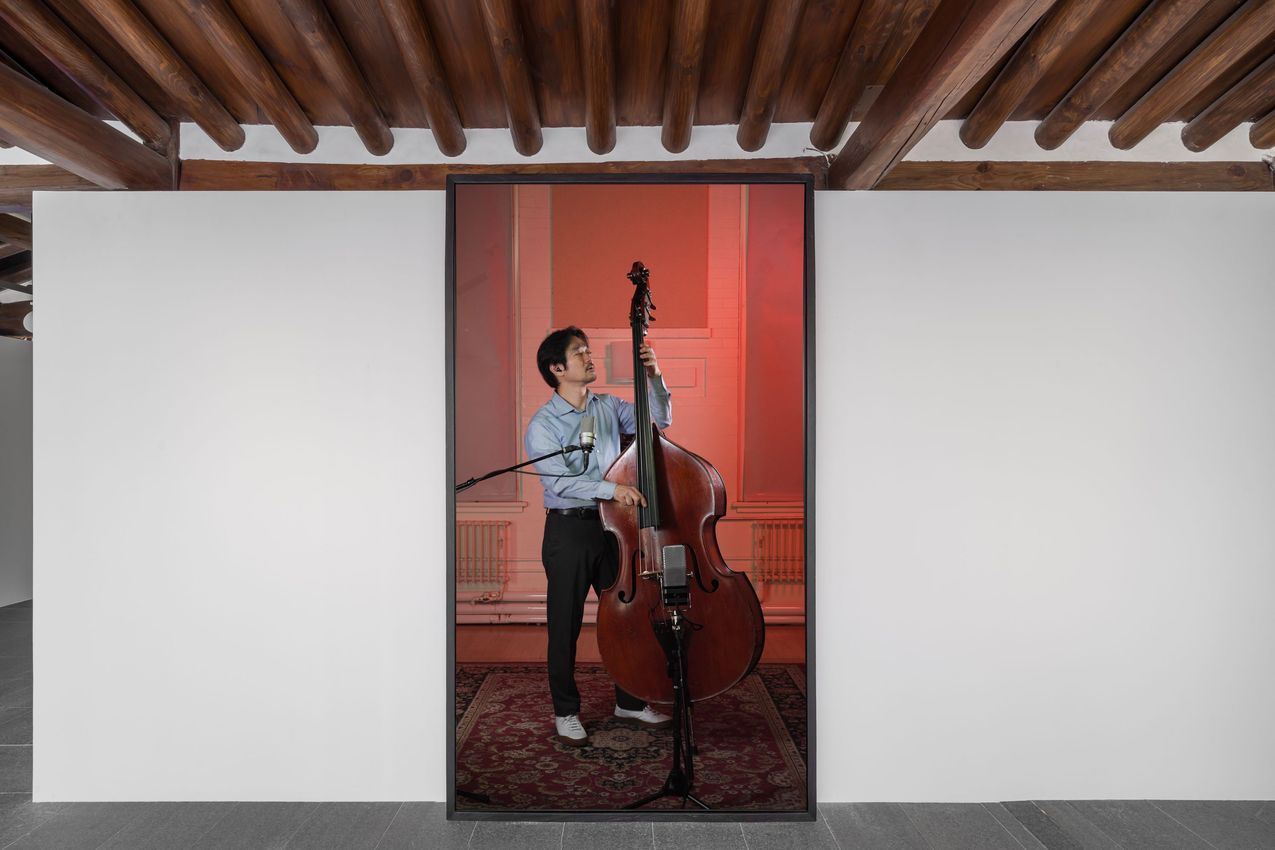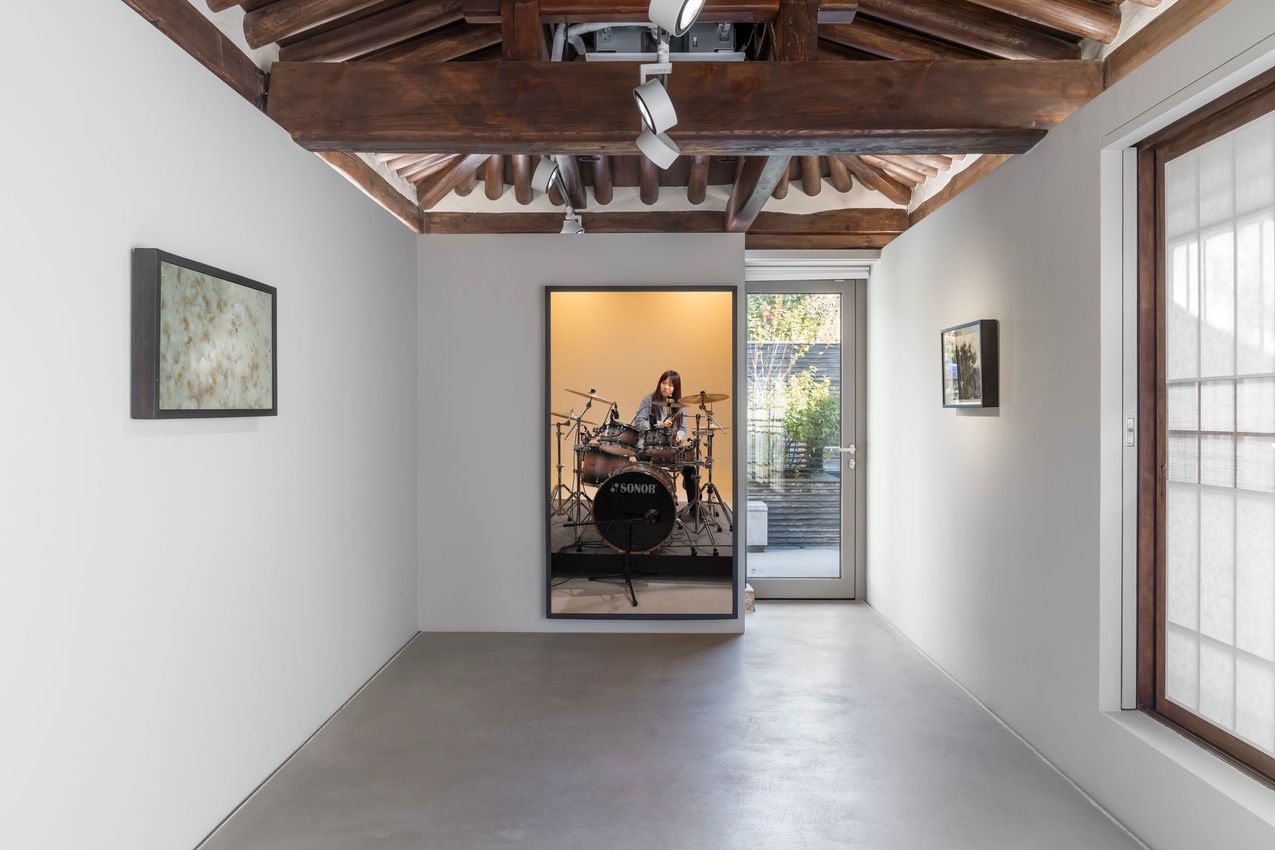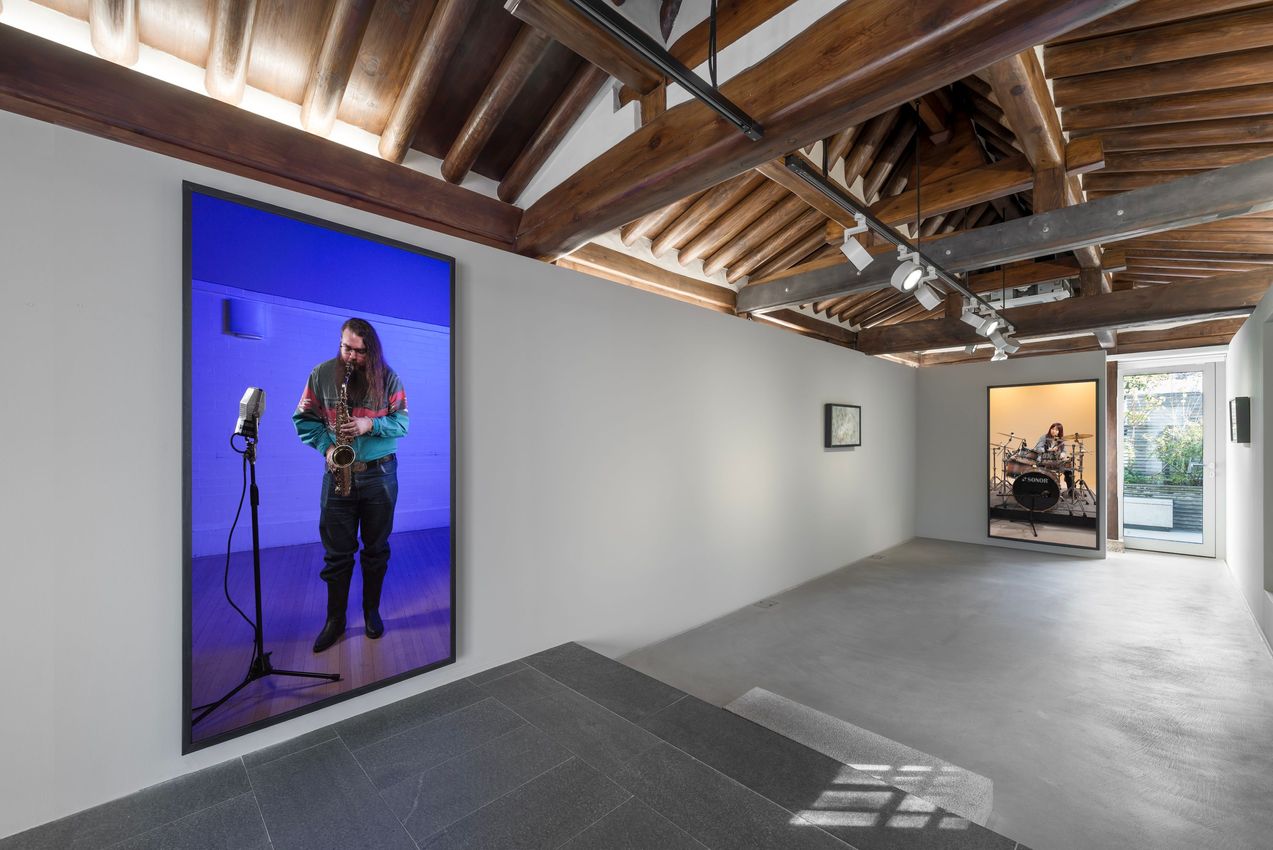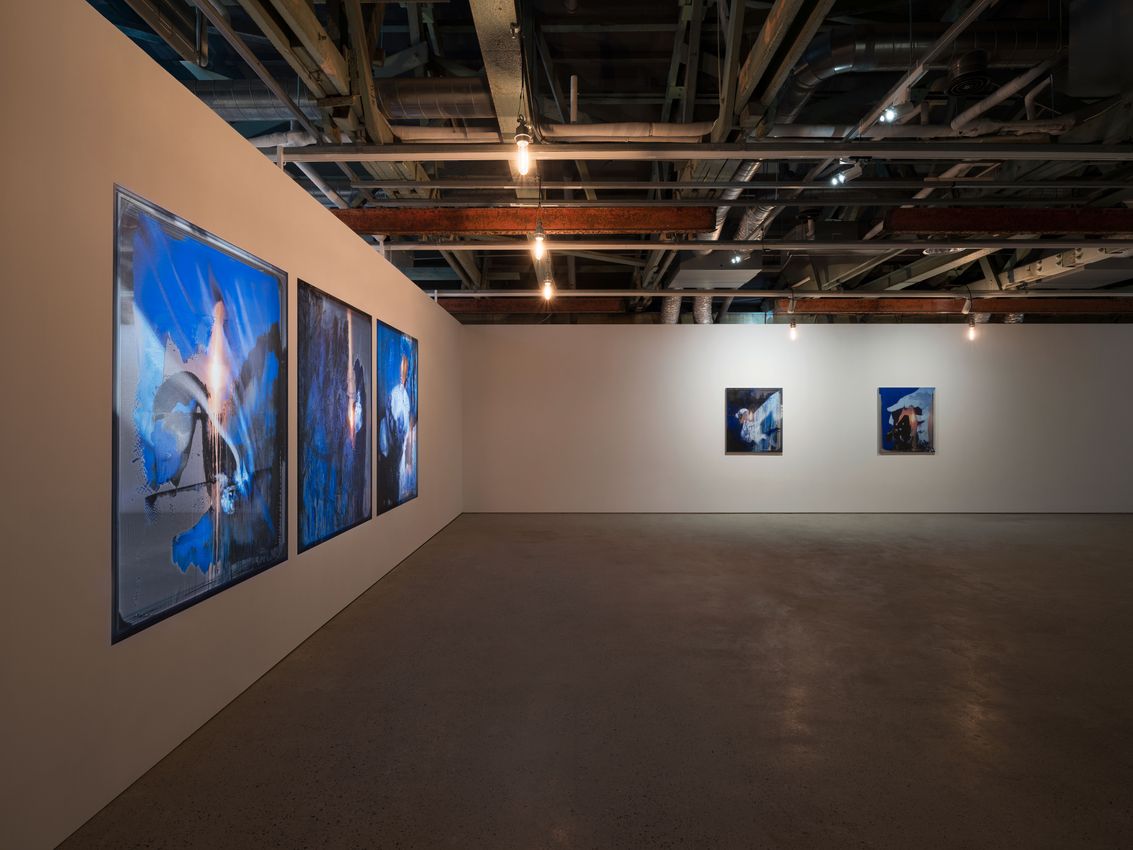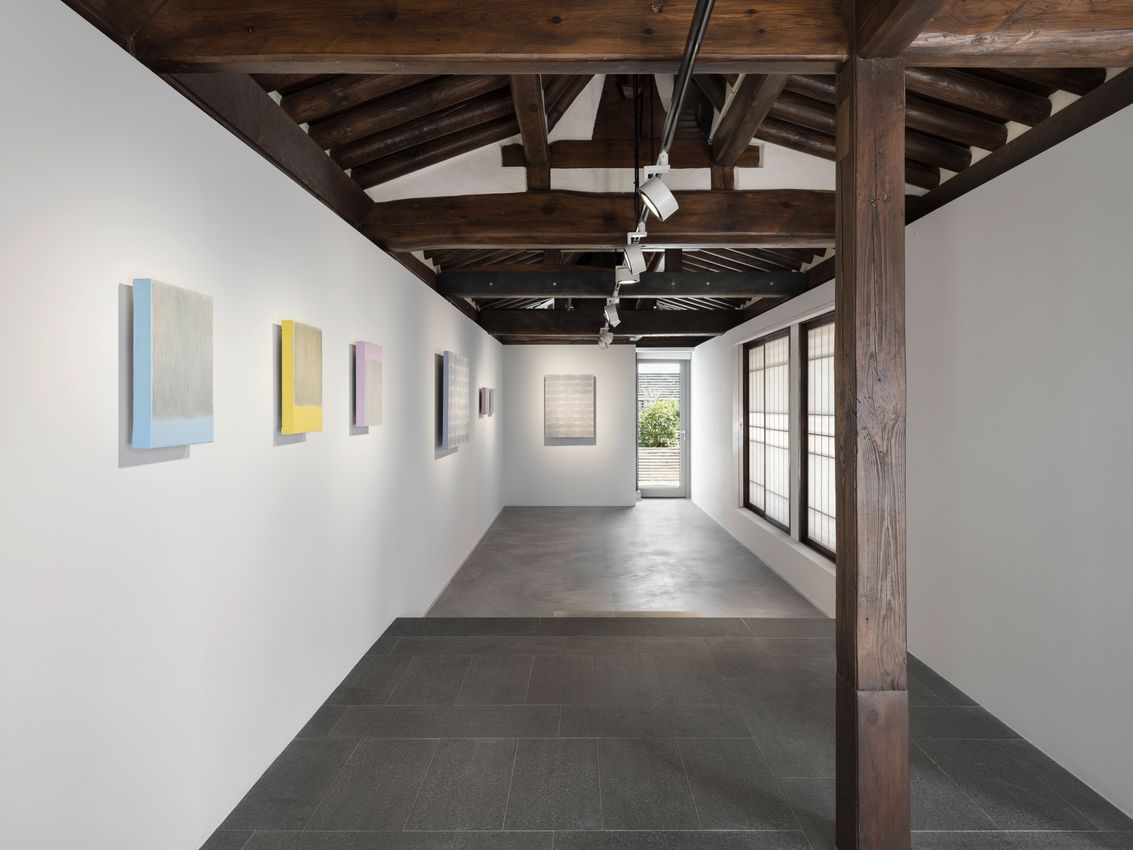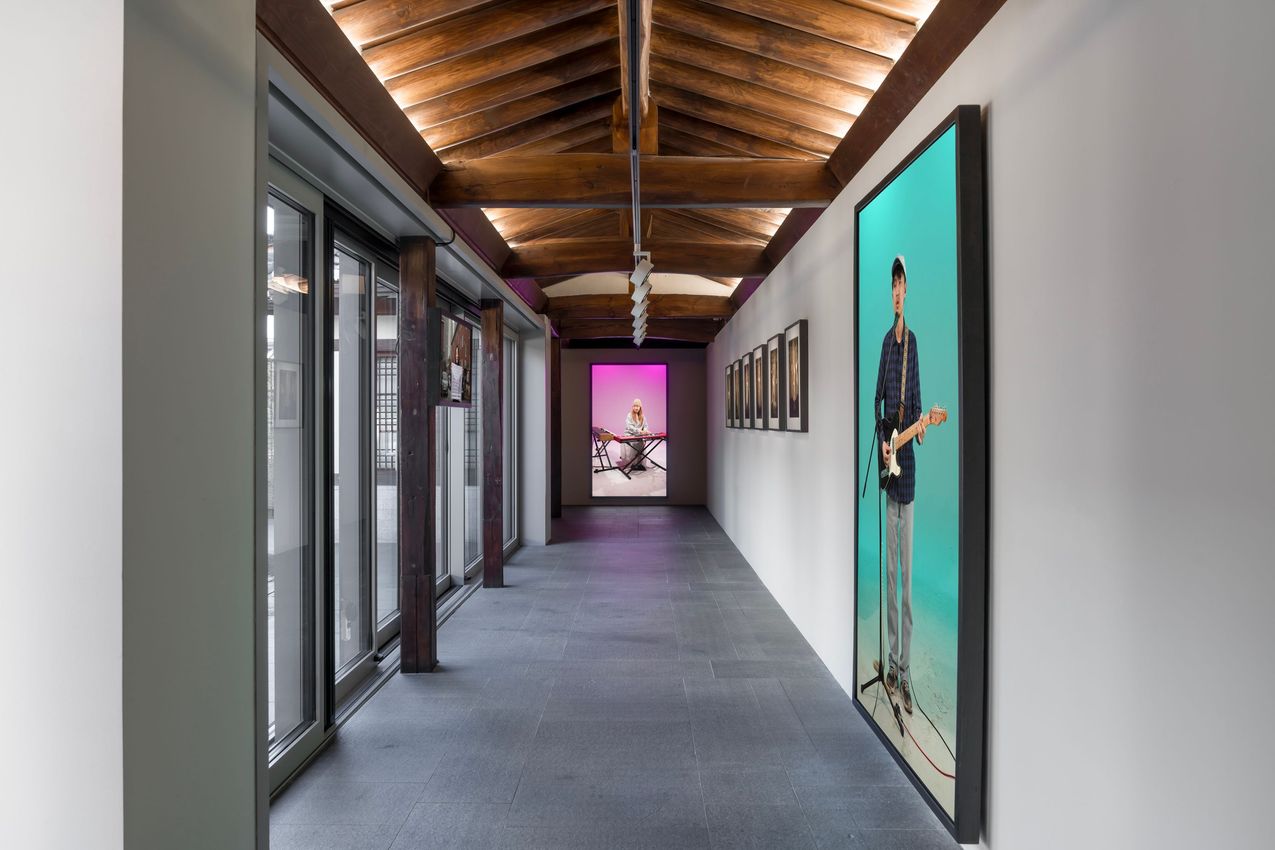
Kukje Gallery is pleased to announce The Inevitable, Inacceptable, a solo exhibition of Yeondoo Jung, at the Hanok space from 3 to 19 November 2025. This exhibition is conceived as part of Signal on Sale, a showcase that questions distribution strategies of digital art from production to sale. The show examines the possibility of circulation and collection of digital videos within the structure of traditional art market by presenting Inevitable Blues (2025)—a group of works comprising multi-channel video installation with synchronous playback first introduced at Jung’s solo exhibition held at the gallery’s Busan outpost in April—and a selection of two-dimensional works. Composed of nine screens and five ceramic vessels that fill the interior of Hanok, Inevitable Blues follows a distribution model akin to printmaking where single-channel videos of individual instrumental performances and multi-media installations are produced as a set in the form of limited editions (Edition of 5, 2AP).
While digitalised data is premised on the condition of infinite reproducibility, it can still operate as a ‘collectible format’ within the mechanism of trust in the art market through systems of limited editions and certificates of authenticity. Based on this institutional frame, the gallery interrogates its distributional potential, with a particular focus on its ability to attain a physical collectible form as in the case of painting and printmaking. Each video that constitutes Inevitable Blues is composed as a unitary structure that includes a display monitor selected by the artist, a wood frame custom-made for the monitor, and vibration speakers, which forms a set paired with another video unit that shares a thematic context. This structure redefines the parameters of digital art as a holistic and complete artistic experience that includes its physical environment of installation rather than as a mere data. Upon acquisition, an installation manual is provided alongside the work in order to ensure an appropriate realization of the artist’s intention in a new environment.
As such, while providing an insight into diverse aspects of today’s digital art and the structure of distribution in conjunction with other exhibitions in Signal on Sale, this exhibition pays particular attention to how digital video is not confined to the condition of infinite reproducibility but can instead inherit the scarcity and collecting practices of the traditional art market. This showcase, which recontextualises Jung’s latest series of works within the Hanok exhibition space and includes a work on paper shown for the first time, also provides a glimpse into the artist’s recent interest in interweaving music, affect, and diasporic narratives for the audiences and art enthusiasts in Seoul who missed the Busan exhibition.
Working across diverse mediums including video, photography, sculpture, and performance, Jung traverses and conjoins heterogeneous subjects, exposing fissures in our era, and interweaves a new texture of senses through subtle observations. In this exhibition, Jung examines the intersection of two subjects—American blues music and the rhythm of fermentation—to elaborate on an attitude of humor and yearning as a means of surviving the reality that diverges from one’s intentions and expectations through his unique perspective.
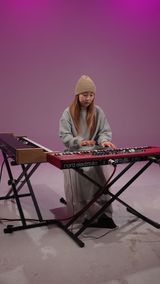
The intimate space of Hanok reverberates with the sonic waves of blues music. Five musicians arranged across the space respond to the video, photography, and sculptures installed across them and convey their own story within the loose ensemble. Jung’s ongoing interest in the juxtaposition of visual images and sonic elements such as music, voice, intonation, and noise powerfully frames his philosophy about the invisible dynamism and vibrancy of life, which is made sensible through music. By focusing in particular on blues music, Jung is able to tap into a farcical and boisterous imagination expressed in this genre and elaborate on a musical way of enduring inexplicable circumstances and inevitable difficulties. Rooted in the experiences of African Americans following the Civil War in the Deep South around the mid-nineteenth century, blues developed its distinctive rhythms and lyrics in response to the challenges of a harsh and unforgiving reality.
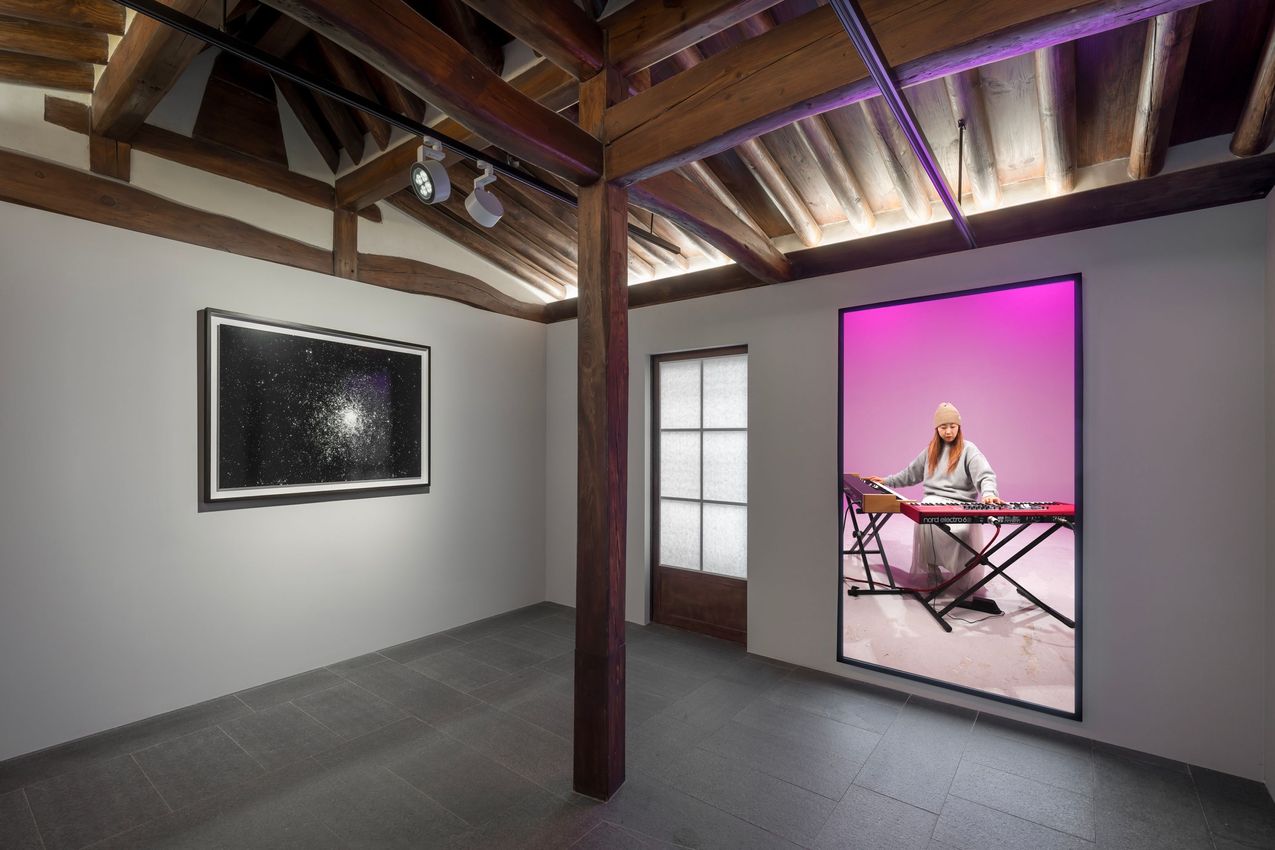
In resonance with the spirit of life expressed through this music, Jung has created Inevitable Blues, which borrows the twelve-bar structure and instrumental composition of the genre, with the guideline from composer Ray Soul. Notably, Jung did not compose the piece beforehand; instead, he provided a tempo of 67 BPM and a set of chord progressions to different musicians and asked them to come up with numerous variations within the structure. He then assembled their individual performances into a single composition, cutting and layering each part to form a unified yet polyphonic whole. The result is a sonic manifestation of life’s rhythmic gestures, voiced in the sounds of contrabass, vocal, saxophone, organ, and drumbeats, that altogether resonate as a piece of asynchronous symphony.
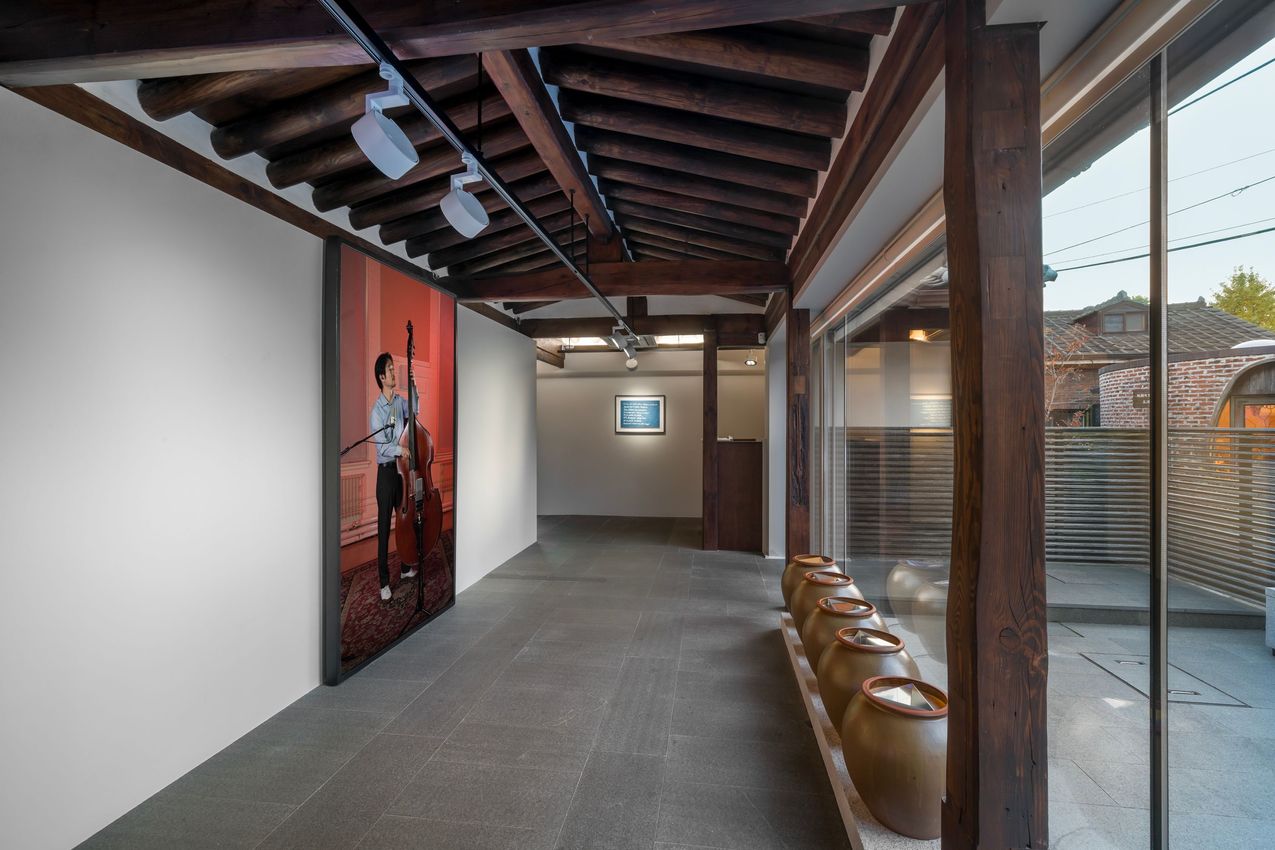
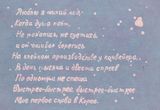
Upon entering the gallery, viewers first encounter a sculpture consisting of five ceramic vessels—Aching Fingers (2025)—that scintillates in accordance with the finger movements of the contrabass player. Much like how the whimsical swing of blues music conceals hardship, or how the beauty of string sounds emerges only through the throbbing sensations at the fingertips, Aching Fingers emanating colorful lights through a kaleidoscopic light effect visualises the underside of the music. Meanwhile, a vocalist with a comforting voice responds to the gestures of Koryoin holding narratives written in Russian in the facing video Inevitable Reasons (2025) and sings their songs. These stories are recorded on a fabric by using Batik tinting method originating from Indonesia. By tinting the fabric with domestic natural dyes including gardenia, turmeric, and redroot gromwell—herbs often used in indigenous medicinal treatments—and writing letters with melted honeycomb, the artist continues the tradition of handmade documentation and healing. Having maintained a long-standing interest in the dislocated spatio-temporal experiences of migrants, Jung turns his attention to Koryoin and shares a slice of their lived experience. The interview with Koryoin, who have settled into the post-Soviet regions after forced migrations due to overpowering historical and political circumstances, is rewritten as a lyric and sung in the blues melody.
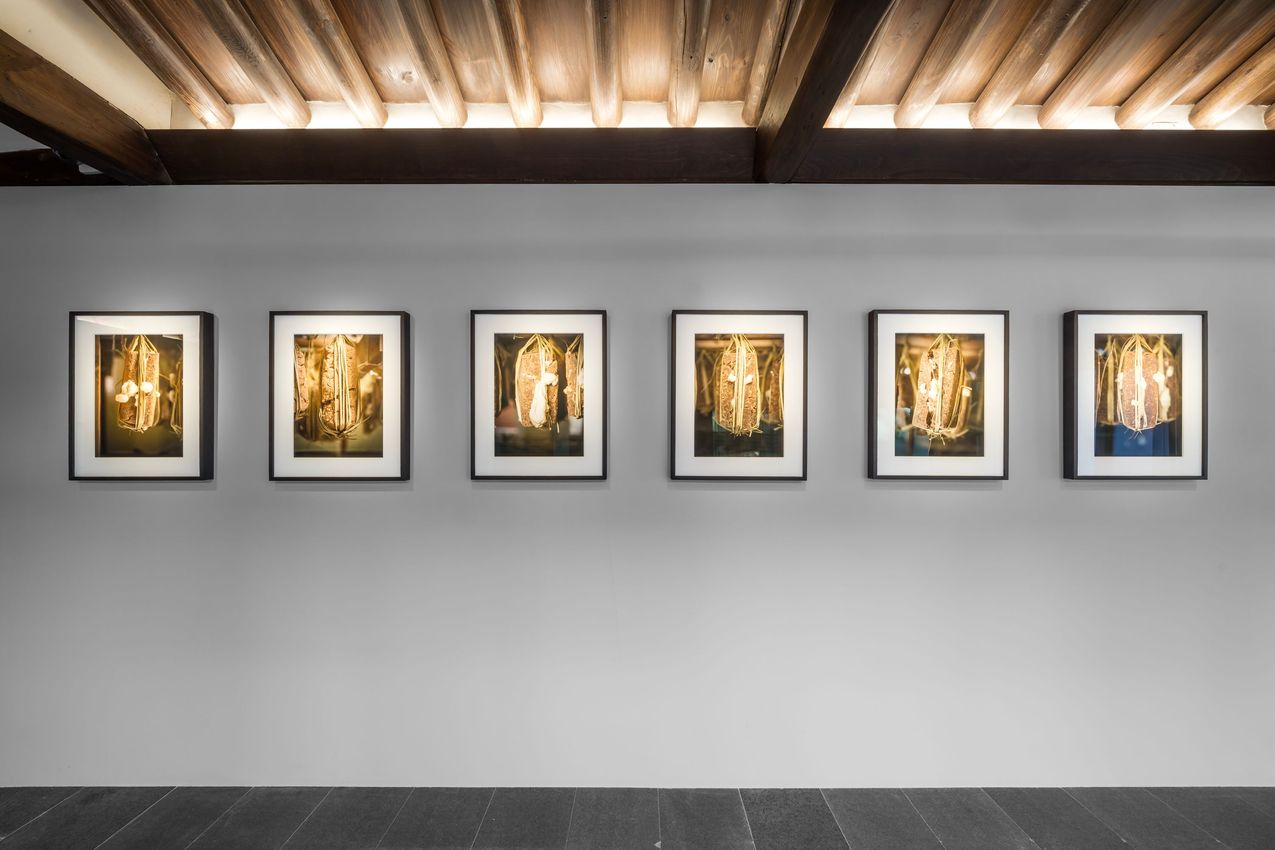
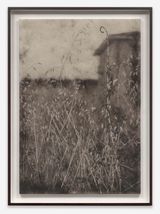
In harmony with the music, multifaceted images of fermentation flourish in the exhibition space. Jung, a self taught brewer of makgeolli (a traditional Korean alcoholic beverage), connects the rhythms of this celebrated drink to blues music more generally. While undergoing the process of fermentation by combining rice and the necessary microbes known as nuruk, Jung observes that this process is not merely a chemical and culinary phenomenon but echoes elements of cosmology, the fermentation resembling a divine realm accessible only through the dynamic between natural bodies, what the artist describes as ‘yearning.’ Adjacent to the video of the vocalist is Portrait of Bacillus (2025), installed along the wall of Hanok, a photographic series capturing goblin-like, crooked contours resembling faces that emerge in the white gaseous bubbles formed during the fermentation of meju (a traditional Korean fermented soybean block). In the other wing of Hanok, the drums are played to the beat of popping makgeolli bubbles, while the flour dough rises into a sourdough—like the breath of a performer—flowing in tandem with the sound of the saxophone. Discovering human likenesses in the traces of fermentation, Jung’s playful photographs marvel at the natural world where difference and resemblance coexist, transforming these moments into humorous and earthly images. Meanwhile, a smoke drawing hung beside the drum video is an attempt to seize the fleeting form through residues of combustion. Just as ashes that remain after fire return to earth and give rise to new life, the image created by smoke visualises the cyclical rhythm of life resembling the natural fermentation.
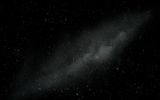
The mystical microbial operations expand further into the creation of a universe. In response to the touch of the organ and piano, a percussionist scatters flour on a table, producing a screen reminiscent of the stars dispersed in the universe. Alongside this gesture of creation is a photograph evoking a star cluster. As revealed in the adjacent video, this image was formed by sprinkling baking flour onto a black marble. This vast universe—born of a celebratory, wishful gesture of rubbing and clapping hands—turns out to be composed of the humble material of flour. Here, one encounters Jung’s signature irony, a subtle interweaving of lightness and gravity, playfulness and solemnity, held in balance by the exhibition’s unique push and pull. In the face of life’s enigmatic mechanisms, Jung’s work challenges conventional categories, juxtaposing macro and microcosmic worlds with a spirit of humor and yearning, sustained by an abiding affection for life’s many wonders. In this exhibition-as-stage, music and image resound in polyphonic harmony— music that is the very rhythm of the heart, accompanying one through the inevitable joys and sorrows of life, coincidence and fate.


Interested in the mediated reality of contemporary life, Yeondoo Jung's video and photographs portary a surreal and fantastical vision of the everyday. Describing his own work as more documentary than mise-en-scene, the artist invites participants to enact heroic situations. The chance encounters that result are often startling yet attempt to situate viewers in the present. In this sense Jung's works are anti-illusionist.


Established in the heart of Seoul in 1982, Kukje Gallery is a leading Korean gallery dedicated to showcasing works by Korean and international artists and promoting modern and contemporary art. At 54 Samcheong-ro, Jongno-gu, the gallery has 3 key exhibition spaces, respectively named K1, K2, and K3. In 2018, the gallery opened a second location in F1963, a cultural complex housed in a former wire factory in Suyeong-gu, Busan.
A respected voice in contemporary art discourse.
Focusing on ambitious storytelling and insightful art-world commentary. Ocula Magazine publishes in-depth interviews, critical essays and timely analysis on the artists, exhibitions and ideas driving the global art world.
Learn more about Ocula Magazine
Showcasing the best of the art world.
Ocula partners with galleries from around the world to highlight their artists, artworks and exhibitions. Gallery membership is by application and invitation, with each member vetted by an independent panel.
Learn more about Ocula Membership

Specialises in the sale of major artworks.
Led by a team with deep ties to the world’s leading auction houses, galleries and collectors. Ocula’s advisory team offers bespoke services to high-net-worth clients from around the world who are looking to acquire the best of contemporary and modern art.
Learn more about our team and services