For Abu Dhabi Art 2025, we bring together a diverse group of artists from various cultural backgrounds and artistic disciplines, including Shaikha Al Mazrou (b. 1988, Emirati), Mohamed Ahmed Ibrahim (b. 1962, Emirati), Marwan Bassiouni (b. 1985, Swiss-Egyptian-American), Elias Sime (b. 1968, Ethiopian), Saif Azzuz (b. 1987, Libyan-Yurok), Omar Al Gurg (b. 1995, Emirati), Rand Abdul Jabbar (b. 1990, Iraqi), Nabil Nahas (b. 1949, Lebanese), Mandy El-Sayegh (b. 1985, British-Malaysian), Farhad Ahrarnia (b. 1971, Iranian-British) and James Clar (b. 1979, Filipino-American). These artists, ranging from sculptors and painters to installation, photography, and mixed-media practitioners, offer compelling perspectives that merge natural motifs, cultural memory, and contemporary artistic expression.
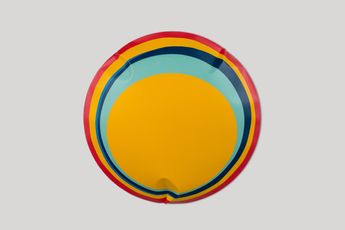
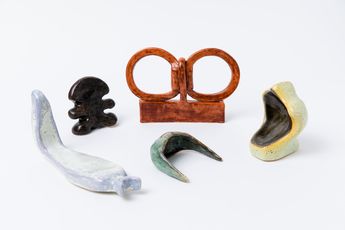
As the visual campaign artist for this year’s edition of Abu Dhabi Art, Shaikha Al Mazrou continues her exploration of materiality and tension through sculptural experimentations inspired by origami and folding. Her works reflect a deep understanding of how materials behave, expressing the balance between form and structure. Influenced by movements that focus on colour, geometry, and abstraction, Al Mazrou develops these ideas in her own way, creating works that transform simple materials into dynamic forms.
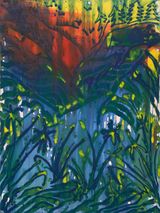
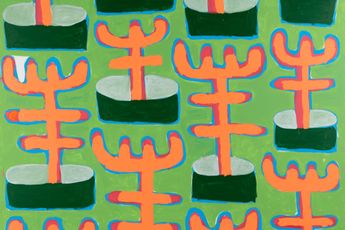
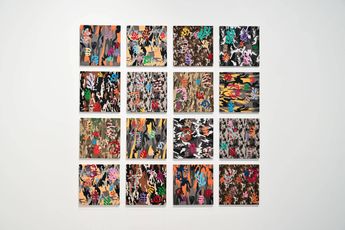
Similarly grounded in material and place, Mohamed Ahmed Ibrahim’s practice is deeply rooted in the natural environment of Khor Fakkan, where he lives and works; his abstract forms and rhythmic mark-making are meditations on memory, repetition, and the enduring presence of the landscape. Currently, his solo exhibition Two Clouds in the Night Sky at the Cultural Foundation, Abu Dhabi (9 October 2025 – 22 February 2026), also expands on these ideas, offering a contemplative exploration of the cyclical rhythms and organic forms that define his practice.Themes of place and identity continue through Saif Azzuz’s vibrant paintings, which blend abstraction and surrealism. Characterised by dynamic colour and fluid movement, his works evoke Indigenous identity, land stewardship, and climate consciousness.
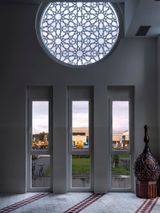
Marwan Bassiouni’s photographic series examines the intersection of spirituality and place, capturing interior views of mosques that frame surrounding Western landscapes. Through these images, he reconsiders how belonging and cultural presence are visually articulated, offering quiet reflections on faith, coexistence, and everyday life in the contemporary West.
Bridging material history and myth, Rand Abdul Jabbar’s practice slices through thousands of years of history to reveal dormant narratives embedded in form. Clay lies at the heart of her ongoing series Earthly Wonders, Celestial Beings (2019–), which was awarded the Richard Mille Art Prize in 2022. Across sculptural groupings that explore fertility, eye idols, and crowns—symbols of living, seeing, and knowing—Abdul Jabbar examines how cultural memory endures through objects and gestures, continually resurfacing through materials that resist forgetting.
One of the distinctive techniques used by Nahas in his Fractal paintings involves the ‘encrusted’ technique, where he constructs a three-dimensional surface by layering textures and materials. The artist builds up layers of paint and materials, allowing some to protrude while others recede. This mimics the geological formations and organic growth found in the sea floor or the craters of the underwater world. He often uses blues and greens to evoke the colours of the ocean, but he also incorporates earthy tones and metallic accents to simulate the shimmering and reflective nature of water.
By contrast, Farhad Ahrarnia’s practice is rooted in the craft tradition of khatam, an Iranian micro-mosaic technique with a history spanning over six centuries. Repurposing this meticulous marquetry as a form of mark-making, he bridges the ornamental with the modernist. Thin filaments of wood and metal are assembled into geometric patterns and integrated into compositions that echo seminal works of twentieth-century abstraction. In doing so, Ahrarnia situates a traditional craft language within global discourses of modernism and constructivism, expanding the dialogue between heritage and modernity.
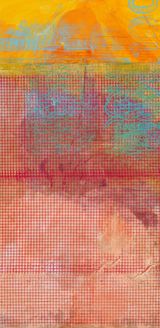
Mandy El-Sayegh’s work similarly engages with material, memory, and structure, combining silkscreen prints, collage, and found materials to explore systems of order, circulation, and containment. Her compositions integrate personal memorabilia alongside fragments of newspapers, currency, and calligraphy, layering symbolic and linguistic elements into surfaces that both reveal and obscure information. Drawing on ritual and cultural references, El-Sayegh intertwines personal and collective histories, creating works that are simultaneously archival, symbolic, and visually poetic.
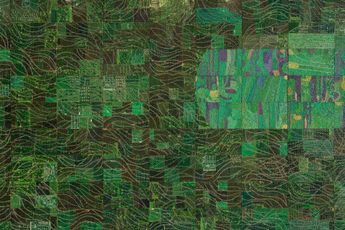
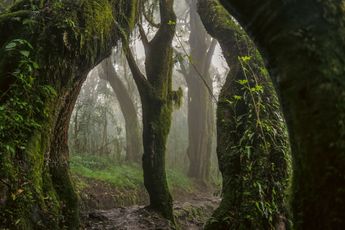
Omar Al Gurg’s photographs document Kilimanjaro’s striking ecological diversity, captured through his attentive and empathetic gaze during a six-day journey in 2021. His work offers a nuanced exploration of the mountain as a living, evolving ecosystem shaped by both natural forces and human presence, highlighting the interconnectedness of landscape, observation, and environmental consciousness.
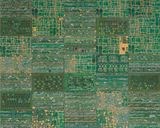
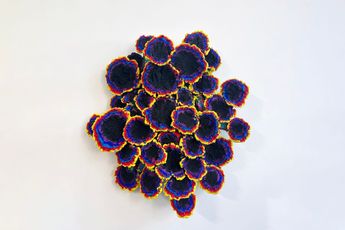
Elias Sime deftly weaves, layers, and assembles circuit boards, computer keys, telecommunications wires, and other electronic components into lyrical abstract compositions that suggest topography, figuration, and colour fields. His works invite reflection on the interplay between tradition and progress, human contact and social networks, nature and the man-made, and physical presence and the virtual.
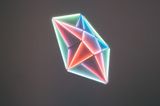
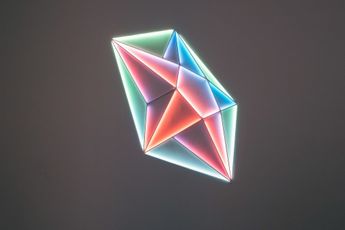
James Clar’s Parol #1 is a light-based sculpture modelled after the traditional Filipino parol, a star-shaped lantern referencing colonial histories and the North Star, addressing themes of orientation, navigation, and collective memory. Together, these artists present a reflection on how place, history, and material continue to shape artistic expression today, revealing connections that move across landscapes, cultures, and generations.
AUGUSTINE PAREDES AT ‘GATEWAY’ EXHIBITION
Augustine Paredes will also be featured in the Gateway Exhibition at Abu Dhabi Art 2025, as part of a group presentation of curatorial platform Sa Tahanan Co.
In 2020, Paredes co-founded Sa Tahanan Co. with Anna Bernice delos Reyes, dedicated to supporting and showcasing Filipino artists and creatives in the Gulf region, offering a platform for their voices and visions to reach an international audience.
Curated by Brook Andrews, the Gateway Exhibition explores the theme Seeds of Memory – Migration as Ceremony, Survival, and Renewal. Paredes, alongside delos Reyes, has curated and conceptualised their presentation within the exhibition, highlighting works by Filipino artists from their community. This presentation also brings works by Berlin-based Filipino artists to the UAE for the first time: reflecting on migration, memory, and cultural continuity, providing a lens into the experiences and stories of Filipino creatives in the region.
A respected voice in contemporary art discourse.
Focusing on ambitious storytelling and insightful art-world commentary. Ocula Magazine publishes in-depth interviews, critical essays and timely analysis on the artists, exhibitions and ideas driving the global art world.
Learn more about Ocula Magazine
Showcasing the best of the art world.
Ocula partners with galleries from around the world to highlight their artists, artworks and exhibitions. Gallery membership is by application and invitation, with each member vetted by an independent panel.
Learn more about Ocula Membership

Specialises in the sale of major artworks.
Led by a team with deep ties to the world’s leading auction houses, galleries and collectors. Ocula’s advisory team offers bespoke services to high-net-worth clients from around the world who are looking to acquire the best of contemporary and modern art.
Learn more about our team and services